
Most archaeology lovers assume that Egypt’s greatest monuments are only preserved in the dry desert sands. We believe that we must dig in places like Luxor to find ancient ruins.
But a spectacular excavation beneath the muddy Nile Delta has challenged this belief. Scientists have uncovered a colossal 2600-year-old temple complex buried deep in the marshlands.
Sifting Through Wet Clay
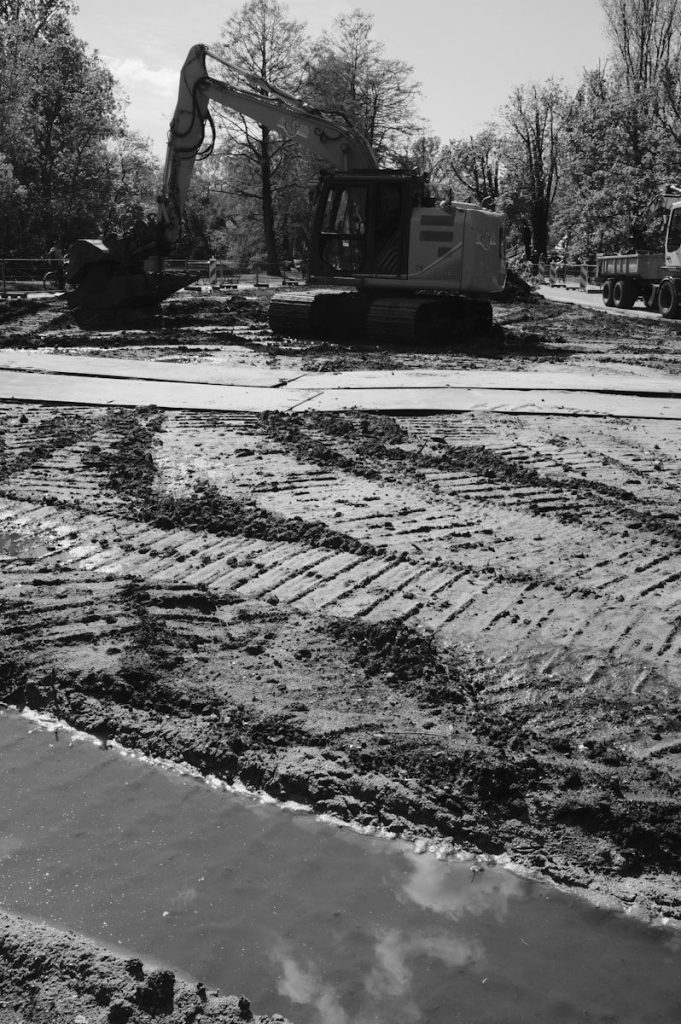
The wet environment of northern Egypt is historically notorious for destroying ancient organic remains and limestone walls. According to reports from the Egyptian Ministry of Antiquities, archaeologists had to battle rising groundwater to clear the target coordinates. The mud was thick. Yet their persistence paid off when they struck massive foundation stones resting deep beneath the silt layers. But this stone floor was hiding a highly surprising purpose.
Mapping Ancient Solar Movements
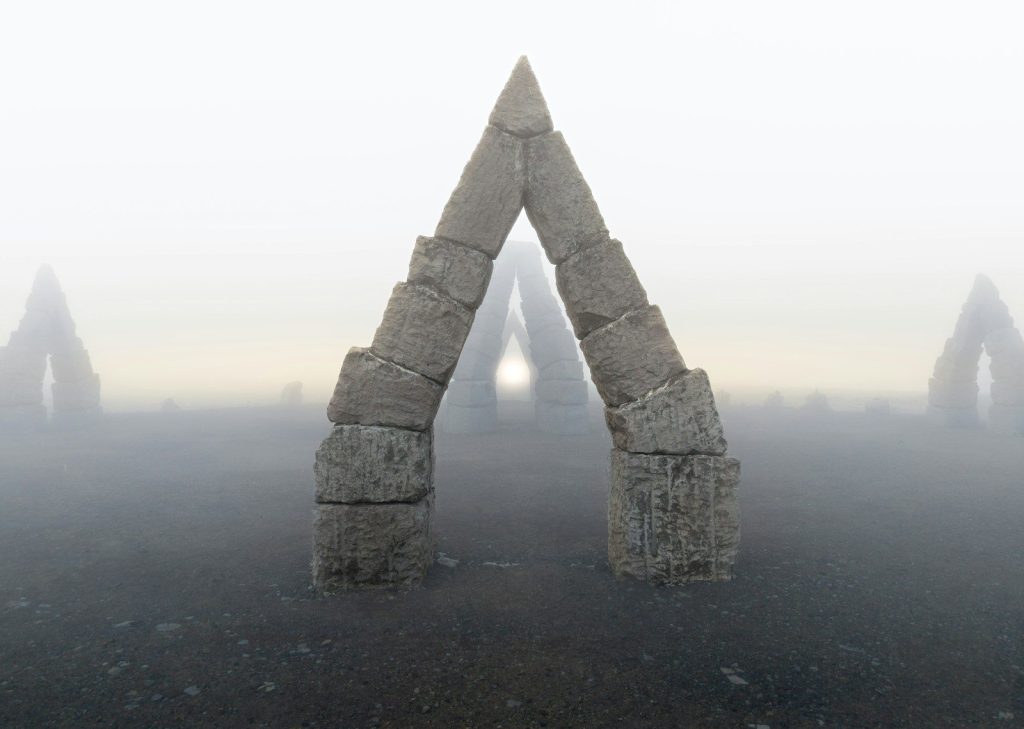
Peering at the alignment of the massive stone walls revealed a brilliant design. According to archaeoastronomy researchers, the temple foundations were carefully aligned with the sun during the seasonal Solstices. The alignment was perfect. This precise orientation allowed ancient priests to calculate the agricultural calendar with incredible accuracy. But tracing who built this celestial calendar led to a forgotten dynasty.
Legacy Of The Pharaohs
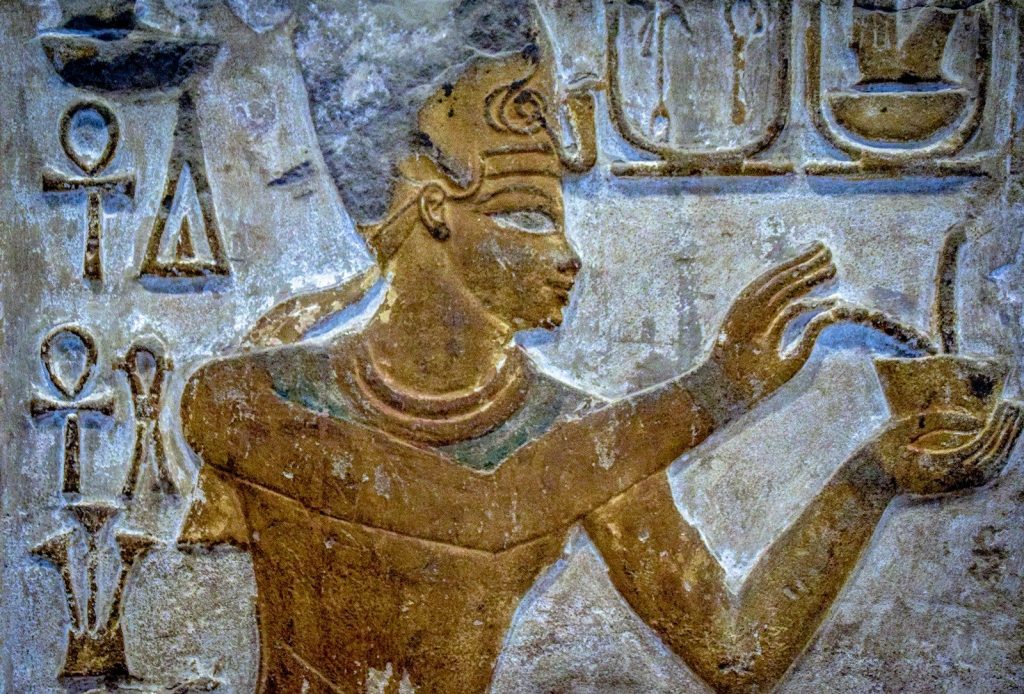
This massive temple dates back to the twenty-sixth dynasty, when Egypt experienced a sudden artistic renaissance. According to classical historians, this era marked the last great peak of native Pharaonic rule before foreign conquests. The kings were powerful. They built monumental structures in the Delta to assert their political sovereignty over vital trade routes. But excavating the inner chambers revealed a collection of bizarre artifacts.
Artifacts Hidden In Marshlands
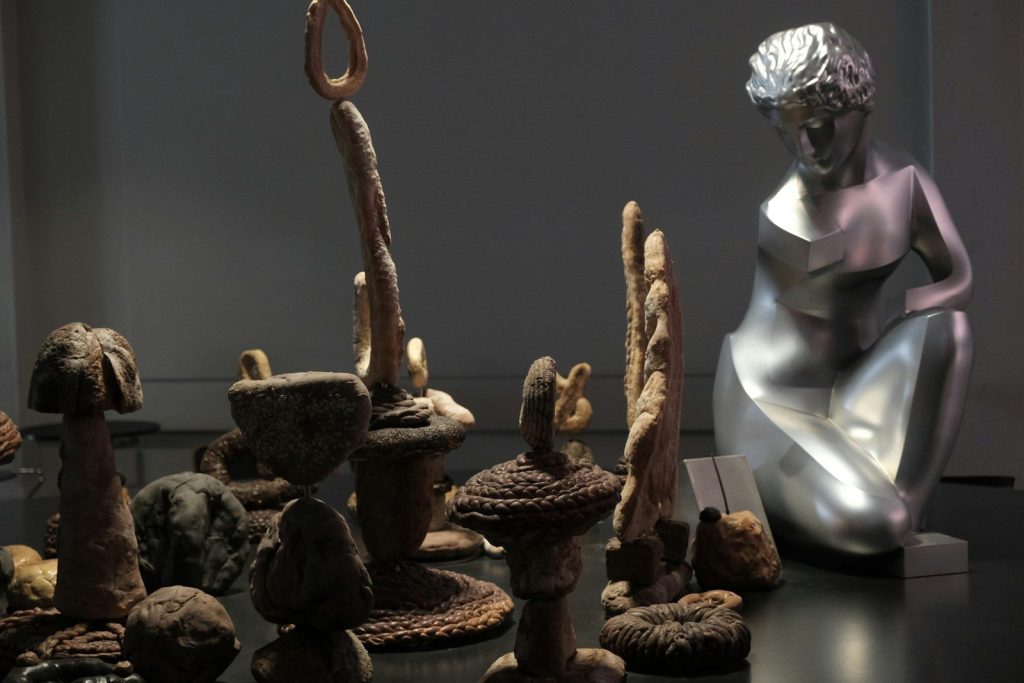
Excavators working in the lower mud layers recovered a cache of pristine bronze statues and sacred tools. According to the Cairo Research Institute, these metallic items remained protected from oxidation by the heavy clay seal. The details are beautiful. These religious artifacts depict gods associated with solar tracking and seasonal rebirth. But finding the ultimate treasure required exploring the deepest chamber.
The Giant Red Granite Block
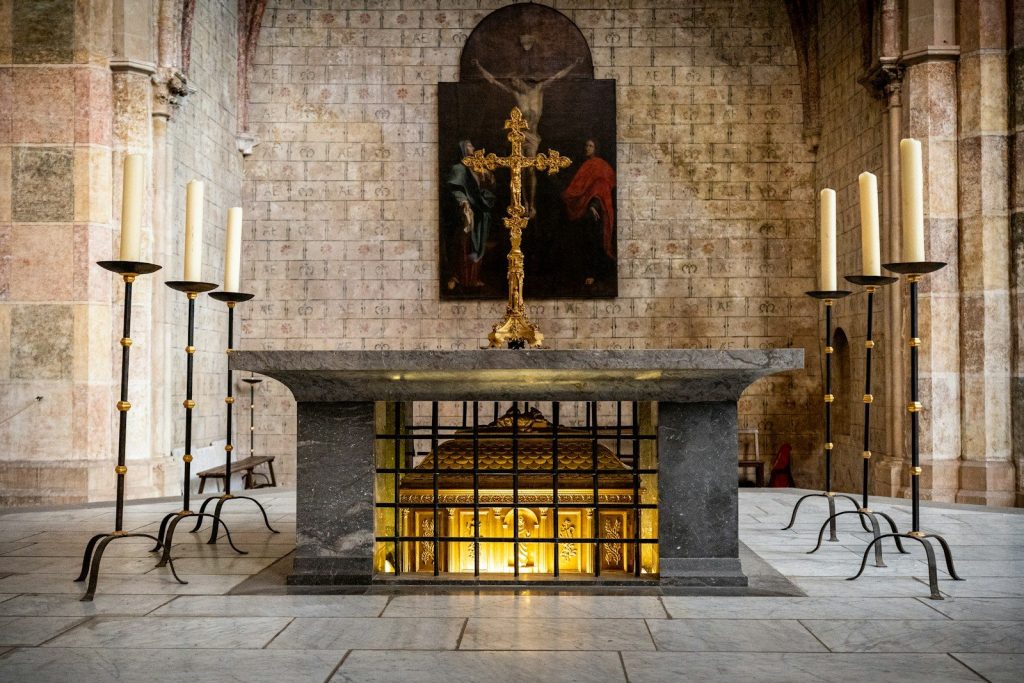
Our central sanctuary contained an incredibly dense block of polished red granite that dwarfed the other stones. According to structural geologists, this single monumental block was transported hundreds of miles down the Nile River. It was incredibly heavy. Moving this massive stone through the ancient delta marshes required highly organized transit engineering. But managing this water flow was a vital skill for the temple builders.
Advanced Delta Canal Engineering
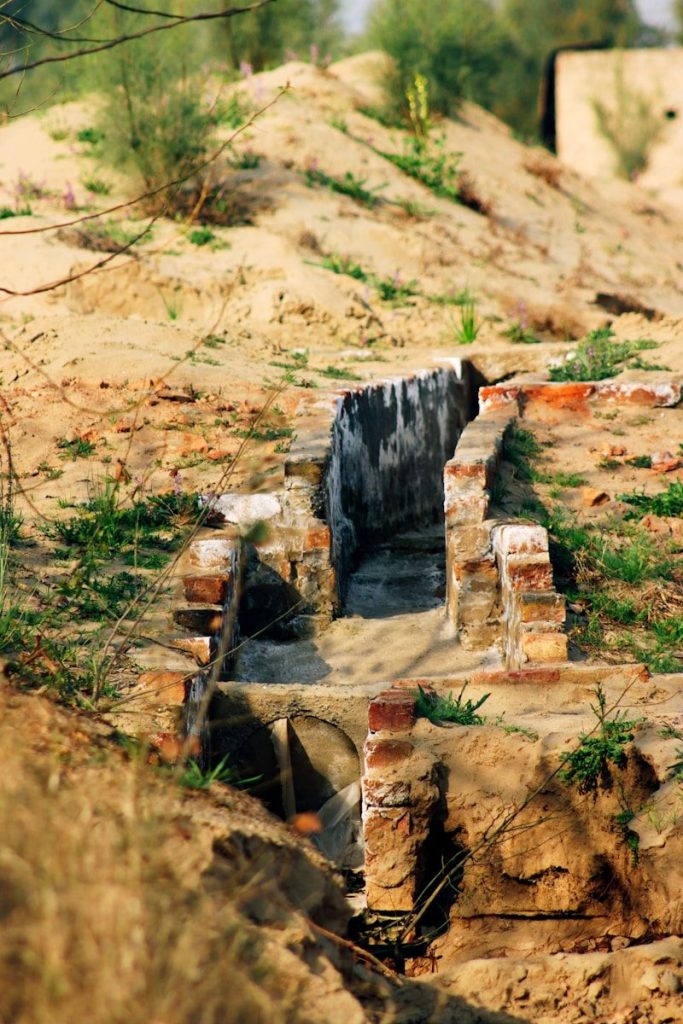
A complex network of ancient channels surrounded the sacred temple compound to regulate the annual floodwaters. According to hydrological surveys, these artificial canals prevented the mud foundations from sliding into the river branches. The system was seamless. This clever water management allowed the heavy limestone structures to stand secure for centuries. But the rise of massive empires would soon bring a sudden end.
Swallowed By Rising Silt
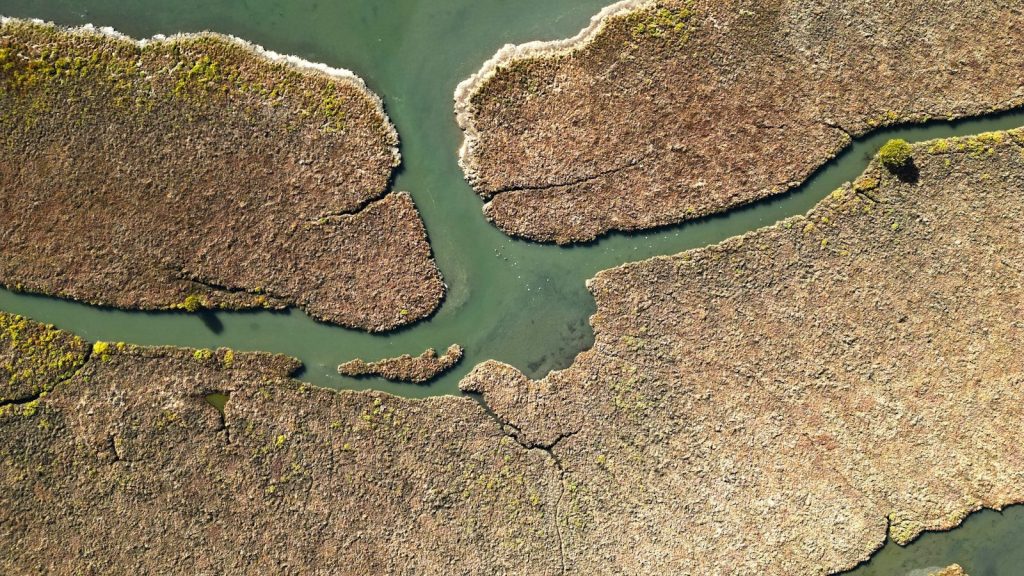
Both climate shifts and changing river paths slowly cut off the temple’s water supplies. According to sedimentologists, the Nile delta branches shifted outward, leaving the sanctuary stranded in marshy mud. The city was abandoned. Over centuries, annual river floods covered the stone walls in thick layers of wet silt. But modern technology has finally allowed us to look through this muddy shield.
Unlocking Our Subsurface Heritage

Using ground-penetrating radar allows archaeologists to map these lost Delta ruins without disturbing the delicate marshlands. According to historians, this discovery proves that ancient Egyptian history still holds boundless secrets beneath the soil. The past is active. Exploring these buried temples helps us reconstruct the true genius of early Pharaonic engineering. This article is for informational purposes only.
Featured Image: Photo by Son Tung Tran on Pexels
Leave a Reply