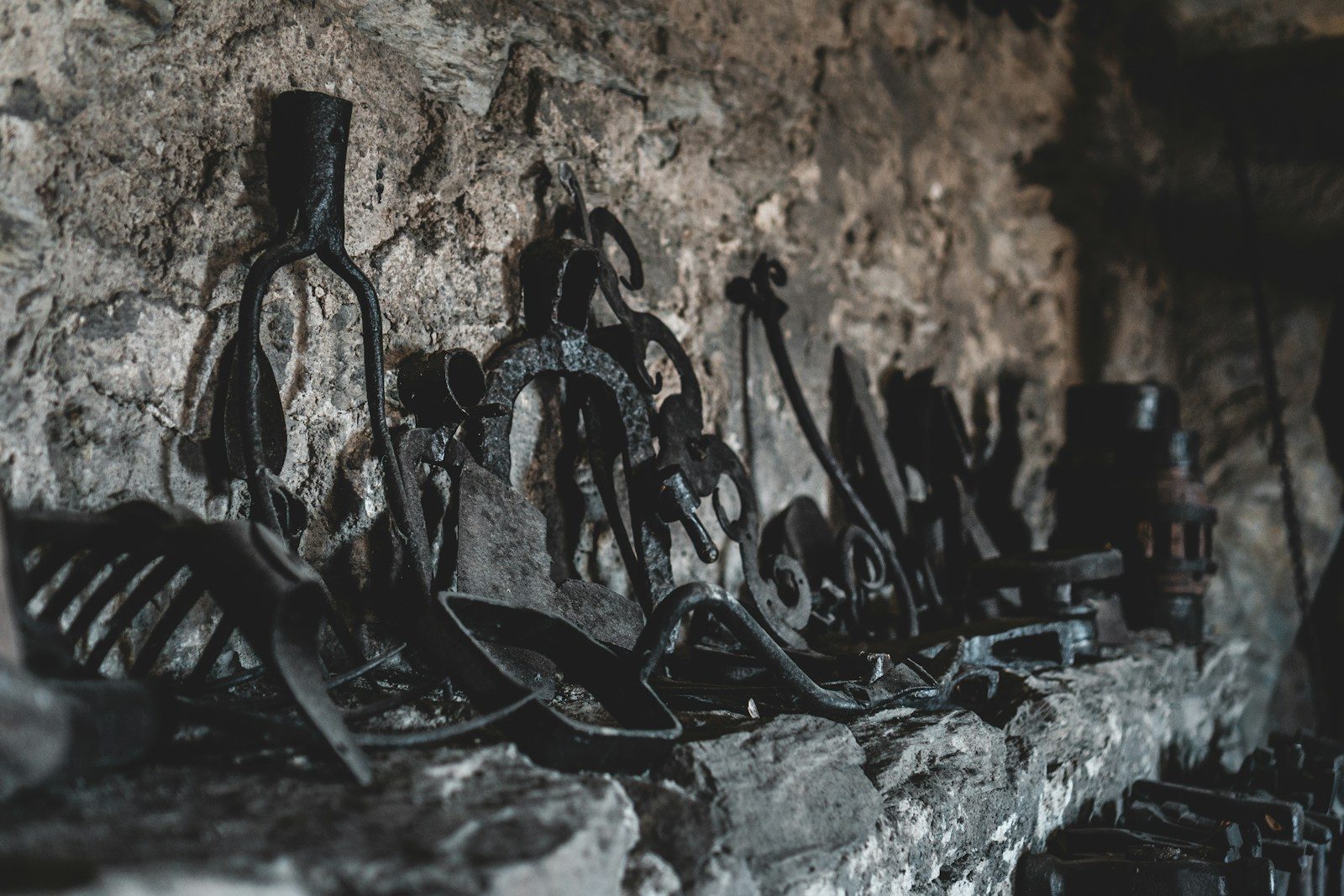
Most historians assume that early humans only possessed the skills to shape basic stones. We believe that prehistoric survival relied on crude handaxes and shattered rocks.
But a recently unsealed cavern in Europe is forcing experts to question our entire evolutionary timeline. Deep inside this ancient tomb lies a collection of highly precise objects that bypass human handiwork.
The Untouched Subterranean Vault
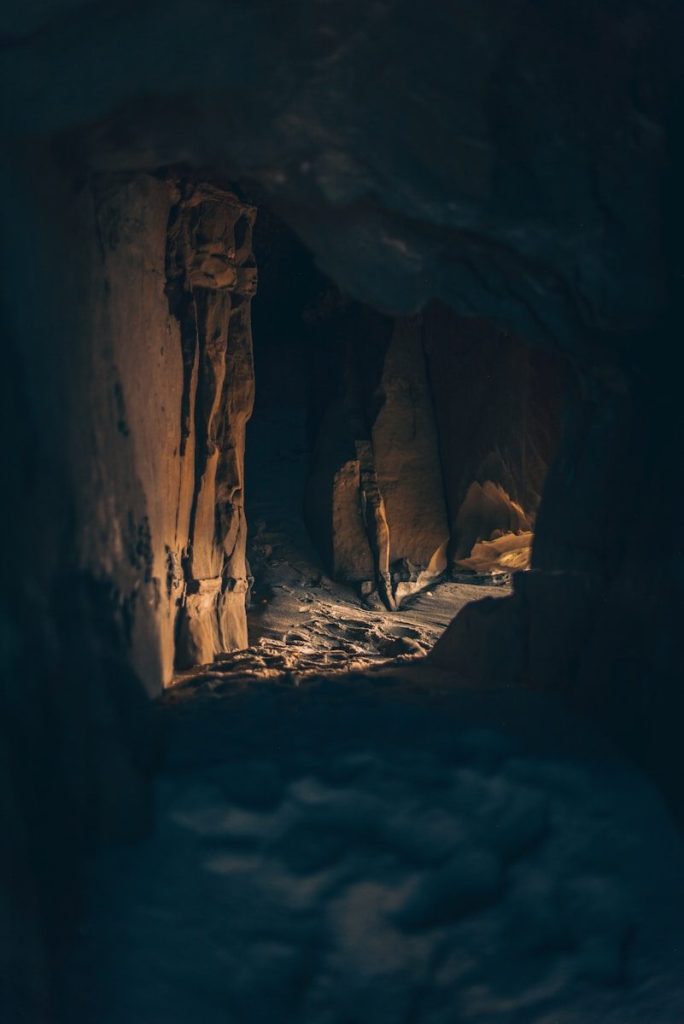
Exploring a deep limestone fissure led researchers to an incredibly surprising subterranean discovery. According to reports from the French National Center for Scientific Research, a massive rockfall sealed this dark chamber over fifty thousand years ago. The air was dead. This absolute isolation preserved the fragile floor in its original state. But scientists quickly noticed something that did not belong in that primitive era.
Flawless Microscopic Symmetry
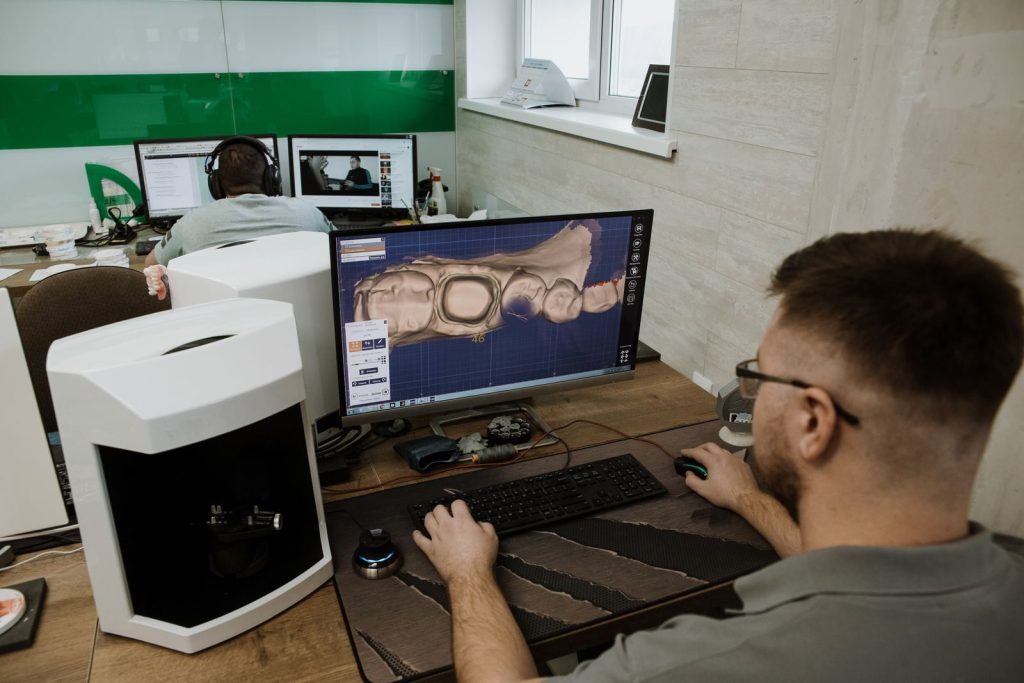
High-tech scanners revealed that the strange tools possessed perfect geometric proportions. According to archaeological micro-wear studies, the objects show absolutely zero signs of erratic human carving. They are perfectly smooth. The lack of standard tool marks suggests that these items were shaped by an advanced manufacturing method. But the chemical composition of the stone was even more baffling.
Impossible Thermal Fingerprints

Laboratory testing showed that the rocks underwent extreme heating during their creation. According to mineral analysts at the University of Paris, the crystalline structures inside the tools were forged at temperatures exceeding one thousand degrees. It was incredibly hot. No known early hominid possessed the technology to control such intense heat sources. And the mystery deepened when experts began looking for the actual builders.
Tracing The Ghost Builders
Excavating the entire cave floor yielded a highly puzzling biological result. According to forensic anthropologists, the team found absolutely no fossilized bones or organic matter from prehistoric humans. The vault was empty. This total absence of skeletal remains suggests that the creators did not live in the cavern. But a surprising discovery on the rock walls offered a brand new clue.
Cryptic Geometric Codes
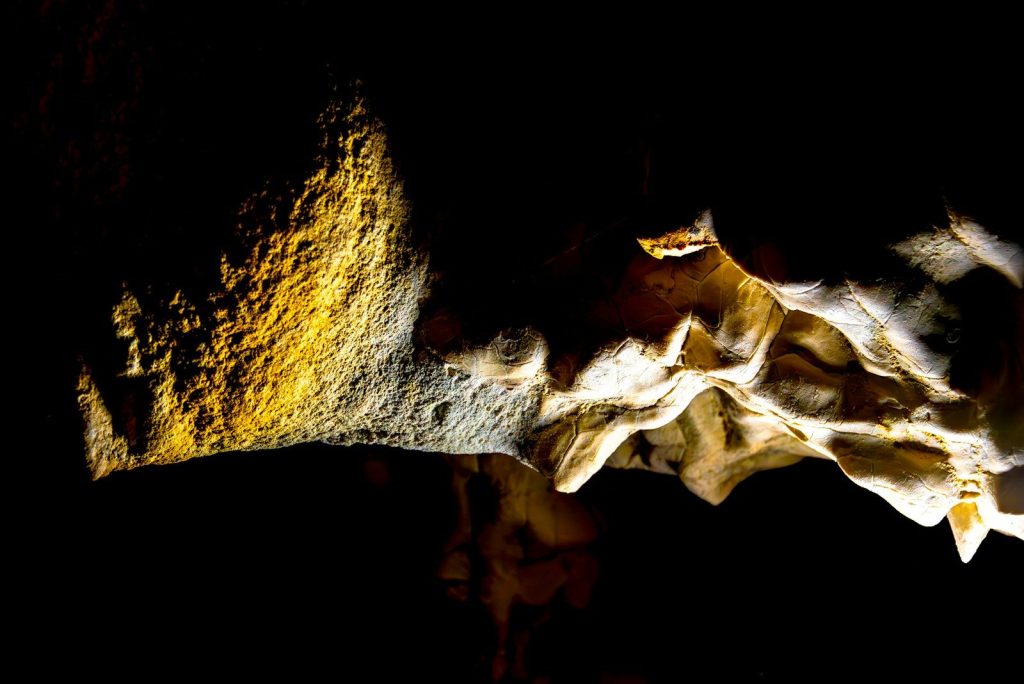
Light mapping technology revealed faint geometric patterns carved high above the tool site. According to digital epigraphers, these symbols display a complex mathematical language that predates any known writing system. The shapes were dazzling. This highly organized layout suggests that the builders possessed a deep grasp of spatial relationships. Yet scientists were still struggling to identify the intelligence behind these carvings.
An Unidentified Prehistoric Cousin

Evolutionary pathways might hold the final answer to this deep archaeological puzzle. According to research published in Nature, unrecognized human relative groups like the Denisovans possessed highly sophisticated mental abilities. They were highly capable. This advanced cognitive skill might explain how these incredible artifacts were designed and executed. But the team still needed to reconcile the extreme age of the geological layers.
Redefining Our Ancient Roots
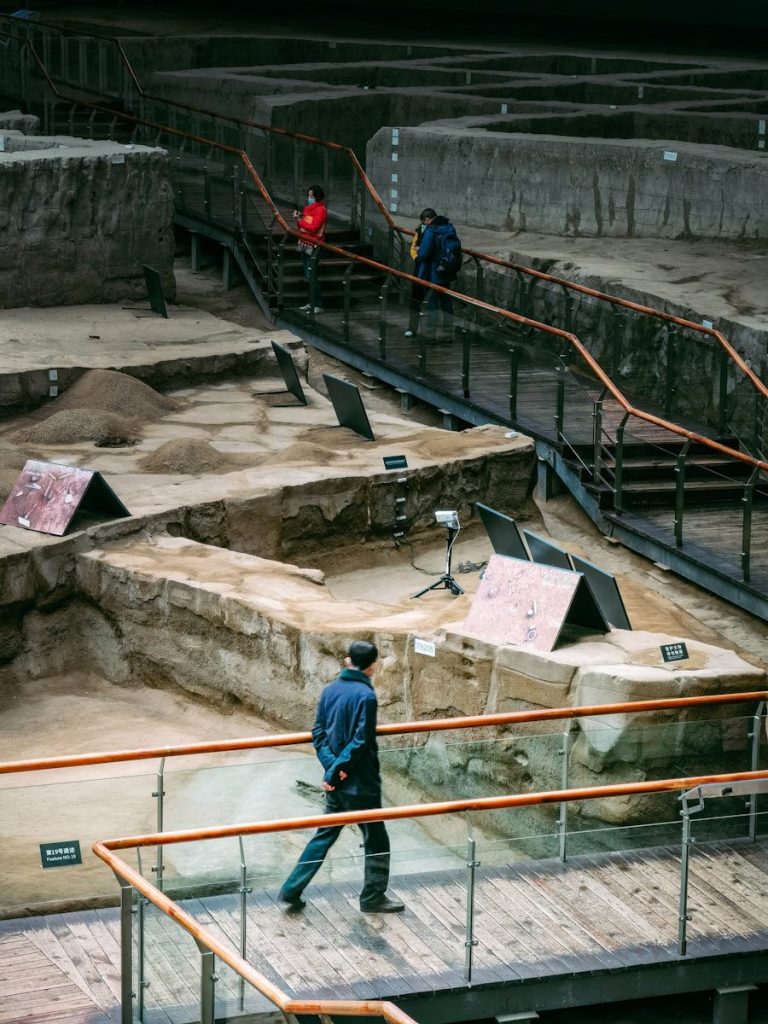
This pristine cave forces us to reconsider the intellectual landscape of prehistoric Earth. According to modern geologists, our ancestors shared the planet with highly intelligent species capable of advanced crafting. The past remains open. This realization is pushing research teams to search for other lost industrial sites across the region. But one final detail about the tools would reveal their true age.
The Final Chronological Verdict

Advanced testing has locked the timeline of these artifacts into a secure window. According to the French National Center for Scientific Research, these items prove that prehistoric technology was far more advanced than modern humans assume. Our history is fluid. This article is for informational purposes only.
Featured Image: Photo by Jonathan Kemper on Unsplash
Leave a Reply