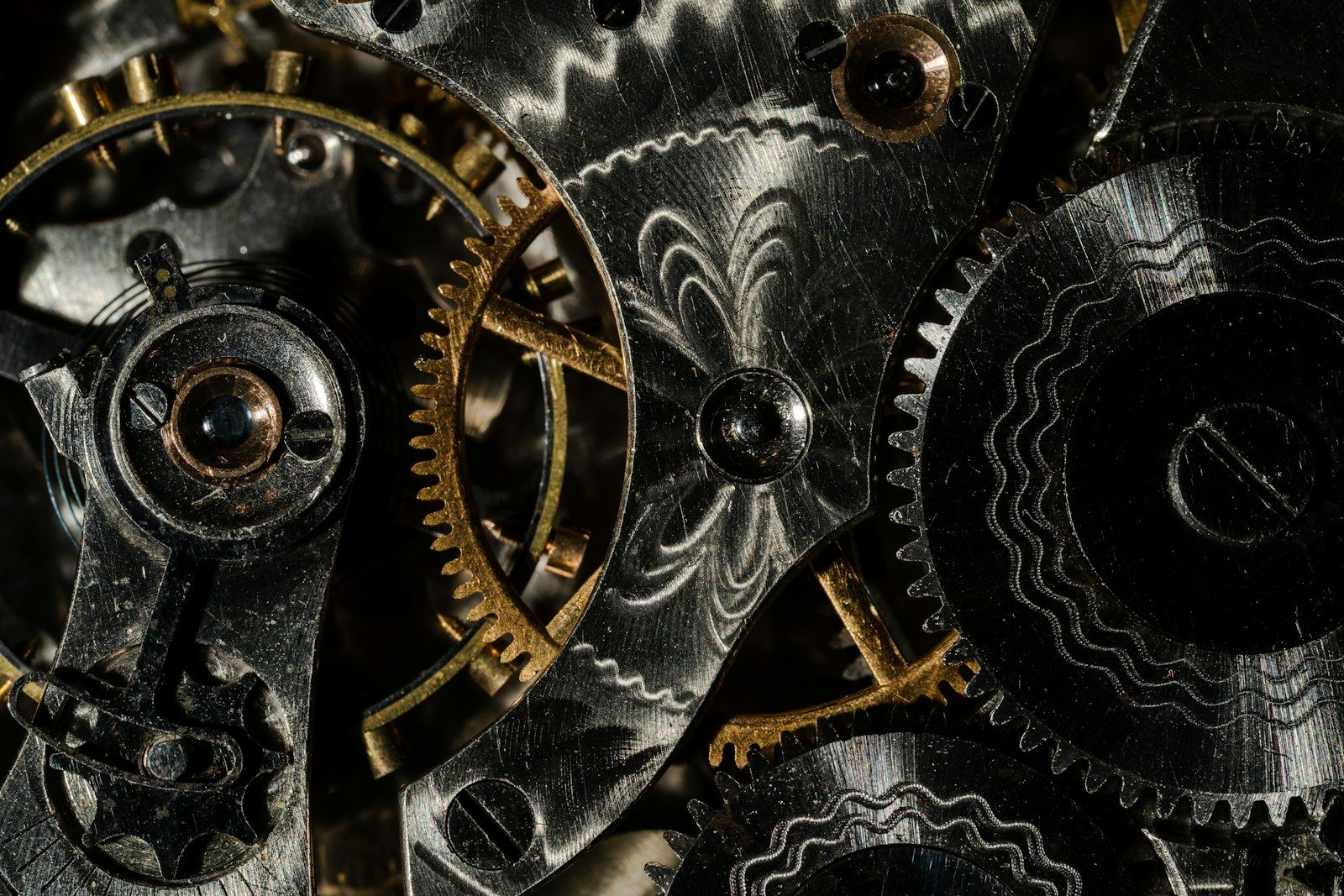
Most people assume that modern digital clocks are the most reliable timekeepers ever created. We believe that microchips and constant internet connections will preserve our records forever.
But a group of visionary engineers is completely challenging this digital dependency. They have constructed a massive mechanical monument designed to tick for ten millennia without human help.
Buried Deep In Stone
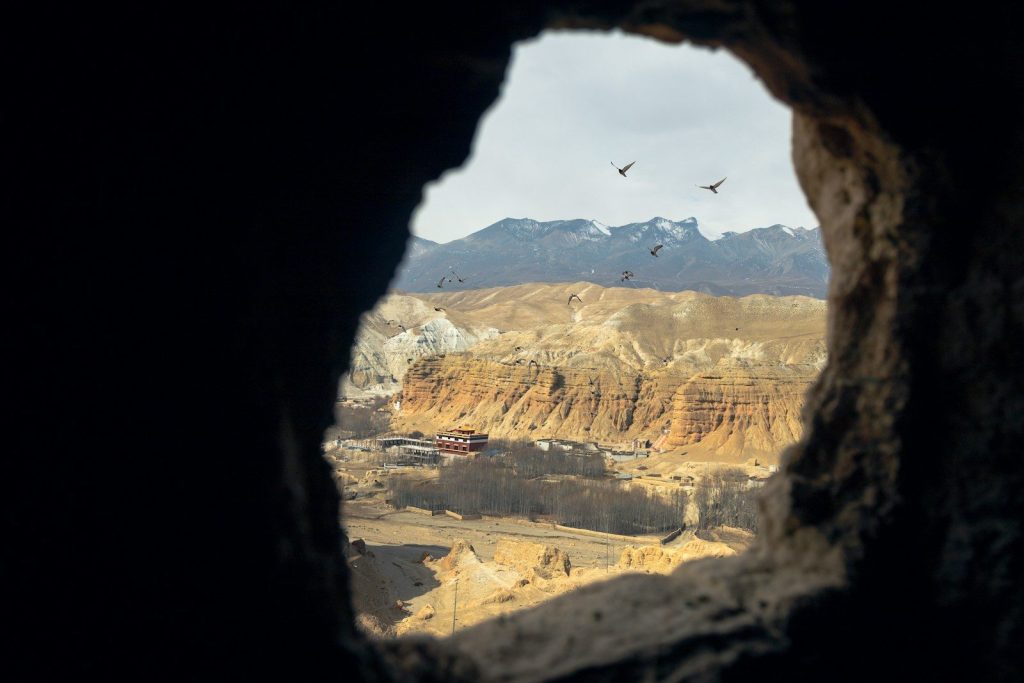
Building a machine to last ten thousand years requires absolute physical protection from the elements. According to the Long Now Foundation, engineers blasted a deep chamber inside a remote Texas mountain to house the clock. The scale is massive. This subterranean vault keeps the fragile gears completely safe from extreme weather and changing surface climates. But the materials used to build these gears are even more surprising.
Forged To Outlast Empires
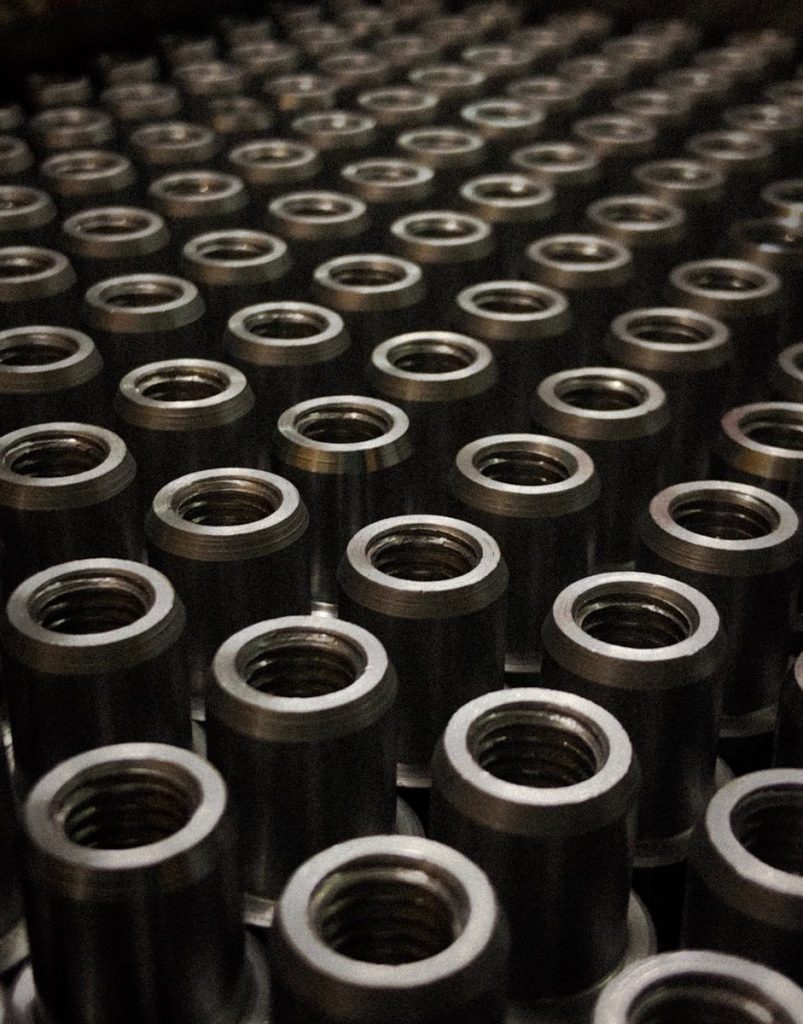
Standard metals like iron or steel would easily rust and decay over centuries of constant ticking. According to engineering project files, designers crafted the primary clock components from specialized marine-grade stainless steel and solid stone. It is remarkably tough. These durable alloys prevent friction wear without relying on modern petroleum lubricants that dry up over time. But driving this heavy physical machinery requires a reliable power source.
Powered By Daily Shifts

Batteries cannot store energy for thousands of years, and power grids will eventually fail. According to technical documentation, the mechanical clock harvests energy from daily temperature shifts between day and night. The system is self-sufficient. This slight thermal expansion winds the heavy weights that keep the gears rotating constantly in the dark. But keeping accurate time over eons introduces a major astronomical challenge.
Tracking Moving Solar Paths

Mechanical gears naturally drift over time due to tiny variations in friction and gravity. According to astronomical design plans, the clock uses a specialized solar synchronizer that aligns itself with the sun at noon. This correction is vital. This solar check automatically corrects any mechanical drift to ensure absolute precision across the millennia. But the way this clock communicates time to humans is highly unusual.
A Different Song Daily
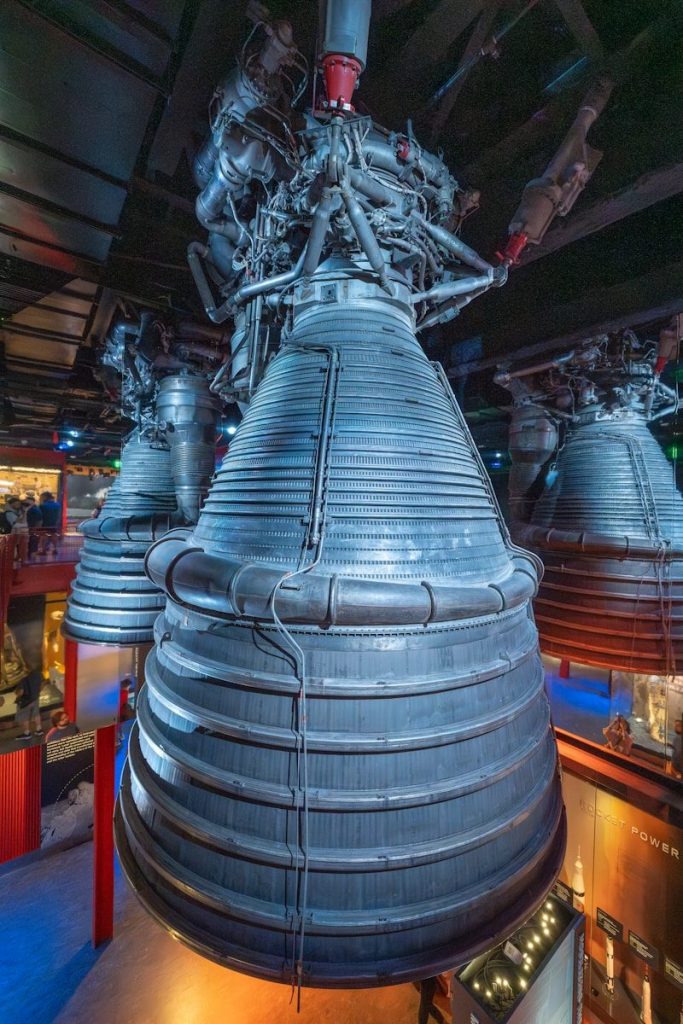
The clock contains a complex mechanical computer designed to ring a series of heavy bells. According to software engineering reports, the chime system will never repeat the same sequence of bells twice over ten thousand years. The math is beautiful. This ensures that every visitor hears a unique melody that has never been played before in human history. But this monumental project carries a far deeper philosophical warning for our future.
Thinking Beyond Our Lives

This slow-ticking monument serves as a direct challenge to the short-term thinking of modern society. According to project founders, the clock encourages humanity to make decisions that protect the planet for distant generations. Time moves slowly here. It forces us to consider our legacy as ancestors of a future world. But the final success of this design depends on proving we can survive to see it.
A Message For Tomorrow

The ten-thousand-year clock remains a stunning testament to human engineering and long-term vision. According to planetary scholars, building monuments that outlast our current civilization helps preserve our collective knowledge. The future is unwritten. This article is for informational purposes only.
Leave a Reply