Category: Health and Wellness

  • Is Smart Underwear Made of Bio-Sensing Silk the Next Health Frontier?

    Is Smart Underwear Made of Bio-Sensing Silk the Next Health Frontier?

    The future of healthcare isn’t in a pill bottle or a giant hospital machine; it is sitting inside your dresser. In 2026, a revolutionary material called “Bio-Sensing Silk” has arrived, and it is moving into the world of everyday fashion. Specifically, “Smart Underwear” is hitting the news as the most important medical device you will ever own. This isn’t just about comfort; it is about having a high-tech lab pressed against your skin 24 hours a day.

    Scientists have figured out how to weave microscopic sensors directly into silk fibers that are soft enough for daily wear. These sensors can track your heart rate, stress levels, and even your hydration without a single wire. Because underwear sits close to the body’s core, it provides the most accurate health data possible. We are looking at a world where your clothes warn you about a health crisis before you even feel a symptom. But how does a piece of silk actually “talk” to your doctor?

    The Secret of the Conductive Thread
    jeans, denim, blue, seam, material, hd wallpaper, desktop backgrounds, macro, close up
    Photo by Ralf1403 on Pixabay

    The secret lies in a “liquid metal” coating applied to natural silk. This coating allows the fabric to conduct electricity without losing its flexibility or softness. The silk acts as a giant sensor that wraps around your body. When your skin produces sweat or your heart beats, the conductive silk picks up the tiny electrical signals. This data is then processed by a tiny, button-sized chip hidden in the waistband. But can this silk actually detect a heart attack before it happens?

    Real-Time Heart Health Monitoring

    healthcare, diagnostics, machine learning, data analytics, precision medicine, drug discovery, remote monitoring, telemedicine, virtual assistants, clinical trials, image recognition, predictive analytics, personalized treatment, natural language processing, robotics, genomics, patient engagement, rehabilitation
    Photo by geralt on Pixabay

    Unlike a watch that sits on your wrist, bio-sensing underwear is perfectly positioned to monitor your heart’s electrical rhythm. In 2026, these garments are being used to detect “silent” arrhythmias that often go unnoticed. If the sensors pick up an irregular pattern, they instantly send an alert to your smartphone and your doctor. It is like having a cardiologist watching over you every second of the day. But wait until you see how this tech handles your stress levels.

    Tracking Stress Through Your Sweat
    a close up of a pair of white sneakers
    Photo by Jaime Marrero on Unsplash

    Our sweat contains a goldmine of information about our mental state. The bio-sensing silk can detect tiny amounts of cortisol—the stress hormone—in your perspiration. If your levels spike while you are at work or home, your “Smart Underwear” can suggest a breathing exercise or a break. It is a physical way to monitor mental health that doesn’t rely on you “feeling” stressed. But is this high-tech clothing actually washable in a normal machine?

    The World’s First Washable Computer

    white front load washing machines
    Photo by Oli Woodman on Unsplash

    In the past, wearable tech was bulky and fragile. Bio-sensing silk is different because it is “Durable by Design.” The liquid metal coating is bonded to the silk at a molecular level, meaning you can throw it in a regular washing machine. It can be stretched, folded, and worn for years without losing its sensing power. We have finally moved past the “gadget” phase of wearables into true “lifestyle” integration. But who is paying for all this expensive silk?

    Affordable Health for Every Neighborhood

    coronavirus, people, face mask, crowd, covid-19, pandemic, covid, covid infections, stop covid-19, disease, sickness, epidemic, mask, healthcare, protection, safety, diversity, covid-19, covid, covid, covid, covid, covid
    Photo by Elf-Moondance on Pixabay

    While silk sounds expensive, the 2026 manufacturing process has become surprisingly cheap. Large-scale labs are now “printing” these sensors onto silk by the mile. Governments are looking at bio-sensing underwear as a way to lower overall healthcare costs. By preventing hospital visits through early detection, the clothing pays for itself in just a few months. We are seeing the democratization of high-end medical care. But is there a catch to being “always connected?”

    Privacy in the Age of Medical Fabric
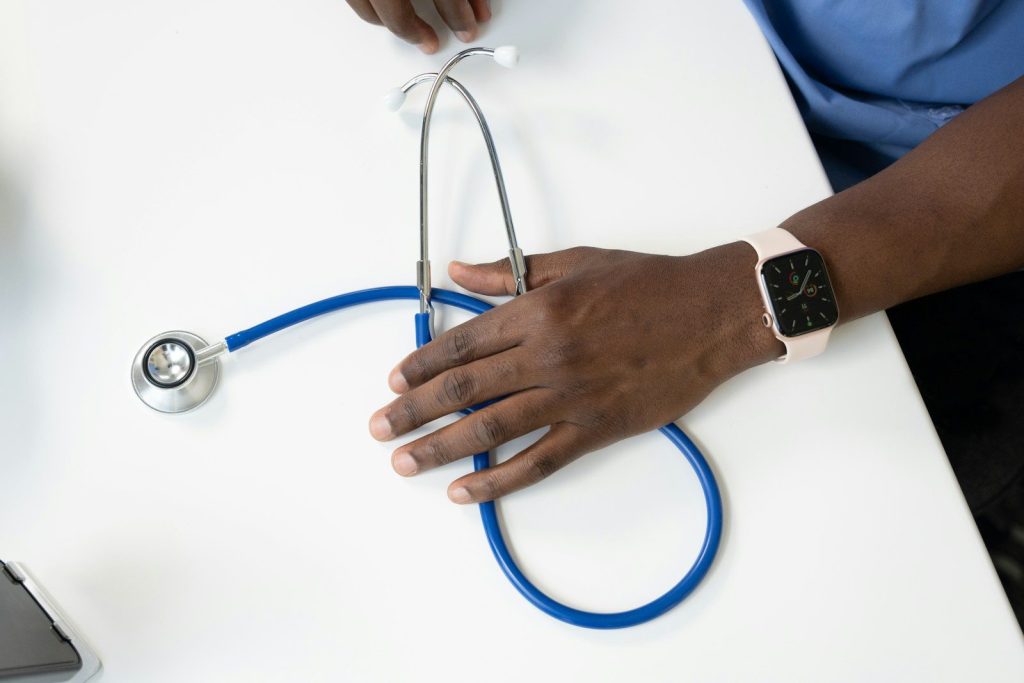
    a person holding a stethoscope
    Photo by Nappy on Unsplash

    The biggest concern is who owns your heart rate data. To solve this, the bio-sensing silk uses “Local Encryption.” Your health data is processed on the chip and only shared with your doctor through a secure, private link. You have the “kill switch” to stop the data flow at any time. It is a “Privacy-First” approach to the future of medicine. But as we fix our bodies, we are also changing our phones. Are you ready for the micro-pump miracle?

    The Future of the Human Body

    Empowering portrait of a young woman showcasing a futuristic prosthetic arm in a studio setting.
    Photo by cottonbro studio on Pexels

    Bio-sensing silk is just the first step in the “Biological Revolution.” We are moving toward a future where our technology and our bodies are perfectly in sync. From the clothes we wear to the memories we save, the line is disappearing. We are building a world that is safer, cleaner, and more intelligent. Keep your eyes on the headlines, because the next big medical breakthrough is already hitting the stores. But wait until you see how engineers just shrunk extreme liquid cooling for your pocket.

    Featured Image: Photo by Davis Vidal on Pexels
  • This Pain-Free Patch Is Replacing Medical Needles for Good

    This Pain-Free Patch Is Replacing Medical Needles for Good

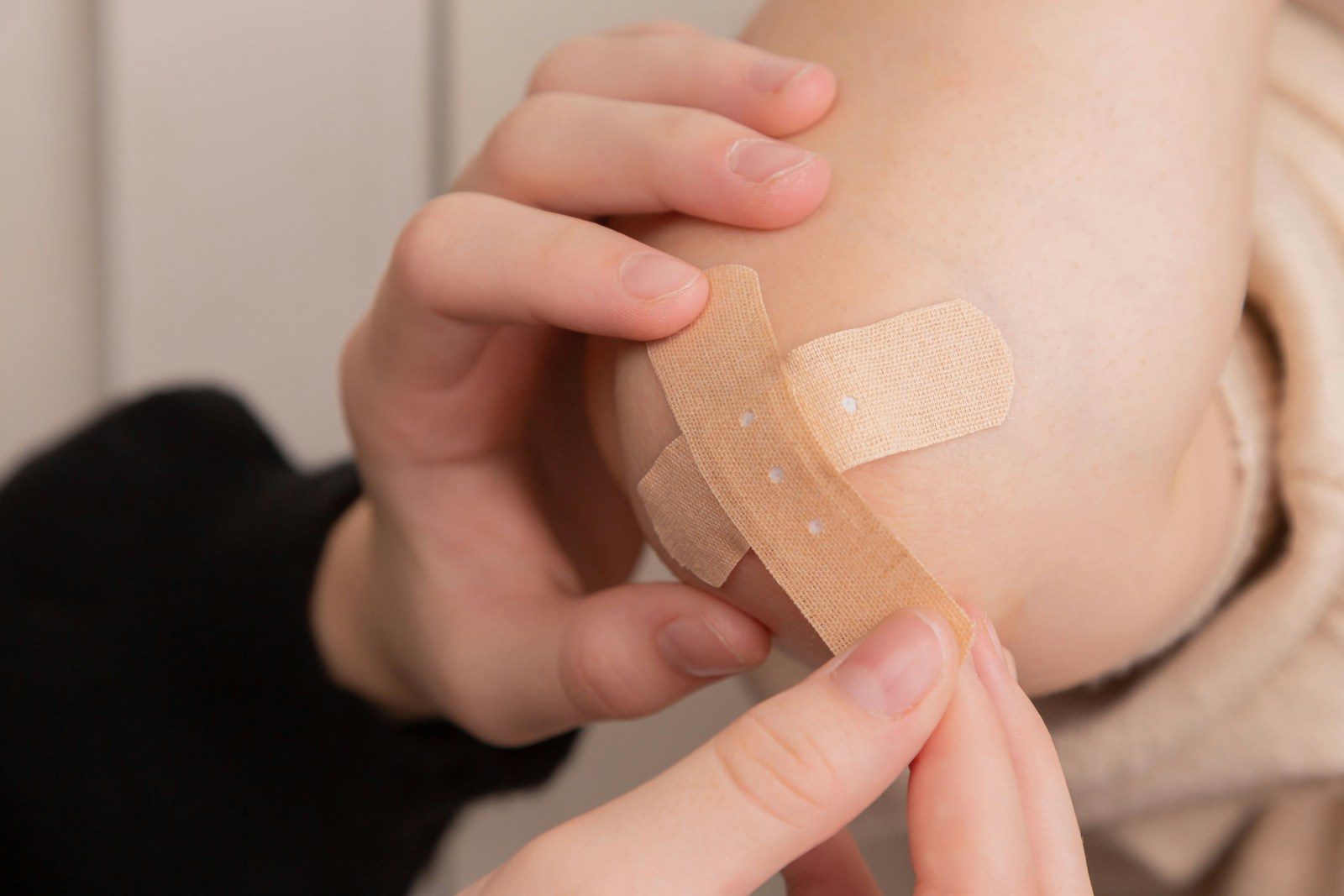
    The age of the terrifying doctor’s needle might finally be over. For over a century, the standard way to deliver medicine has been a sharp metal spike driven into muscle. It is painful, scary for children, and requires a trained professional to administer. But a revolutionary new breakthrough has just hit the medical world. It is a small, band-aid-like patch that delivers vaccines through the skin without a single drop of blood. This “microneedle” technology uses tiny, microscopic spikes that are so small they cannot even reach your pain receptors.

    You simply press the patch onto your arm, wait a few seconds, and the job is done. The tiny needles dissolve into the skin, releasing the vaccine directly where it needs to go. Scientists are calling this the biggest leap in immunization history. This is not just a dream for people who hate needles. It is a massive shift in how we handle global health crises. But how can something so small be more effective than a traditional shot?

    Why This Tiny Sticker Works Better Than a Shot

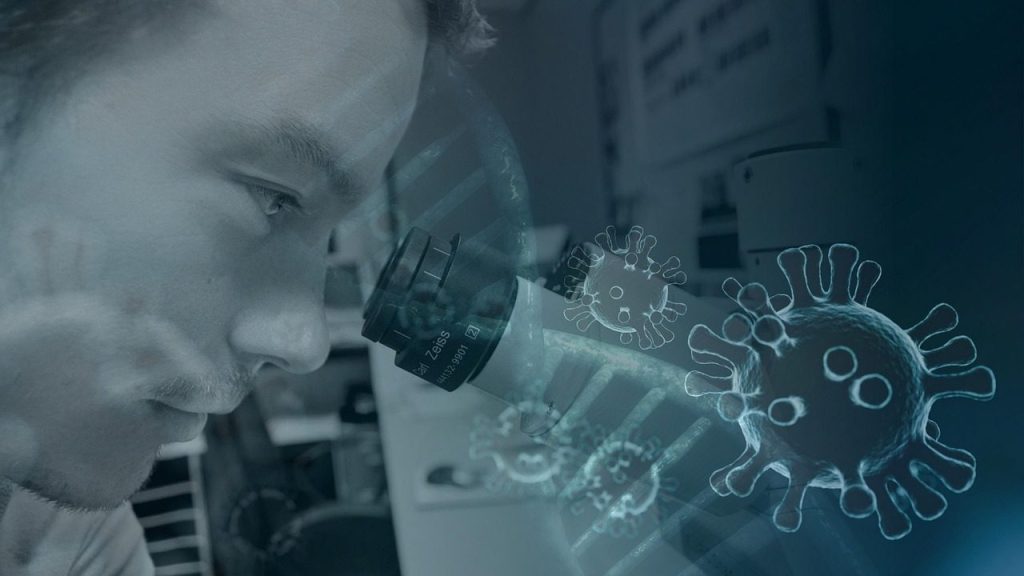
    microbiology, laboratory, dna, microscope, science, investigation, research, virus, coronavirus, dna, dna, dna, dna, dna
    Photo by Tumisu on Pixabay

    It turns out that our muscles are actually not the best place to put a vaccine. Most traditional shots go deep into the muscle tissue, but our immune system is actually most active in our skin. The skin is our first line of defense against the outside world, so it is packed with immune cells. By using a patch, the medicine goes exactly where those “soldier” cells live.

    This means you might actually need a smaller dose of the vaccine to get the same level of protection. The microneedles are made of a special polymer that holds the vaccine in a dry state. When they touch the moisture in your skin, they melt away safely. It is a cleaner, smarter way to build immunity. But the real game-changer isn’t just about the pain; it is about how these patches are stored.

    No More Fridges Required for These New Vaccines

    a refrigerator filled with lots of bottles of wine
    Photo by Markus Spiske on Unsplash

    One of the biggest problems with current vaccines is that they have to stay cold. If a vial of medicine gets too warm during shipping, it becomes useless. This “cold chain” makes it almost impossible to get life-saving shots to remote villages or hot climates. The new patch solves this entirely. Because the vaccine is in a dry, stable form inside the needles, it can survive at room temperature for months.

    This means we can ship these patches in regular envelopes through the mail. We no longer need expensive refrigerated trucks or special freezers at every clinic. This breakthrough could save millions of lives in parts of the world where electricity is unreliable. However, if these patches are so easy to handle, does that mean you could eventually give yourself a vaccine?

    Could You Mail Order Your Next Flu Shot?

    mailbox, australia, wasteland, mailbox, mailbox, mailbox, mailbox, mailbox, australia, australia
    Photo by MartinaFotos on Pixabay

    Imagine never having to book a doctor’s appointment for a routine vaccination again. Since the patch is as easy to apply as a sticker, researchers are testing if people can use them at home. During clinical trials, people with no medical training were able to apply the patches correctly every single time.

    This would allow people to order their flu shots or travel vaccines online and apply them while sitting on their couch. It would take the pressure off hospitals and pharmacies during busy seasons. It also eliminates the risk of “needle-stick” injuries for healthcare workers. But there is another environmental benefit that most people haven’t considered yet.

    Ending the Massive Pile of Medical Waste

    clear glass tube with white plastic tube
    Photo by Hennie Stander on Unsplash

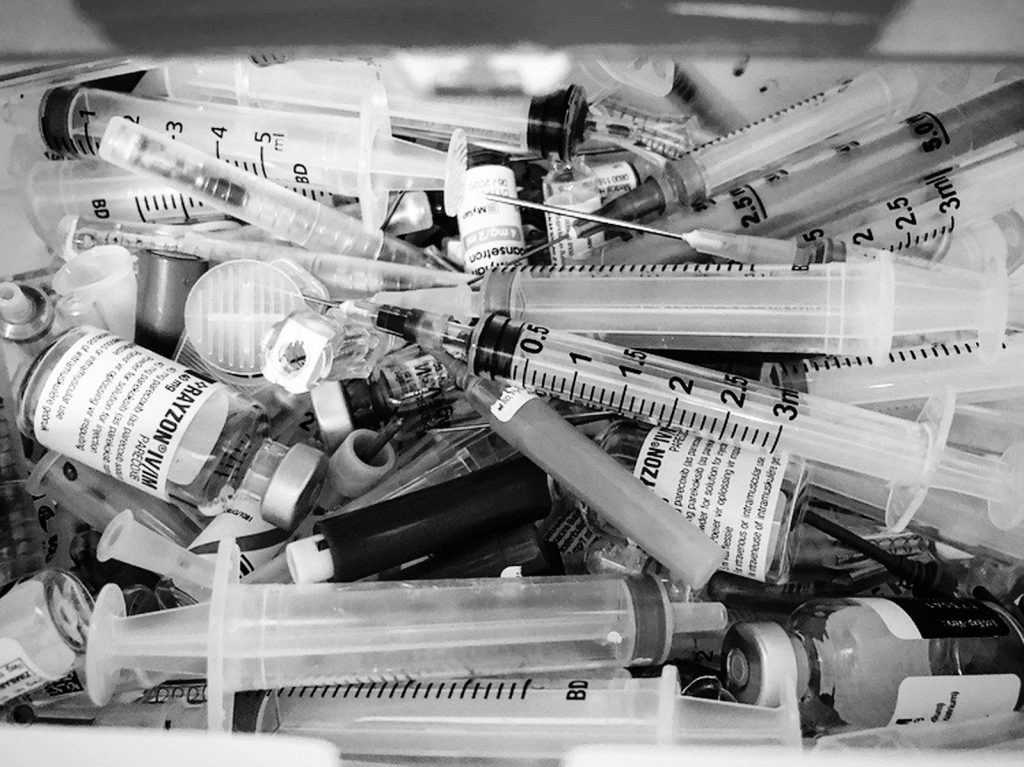
    Every year, billions of plastic syringes and metal needles are thrown away. This creates a mountain of “biohazardous” waste that is dangerous to handle and expensive to destroy. Because the microneedles on these patches dissolve into the skin, there is no sharp waste left behind. After you use the patch, you just throw the paper backing in the regular trash.

    It is a much greener way to run a healthcare system. Hospitals wouldn’t need specialized “sharps” containers, and the overall carbon footprint of medicine would drop significantly. It is a win for the patient and a win for the planet. But this technology isn’t just for vaccines. Could it change how we treat daily diseases like diabetes?

    The Future of Painless Insulin Delivery

    diabetes, insulin syringe, insulin, injection, disease, healthcare, medical, glucose, pancreatic disease, sugar, white sugar, hyperglycemia, health, nourishment, diet, unhealthy, diabetes, diabetes, diabetes, diabetes, diabetes, insulin, insulin, insulin, insulin
    Photo by Myriams-Fotos on Pixabay

    For people living with diabetes, life often involves multiple needle pricks every single day. The stress and physical pain of constant injections can be overwhelming. Researchers are now working on microneedle patches that can deliver insulin throughout the day. Some “smart” patches could even sense blood sugar levels and release the exact amount of medicine needed automatically.

    This would mean no more finger pricks and no more manual shots. The patch does all the thinking and all the work while you sleep or go about your day. It represents a level of freedom that patients have been dreaming about for decades. But if the technology is this good, why isn’t it in every pharmacy yet?

    When Will the Needle Finally Retire?

    injection, trash, waste, syringe, dangerous, corona, coronavirus, litter, ground
    Photo by Mikewildadventure on Pixabay

    The technology is already in advanced human trials for the flu, measles, and even COVID-19. The results have been incredibly positive, showing that the patches are safe and effective. Large-scale factories are currently being designed to print these patches by the millions.

    We are likely only a few years away from seeing these at your local drug store. The first versions will likely be for the seasonal flu, followed by vaccines for children. Soon, the idea of “getting a shot” will be a strange story we tell our grandkids. But is there one final hurdle that could slow down this medical revolution?

    A World Without the Fear of Medicine

    baby girl
    Photo by Melissa Labellarte on Unsplash

    The biggest impact of the pain-free patch might be psychological. Many people avoid the doctor entirely because of “needle phobia.” This fear leads to lower vaccination rates and more outbreaks of preventable diseases. By removing the pain and the “scary” equipment, we make healthcare more inviting for everyone.

    It turns a medical procedure into a simple act of self-care. As we move toward a future where medicine is invisible and painless, we are creating a world where no one has to be afraid of staying healthy. The transition from the metal needle to the smart patch is inevitable. The only question left is which disease we will conquer next with this tiny sticker.

    Featured Image: Photo by Diana Polekhina on Unsplash

  • Things you don’t realize are making you smell bad

    Things you don’t realize are making you smell bad

    Maintaining a fresh personal scent is a daily priority for most people. We buy expensive deodorants, shower regularly, and wash our clothes. However, personal body odor is an intricate biological process that is shaped by silent environmental triggers, stress, and lifestyle choices. Many common everyday habits can secretly alter your skin chemistry and produce unpleasant odors without your knowledge. According to research from the American Academy of Dermatology, these changes happen on a cellular level and are often difficult to notice. By understanding the science behind these hidden triggers, you can easily protect your personal scent and long-term wellness. It turns out that some of the most healthy habits might be working against you. This article is for informational purposes only and does not constitute medical advice.

    The surprising sweat reaction to daily stress

    man in white shirt sitting on black chair
    Photo by Nathan Dumlao on Unsplash

    We often think of sweat as just water. But your body actually possesses two different types of sweat glands. According to the Mayo Clinic, your eccrine glands produce watery sweat to cool you down, while apocrine glands react directly to emotional stress. This stress-induced sweat is thick and packed with lipids and proteins. When this mixture meets the natural bacteria on your skin, it produces an incredibly strong, pungent odor. Learning to manage daily stress can actually keep you smelling fresh. But your diet holds an even bigger chemical secret.

    Saturated lipids in spicy meals alter your sweat.

    sliced carrots and green vegetable on brown wooden chopping board
    Photo by Kristine Tumanyan on Unsplash

    The foods you eat can directly impact how your skin breathes. Onions, garlic, and hot spices contain volatile organic compounds that enter your bloodstream after digestion. According to clinical studies published in the journal Chemical Senses, your body flushes these compounds out through your lungs and sweat glands. This process can create a lingering, spicy aroma that resists regular soap. Cutting back on these intense ingredients before important social events is highly recommended. But a simple lack of water can also throw your system off balance.

    Dehydration concentrates volatile organic compounds.

    man pouring water in glass
    Photo by Ikhsan Sugiarto on Unsplash

    Drinking enough water is crucial for flushing out bodily waste. When you are dehydrated, your sweat becomes much more concentrated. According to reports from the Cleveland Clinic, this concentration makes it much easier for skin bacteria to break down the organic compounds in your sweat. This breakdown leads to a significantly stronger personal scent. Hydration keeps your metabolic engine running cool and clean. But the clothes in your closet might be doing silent damage as well.

    Certain fabrics act as bacteria magnets.

    blue textile in close up photography
    Photo by Divazus Fabric Store on Unsplash

    The materials you wear can make a massive difference in how you smell. Synthetic fabrics like polyester and nylon are excellent at trapping moisture. According to a study published in the journal Applied and Environmental Microbiology, these fibers serve as the perfect breeding ground for odor-causing bacteria. Natural fibers like cotton and wool allow your skin to breathe and dry quickly. Choosing breathable clothing is a simple way to stay fresh throughout a busy day. But a common bottle in your medicine cabinet might hold another clue.

    Common medications can alter your chemical profile.

    pile of blister packs of colorful medicine tablets
    Photo by Volodymyr Hryshchenko on Unsplash

    Many standard medications can have surprising side effects. Over-the-counter pain relievers and prescription antidepressants can interfere with your body’s natural temperature regulation. According to reports from the National Institutes of Health, these drugs can trigger excessive sweating as your body works to process the active ingredients. This chemical reaction can alter your natural skin pH and attract unwanted bacteria. Consulting with a medical professional is always the best way to manage these subtle side effects. But a hidden imbalance in your stomach is also a major factor.

    Hidden yeast imbalances in your digestive tract

    black and red cherries on white bowl
    Photo by Brooke Lark on Unsplash

    Your digestive health is closely linked to your skin chemistry. An overgrowth of yeast or harmful bacteria in your gut can produce volatile gases during digestion. According to gastroenterology research, these gases can escape through your skin pores, creating a musty or sweet aroma. Eating a balanced diet rich in prebiotic fiber can help support your gut microbiome. This adjustment keeps your digestive system happy and your skin clear. Fortunately, resetting your personal scent is incredibly simple.

    Simple steps to reset your natural chemistry

    poached egg with vegetables and tomatoes on blue plate
    Photo by Brooke Lark on Unsplash

    You do not need an expensive medical regimen to smell great. Start by drinking plenty of water and swapping synthetic shirts for organic cotton. Focus on eating whole, unprocessed foods and managing daily stress through light movement. These simple lifestyle adjustments help your body run smoothly and protect your natural scent over time. Your body is highly resilient and will quickly respond to the extra care. Taking charge of your wellness starts with these small, daily choices.

    Featured Image: Photo by Elsa Olofsson on Unsplash

  • Why Your Gut Controls Your Personality

    Why Your Gut Controls Your Personality

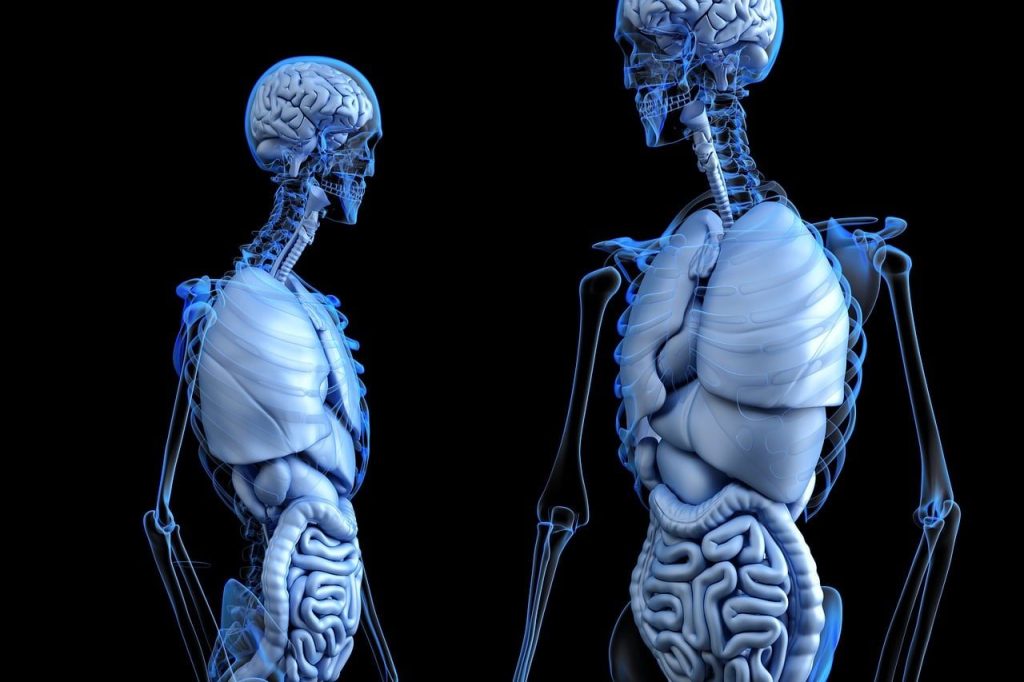
    Have you ever had a “gut feeling” about a person or a situation? It turns out that this is more than just a metaphor. Science is now discovering that your digestive system is basically your “second brain.” There is a massive network of nerves and bacteria in your gut that communicates with your head every second of the day. This “Gut-Brain Axis” is responsible for more than just your digestion. It can actually change how you think, how you react to stress, and even your basic personality traits.
    Researchers are finding that the tiny microbes living inside you might be the ones making your decisions. If your gut is unhappy, you might feel anxious or depressed for no apparent reason. By changing what you eat, you could potentially unlock a “newer” version of yourself. This is a total revolution in how we look at mental health and psychology. But wait until you see how much of your “happiness chemical” actually comes from your stomach instead of your brain.

    The 90 Percent Rule for Serotonin and Happiness

    anatomical, anatomy, body, gut, health, human, medical, medicine, abdomen, abdominal, colon, digestion, digestive system, bone, chest, digesting, enteric, enteron, gastric, gastrointestinal, hepatic, liver, lung, male, man, organ, ribs, ribcage, skeleton, stomach, urinary, ventral, vesica, 3d, render, rendering, brain, dissection, internal, skull, black health, black brain, black medical, black medicine, black skull, black body, black human, anatomy, body, body, health, health, health, human, medical, medical, digestive system, liver, liver, skeleton, stomach, brain, brain, brain, brain, brain
    Photo by kirill_makes_pics on Pixabay

    Most people think serotonin is a brain chemical. While it is true that serotonin helps regulate your mood, 90 percent of it is actually produced in your gut. If your gut bacteria are out of balance, your serotonin levels can drop. This often leads to feelings of sadness, irritability, and low energy. Scientists have found that people with high levels of certain “good” bacteria tend to be more outgoing and optimistic. It is not just in your head; it is in your belly. But how can tiny bacteria influence your social life?

    Why Your Microbes Want You to Be More Social

    a drawing of a colorful octopus
    Photo by Google DeepMind on Unsplash

    Believe it or not, your gut microbes might be pushing you to meet new people. Some researchers believe that bacteria benefit when we interact with others because it allows them to spread to new hosts. In studies, animals with healthy gut microbiomes were much more social and curious than those with poor gut health. If you find yourself wanting to stay home and avoid people, it might be time to look at your diet. Your internal “garden” needs the right fuel to keep you connected. But what happens when your gut gets stressed out?

    The Vagus Nerve and the Stress Connection

    couple, happy, laughing, lovers, man, people, woman, pair, together, relationship, happy couple, laugh, portrait, couple portrait, outdoors, couple, couple, couple, couple, couple, happy, laughing, laughing, laughing, relationship, happy couple, laugh, laugh
    Photo by Pexels on Pixabay
    The Vagus Nerve is like a super-highway that connects your gut directly to your brain. When you feel stressed, your brain sends a signal down to your gut, which can cause that “butterflies” feeling or even pain. But it works both ways. If your gut is inflamed, it sends a “danger” signal up to your brain. This can make you feel constantly on edge or unable to focus. Understanding this connection is the first step to staying calm in a busy world. But wait until you see how your cravings are actually a form of mind control.

    How Bacteria Trick You Into Craving Sugar

    a close up of a human brain on a black background
    Photo by Shawn Day on Unsplash

    We often blame our “lack of willpower” for eating junk food. However, it might not be you making that choice. Different types of bacteria thrive on different foods. Some love sugar, while others love fiber. The sugar-loving bacteria can release chemicals that change your taste buds and trigger intense cravings. They are essentially hacking your brain to get the food they need to grow. By feeding the good bacteria, you can actually shut down these cravings for good. But how does this affect your memory?

    The Link Between Gut Health and Brain Fog

    a close up of a cell phone with a yellow substance on it
    Photo by National Institute of Allergy and Infectious Diseases on Unsplash

    Have you ever felt like your brain is “cloudy” after a big, unhealthy meal? This is known as brain fog, and it is directly linked to gut inflammation. When the lining of your gut becomes weak, toxins can leak into your bloodstream and affect your brain. This can lead to memory problems and a slow reaction time. People who switch to a gut-friendly diet often report that their thinking becomes much sharper and faster. It is like giving your brain a high-tech upgrade. But wait, can your gut also make you braver?

    Probiotics and the Secret to Unstoppable Confidence

    a woman sitting at a table with a tray of food
    Photo by Renaud Confavreux on Unsplash

    Recent studies have shown that certain probiotics can reduce the physical symptoms of anxiety. By calming the gut, these supplements help people feel more confident in social situations. They are less likely to overthink their actions or feel embarrassed. This “liquid courage” from healthy bacteria is changing how we look at self-improvement. You do not just need to think positively; you need to eat positively. As we learn to master our inner microbes, we realize that ancient humans had their own “super-tech” secrets.

    Why Some People Are Naturally Immune to Fear

    capsules, pills, health, medicine, medication, vitamins, pharmaceutical, healthcare, supplements, omega oils, omega acids, nutrition, fish oil, omega-3, omega-6, translucent, wellness, remedy, medical, pills, health, health, health, medicine, medicine, medicine, medicine, medicine, medication, vitamins, vitamins, vitamins, vitamins, supplements, supplements, supplements, fish oil, fish oil, medical
    Photo by stevepb on Pixabay

    Some people seem to have “nerves of steel” in dangerous situations. Science suggests that these individuals may have a very specific balance of gut bacteria that dampens the brain’s fear response. While genetics plays a role, your microbiome is a massive part of the puzzle. We are just beginning to scratch the surface of how our bodies determine our destiny. While we look at the future of health, some are looking at the past for technology that seems impossible.

    Featured Image: Photo by National Institute of Allergy and Infectious Diseases on Unsplash

  • Why Scientists are Terrified of Super-Candida and the Tech Fighting it

    Why Scientists are Terrified of Super-Candida and the Tech Fighting it

    There is a silent killer spreading through hospitals around the world, and it isn’t a virus or bacteria. It is a fungus called Candida auris, often nicknamed “Super-Candida.” Scientists are terrified because this fungus is resistant to almost all known antifungal drugs. It can live on surfaces for weeks and spreads like wildfire in clinical settings. Once it enters the bloodstream, the mortality rate is a staggering sixty percent.
    The scariest part? It seems to have emerged because of climate change, learning to survive in warmer temperatures, like the human body. Traditional medicine is failing to stop it. However, a new wave of high-tech weapons is being deployed to fight back. From AI to cold plasma, the war against the “last of us” fungus has begun.

    The Fungus That Survives Almost Everything

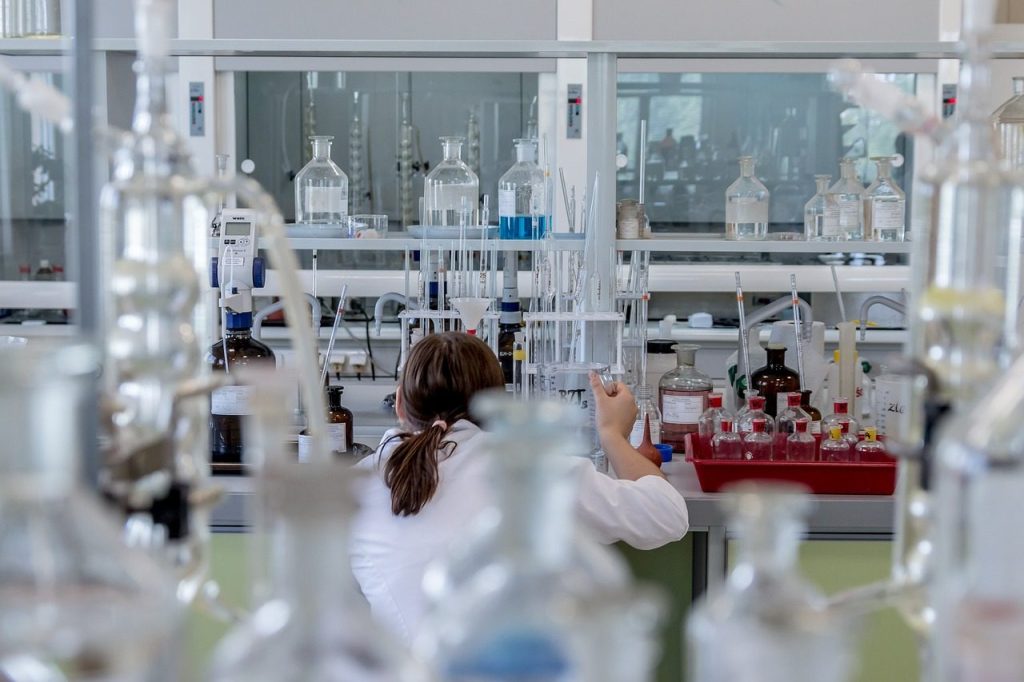
    laboratory, analysis, chemistry, research, chemist, lab, phd, diagnostics, hospital, test tubes, medical, doctor, medic, tests, treatment, diagnostician, health, experiments, examination, examine, researcher, blue health, blue hospital, blue medical, blue doctors, blue research, blue lab, blue test, blue laboratory, blue chemistry, laboratory, laboratory, laboratory, laboratory, chemistry, research, research, research, research, research, lab, lab, lab, hospital, hospital, medical, medical, doctor, doctor, doctor, health, health
    Photo by jarmoluk on Pixabay

    Unlike common yeast, Candida auris is a master of survival. It can withstand heavy-duty disinfectants that kill almost anything else. Hospitals have had to rip out floor tiles and ceilings just to get rid of it. It creates a “biofilm,” a protective shield that makes it nearly invincible to standard cleaners. This resilience is why it has become a global health threat in record time. But scientists have found a weakness in the fungus’s own DNA

    AI is Hunting for the Perfect Cure

    A group of blue and green balls on a black background
    Photo by Ecliptic Graphic on Unsplash

    Developing a new antifungal drug normally takes over a decade. We don’t have that much time. Scientists are now using powerful AI to scan millions of chemical compounds in days. The AI can predict which molecules will shatter the fungus’s protective biofilm. Recently, AI discovered a brand-new class of drugs that are showing incredible promise in labs. It is a race between biological evolution and artificial intelligence. But drugs aren’t the only way to kill it.

    Killing Fungus with Cold Plasma Technology

    purple and blue light illustration
    Photo by Rowan Heuvel on Unsplash

    One of the most exciting new weapons is cold plasma. This isn’t the stuff inside a star; it is a room-temperature ionized gas. When sprayed on a surface or skin, it creates “reactive species” that rip the fungus apart. It is completely safe for humans but deadly for Super-Candida. This could be used to sanitize hospital rooms in minutes without using a single drop of toxic chemicals. But what if the fungus is already inside a patient’s body?

    Nanobots That Hunt the Fungus in Your Blood

    virus, bacteria, infection, medicine, microscope, microbiology, microscopic, pathogen, nano, nanobot, science fiction, robot, technology, future, robotics, microchip
    Photo by FotoRichter on Pixabay

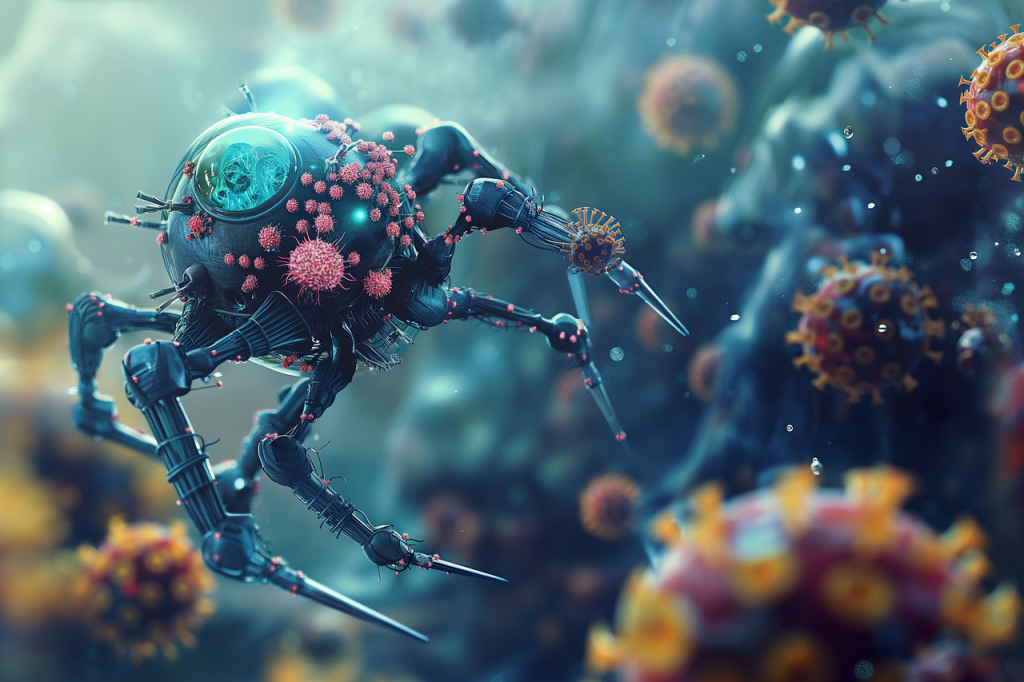
    The future of treatment might involve tiny “hunters” inside your veins. Engineers are developing nanobots that can specifically target fungal cells while ignoring healthy human cells. Once they find the fungus, they can deliver a concentrated dose of medicine or use heat to destroy it. This precision would eliminate the side effects of traditional medicine. It sounds like science fiction, but early tests are proving very successful. However, the fungus is also trying to adapt to these new threats.

    Climate Change and the Rise of Superbugs

    Cracked dry earth with small green plants growing.
    Photo by Jinson Nguyen on Unsplash

    Scientists believe Super-Candida is just the beginning. As the world gets warmer, many fungi are adapting to higher temperatures. This makes it easier for them to infect humans, whose high body temperature used to be a natural shield. We are seeing a fundamental shift in how diseases work. To stay ahead, we need to monitor the environment as much as we monitor patients. This is where “smart” hospital sensors

    Smart Sensors That Detect Infection Early

    blue and white cardboard box
    Photo by Angeles Pérez on Unsplash

    The best way to stop an outbreak is to find it before it starts. New IoT sensors can “smell” the chemicals produced by Super-Candida in the air. These sensors can be placed in hospital ventilation systems to provide real-time monitoring. If the fungus is detected, the system can automatically trigger a lockdown or extra cleaning. It is a digital immune system for our buildings. But there is one more technology that could change the game entirely.

    Using Light to Destroy the Threat

    white braille paper on blue surface
    Photo by Christine Sandu on Unsplash

    light, sanitization, medical tech Source: Unsplash
    Far-UVC light is a specific wavelength that kills germs but is safe for human eyes and skin. Hospitals are beginning to install these lights in high-traffic areas to constantly kill the fungus in the air. It’s a passive defense that works 24/7. Between AI, plasma, and light, we have a fighting chance. If you think the fight against fungus is complex, wait until you see how quantum computers will solve every other problem we have.

    Featured Image:Photo by Doncoombez on Unsplash

  • FDA-Approved Pill That Stops Pain Without Any Addiction Risk

    FDA-Approved Pill That Stops Pain Without Any Addiction Risk

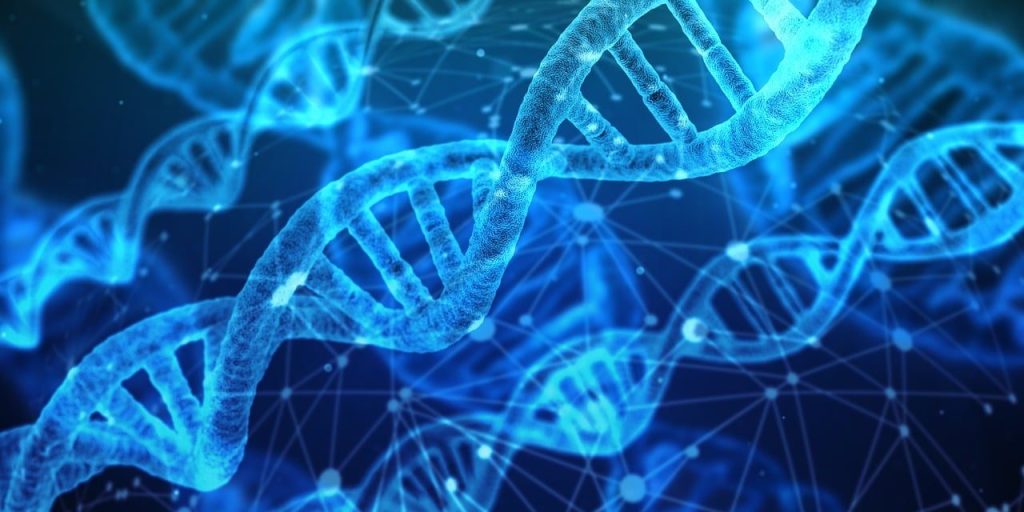
    For decades, the medical world has struggled with a massive problem. Doctors needed a way to stop intense pain without using addictive opioids. We have finally reached a turning point that feels like a miracle. The FDA has officially cleared a new type of pill that changes everything. Unlike traditional painkillers, this drug does not target the brain’s reward centers. Instead, it works like a molecular shield that blocks pain signals before they ever reach your head.


    This is not just another version of aspirin or ibuprofen. It is a highly advanced chemical designed to treat everything from surgical recovery to chronic nerve pain. For millions of people living in fear of addiction, this pill offers a safe path back to health. It marks the first time in over a generation that a truly new class of pain medicine has been released to the public. But how does a pill know exactly where your pain is coming from?
    Stopping the Signal Before It Starts

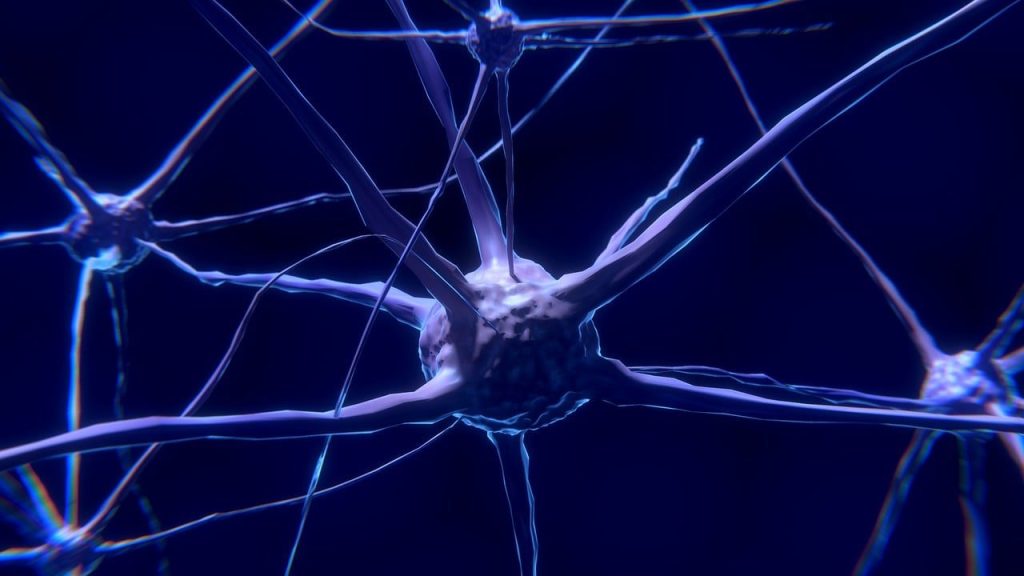
    nerve cells, neurons, nervous system, brain, neural pathways, neurons, brain, brain, brain, brain, brain
    Photo by ColiN00B on Pixabay

    Traditional painkillers like morphine travel through your blood and hit your brain. This creates a “high” that leads to addiction. This new medicine is much smarter. It targets specific sodium channels located only in your peripheral nerves. Think of it like cutting a phone line before the call can go through.

    The signal for pain is physically blocked at the source. Because the medicine stays away from your brain, there is no risk of getting hooked. It allows patients to recover from major injuries with a clear head and a safe heart. But can a simple pill really handle the pain of a major surgery?

    The End of the Opioid Era

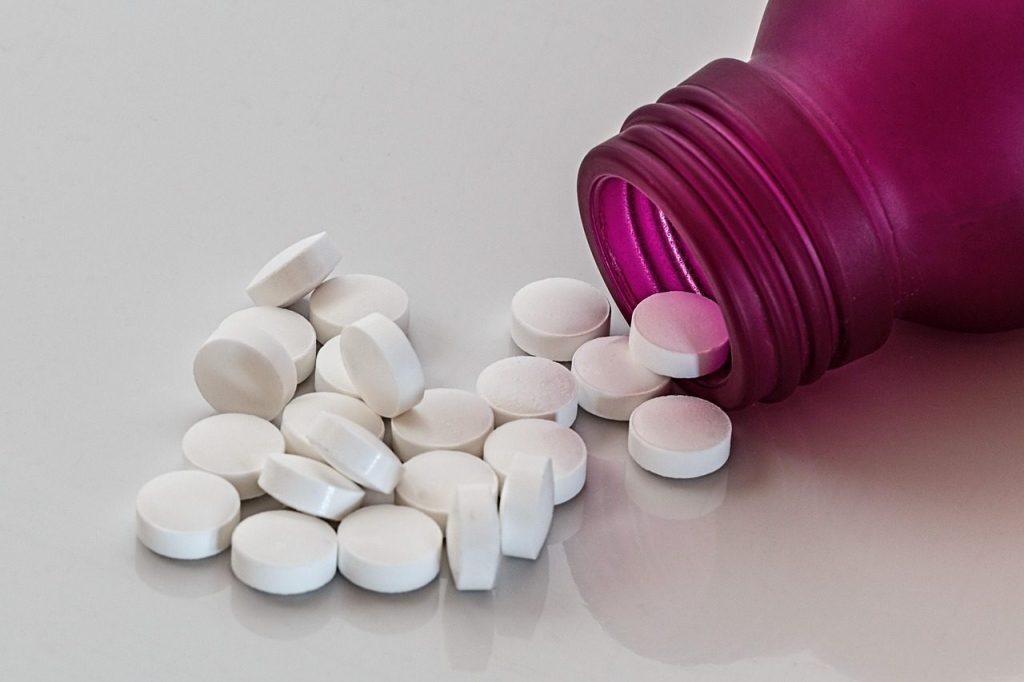
    pills, medication, tablets, bottle, drugstore, medicine, healthcare, headache, pharmaceutical, chemist, pharmacist, prescription, pharmacy
    Photo by stevepb on Pixabay

    We are currently living through one of the worst health crises in history. Opioid addiction has claimed millions of lives and torn families apart. This new FDA-approved drug is the weapon doctors have been waiting for. It provides a powerful alternative for surgeons who used to have no choice but to prescribe addictive pills.

    By removing the “high” from the healing process, we can finally break the cycle of dependency. This drug is expected to become the new standard for post-operative care across the country. It is a giant leap toward a future where “pain relief” does not mean “life-long struggle.” But is this medicine already available at your local pharmacy?

    No More Side Effects From Your Mind

    a man laying in a hospital bed being examined by a nurse
    Photo by Bagoes Ilhamy on Unsplash

    Most painkillers come with a long list of mental side effects. They make you feel drowsy, confused, or emotionally numb. This new breakthrough is different because it is “peripherally selective.” This means it ignores the central nervous system entirely.

    Patients who took the pill in clinical trials reported feeling completely normal while their pain simply vanished. This allows people to return to work and drive their cars much sooner after an injury. It is the ultimate “smart” drug for the modern world. But how long did it actually take for scientists to find this secret formula?

    Tested on Thousands With Shocking Success

    hospital, lab, experiment, science, doctor, medicine, health, chemistry, scientist, test, technology, tube, chemical, technician, ai generated, scientist, scientist, scientist, scientist, scientist
    Photo by BulentYILDIZ on Pixabay

    Before the FDA gave the green light, this medicine went through rigorous testing. Thousands of patients with various types of pain participated in the trials. The data showed that the drug was not only safe but incredibly effective at lowering pain scores.

    Many participants were surprised that they didn’t feel the “fog” usually associated with strong medicine. The success rate was high enough to convince the world’s strictest health regulators. It proved that we don’t need to choose between pain and addiction anymore. But what does this mean for people living with chronic, long-term pain?

    A New Life for Chronic Pain Patients

    Close-up of elderly hands resting on a blue fabric.
    Photo by Truong Tuyet Ly on Unsplash

    For people with nerve damage, every day is a battle. They often have to take medications that make them feel like zombies just to get out of bed. This new pill offers a chance to live a normal life again. It can be taken over long periods without the body building a dangerous tolerance.

    This means the dose doesn’t have to keep getting higher to work. It provides a steady, reliable shield against daily agony. This could potentially help millions of workers get back into the economy. But is there a catch to this new medical miracle?

    The Technology Behind the Discovery

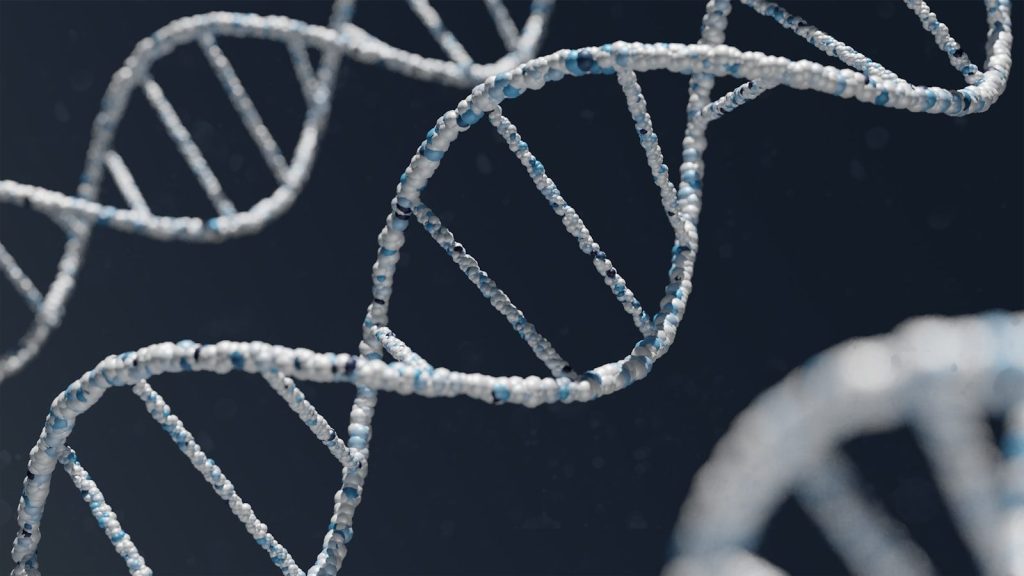
    dna, analysis, research, genetic material, helix, biology, chemistry, medical, science, genetically, discovery, development, biological, dna, dna, dna, dna, dna, biology, medical, medical, science, science, science
    Photo by geralt on Pixabay

    This pill wasn’t found by accident. It was built using advanced computer modeling that mapped the human nervous system. Scientists spent years looking for the exact “lock” that pain signals use to enter the body. Once they found it, they designed a “key” that fits perfectly into the sodium channels.

    This level of precision is only possible with today’s supercomputers. It is a perfect example of how tech and biology are merging to save lives. We are entering the era of “designer medicine” where drugs are built for specific targets. But what other diseases could this technology treat next?

    Why This Changes Everything for 2026

    People inside a well-stocked pharmacy with glass doors.
    Photo by Bernd 📷 Dittrich on Unsplash

    As we move through 2026, the arrival of this pill marks a historical shift. We are finally moving away from the dangerous medicines of the past. The health care system is being rebuilt around safety and precision. This pill is just the first of many non-addictive treatments currently in the pipeline.

    The fear of the “medicine cabinet” is slowly starting to fade. It is a great time to be alive for anyone who has ever suffered in silence. The age of safe healing has officially begun. But can we really trust an AI to write the next great medical cure?

    Featured Image:Photo by Pawel Czerwinski on Unsplash

  • Why Your Brain “Remembers” Things That Never Happened

    Why Your Brain “Remembers” Things That Never Happened

    You probably have a memory that you would swear is 100% true. Maybe it is a childhood birthday or the way a specific movie ended. But what if science told you that memory was a complete lie? It is a terrifying reality: our brains are not video cameras. They are more like storytellers who are constantly editing the script. Every time you recall a memory, you are actually “re-writing” it. This is why thousands of people can remember the exact same thing incorrectly.
    This phenomenon is shaking the world of law, science, and even our own identities. Researchers have found that they can “plant” entirely fake memories in people’s minds in just a few days. We are entering an era where we have to ask: if our memories are fake, who are we really? But wait until you see the famous “Mandela Effect” that has millions of people questioning reality itself.

    The Mandela Effect and the Power of Shared Delusion

    a man standing in front of a large window
    Photo by Zanyar Ibrahim on Unsplash

    Millions of people distinctly remember Nelson Mandela dying in prison in the 1980s. But he actually lived until 2013. This shared false memory is so powerful that some people believe we are living in a parallel universe. It isn’t just Mandela; people remember the Berenstain Bears being spelled with an “E” or the Monopoly Man wearing a monocle. He never did. But if it isn’t a glitch in the universe, why does it happen to so many people at once?

    How Your Brain Fills In The Blanks

    puzzle, jigsaw, jigsaw puzzle, puzzle piece, assembly, conceptual, assemble, together, puzzle, puzzle, puzzle, puzzle, puzzle, jigsaw
    Photo by reidy68 on Pixabay

    Our brains hate “empty space.” If you forget a small detail about a story, your brain will simply invent one that makes sense. It uses your expectations and past experiences to bridge the gap. Over time, that invented detail becomes just as “real” to you as the truth. Scientists call this “confabulation.” It is your brain’s way of keeping the story consistent. But wait, this process can actually be used to trick you in a courtroom.

    The Danger of Eyewitness Testimony

    a desk with a sign on it that says defend
    Photo by Wesley Tingey on Unsplash

    In over 70% of cases where DNA evidence later proved someone innocent, the original conviction was based on eyewitnesses. Witnesses aren’t usually lying; they truly believe they saw the person. However, the stress of the event and the way police ask questions can actually change the witness’s memory of the face. Your brain can literally “photoshop” a suspect’s face onto a memory. But how easy is it to plant a memory from scratch?

    The Experiment That Invented A Childhood Trauma

    a woman looking at a statue in a store window
    Photo by Pavol Štugel on Unsplash

    In a famous study, researchers convinced participants that they had been lost in a mall as children. They told the participants stories that their parents had supposedly confirmed. Within a week, 25% of the people claimed to remember the event in vivid detail. They even added their own fake memories, like the color of the shirt the old man who found them was wearing. This proves that our past is much more fragile than we think. But can emotions make memories more or less accurate?

    Flashbulb Memories Are Often The Most Wrong

    a large group of people standing around a fire
    Photo by Tom Caillarec on Unsplash

    We all remember exactly where we were during major world events. We think these “flashbulb memories” are etched into our brains forever. But studies show that our memories of these events change significantly over the first year. We become more confident in our memory, but the details actually become less accurate. We are “certainly” wrong. This happens because the emotional impact makes us retell the story more often, which leads to more editing. But wait, there is a way to tell if a memory is fake.

    The Brain Scan That Spots A Lie

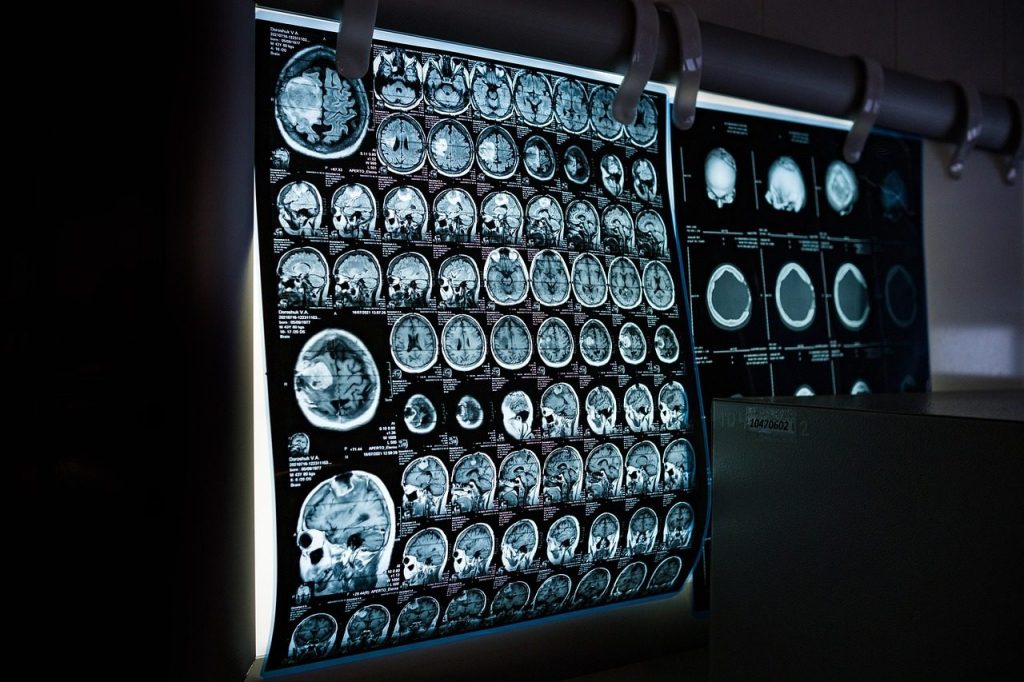
    x-ray, mri, ct scan, computed tomography, magnetic resonance imaging, medicine, neurology, healthcare, x-ray, mri, mri, mri, mri, mri, ct scan, medicine, neurology, neurology, healthcare, healthcare
    Photo by Mitrey on Pixabay

    New research using fMRI scans has found that the brain processes true and false memories in different areas. When you recall a real event, the sensory parts of your brain (like sound and sight) light up. When you recall a fake memory, the logic and storytelling parts are more active. We might soon have a “memory test” that can prove if you are remembering or just imagining. But until then, you can’t even trust your own family photos.

    Photos Can Actually Erase Your Real Memories

    a person taking a picture with a cell phone
    Photo by 计 天启 on Unsplash

    This is called “photo-taking impairment.” When you take a photo of something, your brain “outsources” the memory to the camera. You are actually less likely to remember the details of the event because your brain thinks it doesn’t need to. We are creating a world where our devices remember everything, and we remember nothing. If you find that scary, wait until you see the animals that are actually smarter than us in ways we never expected.

    Featured Image: Photo by johnhain on Pixabay

  • The Non-Invasive Brain Chips That Don’t Require Surgery

    The Non-Invasive Brain Chips That Don’t Require Surgery

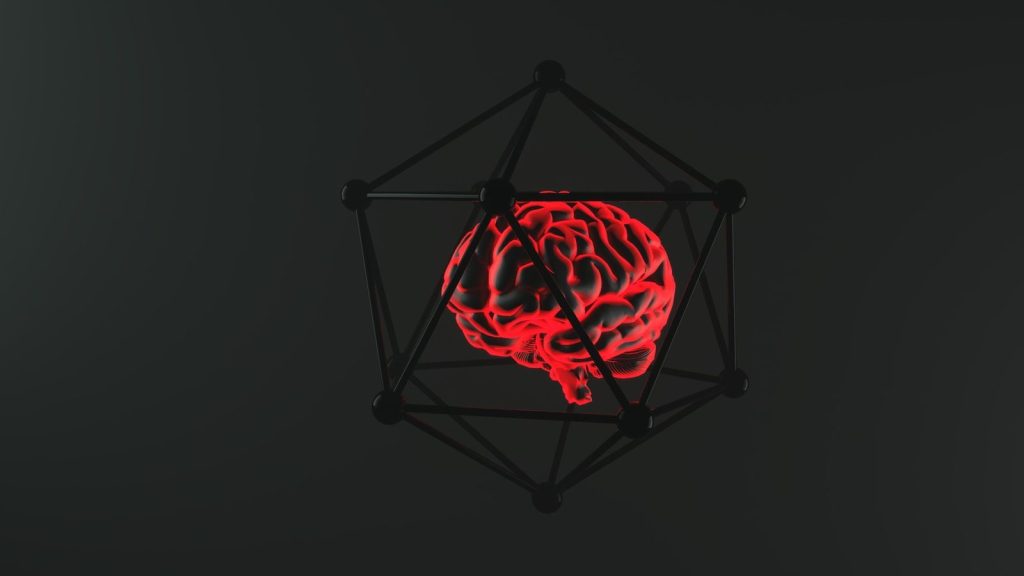
    For years, the idea of a brain-computer interface meant scary skull surgery and wires. Elon Musk’s Neuralink is famous, but many people are terrified of the drill. Enter a new wave of “non-invasive” brain chips. These devices don’t require a single incision or a trip to the operating room. Instead, they sit on your skin or inside your ear like a high-tech accessory. They are capable of reading your neural signals through the bone and skin.
    This is a game-changer for accessibility and consumer tech. Imagine playing a video game or typing a text message just by thinking about it. The technology is moving out of the lab and into the real world faster than expected. But how do these devices actually read your mind without touching your brain?

    Using Infrared Light to Read Your Thoughts

    Glowing brain encased in a geometric structure.
    Photo by Mirella Callage on Unsplash

    One leading method uses functional Near-Infrared Spectroscopy (fNIRS). This sounds complicated, but it simply uses light to track blood flow in the brain. When you think, specific parts of your brain use more oxygen. The sensors detect these tiny changes and translate them into digital commands. It is like having a heart rate monitor for your thoughts. The accuracy is improving every day, making it possible to distinguish between complex intentions. But wait, there is another way that uses your ears instead.

    Earbuds That Know What You Are Thinking

    a close up of a person holding a small electronic device
    Photo by Alex Gallegos on Unsplash

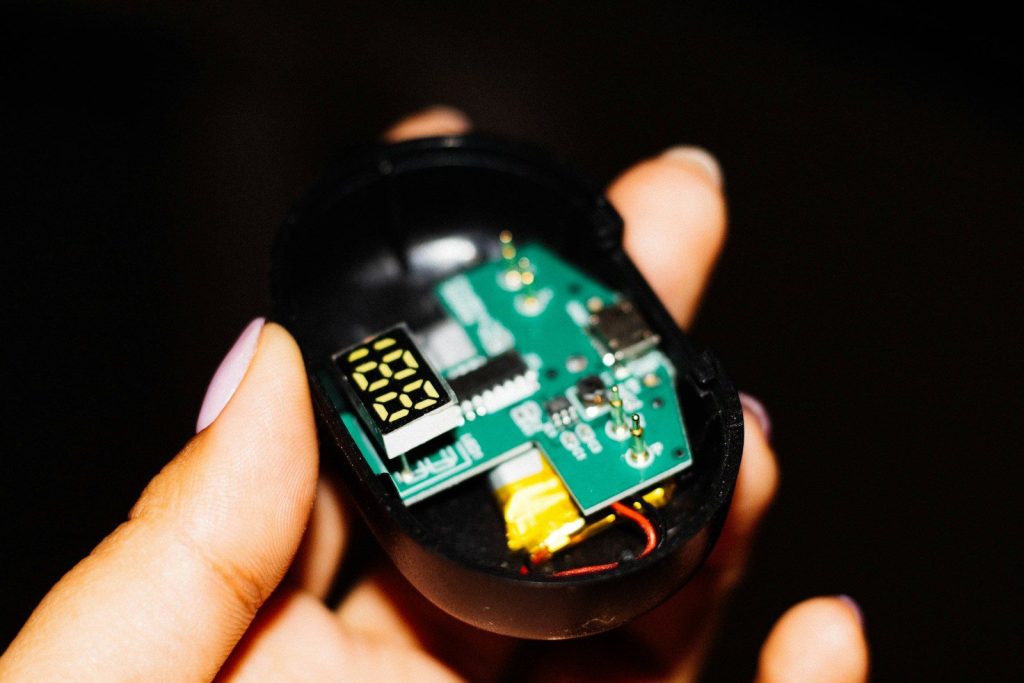
    The ear canal is a perfect gateway to the brain’s electrical signals. New “hearable” tech uses electrodes inside the ear to pick up EEG signals. These look just like regular earbuds, so nobody knows you are wearing a brain interface. They can track your focus, stress levels, and even your sleep quality with incredible detail. It is the ultimate invisible upgrade for your body. But can these devices actually write data back into your brain?

    Sending Information Back to the Mind

    brains, artificial intelligence, communication, conversation, analog, digital, circuit board, circuit, thinking, computer science, psychology, creativity, technology, dark, artificial intelligence, artificial intelligence, artificial intelligence, artificial intelligence, artificial intelligence, conversation, psychology
    Photo by geralt on Pixabay

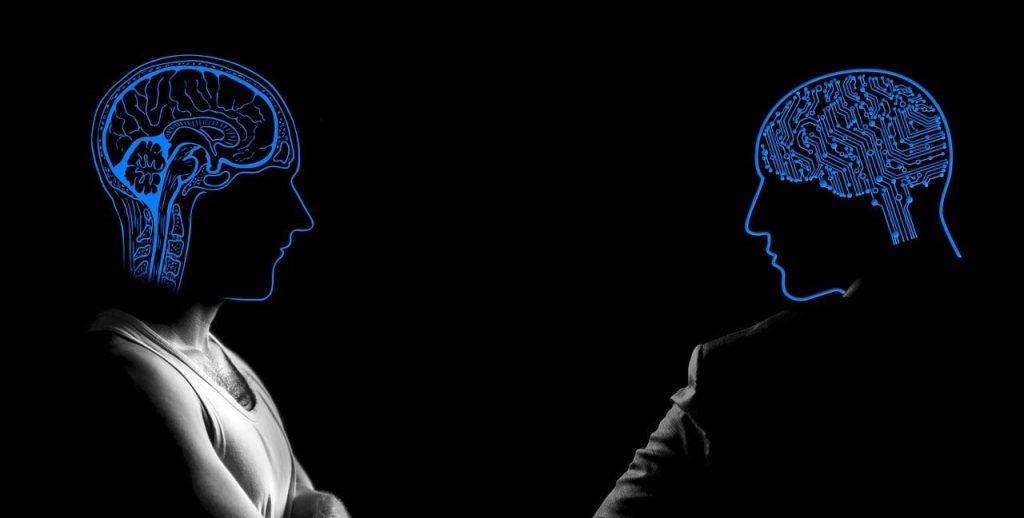
    Non-invasive tech isn’t just about reading; it’s about writing. Some devices use magnetic pulses or ultrasound to stimulate specific brain regions. This can help treat depression or even help people learn new skills faster. It’s called “neuro-priming.” By stimulating the motor cortex, you could potentially master a new sport or instrument in half the time. However, this raises some serious questions about who is actually in control of your actions.

    A New Era for People with Disabilities

    man in blue dress shirt sitting on black office rolling chair
    Photo by ThisisEngineering on Unsplash

    The biggest winners in this tech race are those with limited mobility. People with paralysis are already using non-invasive caps to control robotic arms. They can feed themselves or move their wheelchairs using only their thoughts. Unlike surgical chips, these can be taken off at night and don’t carry the risk of infection. It is restoring independence to thousands of people. But as the tech gets smaller, it might become a standard tool for everyone.

    The Death of the Keyboard and Mouse

    a keyboard on the ground
    Photo by Evan Yang on Unsplash

    In a few years, typing might feel as old-fashioned as using a quill and ink. If you can think your emails, you won’t need a desk or a physical interface. This will revolutionize the workplace and how we interact with the digital world. Virtual reality will become completely immersive because you can move your avatar by simply willing it to move. The physical world and the digital world are merging. But what happens if someone hacks your “headband”?

    Brainjacking and the Future of Cybersecurity

    Hacker in hoodie working on multiple computer screens
    Photo by Julio Lopez on Unsplash

    If a device can read your neural patterns, it can potentially see your passwords or private memories. “Brainjacking” is a new term that keeps security experts awake at night. Without strict regulations, our most private thoughts could become data points for sale. Companies are already working on “neural firewalls” to protect users. We need to decide where the line is before we all plug in.

    Are You Ready to Wear Your Mind?

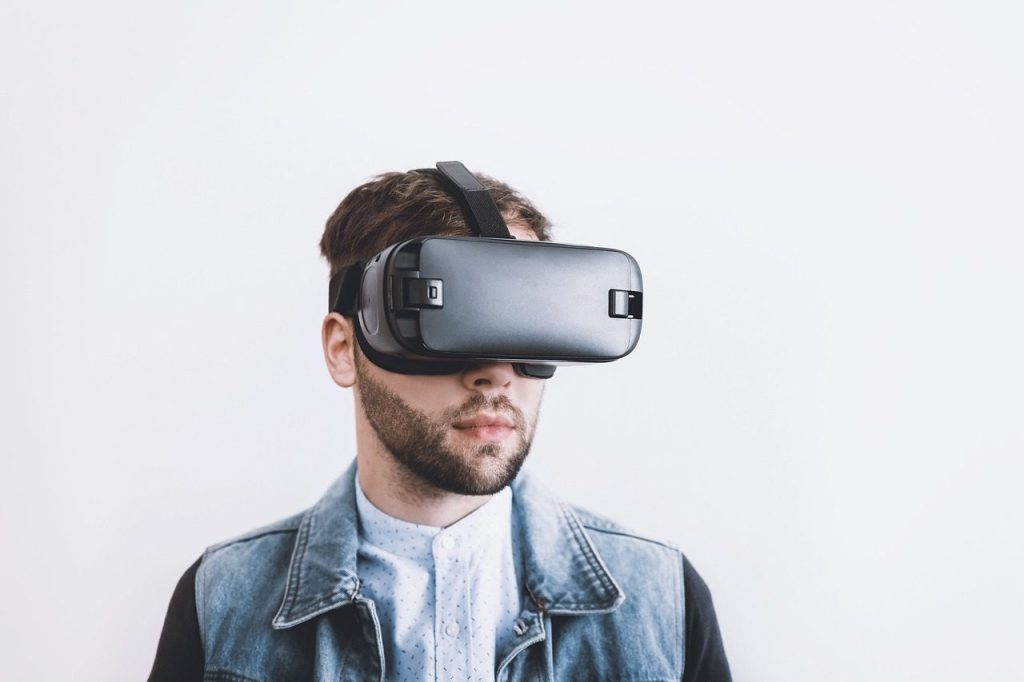
    virtual, virtual reality, technology, reality, digital, 3d, headset, device, entertainment, modern, goggles, glasses, tech, simulation, game, gadget, person, metaverse, man, vision, futuristic, cyber, simulator, video
    Photo by JESHOOTS-com on Pixabay

    The jump from smartphones to brain-wearables is the biggest leap in human history. We are effectively becoming a connected species. The first consumer versions are already hitting the market for focus and sleep. Within the decade, they will be as common as smartwatches. It is a brave new world for our gray matter. If you think your brain is under threat, wait until you hear about the “Super-Candida” fungus that tech is fighting.

    Featured Image: Photo by Prashant Gupta on Unsplash

  • How Bio-Synthetic Organs are Ending the Transplant Waitlist

    How Bio-Synthetic Organs are Ending the Transplant Waitlist

    Every day, seventeen people die while waiting for an organ transplant. This tragic reality has haunted the medical community for decades. However, a massive shift is happening right now in labs across the globe. Bio-synthetic organs are no longer a dream found in science fiction movies. Scientists are now using a patient’s own cells to grow functional body parts. This process removes the biggest hurdle in modern transplants, which is the risk of organ rejection. By using your own biological data, doctors can create a “perfect match” every single time.
    We are moving toward a future where “off-the-shelf” lungs and kidneys could save millions. No more long lists and no more waiting for a donor. This technology is moving faster than anyone expected. It is not just about growing skin or bone anymore. Wait until you see how they are literally printing complex human hearts from scratch.

    The Magic of 3D Bio-Printing Technology

    chemist, laboratory, analysis, chemistry, research, woman, female, girl, laboratory, laboratory, laboratory, laboratory, laboratory, chemistry, chemistry, research, research
    Photo by jarmoluk on Pixabay

    The secret behind this revolution is 3D bio-printing. Instead of plastic or metal, these printers use “bio-ink” made of living cells. These printers layer the cells with precision to build complex structures like blood vessels. It is a slow and delicate process, but the results are stunning. This technology allows doctors to replicate the exact shape of a patient’s original organ. But printing the shape is only the first step. The real challenge is making these printed parts actually breathe and beat like the real thing.

    Eliminating the Risk of Organ Rejection

    a chain link fence
    Photo by Warren Umoh on Unsplash

    When you receive an organ from a donor, your immune system usually treats it like an invader. You have to take heavy drugs for the rest of your life to stop your body from attacking itself. Bio-synthetic organs change this entirely. Since these organs are grown from your own genetic material, your body recognizes them as its own. This means fewer side effects and a much higher success rate for patients. But how long can these lab-grown organs actually last inside a human body?

    Lab-Grown Lungs are Already Taking Breath

    anatomy, human, heart, pulse frequency, heart rate, question mark, philosophy, psychology, existence, thorax, monitor, to learn, study, skeleton, system, body, health, medical, medicine, lung, brain, stomach, colon, anatomy, lung, lung, brain, stomach, stomach, stomach, stomach, stomach, colon
    Photo by geralt on Pixabay

    Lungs are incredibly complex because of their delicate air sacs. Yet, researchers have successfully grown bio-engineered lungs and transplanted them into animal models. These lungs supported gas exchange just like natural ones. This is a massive win for patients suffering from chronic respiratory diseases. We are inches away from human clinical trials that could change everything. However, the heart remains the ultimate prize for researchers, and the progress there is even more shocking.

    Printing the First Functional Human Heart

    cyberpunk, futuristic, robot, surreal, neon, city, technology, digital, fantasy, background, abstract, wallpaper, droid, drone, woman, design, binary, art, world, networks, psychedelic, heart, people, communication, cyberpunk, cyberpunk, cyberpunk, cyberpunk, cyberpunk
    Photo by PatoLenin on Pixabay

    The heart is more than just a muscle; it is a complex pump with its own electrical system. Scientists recently printed a miniature version of a human heart with its own cells and blood vessels. While it is still small, it proves that the architecture of the heart can be replicated. The next step is scaling this up to full size. Imagine a world where heart failure is a manageable condition rather than a death sentence. But what happens to the cost of healthcare when we can simply print new parts?

    Affordable Organs for the Entire World

    silver and black stethoscope on 100 indian rupee bill
    Photo by Marek Studzinski on Unsplash

    Traditional transplants are incredibly expensive due to surgery, transport, and long-term care. Bio-synthetic organs could eventually drive these costs down. Once the technology is standardized, local hospitals could have their own “organ farms.” This would eliminate the need for expensive organ transport networks. Access to life-saving surgery would no longer be a luxury for the rich. But wait, there is a hidden ethical question that scientists are starting to worry about.

    The Ethics of Living Forever

    a sculpture of a person sitting on a table
    Photo by Declan Sun on Unsplash

    If we can replace every organ as it fails, what does that mean for the human lifespan? Some experts suggest we could extend life by decades or even centuries. This brings up tough questions about population growth and social structure. Are we ready to become biological machines that never truly wear out? It sounds like science fiction, but the timeline for these changes is much closer than you think.

    When Will This Be in Your Hospital?

    a hospital room with a bed and a chair
    Photo by Max Tcvetkov on Unsplash

    We are looking at a timeline of the next ten to fifteen years for widespread use. Small-scale tissues like skin and cartilage are already being used today. More complex organs like the kidneys are currently in advanced testing phases. The transplant waitlist might become a thing of the past within our lifetime. It is a total reset for human biology. If you think this change is big, wait until you see how 6G is about to track your every move.

    Featured Image: Photo by Maxence Pira on Unsplash

  • Why you should stop drinking coffee the second you wake up

    Why you should stop drinking coffee the second you wake up

    For millions of people the first thing they do after opening their eyes is reach for a cup of coffee. It feels like the only way to begin the day. But doctors and sleep experts are now warning that this habit actually makes you more tired. Drinking coffee the second you wake interferes with your body’s natural energy cycle. Instead of giving you a boost, it can lead to a huge crash in the afternoon. It turns out that your body has its own “natural caffeine” that you accidentally turn off.

    By changing the timing of your first cup, you can stay more alert and avoid the dreaded brain fog. It is a simple life hack that most people are doing completely wrong. If you want to maximize your energy, you have to work with your hormones, not against them. Once you understand how your body actually wakes up, you will never look at your morning brew the same way again. But the first secret lies in a hormone called cortisol.

    The cortisol spike you are missing

    woman sitting on white bed while stretching
    Photo by bruce mars on Unsplash

    When you wake up, your body releases a massive burst of cortisol. This is the “alertness hormone” that naturally wakes you up and gets you moving. When you drink caffeine during this peak, your brain thinks it doesn’t need to produce as much cortisol on its own. This makes you more dependent on coffee to feel normal. You are essentially telling your body to stop working. But wait until you see what happens to your caffeine tolerance.

    Building a wall against the buzz

    A table topped with lots of cups and saucers
    Photo by Karl Moore on Unsplash

    By drinking coffee when your cortisol is already high, you build a much faster tolerance to caffeine. This means you need more and more coffee just to get the same effect. Before you know it, you are drinking four cups a day just to keep your eyes open. This “tolerance trap” is the main reason why people feel like coffee “stops working” for them. If you wait just a little longer, the buzz will be much more powerful. But there is a hidden dehydration problem, too.

    Waking up in a desert

    three clear drinking glass on table
    Photo by Janosch Lino on Unsplash

    You have just gone 8 hours without water. Your body is naturally dehydrated when you wake up. Coffee is a diuretic, which means it makes you lose more water. Starting your day with coffee is like trying to put out a fire with gasoline. It stresses your kidneys and can lead to headaches and fatigue. Drinking a large glass of water first will actually wake you up faster than any cup of joe. But the blood sugar secret is even more shocking.

    The blood sugar roller coaster

    a plate of food and a Glucometer on a table
    Photo by Sweet Life on Unsplash

    Drinking coffee on an empty stomach can cause a massive spike in your blood sugar levels. This triggers an insulin response that can lead to weight gain and inflammation. Even if you don’t add sugar to your coffee, the caffeine itself tells your liver to release stored glucose. This creates a “sugar high” followed by a deep crash. This is the main reason you feel hungry and grumpy by 10:00 AM. But wait until you see the afternoon crash waiting for you.

    The 2 PM energy wall

    a man sitting at a desk with his head in his hands
    Photo by Vitaly Gariev on Unsplash

    Caffeine works by blocking “adenosine,” the chemical that makes you feel sleepy. When you drink coffee early, the adenosine keeps building up in the background. As soon as the caffeine wears off around lunch, all that sleepiness hits you at once. This is the “2 PM slump” that ruins your productivity. If you wait to have your coffee, you can spread out the energy boost more evenly. But what if the greatest library in history never burned down?

    The perfect time for your first cup

    white ceramic mug on white table
    Photo by Thomas Park on Unsplash

    So when should you drink it? Most experts say the sweet spot is between 9:30 and 11:30 AM. This is when your cortisol levels naturally drop. By having your coffee then, you give your body a boost when it actually needs it, rather than overriding its natural systems. You will find that you need less coffee to stay alert. It is a complete game changer for your productivity. But you will not believe how different the world would be if Alexandria’s library still stood.

    Featured Image: Photo by allison christine on Unsplash