Category: Education & Learning

  • Is the Need to Learn a Foreign Language About to Disappear Completely?

    Is the Need to Learn a Foreign Language About to Disappear Completely?

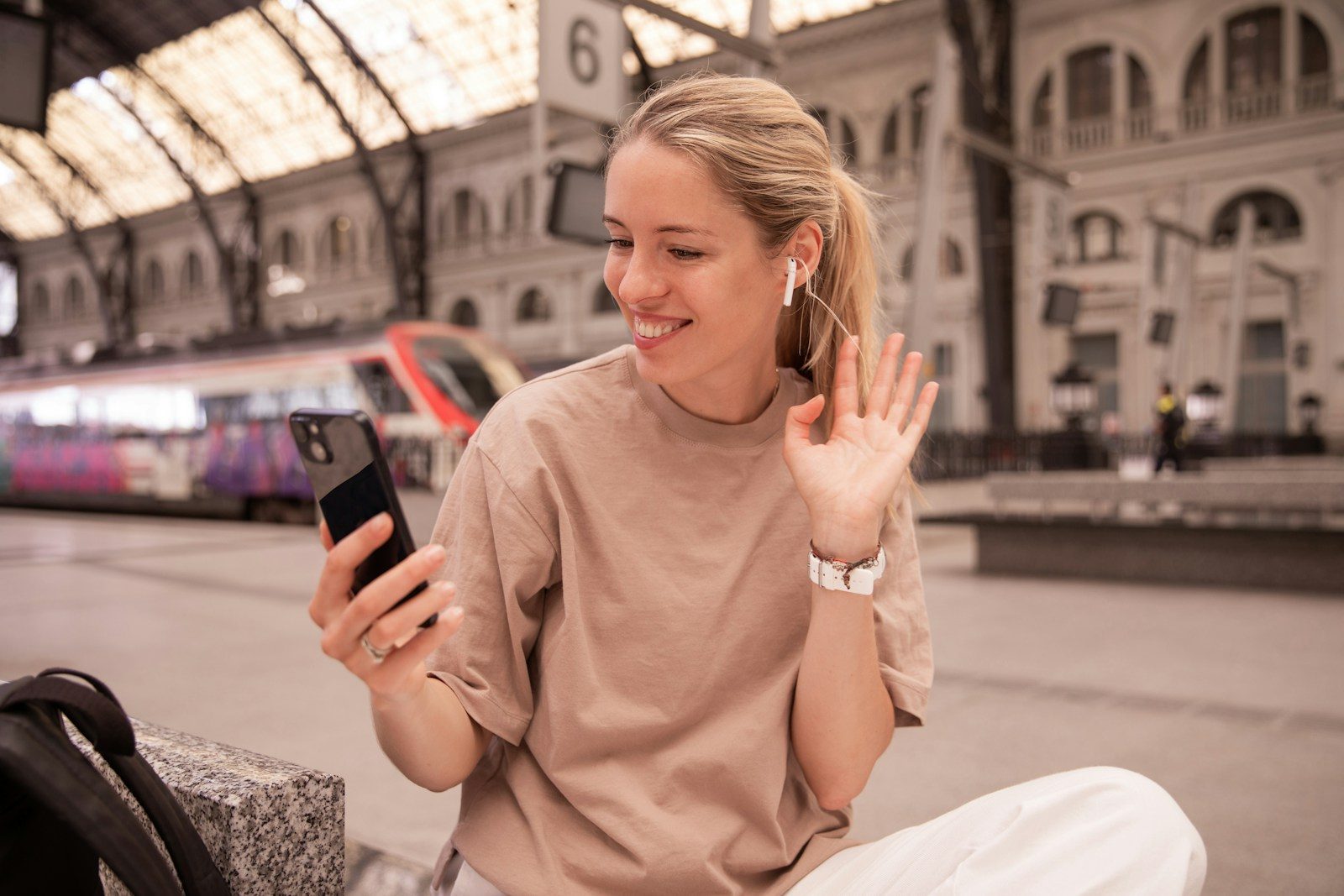
    For thousands of years, the language barrier has been the ultimate wall between people. If you wanted to travel, do business, or make a new friend in another country, you had to spend years studying grammar and vocabulary. But in 2026, that wall is officially being torn down. New “Neural Translation” earbuds have arrived that translate speech in real-time with 99 percent accuracy. It feels like having a professional translator sitting in your ear. Whether you are in Tokyo or Paris, you can speak your native language and the person in front of you will hear their own.

    This isn’t just about simple phrases like “Where is the bathroom?” This is about deep, emotional conversations. The AI can now capture the tone, the slang, and even the “personality” of the speaker. It is hitting the news as the “Death of the Language Barrier.” We are looking at a world where everyone can talk to everyone. But does this mean that learning a new language is a waste of time? The answer is more complex than you think.

    The End of the “Lost in Translation” Era

    man in black crew neck shirt wearing black framed eyeglasses and black hat
    Photo by NONRESIDENT on Unsplash

    In the past, translation apps were slow and robotic. They often missed the context and made embarrassing mistakes. The 2026 “Neural” models are different. They use the massive computing power of the orbital AI hubs we talked about earlier. They understand “cultural nuances.” If you use a joke or a metaphor, the AI finds the equivalent in the other language. It is a seamless bridge between minds. But how does this affect the brains of the next generation?

    Will We Lose Our “Brain Power” Without Languages?
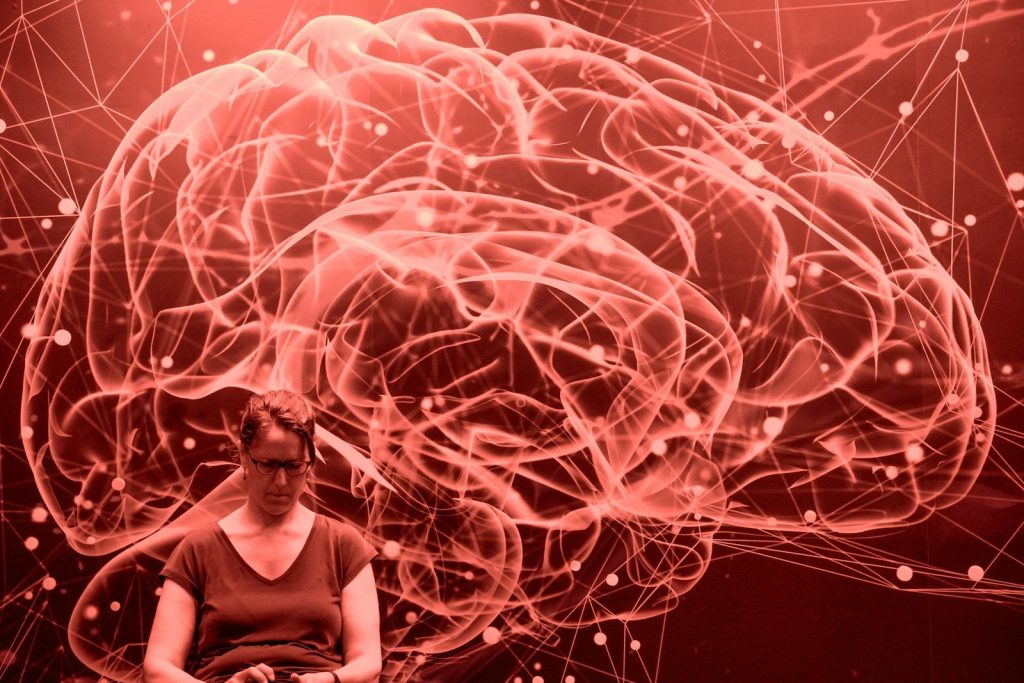
    Abstract red brain network with a person
    Photo by Markus Kammermann on Unsplash

    Scientists have long known that being bilingual is like a workout for the brain. It improves memory and problem-solving skills. Some experts worry that if we stop learning languages, our brains will get “lazy.” If a machine does the work for us, do we lose a part of our intelligence? This is the big debate in schools today. We are moving from a world of “learning” to a world of “using.” But wait until you see how this is changing the way we travel.

    The Rise of the Global Neighborhood

    A diverse group of friends taking a selfie outdoors.
    Photo by Vitaly Gariev on Unsplash

    Travel used to be scary for many people because they couldn’t communicate. Now, tourism is exploding in areas that were previously off-limits. You can walk into a small village in the Amazon or a high-tech city in Korea and feel right at home. This is leading to a “Global Renaissance” where cultures are mixing like never before. The world is becoming one single, giant neighborhood. But is there a hidden danger to having a machine control our conversations?

    The Privacy of Your Private Thoughts
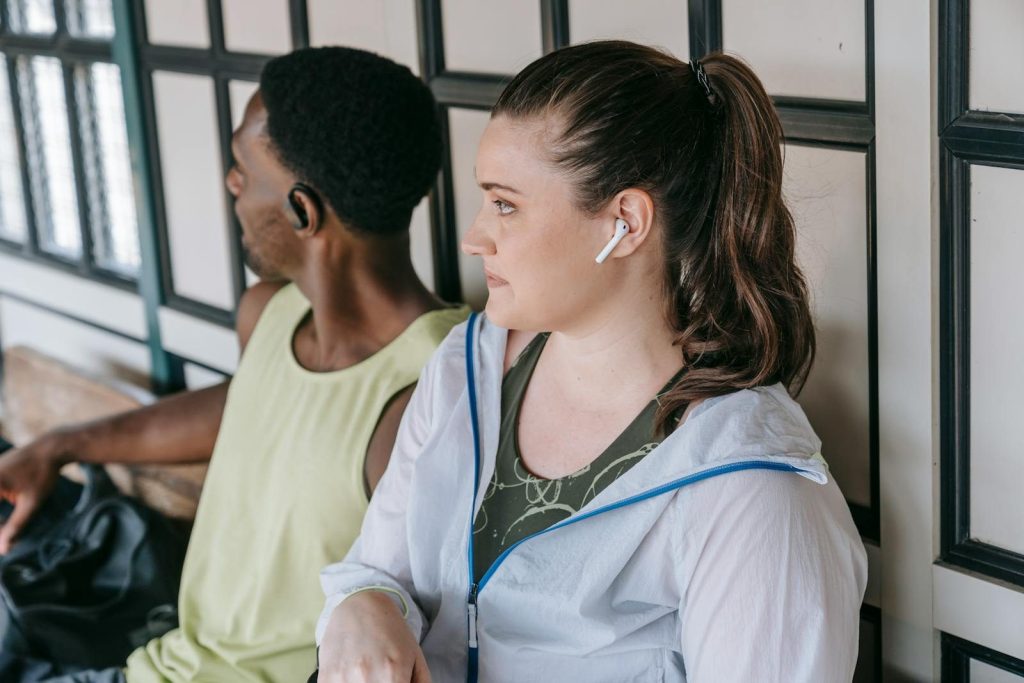
    Casual interaction between friends wearing earbuds indoors, focused on technology and relaxation.
    Photo by Liliana Drew on Pexels

    If a device is always listening to your conversation to translate it, where does that data go? Privacy activists are warning about “Conversation Mining.” Tech companies could theoretically know your most private secrets just by translating them. This is where the “W-State” quantum security we discussed becomes vital. We need unhackable links to ensure our private talks stay private. We are trading our intimacy for convenience. But wait until you see the “Intimacy Gap” problem.

    Can a Machine Really Feel Your Soul?
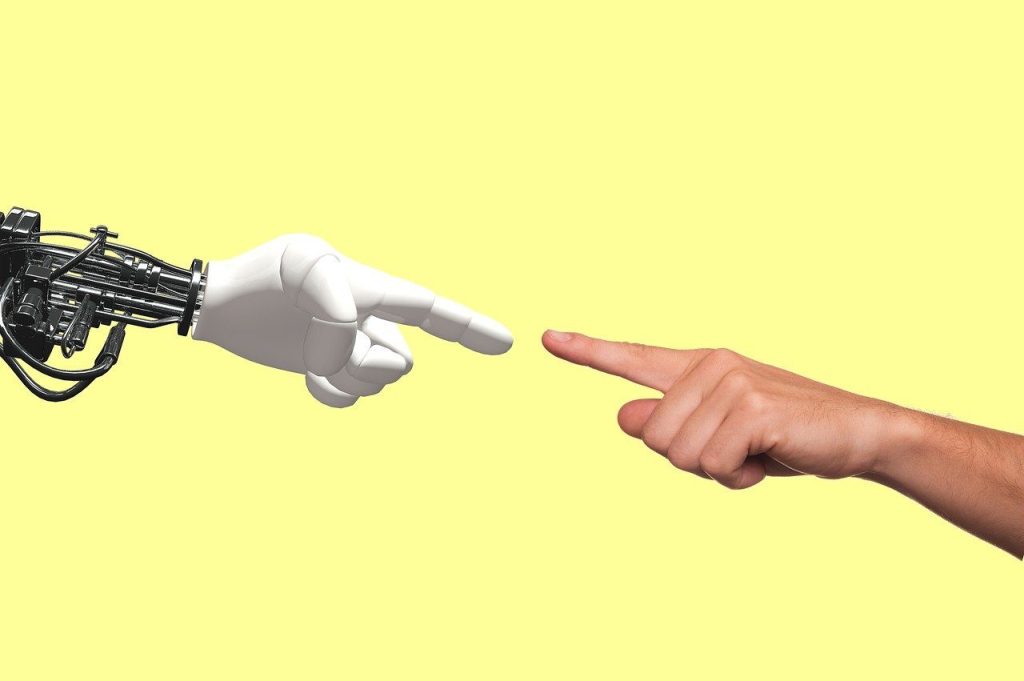
    technology, robot, human, hand, pointing, machine, science, cyborg, artificial, future, robotic, bionic, cyber, android, creation of adam, yellow technology, yellow science, yellow robot, yellow future, yellow human, robot, robot, robot, robot, robot, cyborg, future
    Photo by Tumisu on Pixabay

    There is something special about the effort of learning someone else’s language. It shows respect and a desire to connect. When a machine handles the talk, some of that “soul” might be lost. We are seeing the birth of “Algorithmic Relationships.” While the words are correct, the “heart” might be missing. We have to decide if we want to be “efficient” or “connected.” It is a philosophical crisis for the 21st century. But can this tech actually save lives in an emergency?

    The Real-Time Medical Miracle

    Nurse and sailor attend patient in hospital bed.
    Photo by Navy Medicine on Unsplash

    The biggest win for this tech is in healthcare. In an emergency, every second counts. If a doctor can’t understand a patient’s symptoms, the result can be deadly. Neural translation is saving thousands of lives every day by providing instant medical communication. It is a level of safety that was impossible just five years ago. We are using AI to ensure that no one dies because of a language barrier. It is a masterpiece of applied science. But what is the final verdict on the “End of Languages”?

    A World of Infinite Voices
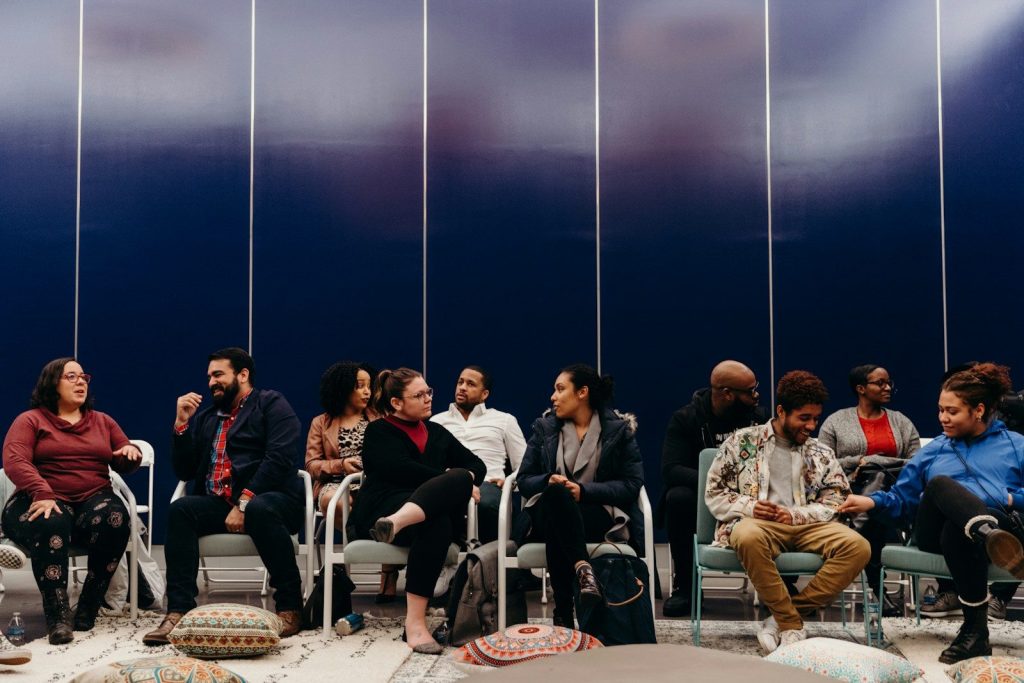
    group of people sitting on chair
    Photo by Brock DuPont on Unsplash

    The need to learn a language for “survival” is gone. But the desire to learn a language for “love” will always be there. We are entering an era of “Augmented Humanity,” where technology fills the gaps in our biology. We have explored DNA cures, quantum shields, orbital AI, and self-assembling code. These are all tools that make our world faster and safer. The future is here, and it speaks every language on Earth.

    The Journey to a Unified Future
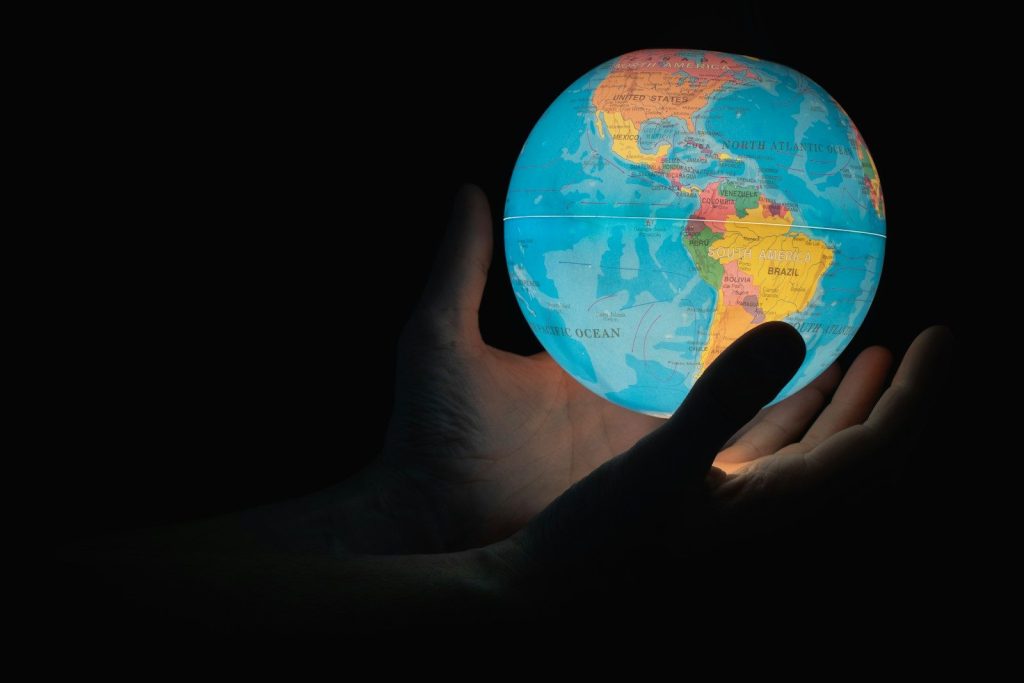
    blue and brown globe on persons hand
    Photo by Greg Rosenke on Unsplash

    We have reached the end of our series on the breakthroughs of 2026. From our cells to the stars, everything is changing at lightning speed. These stories remind us that the future isn’t something that happens to us—it’s something we build. Stay curious, stay skeptical, and keep looking for the next discovery in your own backyard. The world is just beginning to open up, and the best is yet to come.

    Featured Image: Photo by Look Studio on Unsplash

  • Why Your Weight Actually Changes at the Sea Floor

    Why Your Weight Actually Changes at the Sea Floor

    You might think that gravity is the same everywhere on Earth, but the scale tells a different story. If you were to stand on a scale at the bottom of the Mariana Trench, you would find that you weigh slightly more than you do on a mountaintop. This isn’t just about the crushing weight of the water above you. It is actually a fundamental quirk of physics and the shape of our planet. Because the Earth is not a perfect sphere, the distance between you and the center of the Earth changes depending on where you are.

    When you move toward the sea floor, you are getting closer to the core, which increases the pull of gravity. Additionally, the massive weight of the ocean water itself creates a slight downward pull. Scientists have been measuring these “gravity anomalies” for years to map the ocean floor. But there is a hidden force involving the Earth’s rotation that might be pushing back against you.

    Getting Closer to the Core

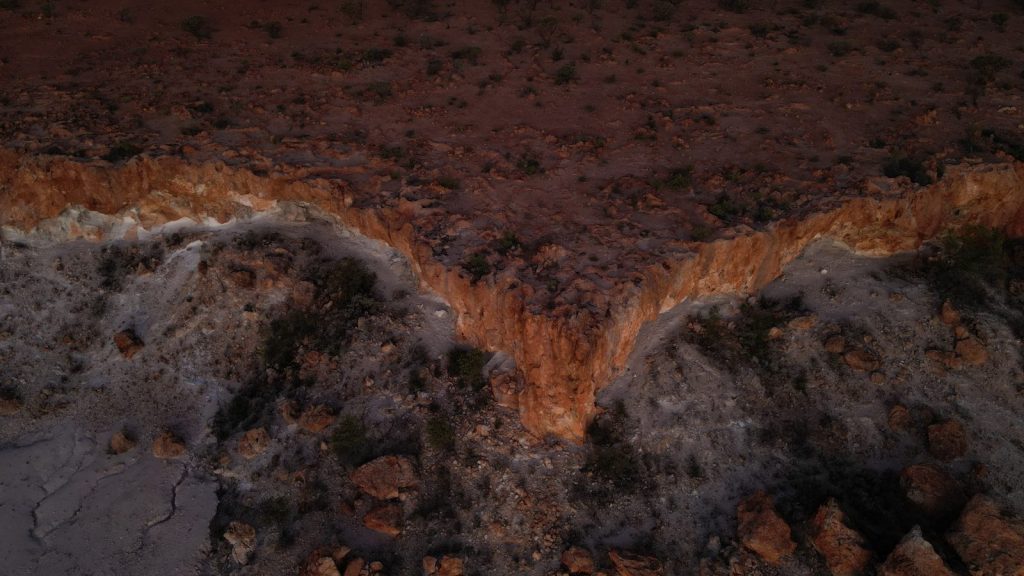
    Erosion on a dry, rocky landscape
    Photo by Iain on Unsplash

    The Earth is an “oblate spheroid,” meaning it is fatter at the equator and flatter at the poles. When you dive to the sea floor, you are physically descending into the Earth’s “dent.” This brings you closer to the concentrated mass of the iron core. Every mile you go down increases the gravitational acceleration acting on your body.

    It is a tiny change—usually less than one percent—, but it is enough to be measured by sensitive instruments. This extra pull is what gives you those “added ounces” at the bottom of the world. But is it just the core pulling on you, or is the rock beneath your feet changing too?

    The Mass of the Water Column

    body of water
    Photo by Clem Onojeghuo on Unsplash
    When you are deep underwater, there is a literal mountain of liquid on top of you. While this pressure does not change your mass, it creates a unique physical environment. In some cases, the vast amount of water around you can exert a gravitational pull of its own.

    This “extra” gravity from the water itself is something scientists have to account for when calibrating deep-sea sensors. It makes the bottom of the ocean one of the most “gravity-heavy” places on the planet. But did you know that the rock under the ocean is actually denser than the rock on land?

    Heavy Rock Means Heavy Gravity

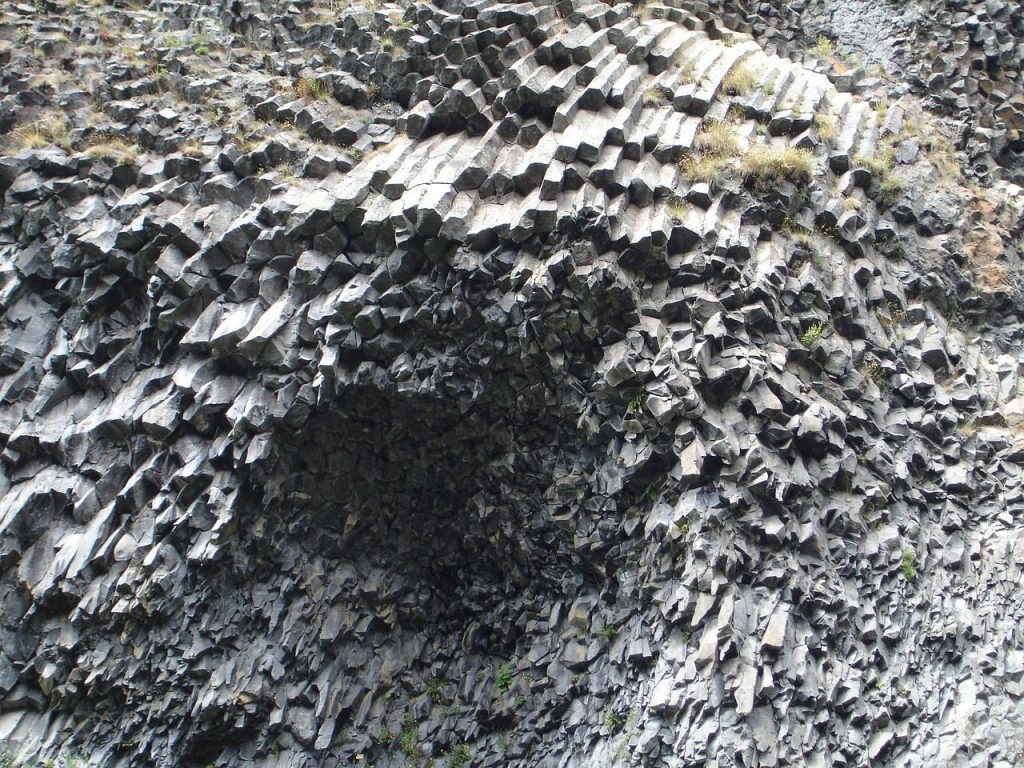
    cascade du ray pic, basalt, basalt columns, basalt prisms, stone, rock, ardeche, france, volcanic, basalt formation, basalt rock
    Photo by Hans on Pixabay

    The crust under the oceans is made of basalt, which is much denser than the granite found on the continents. Because there is more mass packed into a smaller space under the sea floor, the local gravity is slightly stronger. This creates “gravity hills” in the middle of the ocean.

    If you sailed a ship over a dense patch of basalt, you would technically weigh more than you did at the pier. These mass concentrations, or “mascons,” are hidden maps of the Earth’s history. But how do scientists measure something so small in such a violent environment?

    The Centrifugal Effect is Weakest Down There

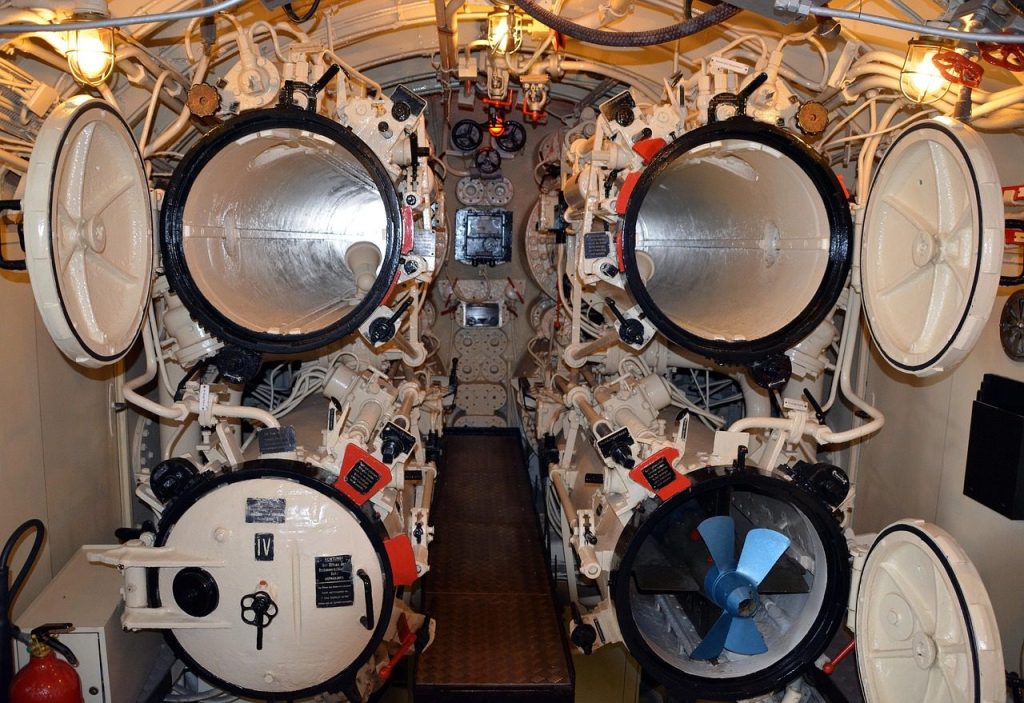
    submarine, underwater boat, torpedo tube, torpedeo, technology, submarine, submarine, submarine, submarine, submarine
    Photo by Bernswaelz on Pixabay

    At the surface, the Earth’s rotation tries to “fling” you out into space. This centrifugal force actually makes you weigh less at the equator. However, as you go deeper into the ocean, you are closer to the Earth’s axis of rotation. This means the flinging effect becomes weaker.

    Because you aren’t being pushed “out” as hard, gravity has an easier time pulling you “in.” This lack of centrifugal lift adds another tiny layer to your total weight. It is a perfect storm of physics that only happens in the deep. But could these gravity changes actually affect how a submarine moves?

    Subs Have to Navigate Gravity Pits

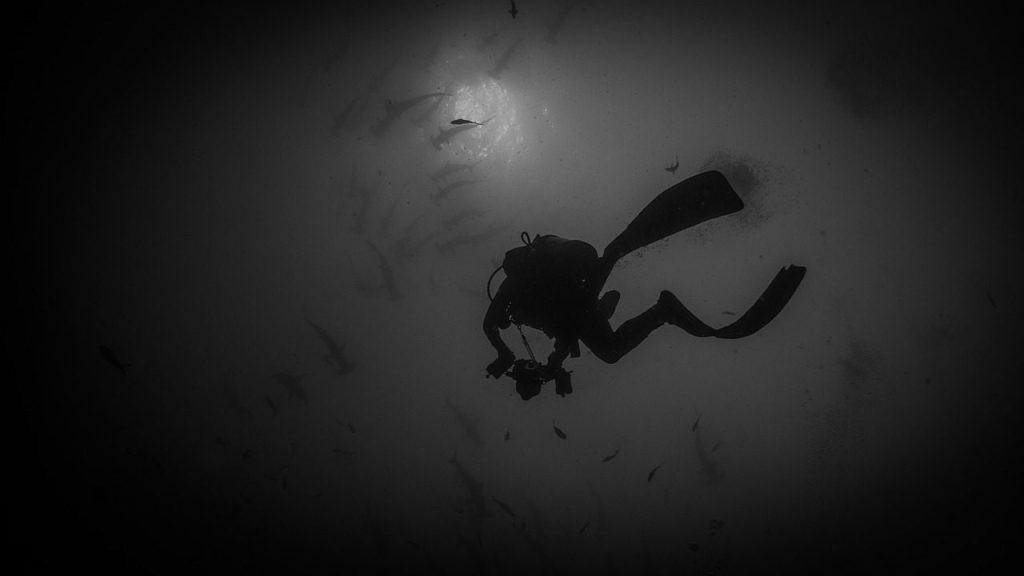
    dive, diver, underwater, mystical, dive, diver, diver, diver, diver, diver, underwater, underwater, underwater, underwater, underwater
    Photo by baechi on Pixabay

    Modern submarines are so sensitive that they can feel these changes in gravity. Navigators use “gravity maps” to help determine their location without using GPS, which doesn’t work underwater. If a sub passes over a dense mountain range on the sea floor, the extra gravity can pull it slightly off course.

    It is like driving a car over a series of invisible magnets. By measuring these pulls, the sub can “see” the terrain below it in total darkness. But what happens to the human body when gravity shifts like this for long periods?

    The Scale Doesn’t Tell the Whole Story

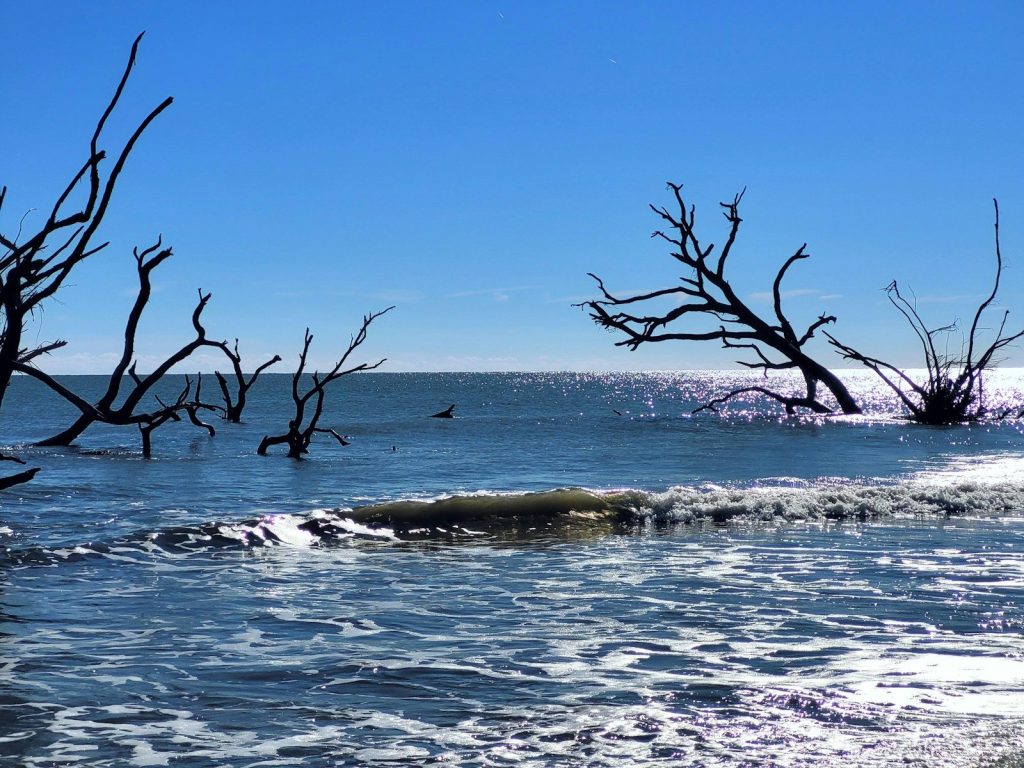
    A body of water surrounded by dead trees
    Photo by Melissa De Yoe on Unsplash
    While the gravity is stronger, the buoyancy of the water is also pushing you up. This is why you feel weightless in a pool, even though gravity is still pulling on you. At the sea floor, the buoyancy is immense because the water is so dense.

    So, while a scale would show you weigh more, you would actually feel lighter than ever. It is a strange contradiction of the deep sea. You are being pulled down harder than ever, but the water is holding you up. But what if the gravity on the sea floor suddenly changed?

    Mapping the Future of the Earth

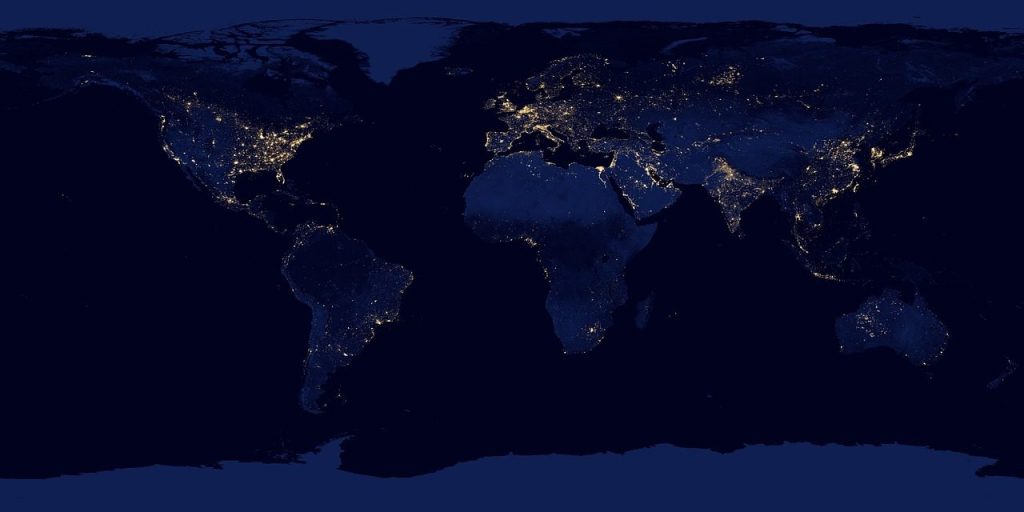
    world, map, satellite image, continents, satellite map, earth, night, world map, dark
    Photo by 14398 on Pixabay

    Measuring weight at the sea floor helps scientists understand the melting of the ice caps. As water moves around the planet, the “weight” of the ocean changes, which shifts the Earth’s gravity. By tracking these tiny changes, we can predict how the sea level will rise in the future.

    The sea floor is like a giant scale that measures the health of the entire planet. We are learning that even the smallest change in weight can have a massive impact on our survival. But is there a mystery city hiding where the gravity is strongest?

    Featured Image: Photo by Francesco Ungaro on Unsplash
  • Why Some Cultures Can-t “See” Blue

    Why Some Cultures Can-t “See” Blue

    Imagine looking at a bright, clear sky and not having a word for “blue.” For most of human history, that was the reality. If you look at ancient texts like the Odyssey or the Bible, the word for blue never appears. Homer described the sea as “wine-dark,” not blue. Science has discovered that if a culture doesn’t have a name for a color, their brains actually struggle to see it as a distinct shade.
    This isn’t a problem with the eyes; it is a “software” issue in the brain. Blue is often the last color to appear in any language. We are discovering that our vocabulary acts like a filter for reality. If you don’t have the word, you might be missing part of the world. But wait until you see the modern tribe that can spot differences in green that would be impossible for you.

    The Homeric Mystery of the Wine-Dark Sea

    a sunset over a body of water
    Photo by Travis Leery on Unsplash
    Why did the Ancient Greeks call the sea “wine-dark” or “violet”? They had words for black, white, red, and yellow, but blue was missing. Researchers believe that for the Greeks, colors were more about “brightness” than “hue.” A dark blue sea and a dark red wine were the same “category” of color to them. This suggests that the way they perceived the world was fundamentally different from ours. But how does this work in a modern tribe today?

    The Himba Tribe and the Missing Blue Square

    himba, ovahimba, namibia, tribe, tribal, woman, culture, tradition, indigenous, human, native, traditional, ethnic, africa, himba, himba, himba, himba, himba, namibia, tribe, tribal
    Photo by 7523944 on Pixabay

    The Himba people of Namibia do not have a word for blue. When shown a circle of 11 green squares and one blue square, they often can’t point out the blue one. It takes them a long time to notice the difference. However, they have many different words for different types of green. They can instantly spot a tiny shade difference in a green circle that looks perfectly uniform to a Westerner. But why is blue always the last color to join the party?

    The Universal Order of Color Discovery

    rainbow, meteorological phenomenon, rain, cloud, sunset, osaka, japan, nature, spectrum, sky, pride month, world pride
    Photo by Kanenori on Pixabay

    Linguists found that almost every language follows the same order for naming colors. First come “light” and “dark.” Then comes “red” (the color of blood and fire). Next are “yellow” and “green.” Finally, once a culture learns how to make blue dye, the word “blue” appears. Because blue is rare in nature—aside from the sky and sea—most early humans didn’t need a specific word for it. But wait, what does this mean for the “physical” wiring of your brain?

    Language Actually Rewires Your Visual Cortex

    brain, numbers, network, digital, web, neurons, think, system, technology, digitization, brain, brain, brain, brain, brain, neurons, neurons
    Photo by geralt on Pixabay

    When you learn a new word for a color, your brain starts to process that color differently. Brain scans show that when we look at colors, our language centers light up. This means your brain is “pre-sorting” the light before you even realize you are seeing it. If your language combines blue and green into one word, your brain treats them as variations of the same thing. But could there be colors we are missing right now because we don’t have names for them?

    The Tetrachromats Who See Millions More Colors

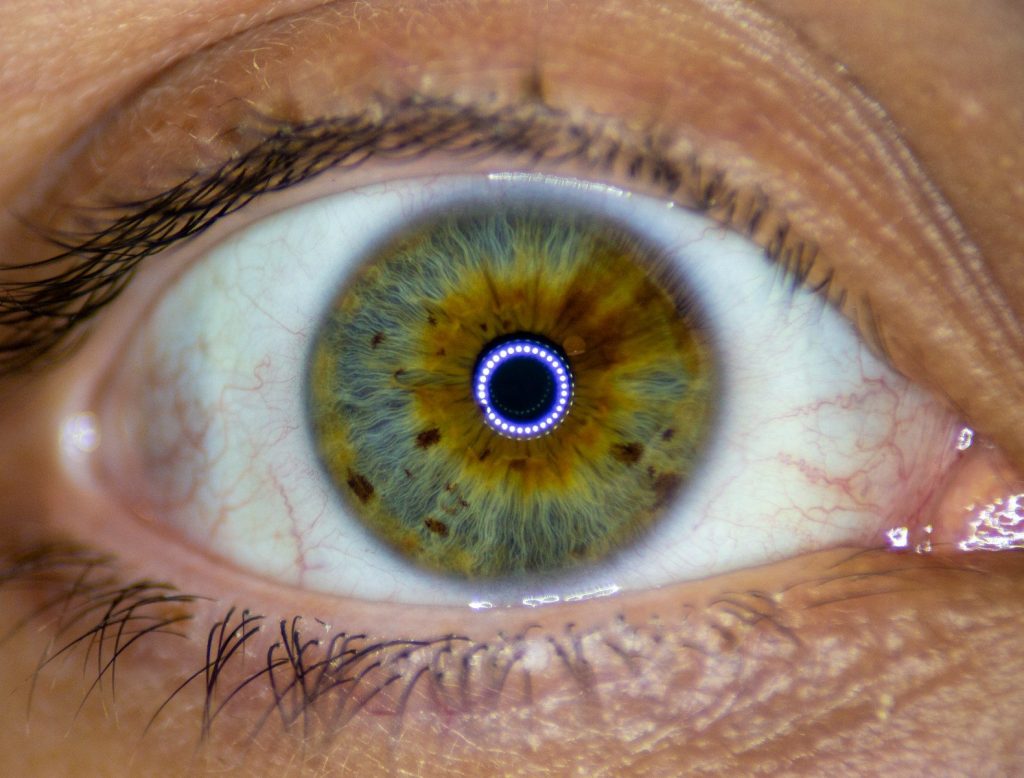
    a close up of a person's eye with an iris
    Photo by Grégoire Hervé-Bazin on Unsplash

    Most humans have three types of color-sensing cells in their eyes. But a small number of women are “tetrachromats,” meaning they have four. They can see shades and patterns in a sunset or a flower that are completely invisible to the rest of us. To them, a plain white wall might look like a mosaic of different colors. They have the “hardware,” but they often lack the “software” (the words) to describe what they see. But wait, what happens if a color disappears from our language?

    Is The Color “Cyan” Vanishing From Our Minds?

    software developer, web developer, programmer, software engineer, technology, tech, web developer, programmer, programmer, software engineer, technology, technology, technology, tech, tech, tech, tech, tech
    Photo by Innovalabs on Pixabay

    As we move into a digital world, we are starting to simplify our color categories. Many younger people are losing the distinction between “cyan” and “light blue.” If we stop using the word, our children might literally lose the ability to see the difference quickly. We are constantly evolving how we perceive reality based on the tools we use to talk about it. But there is one color that might be the next to “appear.”

    The Future Of Human Vision and New Colors

    cyber glasses, cyber, glasses, video glasses, augmented reality, virtual reality headset, hmd, future, reality, virtual, virtual reality, augmented reality, augmented reality, augmented reality, virtual reality, virtual reality, virtual reality, virtual reality, virtual reality
    Photo by geralt on Pixabay

    With the rise of Augmented Reality and bio-hacking, we might soon “add” new colors to our vocabulary. Imagine being able to see ultraviolet light or heat signatures and having specific words for them. Our brains would adapt, and the world would suddenly look much more complex. We are not finished seeing the world; we are just getting started. If you think the way we see the world is strange, wait until you see the technology that is going to let you “see” through time.

    Featured Image:Photo by solart on Pixabay

  • 10 Species That Are Far More Intelligent Than Humans Realized

    10 Species That Are Far More Intelligent Than Humans Realized

    We like to think we are the smartest things on Earth, but we are in for a shock. Recent science has discovered that intelligence comes in many different forms. Some animals can solve complex puzzles that would stump a human child. Others have social structures and communication systems that we are only just beginning to decode. From the depths of the ocean to your own backyard, “genius” species are all around us.
    We used to think tools and language were only for humans. Now, we are seeing birds that use physics and insects that can count. These animals don’t just have instincts; they have personalities, memories, and even the ability to plan for the future. You will never look at these 10 species the same way again. But wait until you see the bird that can solve a multi-step puzzle just for a snack.

    Crows Are Basically Flying Chimpanzees

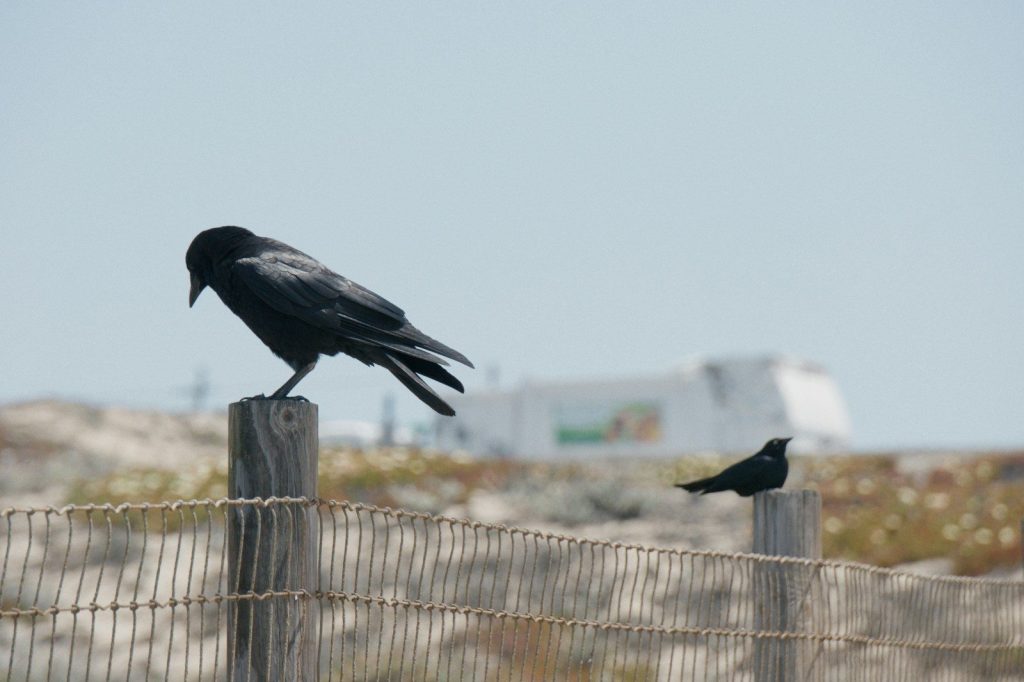
    Two black birds perched on a wooden fence.
    Photo by Johnson Martin on Unsplash

    Crows can recognize human faces and even hold grudges for years. If you are mean to a crow, it will tell its friends, and they will all dive-bomb you next time you walk by. They have been seen using traffic to crack nuts—dropping them in front of cars and waiting for the light to turn red to collect the prize. Their brain-to-body ratio is similar to that of a primate. But if you think birds are smart, wait until you meet the “alien” intelligence of the octopus.

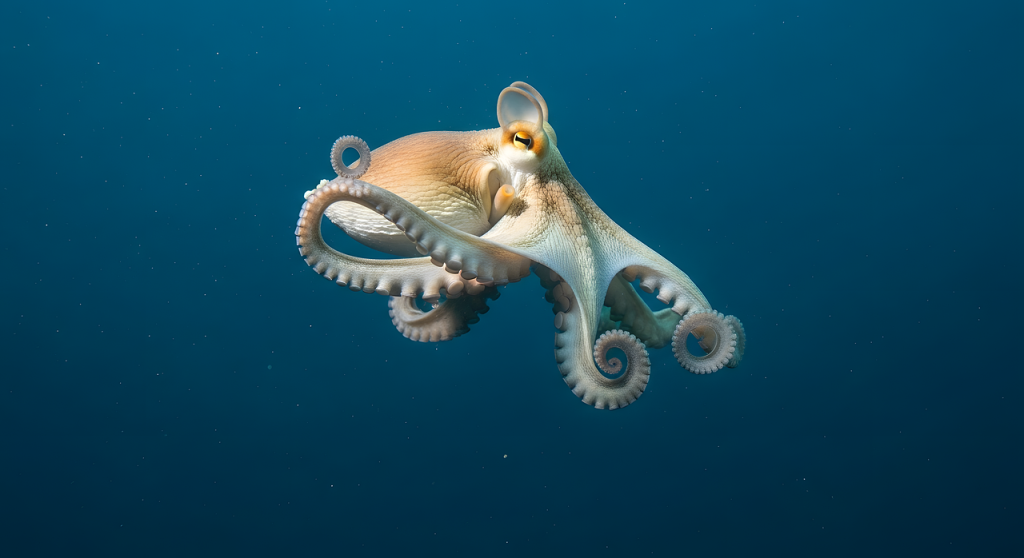
    The Octopus Has Nine Brains and Three Hearts

    octopus, beach, sea, ocean, nature, underwater, water, submarine, ai generated
    Photo by GraziGovastki on Pixabay

    An octopus doesn’t just have one brain; it has a central brain and a “mini-brain” in each of its eight arms. This means its arms can think for themselves. They have been known to escape aquarium tanks, open jars, and even play pranks on researchers by squirting water at them. They are masters of disguise and problem-solving. But intelligence isn’t just about puzzles; it is about social bonds, like the ones found in the ocean-s most famous mammals.

    Dolphins Use Names For Each Other

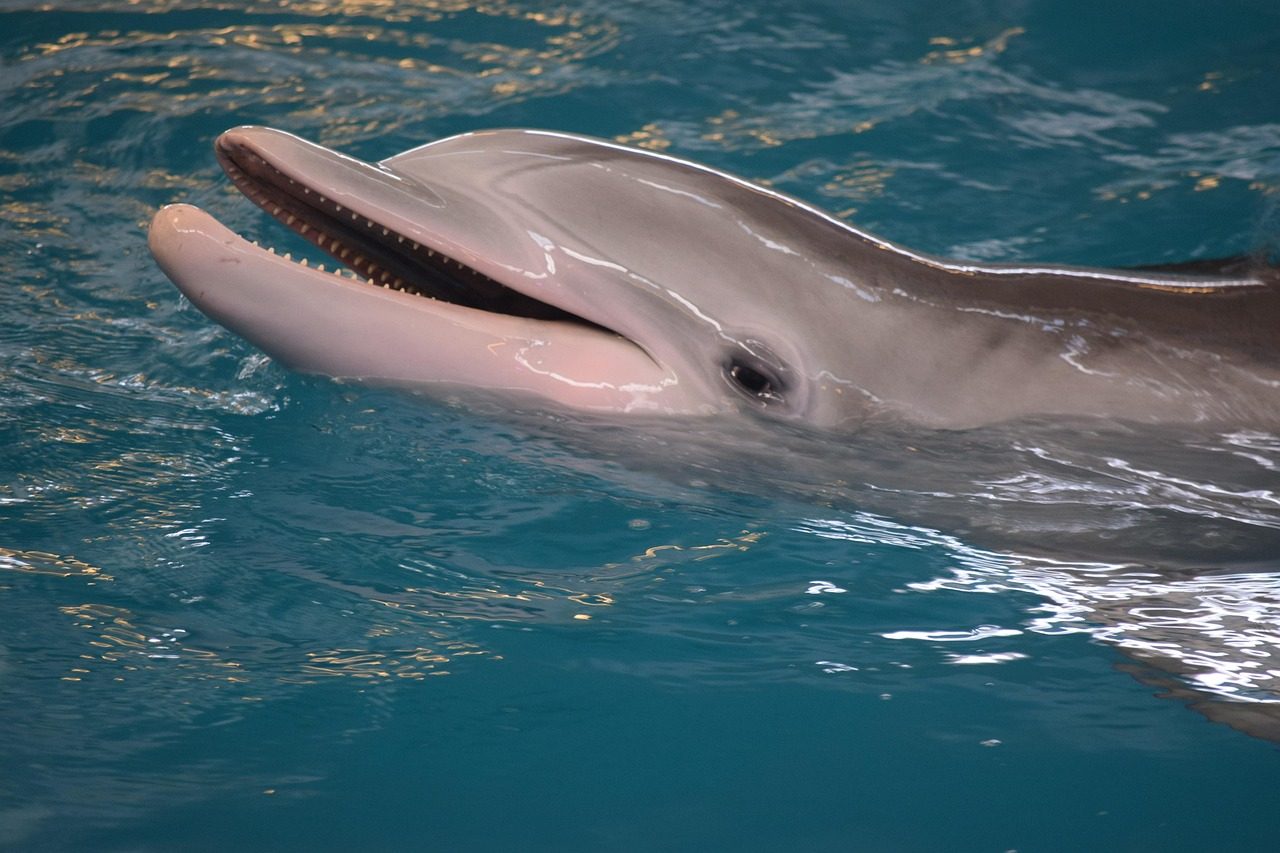
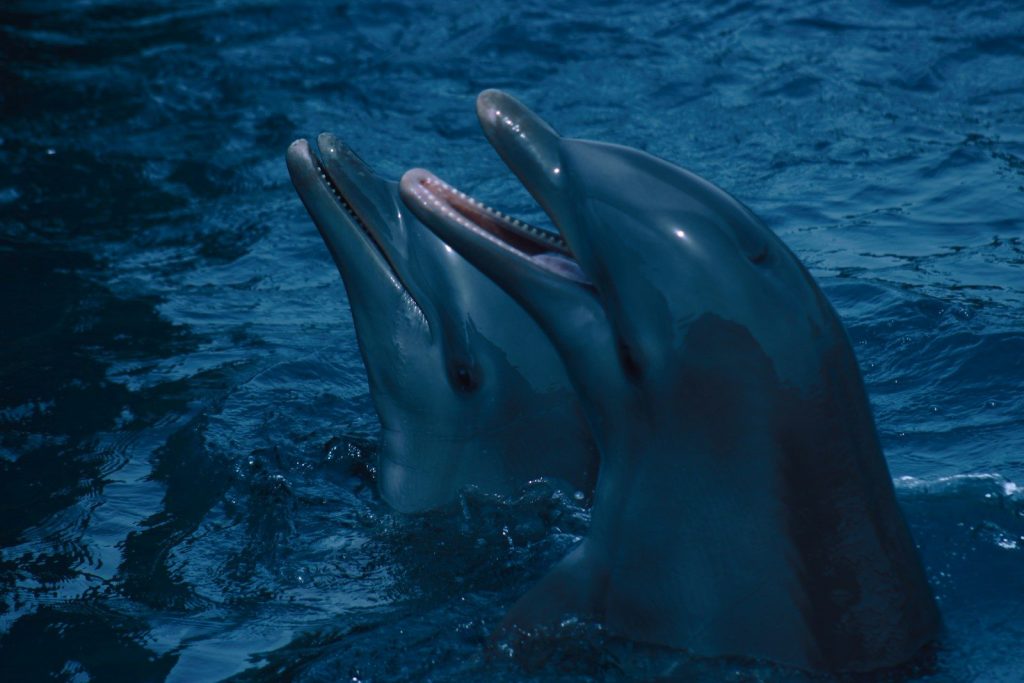
    dolphin in body of water during daytime
    Photo by Freddy Jimenez on Unsplash
    Dolphins have a “signature whistle” that acts exactly like a human name. When a dolphin wants to call a specific friend, it mimics that friend’s whistle. They also show self-awareness by recognizing themselves in mirrors—something most animals can’t do. They have complex cultures where different groups use different tools to hunt. But on land, there is a giant that never forgets a face.

    Elephants Mourn Their Dead and Remember Friends

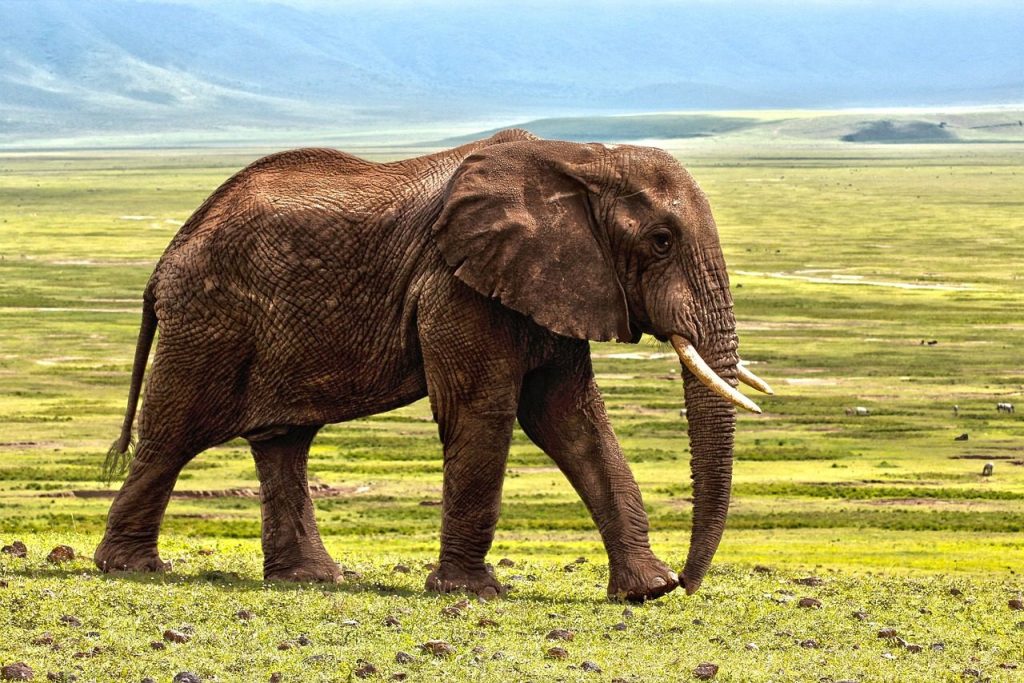
    elephant, safari, animal, defence, africa, savanna, zoo, nature, reserve, elephant, elephant, elephant, elephant, elephant
    Photo by laurentmarx on Pixabay

    Elephants have the largest brains of any land animal. Their emotional intelligence is staggering. They are known to visit the bones of dead relatives and touch them in a way that looks like mourning. They can also recognize a friend they haven’t seen in 20 years. They even use medicinal plants to induce labor or heal wounds. But what about the animals we usually think of as just “food”?

    Pigs Are Smarter Than Your Family Dog

    white pig with yellow knit cap
    Photo by Benjamin Wedemeyer on Unsplash

    Research shows that pigs are among the most intelligent animals on the planet. They can learn to play simple video games using their snouts. They have complex social lives and can even learn to trick other pigs to get more food. They are excellent at navigating mazes and have a long-term memory that rivals many primates. But wait, intelligence can also be found in tiny, buzzing packages.

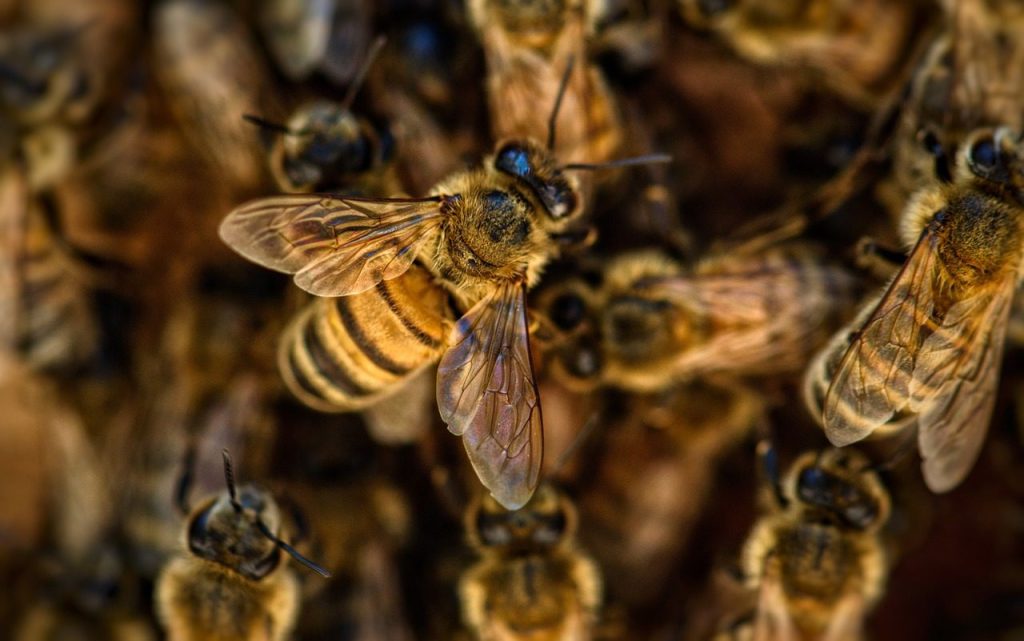
    Bees Can Solve Complex Math Problems

    bees, wings, insects, honey, nature, pollination, pollen, honeycomb, yellow, hive, beehive, buzz, sting, brown nature, brown natural, brown bee, bees, bees, bees, bees, bees
    Photo by TerriAnneAllen on Pixabay

    Bees have brains the size of a grass seed, yet they can count and understand the concept of “zero.” They solve the “traveling salesman problem,” which is a math puzzle that involves finding the shortest route between multiple points. They communicate through dance and can learn new skills by watching their peers. But while bees work together, the next animal on our list is a master of individual survival.

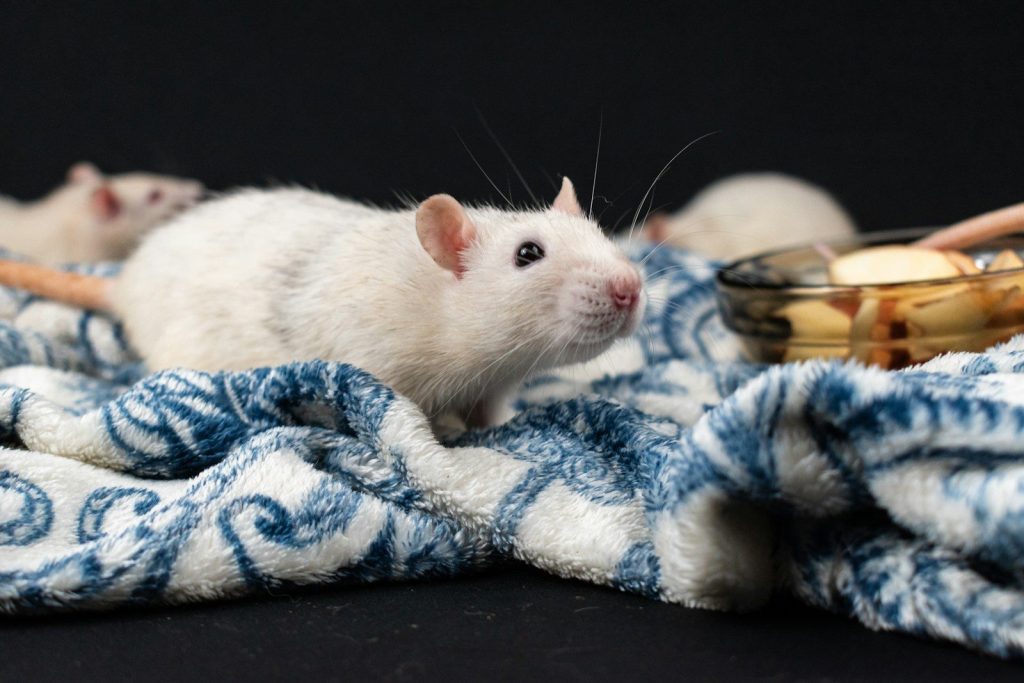
    Rats Are Capable of Empathy and Regret

    a group of mice sitting on top of a blanket
    Photo by Nikolett Emmert on Unsplash
    In lab tests, rats will often choose to help a fellow rat in distress rather than get a food reward. They also show signs of “metacognition,” which means they know what they know and what they don’t know. They can dream about their day and plan for tomorrow. These tiny survivors are much more like us than we want to admit. But if you think animals are smart, wait until you see how your own language can hide an entire color from your eyes.

    Featured Image:Photo by tanyarmm on Pixabay

  • New AI Analysis of the World’s Most Mysterious Manuscript

    New AI Analysis of the World’s Most Mysterious Manuscript

    For over 600 years, the Voynich Manuscript has mocked the world’s greatest codebreakers. No one knows who wrote it, what the language is, or why the illustrations feature plants that don’t exist on Earth. It has been called a hoax, an alien diary, and a lost medical text. But now, the game has changed. A team of scientists used advanced Artificial Intelligence to scan the pages with more precision than any human eye. This AI doesn’t just read the ink; it analyzes the patterns of the letters and the way the ink hits the page.
    The results are finally coming in, and they are shaking the foundations of history. Some researchers believe the AI has identified a specific linguistic root that was hidden for centuries. This isn’t just about a dusty book; it is about uncovering a lost civilization or a secret knowledge that was meant to stay hidden. The AI is starting to piece together the first coherent sentences. But what exactly did the machine find when it looked at the bizarre “nude bathers” illustrated in the margins?

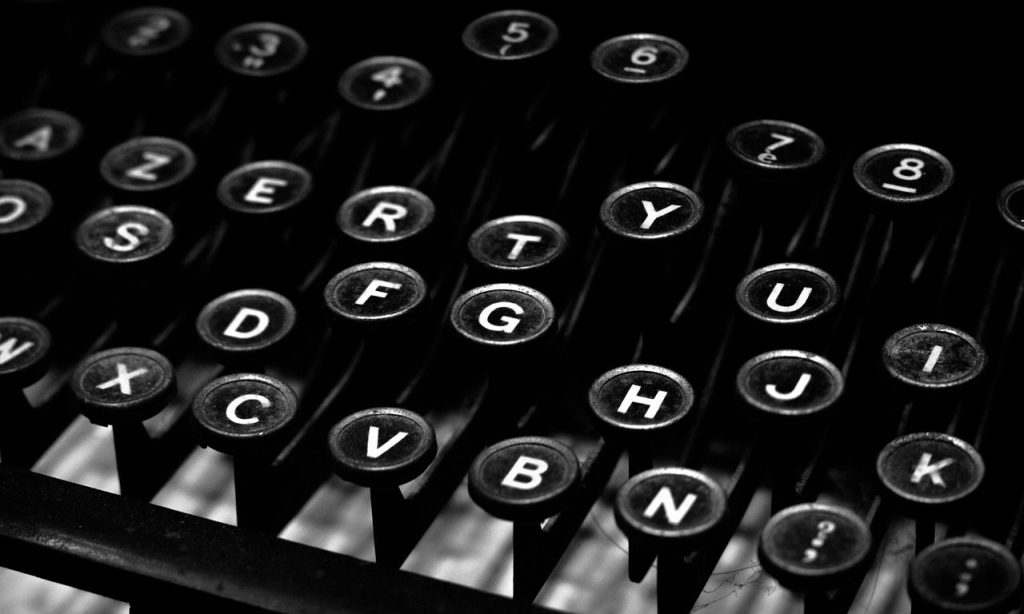
    The Language That Never Existed

    typewriter, type, alphabet, keyboard, symbol, machine, typewriter, typewriter, typewriter, typewriter, typewriter, alphabet, keyboard
    Photo by Vincent Faouet on Pixabay

    Codebreakers during World War II tried to crack this book and failed miserably. The AI analysis suggests that the language might be a “synthetic” dialect. This means it wasn’t spoken by a group of people but was carefully constructed by a single mind. The patterns match the flow of natural languages like Hebrew or Latin, but the vocabulary is entirely unique. This discovery rules out the theory that the book is just gibberish meant to trick collectors. If it is a real language, it means someone took a massive secret to their grave. But wait, the AI found something even stranger about the ink itself.

    Inks From A Place We Cannot Find

    man in white long sleeve shirt holding black dslr camera
    Photo by National Cancer Institute on Unsplash

    When the AI analyzed the chemical signatures of the ink, it found something impossible. The minerals used to create the colors should have come from specific regions in Europe. However, the ratios are slightly off. It is as if the ingredients were sourced from places that didn’t exist in the 15th century. This suggests the author was either a master of alchemy or had access to trade routes we haven’t mapped yet. Every new data point makes the mystery deeper rather than clearer. But how does this connect to the bizarre drawings of plants that don’t exist?

    Botanical Horrors Or Lost Species?

    plant, hd wallpaper, floral background, desktop backgrounds, beautiful wallpaper, succulent, free background, green, background, windows wallpaper, nature, macro, laptop wallpaper, close up, 4k wallpaper 1920x1080, full hd wallpaper, mac wallpaper, botany, cool backgrounds, wallpaper 4k, free wallpaper, 4k wallpaper, wallpaper hd, haworthia fasciata, zebra haworthie
    Photo by MartinPhotography on Pixabay

    The manuscript is famous for its drawings of “fantasy” plants. For centuries, botanists assumed the artist was just making things up. But the AI has begun comparing these sketches to extinct species and rare fungi from around the globe. The match rate is surprisingly high for certain deep-forest plants that were only discovered by modern science recently. Was the author a time traveler or a world explorer who saw things no one else did? The machine is now looking for a geographic “home” for these species. But the most shocking find was hidden in the circular maps.

    Maps To The Stars Or To A Secret Location?

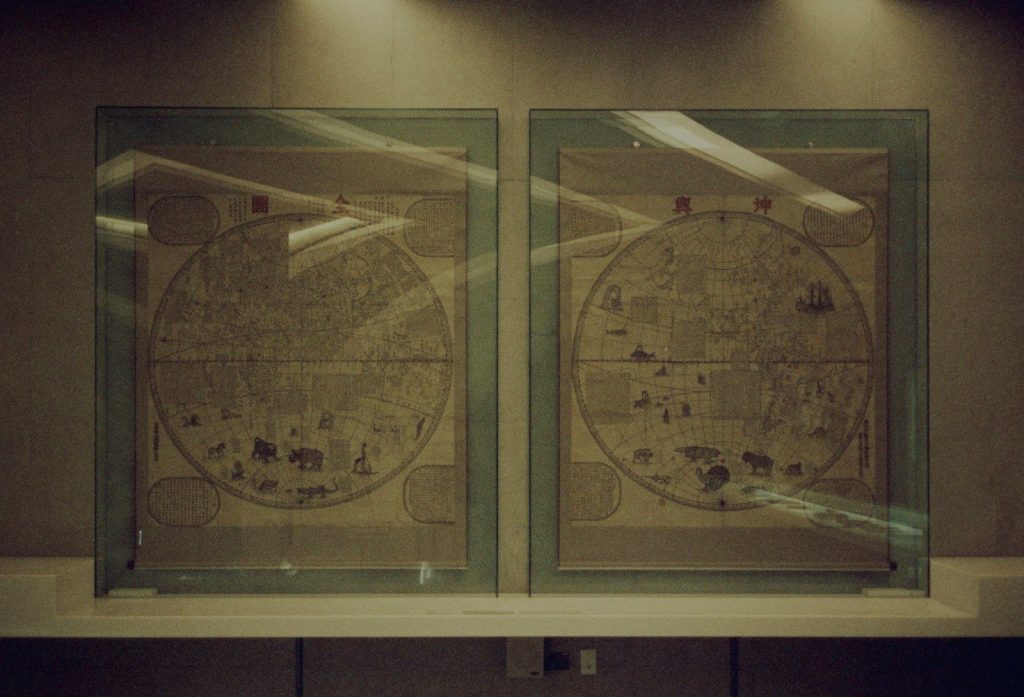
    two framed maps on a wall in a room
    Photo by Clark Gu on Unsplash
    One section of the book contains fold-out maps of what looks like the night sky. The AI has mapped these against the positions of the stars as they appeared in the year 1420. The alignment is nearly perfect for a specific location in Northern Italy. However, there are “extra” stars in the drawings that shouldn’t be there. Some scientists wonder if these are actually markers for something hidden on the ground. Could this be a treasure map written in a dead language? The AI is currently decoding the captions around these maps.

    The Author Is Finally Being Unmasked

    hooded man, mystery, scary, hood, horror, evil, crime, male, shadow, fear, danger, halloween, mysterious, killer, spooky, nightmare, strange, dangerous, hooded, thriller, criminal, psycho, haunted, silhouette, figure, blue fear, blue horror, blue evil, scary, horror, horror, horror, horror, evil, evil, evil, evil, evil, crime, crime, fear, fear, killer, killer, nightmare, strange, thriller, thriller, haunted, haunted
    Photo by TheDigitalArtist on Pixabay

    For a long time, people thought the famous alchemist Roger Bacon wrote it. Others blamed a con artist. But the AI-s “handwriting finger-printing” technology has found a potential match with a little-known physician from the 1400s. This man was known for his “heretical” views on medicine and nature. If he wrote it, the book might be a secret medical journal containing cures that were banned by the church. We are closer than ever to knowing the name of the man who baffled the world for six centuries. But what happens if we actually finish the translation?
    A Warning From The Past

    white and black printed paper on brown wooden table
    Photo by Pablo Stanic on Unsplash
    Preliminary AI translations suggest the tone of the book is urgent. It doesn’t read like a story; it reads like a manual. Some phrases that have been “unlocked” talk about a great “changing of the air” and “the death of the soil.” It sounds like the author was documenting a catastrophe that he expected to happen again. Is the Voynich Manuscript actually a survival guide for the future? As the machine processes the final chapters, the messages are getting darker.

    The Final Pages Are Being Decoded Right Now

    monitor, binary, binary system, computer, binary code, programming, data, web, network, computer science, internet, communication, www, digital, networking, web design, world wide web, online, office, computer, computer, computer, computer, computer, internet, internet, digital
    Photo by geralt on Pixabay

    The wait is almost over. The research team expects to release a full AI-driven translation within the year. Already, the world of history and science is bracing for the impact. This could change everything we know about the Middle Ages and the limits of human knowledge. Will it be a recipe for eternal life or a warning of a coming doom? While we wait for the final words of the manuscript, another mystery is waiting for us—right under our feet.

    Featured Image: Photo by Mark Rasmuson on Unsplash

  • Why Your Garden is Making Noises You Can’t Hear

    Why Your Garden is Making Noises You Can’t Hear

    You might think your backyard is a place of peace and quiet, but that is only because your ears aren’t sensitive enough. Scientists have discovered that gardens are actually buzzing with a “secret language” of ultrasonic sounds. Plants, insects, and even the soil itself are constantly emitting noises that are far too high-pitched for the human ear to detect.

    If we could hear at these frequencies, a garden would sound like a busy city. This isn’t just random noise; it is a complex system of communication and survival. Plants are “screaming” when they are thirsty, and bugs are “singing” to find their way home. But why would a flower need to make a sound in the first place?

    The “Screams” Of A Thirsty Tomato Plant

    tomatoes, vegetables, fresh, bush, garden, nature, healthy, harvest
    Photo by Kathas_Fotos on Pixabay

    Researchers at Tel Aviv University used specialized microphones to listen to tomato and tobacco plants. They found that when a plant is stressed—either from a lack of water or a cut to its stem—it emits a series of “clicks.” To a human, it would sound like bubble wrap popping, but at a very high frequency.

    A thirsty plant can make up to 40 of these clicks every hour. They aren’t just crying out into the void; they are communicating their state to the world around them. This discovery has completely changed how we think about “quiet” vegetation. But who is actually listening to these botanical cries?

    The Animals That Use Plants Like A Radio

    mountains, birds, silhouette, sunset, dusk, dawn, sunrise, mountain range, mountainous, flying, wildlife, nature, scenic, scenery, birds, sunset, sunset, sunset, sunset, sunset, sunrise, sunrise, nature, nature, nature, nature
    Photo by giani on Pixabay

    While humans can’t hear these plant sounds, many animals can. Moths and bats are highly sensitive to ultrasonic frequencies. Scientists believe that some insects might use the “stress clicks” of plants to decide where to lay their eggs.

    A moth might avoid a “screaming” plant because it knows the plant is unhealthy and won’t provide good food for its larvae. Conversely, bats might use the sounds to help them navigate through a thick forest. The garden is essentially a giant radio station, and the animals are the listeners. But what happens when the bugs start talking back?

    The Secret Songs Of Underground Insects

    Muddy hands stretched out in a garden symbolizing connection to nature.
    Photo by Kampus Production on Pexels

    The noise doesn’t stop at the surface. The soil is full of life that communicates through vibrations and sound. Grubs, ants, and beetles move through the earth, creating a constant “soil hum” that scientists are now recording.

    These vibrations help insects find mates and avoid predators. Some ants even “purr” to let their colony know where food is located. By placing high-tech sensors in the ground, we can now hear the heartbeat of the Earth. But these sounds are also a warning sign for our own food supply.

    Using “Sound Maps” To Create The Perfect Farm

    green grass field during daytime
    Photo by Nik on Unsplash

    Smart farmers are now using this “secret language” to save their crops. Instead of waiting for a plant to turn yellow, they use microphones to hear the very first signs of thirst or disease. By listening to the garden, they can give each plant exactly what it needs, exactly when it needs it.

    This “precision agriculture” reduces water waste and eliminates the need for heavy fertilizers. We are moving toward a future where farmers are more like “conductors” of a botanical orchestra. It is a much more efficient way to feed the planet. But can sound actually help a plant grow better?

    The Mystery Of How Sound Changes Plant Growth

    A bee pollinates a vibrant yellow flower.
    Photo by Ram Kishor on Unsplash

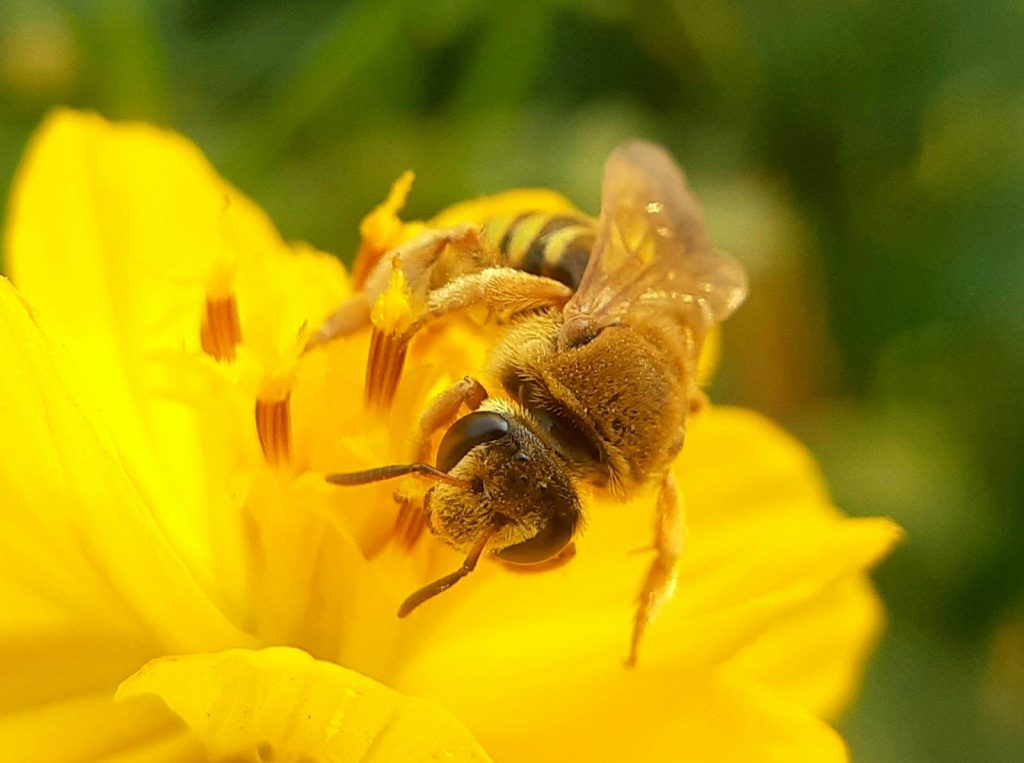
    There is evidence that some plants actually react to the sound of moving water or buzzing bees. In one study, flowers increased the sugar content in their nectar within minutes of “hearing” a bee’s wings. This is a deliberate reaction to attract pollinators.

    This means plants aren’t just passive objects; they are active listeners. They are tuned into the frequency of life around them. We are just now beginning to understand the “ears” of a plant. But there is a darker side to the sounds of the garden.

    Why Urban Noise Is Making Your Garden Sick

    traffic, city, traffic jam, cars, vehicles, highway, road, sunset, nature, twilight
    Photo by wal_172619 on Pixabay

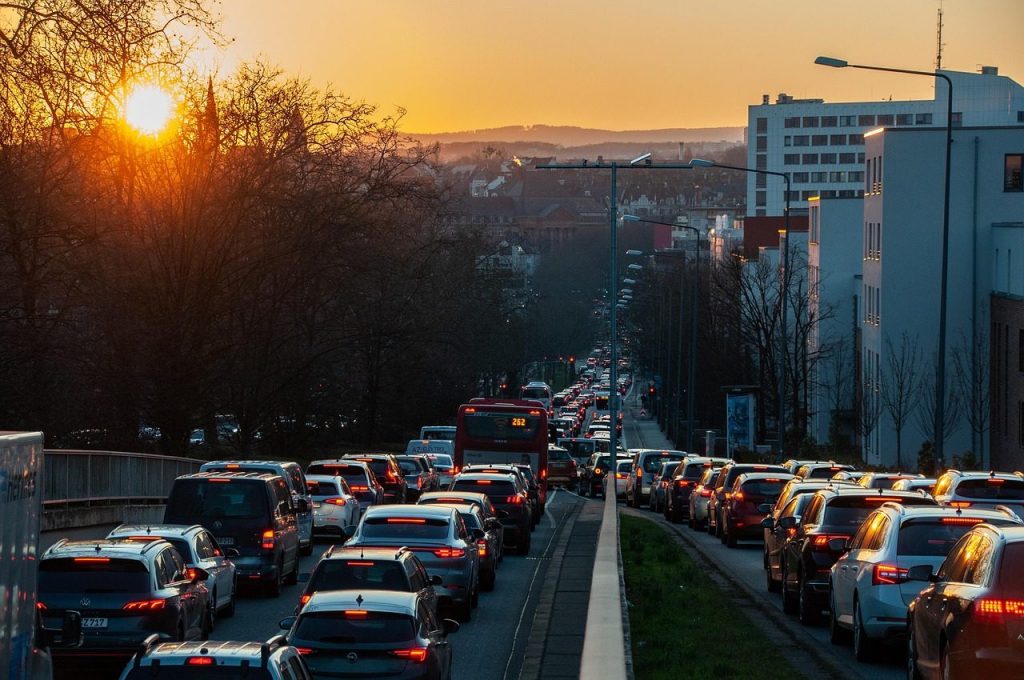
    Our cities are loud, and all that human noise is starting to drown out the secret language of nature. Traffic, sirens, and construction create a “sound fog” that makes it hard for plants and animals to communicate.

    When the signals get crossed, the ecosystem starts to fail. Moths can’t find plants, and bees get lost on their way back to the hive. Protecting our gardens means more than just planting flowers; it means protecting the silence. But how can we help our gardens find their voice again?

    How To Listen To Your Own Backyard

    A serene garden with a pond and lush greenery
    Photo by Ali Kazal on Unsplash

    While you can’t buy “plant ears” at the store just yet, you can learn to see the signs of the secret language. Pay attention to how the birds and bugs move around your plants. Look for the tiny vibrations in the leaves.

    The more we understand about the sounds of the garden, the more we realize how connected we are to the world around us. Your backyard is a masterpiece of communication. Are you ready to stop and listen? This is just the beginning of what nature is trying to tell us.

    Featured Image: Photo by Dominik Scythe on Unsplash

  • 200 Million Years of Side-Stepping – The Real Reason Crabs Started Walking Sideways

    200 Million Years of Side-Stepping – The Real Reason Crabs Started Walking Sideways

    If you’ve ever watched a crab on the beach, you’ve probably wondered why they move in such a weird way. While most animals walk forward, crabs have spent the last 200 million years perfecting the “sidestep.” This isn’t an accident or a mistake of nature; it is a highly advanced survival strategy.

    Scientists call this evolutionary obsession “Carcinization.” It turns out that nature wants to turn things into crabs because the design is so efficient. But the sideways walk is the most critical part of that design. It allowed crabs to conquer the ocean floor and survive multiple mass extinctions. But what exactly is the secret benefit of never looking where you are going?

    A Masterpiece of Joint Engineering

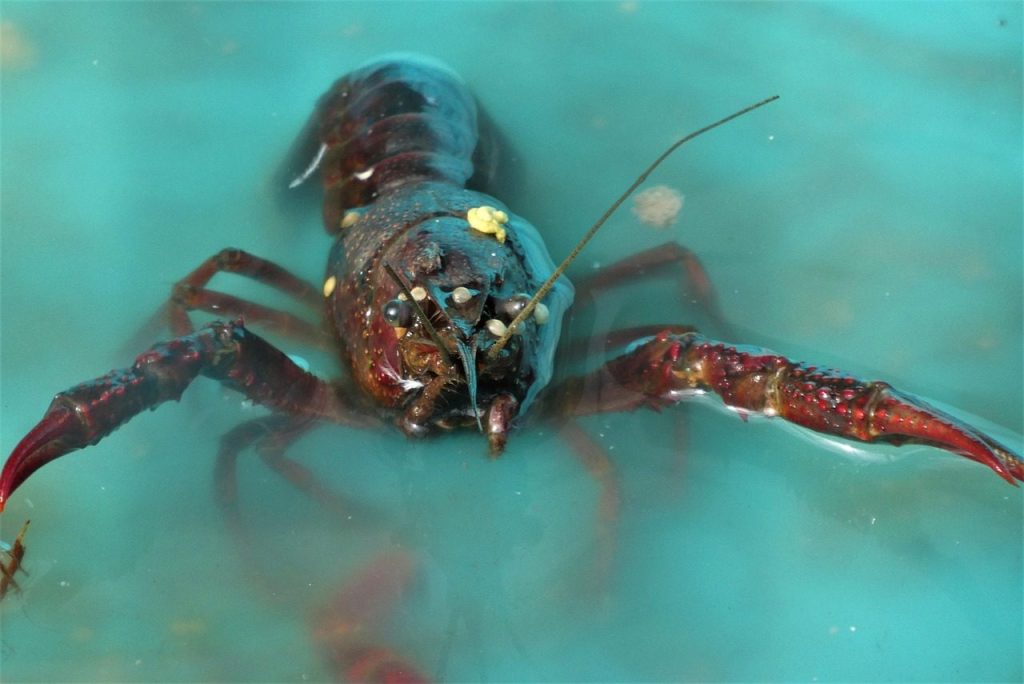
    crab, sea, pliers, nature, close-up, cancer, shellfish, sea creatures, animals, hermit crab, creature, eyes, crawling animal
    Photo by ulrikebohr570 on Pixabay

    The real reason crabs walk sideways is all in their “knees.” Because their bodies are wide and flat, their legs are attached to the sides of their torso. The joints in their legs only bend up and down, like a hinge on a door.

    If they tried to walk forward, their legs would trip over each other or snap under pressure. By walking sideways, their legs can move in a smooth and efficient arc. It is a work of art in mechanical engineering that allows them to move quickly without much energy. But can they really run faster than you?

    The Ultimate Defensive Maneuver

    crab, grapsus grapsus, nature, sally lightfoot crab, red rock crab, galapagos, wildlife, sea, red, rock
    Photo by Andrew_Rix on Pixabay

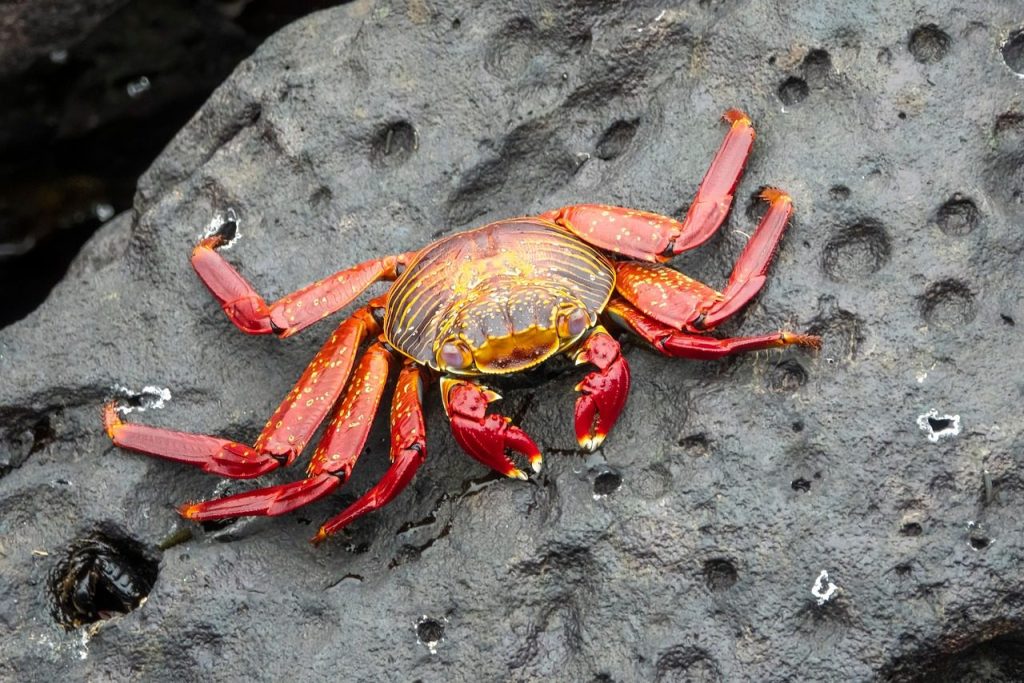
    Walking sideways gives crabs a 360-degree defensive advantage. Because their eyes are on stalks, they can see in every direction at once. By moving sideways, they can keep their powerful claws pointed directly at a predator while they escape into a hole.

    If they ran forward, they would have to turn their back on the enemy to run away. The sidestep allows them to be the ultimate “tank” of the sea floor—armored on all sides and always ready to fight. But how does this help them hide in the sand?

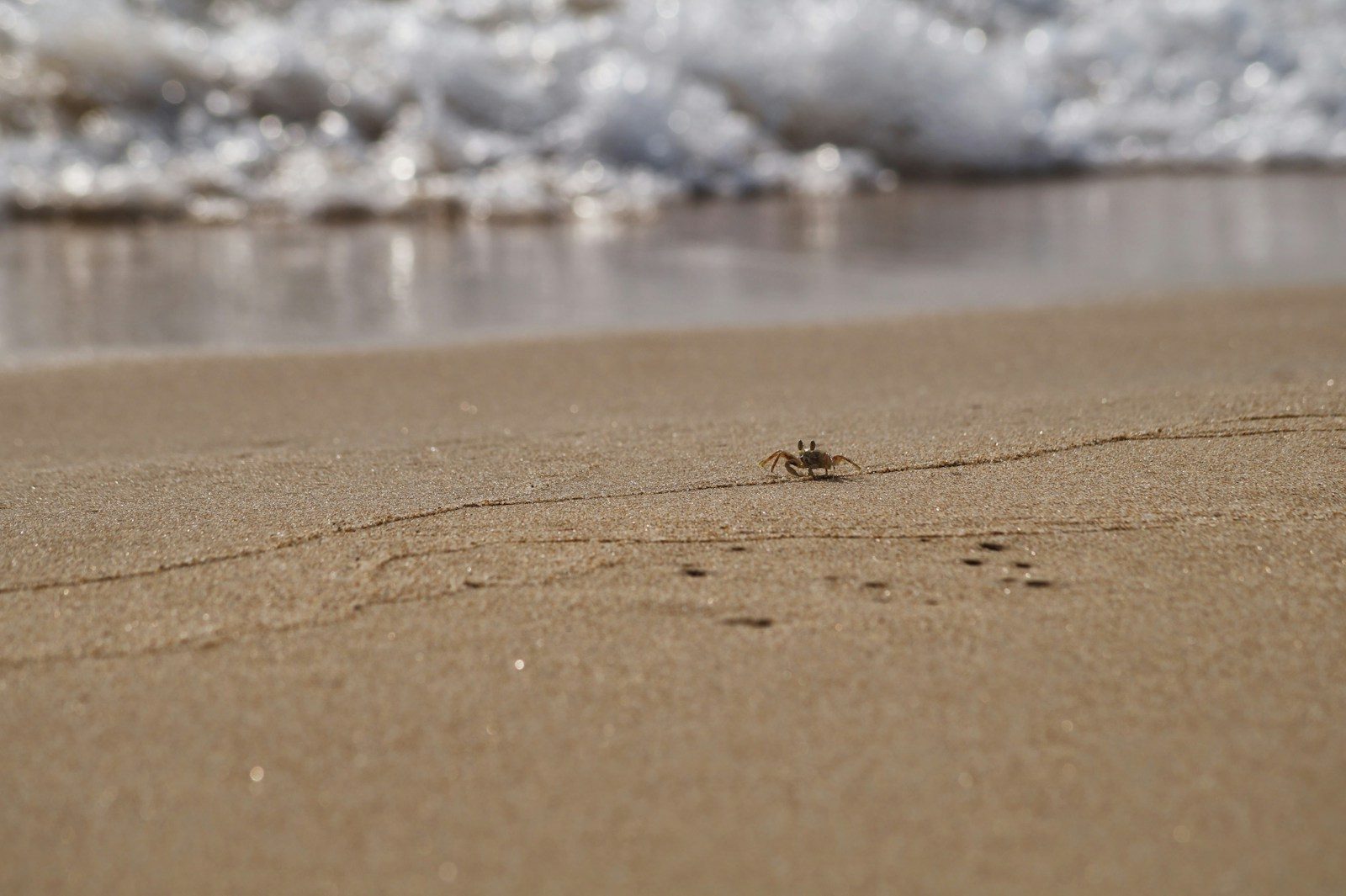
    Speed-Digging into the Deep

    a small crab is sitting in the sand
    Photo by Ben Michel on Unsplash

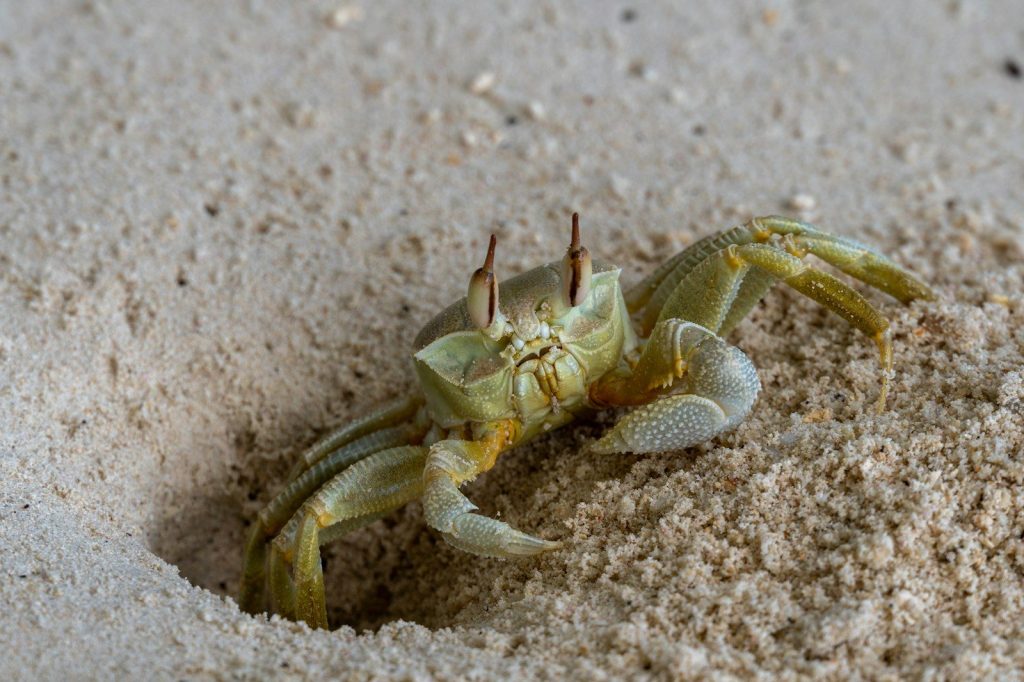
    The sideways movement is also the perfect “drill.” When a crab needs to hide from a bird or a shark, it uses its legs to shovel sand out from under its body in a sideways motion. They can disappear into the sea floor in less than three seconds.

    The flat, wide shape of their body acts like a spade, and the sidestep provides the power. It is a “vanish” trick that has kept them alive for millions of years. Forward-walking animals just can’t dig with the same speed. But is there a catch to being built like a pancake?

    The Narrow Gap Advantage

    crab, rock crab, atlantic, sea creatures, coast, sea animals, wildlife, water, sea, nature, colorful crab, by the sea, crab, crab, crab, crab, crab
    Photo by pixifant on Pixabay

    The ocean floor is full of tiny cracks and narrow crevices. Because crabs are thin and walk sideways, they can slide into gaps that are only an inch wide. This is their “safe zone” where larger fish and predators can’t reach them.

    Their sideways gait allows them to navigate these tight spaces with incredible agility. They are the only animals that can “parallel park” at high speeds. This ability to fit into tiny spaces is why they have successfully moved into every ocean on Earth. But why does nature keep trying to make more crabs?

    Evolution’s Favorite Shape

    lobster, crustacean, shellfish, seafood, lobster, lobster, lobster, lobster, lobster
    Photo by Elsemargriet on Pixabay

    “Carcinization” is one of the strangest patterns in biology. Scientists have found at least five different groups of crustaceans that evolved into a crab-like shape independently. It seems that if you want to survive on the ocean floor, being a wide, sideways-walking tank is the winning formula.

    Nature keeps “inventing” the crab over and over again because the design is nearly perfect. It is the peak of evolutionary efficiency. We are basically living on a planet that is slowly becoming “Crab World.” But do all crabs follow the sideways rule?

    The Rebels of the Crab World

    a close up of a crab on the ground
    Photo by Nagara Oyodo on Unsplash

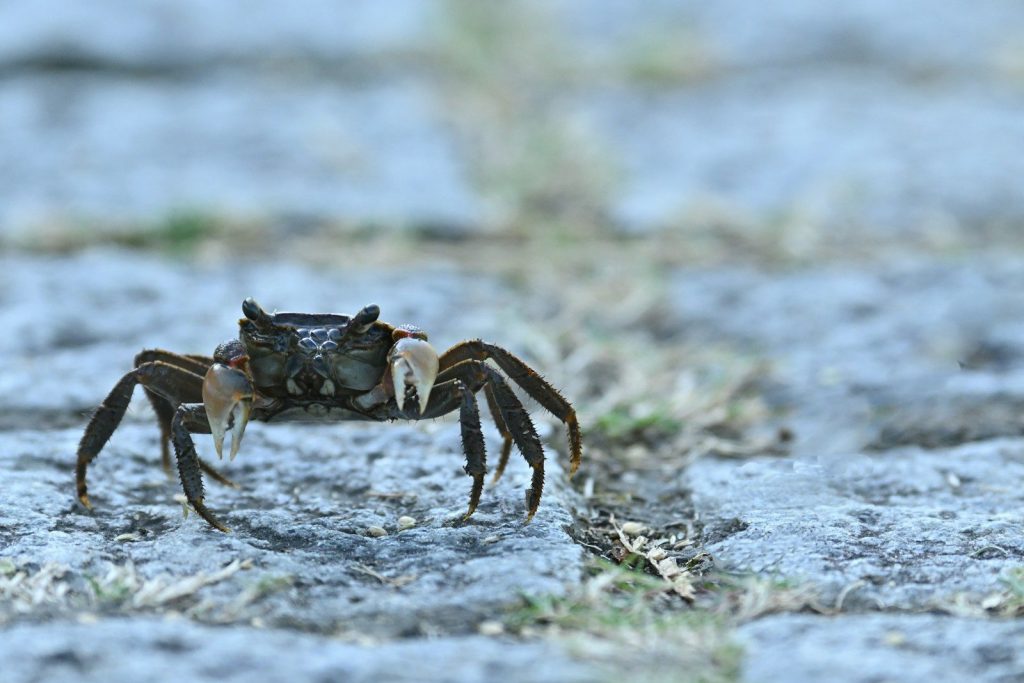
    While most crabs are sidesteppers, there are a few “rebel” species like the Soldier Crab that can walk forward. These crabs have longer, narrower bodies that allow their legs to move differently.

    However, they are much slower and more vulnerable than their sideways cousins. They have traded the “tank” defense for the ability to walk in a straight line. It proves that the sidestep is a choice, not a limitation. Most crabs choose the side because the side is where the safety is. But what does a crab have to do with an earthquake?

    A 200 Million Year Success Story

    A small, colorful robot sits on a white machine.
    Photo by Snapmaker 3D Printer on Unsplash

    Crabs have survived the extinction of the dinosaurs, the rise of the mammals, and the shifting of the continents. Their sideways walk is a testament to the power of a “good enough” idea. It isn’t pretty, and it looks a bit silly, but it works better than almost anything else in nature.

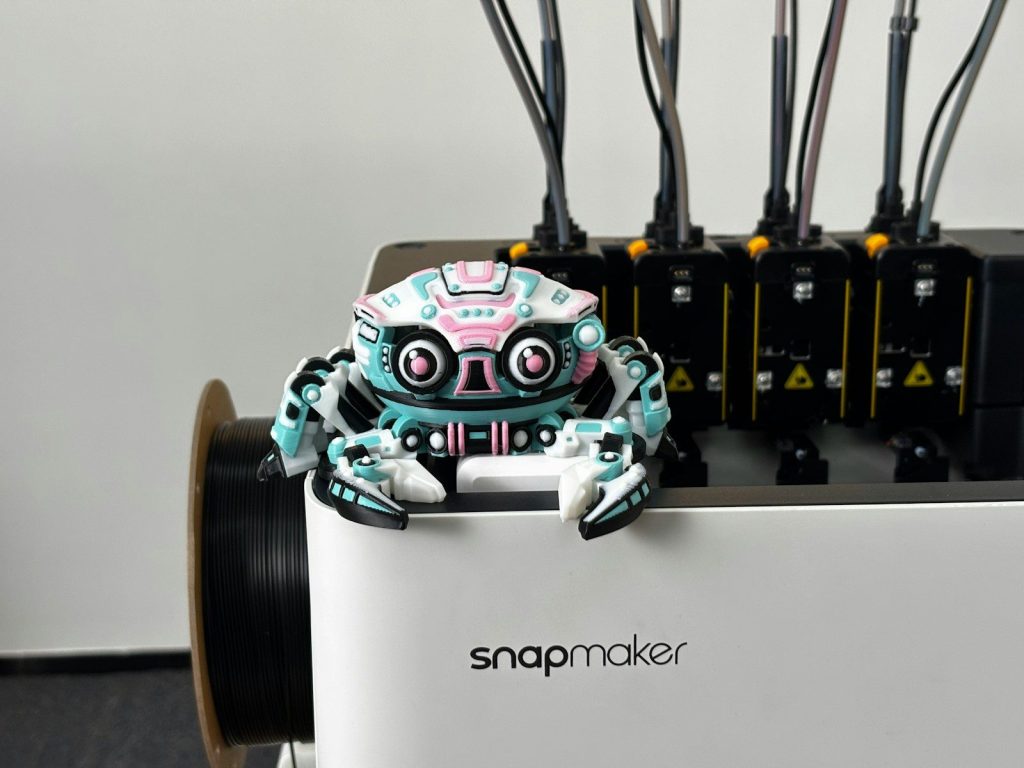
    As we look at the future of robotics, engineers are even copying the crab’s sideways gait to build better search-and-rescue droids. The sidestep is the future. But are you ready to hear why two of the world’s biggest fault lines have started talking?

    Featured Image: Photo by Pascal Müller on Unsplash

  • Why the San Andreas and Cascadia Just Started “Talking” to Each Other

    Why the San Andreas and Cascadia Just Started “Talking” to Each Other

    Seismologists have just discovered something that is sending shockwaves through the world of disaster planning. For decades, we thought the San Andreas Fault and the Cascadia Subduction Zone were two separate problems. But new underwater sensors have revealed that these two giants are actually “connected” deep underground.

    When one fault line feels pressure, it sends a signal—a series of micro-tremors—to the other. It is as if they are “talking” and coordinating their movements. This means that a massive earthquake on one fault could trigger a “double disaster” on the other. We are looking at a geological conversation that could change the face of the West Coast. But how do two pieces of rock talk across hundreds of miles?

    The Stress Transfer Highway

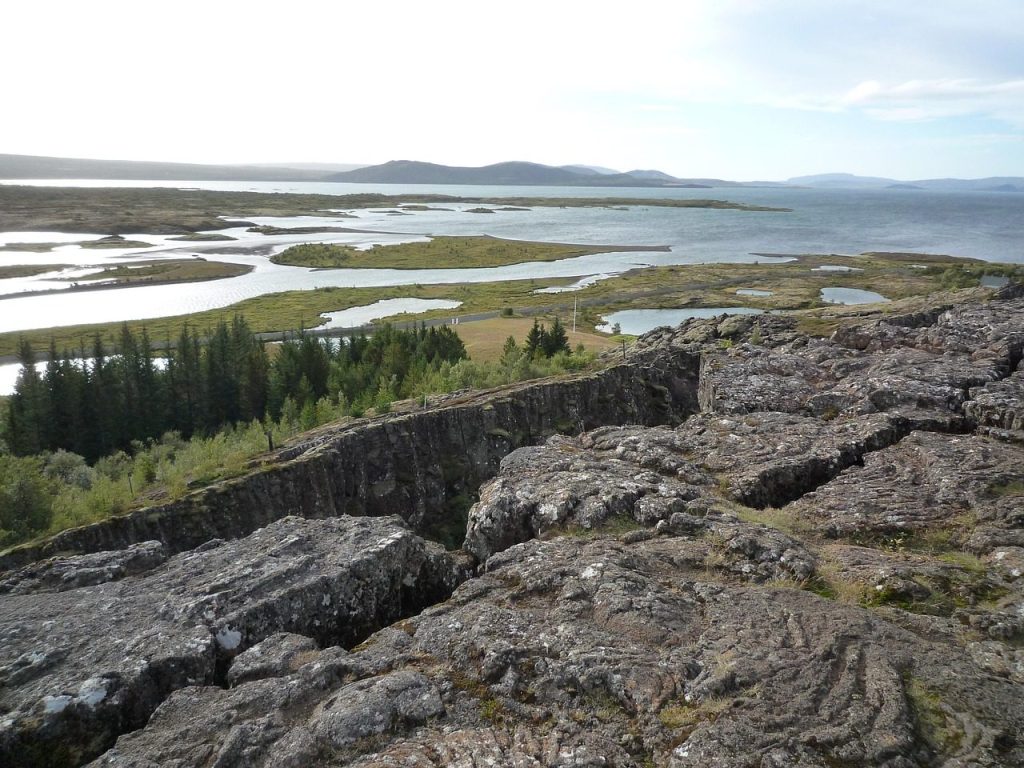
    iceland, nature, landscape, tectonic plate warp
    Photo by smaus on Pixabay

    The secret connection exists in a “stress transfer” zone deep in the crust of Earth. When the San Andreas fault gets “stuck,” it builds up massive amounts of energy. This energy doesn’t just sit there; it travels like a wave through the surrounding rock.

    This wave reaches the Cascadia fault and acts like a “nudge.” If Cascadia is already under pressure, this tiny nudge can be the final straw that breaks the fault. It is like a row of dominoes that stretches from California to Canada. But why haven’t we noticed this connection until now?

    Underwater Ears in the Abyss

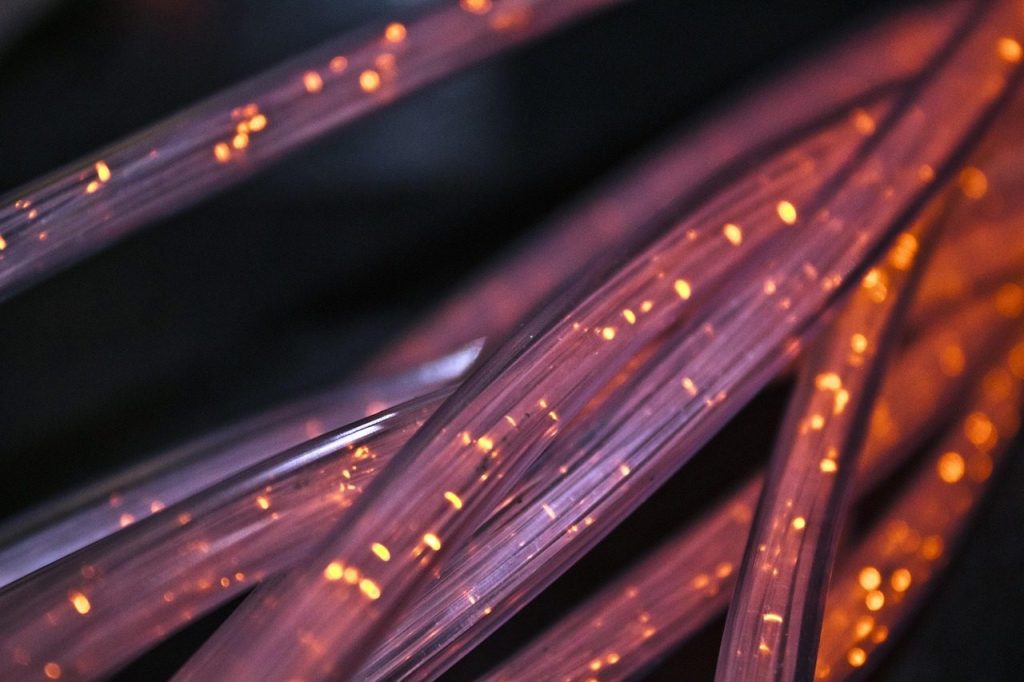
    fiber, cable, wire, connection, network, cord, twine, internet, technology, tech, ethernet, string, strong, thread, communication, broadband, networking, twisted, network, network, internet, internet, technology, technology, tech, tech, tech, tech, tech, broadband
    Photo by Lucent_Designs_dinoson20 on Pixabay

    Until recently, our earthquake sensors were mostly on land. This meant we were “blind” to what was happening under the ocean. A new network of fiber-optic cables on the sea floor has changed everything. These “underwater ears” can hear the tiniest vibrations deep inside the Earth.

    They recorded a pattern of tremors that started in Northern California and moved steadily toward the Cascadia zone. It was a clear, rhythmic “ping” that showed the two faults were communicating. It was a wake-up call for scientists. But is this “conversation” a warning of something big?

    The Great Synchronization of 1700

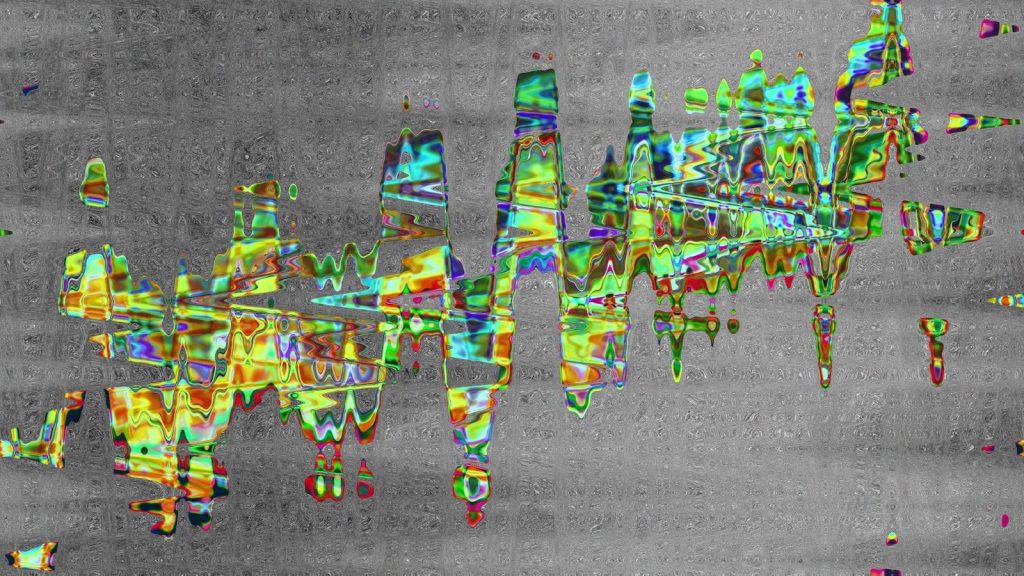
    Abstract colorful wavy lines on gray background
    Photo by Logan Voss on Unsplash

    When researchers looked back at historical data, they found a terrifying pattern. In the year 1700, a massive Magnitude 9.0 earthquake hit the Cascadia zone. New evidence suggests that this quake was preceded—or followed—by a major snap on the San Andreas.

    The two faults seem to “sync up” every few hundred years. We are currently in the window where both faults are “overdue” for a major event. If they are talking more than usual, it could mean they are both getting ready to snap at the same time. But what would a “Double Big One” actually look like?

    A Tsunami that Never Ends

    a beach with waves
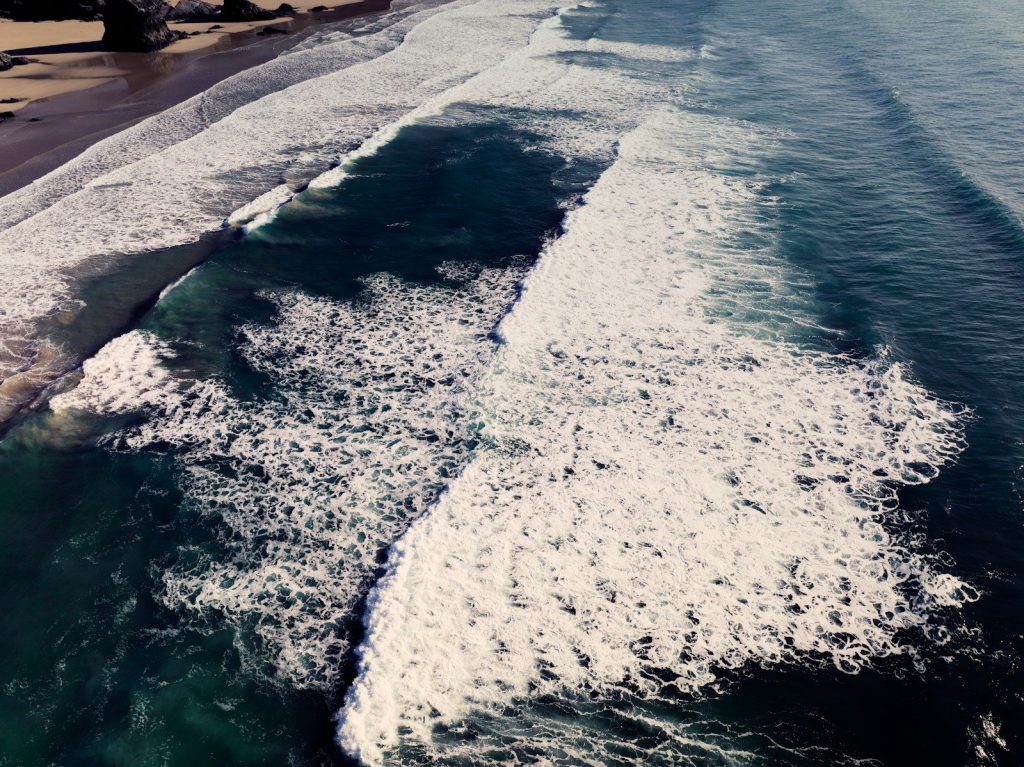
    Photo by Mohammad Usaid Abbasi on Unsplash

    If both faults snap, the impact would be unprecedented. The San Andreas would cause massive damage to cities like San Francisco and Los Angeles. Meanwhile, the Cascadia snap would trigger a tsunami hundreds of feet high that would hit the entire coast from Oregon to Japan.

    The “Double Big One” would be a global economic and humanitarian crisis. The talking between the faults is like a countdown clock that we can’t stop. But can we use this “conversation” to give people more time to escape?

    The Search for the “Off” Switch

    oil rig, industry, old, field, oil industry, nature, oil pump, drilling, platform, machine, borehole, georgia, countryside, sunset, dusk
    Photo by jplenio on Pixabay

    Scientists are now exploring “Geo-Engineering” to try to quiet the conversation. One theory involves injecting specialized fluids into the fault zones to lubricate the rock. This would allow the faults to “slip” slowly and release energy in small amounts instead of one giant snap.

    It is a risky and expensive plan, but it might be our only hope of preventing the big synchronization. We are trying to find a way to make the faults “stop talking” before it’s too late. But could the talking actually be our best early warning system?

    Building a Predictive Fault Map

    globe, map, world map, globe, globe, globe, map, map, world map, world map, world map, world map, world map
    Photo by lucasgeorgewendt on Pixabay

    By listening to the fault lines “talk,” we are getting better at predicting when a quake will happen. We can now see the “path” of the stress as it moves through the ground. This could eventually lead to an early warning system that gives cities days, or even weeks, of notice.

    It would be the biggest breakthrough in the history of seismology. We are turning a terrifying mystery into a solvable problem. The more we listen to the Earth, the more we can do to protect ourselves from its power. But is the Earth hiding one last secret under our feet?

    The Future of the Living Earth

    A man in a hoodie with the earth in the background
    Photo by Johannes Andersson on Unsplash

    We used to think the Earth was a collection of dead rocks. Now we know it is a dynamic, interconnected system that is constantly moving and “communicating.” The “talking” faults of the West Coast are a reminder that we are just guests on a living planet.

    Our survival depends on our ability to listen to the messages the Earth is sending us. The conversation has started, and it’s time for us to pay attention. We are finally starting to understand the language of the ground itself. Are you ready to see what happens when the next “word” is spoken?

    Featured Image: Photo by Sreehari Devadas on Unsplash