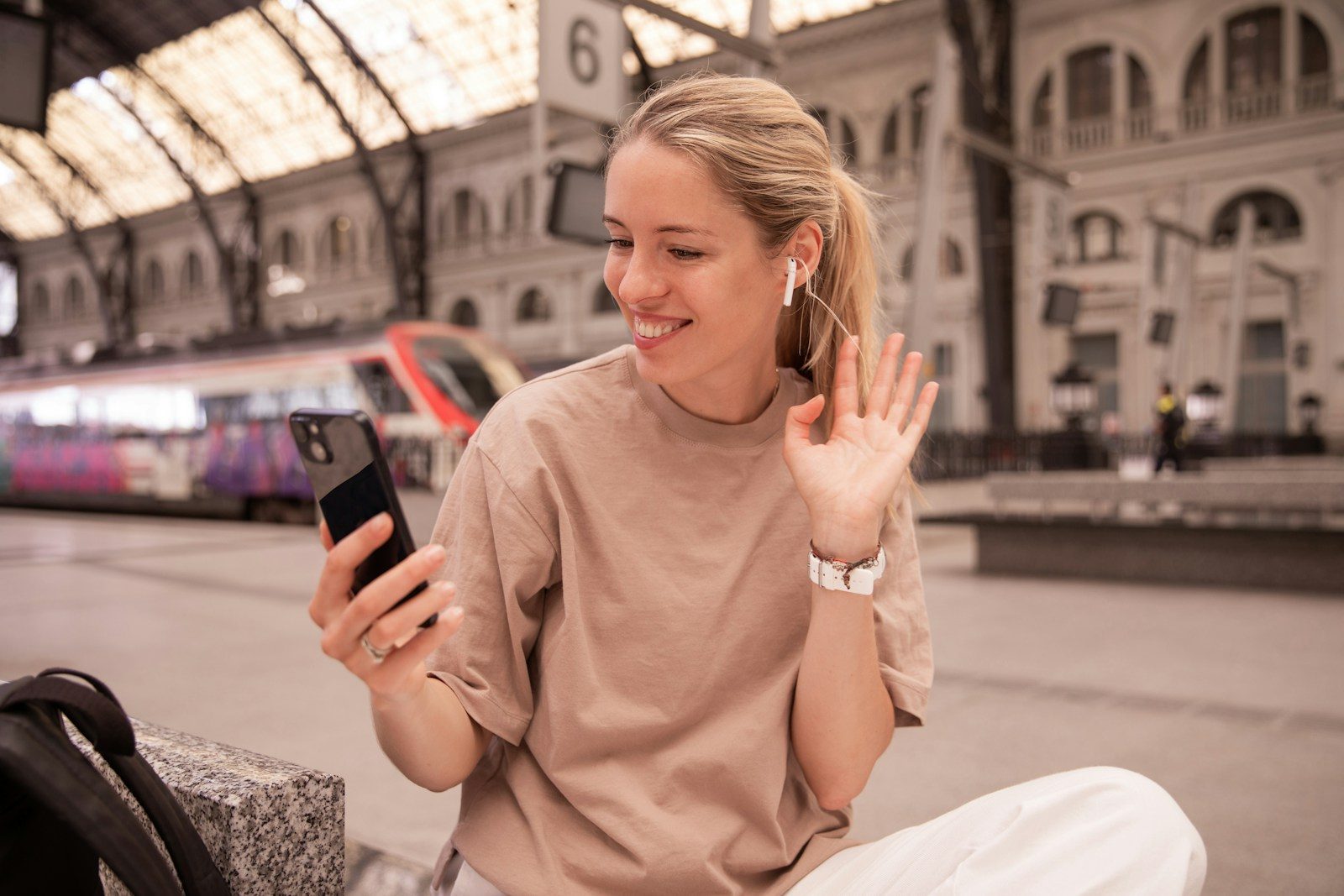
For thousands of years, the language barrier has been the ultimate wall between people. If you wanted to travel, do business, or make a new friend in another country, you had to spend years studying grammar and vocabulary. But in 2026, that wall is officially being torn down. New “Neural Translation” earbuds have arrived that translate speech in real-time with 99 percent accuracy. It feels like having a professional translator sitting in your ear. Whether you are in Tokyo or Paris, you can speak your native language and the person in front of you will hear their own.
This isn’t just about simple phrases like “Where is the bathroom?” This is about deep, emotional conversations. The AI can now capture the tone, the slang, and even the “personality” of the speaker. It is hitting the news as the “Death of the Language Barrier.” We are looking at a world where everyone can talk to everyone. But does this mean that learning a new language is a waste of time? The answer is more complex than you think.
The End of the “Lost in Translation” Era

In the past, translation apps were slow and robotic. They often missed the context and made embarrassing mistakes. The 2026 “Neural” models are different. They use the massive computing power of the orbital AI hubs we talked about earlier. They understand “cultural nuances.” If you use a joke or a metaphor, the AI finds the equivalent in the other language. It is a seamless bridge between minds. But how does this affect the brains of the next generation?
Will We Lose Our “Brain Power” Without Languages?
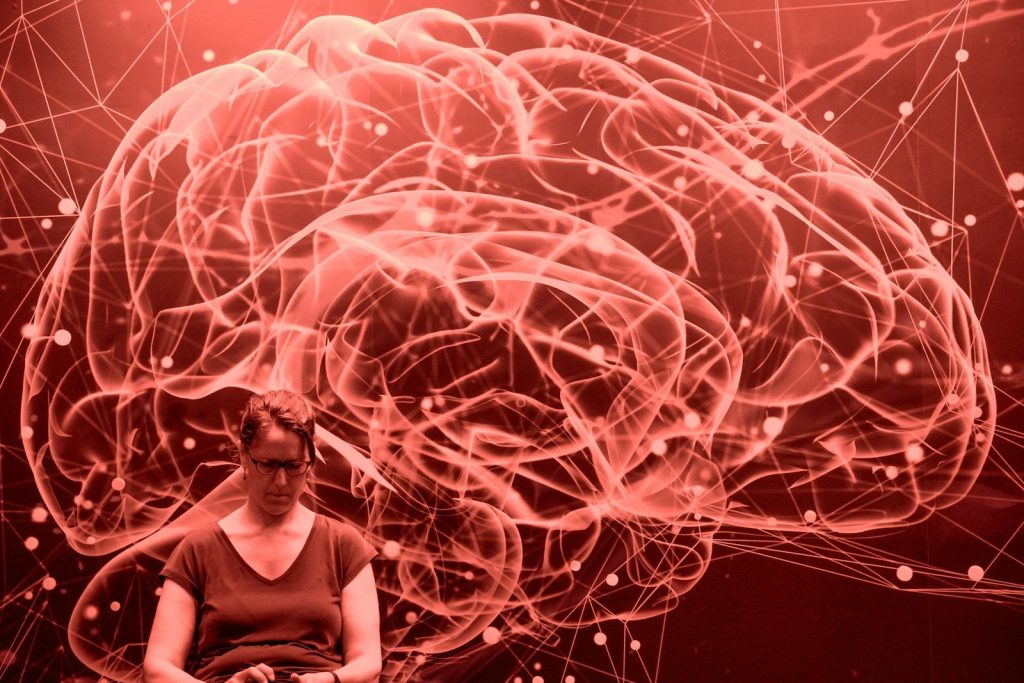
Scientists have long known that being bilingual is like a workout for the brain. It improves memory and problem-solving skills. Some experts worry that if we stop learning languages, our brains will get “lazy.” If a machine does the work for us, do we lose a part of our intelligence? This is the big debate in schools today. We are moving from a world of “learning” to a world of “using.” But wait until you see how this is changing the way we travel.
The Rise of the Global Neighborhood

Travel used to be scary for many people because they couldn’t communicate. Now, tourism is exploding in areas that were previously off-limits. You can walk into a small village in the Amazon or a high-tech city in Korea and feel right at home. This is leading to a “Global Renaissance” where cultures are mixing like never before. The world is becoming one single, giant neighborhood. But is there a hidden danger to having a machine control our conversations?
The Privacy of Your Private Thoughts
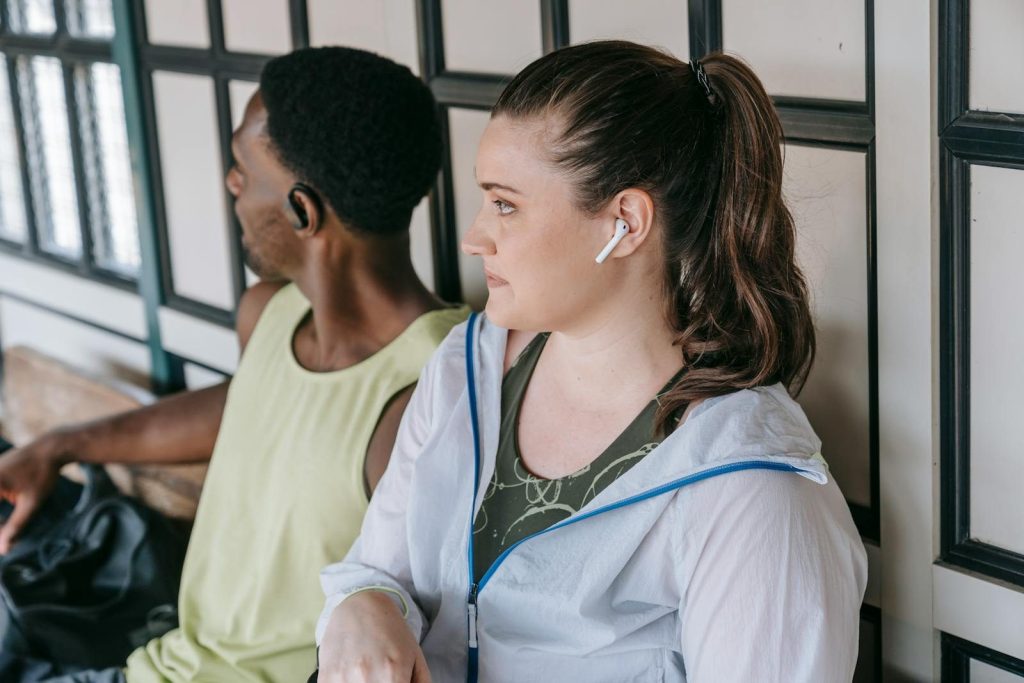
If a device is always listening to your conversation to translate it, where does that data go? Privacy activists are warning about “Conversation Mining.” Tech companies could theoretically know your most private secrets just by translating them. This is where the “W-State” quantum security we discussed becomes vital. We need unhackable links to ensure our private talks stay private. We are trading our intimacy for convenience. But wait until you see the “Intimacy Gap” problem.
Can a Machine Really Feel Your Soul?
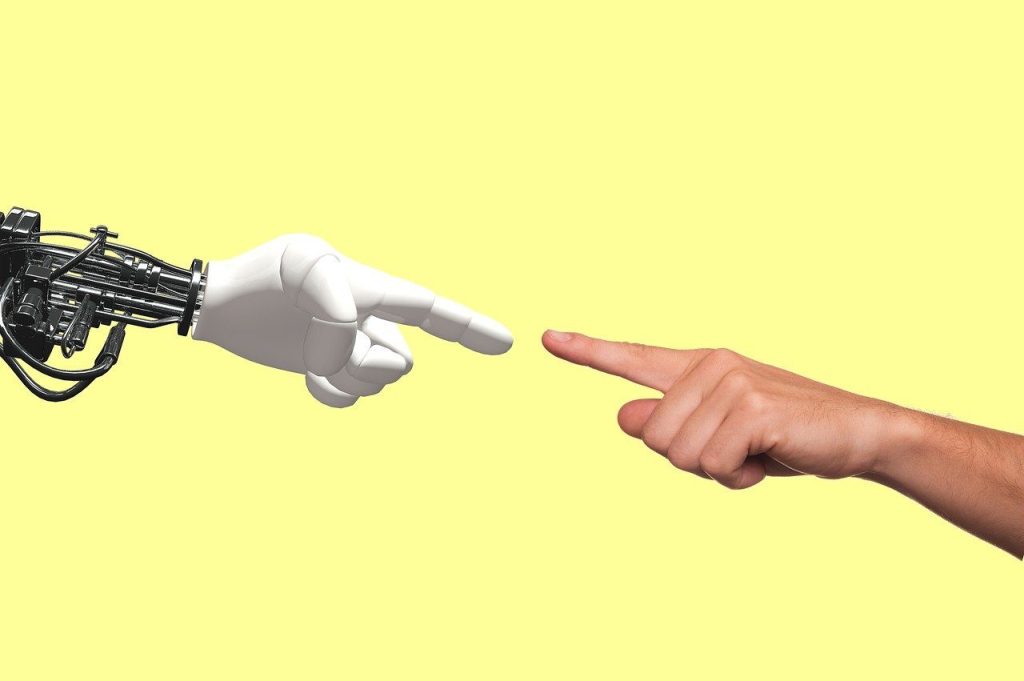
There is something special about the effort of learning someone else’s language. It shows respect and a desire to connect. When a machine handles the talk, some of that “soul” might be lost. We are seeing the birth of “Algorithmic Relationships.” While the words are correct, the “heart” might be missing. We have to decide if we want to be “efficient” or “connected.” It is a philosophical crisis for the 21st century. But can this tech actually save lives in an emergency?
The Real-Time Medical Miracle
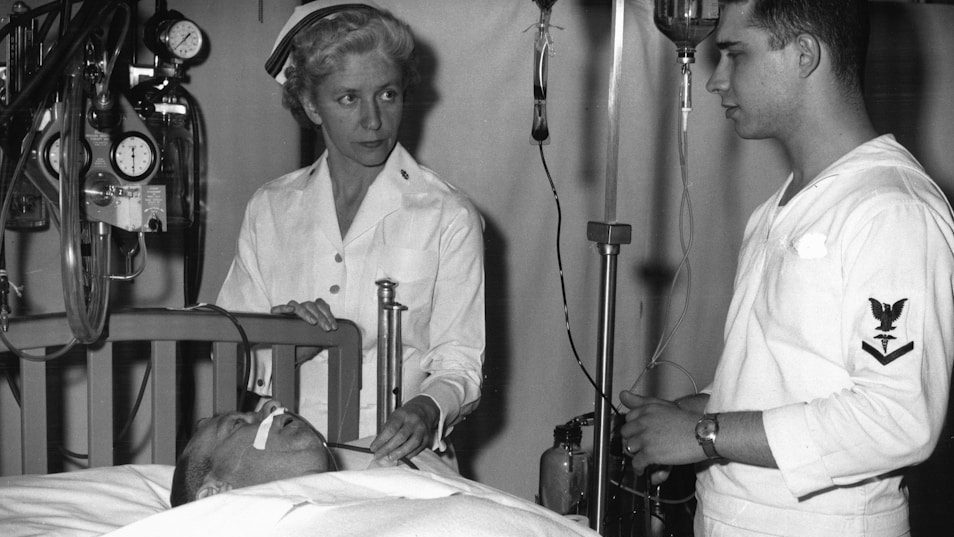
The biggest win for this tech is in healthcare. In an emergency, every second counts. If a doctor can’t understand a patient’s symptoms, the result can be deadly. Neural translation is saving thousands of lives every day by providing instant medical communication. It is a level of safety that was impossible just five years ago. We are using AI to ensure that no one dies because of a language barrier. It is a masterpiece of applied science. But what is the final verdict on the “End of Languages”?
A World of Infinite Voices
The need to learn a language for “survival” is gone. But the desire to learn a language for “love” will always be there. We are entering an era of “Augmented Humanity,” where technology fills the gaps in our biology. We have explored DNA cures, quantum shields, orbital AI, and self-assembling code. These are all tools that make our world faster and safer. The future is here, and it speaks every language on Earth.
The Journey to a Unified Future
We have reached the end of our series on the breakthroughs of 2026. From our cells to the stars, everything is changing at lightning speed. These stories remind us that the future isn’t something that happens to us—it’s something we build. Stay curious, stay skeptical, and keep looking for the next discovery in your own backyard. The world is just beginning to open up, and the best is yet to come.
Featured Image: Photo by Look Studio on Unsplash
Leave a Reply