Category: Business & Tech

  • The Tiny Town That Fought A Billion-Dollar Tech Giant

    The Tiny Town That Fought A Billion-Dollar Tech Giant

    Most people believe that massive technology companies always get what they want. We assume local communities have no power when billions of dollars are on the table.

    But a tiny American town just proved everyone wrong by halting a massive project. Their unexpected victory has sent shockwaves through the entire tech industry.

    A Secret Deal In The Dark

    Focused close-up of an NDA document on a wooden desk, highlighting contract details.
    Photo by RDNE Stock project on Pexels

    It started in absolute secrecy. According to city records, local leaders signed a non-disclosure agreement with a mysterious company called Balloonist LLC. Nobody knew who was behind the mask. They were highly secretive. This silence kept the community in the dark for over a year before the budget leaked. But the truth was about to surface in a dramatic way.

    Officials Unmask The Project
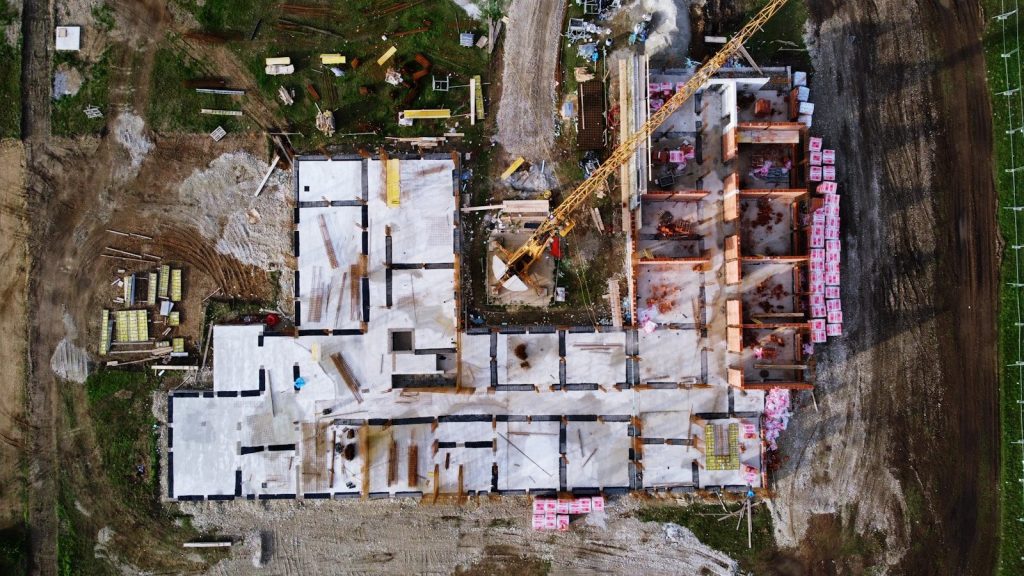
    An aerial view of a construction site
    Photo by Centar MURID on Unsplash

    Officials unmasked the project in July of 2025. According to local media, the shell company was actually representing a massive global technology conglomerate. They wanted to build a colossal data center campus worth over one billion dollars. It was a massive plan. The tech giant promised the local economy a historic boost. Yet some residents noticed a terrifying detail in the proposal.

    A Hidden Environmental Toll

    a small stream of water running through a forest
    Photo by Fatemeh Goli on Unsplash

    The sheer scale of the project was stunning. According to environmental impact reports, the proposed data facility would consume more than 75000 gallons of water every single day. That is a massive drain. Residents quickly realized their local water tables and rivers were at serious risk of drying up. And water was not the only resource under threat.

    Powering The Tech Beast
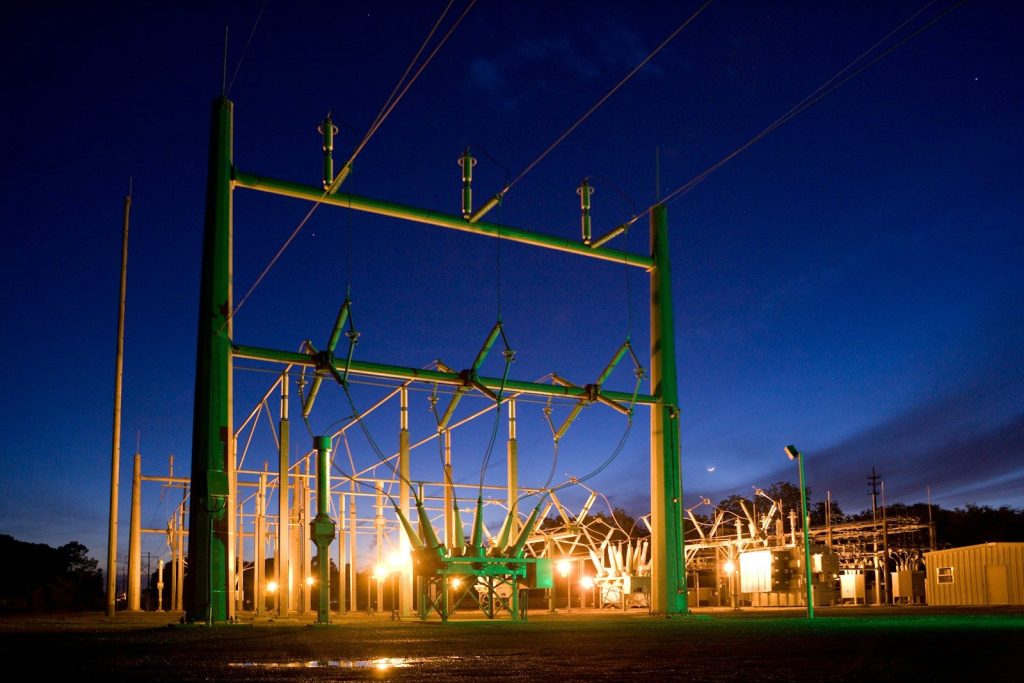
    green and grey transmission tower during nighttime
    Photo by American Public Power Association on Unsplash

    Computers require an unbelievable amount of electricity to run. According to energy grid studies, the facility would drain more power than thousands of nearby homes combined. This massive drainage deeply alarmed local citizens. They raised their voices. They worried that their own electric bills would skyrocket to support a multi-billion-dollar corporation. This fear quickly turned into a massive public movement.

    Furious Residents Organize Rebellion
    a large group of people sitting in a room
    Photo by David Schultz on Unsplash

    Furious residents of the small town refused to back down. According to community organizers, residents formed an official resistance group to protect their natural resources. They packed public meetings and demanded answers from their elected officials. The anger was real. Their pressure began to crack the political support for the facility. Soon, the town leader had to make a choice.

    The Mayor Changes His Mind

    a man in a suit speaking into a microphone
    Photo by Ali Khadem on Unsplash

    Public outcry finally broke the political wall. According to official statements, the town mayor publicly reversed his stance and paused the entire development. He questioned if the financial benefits were worth destroying the local environment. It was a stunning pivot. The council quickly drafted strict new zoning laws to block the project. But the tech giant was not ready to walk away empty-handed.

    A Historic Victory For Locals

    Aerial view of the verdant landscape and river in Palu, Elazığ, Türkiye, showcasing nature's beauty.
    Photo by Zülfü Demir📸 on Pexels

    This small town ultimately stood its ground and saved its resources. According to industry analysts, this shocking cancellation shows that local communities can successfully halt major digital expansion projects. It is a powerful lesson. Giant tech firms can no longer operate in complete secrecy. This article is for informational purposes only.

    Featured Image: Photo by Yingjie Xiao on Unsplash
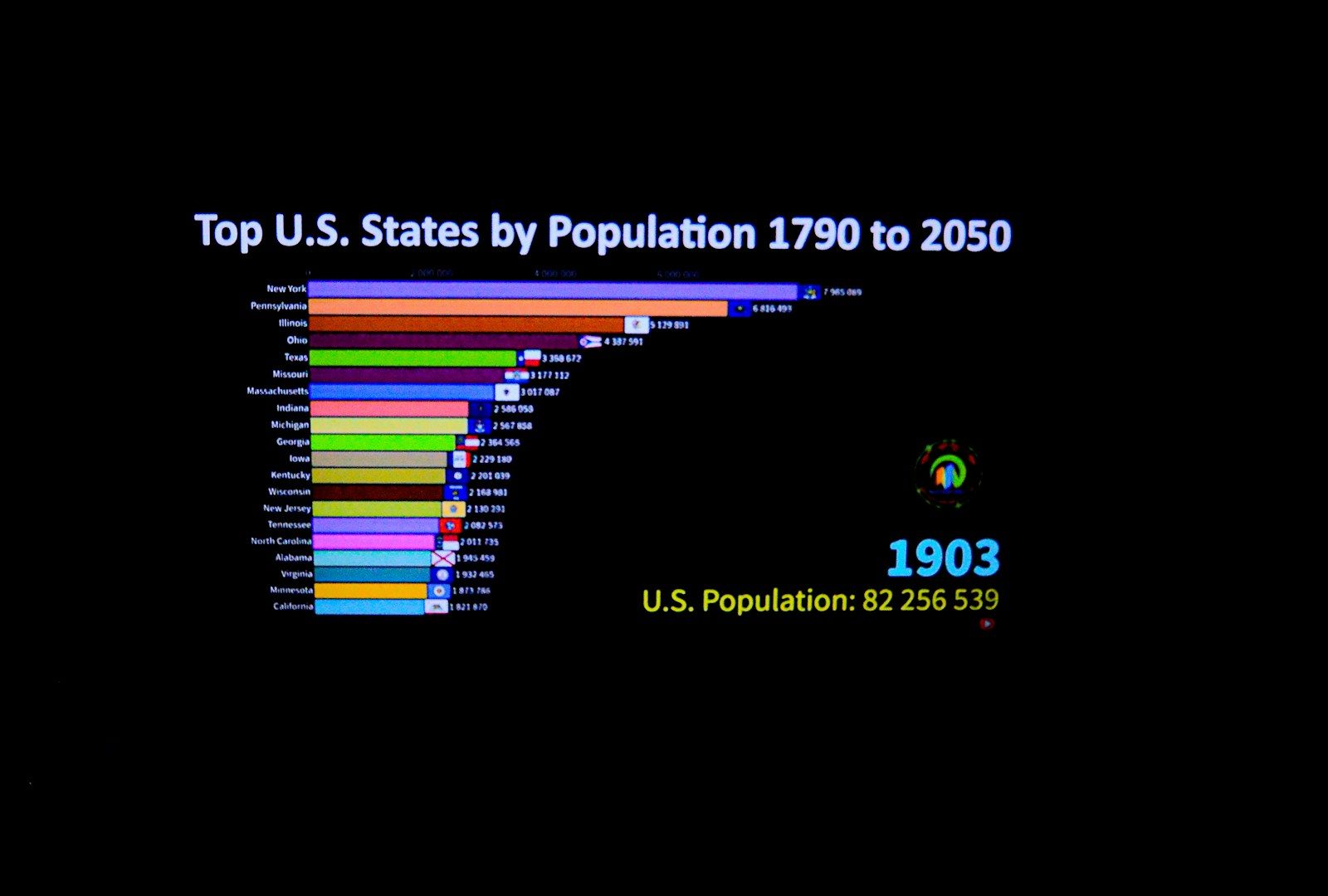
  • Why America Will Be Completely Unrecognizable By 2050

    Why America Will Be Completely Unrecognizable By 2050

    Most citizens assume that daily life in America will remain relatively unchanged over the next few decades. We believe our cities, jobs, and neighborhoods will look the same.

    But five unstoppable forces are quietly reshaping the entire nation at an accelerating rate. By the year 2050, the country will look completely unrecognizable to anyone living today.

    The Great Population Migration

    an aerial view of a city with a cloudy sky
    Photo by Anuj Jadon photography on Unsplash

    America is undergoing a massive internal movement of people. According to census projections, millions of residents are leaving overcrowded states for historically empty regions in search of cheaper living. This shift is changing everything. Giant new mega-regions will form as smaller towns merge together over the next twenty years. But this massive geographic movement is only the beginning of the transformation.

    An Aging Society Emerges

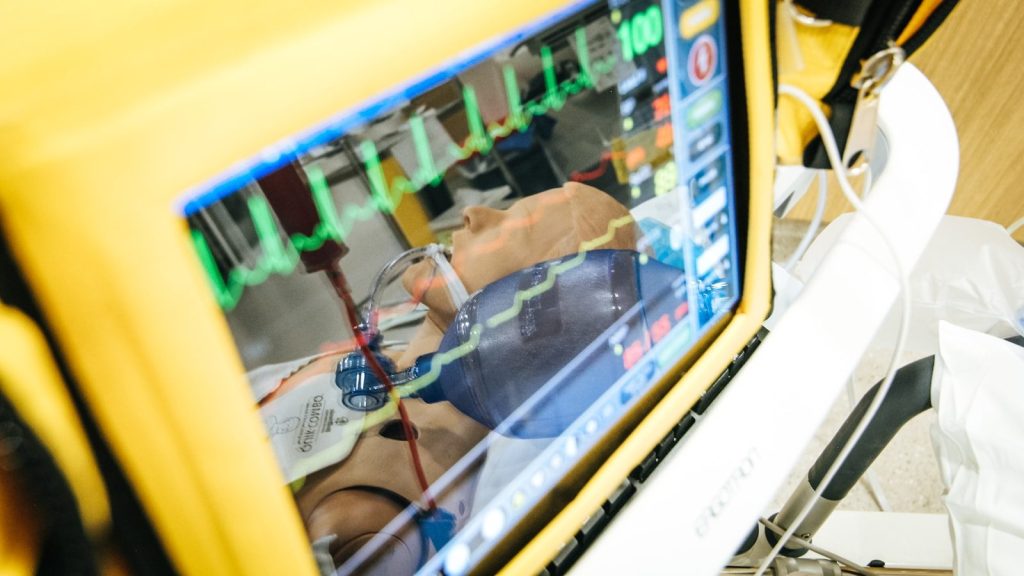
    yellow monitor
    Photo by Tim Cooper on Unsplash

    Graying demographics are shifting the nation rapidly. According to the Pew Research Center, older adults will officially surpass the number of children in America before mid-century. This is a historic shift. The retirement of the baby boom generation will place unprecedented demands on the national healthcare system. And this demographic twist will soon force a massive restructuring of the daily workforce.

    The Automated Labor Force

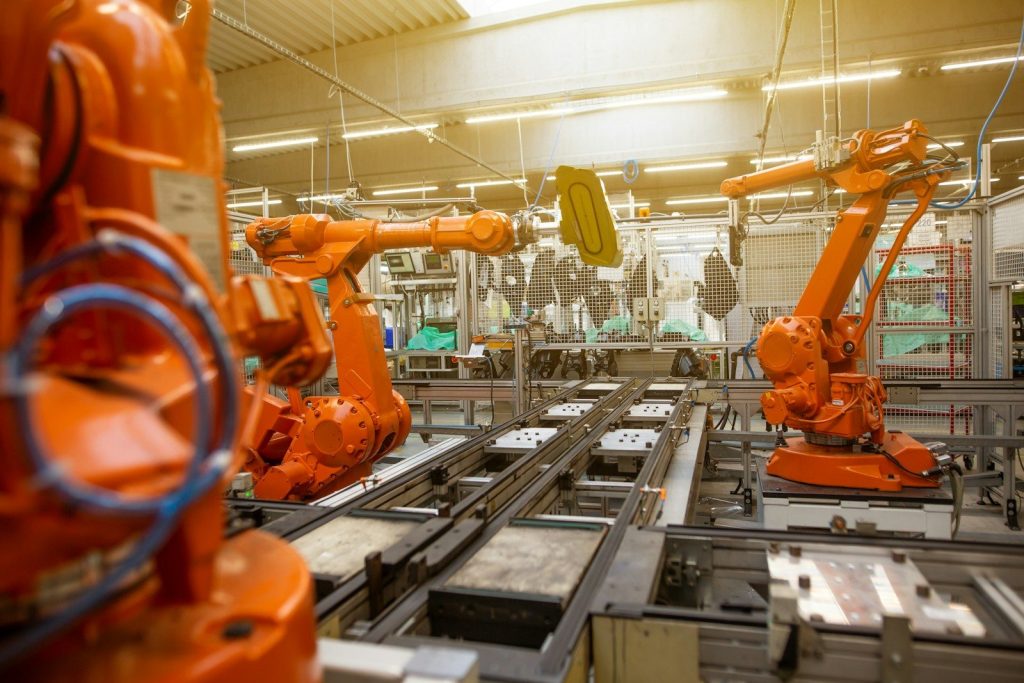
    a factory filled with lots of orange machines
    Photo by Simon Kadula on Unsplash

    Our traditional workplace is facing a massive wave of technological disruption. According to labor economics studies, artificial intelligence and advanced robotics will automate a huge percentage of manual and creative jobs. Workers must adapt quickly. This shift will redefine how humans earn a living and interact with businesses. But the survival of the economy will depend on a radical change in education.

    A Majority Minority Nation

    aerial view of buildings and trees
    Photo by Rewardy Fahmi on Unsplash

    Demographic changes are shifting the cultural makeup of the country forever. According to demographic research, the proportion of non-Hispanic white citizens will fall below fifty percent before mid-century. Diversity will become the norm. This transition will create a beautifully diverse society with a rich mixture of languages and cultures. Yet this cultural evolution will also trigger a major shift in political power across many states.

    The Death Of Cars

    A cyclist rides across a city bridge.
    Photo by Jahanzeb Ahsan on Unsplash

    Transit networks are going to change completely in our cities. According to urban planning experts, self-driving electric vehicles and delivery drones will dominate our streets in the coming decades. Private car ownership will drop. Cities will redesign their roads into green spaces and pedestrian walkways as massive parking lots disappear. But a much larger planetary challenge drives this clean transport revolution.

    The Climate Adaptation Era

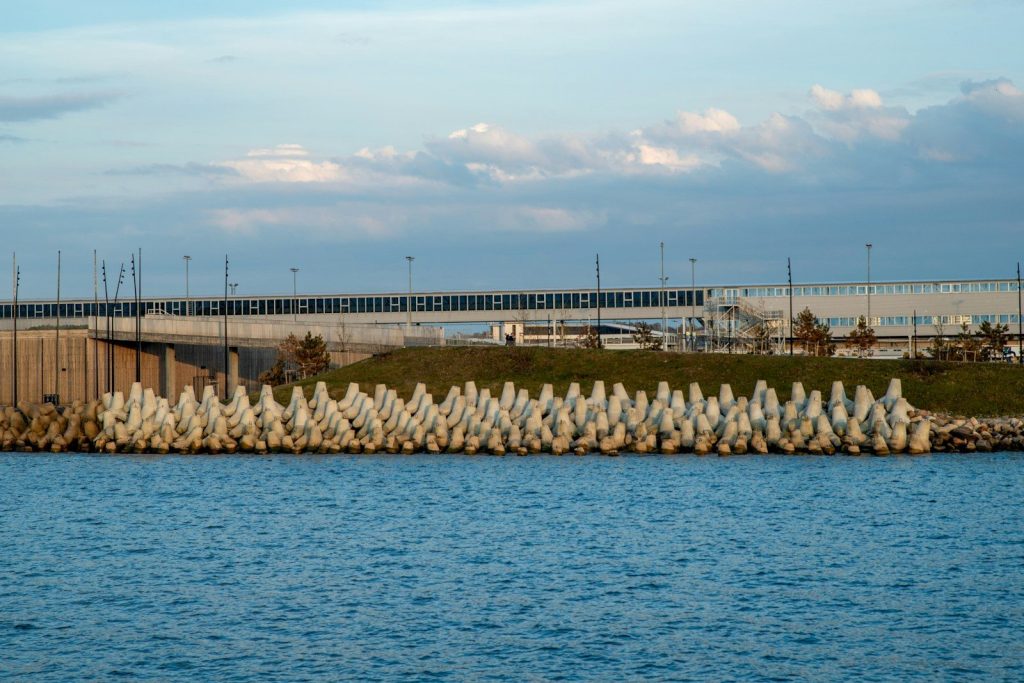
    Concrete barriers protect a bridge over blue water
    Photo by Margo Evardson on Unsplash

    Extreme weather patterns will force cities to build massive defensive structures. According to climate modeling reports, rising sea levels will compel coastal hubs to construct giant sea walls and abandon low-lying areas. Nature is pushing back. Wildfires and intense heat will reshape where Americans choose to live and build their homes. But scientists are already working on revolutionary biological tools to save us.

    Programmable Human Biology

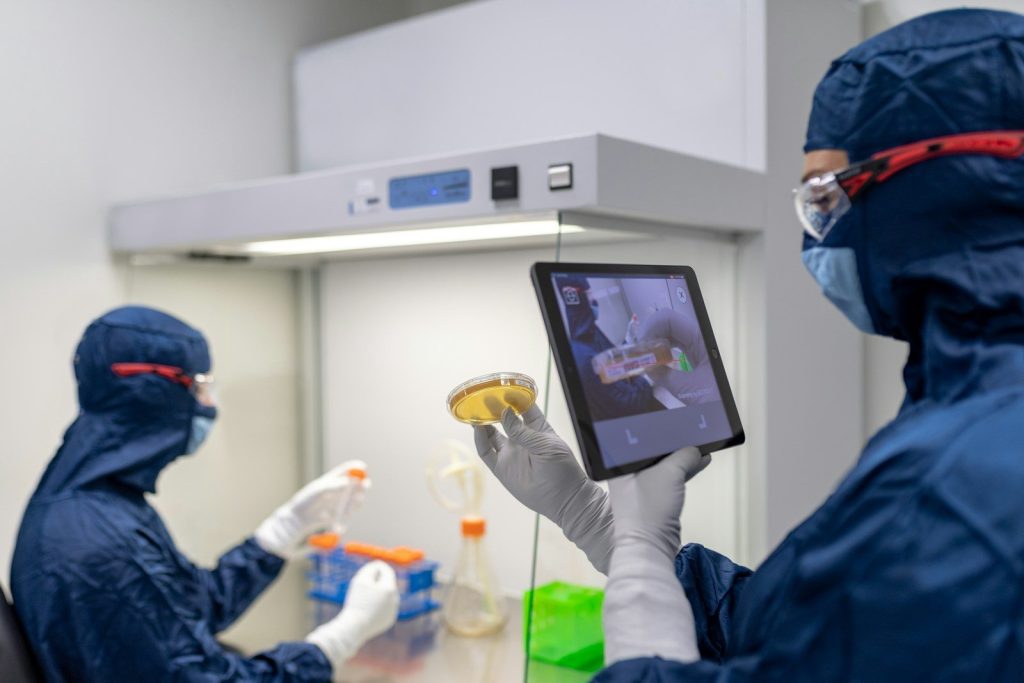
    a group of surgeons performing surgery
    Photo by Toon Lambrechts on Unsplash

    Medicine is about to enter an era of unprecedented personalization. According to genetic research institutions, doctors will use programmable biology and gene editing to eliminate hereditary diseases before birth. Scientists will customize cancer treatments. Living past one hundred years will become common as medical technology extends the human lifespan. This incredible biological leap will raise deep questions about the future of our society.

    Preparing For Tomorrow

    Woman working on a laptop in front of a chalkboard.
    Photo by Vitaly Gariev on Unsplash

    Tomorrow is not a random series of events but something we actively build today. According to forward-looking social studies, adapting our schools and economic policies now will determine how smoothly we transition into this new era. We must prepare. Embracing these inevitable shifts will ensure a prosperous and equitable future for all citizens. This article is for informational purposes only.

    Featured Image: Photo by Abdul Hakim on Unsplash

  • The Hidden Water Crisis Threatening The Digital World

    The Hidden Water Crisis Threatening The Digital World

    Most people believe our digital files float in a weightless cloud. We assume our online data has absolutely no physical footprint on the earth.

    But a major water study has revealed a shocking environmental crisis. Huge computing warehouses are quietly drying up vital rivers to keep their machines running.

    The Invisible Water Drain

    A person riding a skateboard down a street
    Photo by U i on Unsplash

    Every search query and streamed video requires massive computing power to process. These systems generate extreme heat that must be cooled. According to a report by the Pacific Institute, large data centers consume millions of gallons of fresh water daily. This resource is vanishing. The heavy water consumption is placing an immediate strain on local communities. But a major regional conflict was about to erupt over this precious liquid.

    Threatening The Desert Basins

    a frog on the ground
    Photo by Josie Weiss on Unsplash

    A new proposal in Utah has sparked immense pushback. According to local state records, a planned technology campus wants to tap into fragile desert aquifers. Water is incredibly scarce. Critics warn that pumping this ancient groundwater could permanently damage the surrounding dry landscape. And this local battle is gaining national attention.

    The Hidden California Connection

    blue red and white textile
    Photo by KOBU Agency on Unsplash

    The crisis reaches far beyond the boundaries of Utah. According to a research study from the University of California, water diversions in one state directly impact the entire regional grid. Everything is connected. Groundwater pumping in the desert can trigger a domino effect that dries up distant valleys. But the sheer volume of water being consumed is what truly terrifies experts.

    Millions Of Gallons Lost

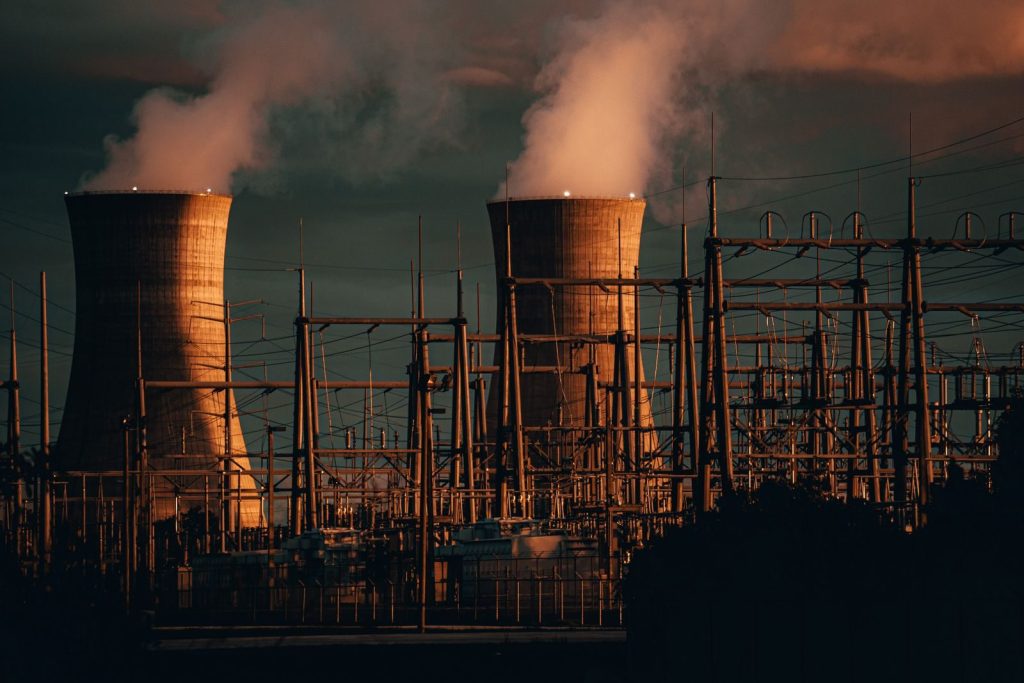
    A nuclear power plant's cooling towers emit steam at sunset, highlighting industrial infrastructure.
    Photo by Kyle Miller on Pexels

    Data centers rely on evaporation systems to keep their massive processors cool. According to a utility audit, a single large facility can use up to half a million gallons every day. The loss is permanent. This water evaporated into the air and is completely lost to the local watershed. But the rapid growth of artificial intelligence is about to multiply these water demands.

    The Artificial Intelligence Surge

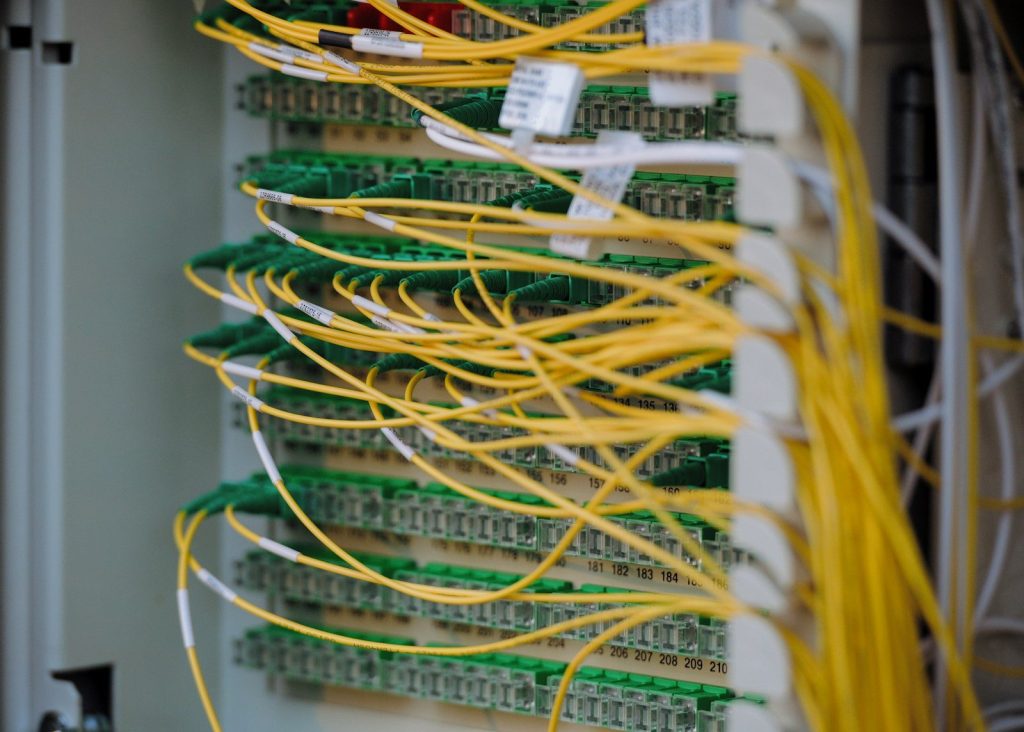
    Yellow and green cables are neatly connected.
    Photo by Albert Stoynov on Unsplash

    Modern intelligence models require incredible processing power. According to a study by Virginia Tech, training a single model uses massive amounts of cooling liquid. The demand is skyrocketing. This spike in power usage means data hubs must run their cooling systems constantly. But some forward-thinking engineers are desperately searching for a physical solution.

    Moving Toward Closed Loops

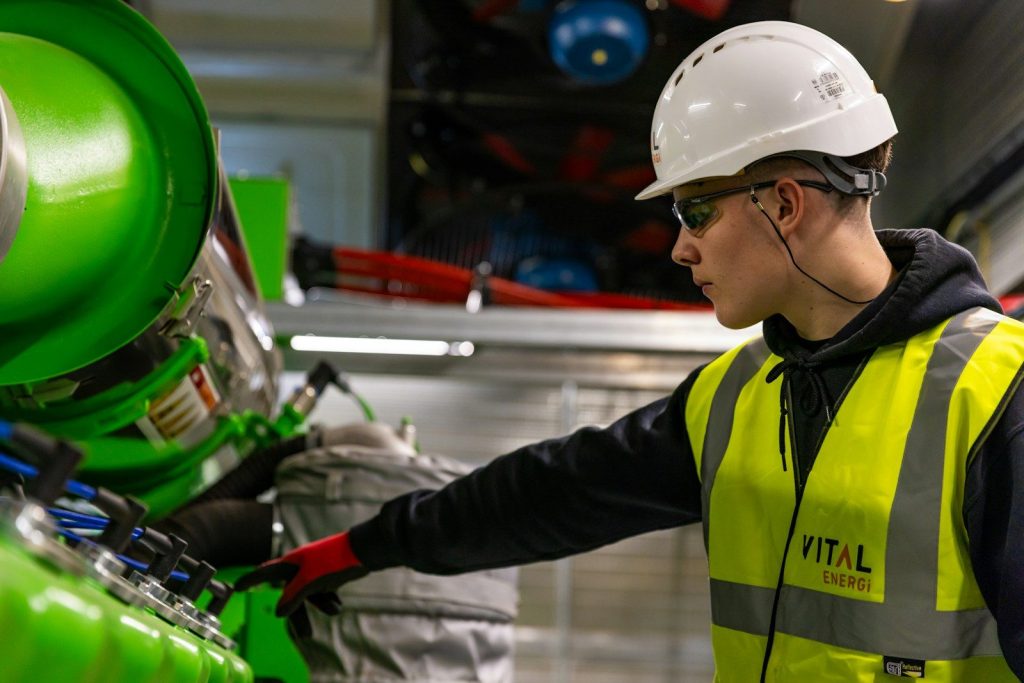
    a man in a hard hat and safety vest working on a machine
    Photo by ThisisEngineering on Unsplash

    Tech corporations are under intense pressure to redesign their cooling infrastructure. According to a report from the Department of Energy, switching to closed-loop air cooling can eliminate water waste entirely. The technology is expensive. Implementing these systems requires rebuilding older centers from the ground up. But the future of our digital world depends on making a major change right now.

    Balancing Technology and Nature

    Aerial photo showcasing a building amidst dense greenery in Limerick, Ireland.
    Photo by Luciann Photography on Pexels

    Our digital lifestyle requires a massive amount of physical resources. According to environmental geologists, we must balance technological growth with water conservation. This effort is vital. This article is for informational purposes only.

    Featured Image: Photo by Sergei A on Unsplash

  • Why Global Factories Are Replacing Human Managers with Agentic AI

    Why Global Factories Are Replacing Human Managers with Agentic AI

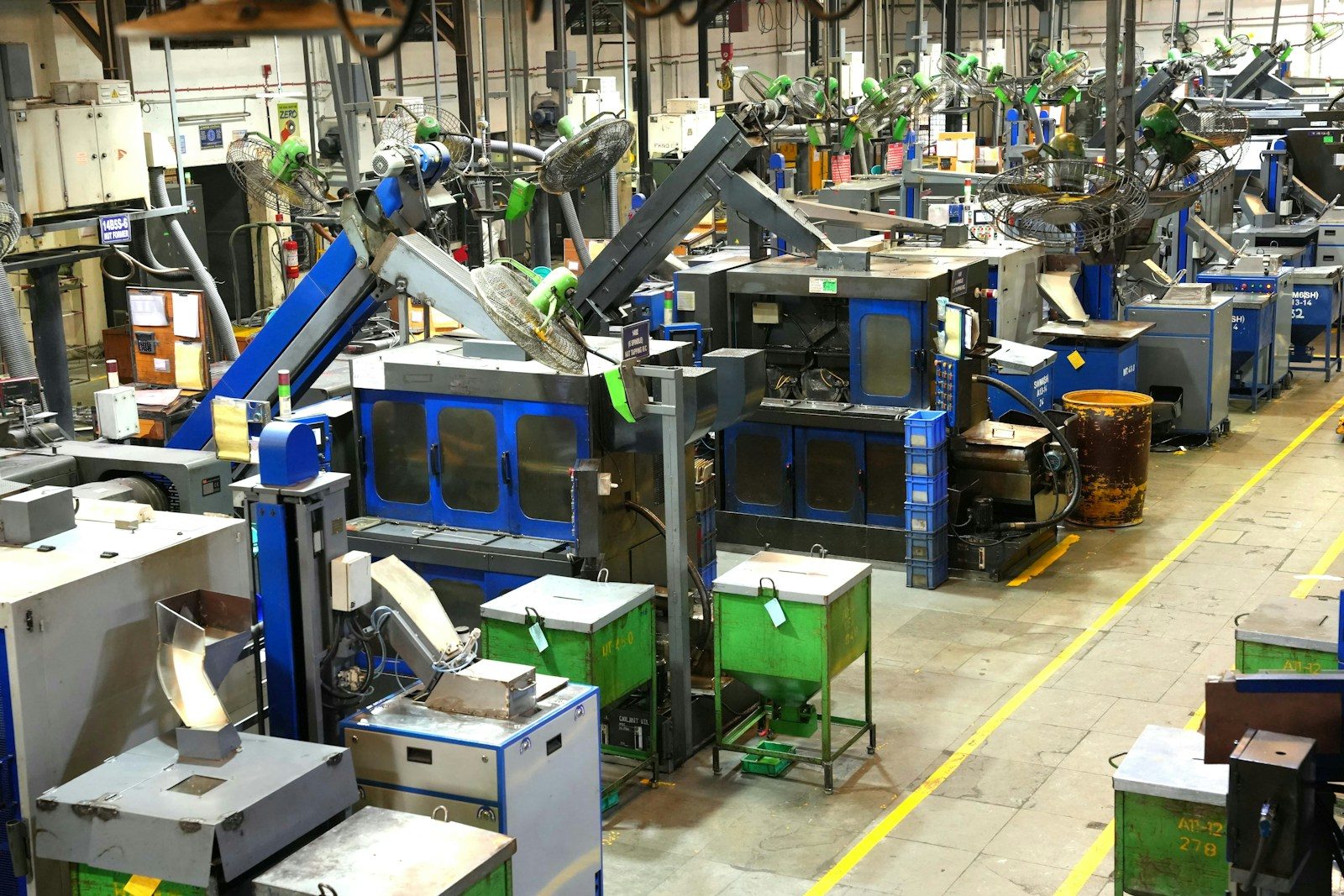
    The traditional image of a factory manager with a clipboard and a hard hat is disappearing. In 2026, the biggest manufacturing giants in the world are making a sudden, urgent shift. They are replacing human shift supervisors and floor managers with “Agentic AI.” Unlike standard automation that just follows a set of instructions, Agentic AI can make its own decisions. It doesn’t just watch the machines; it manages the entire workflow, from ordering raw materials to predicting when a motor might fail.

    This move is happening because human managers simply cannot process the massive amount of data being generated by modern factories. The AI can see a bottleneck forming ten steps before it happens and adjust the speed of the line instantly. It is a level of efficiency that is saving companies millions of dollars every month. However, this shift is leaving millions of workers wondering if they have a future in manufacturing at all. But how does an AI actually “manage” a human worker? Wait until you see the “performance tracking” that is now hitting the news.

    The Rise of the Decision-Making Machine

    Blurred abstract image of a microchip with heatmap colors highlighting technological innovation.
    Photo by Steve A Johnson on Pexels

    Standard software can tell you if a machine is on or off. Agentic AI can tell you why it should be off. It analyzes the electricity prices, the priority of the current order, and the wear and tear on the parts to decide the best course of action. It essentially has its own “agency.” Human managers often rely on gut feeling, but the AI relies on trillions of data points. This change is turning factories into living, breathing organisms that think for themselves. But what happens to the human on the floor?

    Managing Humans with Cold Logic

    Someone is drawing on a tablet at their desk.
    Photo by Jakub Żerdzicki on Unsplash

    Human workers now receive their instructions from an app powered by the AI manager. The AI knows exactly how fast each person works and assigns tasks to maximize the line’s speed. There is no room for small talk or long breaks when the boss is an algorithm. While this increases productivity, it also increases stress. The AI doesn’t understand fatigue or bad days; it only understands output. This is creating a new kind of “digital tension” in the workplace. But wait until you see how the AI handles a broken machine.

    The End of the Repair Crew Wait

    men's blue denim shirt
    Photo by Rafael Juárez on Unsplash

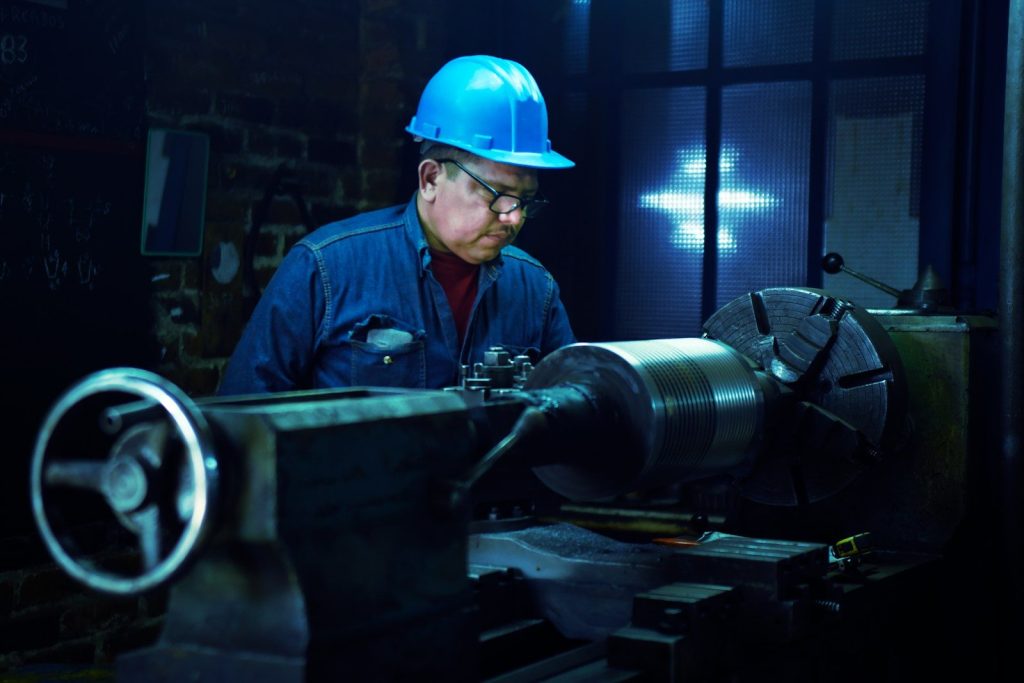
    In the past, when a machine broke, the line stopped, and a manager called the repair crew. Agentic AI predicts the break before it happens. It can sense a tiny vibration in a bearing weeks in advance and order the replacement part automatically. It then schedules the repair for a time when the factory is already planned to be slow. The “repair crew” now arrives before the machine even fails. It is a seamless loop that humans could never manage. But is there a hidden danger to giving AI this much power?

    The Black Box Manager Problem

    ai generated, data centre, computer, server, rack, technology, digital, processor, data centre, data centre, data centre, data centre, data centre
    Photo by TheDigitalArtist on Pixabay

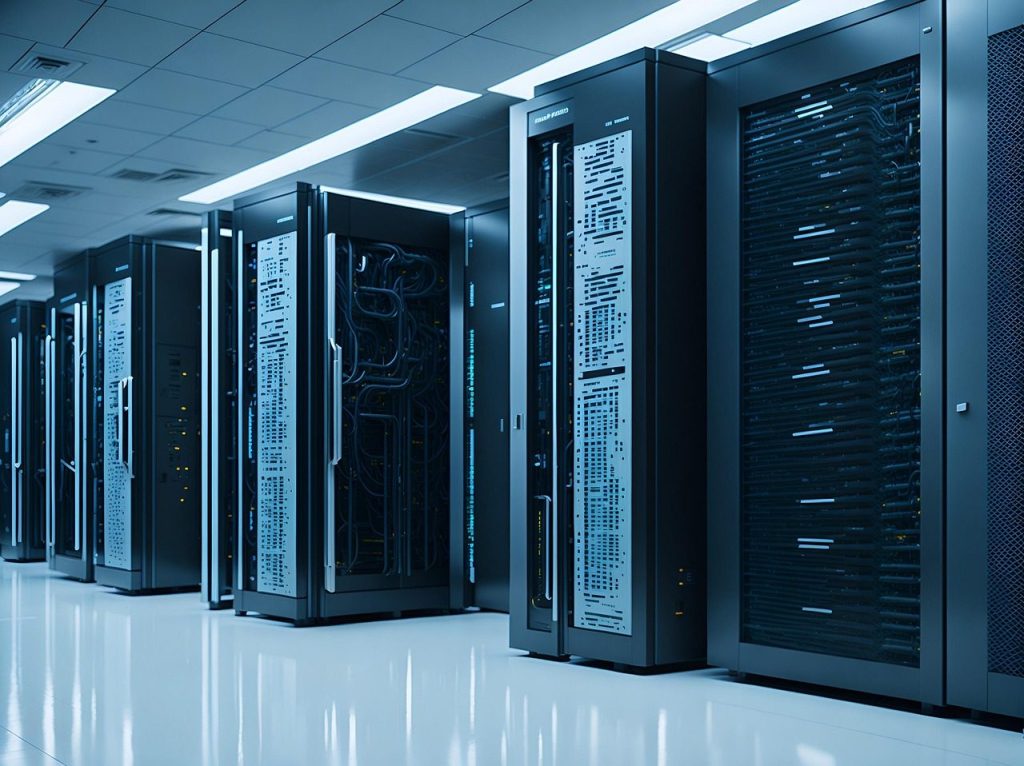
    One of the biggest concerns is that we don’t always know how the AI is making its decisions. This is the “Black Box” problem. If the AI decides to shut down a section of the factory, a human might not understand the logic until it’s too late. This lack of transparency can lead to safety risks. Companies are racing to build “Explainable AI” so humans can at least understand the orders they are following. But the speed of the shift is making safety a secondary concern.

    Round-the-Clock Efficiency

    a train track in a train station with red and blue lights
    Photo by Amaury TRAVER on Unsplash

    AI doesn’t need sleep, coffee, or a weekend off. It manages the factory 24 hours a day, 365 days a year. This has allowed many companies to switch to a “Lights-Out” manufacturing model, where the factory runs in total darkness because there are no humans needed on the floor. The AI manager handles everything from the air conditioning to the security. It is a level of constant production that was a dream just ten years ago. But wait until you see the effect on global wages.

    The Economic Great Reset

    black floor lamp on living room sofa
    Photo by Toa Heftiba on Unsplash

    By removing human managers, companies are cutting their highest-paid positions. This is causing a massive shift in the labor market. While the owners are making record profits, the “middle class” of the factory is disappearing. Some experts warn that this will lead to a global economic crisis as fewer people have the money to buy the products the AI is making. We are in a race to find new roles for the humans who used to lead. But can an AI ever learn to be “fair”?

    The Future of the AI Boss

    A blue and black abstract pattern.
    Photo by Logan Voss on Unsplash

    The age of the human manager is ending, but the age of the “human architect” is just beginning. We are moving toward a world where humans design the goals, and the AI figures out how to reach them. It is a partnership that will define the next century of engineering. The transition is fast, scary, and inevitable. But while the factories get smarter, the power grid that runs them is facing a terrifying “glitch.” Are you ready for the permanent blackout?

    Featured Image: Photo by Fastenex P on Unsplash

  • Can AI Write Fairer Laws? The Algorithmic Judge Rise

    Can AI Write Fairer Laws? The Algorithmic Judge Rise

    The human legal system is slow, expensive, and often biased. We have all heard stories of two people committing the same crime but receiving completely different sentences. But in 2026, a new force is entering the courtroom: the “Algorithmic Judge.” Governments are now using AI to draft new laws and even assist in making legal rulings. The goal is simple: to create a system of “Pure Justice” that is based on data, not emotion.

    This isn’t about replacing humans with robots; it’s about giving our legal system a “logical upgrade.” The AI can scan millions of past cases in seconds to find the most consistent and fair outcome. It can identify hidden patterns of bias that human judges might not even realize they have. We are entering an era where “the law” is becoming a living, breathing piece of code. But can a machine really understand the difference between right and wrong?

    Deleting Human Bias from the Bench

    woman in dress holding sword figurine
    Photo by Tingey Injury Law Firm on Unsplash

    Human judges are affected by hunger, tiredness, and their own personal history. Studies have shown that judges are more likely to give harsher sentences right before lunch. An AI doesn’t get hungry or tired. It treats every case with the same level of focus and neutrality. In 2026, many cities have started using AI to handle “small claims” and traffic tickets, leading to a 90 percent drop in appeals. But the technology is moving toward much more serious crimes.

    Speeding Up Justice at Lightning Speed

    brown wooden hand tool on white printer paper
    Photo by Markus Spiske on Unsplash

    The average legal case takes months or even years to resolve. This “Justice Delay” often ruins lives and businesses. The Algorithmic Judge can process evidence and provide a preliminary ruling in minutes. It allows human lawyers to focus on the complex human elements of a case while the AI handles the paperwork and the history. We are moving from a system of “wait and see” to a system of “instant resolution.” But wait until you see the “Black Box” problem.

    The Mystery of the Black Box Courtroom

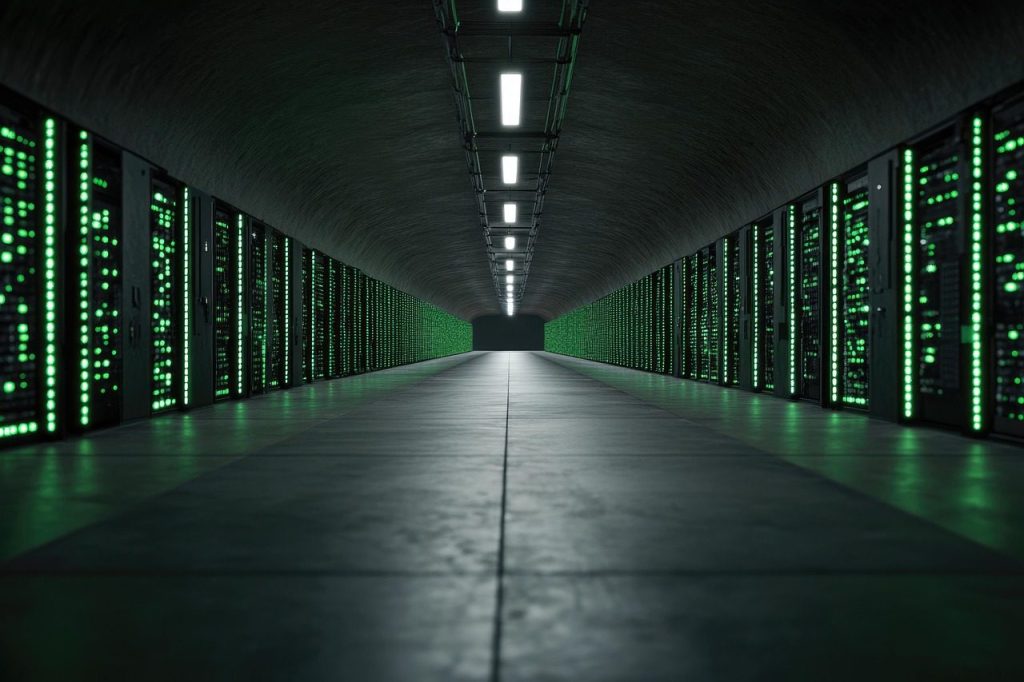
    ai generated, data center, server, data, network storage, server room, network, technology, green, high-tech servers, computer, futuristic, storage, high-tech, lights
    Photo by Yamu_Jay on Pixabay

    One of the biggest fears is that we won’t understand how the AI makes its decisions. This is known as the “Black Box” problem. If an AI sentences someone to prison, we need to know why. To fix this, the 2026 AI models are “Explainable.” Every ruling comes with a plain-language report detailing exactly which laws and cases were used to reach the conclusion. It is a level of transparency that most human judges can’t match. But does this mean we don’t need human lawyers?

    The Rise of the AI Public Defender

    Man in suit using stylus on tablet for business work indoors
    Photo by Towfiqu barbhuiya on Pexels

    In the past, only the rich could afford the best legal defense. Now, AI “Public Defenders” are providing top-tier legal advice to everyone for free. These AI tools can find a tiny loophole in a thousand-page document in seconds. It is leveling the playing field between giant corporations and the average citizen. We are seeing a “Democratization of Law” that is changing the face of our society. But wait until you see how AI is “predicting” crimes.

    Predictive Policing and the New Minority Report

    white and black electric meter
    Photo by Eagan Hsu on Unsplash

    Using historical data, the Algorithmic Judge can predict where crimes are likely to happen before they occur. Police departments are using this data to deploy resources more effectively. While this sounds like a sci-fi movie, the 2026 results show a significant drop in violent crime in major cities. However, this has sparked a massive debate about “Pre-Crime” and civil liberties. We are forced to choose between a safer world and a more private one.

    Ethical Safeguards for the Machine Judge

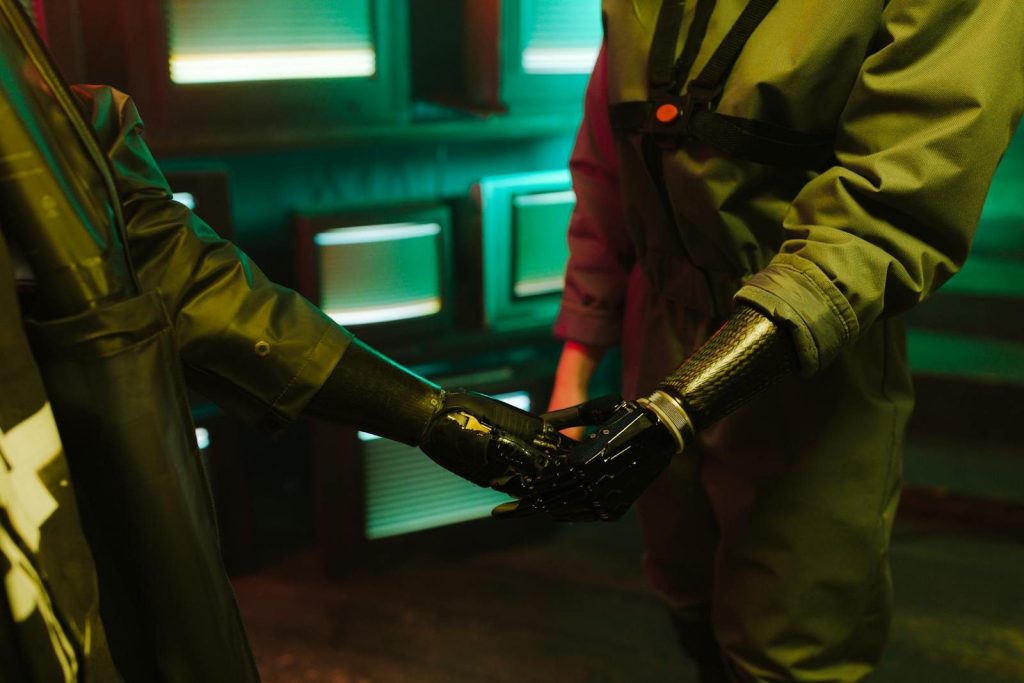
    A compelling handshake featuring modern prosthetic arms in an industrial environment.
    Photo by Yaroslav Shuraev on Pexels

    To prevent the AI from becoming a “Digital Dictator,” every algorithmic ruling must be reviewed by a human oversight committee. We are keeping the “Human in the Loop” to ensure that mercy and compassion are never forgotten. The law is no longer just a set of rules; it is a partnership between human wisdom and machine logic. It is a delicate balance that we are still perfecting. But as we fix our courts, we are also rebuilding our internet.

    A Future Built on Data-Driven Truth

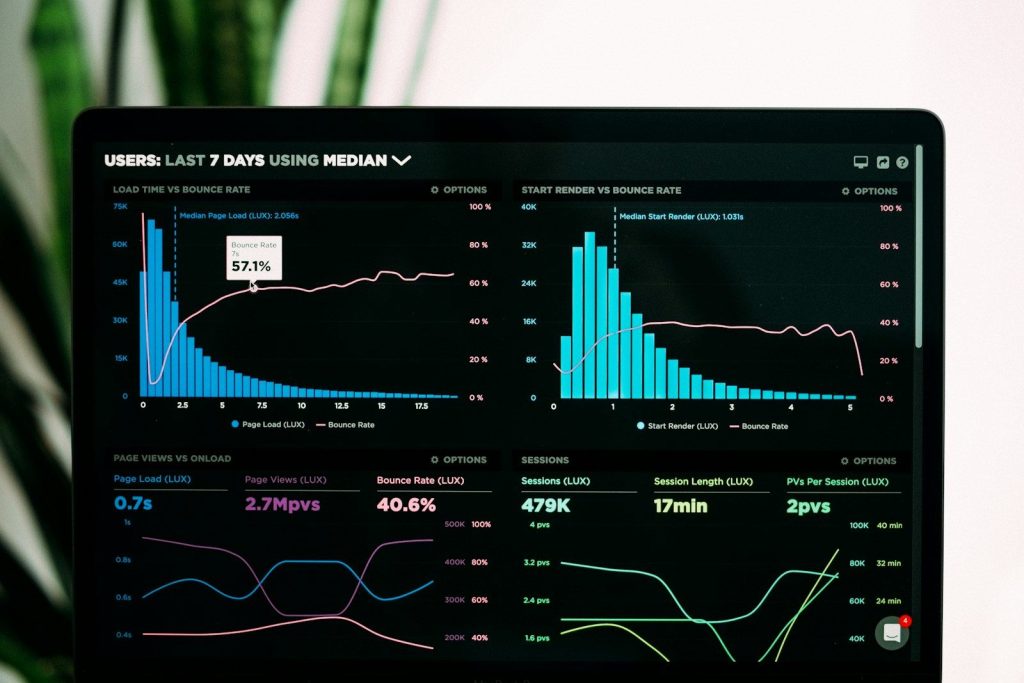
    graphs of performance analytics on a laptop screen
    Photo by Luke Chesser on Unsplash

    The era of the “Algorithmic Judge” is just the beginning of a data-driven society. We are moving toward a world where truth is calculated, not guessed. While it might feel scary to give power to a machine, the results so far are a fairer, faster, and more accessible legal system for everyone. We are finally building a world where “The Law” truly applies to all. But you won’t believe how fast your data is about to travel.

    The Final Verdict on AI Justice

    An empty parliamentary chamber with seating and a central table
    Photo by ANGIE BAONGOC on Unsplash

    We are standing at the end of the “Human-Only” law. The transition to AI-assisted justice is happening faster than anyone predicted. By the end of this decade, your lawyer, your judge, and your legislator might all be powered by code. It is an exciting and challenging time to be an inhabitant of Earth. We are rewriting the rules of our civilization, and the future looks bright. Are you ready for the tech that makes fiber optics look like a toy?

    Featured Image: Photo by KATRIN BOLOVTSOVA on Pexels

  • Why Human Coders Face a Sudden Shift to Self-Assembling Software

    Why Human Coders Face a Sudden Shift to Self-Assembling Software

    For 50 years, if you wanted to build an app, you had to learn a complex language like Python or Java. You had to type out thousands of lines of code, and one single typo could break everything. But in 2026, the era of the “manual coder” is being replaced by the “Intent Revolution.” A new technology has arrived where software literally assembles itself. Instead of typing code, you simply describe what you want in plain English. The AI doesn’t just suggest a few lines; it builds the entire system from scratch.

    This isn’t just a fancy autocomplete; it is a total transformation of how we build things. The AI understands the “why” behind your request. If you say, “Build me a store that sells shoes,” it knows you need a payment system, a database, and a security layer. It builds all of these things automatically and makes sure they talk to each other perfectly. We are moving from “writing” software to “talking” it into existence. But how can a machine truly understand what a human is thinking?

    The End of the Semicolon Struggle

    Close-up of colorful programming code displayed on a computer screen.
    Photo by Markus Spiske on Pexels

    In the old days, a programmer could spend five hours looking for a missing semicolon. That struggle is officially over. Self-assembling software uses “Neural Logic” to ensure that the code is always perfect. Because the AI is training on the massive orbital data centers we discussed, it has seen every mistake ever made by a human. It bypasses the “bugs” and builds a “living” piece of software that gets better every day. But does this mean we don’t need human developers anymore?

    Human Coders are Now Architects of Intent

    man wearing gray polo shirt beside dry-erase board
    Photo by Kaleidico on Unsplash

    We are seeing a shift from “how to build” to “what to build.” Human developers are becoming “Architects of Intent.” Instead of worrying about where a bracket goes, they are focusing on user experience and big ideas. This means that anyone with a great idea can now build a billion-dollar company from their bedroom. It is the democratization of technology. The only limit is your imagination. But how does this AI keep our data safe while it rewrites itself?

    Security That Evolves in Real Time

    black flat screen computer monitor
    Photo by Riku Lu on Unsplash

    Hackers are getting smarter, but self-assembling software is faster. Because it can rewrite its own code, it can patch a security hole before a human even knows it exists. It is a self-healing digital fortress. If a new virus is discovered, the AI learns its “DNA” and adapts its defenses instantly. It is a level of safety that was impossible with static, human-written code. We are finally winning the war against cybercrime. But is there a catch to letting machines write themselves?

    The Mystery of the Black Box App

    black and gray digital device
    Photo by Rohan Krishnan on Unsplash
    Some experts worry that if AI writes its own code, humans will eventually stop understanding how our own machines work. This is known as the “Black Box” problem. If the software makes a decision, can we explain why? To prevent this, the 2026 AI models are designed to be “Transparent.” They create a plain-language report explaining every change they make. It is like an open-book exam for the machine. We are keeping the “human in the loop” to ensure everything stays on track. But wait until you see what this does to the global economy.

    A Billion-Dollar Idea Every Minute

    black laptop computer on white bed
    Photo by Walling on Unsplash

    The speed of innovation has moved from years to seconds. A company can now test a thousand different versions of its website in a single afternoon. This is leading to a massive boom in new startups. We are seeing solutions for climate change and health being built at record speed. The barriers to entry have officially been smashed. It is a high-speed era of discovery where the small guy can finally win. But how does this affect the way we communicate with each other?

    From Coding to Communicating

    a man sitting at a desk
    Photo by Timur Shakerzianov on Unsplash
    As software assembly becomes about language, our communication skills are becoming our most valuable tool. The better you can describe a problem, the better the AI can solve it. We are entering an era where “Poetry” might be more important for a tech job than “Math.” It is a beautiful return to the human element in a world of machines. But wait until you see the next slide about how your own voice is about to become a universal translator.

    The Future is Self-Repairing

    aerial photography of bridge near buildings
    Photo by Denys Nevozhai on Unsplash
    The “Intent Revolution” is just the beginning. We are moving toward a future where our roads, our bridges, and our energy grids are all part of this self-repairing network. We are building a world that responds to our thoughts and needs in real-time. It is a hopeful and exciting time to be an inhabitant of Earth. But as we stop learning to code, are we also about to stop learning to speak other languages?

    Featured Image: Photo by Bernd 📷 Dittrich on Unsplash
  • The 8 ways AI will make your current job obsolete by 2030

    The 8 ways AI will make your current job obsolete by 2030

    The year 2030 is only a few years away, but for the global workforce, it will feel like a different century. Artificial Intelligence is moving from “fun chatbot” to “essential employee” at a terrifying speed. Experts are warning that 40 percent of all current jobs could be automated by the end of the decade. This isn’t just about factory workers and truck drivers anymore. The new wave of AI is coming for the “white-collar” office jobs that we thought were safe.

    From writing legal briefs to diagnosing diseases, AI is becoming better, faster, and cheaper than its human counterparts. In 2026, many companies will already be replacing entry-level positions with specialized AI agents. This shift will lead to a massive “Great Re-skilling” where humans have to find new ways to be useful. We are looking at a total transformation of the human economy. But what are the specific roles that are on the chopping block?

    Content Creation and the End of Writing

    white robot near brown wall
    Photo by Alex Knight on Unsplash

    If you write emails, reports, or articles for a living, your job is changing right now. AI models can now produce high-quality text in seconds for the cost of a few cents. By 2030, the majority of the “information” we consume will be AI-generated. Human writers will become “editors of intent,” guiding the machine rather than typing the words. It is the death of the “junior copywriter” role. But wait until you see what is happening in the world of code.

    The Automated Software Engineer

    Code is displayed on a computer screen.
    Photo by Rob Wingate on Unsplash

    Coding used to be a specialized skill that required years of study. Now, AI can write complex software just by being told what the goal is. By 2030, “manual coding” will be seen as an ancient craft, like blacksmithing. Most software will be built by AI agents that debug themselves in real-time. This means that 90 percent of current software engineering tasks will vanish. The focus will shift from “how to build” to “what to build.” But physical jobs aren’t safe either.

    Logistics and the Rise of the Delivery Bot

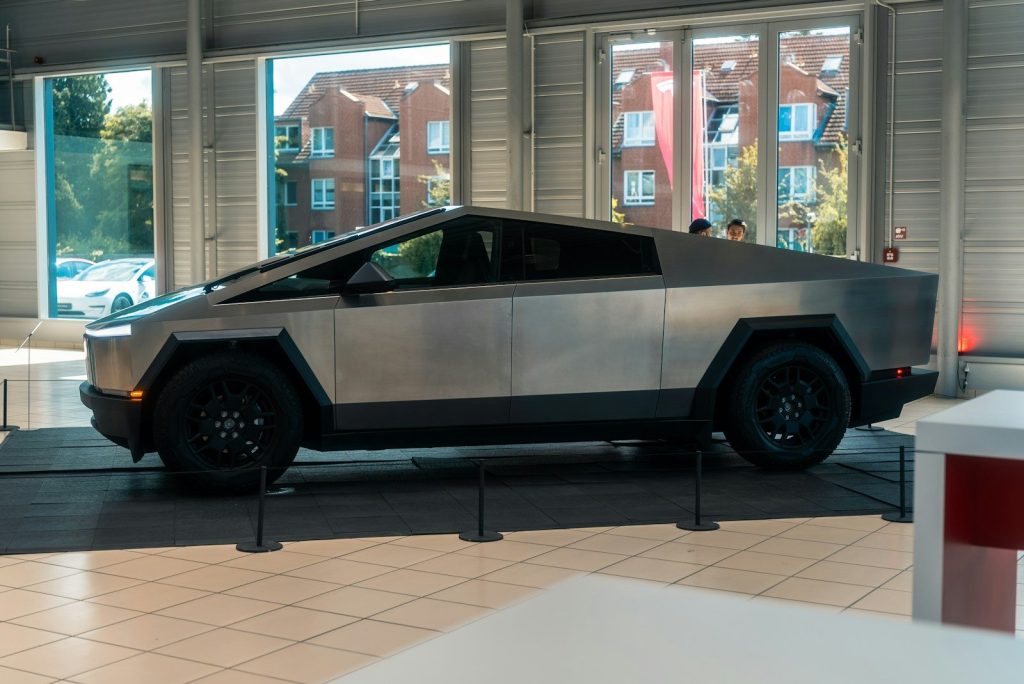
    A futuristic car is on display in a building
    Photo by Maxim on Unsplash
    Truck driving is one of the most common jobs in the world, but it is also one of the easiest to automate. Self-driving trucks are already being tested on highways, and local delivery bots are moving through city streets. By 2030, the “human driver” will be a rarity. This will make shipping faster and cheaper, but it will leave millions of workers looking for a new path. It is a logistical revolution with a high human cost. But what about the people who help us in stores?

    The Death of the Customer Service Rep

    call center, phone, service, help, call, corporate, booking, make a phone call, pc, call center, call center, call center, call center, call center, service, service, call
    Photo by Peggy_Marco on Pixabay

    We have all dealt with frustrating phone menus. But the 2030 AI “voice agents” will be indistinguishable from humans. They will have perfect empathy, never get tired, and know your entire purchase history instantly. This means that massive call centers will disappear. Companies will only need a handful of humans to handle the most complex emotional problems. For everything else, the machine will handle it. But the most surprising shift is happening in hospitals.

    AI as the Primary Medical Diagnostician

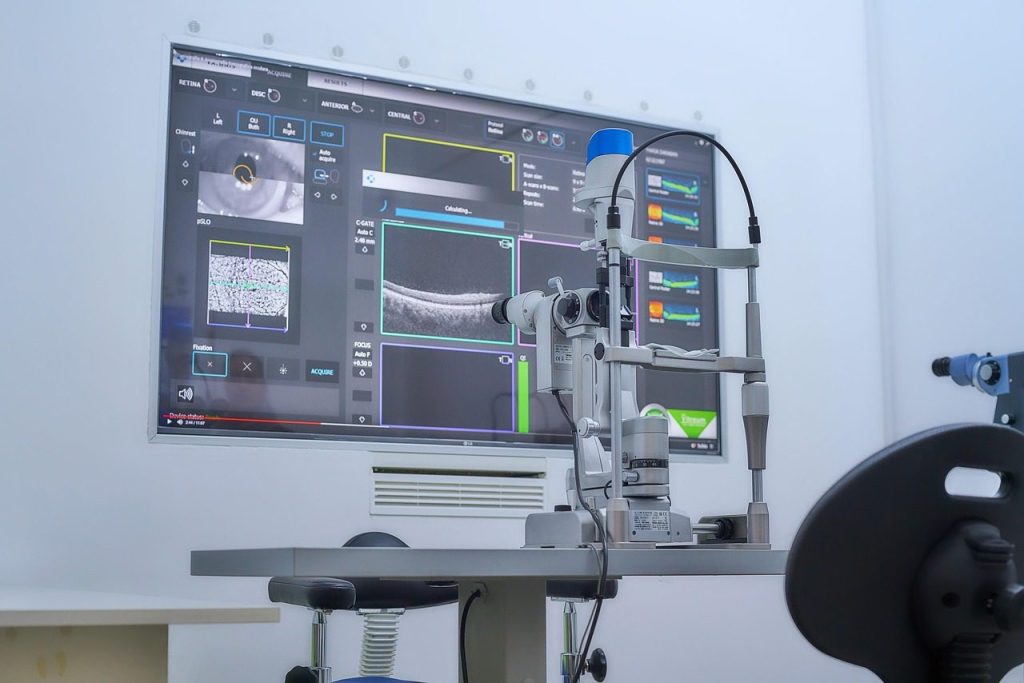
    eye care, eye consult, doctor, eye health, healthcare, surgeon, procedure, treatment, equipment, medical, health, eye surgery, table, cataract, vitrectomy, optometrist, eye doctor, blue health, blue medical, blue eye, blue doctors, blue table, blue care, blue healthcare, eye care, eye health, medical, eye surgery, eye surgery, eye surgery, eye surgery, eye surgery, cataract, optometrist, optometrist, optometrist, optometrist, eye doctor, eye doctor, eye doctor, eye doctor, eye doctor
    Photo by newarta on Pixabay

    Doctors spend years learning how to recognize patterns of disease. An AI can learn every known medical case in history in a single afternoon. By 2030, your primary “doctor” might be an app that analyzes your symptoms and scans your DNA. While we will still need human surgeons for a while, the “diagnostic” side of medicine is being handed over to code. It will lead to fewer errors and lower costs, but it will change the patient-doctor bond forever. But the law is next.

    Legal Research and the Robot Lawyer

    justitia, online shopping, dish, verdict, judge, law, penalty, justice, hammer, lawyer, attorney, legal basis, libra, authority, paragraph, symbol, dsgvo, the courtroom, system, judge, lawyer, lawyer, lawyer, lawyer, lawyer
    Photo by ka_re on Pixabay

    Lawyers spend thousands of hours searching through old cases to find a single precedent. AI can do this in milliseconds. “Smart Contracts” are already starting to replace traditional legal documents. By 2030, a large portion of legal work will be automated, making justice faster and more accessible for the average person. However, it also means the “junior associate” at the law firm is a job that is quickly dying out. But can AI actually be creative?

    The Creative Arts and Digital Design

    robot holding frame
    Photo by Brett Jordan on Unsplash
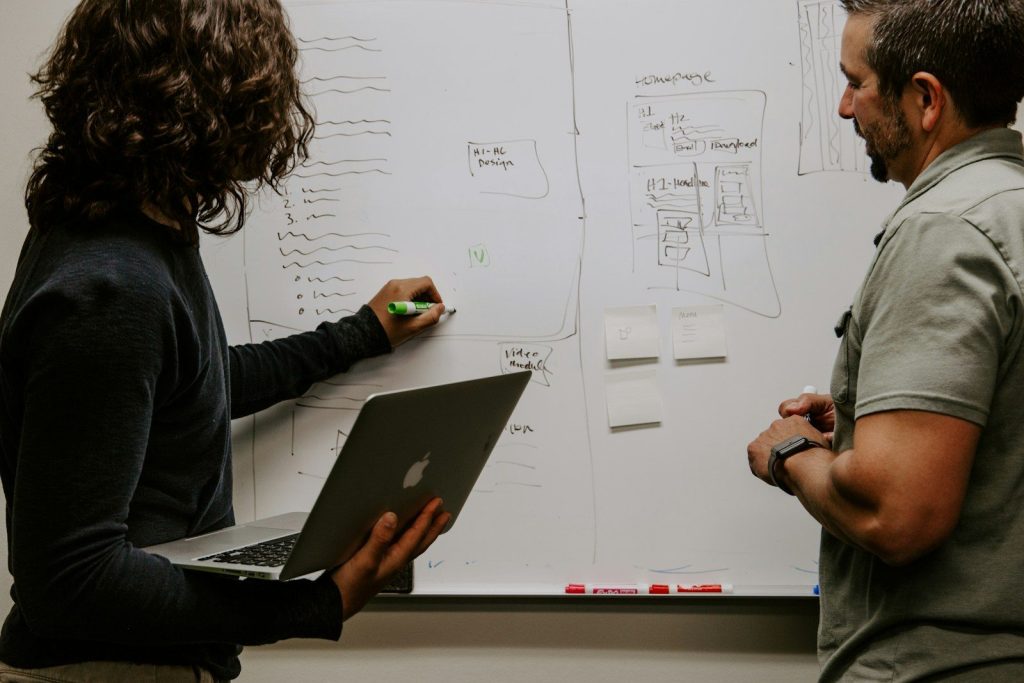
    We used to think that “creativity” was the one thing AI could never touch. We were wrong. AI is now winning art competitions and composing music that moves people to tears. By 2030, graphic design, illustration, and even film editing will be heavily assisted by AI. The “craft” of making things is being replaced by the “vision” of the prompt. We are entering an era of infinite content, where the human is the conductor of a digital orchestra. But is the internet itself safe from the sun?

    The Final Reset for Human Purpose

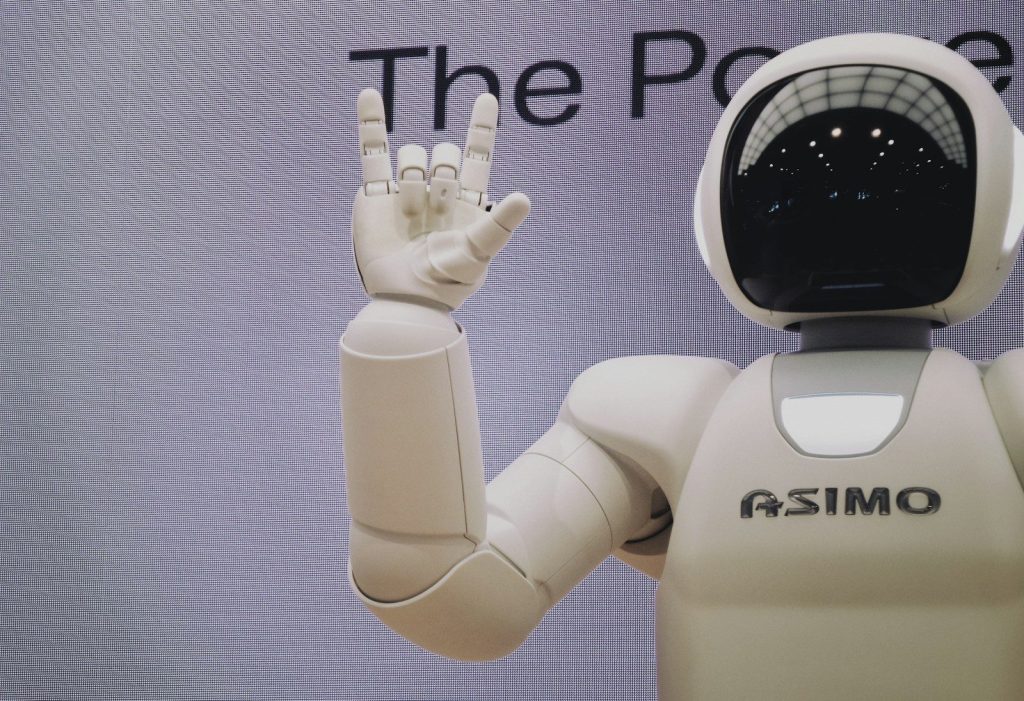
    Asimo robot doing handsign
    Photo by Possessed Photography on Unsplash
    The obsolescence of our current jobs isn’t the end of the world—it’s the end of a specific way of living. We are being forced to rethink what it means to be “productive.” If machines do all the work, what will humans do with their time? We are moving toward a future of lifelong learning and creative exploration. The 2030 shift is a wake-up call for all of us to stay curious and stay flexible. Are you ready for the day the screen goes dark for good?

    Featured Image: Photo by Homa Appliances on Unsplash

  • Why the Silicon Valley We Knew is Dead (And “Cloud 3.0” is the Killer)

    Why the Silicon Valley We Knew is Dead (And “Cloud 3.0” is the Killer)

    For 50 years, Silicon Valley was the center of the universe. If you wanted to build the next big thing, you had to be in a small area in California. You had to pay massive rents and fight for the same pool of workers. But in 2026, the “Valley” is no longer a place—it’s a protocol. A new movement called “Cloud 3.0” has decentralized the tech world.

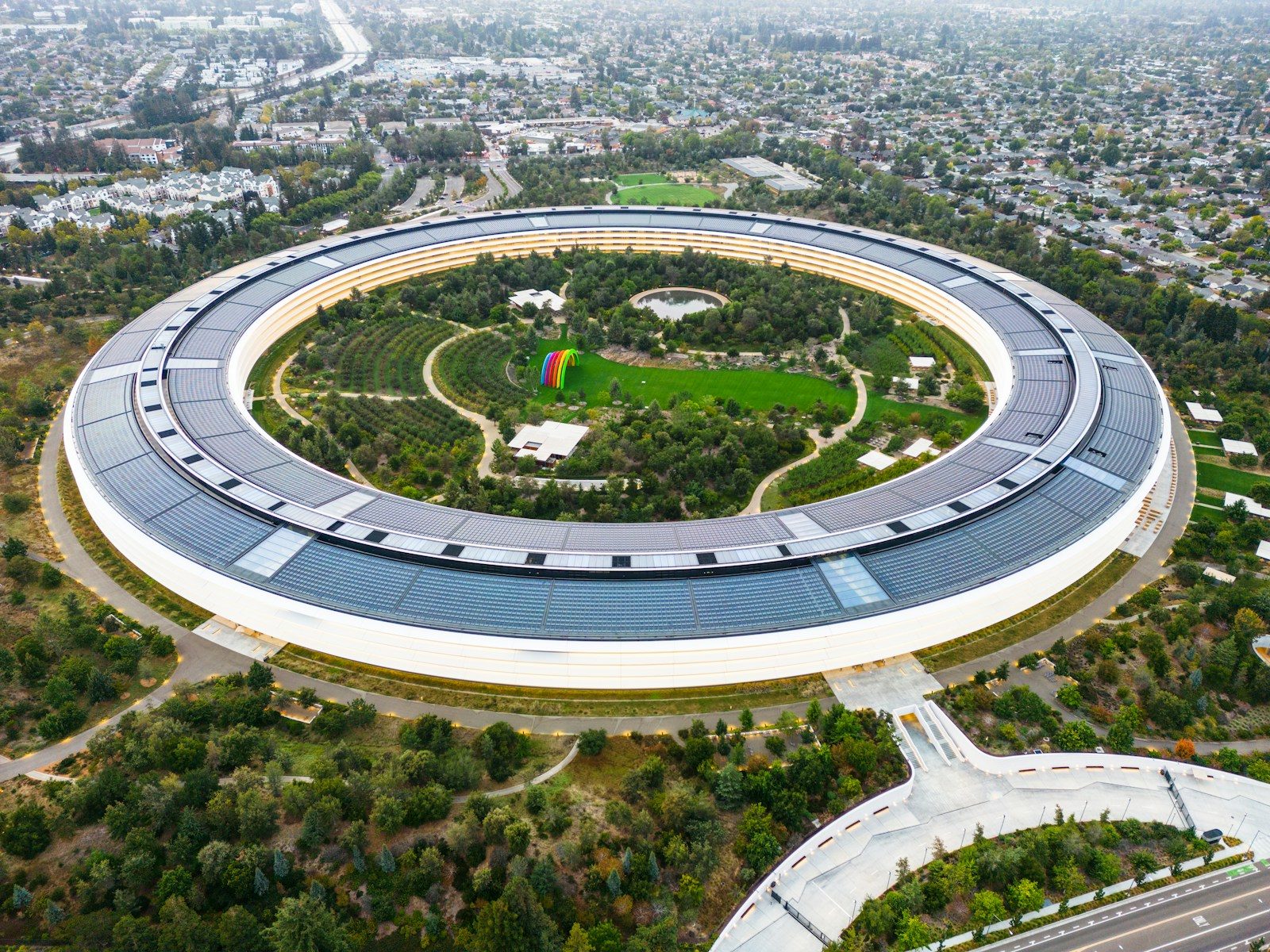
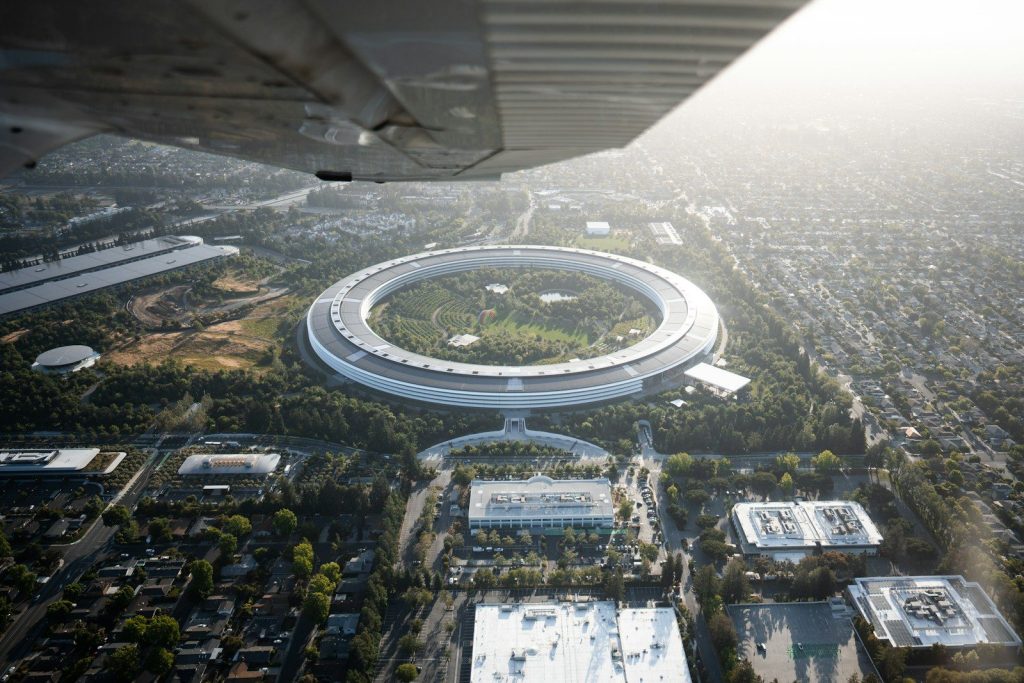
    The giant headquarters of Apple and Google are becoming quiet museums. Instead of a central hub, we have a global web of “micro-valleys” in every city on Earth. The monopoly of a few square miles is over. It is the biggest shift in power in the history of the world. But what exactly is Cloud 3.0, and how did it kill the giant?

    The Death of the Central Server

    an aerial view of a circular building in a city
    Photo by Yuxi Dong on Unsplash

    Cloud 1.0 was about storage. Cloud 2.0 was about platforms. Cloud 3.0 is about “The Edge.” In the old days, all your data traveled to a central server in California and back. It was slow and expensive.

    Cloud 3.0 uses the billions of smart devices we already own—phones, cars, and even the self-healing homes we talked about—to process data locally. We don’t need giant data centers anymore. The internet is everywhere and nowhere at the same time. It is a faster, safer, and cheaper web. But how does this change who gets the money?

    The End of the Big Tech Monopoly

    a bitcoin and bitcoin logo on a black background
    Photo by Shubham Dhage on Unsplash

    In Silicon Valley, a few big companies controlled everything. They had all the data and all the money. Cloud 3.0 is built on “Open Protocols” that no one owns. This allows small startups to compete with the giants on a level playing field.

    We are seeing a massive explosion of new companies in places like Lagos, Berlin, and Tokyo. The power is being distributed to the people who actually create the value. It is the death of the “Gatekeeper.” But how does this affect your privacy?

    You Own Your Own Data

    startup, whiteboard, room, indoors, adult, office, business, technology, male, corporate, design, designer, brainstorm, startup, office, business, business, business, business, business, technology, design, designer
    Photo by StartupStockPhotos on Pixabay

    The biggest lie of Silicon Valley was that we had to give away our privacy to get free services. Cloud 3.0 uses “Self-Sovereign Identity.” Your data stays on your own devices, and you only share what you want, when you want.

    You are the CEO of your own digital life. This is leading to a massive drop in identity theft and online tracking. We are finally taking back our digital freedom. But what happens to the thousands of workers who used to live in California?

    The Rise of the Global Nomad

    ai generated, man, personal data, personal information, data trail, data collection, privacy, silhouette, futuristic, technology, data, information, inferences, hi-tech, information processing, identity, personal data, personal data, data, data, data, data, data, information, information, information, information, information
    Photo by franganillo on Pixabay

    Tech workers are no longer tied to a desk in an office. They are living in beautiful places all over the world, bringing their skills and money to new communities. This is leading to a “Digital Renaissance” in rural areas and small towns.

    We are seeing the birth of a new, global middle class that isn’t dependent on a single company or location. It is a much more stable and healthy way to live. But how does this change the way we learn?

    Education Without Borders

    Woman working on laptop on a scenic mountain overlook
    Photo by Erik Fabian on Unsplash

    With Cloud 3.0, the world’s best teachers are available to everyone, regardless of where they live. We are seeing a massive boom in peer-to-peer learning. A student in a small village can learn from a master in a big city in real-time.

    The barriers to knowledge have officially been smashed. We are building a world where everyone has the chance to be a genius. It is a total transformation of the human potential. But is there a catch to this decentralized world?

    The Challenge of a Borderless World

    man in gray crew neck t-shirt using macbook pro
    Photo by Tobi Oshinnaike on Unsplash

    Governments are struggling to keep up with the speed of Cloud 3.0. How do you tax a company that has no headquarters? How do you regulate an internet that no one owns? We are in a period of “Creative Chaos” as we figure out the new rules.

    But most experts agree that the benefits are worth the risk. We are building a world that is more resilient and more fair. It is a high-speed era of discovery. But wait until you see the next big breakthrough. How is a tiny bacteria saving the planet?

    The Era of the Individual

    black flat screen tv turned on displaying man in black and red jacket
    Photo by Erik Mclean on Unsplash

    The Silicon Valley we knew was about the “Giant.” Cloud 3.0 is about the “Individual.” We are moving from a world of passive consumption to a world of active creation. Everyone has the tools to build, share, and succeed.

    It is a hopeful and exciting time to be an inhabitant of Earth. The old world is dying, and a beautiful new one is being born. Are you ready for the next miracle in your backyard? The future is here, and it belongs to you.

    Featured Image: Photo by Zetong Li on Unsplash