Category: Business & Tech

  • Why Young Generations Are Abandoning Classic Car Ownership

    Why Young Generations Are Abandoning Classic Car Ownership

    Most auto executives assume that owning a personal vehicle is still a mandatory milestone for every adult. We believe driving remains a key symbol of freedom.

    But young adults are completely rejecting the traditional culture of car ownership. Rapid changes in technology and urban planning are making personally owned vehicles obsolete.

    The Rise Of On-Demand Transit

    a person using a cell phone while driving a car
    Photo by Priscilla Du Preez 🇨🇦 on Unsplash

    Getting around major cities no longer requires keeping a vehicle parked in a garage. Mobility is now digital. According to urban mobility studies from the Massachusetts Institute of Technology, ride-sharing platforms have made physical ownership unnecessary for city dwellers. Why pay for insurance when an app can summon a ride instantly? But this digital convenience is only a small part of a larger economic shift.

    The Crushing Cost Of Maintenance
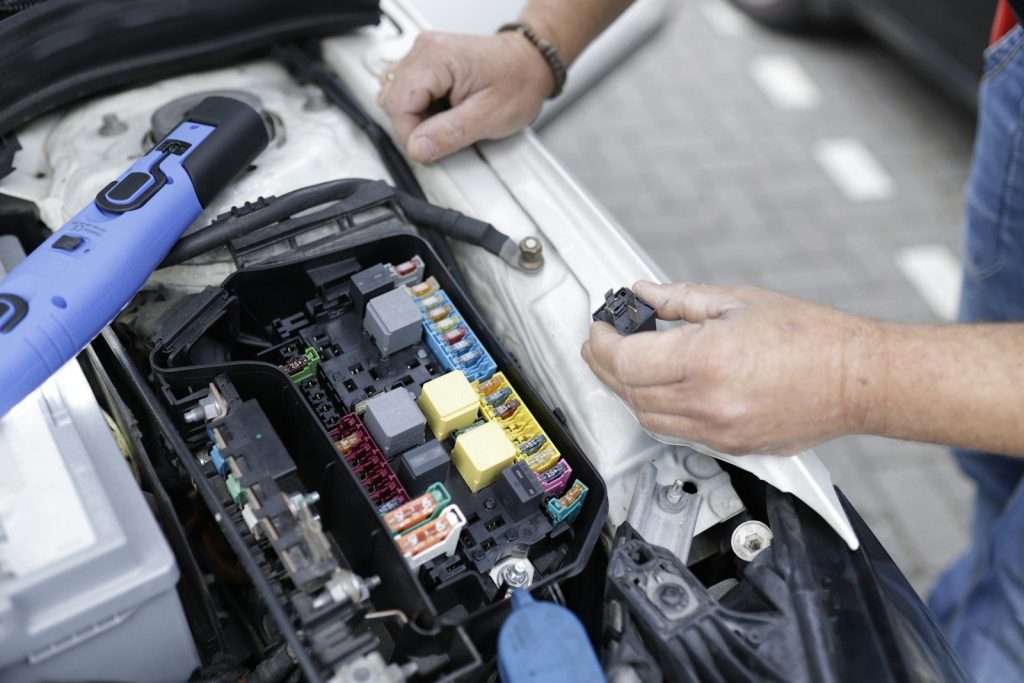
    a man is working on a car's engine
    Photo by Maxim Hopman on Unsplash

    Young workers are facing stagnant wages alongside soaring automotive insurance and repair costs. Budgets are incredibly tight. According to financial analysis from AAA, the yearly cost of owning and operating a new sedan has reached record highs. Many young professionals prefer spending their hard-earned income on experiences rather than mechanical upkeep. But this financial pressure is driving a complete redesign of urban spaces.

    Cities Built For Walking

    Two people walking on a city sidewalk with parked bicycles.
    Photo by PJH on Unsplash

    Metropolitan planners are slowly replacing car lanes with wide sidewalks and green transit options. Cities are changing fast. According to urban planning studies from UC Berkeley, prioritizing pedestrians over combustion engines makes neighborhoods safer and far healthier. This design shift makes personal cars feel like frustrating burdens rather than practical tools. But this transformation is paving the way for an even bigger technological leap.

    Fleet Ownership Takes Over
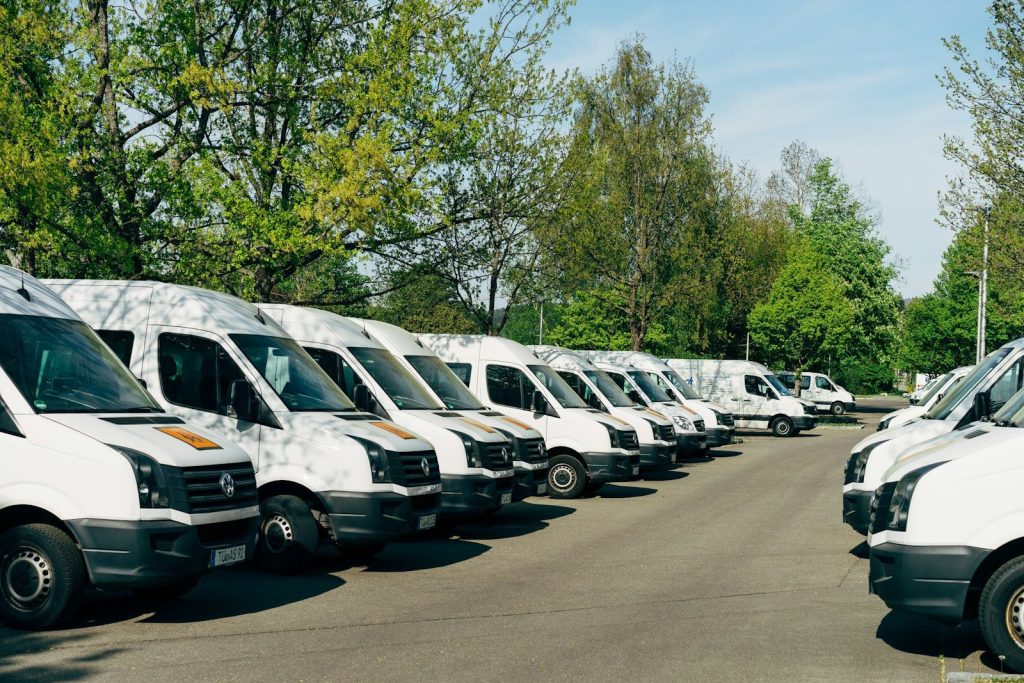
    cars parked on parking lot during daytime
    Photo by Markus Winkler on Unsplash

    Autonomous vehicle fleets are preparing to take over the transportation needs of entire nations. Humans are stopgap drivers. According to transport forecasts from McKinsey, giant technology corporations will soon own the vast majority of passenger vehicles on the road. Individuals will simply buy subscriptions to transportation networks. But this transition raises deep questions about the concept of personal privacy.

    The Death Of Driving Culture
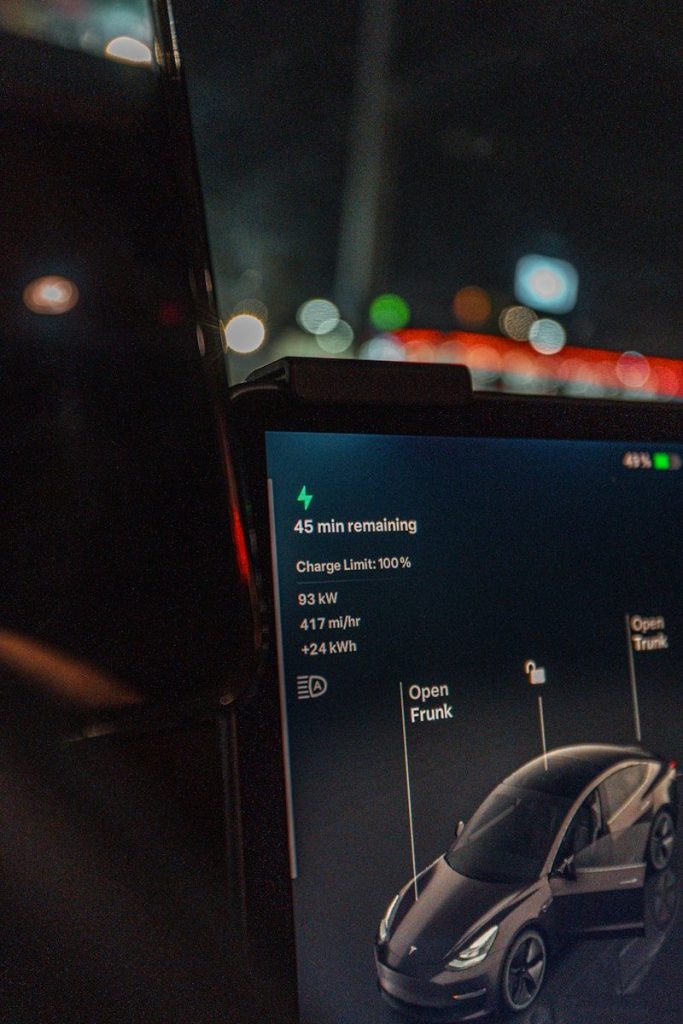
    Tesla charging and showing remaining time and stats.
    Photo by Peter Muniz on Unsplash

    The emotional connection that once linked youth identity with classic car models is disappearing. That spark is gone. According to cultural surveys from Pew Research, young adults view cars as simple appliances rather than personal statements. They value digital connectivity over horsepower. But this shift in priorities is forcing legacy manufacturers to completely reinvent their businesses.

    Software On Four Wheels

    a picture of a car dashboard with a display on the dashboard
    Photo by Priscilla Du Preez 🇨🇦 on Unsplash

    Modern electric vehicles require advanced code and software updates rather than traditional engine tuning. Hardware takes a backseat. According to technology reports from Bloomberg, software is now the primary selling point for next-generation transportation systems. Legacy car companies are struggling to transform into software development houses. But this rapid digitalization is leading to an entirely new model of shared transit.

    Reimagining How We Move

    A city street filled with lots of traffic at sunset
    Photo by Shariq Bakshi on Unsplash

    The end of traditional car ownership marks a major turning point in modern human society. We are moving forward. According to sociology researchers at Columbia University, a future built on shared autonomous transit will lead to cleaner cities and highly efficient travel. Our relationship with transportation is changing forever. This article is for informational purposes only.

    Featured Image: Photo by Prakhar Singh on Unsplash
  • How Automation Is Quietly Erasing Classic American Dining

    How Automation Is Quietly Erasing Classic American Dining

    Most people believe chain restaurants are closing simply due to rising food costs. We assume that bad management is driving these beloved diners away.

    But a massive technological shift is actually clearing out these physical spaces. Advanced automation and digital systems are completely transforming how we eat.

    The Rise Of Ghost Kitchens

    man in white chef suit cooking
    Photo by Damon Lam on Unsplash

    Entire neighborhoods are losing their local diners to centralized cooking hubs. These are digital facilities. According to research from the National Restaurant Association, massive automated warehouses now prepare food exclusively for delivery apps. This setup cuts down on expensive seating space and server staff. But this invisible shift is only the first step toward a totally robotic kitchen.

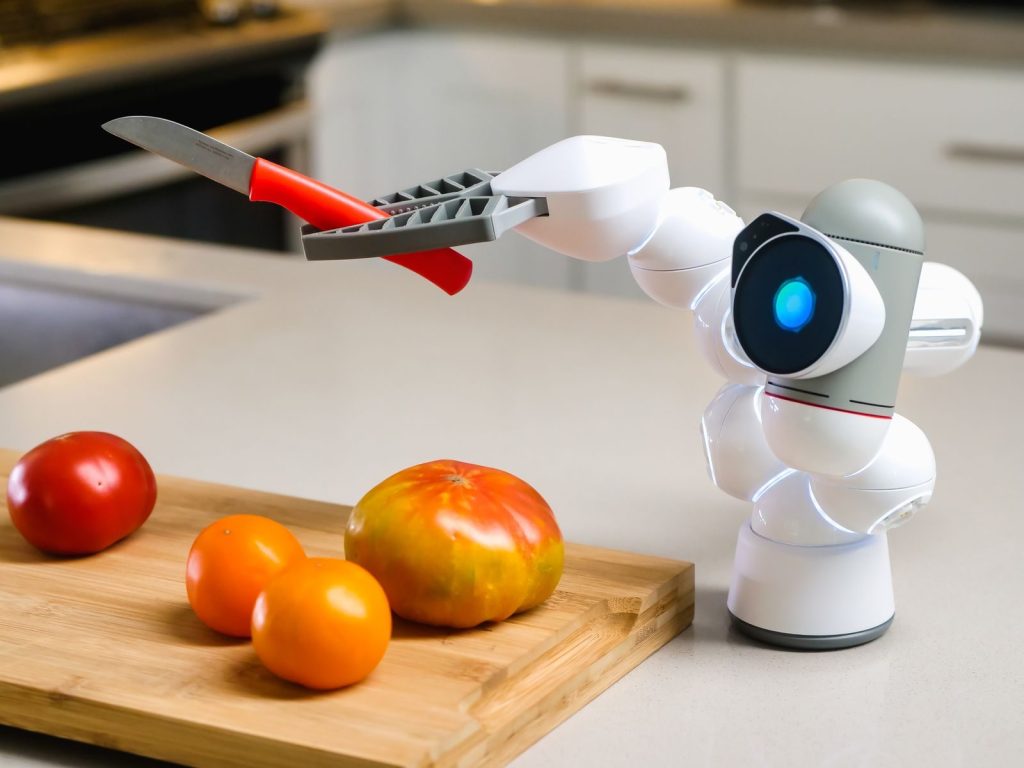
    Robots Taking Over The Kitchen

    Innovative robot using a knife on a wooden board with various tomatoes in a modern kitchen setting.
    Photo by Kindel Media on Pexels

    Human chefs are slowly sharing their workspaces with automated arms and computerized grills. Technology is moving fast. According to reports from McKinsey, robotic kitchen assistants can flip burgers and package fries with perfect precision. This hardware never takes sick days or demands higher wages. But a silent algorithm is making even bigger decisions behind the scenes.

    Algorithms Dictating The Menu

    people walking on street during nighttime
    Photo by cal gao on Unsplash

    Computers now decide exactly what food gets made and when it should ship. Data drives every choice. According to tech analysts at Gartner, modern restaurant software uses predictive modeling to adjust menu items in real time. This system cuts down waste by tracking customer cravings before they even order. But this heavy reliance on software is triggering a strange social consequence.

    The Loss Of Community Spaces

    Empty dining hall with tables and chairs
    Photo by Alan Jiang on Unsplash

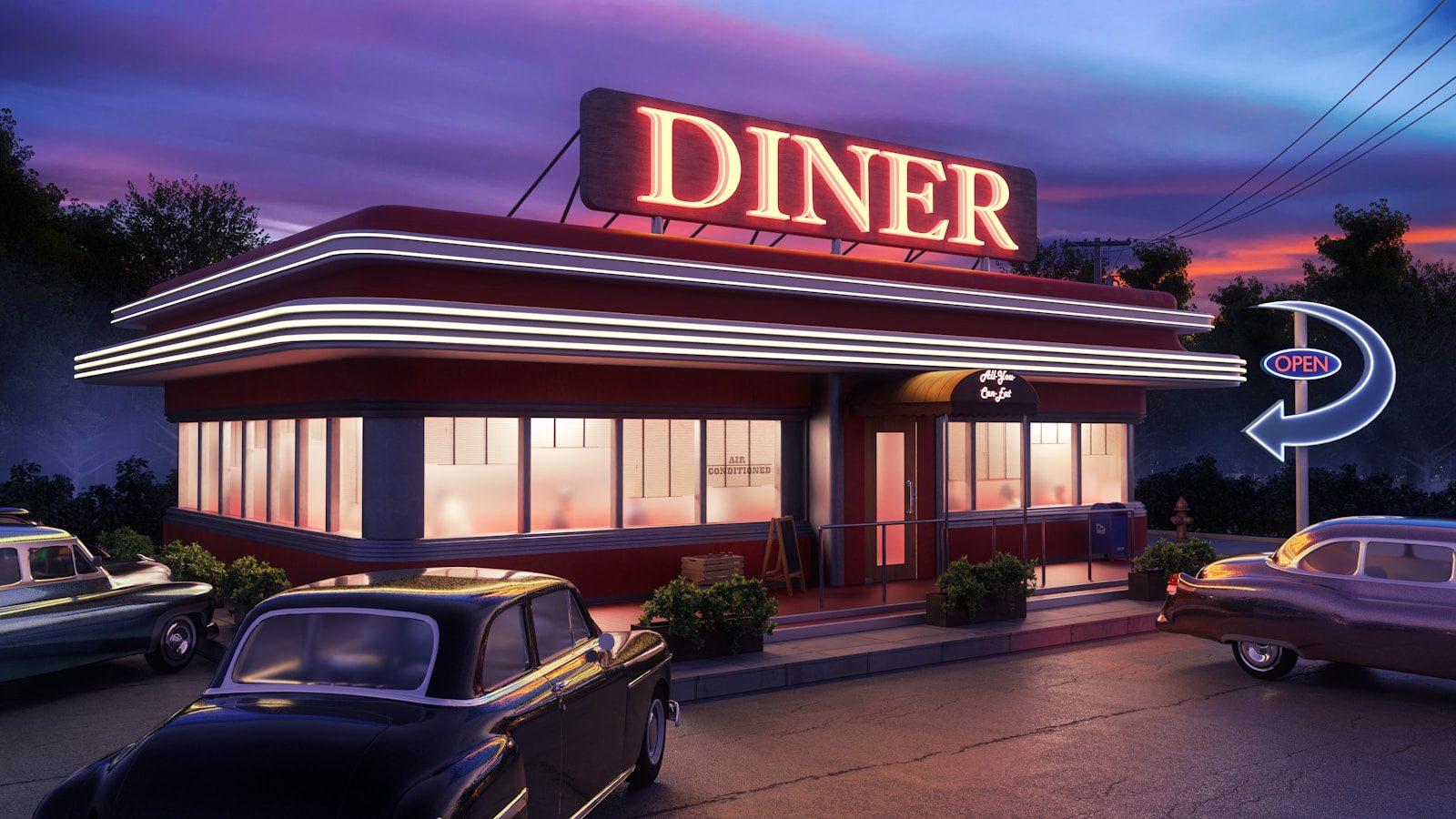
    Diners once served as vital social hubs for neighborhoods across the nation. That era is fading. According to social researchers at Harvard University, the decline of physical dining locations leaves communities with fewer casual gathering points. Screen-to-door delivery replaces real human interaction with a cold interface. But this isolation is opening the door for an entirely new tech trend.

    Automated Lockers Replace Staff

    yellow and white building during nighttime
    Photo by Yves Moret on Unsplash

    Picking up your dinner no longer requires saying hello to a host. Customers face glowing screens. According to food tech updates from Bloomberg, major chains are installing contactless pickup lockers that open with QR codes. This setup completely eliminates the need for front-of-house employees. But this extreme efficiency comes with a hidden cost that threatens the food itself.

    The Standardization Of Taste

    green plant on blue plastic container
    Photo by Petr on Unsplash

    When machines control the seasoning, every single meal tastes exactly the same. True culinary art disappears. According to culinary studies from Cornell University, automated cooking strips away the minor imperfections that make classic dining special. Every bite is chemically identical. But the ultimate phase of this digital revolution will change how we interact with brands forever.

    Our Automated Food Future

    brown wooden house covered with snow during sunset
    Photo by Fang-Yuan Chuang on Unsplash

    The classic diner is transforming into a high-tech food dispensary. This change is inevitable. According to digital economy experts, the restaurants that survive the decade will look more like tech startups than traditional eateries. Embracing this shift will redefine our social habits. This article is for informational purposes only.

    Featured Image: Photo by Visual Laurence on Unsplash

  • How Intelligent Automation Will Reshape Our Daily Careers

    How Intelligent Automation Will Reshape Our Daily Careers

    Most professionals assume that technical training is the only way to secure a stable career. We believe that learning complex coding languages guarantees a permanent place in the workforce.

    But advanced automation is quietly shifting the global job market in a different direction. Creative human soft skills are actually becoming the most valuable assets you can possess.

    Bypassing Basic Tasks

    black computer keyboard
    Photo by Fotis Fotopoulos on Unsplash

    Modern software programs can now generate complex coding scripts in a matter of seconds. According to reports from the World Economic Forum, this rapid automation is reducing the need for basic programming skills. The shift is fast. This efficiency means companies are looking for workers who can manage these systems rather than write lines manually. But guiding these machines requires a different mental skill.

    Mastering Smart Problem Solving

    two black flat screen computer monitors
    Photo by Fotis Fotopoulos on Unsplash

    While computer algorithms are highly efficient, they struggle to adapt when unexpected bugs disrupt a system. According to reports from technology industry analysts, human managers are essential to evaluate and correct these computer errors. They are brilliant. This critical thinking allows workers to solve complex challenges that confuse simple software. But coordinating these solutions requires bringing different people together.

    Leading Dynamic Team Collaboration

    people sitting at the table
    Photo by Memento Media on Unsplash

    Computers cannot understand the subtle emotional dynamics that drive a creative business team. According to reports from organizational psychologists, leaders who possess high emotional intelligence are highly successful at managing workplace relationships. Empathy is key. This human touch helps to build trust and keep employees motivated during stressful projects. But communicating these ideas effectively requires another unique skill.

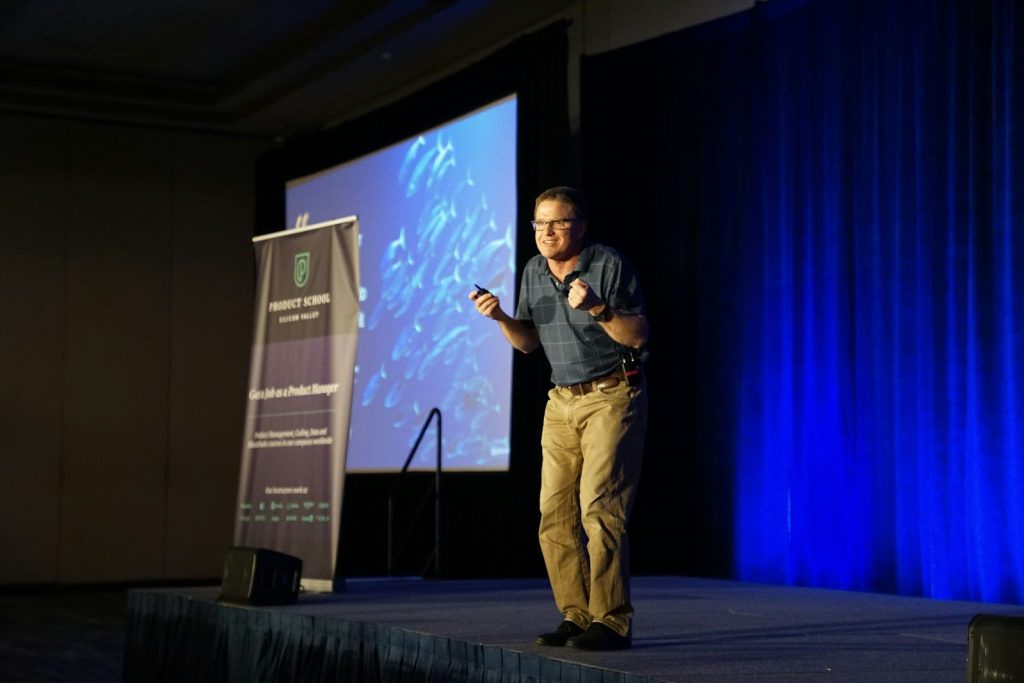
    Translating Complex Data Simply

    man standing on stage
    Photo by Product School on Unsplash

    Raw digital data is completely useless unless someone can explain its real meaning to others. According to reports from business consultants, workers who can translate technical statistics into simple stories are highly valued. Stories connect people. This narrative skill helps companies make smart strategic decisions based on computer research. But finding these creative storytellers is becoming a major challenge for recruiters.

    Designing Bizarre Creative Concepts

    tuned on Macbook
    Photo by Theme Photos on Unsplash

    Smart algorithms are trained to copy existing patterns rather than invent completely new art styles. According to reports from creative designers, human artists are still necessary to push aesthetic boundaries and draft unique marketing campaigns. Originality is rare. This creative spark ensures that a company’s branding remains fresh and engaging for consumers. But adapting to these changes requires a flexible mind.

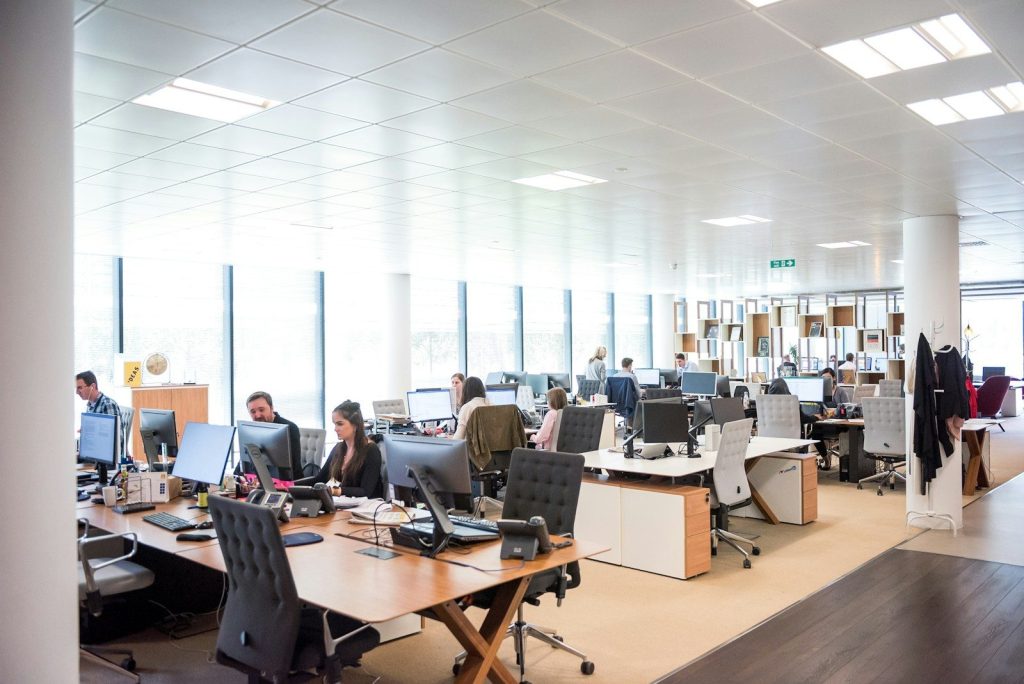
    Training For Cognitive Flexibility

    people working at desks in open office
    Photo by Arlington Research on Unsplash
    The modern workplace changes so rapidly that memorizing specific facts is no longer enough to succeed. According to reports from educational specialists, learning how to learn is the ultimate survival tool for the future. Adaptability is everything. Professionals who can quickly master fresh tools will always remain valuable to employers. But the final success of this transition relies on our self-awareness.

    Shaping A Human Economy

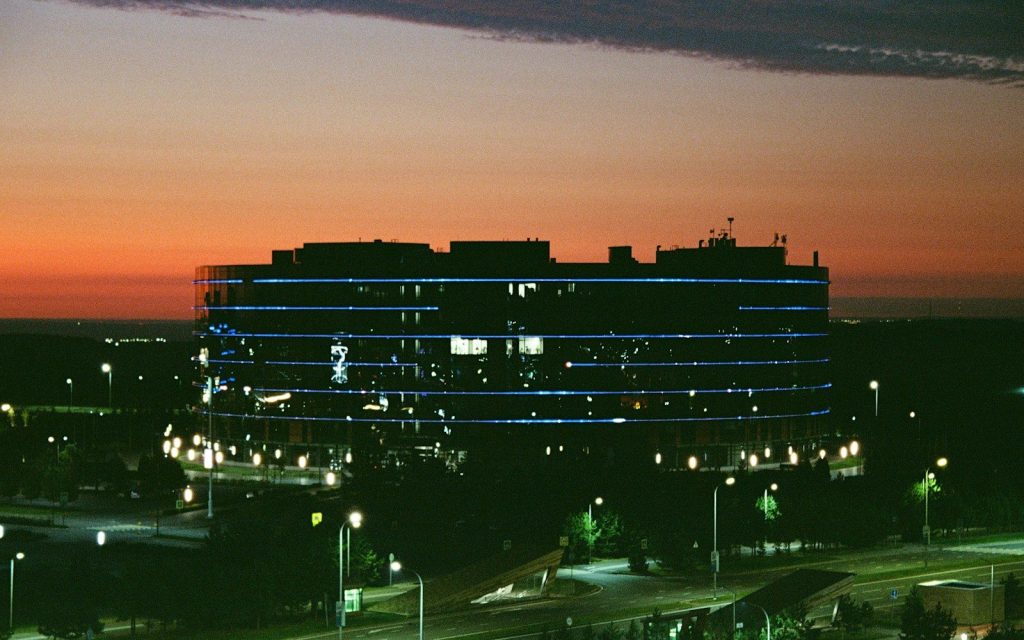
    Modern office building illuminated at dusk with sunset sky.
    Photo by Kamil Foatov on Unsplash
    Understanding our unique qualities as humans allows us to appreciate technical progress. According to reports from researchers, using smart software to automate repetitive tasks can free up time for creative discoveries. Innovation remains essential. This article is for informational purposes only.

    Featured Image: Photo by Vitaly Gariev on Unsplash

  • How Humanoid Automation Could Rewrite Global Wealth

    How Humanoid Automation Could Rewrite Global Wealth

    Most economy watchers assume that robotic helpers will only serve as expensive toys for wealthy tech users. We believe that automated assistants have little impact on the general financial market.

    But a massive shift toward mobile hardware is quietly preparing an economic revolution. The rapid deployment of bipedal machines could permanently alter how the world generates abundance.

    The Manual Labor Crisis

    a man is walking down a dark alley way
    Photo by 5010 on Unsplash

    Many essential industries across the globe are facing a permanent shortage of physical workers. According to reports from the International Labor Organization, millions of manufacturing jobs remain empty each year. The gap is real. This lack of labor drives up the price of raw goods and strains supply chains. But mobile automation is designed to step directly into these vacant roles.

    Entering Existing Human Workspaces

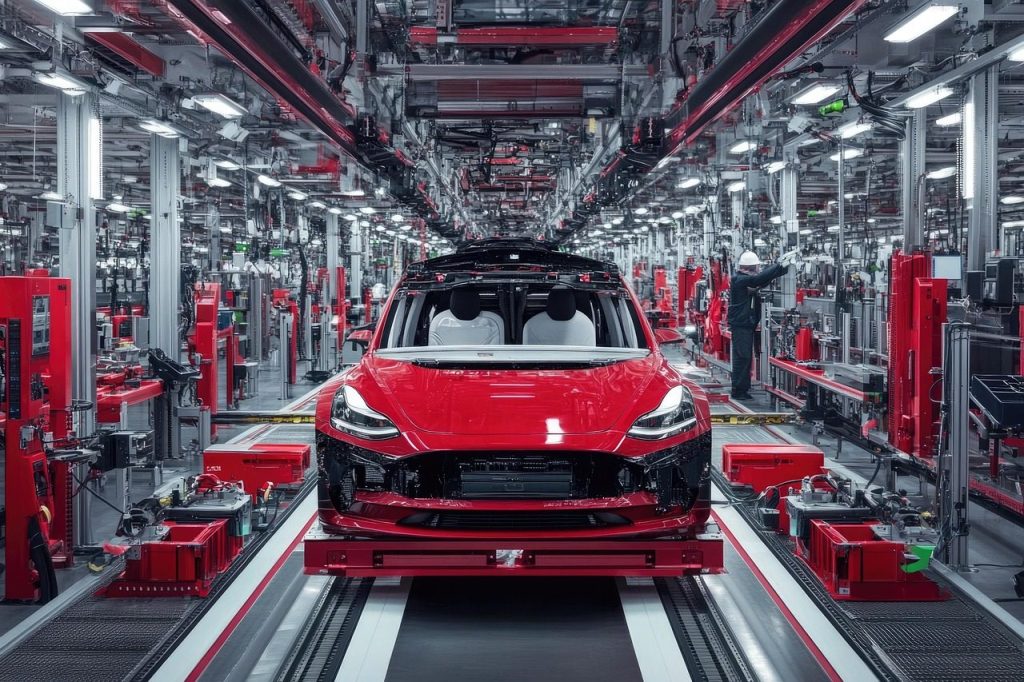
    ai generated, electric, vehicle, manufacturing, factory, production, assembly line, industrial, technology, modern, transport, engineering, factory interior, automation, conveyor, electric car, machinery, automobile
    Photo by Yamu_Jay on Pixabay

    Humanoid hardware can easily navigate factories without requiring owners to rebuild the infrastructure. According to architectural design files, buildings and assembly tools are optimized strictly for the human form. The machines must adapt. Building bipedal helpers allows companies to deploy automation immediately on existing production lines. But coordinating these metallic bodies requires an incredible amount of computer power.

    Running On Autonomous Networks

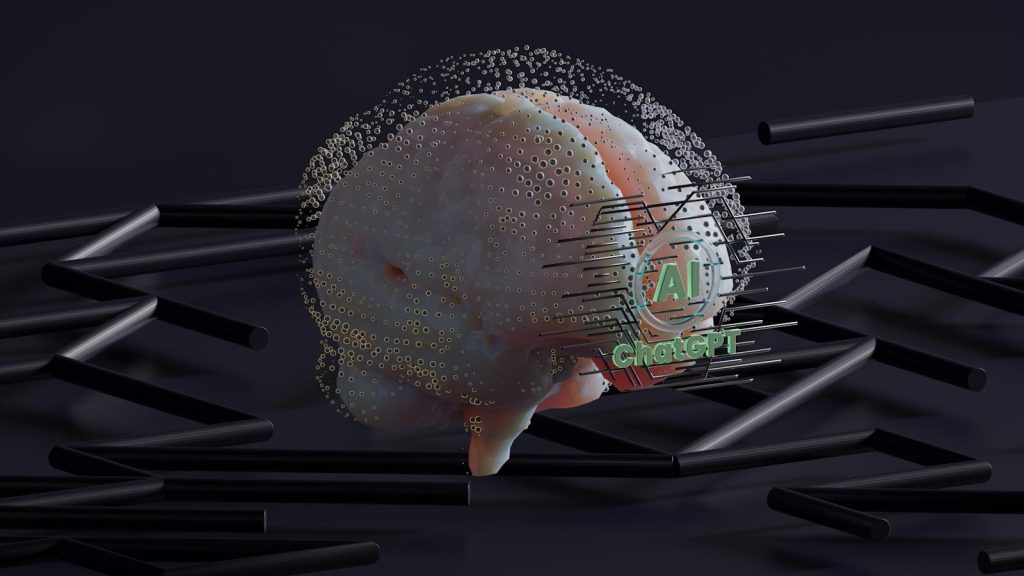
    a computer generated image of a human head
    Photo by Growtika on Unsplash

    The robotic limbs are directed by the same software that navigates advanced electric vehicles. According to artificial intelligence developers, these neural networks map the surrounding terrain in real time. The learning is constant. This onboard intelligence allows the machine to handle unexpected physical tasks without human help. But managing these complex moving joints requires highly specialized electric motors.

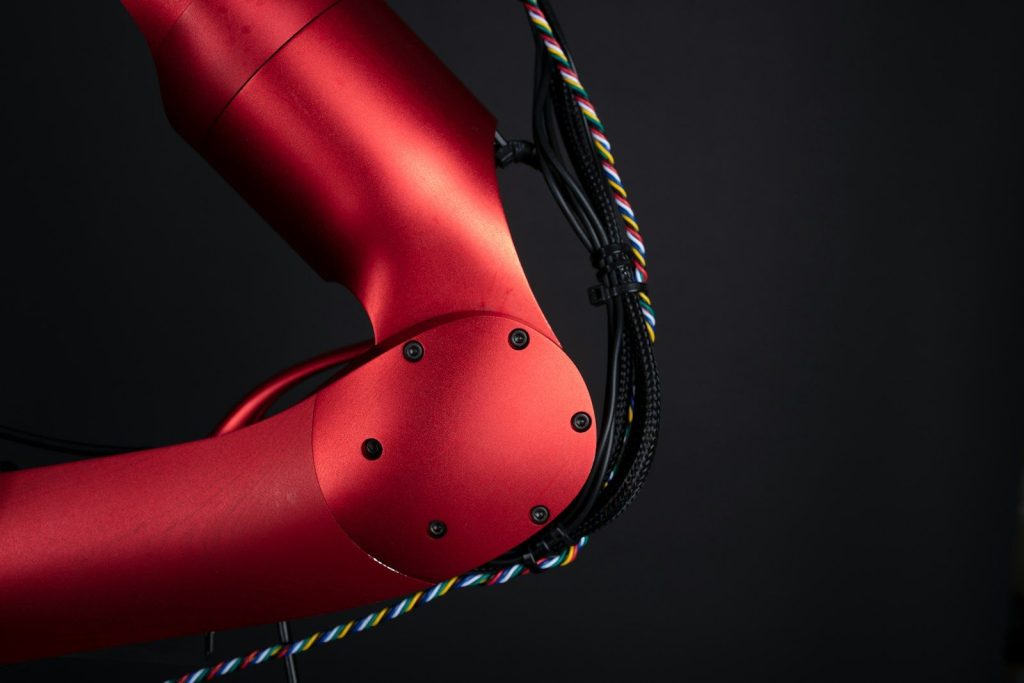
    Powering High Torque Limbs

    a close up of a red bike with a black background
    Photo by Mathew Schwartz on Unsplash
    Replicating the fluid mechanics of human muscles demands incredibly precise joint actuators. According to mechanical hardware reviews, developers must design custom sensors to rotate limbs smoothly. The torque is intense. This specialized setup ensures the robot can lift heavy crates and balance perfectly on uneven floors. But this high-performance hardware remains incredibly expensive to produce.

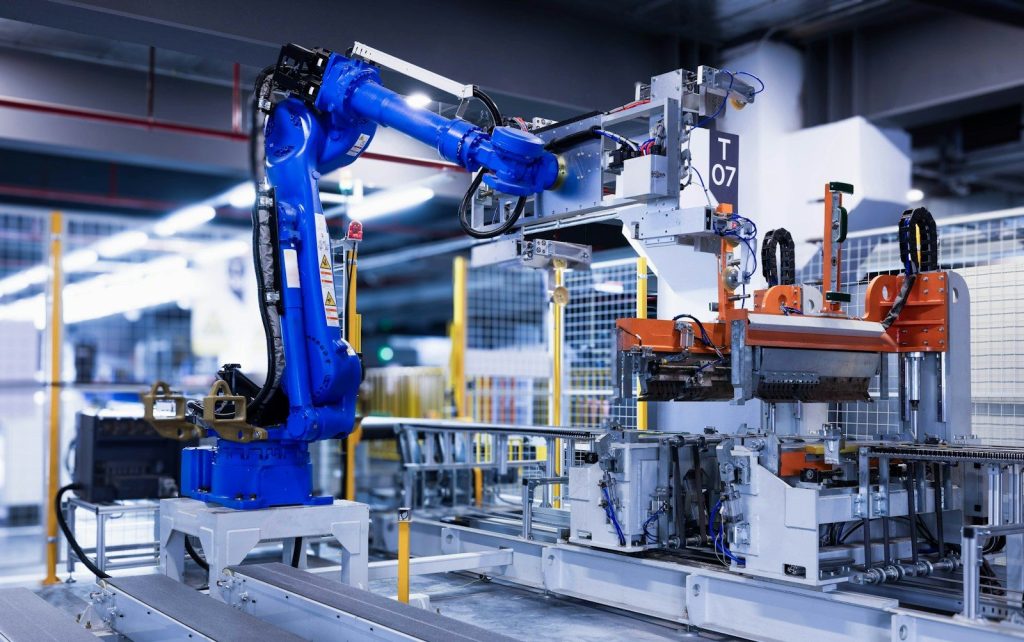
    The Mass Production Goal

    blue industrial robot arm in factory
    Photo by Homa Appliances on Unsplash

    Lowering the price of advanced robotics requires manufacturing millions of units systematically. According to market analysts, scaling up production will eventually drop the cost of a humanoid to under twenty thousand dollars. They are highly efficient. This affordable pricing is what will allow businesses of all sizes to adopt walking helpers. But this widespread release is raising serious safety questions.

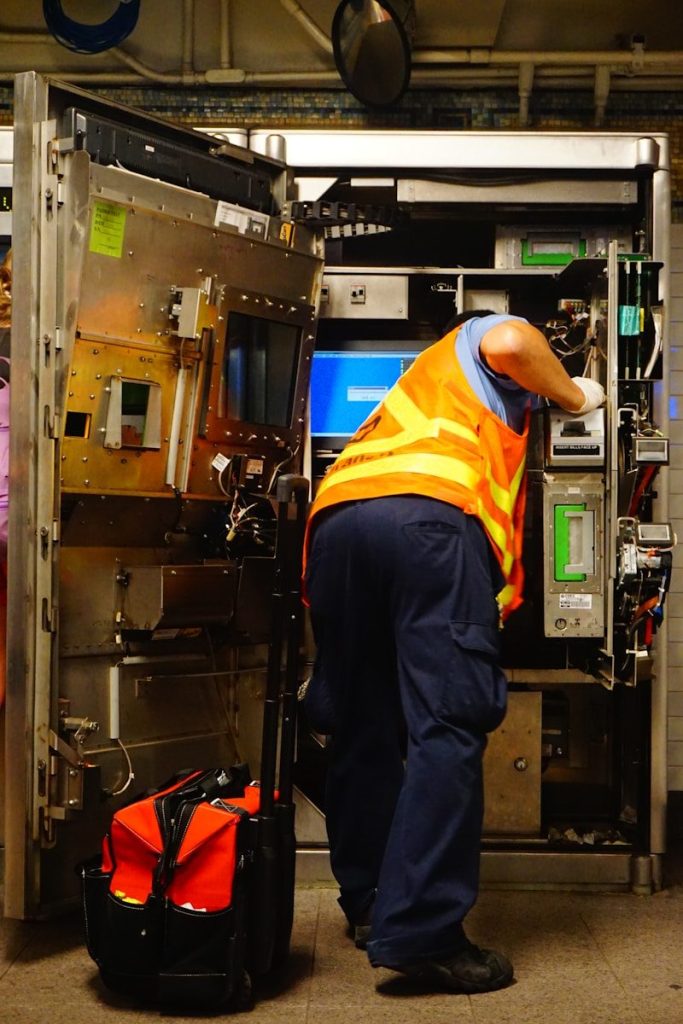
    Ensuring Safe Human Cohabitation

    man standing and fixing machine
    Photo by Dimitar Belchev on Unsplash

    Traditional heavy machinery must operate inside locked steel cages to protect nearby workers. According to safety research papers, next-generation humanoids use force-limiting sensors to halt movement instantly upon touch. Protection is absolute. This safety shield allows humans and walking machines to work side-by-side on the same tasks. But the ultimate economic impact of this partnership is massive.

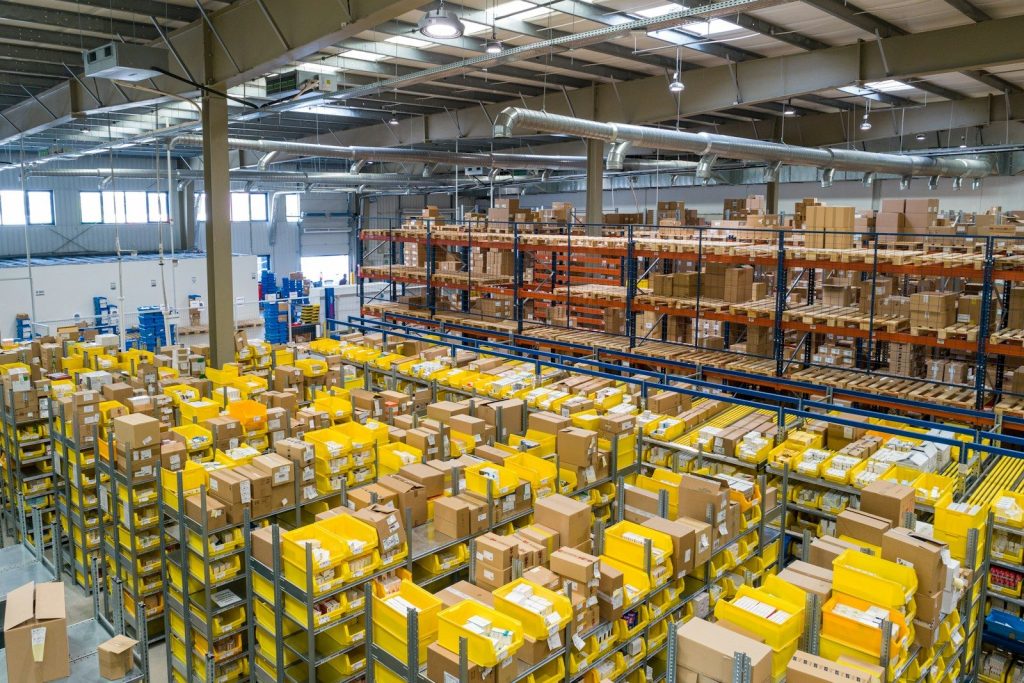
    The Abundance Economy Concept

    yellow and white plastic box lot
    Photo by Adrian Sulyok on Unsplash

    Eliminating the cost of physical labor could trigger a massive drop in the price of daily goods. According to economic theorists, this efficiency will dramatically increase the purchasing power of regular families. Wealth could skyrocket. This abundance shift would allow humanity to focus on creative tasks rather than repetitive chores. But transitioning to this automated future requires careful planning.

    Unlocking Our Future Potential

    high rise buildings during sunset
    Photo by Bing Hui Yau on Unsplash

    Transitioning to a highly automated society represents the next major milestone in our industrial history. According to financial researchers, using smart hardware to manage dangerous tasks will make global systems more resilient. Change is happening. This article is for informational purposes only.

    Featured Image: Photo by Arseny Togulev on Unsplash

  • The Human Skills Rising Above Artificial Intelligence

    The Human Skills Rising Above Artificial Intelligence

    Most professionals assume that technical training is the only way to secure a career. We believe that learning complex coding languages guarantees a stable place in the future workforce.

    But advanced automation is quietly shifting the job market in a different direction. Creative human soft skills are actually becoming the most valuable assets you can possess.

    Bypassing Standard Coding Tasks

    a computer with a keyboard and mouse
    Photo by Growtika on Unsplash
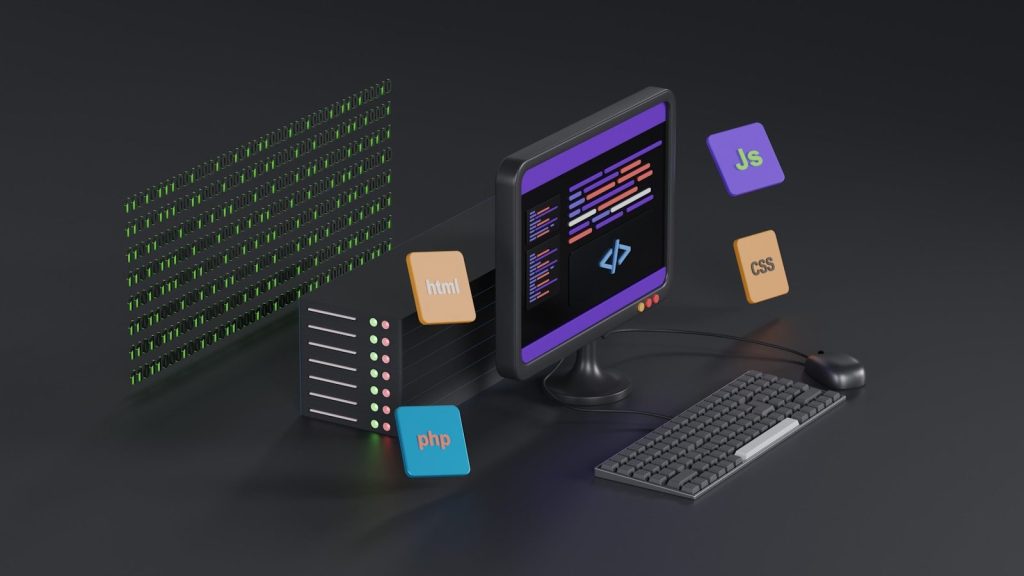
    Modern software programs can now generate complex coding scripts in a matter of seconds. According to reports from the World Economic Forum, this rapid automation is reducing the need for basic programming skills. The shift is fast. This efficiency means companies are looking for workers who can manage these systems rather than write lines manually. But guiding these machines requires a different mental skill.

    Mastering Smart Problem Solving

    a man sitting at a desk with a computer and a keyboard
    Photo by Accuray on Unsplash

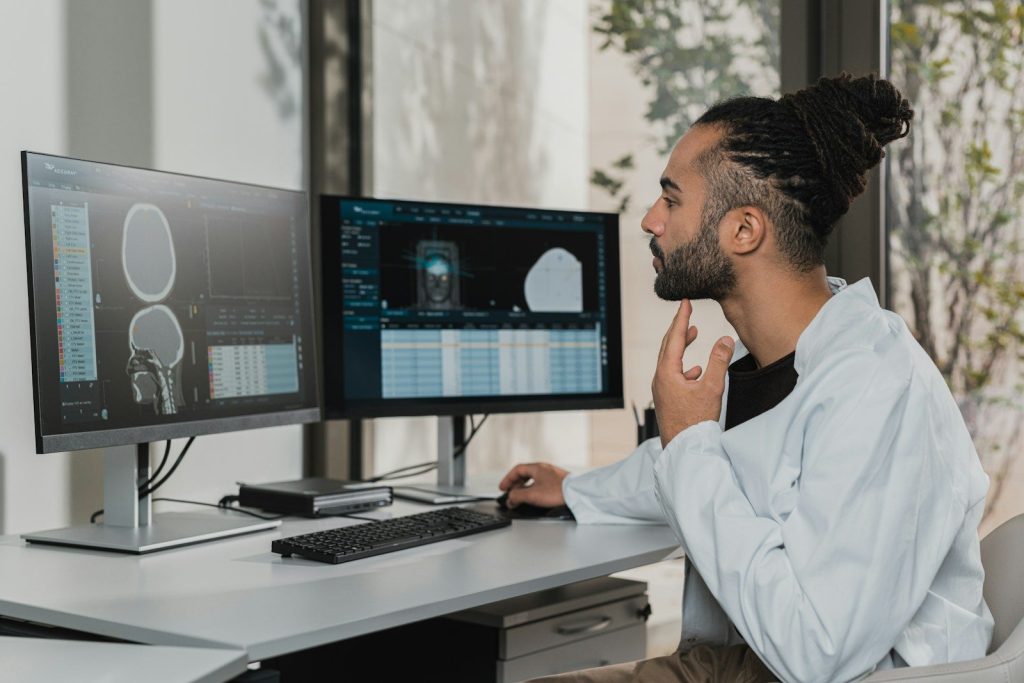
    While computer algorithms are highly efficient, they struggle to adapt when unexpected bugs disrupt a system. According to reports from technology industry analysts, human managers are essential to evaluate and correct these computer errors. They are brilliant. This critical thinking allows workers to solve complex challenges that confuse simple software. But coordinating these solutions requires bringing different people together.

    Leading Dynamic Team Collaboration

    people sitting at the table
    Photo by Memento Media on Unsplash

    Computers cannot understand the subtle emotional dynamics that drive a creative business team. According to reports from organizational psychologists, leaders who possess high emotional intelligence are highly successful at managing workplace relationships. Empathy is key. This human touch helps to build trust and keep employees motivated during stressful projects. But communicating these ideas effectively requires another unique skill.

    Translating Complex Data Simply

    Woman presents charts on a screen to colleagues.
    Photo by Vitaly Gariev on Unsplash

    Raw digital data is completely useless unless someone can explain its real meaning to others. According to reports from business consultants, workers who can translate technical statistics into simple stories are highly valued. Stories connect people. This narrative skill helps companies make smart strategic decisions based on computer research. But finding these creative storytellers is becoming a major challenge for recruiters.

    Designing Bizarre Creative Concepts

    tuned on Macbook
    Photo by Theme Photos on Unsplash

    Smart algorithms are trained to copy existing patterns rather than invent completely new art styles. According to reports from creative designers, human artists are still necessary to push aesthetic boundaries and draft unique marketing campaigns. Originality is rare. This creative spark ensures that a company’s branding remains fresh and engaging for consumers. But adapting to these changes requires a flexible mind.

    Training For Cognitive Flexibility

    man walking on stairs
    Photo by Proxyclick Visitor Management System on Unsplash

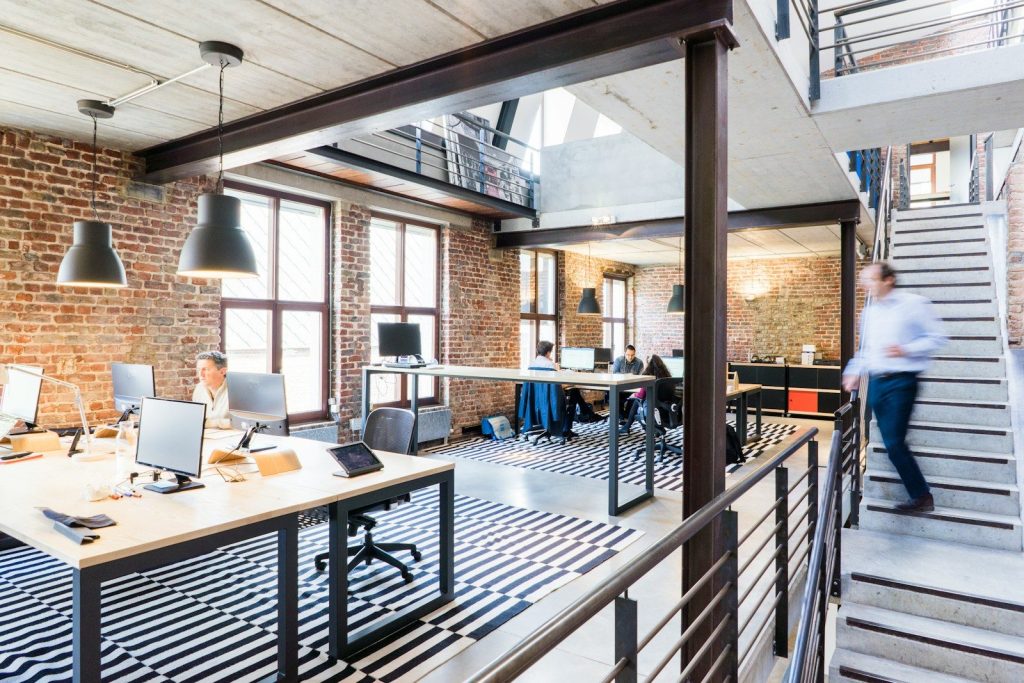
    The modern workplace changes so rapidly that memorizing specific facts is no longer enough to succeed. According to reports from educational specialists, learning how to learn is the ultimate survival tool for the future. Adaptability is everything. Professionals who can quickly master fresh tools will always remain valuable to employers. But the final success of this transition relies on our self-awareness.

    Shaping A Human Economy

    Stunning aerial view of Apple Park in Cupertino, California during a beautiful sunset.
    Photo by Zetong Li on Pexels

    Understanding our unique qualities as humans allows us to appreciate technical progress. According to reports from researchers, using smart software to automate repetitive tasks can free up time for creative discoveries. Innovation remains essential. This article is for informational purposes only.

    Featured Image: Photo by Vitaly Gariev on Unsplash

  • The Only Career Paths Safe From the AI Takeover

    The Only Career Paths Safe From the AI Takeover

    Most professionals assume that their hard-earned college degrees will protect their careers from automation. We believe that creative and highly technical jobs are completely immune to artificial intelligence.

    But a prominent technology pioneer has issued a sobering warning about the future workforce. He claims that only a few highly specific fields are truly safe.

    Squeezing Traditional White Collar

    a person typing on a laptop computer on a desk
    Photo by Kit (formerly ConvertKit) on Unsplash

    Rapid developments in generative software are transforming how businesses operate globally. According to labor economics reports, smart algorithms can now write code, draft legal contracts, and design marketing materials in seconds. The speed is terrifying. This efficiency is forcing corporations to reduce their reliance on human workers. But identifying which jobs can survive this shift is a massive struggle.

    The Bill Gates Prediction

    man in white button up shirt holding black tablet computer
    Photo by National Cancer Institute on Unsplash

    A legendary software pioneer analyzed the capabilities of modern machine learning models to identify safe careers. According to statements from Bill Gates, only three primary fields possess a natural shield against artificial intelligence. They are highly resilient. These sectors rely on complex human interactions and physical real-world skills that software cannot replicate. But the first safe path is directly linked to our health.

    Healing Hands In Medicine

    woman in green shirt sitting in front of computer
    Photo by ThisisEngineering on Unsplash

    Caring for the human body requires a deep level of empathy and physical dexterity that machines lack. According to healthcare research studies, clinical medicine and elderly care remain highly secure from automated takeover. Empathy is vital. Patients naturally demand real human connection and comfort when facing health crises. But a secondary safe path is driving the development of these systems.

    Masters Of The Code

    man in black jacket and orange helmet sitting on brown wooden ladder during daytime
    Photo by Yang Dawei on Unsplash

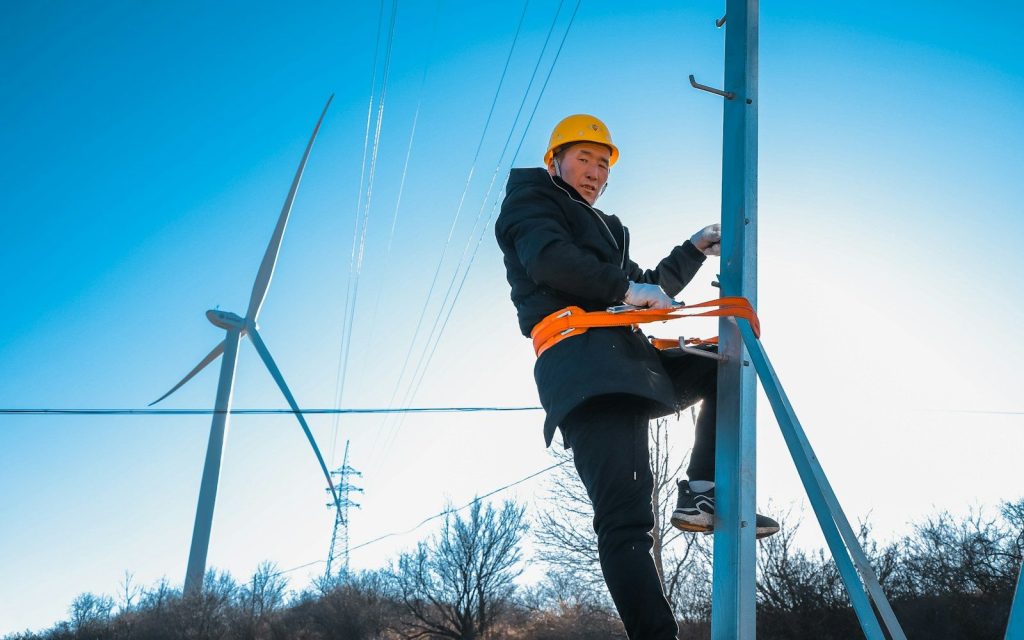
    While software can write basic scripts, designing highly complex technology systems still requires human creators. According to technology industry analysts, expert software developers and engineers are essential to guide the machines. The logic is complex. Humans must continue to design, monitor, and regulate the algorithms to prevent catastrophic system errors. But the third safe sector keeps our planet running.

    Securing Our Energy Grid

    people sitting on blue carpet
    Photo by CDC on Unsplash

    The global transition toward clean power requires massive physical upgrades to our electrical infrastructure. According to energy sector reports, engineers and technicians working on renewable grids are highly safe from automation. The work is physical. Climbing wind turbines and maintaining high-voltage power lines are tasks that software simply cannot execute. But adapting to this shift requires a major change in education.

    Training For Cognitive Flexibility

    people on conference table looking at talking woman
    Photo by Christina @ wocintechchat.com M on Unsplash

    Traditional schools must stop teaching students to memorize facts and start focusing on creative problem-solving. According to educational specialists, teaching cognitive flexibility will prepare the next generation for a changing job market. Adaptability is key. Workers who can quickly master fresh digital tools will remain highly valuable to employers. But the ultimate success of this transition depends on our awareness.

    Shaping A Human Economy

    A brightly lit modern hallway with industrial design and a yellow guideline.
    Photo by Lilamaria Coulon on Pexels

    Understanding our unique qualities as humans allows us to appreciate cognitive progress. According to researchers, using technology to automate repetitive tasks can free up time for creative discoveries. Innovation is essential. This article is for informational purposes only.

    Featured Image: Photo by Pavel Danilyuk on Pexels

  • Why Wealthy Elites Are Building Giant Underground Fortresses

    Why Wealthy Elites Are Building Giant Underground Fortresses

    Most citizens assume that billionaires spend their massive fortunes only on luxury yachts and private islands. We believe that their investments are entirely focused on high-tech business startups.

    But a spectacular wave of subterranean construction is revealing a different survival trend. Elite tech executives are quietly building giant self-sufficient fortresses deep beneath the earth.

    Digging Deep For Safety

    Detailed view of a large rusty industrial drill bit with mud, set outdoors on rough terrain.
    Photo by Peter Dyllong on Pexels

    A routine land survey in multiple remote regions has uncovered a massive surge in deep excavation projects. According to reports from the Federal Emergency Management Agency, several wealthy individuals are constructing sprawling survival bunkers. The scale is monumental. These underground complexes are designed to operate entirely independent of the grid. But keeping these sites powered requires an incredible amount of preparation.

    Powering The Hidden Chambers

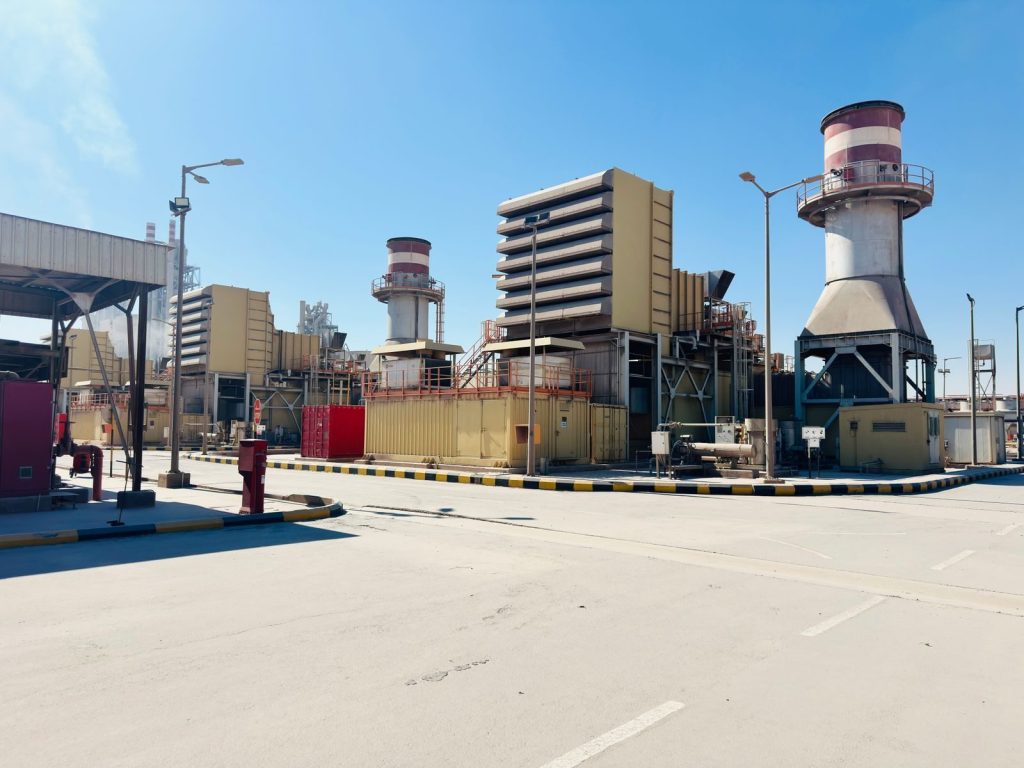
    A modern power plant with turbines and chimneys under a clear blue sky in Saudi Arabia.
    Photo by Mumtaz Niazi on Pexels

    The sheer volume of power required to keep the processors active is staggering. According to power transmission engineers, these bunkers utilize specialized geothermal generators and miniature nuclear reactors. They run silently. This independent power setup ensures that the security systems remain active during a total collapse of the local grid. But managing this electrical current is only the first challenge.

    Water From Ancient Wells

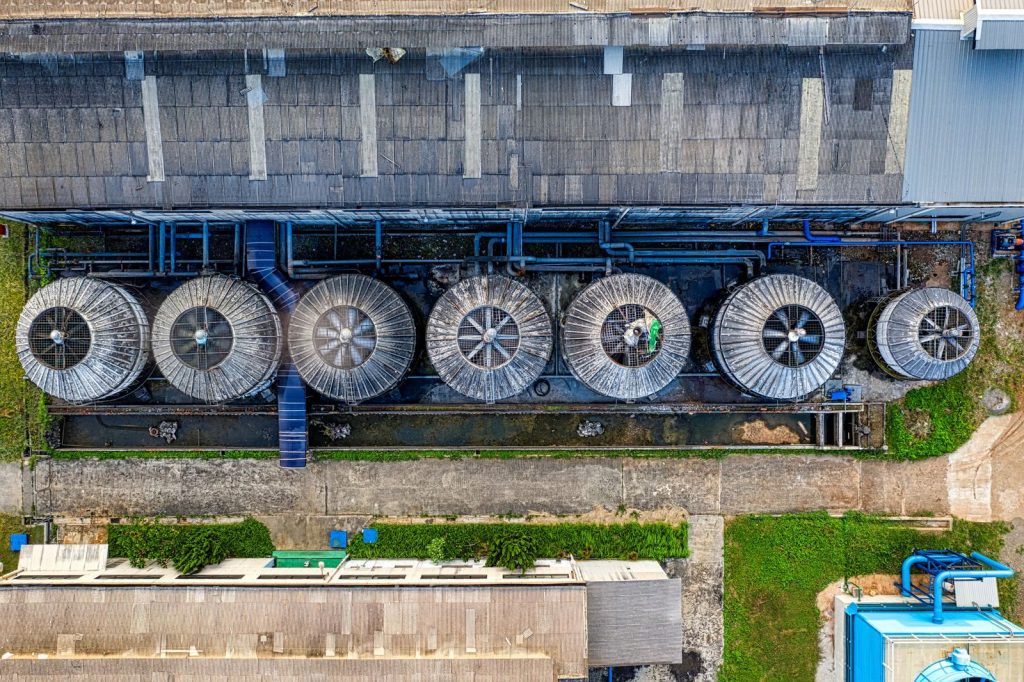
    Drone view of industrial terrain with treatment plants located in suburban area in sunlight
    Photo by Tom Fisk on Pexels

    A permanent survival base cannot rely on standard public water lines that could easily be shut off. According to hydrological impact studies, these bunkers feature deep water filtration systems that tap into pristine underground aquifers. The water is pure. This advanced filtering allows the residents to recycle and reuse every single drop of liquid on board. But keeping the air fresh requires another mechanical marvel.

    Breathing Through HEPA Shields

    Blue industrial dust collector with yellow ladder
    Photo by Spencer Plouzek on Unsplash

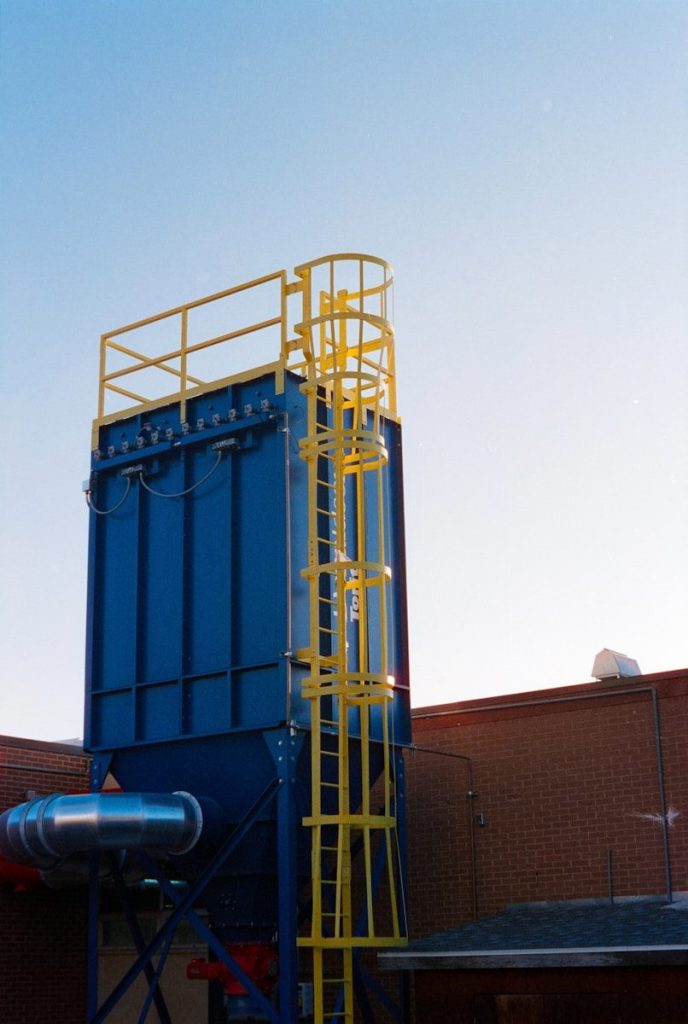
    The air supply inside the fortress must be protected from external chemical or biological hazards. According to reports from the Defense Threat Reduction Agency, builders install military-grade air filtration systems that block toxic particles. The barrier is absolute. This active pressure setup prevents any contaminated surface air from entering the living spaces. But growing food in the dark is the next hurdle.

    Farming Without Solar Rays

    pink white and yellow hallway
    Photo by Petr on Unsplash

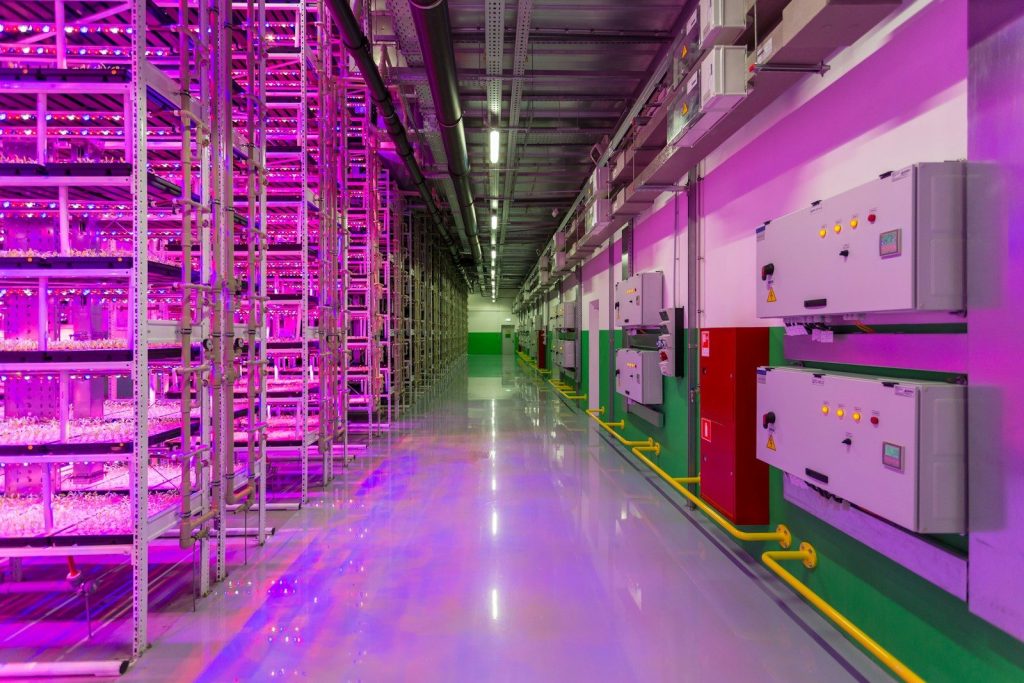
    Living underground for years requires a reliable way to produce fresh food without natural sunlight. According to agricultural geologists, these complexes are equipped with automated vertical farms running on high-efficiency LED lights. They are highly efficient. These closed-loop hydroponic systems can cultivate vegetables and fruits rapidly using minimal resources. But keeping the residents sane during long stays is a massive psychological struggle.

    Simulated Natural Windows

    Vibrant false-color landscape with orange trees and bright blue sky.
    Photo by Wolfgang Hasselmann on Unsplash

    Spending months in solid rock chambers can cause intense feelings of claustrophobia and mental fatigue. According to clinical psychology reports, these luxury bunkers feature giant high-resolution screens that simulate sunny outdoor landscapes. The view looks real. These digital windows shift color dynamically to mimic natural day and night cycles to regulate sleep patterns. But this massive survival trend is raising serious ethical questions.

    The Ultimate Security Shield

    Modern building illuminated by the golden sunset.
    Photo by Francis Nie on Unsplash

    This private fortress boom reminds us of the growing divide between global elites and regular citizens. According to social scientists, building these survival structures shows a profound lack of faith in our shared future. Balance remains essential. This article is for informational purposes only.

    Featured Image: Photo by Julia Volk on Pexels

  • The Human Skills Surviving the Smart Automation Shift

    The Human Skills Surviving the Smart Automation Shift

    Most professionals assume that technical training is the only way to secure a stable career. We believe that learning complex coding languages guarantees a permanent place in the future workforce.

    But advanced automation is quietly shifting the job market in a different direction. Creative human soft skills are actually becoming the most valuable assets you can possess.

    Bypassing Standard Coding Tasks

    laptop computer beside monitor with keyboard and mouse
    Photo by Pakata Goh on Unsplash

    Modern software programs can now generate complex coding scripts in a matter of seconds. According to reports from the World Economic Forum, this rapid automation is reducing the need for basic programming skills. The shift is fast. This efficiency means companies are looking for workers who can manage these systems rather than write lines manually. But guiding these machines requires a different mental skill.

    Mastering Smart Problem Solving

    Colleagues collaborate while examining computer designs.
    Photo by Evgeniy Surzhan on Unsplash

    While computer algorithms are highly efficient, they struggle to adapt when unexpected bugs disrupt a system. According to reports from technology industry analysts, human managers are essential to evaluate and correct these computer errors. They are brilliant. This critical thinking allows workers to solve complex challenges that confuse simple software. But coordinating these solutions requires bringing different people together.

    Leading Dynamic Team Collaboration

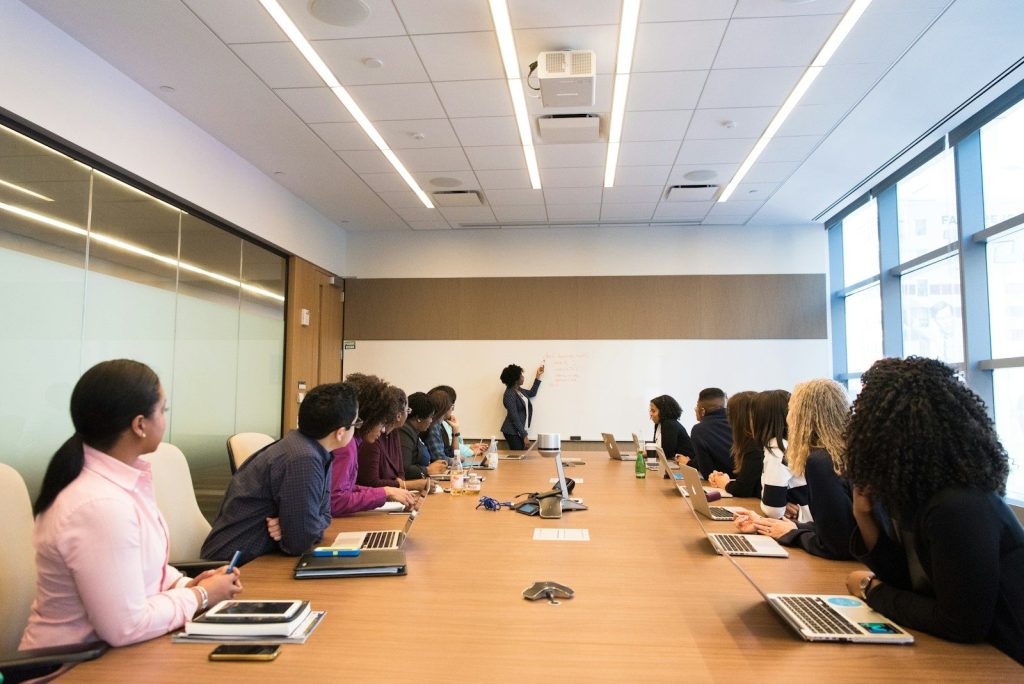
    Business people in a meeting around a table.
    Photo by Vitaly Gariev on Unsplash

    Computers cannot understand the subtle emotional dynamics that drive a creative business team. According to reports from organizational psychologists, leaders who possess high emotional intelligence are highly successful at managing workplace relationships. Empathy is key. This human touch helps to build trust and keep employees motivated during stressful projects. But communicating these ideas effectively requires another unique skill.

    Translating Complex Data Simply

    Man presenting charts on a large screen.
    Photo by Vitaly Gariev on Unsplash

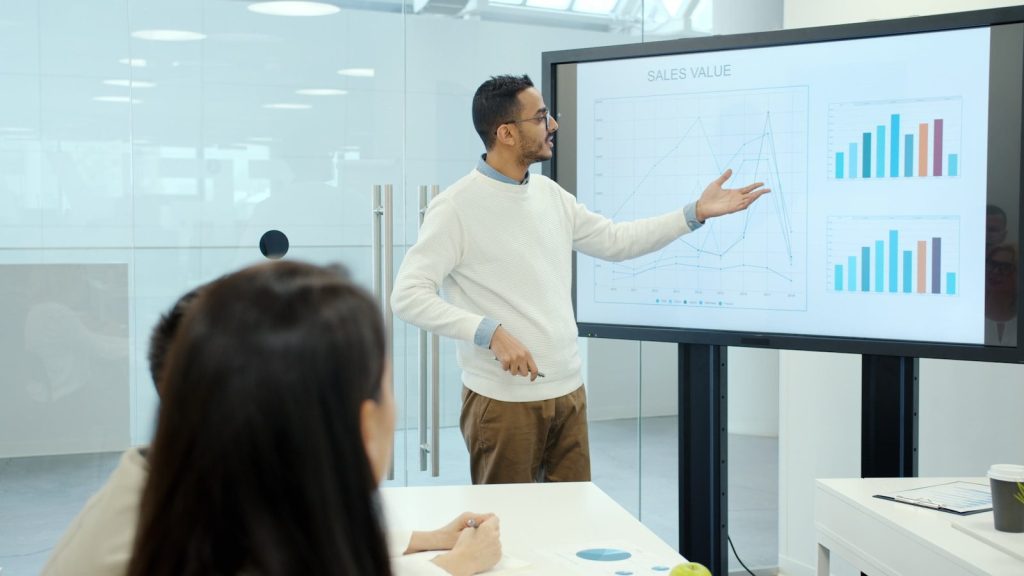
    Raw digital data is completely useless unless someone can explain its real meaning to others. According to reports from business consultants, workers who can translate technical statistics into simple stories are highly valued. Stories connect people. This narrative skill helps companies make smart strategic decisions based on computer research. But finding these creative storytellers is becoming a major challenge for recruiters.

    Designing Creative Core Concepts

    person holding silver fork on white paper
    Photo by Kelly Sikkema on Unsplash

    Smart algorithms are trained to copy existing patterns rather than invent completely new art styles. According to reports from creative designers, human artists are still necessary to push aesthetic boundaries and draft unique marketing campaigns. Originality is rare. This creative spark ensures that a company’s branding remains fresh and engaging for consumers. But adapting to these changes requires a flexible mind.

    Training For Cognitive Flexibility

    a group of people sitting around a table
    Photo by Bernd 📷 Dittrich on Unsplash

    The modern workplace changes so rapidly that memorizing specific facts is no longer enough to succeed. According to reports from educational specialists, learning how to learn is the ultimate survival tool for the future. Adaptability is everything. Professionals who can quickly master fresh tools will always remain valuable to employers. But the final success of this transition relies on our self-awareness.

    Shaping A Human Economy

    The sun is shining through the windows of a building
    Photo by Yihan Wang on Unsplash

    Understanding our unique qualities as humans allows us to appreciate technical progress. According to reports from researchers, using smart software to automate repetitive tasks can free up time for creative discoveries. Innovation remains essential. This article is for informational purposes only.

    Featured Image: Photo by Vitaly Gariev on Unsplash

  • How Custom Code Saved Car Factories From Total Collapse

    How Custom Code Saved Car Factories From Total Collapse

    Most drivers assume that car factories fail because they run out of basic metal parts. We believe physical materials are the only things holding up manufacturing pipelines.

    But a major technology crisis revealed a very different manufacturing bottleneck. A brilliant software rewrite saved one electric vehicle giant from complete ruin.

    The Hidden Industrial Bottleneck

    a close up of a piece of electronic equipment
    Photo by Vishnu Mohanan on Unsplash

    A global chip shortage recently threatened to halt vehicle manufacturing across the world. According to reports from the Society of Automotive Engineers, traditional car brands had to pause their entire operations. The factories went completely silent. These companies relied on outdated specialized microchips that were impossible to source. But one electric car maker chose a highly creative approach to survive the supply block.

    Rewriting The System Blueprint

    man in gray jacket wearing black sunglasses
    Photo by Jake Schumacher on Unsplash

    Instead of waiting for backordered parts, software developers quickly rewrote the vehicle operating code. According to tech industry analysts, engineers altered the programming to accept alternative chips that were widely available. The transition was instant. This rapid rewrite kept the production lines moving without any delay. But implementing these software changes across a complex vehicle fleet required extreme speed.

    Testing Under Extreme Pressure

    person holding black tablet computer
    Photo by ThisisEngineering on Unsplash

    Engineers had to write and validate millions of lines of fresh code in just a few weeks. According to hardware testing logs, any programming error could instantly disable the safety features of the vehicles. The pressure was intense. The team ran continuous software simulations to ensure the alternative microchips worked flawlessly. But managing this digital pivot required a highly unified central control system.

    The Vertically Integrated Advantage

    desktop monitor beside computer tower on inside room
    Photo by National Cancer Institute on Unsplash

    Designing both the hardware and software in-house gave the company a massive survival advantage. According to manufacturing studies, traditional automakers buy pre-packaged computer modules from multiple third-party suppliers. This setup is slow. They could not easily rewrite the programming because they did not own the source code. But this software autonomy was about to trigger a massive shift in the market.

    Surpassing All Production Records

    parked white cars
    Photo by Lance Asper on Unsplash

    While competitor shipments collapsed, the electric brand successfully managed to increase its monthly deliveries. According to financial market reports, the company achieved historic sales growth during the height of the global supply crisis. It was a triumph. This success proved that software flexibility is more valuable than old-school manufacturing loops. But this strategy is now forcing other car brands to make a radical transition.

    Automakers Copying The Playbook

    two men sitting at a table talking to each other
    Photo by phyo min on Unsplash

    Legacy car manufacturers are now racing to build their own internal software divisions. According to automotive market analysts, companies realize they must control their computer code to survive future supply chain blocks. The race is on. This transition requires hiring thousands of software engineers to replace traditional mechanical designers. But the ultimate impact of this digital shift goes far beyond simple microchips.

    Reclaiming Mechanical Sovereignty

    person's hand on steering wheel
    Photo by Randy Tarampi on Unsplash

    The future of transportation relies on software adaptability as much as clean battery power. According to vehicle designers, cars are gradually turning into highly advanced computers on wheels. This evolution is permanent. This article is for informational purposes only.

    Featured Image: Photo by Lenny Kuhne on Unsplash

  • The Invisible Digital Monopolies Controlling Artificial Intelligence

    The Invisible Digital Monopolies Controlling Artificial Intelligence

    Modern consumers assume that artificial intelligence is a completely open and decentralized tool. We believe that any small startup can easily build advanced algorithms from a laptop.

    But the physical infrastructure of the internet is creating a massive bottleneck. The staggering power and hardware requirements are locking this technology behind the closed doors of tech giants.

    The Physical Beast

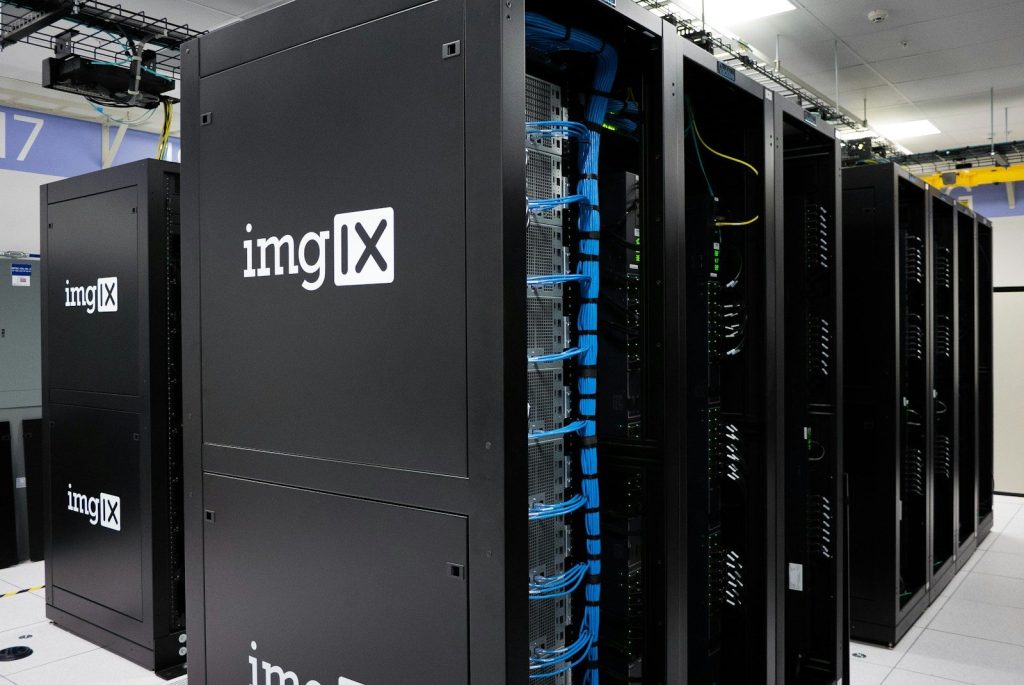
    black ImgIX server system
    Photo by imgix on Unsplash

    Running modern neural networks requires an astronomical amount of raw computing power. According to reports from the International Energy Agency, the server hubs running these programs are draining the national grid. The load is massive. This energy crunch means that only the wealthiest conglomerates can afford the hardware to run AI models. But this central power grab is triggering major regulatory concerns.

    The Monopoly Warning

    Business meeting with diverse panel and a speaker in a modern conference room.
    Photo by Werner Pfennig on Pexels

    Leading technology executives are starting to raise alarms about this consolidation of digital power. According to Microsoft chief Satya Nadella, speaking to financial analysts, we must prevent a small group of corporations from owning the future of automation. The stakes are high. This warning highlights how fast computing resources are gathering in just a few hands. But the physical footprint of these hubs reaches far beyond the grid.

    The Chip Chokepoint

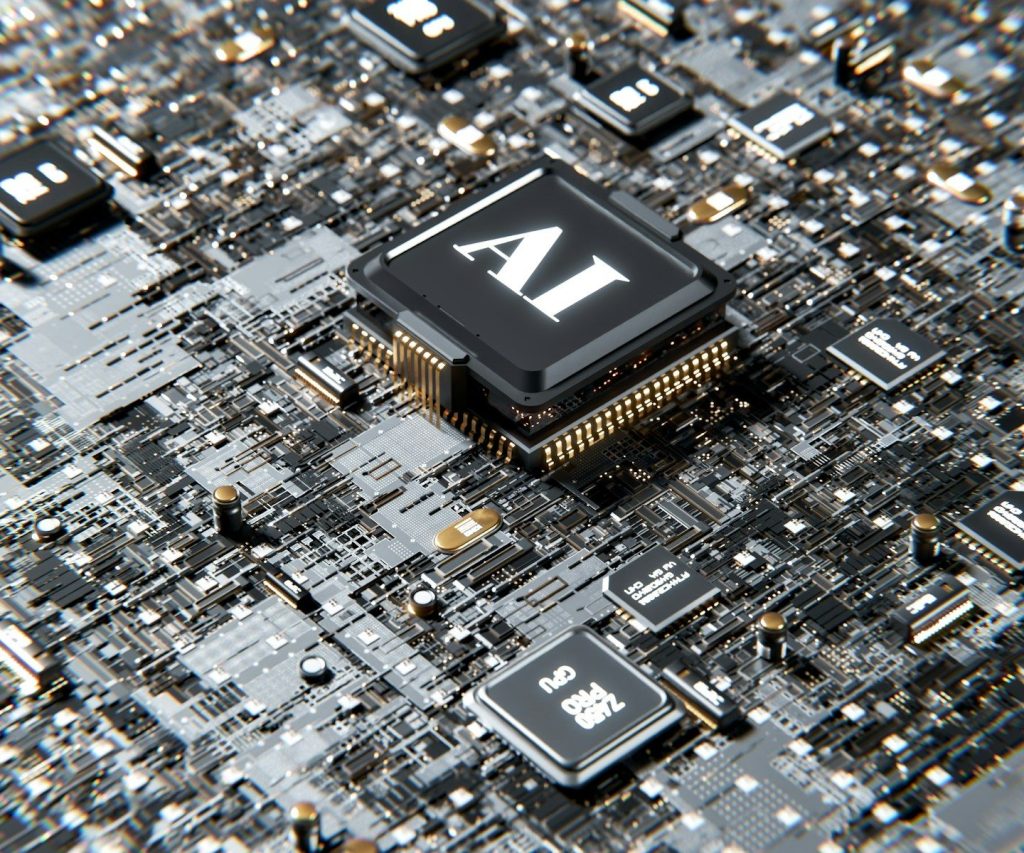
    a computer chip with the letter a on top of it
    Photo by Igor Omilaev on Unsplash

    Sourcing the advanced microchips required to train these massive models has created a global bottleneck. According to tech hardware analysts, a single manufacturer currently controls the supply of specialized graphics processors. The queue is long. This hardware chokepoint prevents smaller research groups from competing with established technology giants. But companies are finding highly creative ways to bypass this physical limit.

    Building Custom Silicon

    a person in a lab coat working on a computer
    Photo by Toon Lambrechts on Unsplash

    Tech conglomerates are spending billions of dollars to design their own specialized computer processors. According to semiconductor manufacturing logs, these custom chips are optimized specifically for machine learning calculations. They are highly focused. This transition allows corporations to reduce their reliance on external chip suppliers while maximizing processing speeds. But running these custom processors requires a massive amount of constant cooling.

    Draining Local Rivers

    An aerial view of a stream running through a grassy field
    Photo by Anees Ur Rehman on Unsplash

    Keeping these custom processors from overheating requires diverting millions of gallons of water. According to environmental impact reports, data warehouses are actively depleting local drinking reserves in fragile geographic basins. The rivers shrink. This heavy water usage is sparking fierce legal battles across multiple farming states. But tech corporations are scrambling to deploy a highly advanced alternative cooling system.

    Turning To Air

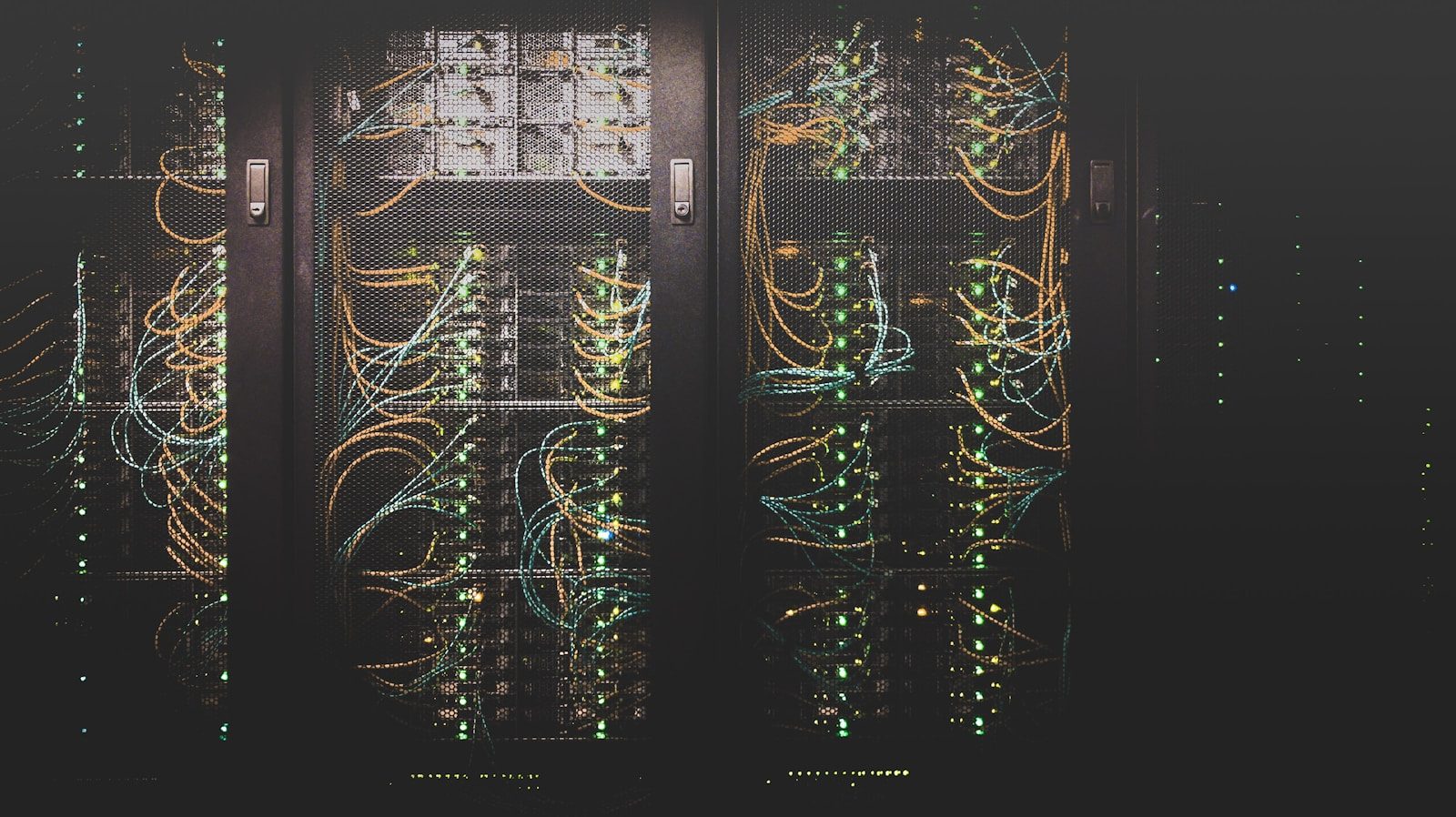
    Two server racks filled with electronic components and wires
    Photo by Eric Stoynov on Unsplash

    Some hardware developers are testing specialized closed-loop air cooling systems to eliminate water waste. According to reports from the Department of Energy, switching to these systems requires rebuilding older warehouses from the ground up. The costs are extreme. This high price tag ensures that only the largest corporations can afford to build sustainable data centers. But this massive financial barrier is driving a new trend.

    The Sovereign Clouds

    High-tech server rack in a secure data center with network cables and hardware components.
    Photo by Sergei Starostin on Pexels

    Multiple national governments are starting to fund their own domestic supercomputing centers. According to geopolitical analysts, countries want to secure their own processing power to avoid relying on foreign tech conglomerates. Security is absolute. This global push for computing sovereignty is actively reshaping how nations view digital infrastructure. But the ultimate battle for technological control will belong to the energy sector.

    A Balanced Future

    man in black jacket standing near brown trees during daytime
    Photo by Patrick Langwallner on Unsplash

    The rapid rise of artificial intelligence forces us to make hard choices about our physical resources. According to economic experts, smart regulations can protect both small startups and our natural environment. Balance is essential. This article is for informational purposes only.

    Featured Image: Photo by Taylor Vick on Unsplash