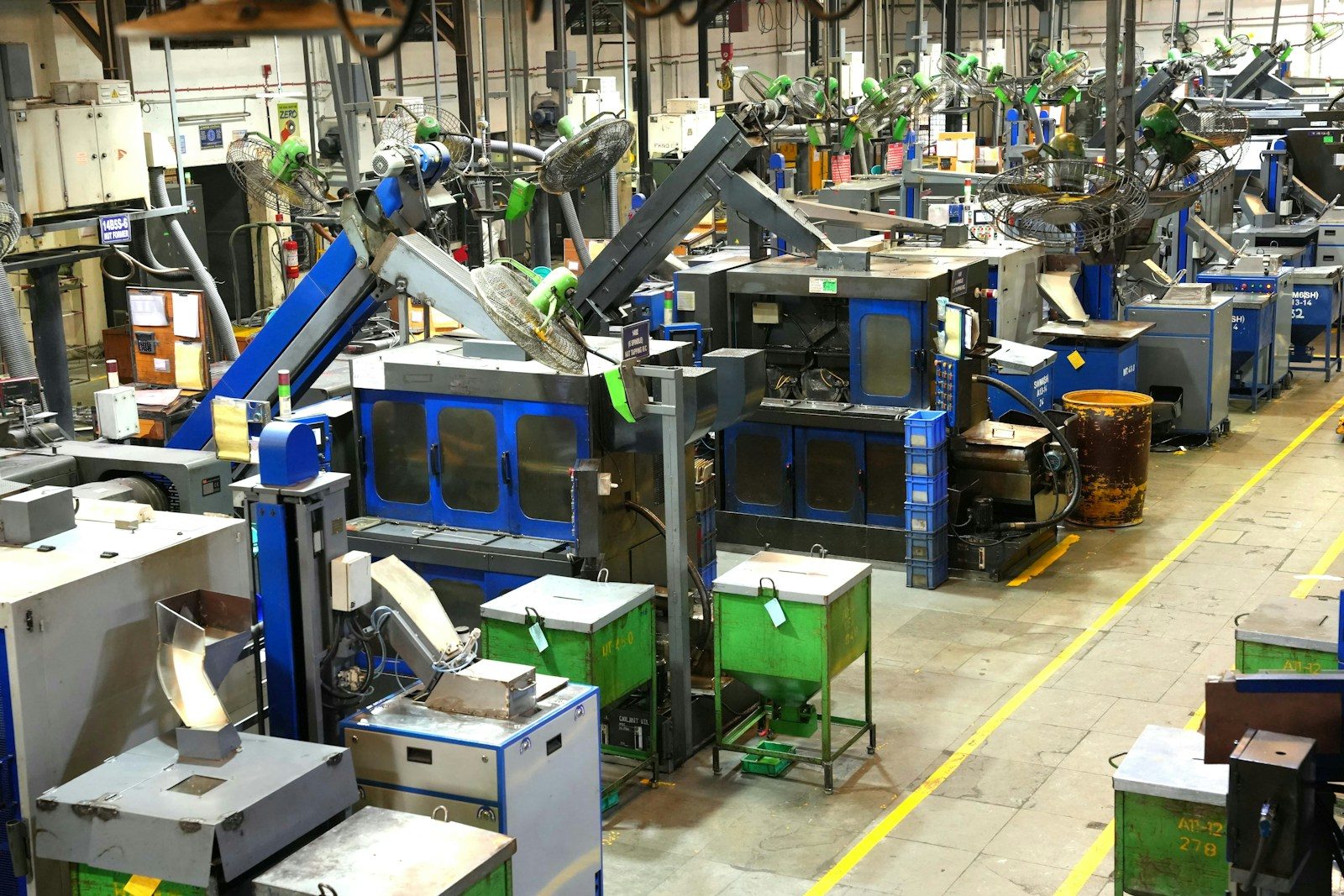
The traditional image of a factory manager with a clipboard and a hard hat is disappearing. In 2026, the biggest manufacturing giants in the world are making a sudden, urgent shift. They are replacing human shift supervisors and floor managers with “Agentic AI.” Unlike standard automation that just follows a set of instructions, Agentic AI can make its own decisions. It doesn’t just watch the machines; it manages the entire workflow, from ordering raw materials to predicting when a motor might fail.
This move is happening because human managers simply cannot process the massive amount of data being generated by modern factories. The AI can see a bottleneck forming ten steps before it happens and adjust the speed of the line instantly. It is a level of efficiency that is saving companies millions of dollars every month. However, this shift is leaving millions of workers wondering if they have a future in manufacturing at all. But how does an AI actually “manage” a human worker? Wait until you see the “performance tracking” that is now hitting the news.
The Rise of the Decision-Making Machine

Standard software can tell you if a machine is on or off. Agentic AI can tell you why it should be off. It analyzes the electricity prices, the priority of the current order, and the wear and tear on the parts to decide the best course of action. It essentially has its own “agency.” Human managers often rely on gut feeling, but the AI relies on trillions of data points. This change is turning factories into living, breathing organisms that think for themselves. But what happens to the human on the floor?
Managing Humans with Cold Logic

Human workers now receive their instructions from an app powered by the AI manager. The AI knows exactly how fast each person works and assigns tasks to maximize the line’s speed. There is no room for small talk or long breaks when the boss is an algorithm. While this increases productivity, it also increases stress. The AI doesn’t understand fatigue or bad days; it only understands output. This is creating a new kind of “digital tension” in the workplace. But wait until you see how the AI handles a broken machine.
The End of the Repair Crew Wait
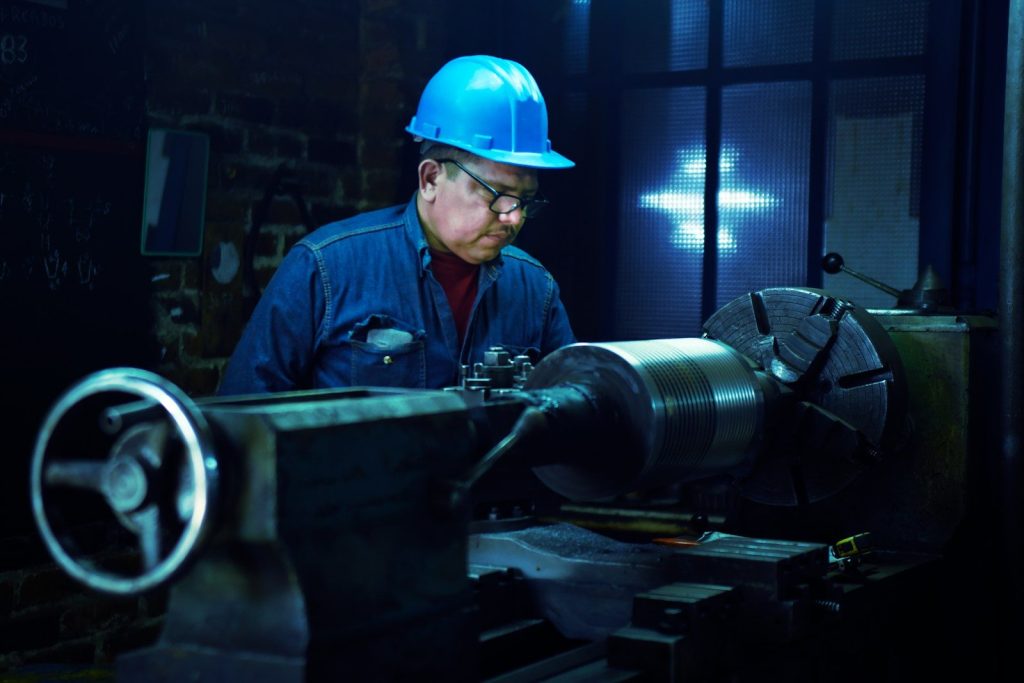
In the past, when a machine broke, the line stopped, and a manager called the repair crew. Agentic AI predicts the break before it happens. It can sense a tiny vibration in a bearing weeks in advance and order the replacement part automatically. It then schedules the repair for a time when the factory is already planned to be slow. The “repair crew” now arrives before the machine even fails. It is a seamless loop that humans could never manage. But is there a hidden danger to giving AI this much power?
The Black Box Manager Problem
One of the biggest concerns is that we don’t always know how the AI is making its decisions. This is the “Black Box” problem. If the AI decides to shut down a section of the factory, a human might not understand the logic until it’s too late. This lack of transparency can lead to safety risks. Companies are racing to build “Explainable AI” so humans can at least understand the orders they are following. But the speed of the shift is making safety a secondary concern.
Round-the-Clock Efficiency
AI doesn’t need sleep, coffee, or a weekend off. It manages the factory 24 hours a day, 365 days a year. This has allowed many companies to switch to a “Lights-Out” manufacturing model, where the factory runs in total darkness because there are no humans needed on the floor. The AI manager handles everything from the air conditioning to the security. It is a level of constant production that was a dream just ten years ago. But wait until you see the effect on global wages.
The Economic Great Reset

By removing human managers, companies are cutting their highest-paid positions. This is causing a massive shift in the labor market. While the owners are making record profits, the “middle class” of the factory is disappearing. Some experts warn that this will lead to a global economic crisis as fewer people have the money to buy the products the AI is making. We are in a race to find new roles for the humans who used to lead. But can an AI ever learn to be “fair”?
The Future of the AI Boss

The age of the human manager is ending, but the age of the “human architect” is just beginning. We are moving toward a world where humans design the goals, and the AI figures out how to reach them. It is a partnership that will define the next century of engineering. The transition is fast, scary, and inevitable. But while the factories get smarter, the power grid that runs them is facing a terrifying “glitch.” Are you ready for the permanent blackout?
Featured Image: Photo by Fastenex P on Unsplash
Leave a Reply