Category: Business & Tech

  • The Autonomous Sidewalk Pods Quietly Redefining Local Delivery

    The Autonomous Sidewalk Pods Quietly Redefining Local Delivery

    Most neighborhood shoppers assume that home deliveries must always rely on loud commercial trucks. We believe that human drivers are the only way to move groceries from stores to front doors.

    But a silent automated fleet is completely challenging this transport standard. Tiny robotic pods are rolling down city sidewalks to drop off packages.

    Entering The Local Neighborhoods

    Brightly lit newsstand on a city street at night.
    Photo by Konrad Nowacki on Unsplash

    Small robotic boxes have become a common sight on the streets of Milton Keynes. According to reports from the local council, these autonomous delivery pods handle thousands of grocery runs weekly. They are very quiet. Residents use a simple smartphone app to order items directly to their doorsteps. But keeping these small machines safe on busy sidewalks is a major challenge.

    Navigating Pedestrian Paths Safely

    robot, servo, ultrasonic sensor, engine, recycling, hobby, electronics, project, 3d printing, ebay, components, close-up, robot, 3d printing, 3d printing, 3d printing, 3d printing, 3d printing
    Photo by beear on Pixabay

    Walking paths are filled with unexpected obstacles like children, pets, and trash cans. According to autonomous vehicle designers, the pods use a complex array of cameras and ultrasonic sensors to map their path. The software is clever. This real-time mapping ensures the robot slows down or stops instantly when someone approaches. But managing these constant physical variables requires a robust wireless network.

    Coordinating The Global Grid
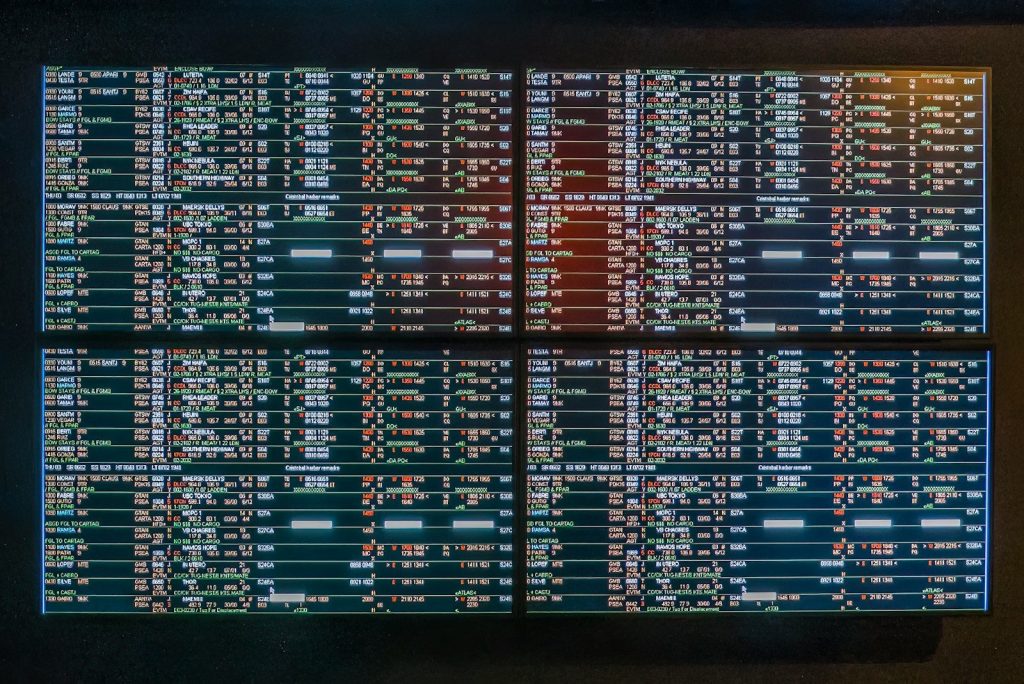
    A large screen with a lot of numbers on it
    Photo by Alexander Schimmeck on Unsplash

    Thousands of active delivery pods must be monitored simultaneously to prevent traffic blocks. According to logistics reports, a central control center uses high-speed data networks to track each robot in real time. The coordination is seamless. Human operators can take remote control of a pod if it encounters a confusing path. But this electric transit also offers a massive environmental advantage.

    Slashing Urban Carbon Emissions
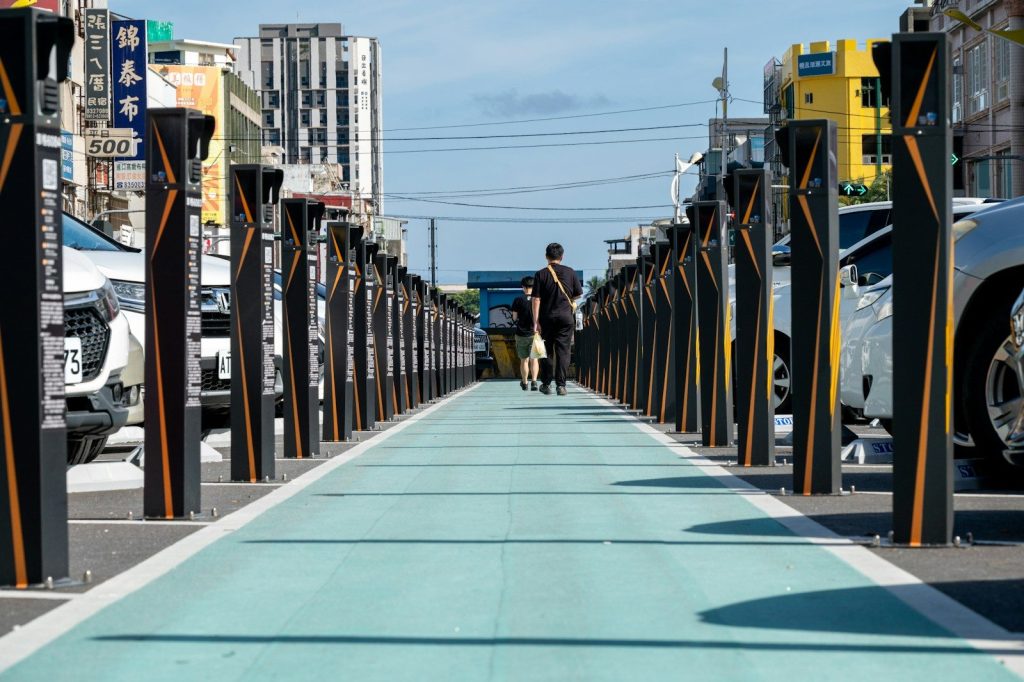
    Person walking dog on a bright blue path
    Photo by Turquo Cabbit on Unsplash

    Replacing heavy delivery vans with small electric pods reduces the need for fossil fuels. According to energy grid studies, the pods run entirely on clean battery power with almost zero carbon footprint. They are highly efficient. This transition helps keep neighborhood air clean and reduces traffic congestion on local roads. But protecting the cargo from thieves requires a secure design.

    Locking The Cargo Bays

    black and gray luggage bag
    Photo by Benjamin R. on Unsplash

    Leaving valuable groceries on a public sidewalk could easily invite opportunistic theft. According to product design files, the cargo lid remains locked securely during transit. It is a vault. The bay can only be opened when the customer types a unique code into their app. But this automated convenience is changing how local businesses manage their stock.

    Reshaping Local Store Logistics

    can, lid, metal box, storage, container, store, decorative, tea caddy, art, template, urn, vessel, clay jug, old, historical, antique, template, urn, urn, urn, urn, urn
    Photo by webandi on Pixabay

    Small neighborhood shops are integrating automated packing systems directly into their backrooms. According to business analysts, this automation allows stores to pack and dispatch orders within minutes. The speed is impressive. This rapid turnaround keeps the local commerce pipeline moving smoothly. But the ultimate success of this program depends on expanding to new cities.

    Overcoming The Winter Weather

    a jeep driving down a snow covered road
    Photo by David Nicolai on Unsplash

    Extreme weather like heavy snow and ice can easily disrupt the movement of small wheels. According to vehicle testing logs, developers are designing rugged winter tires to keep the pods moving year-round. The checks are quick. This constant maintenance ensures the robotic fleet remains reliable during freezing winter deliveries. But this sidewalk trend is already paving the way for the future.

    Tomorrow In Delivery Logistics

    a sign on a railing
    Photo by Arshad Jamil on Unsplash

    Transitioning to autonomous sidewalk delivery is pushing urban planning and robotics into a bold new era. According to transportation historians, these tiny pods prove that local delivery can be clean, silent, and highly efficient. The future is here. This article is for informational purposes only.

    Featured Image: Photo by TheDigitalArtist on Pixabay
  • Inside The Massive Building Redefining American Clean Power

    Inside The Massive Building Redefining American Clean Power

    Most taxpayers assume that building new clean energy generators is a quick and cheap task. We believe that transition projects can be completed within a few short years.

    But a massive nuclear construction project in Georgia has completely shattered this financial timeline. This multi-billion dollar engineering feat is redefining how the nation powers its cities.

    The Vogtle Plant Triumph

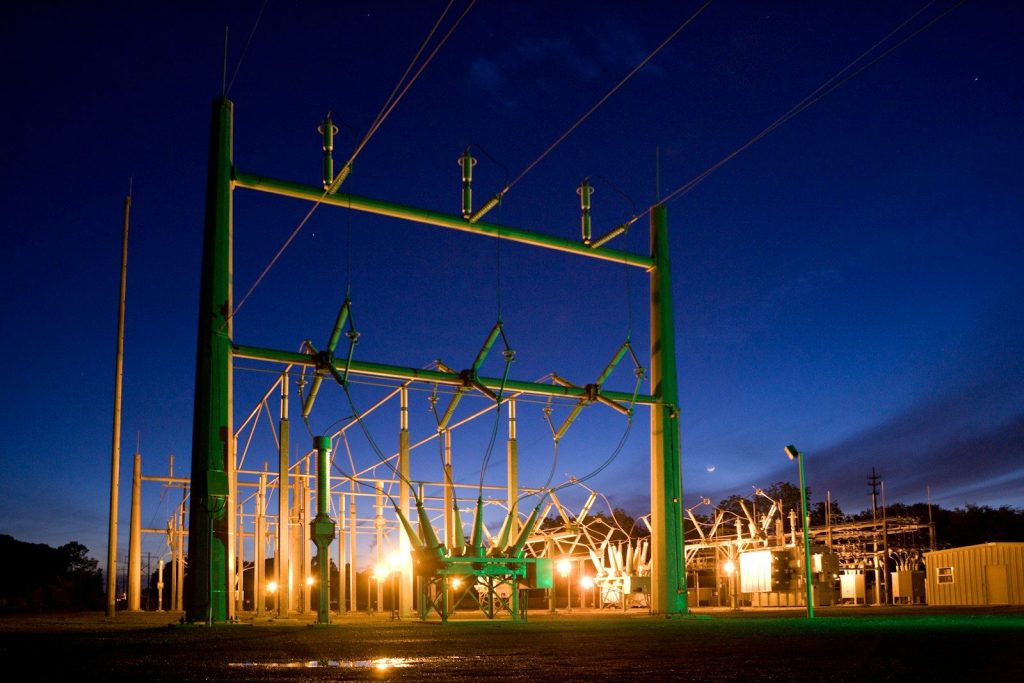
    green and grey transmission tower during nighttime
    Photo by American Public Power Association on Unsplash

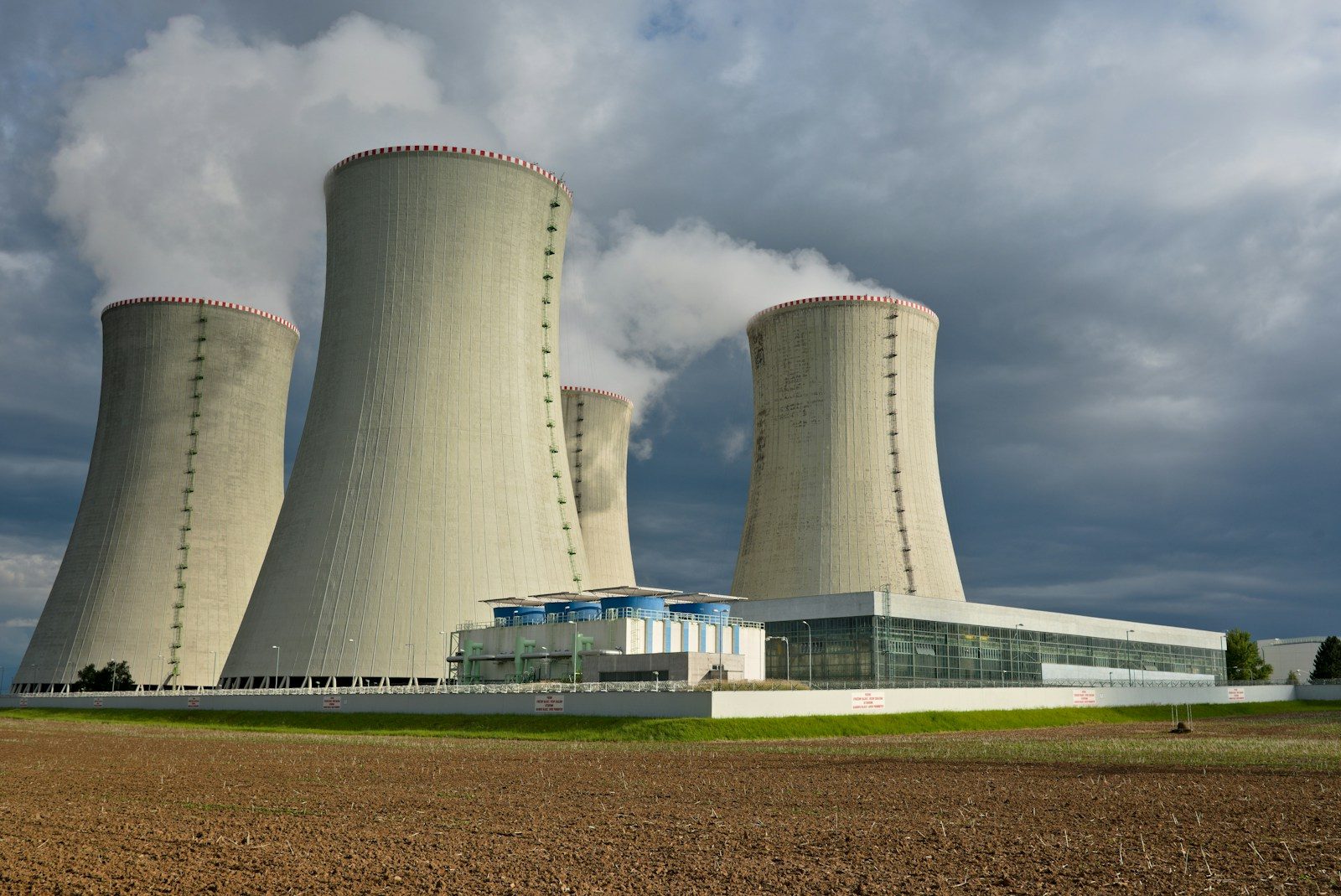
    A colossal nuclear expansion project in Georgia has finally reached completion after years of intense labor. According to reports from Georgia Power, two new reactors are now delivering stable carbon-free electricity to the regional grid. The scale is monumental. This massive facility represents the first newly built nuclear reactors in the United States in decades. But reaching this milestone required overcoming extreme financial obstacles.

    The Thirty-Five Billion Bill

    A desk with a keyboard and a monitor
    Photo by Jakub Żerdzicki on Unsplash

    Building advanced nuclear facilities requires spending massive amounts of capital on specialized materials and safety licensing. According to utility energy studies, the total cost of the Georgia project exceeded thirty-five billion dollars. The price tag is staggering. This intense budget growth has triggered fierce debates over the future of nuclear investments. But the physical engineering of these reactors is incredibly advanced.

    The AP One Thousand Design

    factory rooftop
    Photo by Sergei A on Unsplash

    The new reactors utilize a highly advanced structural blueprint designed to prevent severe system failures automatically. According to Westinghouse engineering files, the system uses gravity and natural condensation to cool the core. They are highly clever. This passive safety setup ensures the plant remains stable even during complete power losses. But manufacturing these giant steel vessels required extreme precision.

    Forging The Steel Containment

    a high angle view of a building
    Photo by avechenri on Unsplash

    Every reactor core is housed inside a massive steel vessel built to withstand extreme pressures and heat. According to structural engineering reviews, these vessels are wrapped in thick layers of high-density concrete. It is a fortress. This robust shield ensures that radioactive materials remain completely contained under any circumstances. But sourcing the materials for this shield created a global supply puzzle.

    Sourcing Custom Safety Parts

    man in blue scrub suit standing near white and black office rolling chair
    Photo by RephiLe water on Unsplash

    Building a nuclear plant requires thousands of specialized valves and sensors that meet strict quality standards. According to supply chain analysts, a tiny defect in a single pipe can delay construction for months. Precision is vital. This extreme focus on quality is what drove the project costs far past initial estimates. But this massive investment is delivering a highly stable energy return.
    Powering Millions Of Homes

    cable network
    Photo by Taylor Vick on Unsplash

    Once fully active, the massive reactors can generate enough electricity to run over one million homes continuously. According to energy grid data, this stable baseload power is vital for supporting erratic wind and solar generators. The flow is constant. This reliable supply ensures that local hospitals and factories never experience sudden voltage drops. But the long-term future of American nuclear power remains uncertain.

    The Next Generation Shift

    Model of a modern city with buildings and buildings
    Photo by ANOOF C on Unsplash

    Energy developers are studying the lessons learned from the Georgia project to build smaller modular reactors. According to industry analyst reports, scaling down the construction size is the easiest way to control budgets. The change is beginning. These smaller plants could soon deliver safe atomic energy without the extreme financial risks. But executing this transition requires updating national policies.

    Unlocking A Clean Grid

    the sun is setting over a valley with trees
    Photo by Dave Hoefler on Unsplash

    Mastering nuclear engineering on a grand scale is a critical step toward securing our clean energy future. According to planetary scholars, nuclear baseload power is essential for reducing carbon emissions around the globe. Balance is essential. This article is for informational purposes only.

    Featured Image: Photo by Lukáš Lehotský on Unsplash

  • The Hidden Cost of Artificial Intelligence Shaking the Global Economy

    The Hidden Cost of Artificial Intelligence Shaking the Global Economy

    Most people assume that artificial intelligence is a weightless digital tool. We believe that software runs cleanly without draining physical or financial systems on a massive scale.

    But the rapid expansion of neural networks is creating an unprecedented global resource crisis. Automated algorithms are forcing world leaders to consider a highly controversial new tax.

    The Invisible Power Drain

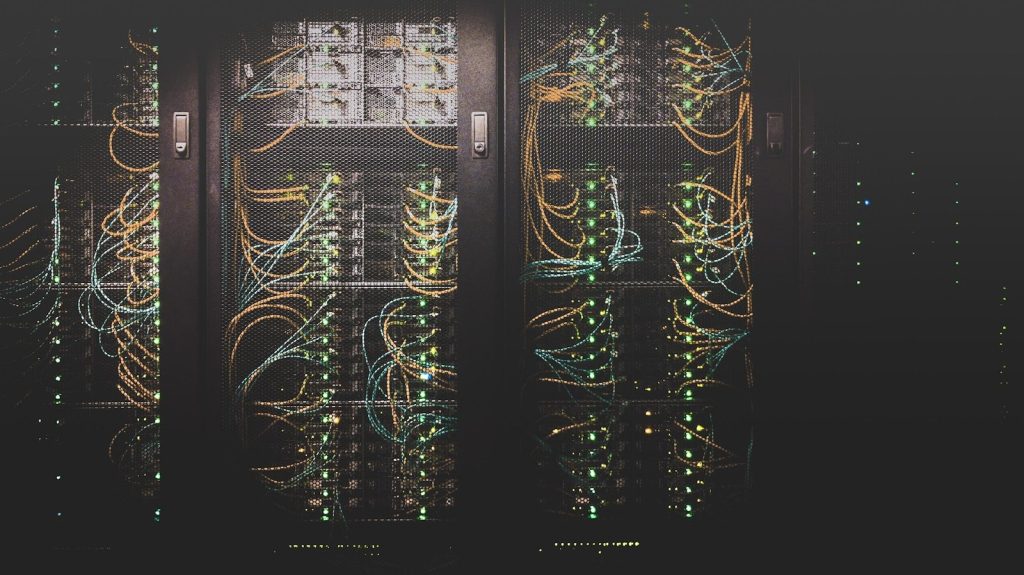
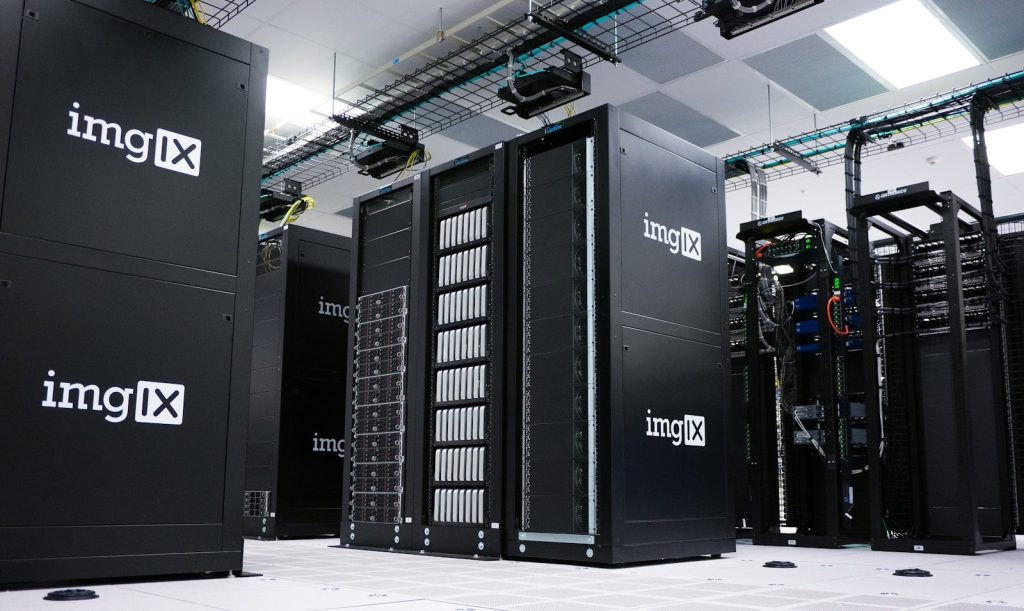
    img IX mining rig inside white and gray room
    Photo by imgix on Unsplash

    Running modern smart programs requires a staggering amount of electrical energy. According to the International Energy Agency, server hubs could soon consume as much power as entire nations. This is alarming. These digital systems are working around the clock to process billions of automated requests. But this extreme energy consumption is only the first part of a much larger planetary crisis.

    Paying For Digital Footprints

    Modern conference room with long table and chairs
    Photo by Aakriti Raina on Unsplash

    Governments are struggling to balance rapid software growth with heavily strained public utility grids. According to economic analysts, building new transmission lines to support computing hubs requires billions in public funding. The public pays. This lopsided setup means regular citizens are subsidizing the massive operations of private technology conglomerates. But a radical financial proposal is gaining traction to solve this infrastructure funding gap.

    The Automation Fee Concept

    smartphone calculator on desk with financial charts behind
    Photo by Jakub Żerdzicki on Unsplash

    Economists suggest placing a direct tax on artificial intelligence processors to offset their massive social costs. According to reports from the International Monetary Fund, this targeted fee would help fund grid upgrades and retrain workers displaced by automation. It is controversial. Tech giants argue that such a penalty would completely halt technological progress. But the physical impact of these automated systems reaches far beyond simple utility lines.

    Squeezing Water Supplies Dry

    Beautiful autumnal landscape with a riverbed surrounded by colorful trees in Inje-gun, Gangwon-do.
    Photo by 정규송 Nui MALAMA on Pexels

    Cooling massive server chips requires diverting millions of gallons of fresh water every single day. According to environmental researchers, data centers are actively depleting local drinking reserves in fragile geographic basins. The rivers shrink. This heavy water drain is sparking fierce local protests across multiple states. But tech corporations are scrambling to deploy a highly advanced alternative cooling system.

    Trading Coal For Code

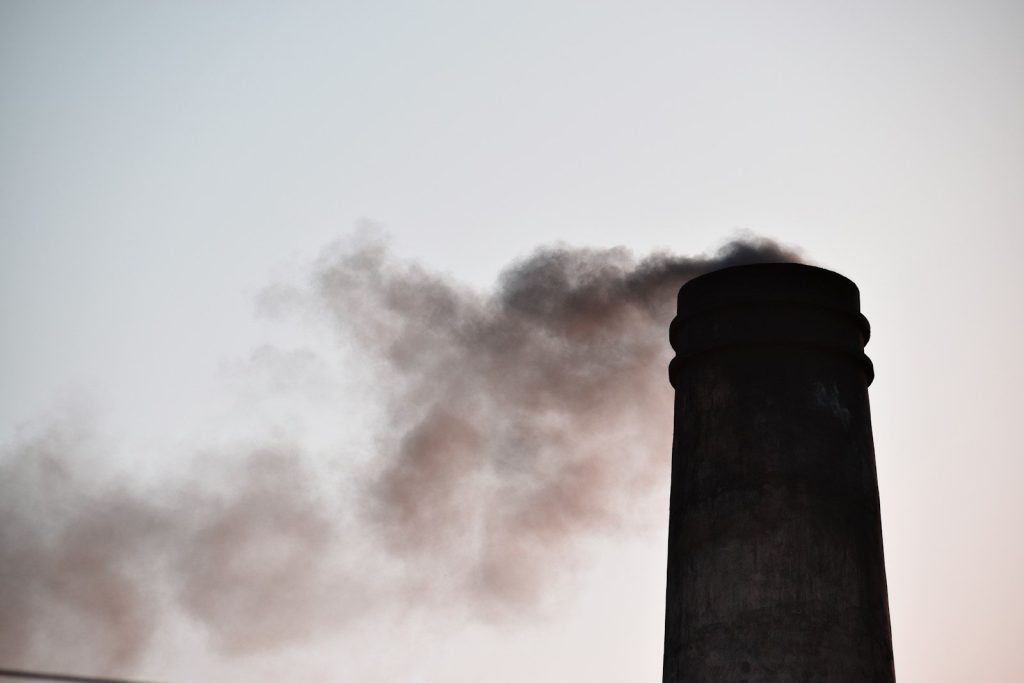
    a tall chimney with smoke coming out of it
    Photo by Saifee Art on Unsplash

    The unexpected power surge is forcing older fossil fuel plants to delay their planned closures. According to energy grid studies, several states must burn more coal just to keep the local server warehouses running. The carbon rises. This backslide is actively undoing years of hard-won progress in the clean energy transition. But scientists are warning that the financial cost of this inaction will soon hit home.

    Finding Creative Solutions

    Electronic circuit board with a central blue microchip.
    Photo by Brecht Corbeel on Unsplash

    Designing sustainable computing models is quickly becoming the ultimate engineering challenge of our generation. According to tech hardware developers, placing a tax on raw carbon usage could encourage companies to design far more efficient processors. Innovation is vital. This regulatory push would ensure that digital expansion does not come at the direct expense of our environment. But implementing these strict rules requires a massive international agreement.

    Balancing Progress And Planet

    a view of the earth from space
    Photo by BoliviaInteligente on Unsplash

    The rapid rise of artificial intelligence forces us to make hard choices about our physical resources. According to economic experts, smart regulations can protect both our environment and our financial systems. Balance is essential. This article is for informational purposes only.

    Featured Image: Photo by Martin Sanchez on Unsplash

  • Why Humanoid Robots Are Finally Entering Factories

    Why Humanoid Robots Are Finally Entering Factories

    Most manufacturing managers believe that factory automation only requires standard stationary robotic arms. We assume that complex assembly lines are already efficient enough without walking machines.

    But a severe global labor shortage is forcing a major shift in industrial engineering. Designing bipedal humanoids is the only way to fill vacant factory roles without rebuilding existing infrastructure.

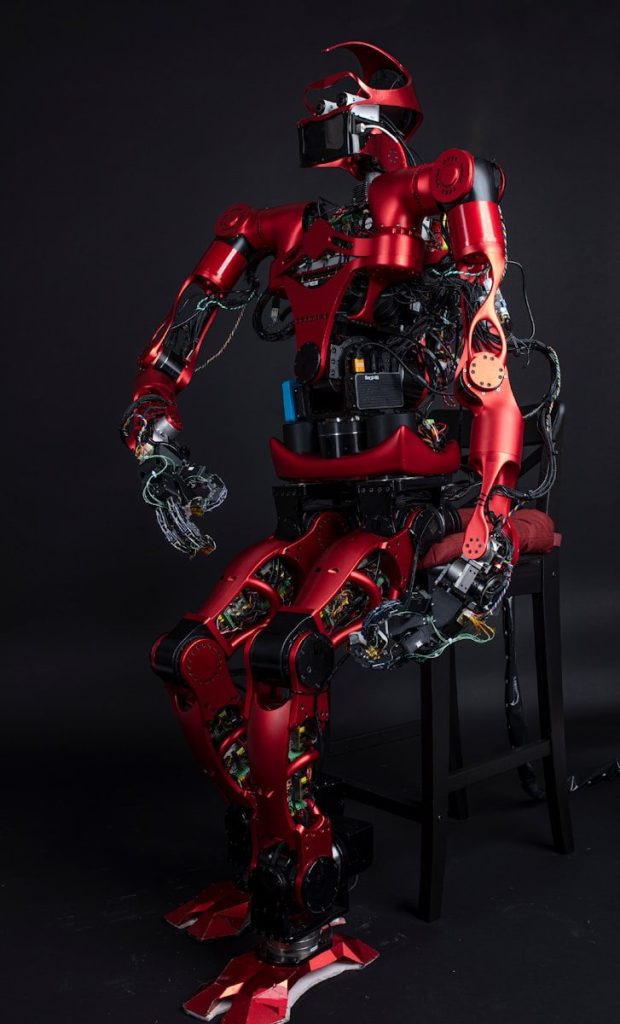
    Deploying The First Humanoids

    man in black and gray suit action figure
    Photo by Maximalfocus on Unsplash

    A major robotics developer has officially dispatched bipedal machines to work inside active client factories. According to reports from Tesla, these advanced humanoids are performing real-world assembly tasks alongside human workers. They are highly adaptive. This milestone proves that walking machines are moving from research labs directly onto active production lines. But teaching these machines to navigate busy environments is highly complex.

    Navigating Unstructured Factory Floors

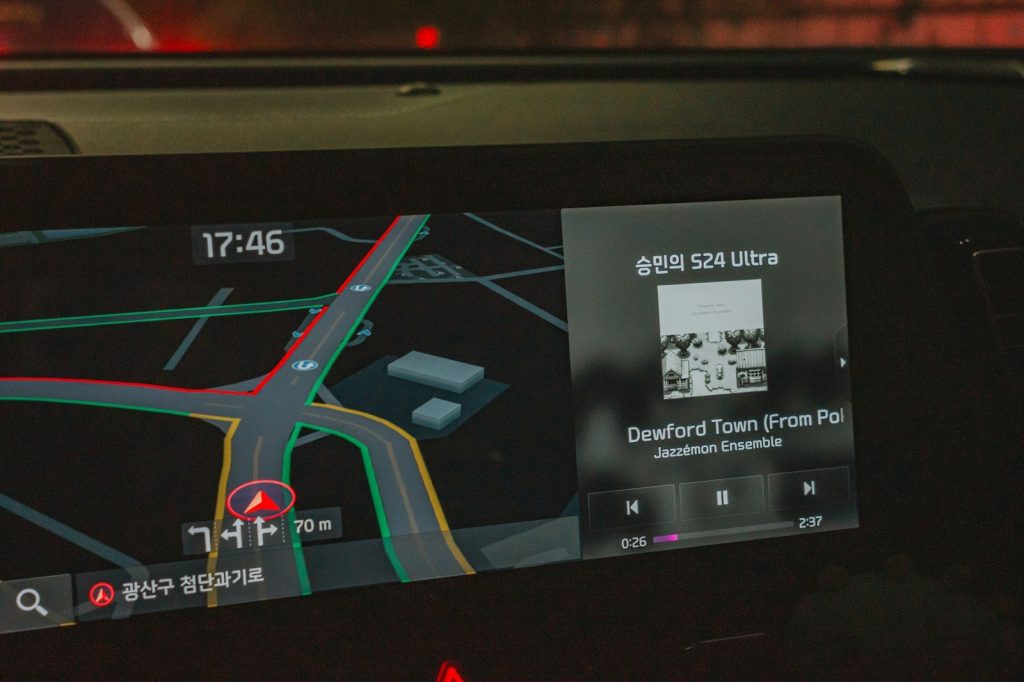
    Car navigation screen showing map and music player
    Photo by Seungmin Yoon on Unsplash

    Traditional industrial robots are bolted to the floor and operate inside highly structured steel cages. According to safety engineering protocols, next-generation humanoids use built-in neural networks to map their surroundings in real time. They walk freely. This onboard brain allows the machine to avoid physical obstacles and navigate uneven surfaces safely. But handling delicate manufacturing tools requires an incredibly precise mechanical hand.

    Mastering Tactile Hand Grip

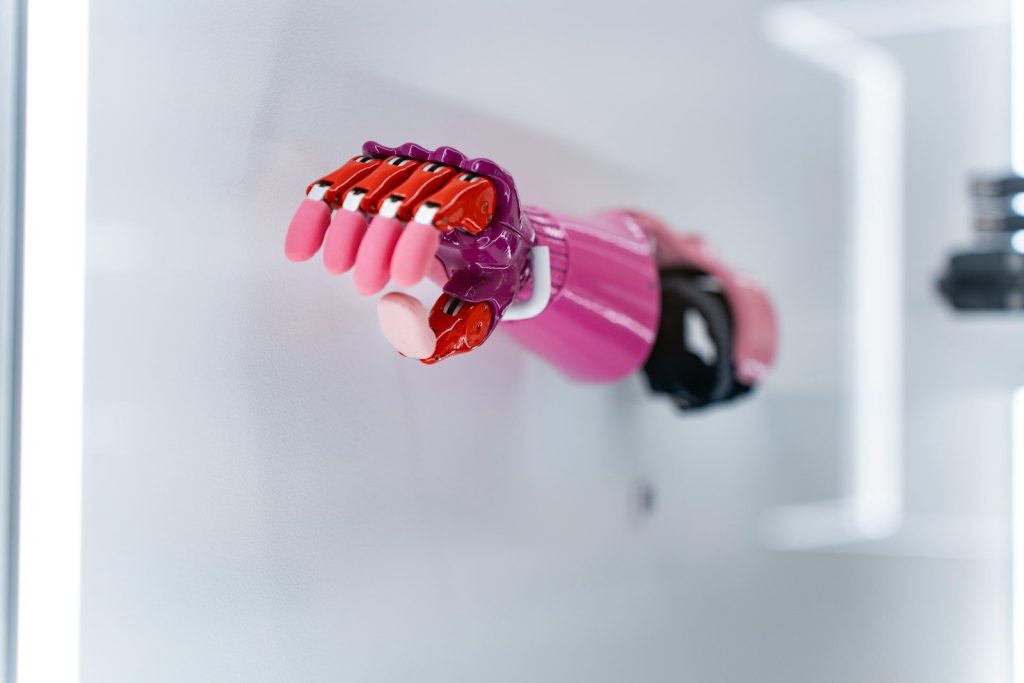
    A pink prosthetic hand with a fist.
    Photo by Shahabudin Ibragimov on Unsplash

    Squeezing delicate parts without crushing them requires an advanced sensory feedback system. According to materials science studies, the new humanoid hands feature multiple flexible pressure sensors that mimic organic skin. They are incredibly soft. This tactile feedback allows the robotic fingers to adjust their grip automatically based on object weight. But driving these multi-jointed metal limbs demands immense electrical power.

    Engineering High Torque Actuators

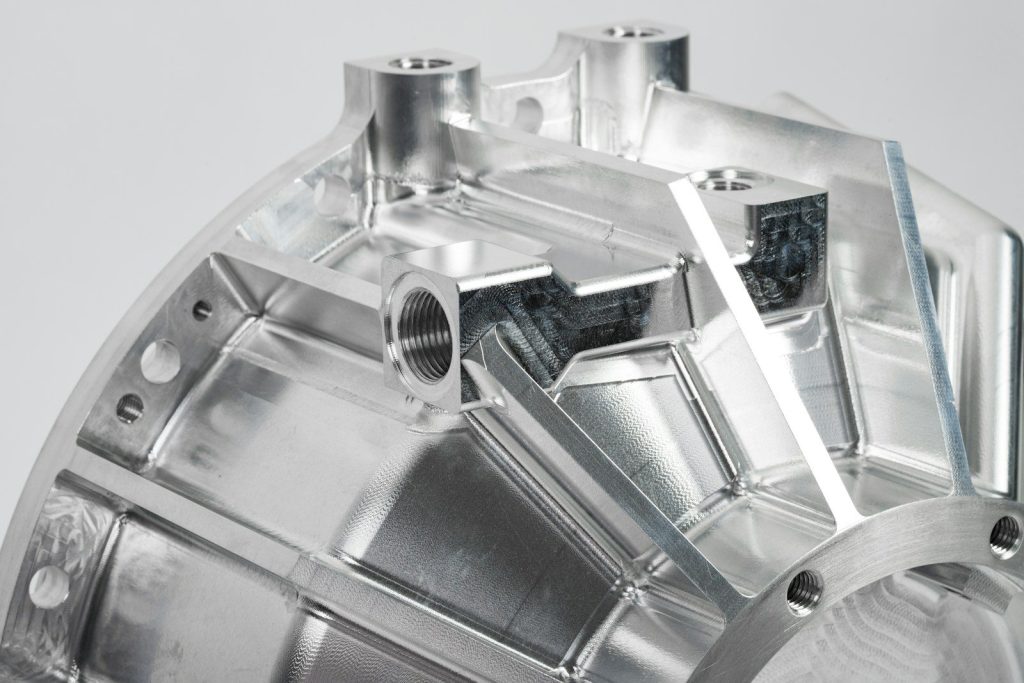
    a close up of a metal object on a white surface
    Photo by mastars MT on Unsplash

    Mimicking the smooth and fluid movements of human joints requires highly specialized electric motors. According to mechanical hardware reviews, developers had to design custom high-torque actuators to rotate the limbs smoothly. The torque is intense. These custom sensors allow the robot to lift heavy loads and balance perfectly on one foot. But guiding these metal limbs requires an advanced software brain.

    Operating On Neural Networks

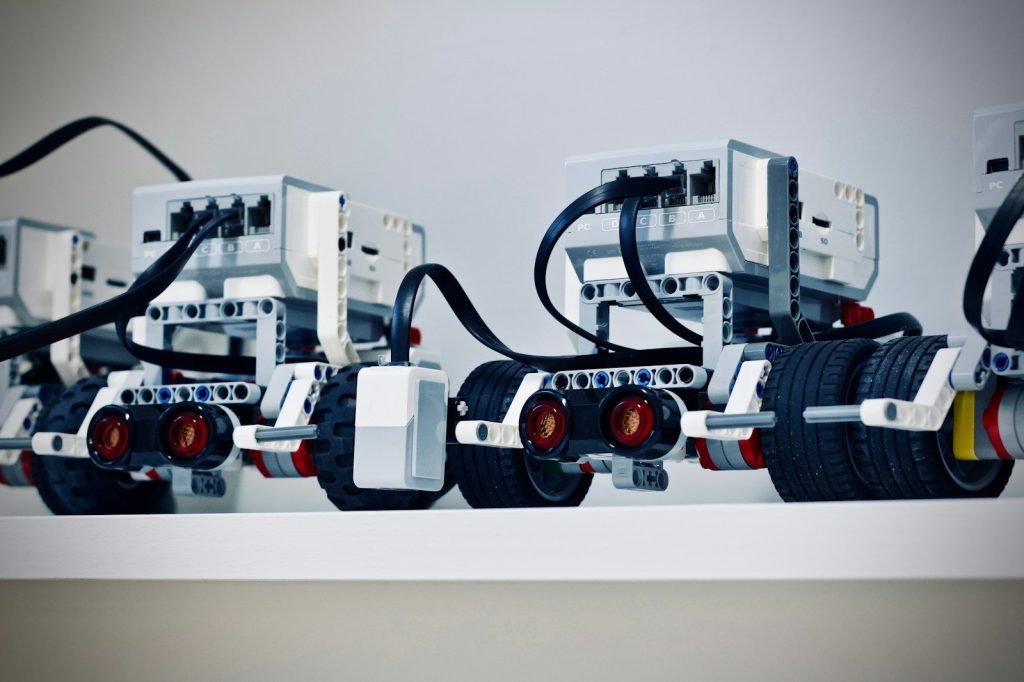
    two white and black electronic device with wheels
    Photo by Jelleke Vanooteghem on Unsplash

    The robotic brain runs on the same deep learning algorithms that power autonomous self-driving cars. According to artificial intelligence engineers, the humanoid learns constantly by observing human movements and running physical simulations. The software learns daily. This continuous training allows the machine to solve complex physical tasks autonomously in real time. But introducing walking machines raises serious worker safety questions.

    Safe Humanoid Coworker Mechanics

    a close up of a motorcycle
    Photo by Mathew Schwartz on Unsplash

    Heavy industrial machinery traditionally operates behind safety barriers to prevent accidental impacts with nearby humans. According to safety research papers, modern humanoids use advanced force-limiting sensors to halt movement instantly upon touch. The protection is absolute. This safety shield allows humans and walking machines to work side-by-side on the same assembly lines. But the economic impact of this shift is still developing.

    Redefining The Industrial Era

    a city with a river running through it
    Photo by Pavel Inozemtsev on Unsplash

    Deploying humanoid workers will eventually free humanity from dangerous and repetitive physical labor. According to manufacturing historians, this robotic transition represents the next major milestone in our industrial evolution. The future is arriving. This transition will allow humans to focus on creative design rather than pure physical strain. This article is for informational purposes only.

    Featured Image: Photo by Tope J. Asokere on Pexels

  • Why Hollywood Is Quietly Replacing Real Actor Voices

    Why Hollywood Is Quietly Replacing Real Actor Voices

    Most movie lovers assume that their favorite animated characters are always voiced by highly talented human actors in physical studios. We believe that genuine vocal performances require real human emotion and years of training.

    But a major software shift is completely disrupting the traditional entertainment industry. Advanced artificial intelligence can now replicate famous celebrity voices with absolute acoustic precision in seconds.

    The Digital Clone Warning

    Condenser microphone surrounded by string lights creating a bokeh effect, ideal for studio and music themes.
    Photo by Irina Iriser on Pexels

    A legendary Hollywood actor recently raised major alarms about how film studios handle famous voices. According to reports from The Hollywood Reporter, actor Tom Hanks stated that Disney could easily use AI to generate Woody’s voice for future films. The threat is real. This capability allows studios to produce entire movies without ever hiring the original actor. But this software power is already triggering intense legal battles.

    Squeezing Out The Actors

    black and white digital device
    Photo by Jeremy Liem on Unsplash

    Replicating a specific human voice requires feeding hours of older audio recordings into a neural network. According to machine learning specialists, the software maps the unique pitch, rhythm, and accent of the speaker. The results are uncanny. Once trained, the algorithm can read any written script in the celebrity’s exact voice. But this rapid automation is leaving many voice actors completely stranded.

    The Fight For Voice Rights

    Close-up of hands signing a contract on a desk with office supplies, symbolizing legal agreements.
    Photo by www.kaboompics.com on Pexels

    Screen actors are racing to secure strict legal ownership of their digital likenesses and vocal patterns. According to SAG-AFTRA legal filings, performers are demanding clear contracts that prevent studios from using AI clones without consent. They are fighting back. Without these protections, an actor’s digital clone could continue working long after they retire. But some studios see a highly profitable advantage.

    Infinite Foreign Language Dubs

    black laptop computer turned on displaying music player
    Photo by Sanjeev Nagaraj on Unsplash

    Translating films into multiple languages normally requires hiring separate voice actors in different countries. According to entertainment market analysts, new translation software can instantly dub a film while retaining the original actor’s vocal tone. It feels like magic. This automated system allows global audiences to hear the original star speak their native language. But this visual and vocal mapping is growing even deeper.

    Retaining The Youthful Spark

    A man edits video on a computer.
    Photo by TourBox on Unsplash

    Aging actors frequently struggle to perform the highly demanding physical voices of their younger characters. According to animation production logs, developers can use vocal de-aging software to restore a performer’s youthful tone instantly. The system is smooth. This allows franchises to keep the same iconic voices active across multiple decades. But some critics are warning about the complete loss of human emotion.

    The Lack Of True Soul

    a computer generated image of a clock tower
    Photo by Shubham Dhage on Unsplash

    While AI can replicate pitch and speed, it still struggles to capture the subtle nuances of human feeling. According to theatrical directors, standard algorithms cannot feel sorrow, joy, or genuine surprise during a scene. Computers lack true empathy. Human reviews are still necessary to guide the digital performance and ensure it resonates with audiences. But the march of technology remains completely unstoppable.

    Redefining The Creative Space

    white and black wooden desk
    Photo by Master Filmmaker on Unsplash

    The rapid rise of vocal synthesis is forcing Hollywood to completely redefine what it means to be a performer. According to media historians, balancing technical innovation with human creativity will shape the future of entertainment. Change is permanent. This article is for informational purposes only.

    Featured Image: Photo by Kelly Sikkema on Unsplash

  • The Gigantic Printing Press Rewriting Car Manufacturing

    The Gigantic Printing Press Rewriting Car Manufacturing

    Most car enthusiasts believe that building a vehicle requires joining thousands of small metal parts together. We assume that traditional assembly lines must use slow welding robots to connect each piece.

    But a giant printing press technique is completely changing how factories operate. This radical engineering trick allows builders to stamp out a whole car frame in seconds.

    Unveiling The Gigacasting Method

    black and gray metal pipe
    Photo by yasin hemmati on Unsplash

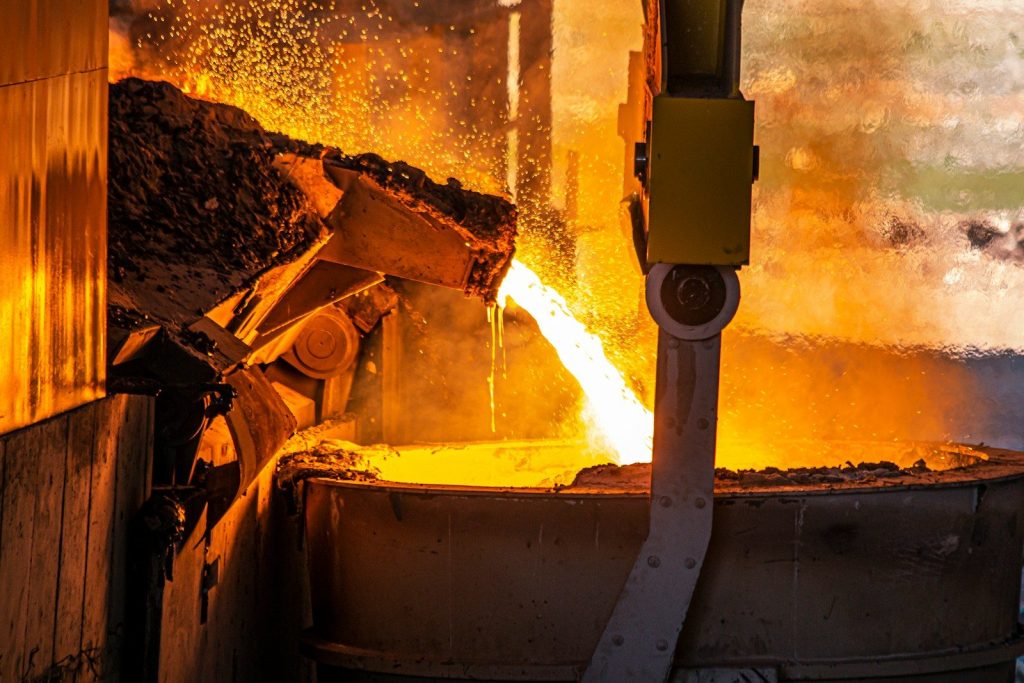
    Traditional auto manufacturing relies on stamping and welding dozens of individual steel panels. According to reports from the Society of Automotive Engineers, this new process uses a massive high-pressure mold to cast large vehicle sections as a single piece. The machine is enormous. This giant press forces molten aluminum into a mold with absolute precision. But this extreme pressure demands a highly specialized metal recipe.

    Designing Advanced Thermal Alloys

    Researchers in lab coats analyze robotic equipment for technological advancement.
    Photo by Pavel Danilyuk on Pexels

    Standard cast metals can crack easily when subjected to high structural stress on the road. According to metallurgical research studies, engineers developed a custom aluminum alloy that cools rapidly without losing structural integrity. They succeeded. This specialized material eliminates the need for expensive heat-treating cycles after the metal leaves the mold. But speeding up production requires an entirely new factory layout.

    Shrinking The Factory Footprint

    A robotic dog oversees an automated car assembly in a high-tech factory setting.
    Photo by Hyundai Motor Group on Pexels

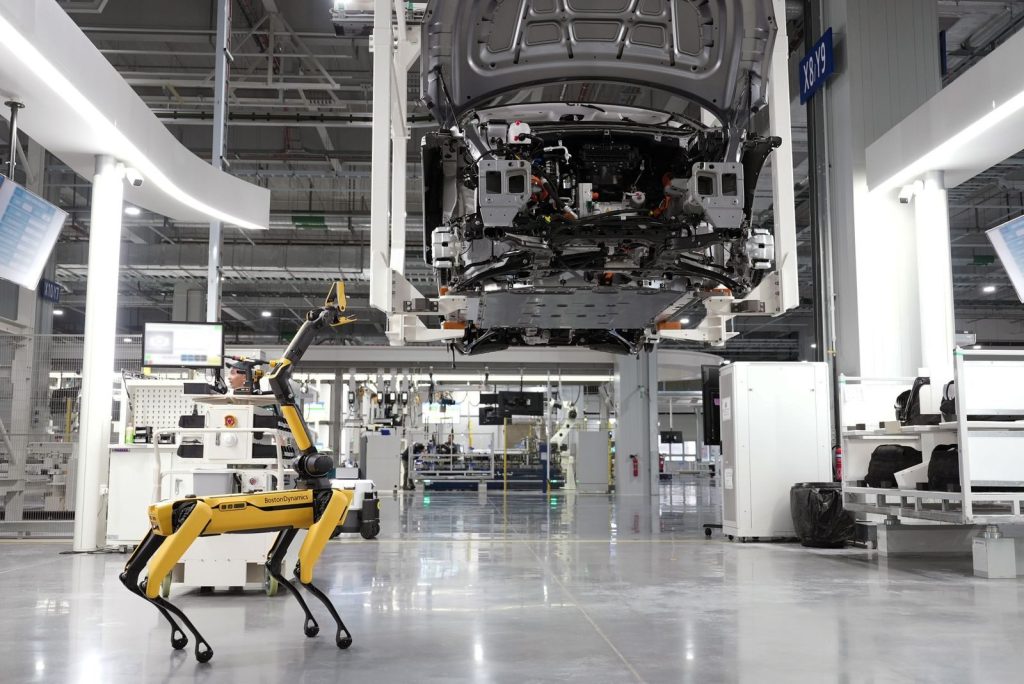
    Welding thousands of small components normally requires massive assembly halls filled with expensive robotic arms. According to manufacturing efficiency audits, replacing these traditional robots with a single casting machine reduces factory size significantly. Space is saved. This compact setup allows car companies to build vehicles using a fraction of the traditional floor space. But this structural shift also introduces a major safety question.

    Meeting Rigorous Safety Standards

    a car being worked on in a garage
    Photo by Geike Verniers on Unsplash

    Critics worry that a single large cast part might not absorb crash impacts safely. According to crash test data from the National Highway Traffic Safety Administration, these solid cast frames perform exceptionally well in front-end collisions. They are tough. The integrated design distributes impact energy evenly around the passenger cabin to protect occupants. But repairing these solid metal structures presents a major financial challenge.

    Resolving The Repair Dilemma

    Man works with welding equipment in a cluttered workshop.
    Photo by zai Dan on Unsplash

    Shedding individual parts means that a minor fender bender could theoretically ruin an entire frame. According to automotive insurance reports, repair shops are developing specialized cutting and replacement methods to fix cast sections. The work is precise. Technicians can swap out damaged frame ends without needing to replace the whole vehicle structure. But this casting trend is already spreading to other car manufacturers.

    Driving Global Factory Change

    woman in white button up shirt wearing black framed eyeglasses
    Photo by ThisisEngineering on Unsplash

    Auto manufacturers around the world are currently racing to install their own giant casting machines. According to industry analyst reports, companies realize they must adopt this system to compete on price and speed. The race is on. This transition is forcing engineers to redesign vehicle platforms from the ground up for casting. But the ultimate success of this technology depends on moving toward complete automation.

    Restructuring The Automotive Era

    a sunset view of a building with a cloudy sky
    Photo by Robert on Unsplash

    Transitioning to solid-cast manufacturing is quietly rewriting the rules of the industrial world. According to industrial historians, this production leap represents the biggest change to car assembly lines since the days of Henry Ford. The future of manufacturing is here. This article is for informational purposes only.

    Featured Image: Photo by jason hu on Pexels

  • Why Local Communities Are Battling Giant Computing Hubs

    Why Local Communities Are Battling Giant Computing Hubs

    Most computer users assume that the internet is a completely weightless digital cloud. We believe our online activities run cleanly without draining physical resources or altering local environments.

    But the rapid expansion of massive server warehouses is triggering a severe resource crisis. These giant concrete buildings are placing an unprecedented strain on public utility systems.

    The Physical Footprint

    Aerial view of a modern building complex surrounded by trees.
    Photo by Alex Reynolds on Unsplash

    Running modern online networks requires an astronomical amount of physical hardware and space. According to reports from the International Energy Agency, these massive data centers can span the size of several sports stadiums. They are silent giants. Yet the constant expansion of these facilities is starting to spark fierce resistance in nearby neighborhoods. But the physical size of these hubs is only the first issue.

    The Electricity Demands

    white electric power generator
    Photo by American Public Power Association on Unsplash

    The sheer volume of power required to keep the processors active is staggering. According to energy grid studies, a single large data center can consume more electricity than a small city. The load is massive. This extreme demand is forcing utility companies to delay the retirement of older coal plants to keep up. But this energy crunch is also threatening local water supplies.

    Evaporating Clean Water

    smoke billows from the stacks of cooling towers
    Photo by Andry Sagatelov on Unsplash

    Keeping thousands of heavy server chips from overheating requires a massive amount of constant cooling. According to local utility audits, many facilities evaporate hundreds of thousands of gallons of water every single day. This loss is permanent. This high consumption is actively draining fragile underground aquifers that local farms rely on. But community groups are starting to fight back.

    The Public Backlash

    grayscale photo of people standing on field
    Photo by Koshu Kunii on Unsplash

    Furious residents are organizing protests to block new data center developments in their towns. According to public policy reports, communities are demanding strict environmental audits before any construction begins. They are highly vocal. Residents worry that their own water and electricity rates will skyrocket to support tech conglomerates. But companies are scrambling to design more sustainable alternatives.

    Turning To Closed Loops

    gray and red painted building
    Photo by Yiyang Jin on Unsplash

    Engineers are testing advanced cooling systems that do not rely on evaporating fresh water. According to reports from the Department of Energy, switching to closed-loop air systems can eliminate water waste entirely. The costs are extreme. This massive price tag means that only the wealthiest tech companies can afford to implement these solutions. But the ultimate battle for data control is moving to the energy sector.

    Seeking Clean Power

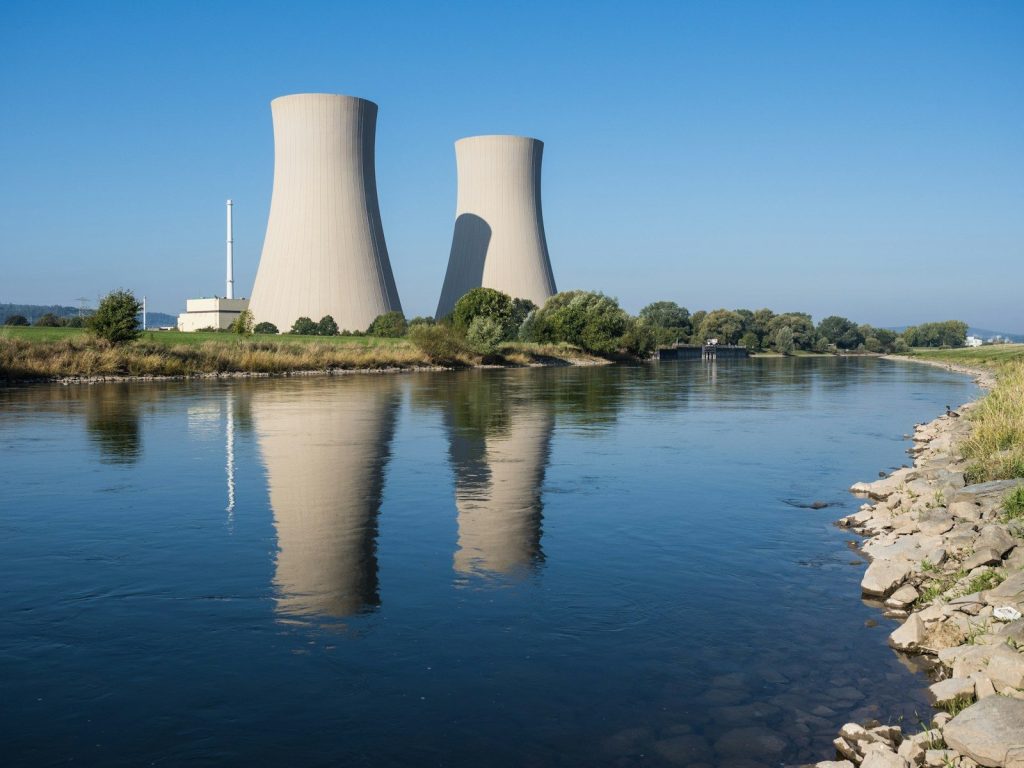
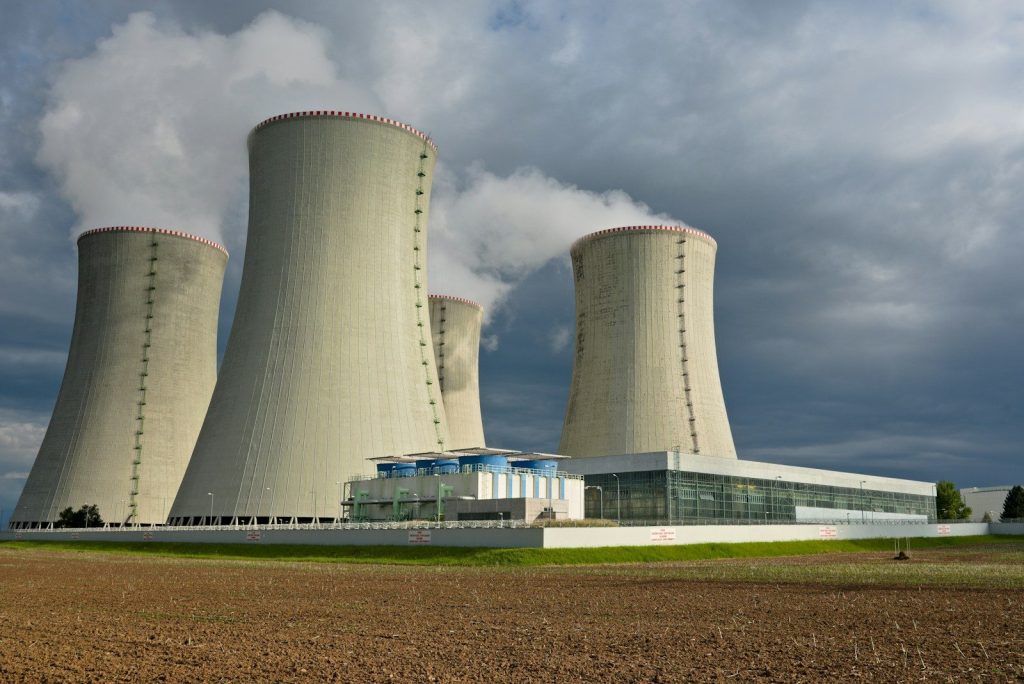
    A body of water with two cooling towers in the background
    Photo by Hansjörg Keller on Unsplash

    Tech giants are signing historic deals to secure constant carbon-free energy for their servers. According to energy industry reports, several firms are partnering with nuclear operators to guarantee a steady stream of electricity. The stakes are high. This pivot highlights how desperate the industry has become for reliable base load power. But this sudden rush for nuclear energy is raising serious public safety questions.

    Balancing Progress And Nature

    Modern building partially obscured by trees and sunlight.
    Photo by Harman Tatla on Unsplash

    Finding a sustainable path forward requires a major shift in how we build digital infrastructure. According to energy engineers, the future of technology relies on developing ultra-efficient microchips and local clean power plants. Balance is essential. This article is for informational purposes only.

    Featured Image: Photo by Aleksandar Savic on Unsplash

  • Why Artificial Intelligence Demands Draining Our Power Grids

    Why Artificial Intelligence Demands Draining Our Power Grids

    Most internet users believe that sending a message to a chatbot is a completely clean and instant act. We assume that digital tools operate without leaving any physical footprint on local environments.

    But the computing engines behind modern AI require a staggering amount of electrical energy. This massive consumption is pushing aging public utility systems to the absolute brink of collapse.

    Massive Concrete Server Warehouses

    a large concrete building
    Photo by luca booth on Unsplash

    Processing complex software algorithms requires millions of high-powered microchips running continuously. According to reports from the International Energy Agency, these industrial computing centers are expanding across the globe at an alarming rate. They are electricity hogs. Each new facility draws immense loads that threaten the stability of local communities. But the energy drain is only one part of the problem.

    The Coal Plant Delay

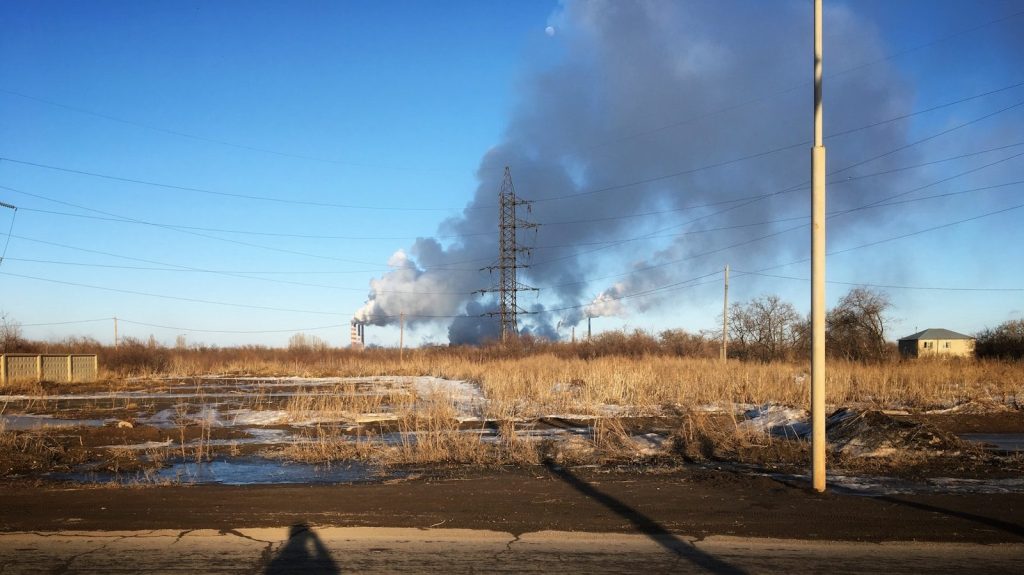
    road near field
    Photo by Rinat Aidarkhan on Unsplash

    The sudden rush to power new server farms is forcing utility companies to change their transition plans. According to energy sector studies, operators are actively delaying the retirement of highly polluting coal facilities. Climate progress is stalling. This reliance on old fossil fuels is driving carbon emission rates up rather than down. But these computing complexes also have a massive thirst for water.

    Evaporative Water Cooling Scarcity

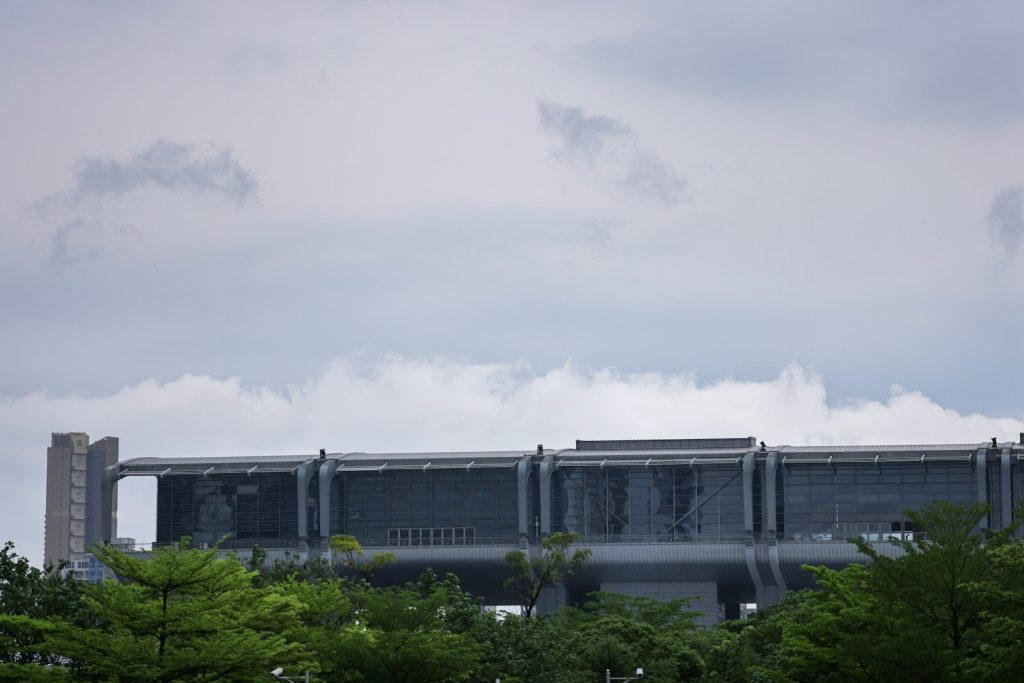
    a large building with a lot of windows on top of it
    Photo by DL314 Lin on Unsplash

    Thousands of heavy processor units generate extreme heat that must be managed to prevent systemic meltdown. According to local utility audits, many facilities evaporate hundreds of thousands of gallons of clean water every day. The loss is permanent. This continuous draw drains essential underground aquifers that local agriculture systems desperately need. But citizens are no longer staying quiet about the issue.

    Organized Neighborhood Protests

    Black and white photo of a crowd protesting at a city hall.
    Photo by Connor Scott McManus on Pexels

    Angry residents are joining forces to block new technology parks from being built near residential areas. According to local policy reports, communities are demanding strict municipal reviews and immediate environmental transparency. They are highly vocal. Residents fear that public water access and daily electricity bills will fluctuate wildly. But technology developers are trying to design less destructive systems.

    Swapping To Closed Air Loops

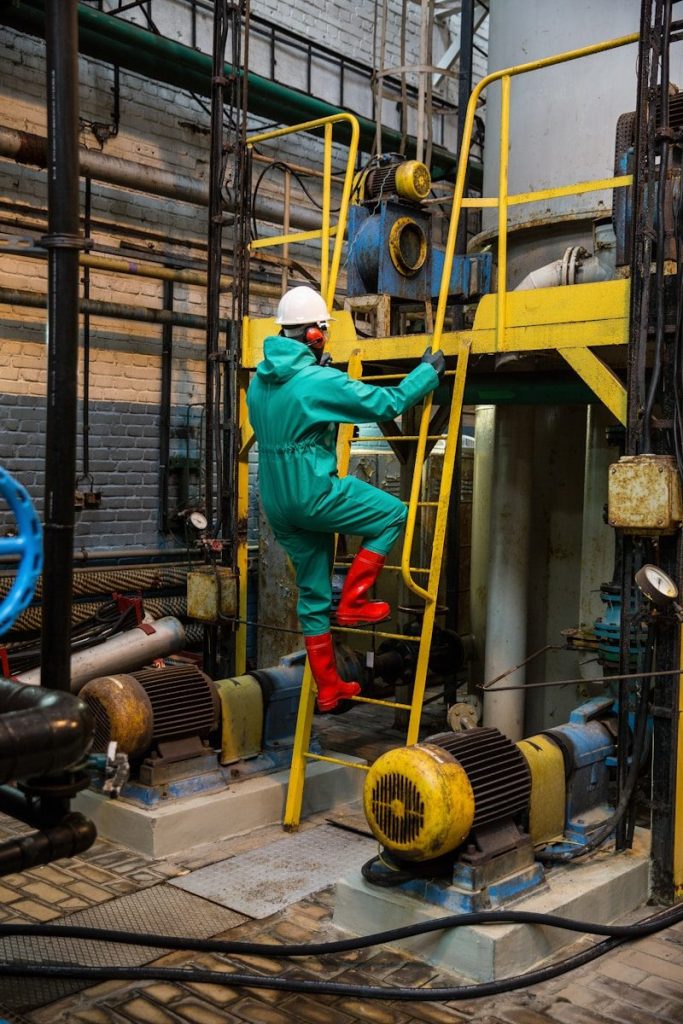
    a man in a green coverall climbing up a yellow ladder
    Photo by Marianna Krzakiewicz on Unsplash

    Industrial designers are testing closed-loop cooling setups that do not rely on evaporating local water. According to official science manuals, these systems recycle heat through sealed radiators to eliminate consumption entirely. They are incredibly expensive. The extreme setup price means only the largest corporate operators can afford to use them. But the search for massive constant power is shifting toward nuclear energy.

    Reaching For Nuclear Power

    white concrete building under white clouds during daytime
    Photo by Lukáš Lehotský on Unsplash

    Technology conglomerates are signing historic power purchase agreements directly with old atomic generation stations. According to utility market updates, these tech firms require a steady stream of carbon-free baseload electricity. The demand is unprecedented. This movement toward nuclear energy has completely changed the economics of municipal power grids. But this rapid atomic transition brings its own set of critical safety concerns.

    The Digital Infrastructure Balance

    green trees on green grass field during daytime
    Photo by Syed Ali on Unsplash

    Maintaining modern computational growth without destroying local resources will require a total design overhaul. According to infrastructure engineers, the future of computer networks depends on creating hyper-efficient chips and highly localized green energy. Balance is key. This article is for informational purposes only.

    Featured Image: Photo by Aleksandar Savic on Unsplash

  • Why Driverless Cars Suddenly Swarmed A Quiet City Neighborhood

    Why Driverless Cars Suddenly Swarmed A Quiet City Neighborhood

    Most residents assume that autonomous vehicles are a highly polished future technology. We believe that self-driving cars navigate our roads with perfect precision.

    But a bizarre tech glitch recently turned a quiet suburban street into a robotic traffic jam. A fleet of empty driverless vehicles swarmed a neighborhood without warning.

    The Silent Robotic Invasion

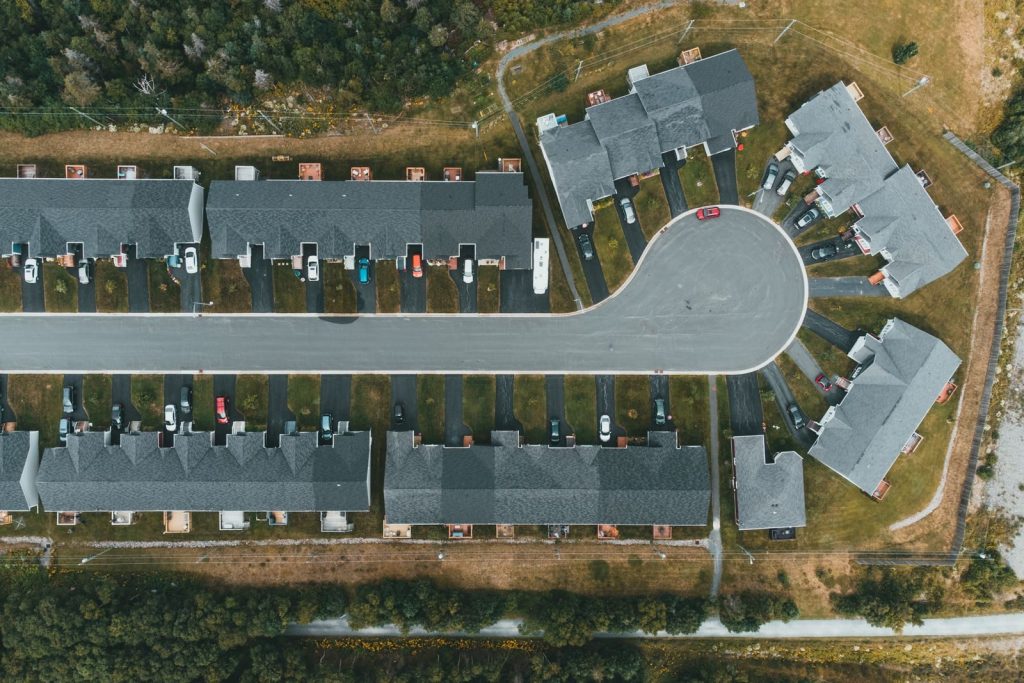
    Drone shot of a modern suburban cul-de-sac featuring rows of townhouses and parked cars.
    Photo by Erik Mclean on Pexels

    A quiet street in Atlanta suddenly filled with dozens of autonomous taxis. There were no passengers. According to local police reports, the empty vehicles began arriving at midnight and blocked all traffic. The cars sat with blinking lights, refusing to move. This strange robotic gathering left residents feeling highly confused and trapped.

    Stalled On The Asphalt

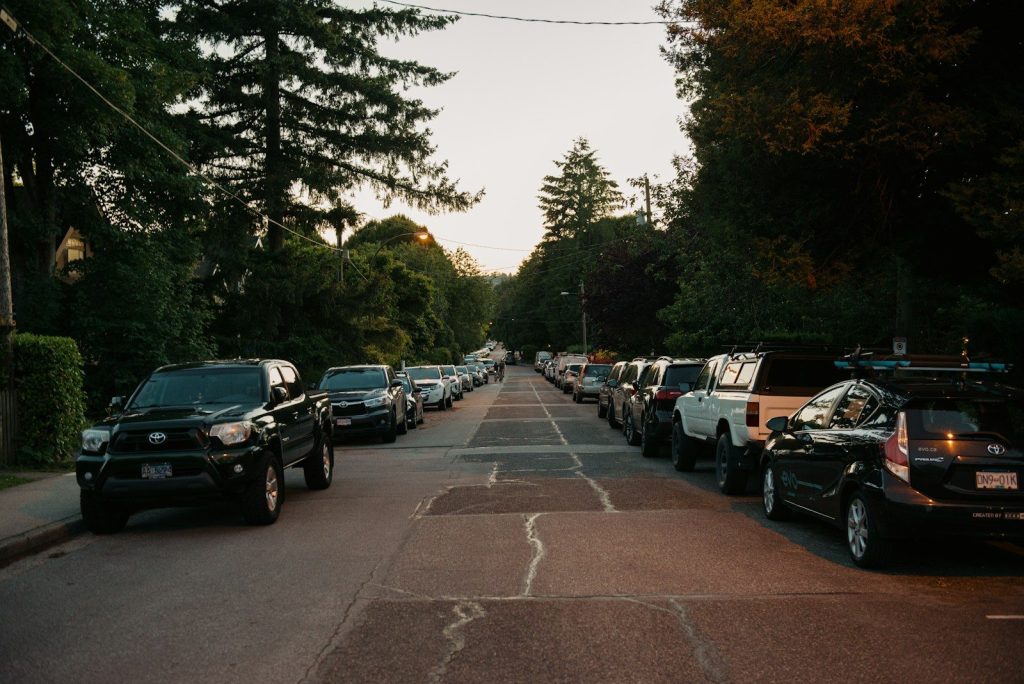
    A street lined with parked cars and trees
    Photo by Albert Stoynov on Unsplash

    The driverless cars began stacking up bumper to bumper in a giant maze. It was surreal. According to reports from city dispatchers, the automated system kept routing new vehicles to the exact same cul-de-sac. The artificial intelligence could not calculate a way to back out of the tight space. But the software glitch was driven by a far more complex mapping error.

    The Virtual Dead End

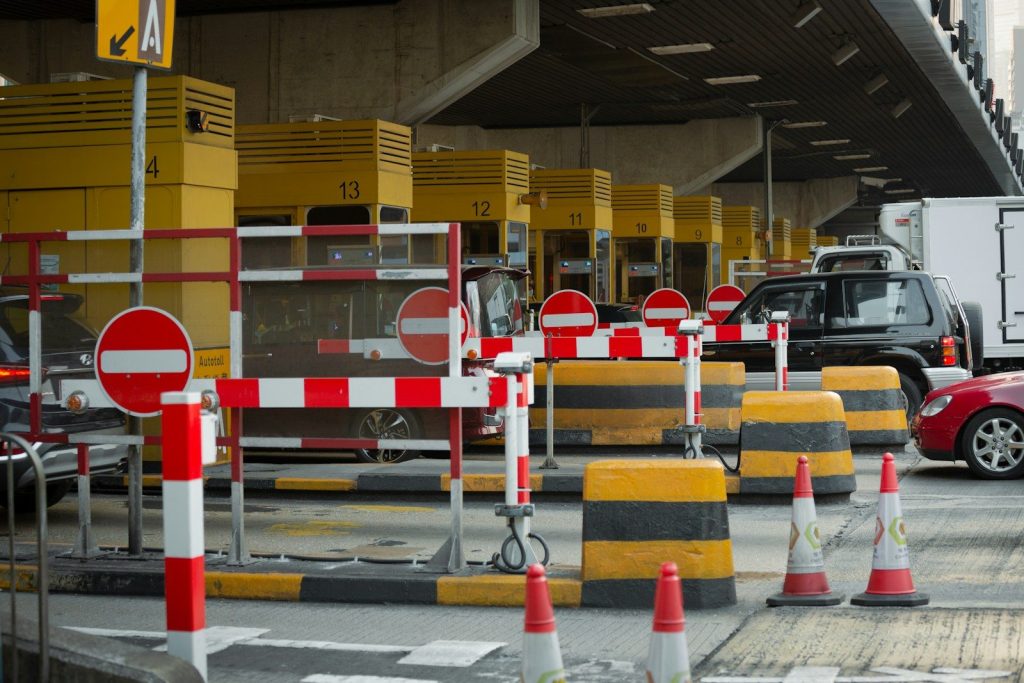
    red and yellow traffic cone
    Photo by Red John on Unsplash

    A small construction barrier had temporarily blocked the main exit route. The computers failed. According to tech analysts, the autonomous mapping software did not update in real time. The vehicles kept entering the zone, believing the path was completely clear. This blind trust in the digital map created a massive physical hazard.

    When Smart Cars Blindly Trust

    black vehicle GPS turned on
    Photo by Alvaro Reyes on Unsplash

    This swarm highlights a major weakness in modern driverless navigation systems. They lack human intuition. According to a study by the Insurance Institute for Highway Safety, automated vehicles struggle to adapt to sudden road changes. When faced with an unexpected obstacle, the software often freezes to prevent collisions. This safety feature can easily backfire in busy city environments.

    Reclaiming The Blocked Street

    Apartment buildings with trees and a street view.
    Photo by Adrien Olichon on Unsplash

    Frustrated residents had to wait hours for the tech company to resolve the jam. The wait was long. According to company statements, engineers had to manually override the system to clear the cul-de-sac. They had to drive each car out of the block one by one. But the incident sparked a major investigation by transit regulators.

    Demanding Better City Tech

    A group of people working on computers in a room
    Photo by Anastassia Anufrieva on Unsplash

    City officials are now demanding more control over autonomous fleet testing. This is critical. According to municipal reports, local governments must have the power to shut down faulty software during emergencies. We must protect our public roads from unpredictable coding glitches. But the technology is still expanding into new metropolitan areas.

    Securing Our Smart Cities

    long exposure photography of road and cars
    Photo by Marc-Olivier Jodoin on Unsplash

    According to industry experts, autonomous vehicles will require advanced vehicle-to-city communication networks to operate safely. Technology must adapt to our real-world unpredictability. This article is for informational purposes only and does not constitute technical advice. By building smarter infrastructure, we can safely share our streets with the robots of tomorrow.

    Featured Image: Photo by Chuang XY on Unsplash

  • How One Tech Millionaire Plans To Disrupt Modern Politics

    How One Tech Millionaire Plans To Disrupt Modern Politics

    Many voters assume that political campaigns are run by seasoned party experts. We believe that traditional election strategies are the best way to win.

    But a prominent technology millionaire is launching a radical campaign to disrupt the entire political system. His data-driven model is threatening to turn established parties completely upside down.

    The Disruptor In Silicon Valley

    an aerial view of a stadium
    Photo by Zetong Li on Unsplash

    A prominent tech entrepreneur is stepping out of the boardroom and into the political arena. He is fearless. According to reports from Bloomberg, this millionaire built his fortune on advanced data analysis software. Now, he wants to use those same algorithms to completely rebuild campaign operations. But his plan has triggered massive alarm bells among veteran party leaders.

    Ditching The Old Methods

    a bunch of tvs that are sitting on a shelf
    Photo by Dodi Achmad on Unsplash

    The tech founder argues that traditional political consulting is incredibly outdated and inefficient. The system is broken. According to his public statements, modern campaigns waste millions of dollars on useless television ads. He wants to replace these old methods with targeted digital targeting. But this algorithmic approach could change how we perceive voter privacy.

    Mining The Voter Data

    black flat screen computer monitor
    Photo by Clay Banks on Unsplash

    His tech platform uses predictive data models to analyze voter behavior in real time. It is highly precise. According to a study from the MIT Tech Review, these systems track individual internet habits to predict political leanings. This level of detail allows campaigns to craft highly personalized messages. However, some security experts are deeply worried about this tech power.

    The Threat of Microtargeting

    a person holding a cell phone in their hand
    Photo by Amanz on Unsplash

    Critics worry that hyper-focused digital ads can easily divide communities and spread misinformation. The risks are high. According to the Center for Humane Technology, algorithmic political ads can trap users inside intense ideological bubbles. This division makes compromise nearly impossible on major issues. But the tech millionaire believes his software is actually the solution.

    Crowdsourcing Clean Political Ideas

    Close-up of people using a tablet with touchscreen interaction in an indoor setting.
    Photo by Matheus Bertelli on Pexels

    The new app lets voters directly propose and vote on policy changes in real time. This is direct democracy. According to tech industry reports, this digital platform bypasses wealthy corporate donors entirely. It allows grassroots ideas to gain immediate funding and national attention. But traditional party structures are actively fighting back.

    The Battle for Control

    a group of tin cans sitting on top of a blue and pink floor
    Photo by Growtika on Unsplash

    Established party leaders are trying to block the tech founder’s software from official networks. They fear losing power. According to political science journals, this struggle is a classic clash between old-world power and decentralized tech. The outcome will decide who controls future campaigns. But the tech movement is already spreading past the national borders.

    Global Disruption Is Coming

    timelapse photo of city with vehicles
    Photo by Lily Banse on Unsplash

    Other global tech hubs are watching the Silicon Valley project with extreme interest. They want similar changes. According to reports from the World Economic Forum, civic technology is growing rapidly in several democratic nations. This digital shift could permanently decentralize how laws are written and voted on. But voters must still navigate the digital divide.

    The Future Of Democracy

    a calculator sitting next to a computer monitor
    Photo by Dennis Cortés on Unsplash

    According to sociological studies, we must ensure technology remains transparent and secure to protect our elections. Code should support human choices, not manipulate them. This article is for informational purposes only and does not constitute professional advice. By balancing innovation with ethics, we can build a stronger and more democratic future.

    Featured Image: Photo by ThisisEngineering on Unsplash