Category: Business & Tech

  • How Automated Kitchens Are Quietly Replacing Humans

    How Automated Kitchens Are Quietly Replacing Humans

    Most people assume that preparing restaurant meals requires human culinary artistry. We believe that machines can never duplicate the complex flavor palates of professional chefs.

    But a fully automated kitchen in Croatia prepares hundreds of dishes with zero human help. This robotic restaurant is proving that mechanical hands cook food with absolute precision.

    The Robotic Chef Appears
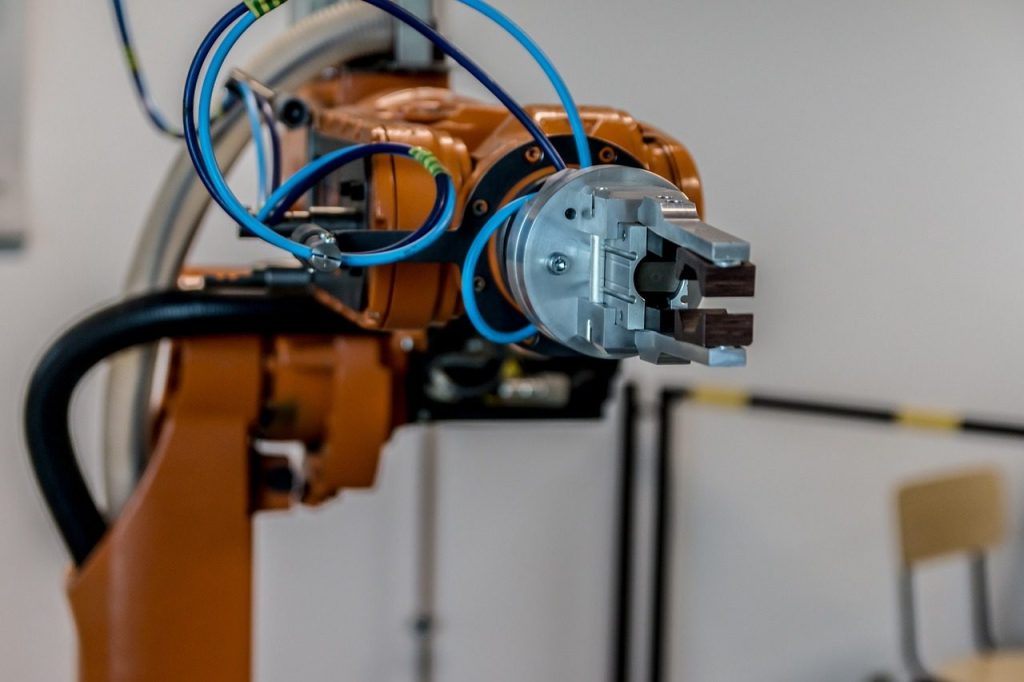
    robot, arm, technology, robot arm, robotics, kawasaki, science, orange, technique, electronics, automation, robot, robot, robot arm, robotics, automation, automation, automation, automation, automation
    Photo by jarmoluk on Pixabay

    A busy bistro in Zagreb uses an advanced robotic cooking array called GammaChef to prepare hot stews. This multi-pot machine controls heat and seasons food without human intervention. According to business reports in Bloomberg, the automated system operates entirely on pre-programmed digital recipes. It never makes mistakes. But this culinary machine requires some highly complex engineering to run smoothly.

    Pumping Ingredients With Precision
    Industrial pipes and machinery in a factory
    Photo by Lionel SEE on Unsplash

    The kitchen uses a pressurized tube system to feed exact amounts of water and oil into pots. It dispenses spices down to the microgram to ensure consistent taste. According to mechanical designers, the machinery cleans itself between orders to prevent cross-contamination. The process is flawless. Yet, handling fresh ingredients presents a massive physical challenge for automated arms.

    The Challenge Of Texture
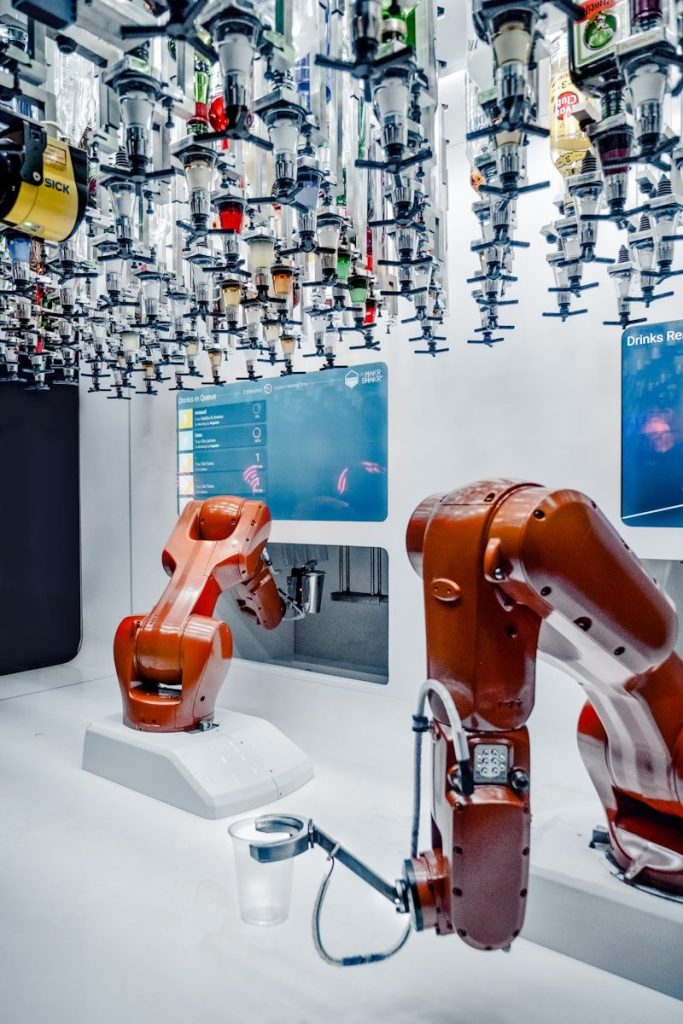
    two red power tools inside room
    Photo by David Levêque on Unsplash

    While liquids flow easily, fresh meat and soft vegetables often stick to metal dispensers. Engineers had to build vibrating plates to guide solid food into the pans. According to a study in Food Engineering, matching human hand coordination remains the hardest task in food tech. Science is catching up. And this mechanical evolution is drastically dropping the cost of running a business.

    Cutting Down Overhead Costs

    Inside a restaurant kitchen, ready for service.
    Photo by Valeria Kodra on Unsplash

    Restaurant owners typically spend nearly thirty percent of their revenue on kitchen labor. Automated systems eliminate these recurring wages and keep kitchens running continuously. According to financial analysts, robots can pay for themselves in under eighteen months of full operation. Savings are immediate. However, this massive efficiency is sparking a fierce debate among traditional restaurant workers.

    Protecting Culinary Heritage

    man in chef suit
    Photo by Thomas Marban on Unsplash

    Critics worry that automated cooking will ruin the traditional dining experience. They argue that food loses its soul when prepared by cold metal parts. According to cultural historians, food prep has always served as a vital human bonding ritual. Art is at risk. But automated developers are aiming at a completely different market segment.

    Fast Food Automation First
    A busy factory with workers sorting red apples on conveyor belts indoors.
    Photo by Jonathan David on Pexels

    Chain restaurants and high-volume dining halls are adopting this technology first to handle rush hour crowds. These venues prioritize speed and consistency over artistic flair. According to industry reports, major fast food giants are actively testing automated fryers and assembly lines. The future is fast. And this shift is driving massive investments into heavy food tech.

    The Global Kitchen Network

    a bunch of blue wires connected to each other
    Photo by Scott Rodgerson on Unsplash

    Developers want to link automated kitchens to the cloud to download new recipes instantly. A chef in Paris could program a dish and send it to machines worldwide. According to software engineers, this global network could standardize hospitality across different continents. Distance will vanish. But this connected future faces one final barrier.

    The Consumer Choice

    person eating vegetable salad
    Photo by Louis Hansel on Unsplash

    Customers must ultimately decide if they prefer the human touch or automated consistency. While machines offer cheaper meals, human chefs provide warmth and community. According to consumer surveys, most diners still value personal interaction during their meals. This article is for informational purposes only.

    Featured Image: Photo by Cheng Shi Song on Unsplash

  • The Ghost Bridge Exposed By A Smart Machine

    The Ghost Bridge Exposed By A Smart Machine

    Taxpayers usually assume that government agencies keep perfect track of public funds. We believe that strict manual accounting protects our hard-earned dollars from vanishing.

    But a radical artificial intelligence audit has exposed a shocking secret in a state budget. The smart software flagged millions of dollars spent on a project that does not exist.

    The Digital Detective

    closeup photo of eyeglasses
    Photo by Kevin Ku on Unsplash

    Auditors recently deployed an advanced machine learning program to scan years of complex state financial records. They wanted to find hidden accounting errors and wasteful transactions. According to state financial reports, the automated software flagged a massive payment for a highway project. It was suspicious. But nobody expected what investigators would discover when they visited the physical site.

    The Empty Valley

    A muddy river flows through a rugged gorge under a cloudy sky, showcasing dramatic natural beauty.
    Photo by 𝐊𝐔𝐑𝐃𝐈𝐒𝐓𝐀𝐍 on Pexels

    When researchers checked the coordinate records, they found nothing but trees and an empty muddy riverbed. There was no highway, no concrete, and absolutely no signs of construction work. According to investigators in North Carolina, the state had paid over sixty-one million dollars for a ghost bridge. The money vanished. This shocking discovery triggered an immediate investigation into where the funds actually went.

    The Paper Trail

    white printer paper with black text
    Photo by Denny Müller on Unsplash

    The artificial intelligence tracked the missing millions through a maze of nested administrative accounts. It discovered that the funds had been quietly diverted through obscure bureaucratic loopholes. According to public audit documents, corrupt actors used fake progress reports to keep the cash flowing for years. It was clever. But the smart software easily spotted the statistical anomalies in their filings.

    Beyond Human Vision

    turned on monitoring screen
    Photo by Stephen Dawson on Unsplash

    Human accountants had reviewed these exact financial ledgers for years without noticing anything out of the ordinary. The volume of daily transactions is simply too massive for manual reviews to catch subtle patterns. According to data scientists at MIT, AI systems can analyze millions of data points in real time. Machines do not tire. This massive analytical speed is completely changing how we fight financial crime.

    The Global Fraud Fight

    Close-up of robotic arm automating lab processes with precision.
    Photo by Youn Seung Jin on Pexels

    Governments worldwide are now racing to adopt similar automated auditing systems to protect public funds. They want to ensure that every dollar goes exactly where it belongs. According to international financial analysts, machine learning will save taxpayers billions of dollars in wasted revenue annually. The shift is massive. However, implementing this powerful technology comes with a major catch.

    Algorithmic Blind Spots

    two men working on computers in an office
    Photo by Shamin Haky on Unsplash

    While smart software is highly effective, it can still make errors or flag innocent accounting mistakes as fraud. False alarms can damage reputations and delay critical public works projects. According to software engineers, human overseers must still verify every single alert the machine generates. Trust is delicate. This balance between human judgment and artificial intelligence is a critical puzzle.

    A New Era Of Truth

    Close-up of hand writing on tax form with calculator nearby on white surface.
    Photo by Nataliya Vaitkevich on Pexels

    The exposure of the ghost bridge proves that advanced technology is our best weapon against systemic corruption. Automated audits will ensure that public funds actually build the roads and schools we need. According to state officials, this technological breakthrough marks a permanent change in government accountability. This article is for informational purposes only.

    Featured Image: Photo by Roman Budnikov on Unsplash

  • Why Tech Giants Are Suddenly Pouring Billions Into New York

    Why Tech Giants Are Suddenly Pouring Billions Into New York

    People usually assume that Silicon Valley is the only place where artificial intelligence thrives. We believe that tech companies always avoid cities with high costs and strict rules.

    But a massive shift in the tech landscape is changing global business maps. Major companies are quietly building massive hubs in the heart of New York.

    The Great Tech Migration

    Elegant lobby with marble floors and wood paneling
    Photo by Josh Hild on Unsplash

    Critics long warned that high taxes and rising rents would drive major employers away from the East Coast. They predicted a massive corporate exodus. According to reports from Bloomberg, top artificial intelligence firms are doing the exact opposite. They are moving fast. This unexpected influx is transforming the local commercial real estate market.

    The Fight For Talent

    group of people using laptop computer
    Photo by Annie Spratt on Unsplash

    The primary driver behind this migration is not real estate prices but human intelligence. Tech companies need a massive pool of elite programmers, scientists, and financial minds to build modern software. According to a study by Cornell Tech, New York has become a leading hub for highly skilled graduates. The talent is immense. This concentration makes it the perfect battleground for tech giants.

    Anthropic Takes The Stage

    Explore this modern luxury office interior with open workspaces and sleek minimalist design.
    Photo by Essentia Media on Pexels

    A prominent artificial intelligence startup recently signed a massive lease for a historic building in Manhattan. They chose this location to establish a major East Coast research center. According to real estate records, this deal represents one of the largest office expansions of the year. It was a massive bet. But this move has also triggered a fierce computing war.

    Supercomputers In The City

    white and blue light on dark room
    Photo by Denny Müller on Unsplash

    Running advanced artificial intelligence models requires massive amounts of processing power and fast data networks. New York’s deep fiber optic infrastructure provides a critical advantage for high-speed computing. According to industry analysts, these urban data centers can process calculations faster than remote facilities. Speed is everything. This infrastructure is drawing even more tech giants to the area.

    Airbnb Joins The Bet

    a glass walled meeting room with a table and chairs
    Photo by Hammer Group on Unsplash

    Other major tech firms are expanding their offices to capture local engineering talent. A global travel platform recently secured a massive multi-floor office space to grow its software team. According to tech industry reports, these companies are building permanent anchors in the city. The momentum is growing. But this tech gold rush is also creating a massive challenge for local businesses.

    Rising Office Wars

    Modern building with lush green rooftop gardens
    Photo by WILLIAN REIS on Unsplash

    As these tech giants move in, they are driving up competition for premium workspace. Landlords are updating historic brick buildings with modern fiber cables and green cooling systems. According to commercial real estate experts, these updates are turning old warehouses into hyper-connected tech campuses. The change is radical. This massive wave of investment is paving the way for a new digital era.

    Shaping A Digital Capital

    Model of a modern city with buildings and buildings
    Photo by ANOOF C on Unsplash

    The sudden influx of tech billions shows that New York is becoming a dominant force in artificial intelligence. This shift is reshaping how the global economy works. According to market analysts, urban tech hubs are the future of corporate innovation. The city is ready. This article is for informational purposes only.

    Featured Image: Photo by Luca Bravo on Unsplash

  • The Brutal Physics Bottleneck Delaying Our Journey To Mars

    The Brutal Physics Bottleneck Delaying Our Journey To Mars

    We assume that going to Mars is simply a matter of funding and political will. Most people believe our current rocket technology is ready to colonize the red planet.

    But a series of extreme engineering failures shows we have hit a hard physical wall. Aerospace designers must now solve massive fuel and engine calculations before we can leave Earth.

    The Live Interview Escape

    man sitting in front of another man also sitting inside room
    Photo by Quilia on Unsplash

    The public recently watched a tech leader abruptly leave a high-stakes broadcast about space travel. The unexpected exit followed intense questions regarding recent booster failures. According to industry reports, the sudden departure signaled deep executive stress over unresolved launch mechanics. The pressure is rising. These ongoing delays point to a far deeper problem hidden in the rocket blueprints.

    Extreme Engine Heat

    taking off rocket ship
    Photo by Bill Jelen on Unsplash

    Launching a massive spacecraft requires dozens of heavy engines firing in absolute perfect harmony. The intense heat from these thrusters can easily melt standard steel launch pads. According to NASA engineers, the sheer physical force of a launch requires a massive water deluge system to prevent total destruction. Steel melts fast. But managing this immense thermal energy is only the first obstacle.

    The Crucial Fuel Weight

    written equations on brown wooden board
    Photo by Roman Mager on Unsplash

    To escape the strong gravity of Earth, a rocket must carry hundreds of tons of liquid fuel. However, carrying more fuel makes the ship heavier and requires even more power to launch. According to physics journals, experts call this vicious cycle the rocket equation. Math is brutal. This absolute mathematical law limits how far a standard rocket can travel into deep space.

    The Orbital Refueling Trap

    satellite flying on space
    Photo by NASA on Unsplash

    A mission to Mars requires refueling the main ship while it orbits the Earth. This delicate task requires multiple support launches to transfer highly volatile liquid oxygen in zero gravity. According to aerospace reports, even a tiny temperature shift can cause the fuel to boil away into empty space. Space is freezing. And this fragile transfer process must happen multiple times for a single voyage.

    Heavy Payload Limits

    Concentrated male mechanics in protective uniform assembling detail of large spacecraft component at modern factory
    Photo by SpaceX on Pexels

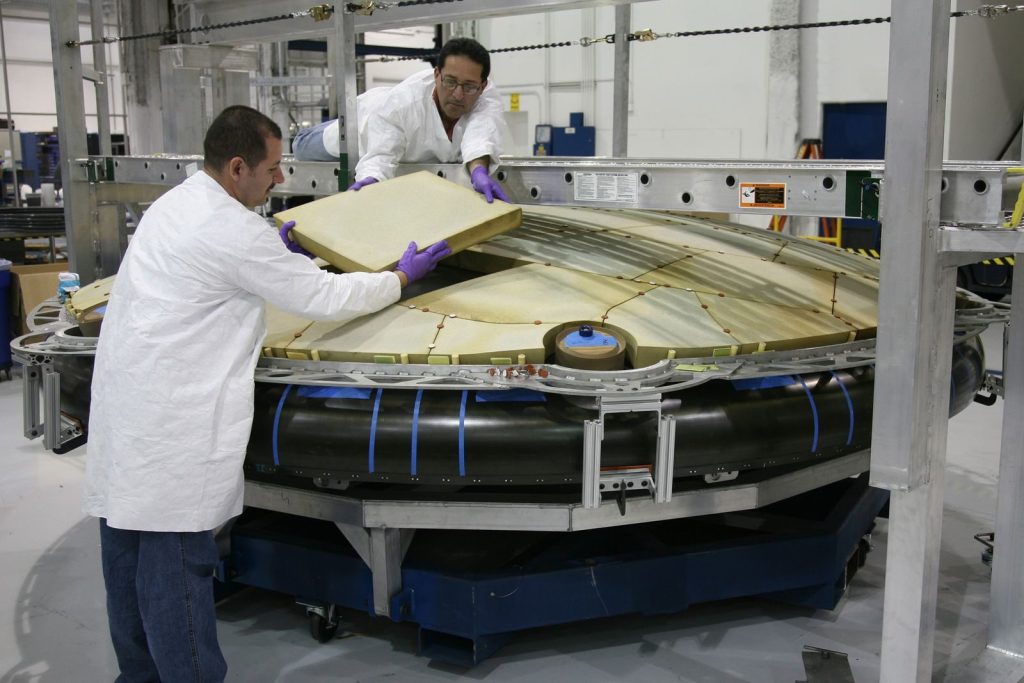
    Colonizing another world requires transporting heavy machinery, water systems, and survival habitats. Current spacecraft designs can only carry a tiny fraction of the necessary cargo weight. According to manufacturing studies, building lightweight but durable carbon composite frames remains incredibly difficult. Weight rules everything. This manufacturing bottleneck forces engineers to seek alternative materials that do not yet exist.

    Harsh Cosmic Radiation

    Breathtaking display of Northern Lights over Reykjahlíð, Iceland, with vibrant colors and starry night sky.
    Photo by Francisco Cornellana Castells on Pexels

    Deep space lacks the protective magnetic shield of our home planet. Future astronauts will face heavy bombardment from dangerous solar winds and cosmic rays. According to health physics research, a short trip to Mars can damage human DNA beyond repair. Radiation kills cells. Protecting the crew requires heavy shielding that adds massive weight to the launch vehicle.

    Starship Development Stumbles

    Captivating nighttime fireworks exploding in the sky, perfect for New Year or festive events.
    Photo by photoGraph on Pexels

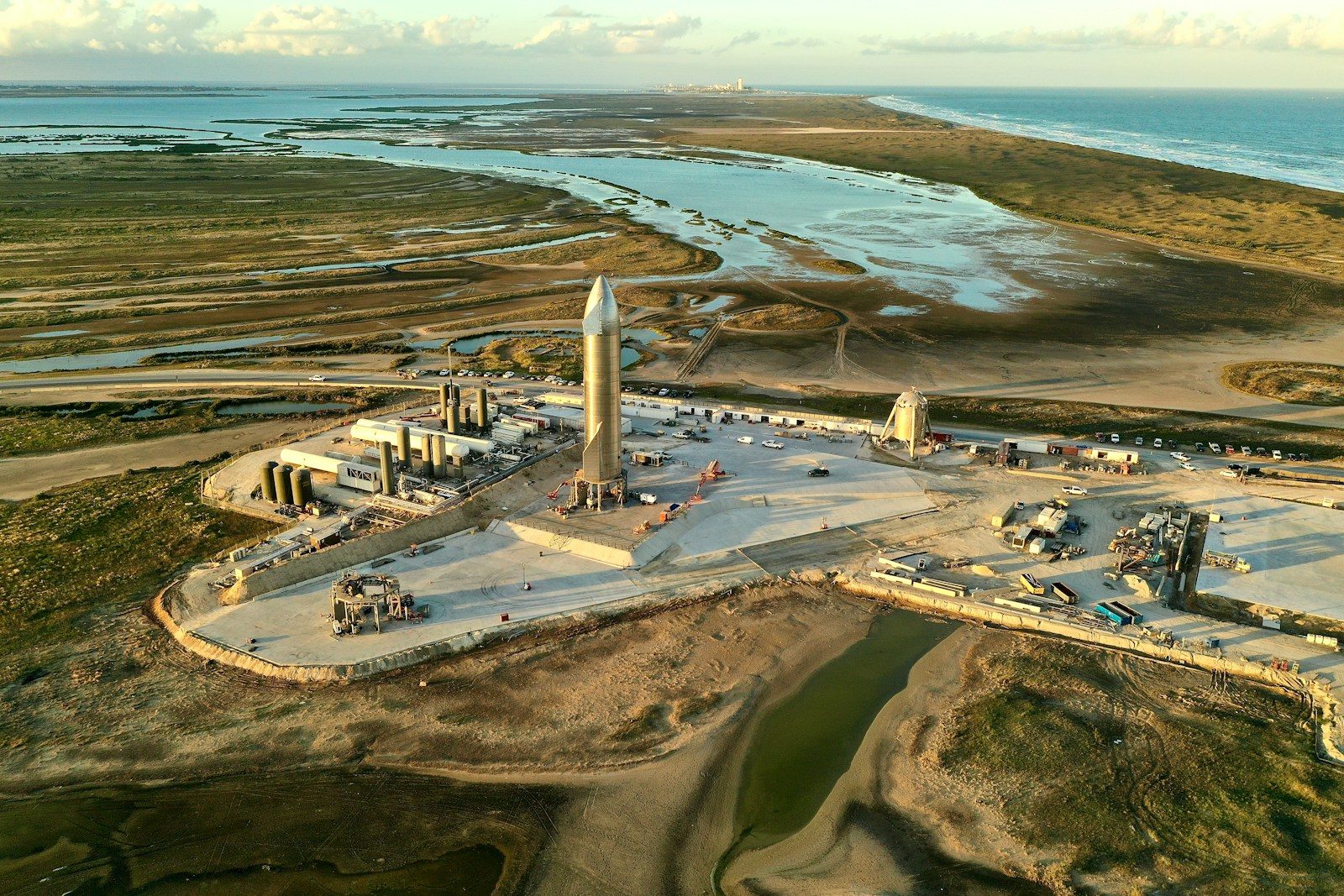
    Recent test launches have ended in spectacular explosions high in the upper atmosphere. Each crash forces technicians to spend months redesigning key pressure valves and engine components. According to SpaceX launch data, these setbacks delay the official NASA timeline for the upcoming moon landings. Progress is slow. These delays highlight the massive gap between bold promises and physical reality.

    Reaching For The Stars

    Canyon edge illuminated by sunset light at dusk
    Photo by Iain on Unsplash

    Overcoming the harsh physics of space travel will require decades of steady engineering breakthroughs. We cannot cheat gravity with clever marketing or rapid funding. According to aerospace experts, patience and hard science will eventually get us to Mars. This article is for informational purposes only.

  • How An Automated Tech Experiment Shut Down Major Government Systems

    How An Automated Tech Experiment Shut Down Major Government Systems

    Most people assume that massive government reforms are executed slowly by politicians. We believe that changing federal operations requires decades of legislative debates and policy reviews.

    But a highly aggressive tech-driven initiative has formally shut down after causing massive disruption. This automated cost-cutting project upended the entire federal workforce using radical algorithms.

    The Cost-Cutting Initiative

    a woman sitting at a table with a laptop computer
    Photo by Sortter on Unsplash

    Congress originally created the Department of Government Efficiency to eliminate federal waste. Billionaire tech executives led the office and wanted to run the government like a startup. According to official reports, the new department aimed to slash trillions of dollars in federal spending. It was highly ambitious. But their aggressive methods quickly ran into major structural hurdles.

    The Algorithmic Purge

    black flat screen computer monitor
    Photo by Mohammad Rahmani on Unsplash

    Instead of reviewing programs manually, the team used automated data systems to flag federal spending. These algorithms targeted thousands of grants and federal contracts for immediate termination. According to independent analysts, this tech-driven approach caused widespread confusion across multiple agencies. System errors were common. This mechanical efficiency soon triggered a massive human crisis.

    The Foreign Aid Collapse

    Explore the eerie atmosphere of an abandoned industrial warehouse in ruins.
    Photo by Elina Volkova on Pexels

    The team aggressively dismantled international aid organizations in the name of efficiency. Automated cuts targeted funding for crucial global health programs. According to epidemiological models from Boston University, these abrupt funding cuts led to hundreds of thousands of avoidable deaths. The losses were tragic. This sudden collapse sparked a massive international backlash.

    The Federal Brain Drain

    Man carrying box of belongings in modern office
    Photo by Vitaly Gariev on Unsplash

    The cost-cutting project pushed thousands of experienced federal workers to resign. Critical roles in public safety and infrastructure sat empty. According to reports from Mother Jones, the sudden loss of trained staff severely damaged government services. They were highly skilled. This mass departure left key departments struggling to operate.

    The Myth Of Efficiency

    black and silver pen on white paper
    Photo by Olga DeLawrence on Unsplash

    While the initiative claimed to save billions, audit reports revealed a different reality. The rapid cuts caused massive operational delays and costly legal disputes. According to estimates from the Internal Revenue Service, the disruption actually cost taxpayers billions in lost revenue. The math was flawed. This financial reality forced the administration to rethink the program.

    The Quiet Departure

    Person walking down a long, lit arcade hallway.
    Photo by Julio Lopez on Unsplash

    The high-profile tech leaders of the initiative quietly left their government roles. Most of their core staff followed them soon after. According to federal personnel records, the administration quietly disbanded the centralized office. They walked away. But the legacy of their automated experiment remained active.

    The Final Shutdown

    a dell laptop computer with a red screen
    Photo by Ed Hardie on Unsplash

    The temporary organization behind this sweeping cost-cutting effort reached its official expiration date. Its public tracking website went dark as the project reached its self-imposed deadline. According to reports from the Office of Management and Budget, officials have no plans to release a final report. It was officially done. Yet, the lessons of this experiment remain highly relevant.

    The Automated Legacy

    two hands touching each other in front of a pink background
    Photo by Igor Omilaev on Unsplash

    The dramatic rise and fall of this digital government experiment proves that complex public systems require human oversight. True efficiency demands careful planning and human empathy. According to public administration experts, this project will serve as a cautionary tale for future technology reforms. This article is for informational purposes only.

    Featured Image: Photo by panumas nikhomkhai on Pexels

  • The Secret Battery Grid Quietly Taking Over Texas

    The Secret Battery Grid Quietly Taking Over Texas

    Most people assume that power grids must rely entirely on burning coal or gas to stay online. We believe that massive power plants are the only way to avoid blackouts.

    But a radical network of giant batteries is quietly taking over the energy market. This silent technological shift is transforming how an entire state keeps its lights on.

    Inside The Power Surge

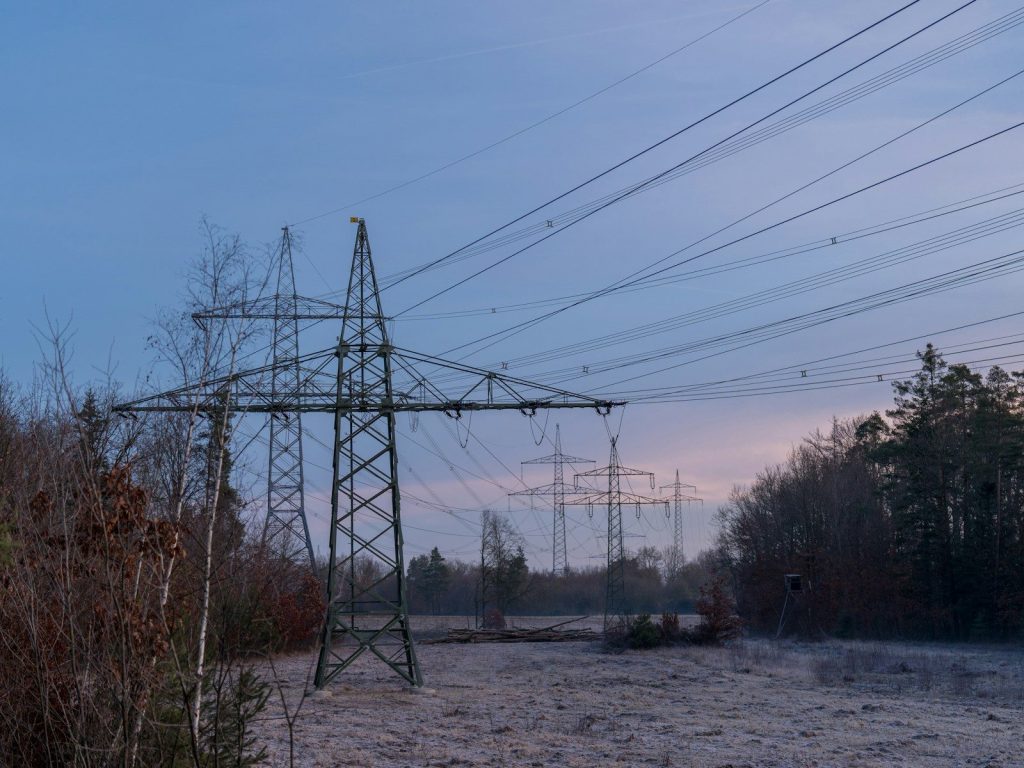
    Power lines stretch across a frosty, wooded landscape at dusk.
    Photo by Mohamed B. on Unsplash

    Texas has long struggled with extreme weather that puts massive stress on its energy infrastructure. During historic freezes, traditional plants have failed completely. According to energy market experts, massive battery installations are stepping in to save the day. They are incredibly fast. But the secret behind this technology lies in how these cells operate together.

    A Silent Giant Array

    Industrial storage containers under a cloudy sky
    Photo by Jacob McGowin on Unsplash

    Instead of one massive plant, this system uses thousands of modular battery packs grouped in giant fields. These white boxes sit silently in rural landscapes, storing excess wind and solar power. According to grid operators, this setup can feed energy into the system in milliseconds. It is completely quiet. Yet, this speed is completely disrupting traditional energy companies.

    Crashing The Market

    a close up of a computer screen with a lot of data on it
    Photo by Lukas on Unsplash

    Traditional power plants take hours to heat up and start producing electricity when demand spikes. Batteries instantly discharge their stored energy to stabilize the network. According to financial analysts, this rapid response is driving down energy costs during peak hours. The impact is massive. However, critics argue that relying on batteries comes with its own environmental dangers.

    The Thermal Risk

    Close-up of rusty industrial pipes and valves, showcasing aging machinery in a factory setting.
    Photo by Pixabay on Pexels

    Storing massive amounts of electrical energy in lithium-ion cells can lead to chemical fires if they overheat. These rare blazes are incredibly difficult to put out with standard water. According to fire safety engineers, these plants use advanced liquid cooling systems to prevent disasters. Safety is critical. But this has not stopped the rapid expansion of these arrays.

    Homes Joining The Fight

    a white car is parked in a garage
    Photo by Priscilla Du Preez 🇨🇦 on Unsplash

    The battery takeover is not just happening in remote fields. Every day, homeowners are installing smaller battery packs on their garage walls to store solar energy. According to utility reports, these individual home batteries are being linked into one massive virtual power plant. They act as one. This collective power is starting to reshape the entire local economy.

    Earning While Storing

    a person holding up a cell phone with a stock chart on it
    Photo by PiggyBank on Unsplash

    Homeowners who share their stored battery power with the public grid are earning surprising monthly payouts. They sell their energy back when prices are highest. According to program participants, some families make hundreds of dollars a year doing nothing. It is easy money. But this decentralized system is threatening the power of old utility monopolies.

    A Global Blueprint

    a close up of a blue and black object
    Photo by Ján Čorba on Unsplash

    What is happening in Texas is serving as a blueprint for power grids across the globe. Other countries are watching how this giant battery experiment handles the extreme summer heat. According to international energy reports, battery storage capacity is doubling every year. The trend is unstoppable. Yet, we are still in the very early stages of this power revolution.

    The Green Horizon

    silhouette of trees during sunset
    Photo by Dimitry B on Unsplash

    The quiet rise of massive battery grids proves that we can build a resilient, clean energy future. These silent power arrays are ensuring that our homes stay warm without destroying the planet. According to tech visionaries, combining batteries with solar and wind will permanently replace old fossil fuel grids. We must adapt. This article is for informational purposes only.

    Featured Image: Photo by Heru Dharma on Pexels

  • Why Tech Billionaires Are Quietly Fleeing Traditional Skyscrapers

    Why Tech Billionaires Are Quietly Fleeing Traditional Skyscrapers

    Most people assume that ultra-wealthy tech founders buy massive city skyscrapers to secure their long-term fortunes. We believe that luxury penthouses are the ultimate safe assets.

    But elite tech pioneers are quietly dumping their high-rise real estate at historic losses. They are shifting their massive fortunes into an entirely different kind of physical asset.

    The Great Escape

    brown wooden table and chairs
    Photo by Bao Menglong on Unsplash

    Billionaires are abandoning their prime urban real estate in record numbers. This rapid flight is leaving massive luxury penthouses empty across major global capitals. According to property market reports from Bloomberg, tech elites are taking extreme losses just to unload these heavy buildings. The market is shifting. But this financial exit is driven by a far deeper concern than local taxes.

    Vulnerable Urban Hubs

    high rise buildings during night time
    Photo by Semyon Borisov on Unsplash

    Modern skyscrapers rely on highly centralized electricity, water, and waste grids to function. A single major grid failure instantly turns a high-rise home into a giant concrete trap. According to urban planning studies from Columbia University, skyscrapers are highly vulnerable to prolonged blackouts. Elevators stop completely. This physical dependency is pushing wealthy founders to seek total self-reliance.

    Buying Up Wilderness

    white van on green grass field during daytime
    Photo by Callum Hill on Unsplash

    Instead of concrete towers, billionaires are buying vast tracts of remote agricultural land. These isolated estates offer natural resources like freshwater springs and fertile soil. According to real estate registries, tech executives are acquiring thousands of acres in places like New Zealand and Hawaii. They want space. This search for security has triggered a massive boom in high-tech survival architecture.

    High Tech Fortresses

    a planter in the middle of a large room
    Photo by Ryunosuke Kikuno on Unsplash

    These new wilderness estates are far more than simple remote cabins. They feature advanced underground bunkers equipped with solar microgrids, water filtration, and hydroponic food systems. According to defense architecture reports, these private shelters are engineered to operate independently for several years. Security is high. Yet, the real engineering challenge is building these structures without drawing any attention.

    Architects Of Security

    a large building with a large lawn in front of it
    Photo by Nate Johnston on Unsplash

    Architects of modern survival compound design these secure bunkers to blend seamlessly into the surrounding natural landscape. Underground entryways are hidden inside normal barns or covered by artificial hills. According to structural engineers, blending into nature is the best defense against unwanted visitors. Camouflage is key. This stealth design approach is changing how luxury architects build high-end properties.

    Algorithms Predicting Collapse

    black flat screen computer monitor
    Photo by Eduardo Pastor on Unsplash

    The rush to buy survival property is driven by advanced artificial intelligence models. Tech founders run complex simulations to predict political, environmental, and economic crises. According to software engineers, these private models suggest that centralized city life faces a rocky future. The data is clear. This technological foresight explains why tech leaders are acting so quickly to dump city assets.

    The Ultimate Asset

    a stream running through a lush green forest
    Photo by Jennifer Walker on Unsplash

    Valuable symbols of luxury and wealth are undergoing a permanent transformation. True security is no longer about high-rise penthouses but about controlling essential resources like energy and water. According to real estate economists, the ultimate luxury of the future will be total independence. We must prepare. This article is for informational purposes only.

    Featured Image: Photo by Jan Weber on Unsplash

  • How Citizen Photos Unmasked Giant Silent Computing Hubs

    How Citizen Photos Unmasked Giant Silent Computing Hubs

    Most local residents assume that the large concrete warehouses built near their towns are simple shipping hubs. We believe these silent structures hold nothing but retail packages.

    But a wave of citizen photography is revealing a highly different reality. These massive buildings are actually high-power data centers that are quietly straining the local environment.

    The Concrete Giants

    a tall building with a tower
    Photo by Luca on Unsplash

    Regular citizens began documenting the rapid expansion of windowless concrete complexes in their neighborhoods. According to reports from local conservation groups, these structures can span the size of several sports stadiums. They are highly quiet. Yet the constant hum of heavy cooling fans is raising immediate questions among nearby homeowners. But tracking down the true purpose of these buildings required a collaborative effort.

    A National Movement

    A group of men standing next to each other
    Photo by Rendy Novantino on Unsplash

    Activists are now using online databases to share photos of these massive computing warehouses. According to environmental advocate Erin Brockovich, citizen documentation is vital for unmasking the physical scale of the digital cloud. She thanked Americans. These photos help map out where computing hubs are placing the heaviest strain on public utilities. But the sheer scale of the power demand is shocking.

    The Power Surge

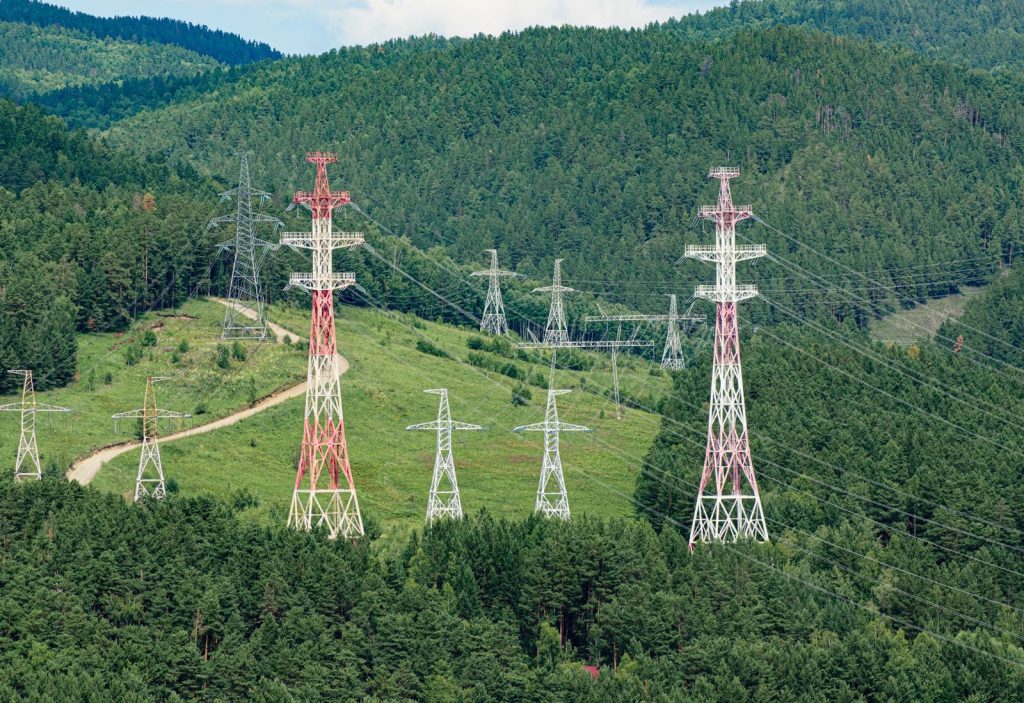
    High voltage transmission towers stretching through lush green forest hills, showcasing energy infrastructure.
    Photo by Radik 2707 on Pexels

    Running thousands of active servers requires more electricity than a small city consumes. According to energy grid studies, a single large facility can drain enough power to cause regional voltage drops. The system is fragile. This massive energy consumption is forcing utility companies to burn more fossil fuels to keep up. But water is another critical resource threatened by these hubs.

    Invisible Water Traps

    a factory with smoke coming out of it's stacks
    Photo by Yzy Pop on Unsplash

    Keeping these server warehouses cool requires diverting millions of gallons of fresh water. According to local utility audits, some facilities evaporate half a million gallons of water every single day. This loss is permanent. The massive consumption is placing an immediate strain on fragile underground aquifers. But community groups are fighting back against these water allocations in court.

    Farming Communities Alarm

    Drone shot of a green circular crop field with central irrigation system.
    Photo by LEONARDO DOURADO on Pexels

    Agricultural regions are particularly vulnerable to the heavy water demands of nearby computing hubs. According to agricultural geologists, lowering the local water table directly threatens crop yields and livestock operations. The wells are drying. Farmers are organizing public protests to demand strict environmental audits for all future developments. But technology companies are scrambling to find alternative solutions to this crisis.

    Moving Toward Accountability

    brown building
    Photo by Nathan Vogele on Unsplash

    Pressure from citizens is forcing local governments to pass strict new zoning laws. According to public policy reports, several counties have paused new developments until they can verify the long-term resource impact. Change is happening. This regulatory shift is forcing tech conglomerates to design more sustainable computing models. But the final success of this movement will depend on constant public watchfulness.

    Preserving Our Communities

    aerial view of green trees
    Photo by Miha Rekar on Unsplash

    Unmasking the physical reality of the internet allows us to make conscious choices about our resources. According to environmental researchers, balancing technological growth with natural conservation remains vital for our future. Curiosity is key. This article is for informational purposes only.

    Featured Image: Photo by Nick Fewings on Unsplash

  • The Bizarre Science Behind America’s Favorite Roadside Kingdom

    The Bizarre Science Behind America’s Favorite Roadside Kingdom

    Most travelers assume gas stations are just simple places to refuel and grab quick snacks. We expect these stops to be small and dirty.

    But one massive chain has turned road stops into an engineering marvel. Their giant centers utilize brilliant science to hook millions of drivers.

    The Psychology Of Scale

    Inside a convenience store with snacks and drinks.
    Photo by Matthew Zheng on Unsplash

    These locations are designed to be larger than professional football fields. This massive footprint is not just for show. According to behavioral scientists at Texas A&M University, extreme physical space reduces travel anxiety and encourages impulsive shopping. The layout is brilliant. But this sense of comfort starts long before you even step inside the building.

    An Obsession With Restrooms

    Modern bathroom with multiple sinks and mirrors.
    Photo by Alban on Unsplash

    The chain has built a legendary reputation for having the cleanest public bathrooms in America. They use a highly specialized cleaning schedule to maintain this standard. According to reports from the gas-comparison platform GasBuddy, clean restrooms are the single most important factor for family road trips. They are pristine. But keeping these facilities spotless requires an incredible technological secret.

    Smart Sensors In The Stalls

    White wall light on a white brick wall
    Photo by Zhen Yao on Unsplash

    Every single restroom stall is equipped with advanced electronic sensors. These devices track usage in real time to alert cleaning crews before a mess can occur. According to facilities engineers at Cintas, this predictive cleaning technology minimizes human error and keeps traffic moving smoothly. It is highly advanced. However, this high-tech approach extends far beyond the bathrooms.

    The Fuel Pump Puzzle

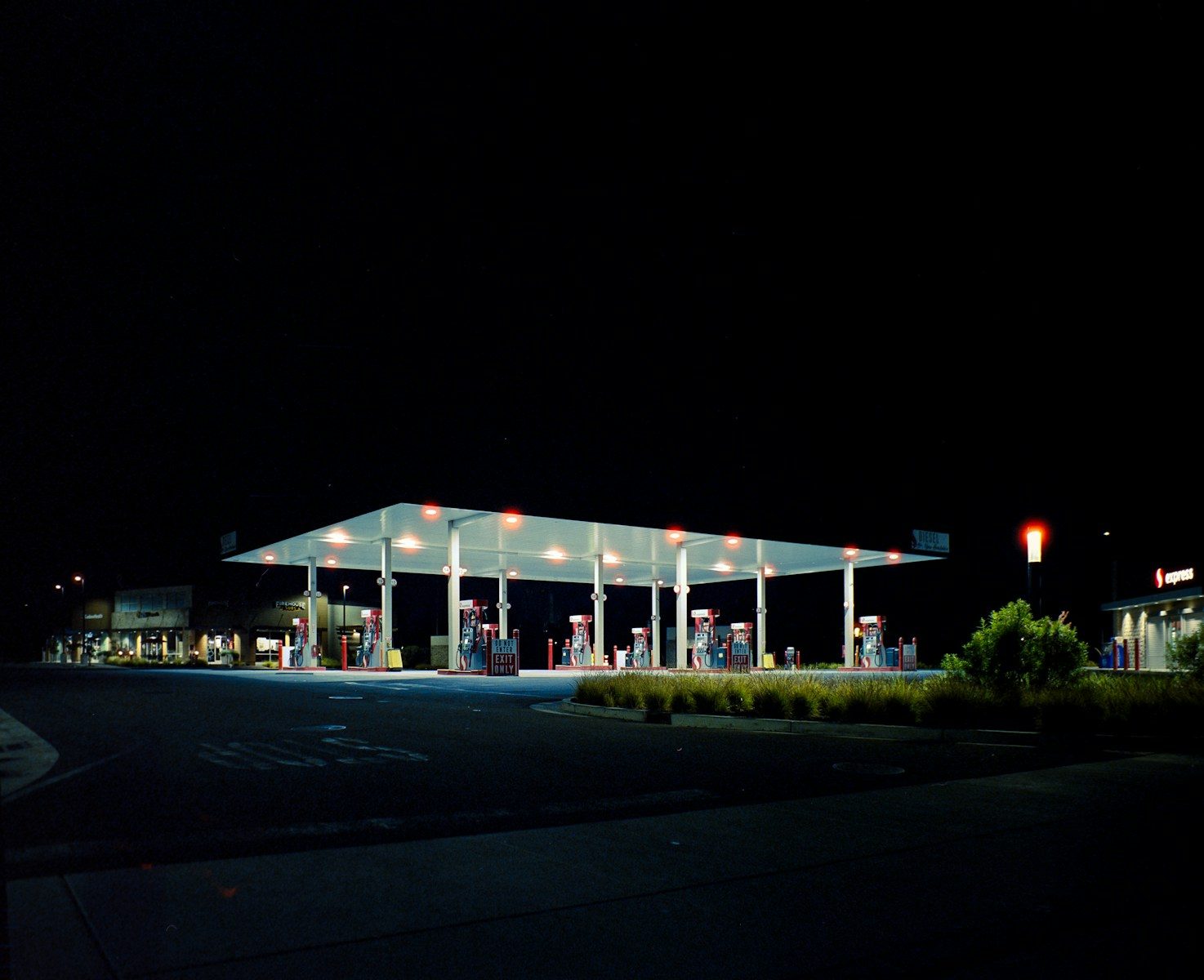
    a row of gas pumps sitting next to each other
    Photo by Sean Boyd on Unsplash

    With over a hundred fuel pumps, these travel centers are built to handle massive rushes without any delays. The layout prevents cars from backing up into traffic. According to civil engineering reports from the Texas Department of Transportation, the pump spacing is scientifically optimized to keep vehicles moving quickly. It works flawlessly. But this smooth flow of cars is actually part of a clever trap.

    The Smells That Sell

    brown bread with chocolate on top
    Photo by Scott Kelley on Unsplash

    Once drivers step inside, they are instantly hit by the overwhelming scent of fresh sugar and roasted nuts. This aroma is not accidental. According to consumer psychologists at Harvard Business School, specific scents are pumped into the air to trigger hunger. It is intoxicating. This sensory trick prepares visitors for a highly unique culinary show.

    The Fresh Brisket Theater

    Barbecue brisket being expertly sliced by a gloved hand on a wooden cutting board.
    Photo by Bezalens JGP on Pexels

    In the center of the store, employees loudly shout every time a fresh round of barbecue is sliced. This dramatic performance creates a sense of urgency. According to retail studies by the National Association of Convenience Stores, live food preparation increases customer trust and purchase rates. The meat is delicious. But this massive operation depends on an invisible logistics web to survive.

    The Truck Exclusion Rule

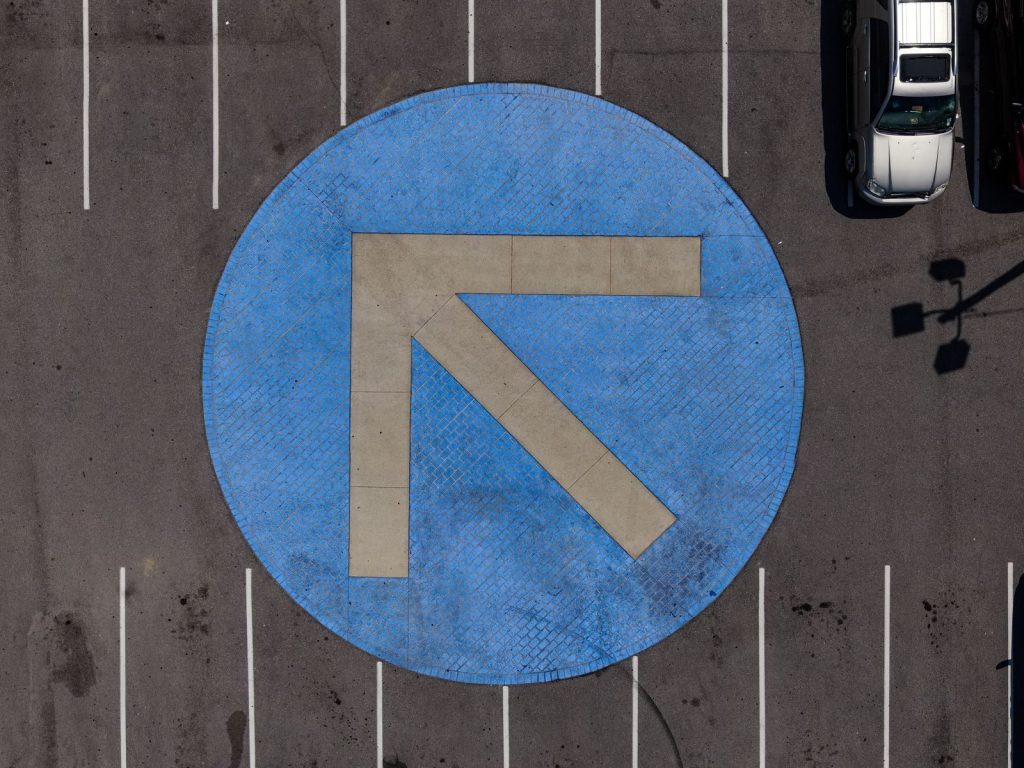
    Top-down shot of a blue arrow traffic sign in a concrete parking area.
    Photo by K on Pexels

    Despite being a massive highway stop, 18-wheeler semi-trucks are strictly banned from entering the property. This rule keeps the parking lot quiet, safe, and clean for regular passenger vehicles. According to logistics reports from the American Trucking Associations, banning big rigs drastically reduces pavement wear and accidents. The decision was risky. But this strict boundary is actually the key to their rapid nationwide expansion.

    Redefining Highway Travel

    Couple loading luggage into a blue car
    Photo by Holiday Extras on Unsplash

    The science of roadside retail has changed the American road trip forever. By combining psychology with advanced engineering, these massive rest stops have become destinations of their own. According to retail historians, this formula is now disrupting the entire hospitality industry. This article is for informational purposes only.

    Featured Image: Photo by Shekai on Unsplash

  • The Giant Machine Quietly Shattering Global Car Manufacturing

    The Giant Machine Quietly Shattering Global Car Manufacturing

    Car factories have traditionally relied on thousands of individual parts. We assume that building a vehicle requires welding countless tiny metal sheets together.

    But a colossal machine is changing how cars are made. This metal-casting monster can stamp out entire vehicle frames in seconds.

    A Massive Metal Monster

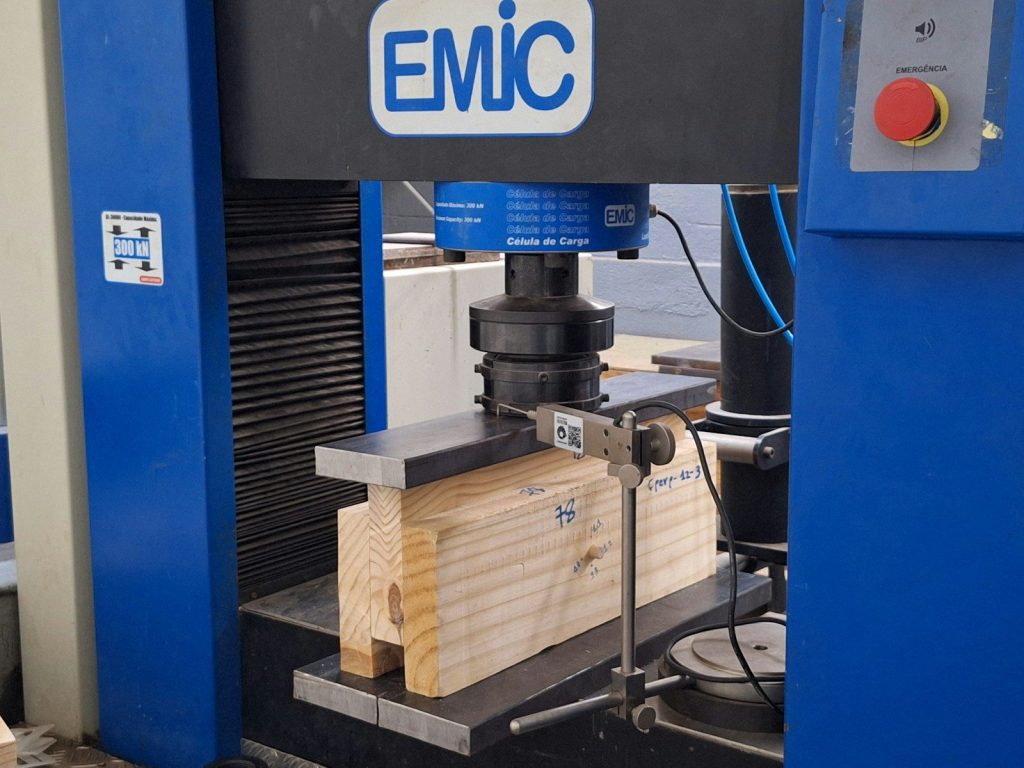
    Wood beam undergoing testing in a machine.
    Photo by Renan Guedes on Unsplash

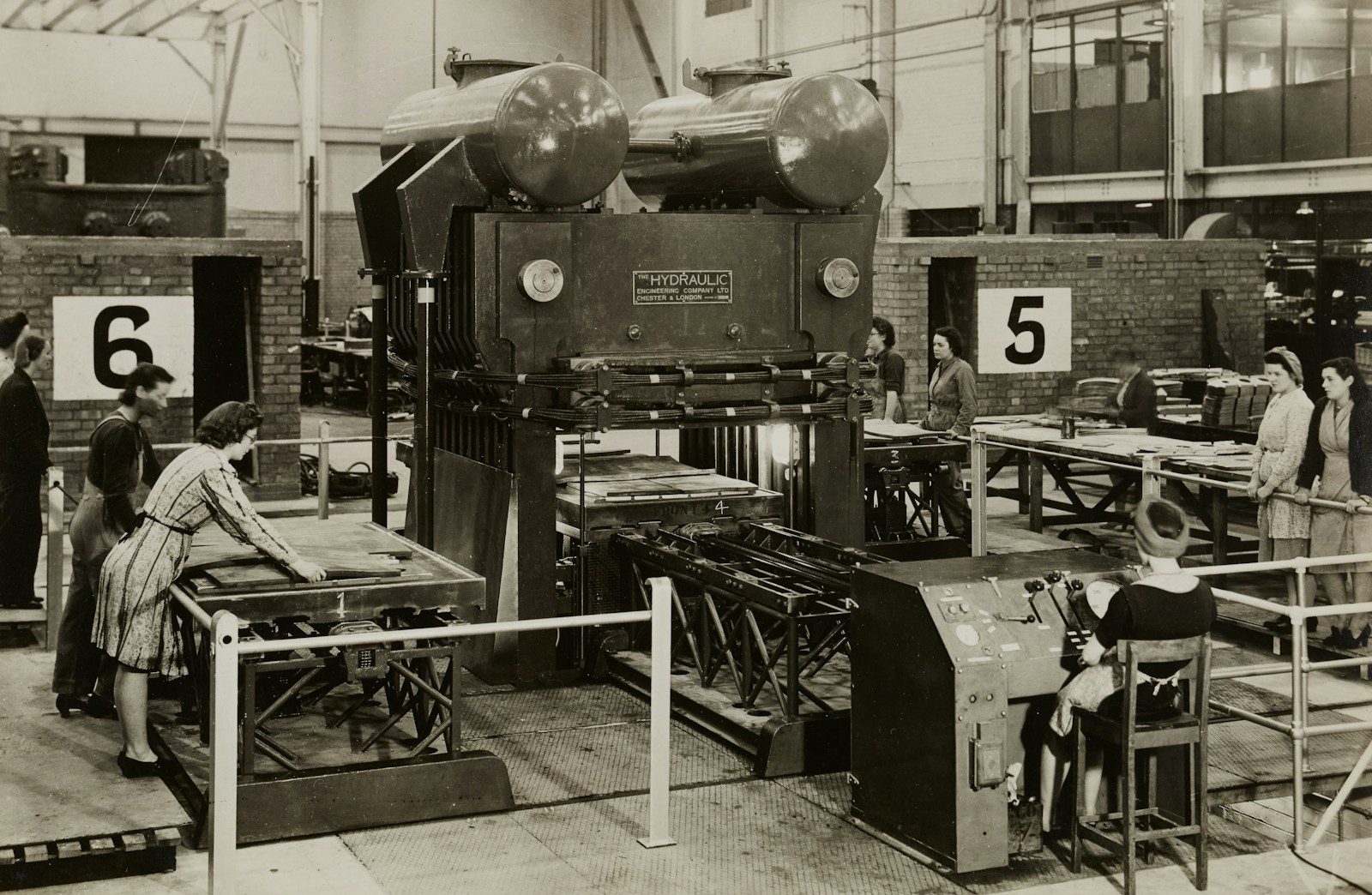
    The machine is known as the Giga Press, and it is a marvel of heavy engineering. Built by the Italian firm Idra, it is the largest die-casting machine in existence. According to industry reports, each unit weighs more than 400 tons. It is absolutely enormous. But the real magic happens when the machine starts operating.

    Molten Metal At Speed

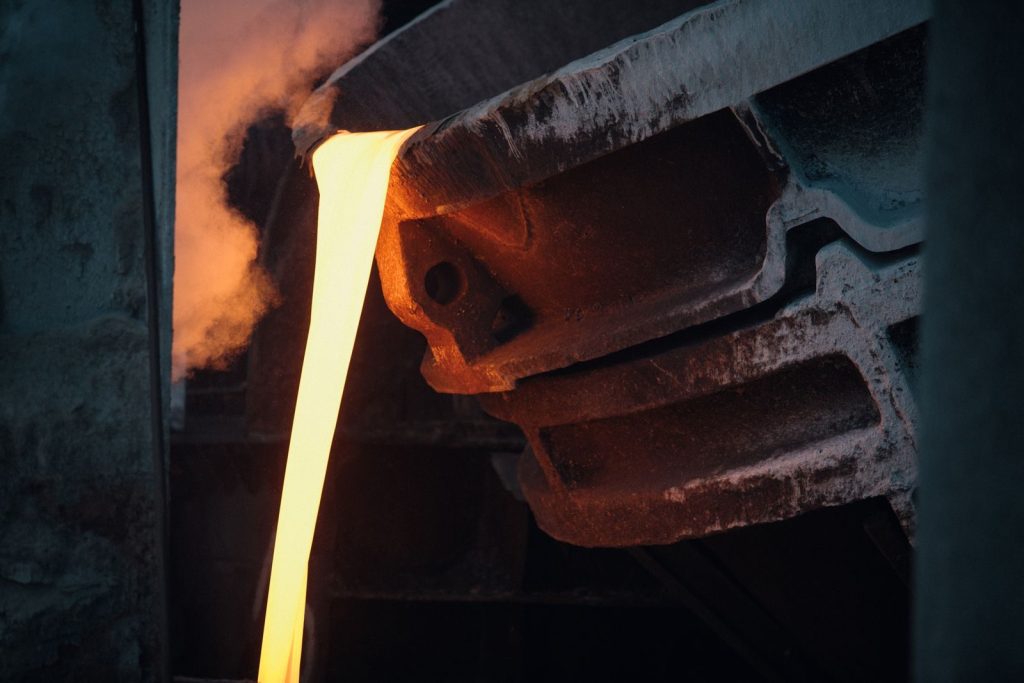
    Molten metal pouring from ladle in industrial foundry, capturing the intense heat and energy.
    Photo by Bence Szemerey on Pexels

    Inside the machine, aluminum is heated to over 850 degrees Celsius until it becomes a glowing liquid. This liquid is injected into a mold at a blistering speed. According to technical specifications, the press shoots the metal at ten meters per second. The force is immense. Yet, this high-pressure blast must be contained perfectly.

    Holding Back The Pressure

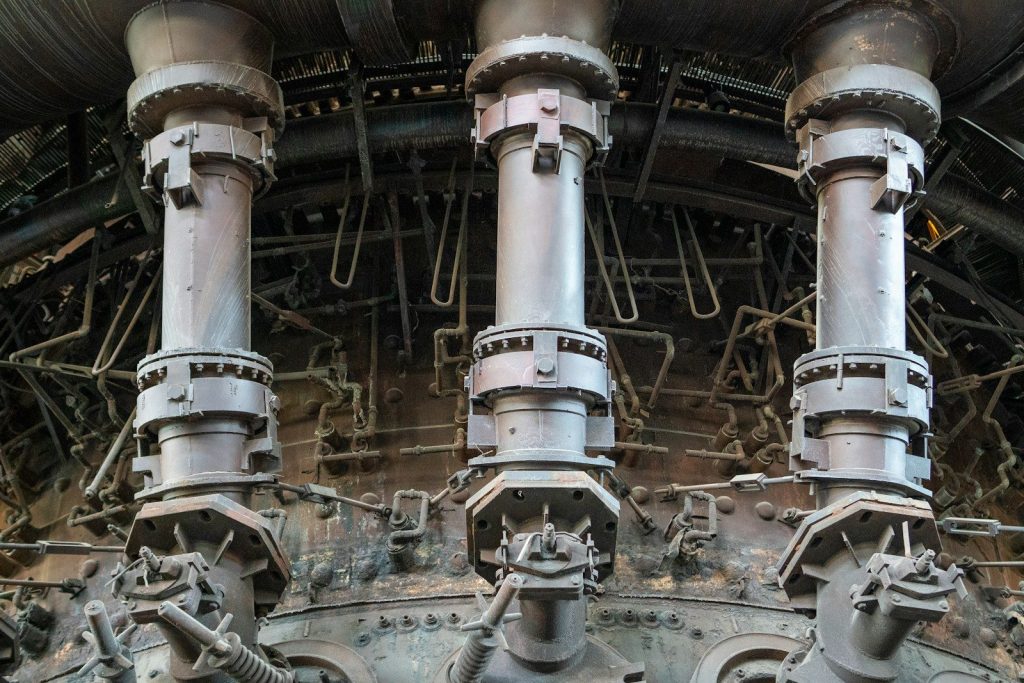
    a close-up of some pipes
    Photo by Marko Sun on Unsplash

    To prevent the liquid aluminum from escaping, the machine uses an unbelievable amount of clamping force. It squeezes the mold with over 6,000 tons of pressure. According to engineers, this is equivalent to holding the weight of a commercial rocket. It does not budge. Once cooled, the true breakthrough of this technology is revealed.

    Sixty Parts Into One

    a car being worked on in a garage
    Photo by Geike Verniers on Unsplash

    Traditional car production requires welding dozens of individual steel pieces to build a rear chassis. The Giga Press replaces all of them with a single casting. According to manufacturing data, this drops the parts count from over seventy to just one. It is incredibly clean. But saving space is not the only benefit of this setup.

    Shaving Down The Cost

    A large warehouse filled with lots of machines
    Photo by Shavr IK on Unsplash

    Eliminating dozens of parts also removes the need for hundreds of robotic welding arms. This cuts production time by thirty percent. According to financial analysts, this technology slashes overall manufacturing costs by up to forty percent. The savings are massive. However, this radical process is not without its risks.

    The Risk Of Ruin

    a car that has been involved in a car accident
    Photo by Josh Sonnenberg on Unsplash

    When a vehicle is made of a single piece of cast metal, minor damage can become a major problem. A simple fender bender could total the entire chassis. According to insurance experts, repairing a single large casting is extremely difficult. The cost is high. Despite this, other carmakers are being forced to adapt.

    The Global Shift

    Close-up view of a complex industrial conveyor system inside a manufacturing facility.
    Photo by Michael Li on Pexels

    Rival manufacturers are realizing they cannot compete with this hyper-efficient process. Companies from Detroit to Tokyo are now buying their own giant presses. According to market projections, the global aluminum casting market will exceed one hundred billion dollars soon. The race is on. And this represents a permanent shift in how humanity builds things.

    The Future Of Assembly

    a building that has a bunch of pipes in it
    Photo by Kyle Johnson on Unsplash

    Heavy casting technology is transforming the manufacturing landscape forever. It proves that extreme scale can simplify complex tasks. According to automotive experts, this is the biggest shift in factory work since the assembly line. It is a new era. This article is for informational purposes only.

    Featured Image: Photo by Birmingham Museums Trust on Unsplash