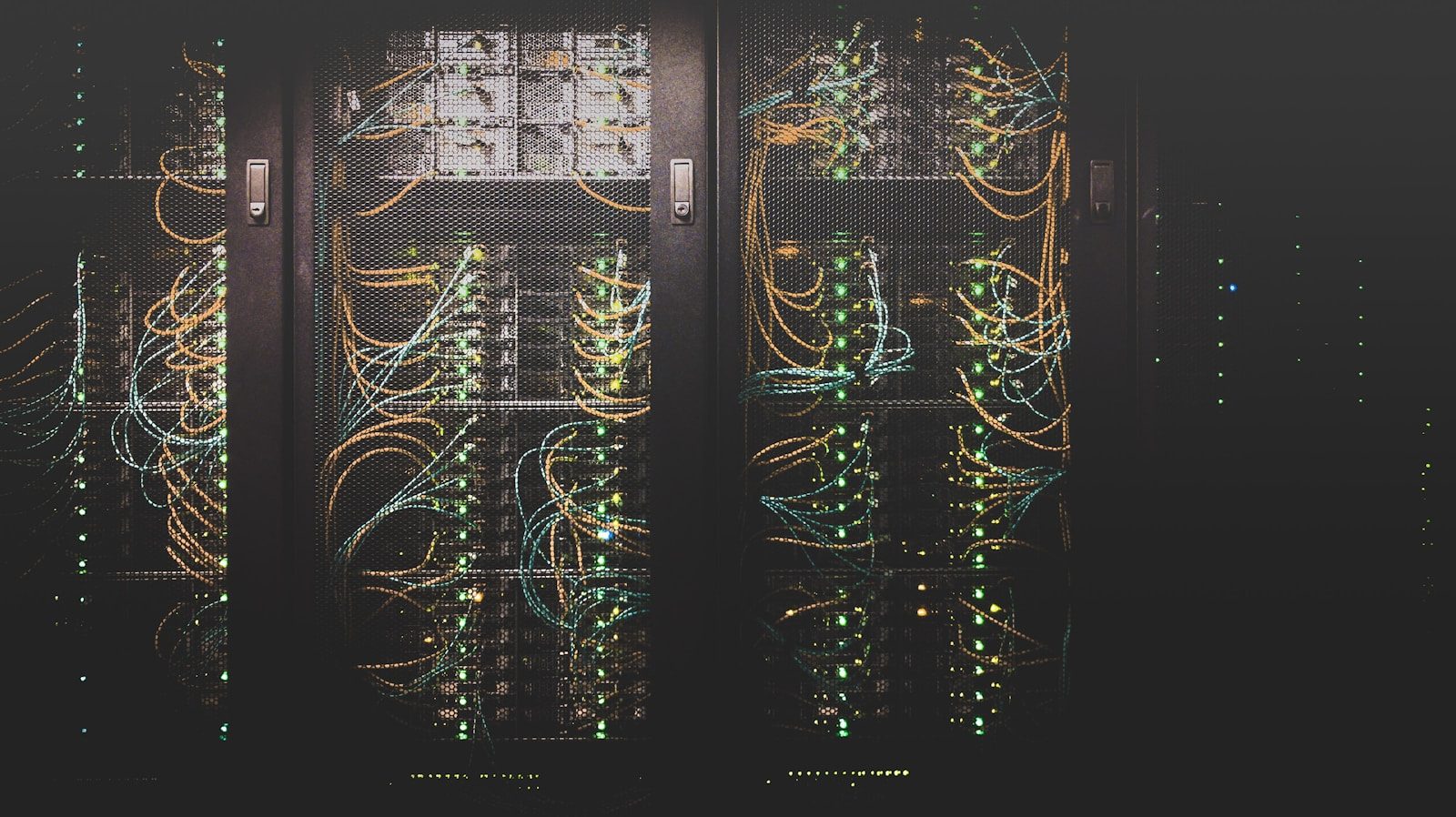
Modern consumers assume that artificial intelligence is a completely open and decentralized tool. We believe that any small startup can easily build advanced algorithms from a laptop.
But the physical infrastructure of the internet is creating a massive bottleneck. The staggering power and hardware requirements are locking this technology behind the closed doors of tech giants.
The Physical Beast
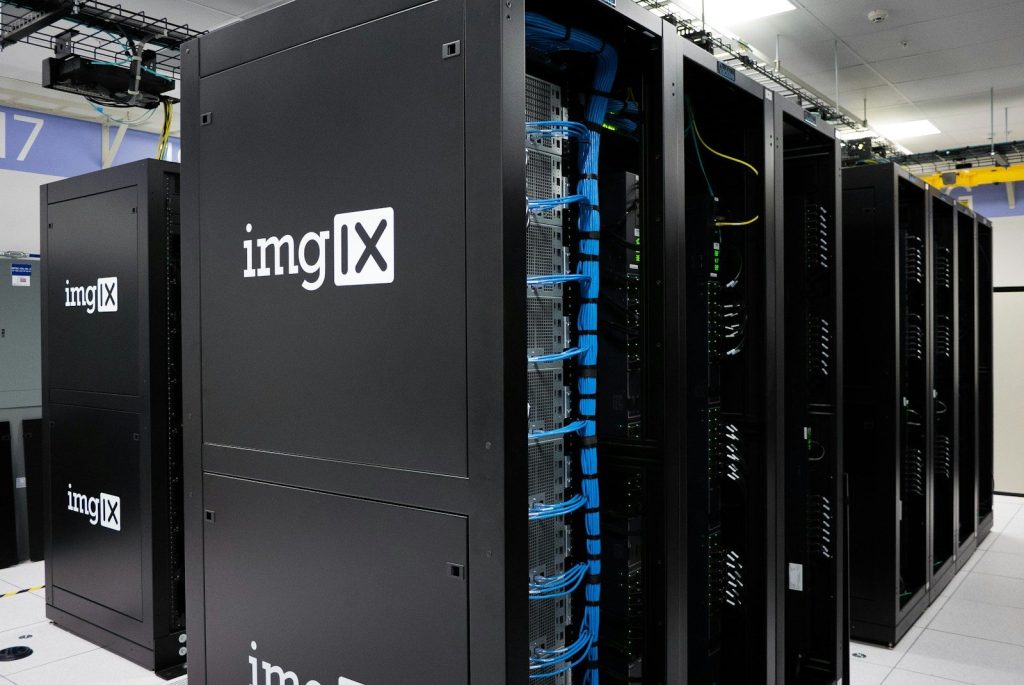
Running modern neural networks requires an astronomical amount of raw computing power. According to reports from the International Energy Agency, the server hubs running these programs are draining the national grid. The load is massive. This energy crunch means that only the wealthiest conglomerates can afford the hardware to run AI models. But this central power grab is triggering major regulatory concerns.
The Monopoly Warning

Leading technology executives are starting to raise alarms about this consolidation of digital power. According to Microsoft chief Satya Nadella, speaking to financial analysts, we must prevent a small group of corporations from owning the future of automation. The stakes are high. This warning highlights how fast computing resources are gathering in just a few hands. But the physical footprint of these hubs reaches far beyond the grid.
The Chip Chokepoint

Sourcing the advanced microchips required to train these massive models has created a global bottleneck. According to tech hardware analysts, a single manufacturer currently controls the supply of specialized graphics processors. The queue is long. This hardware chokepoint prevents smaller research groups from competing with established technology giants. But companies are finding highly creative ways to bypass this physical limit.
Building Custom Silicon

Tech conglomerates are spending billions of dollars to design their own specialized computer processors. According to semiconductor manufacturing logs, these custom chips are optimized specifically for machine learning calculations. They are highly focused. This transition allows corporations to reduce their reliance on external chip suppliers while maximizing processing speeds. But running these custom processors requires a massive amount of constant cooling.
Draining Local Rivers

Keeping these custom processors from overheating requires diverting millions of gallons of water. According to environmental impact reports, data warehouses are actively depleting local drinking reserves in fragile geographic basins. The rivers shrink. This heavy water usage is sparking fierce legal battles across multiple farming states. But tech corporations are scrambling to deploy a highly advanced alternative cooling system.
Turning To Air
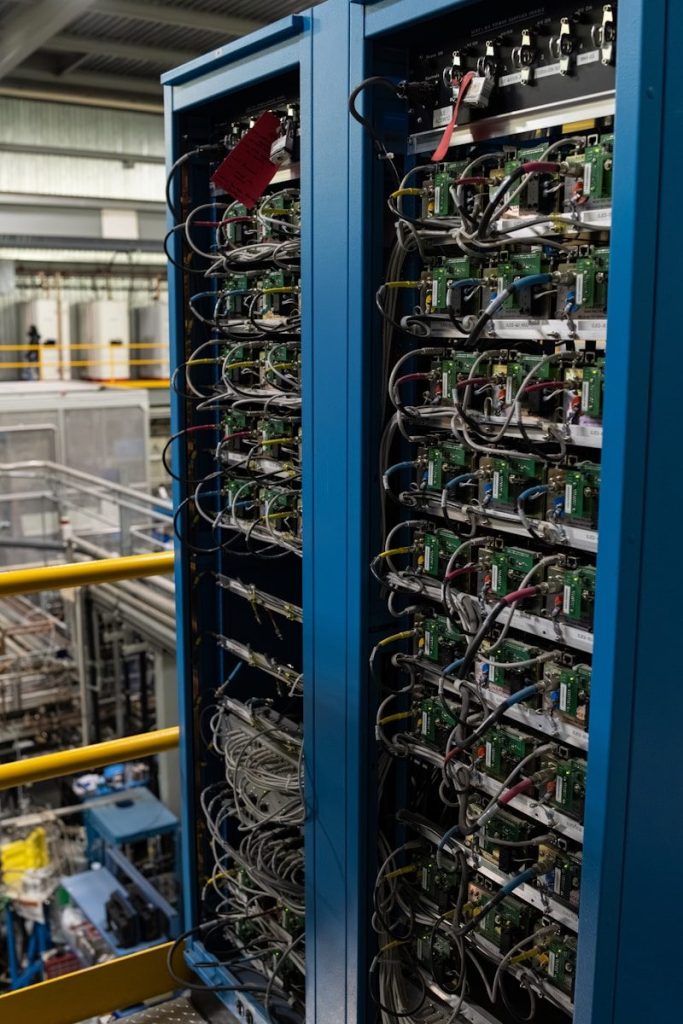
Some hardware developers are testing specialized closed-loop air cooling systems to eliminate water waste. According to reports from the Department of Energy, switching to these systems requires rebuilding older warehouses from the ground up. The costs are extreme. This high price tag ensures that only the largest corporations can afford to build sustainable data centers. But this massive financial barrier is driving a new trend.
The Sovereign Clouds
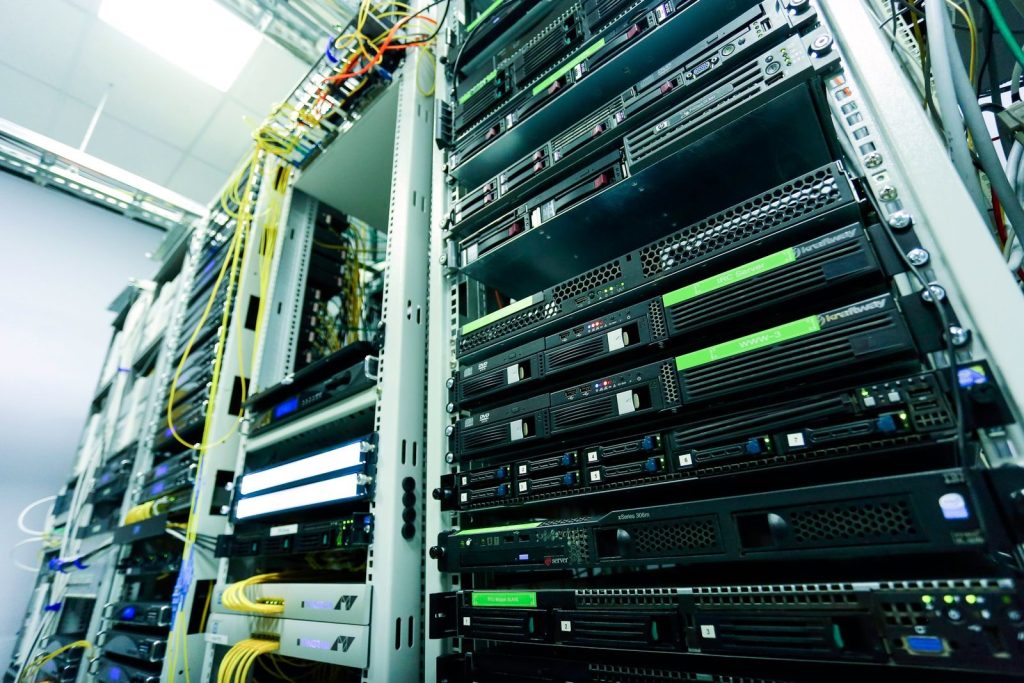
Multiple national governments are starting to fund their own domestic supercomputing centers. According to geopolitical analysts, countries want to secure their own processing power to avoid relying on foreign tech conglomerates. Security is absolute. This global push for computing sovereignty is actively reshaping how nations view digital infrastructure. But the ultimate battle for technological control will belong to the energy sector.
A Balanced Future

The rapid rise of artificial intelligence forces us to make hard choices about our physical resources. According to economic experts, smart regulations can protect both small startups and our natural environment. Balance is essential. This article is for informational purposes only.
Featured Image: Photo by Taylor Vick on Unsplash
Leave a Reply