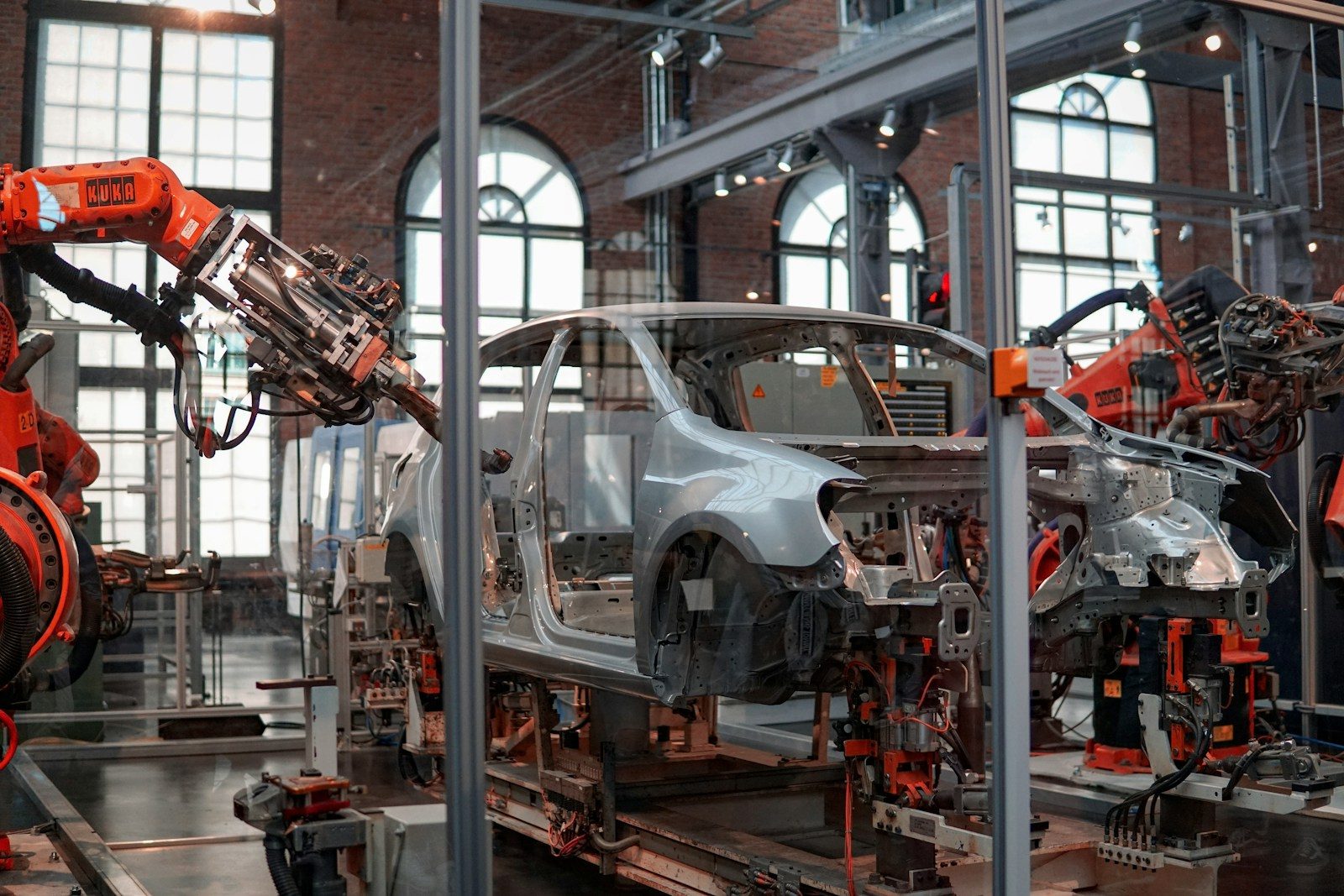
Most drivers assume that car factories fail because they run out of basic metal parts. We believe physical materials are the only things holding up manufacturing pipelines.
But a major technology crisis revealed a very different manufacturing bottleneck. A brilliant software rewrite saved one electric vehicle giant from complete ruin.
The Hidden Industrial Bottleneck

A global chip shortage recently threatened to halt vehicle manufacturing across the world. According to reports from the Society of Automotive Engineers, traditional car brands had to pause their entire operations. The factories went completely silent. These companies relied on outdated specialized microchips that were impossible to source. But one electric car maker chose a highly creative approach to survive the supply block.
Rewriting The System Blueprint

Instead of waiting for backordered parts, software developers quickly rewrote the vehicle operating code. According to tech industry analysts, engineers altered the programming to accept alternative chips that were widely available. The transition was instant. This rapid rewrite kept the production lines moving without any delay. But implementing these software changes across a complex vehicle fleet required extreme speed.
Testing Under Extreme Pressure

Engineers had to write and validate millions of lines of fresh code in just a few weeks. According to hardware testing logs, any programming error could instantly disable the safety features of the vehicles. The pressure was intense. The team ran continuous software simulations to ensure the alternative microchips worked flawlessly. But managing this digital pivot required a highly unified central control system.
The Vertically Integrated Advantage

Designing both the hardware and software in-house gave the company a massive survival advantage. According to manufacturing studies, traditional automakers buy pre-packaged computer modules from multiple third-party suppliers. This setup is slow. They could not easily rewrite the programming because they did not own the source code. But this software autonomy was about to trigger a massive shift in the market.
Surpassing All Production Records

While competitor shipments collapsed, the electric brand successfully managed to increase its monthly deliveries. According to financial market reports, the company achieved historic sales growth during the height of the global supply crisis. It was a triumph. This success proved that software flexibility is more valuable than old-school manufacturing loops. But this strategy is now forcing other car brands to make a radical transition.
Automakers Copying The Playbook

Legacy car manufacturers are now racing to build their own internal software divisions. According to automotive market analysts, companies realize they must control their computer code to survive future supply chain blocks. The race is on. This transition requires hiring thousands of software engineers to replace traditional mechanical designers. But the ultimate impact of this digital shift goes far beyond simple microchips.
Reclaiming Mechanical Sovereignty

The future of transportation relies on software adaptability as much as clean battery power. According to vehicle designers, cars are gradually turning into highly advanced computers on wheels. This evolution is permanent. This article is for informational purposes only.
Featured Image: Photo by Lenny Kuhne on Unsplash
Leave a Reply