
Most people think that tech workers always cooperate with military defense contracts to boost company profits. We believe that Silicon Valley employees prioritize raw technology over ethics.
But thousands of employees at one of the world’s largest search engines staged an unprecedented rebellion against a secret drone program. Their historic revolt forced the company to cancel a multi-million-dollar government contract.
The Secret Drone Partnership
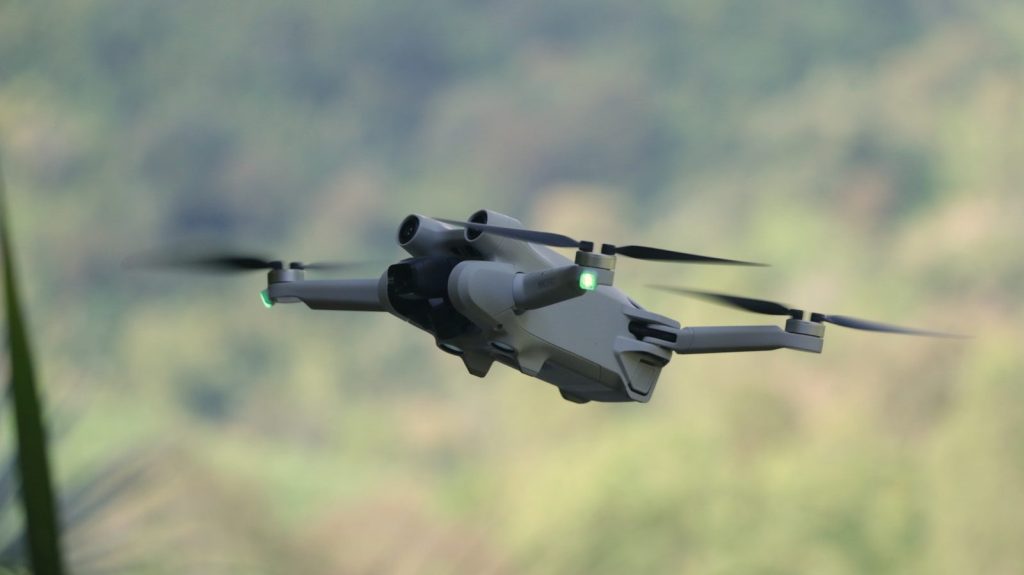
In twenty eighteen, a controversial military contract linking a top consumer tech company to battlefield operations came to light. According to declassified documents, the Department of Defense sought advanced computer vision technology to analyze drone footage automatically. They needed tracking tools. This system would help military analysts identify specific targets in conflict zones, but employees were completely unaware of their own involvement.
Unveiling Project Maven
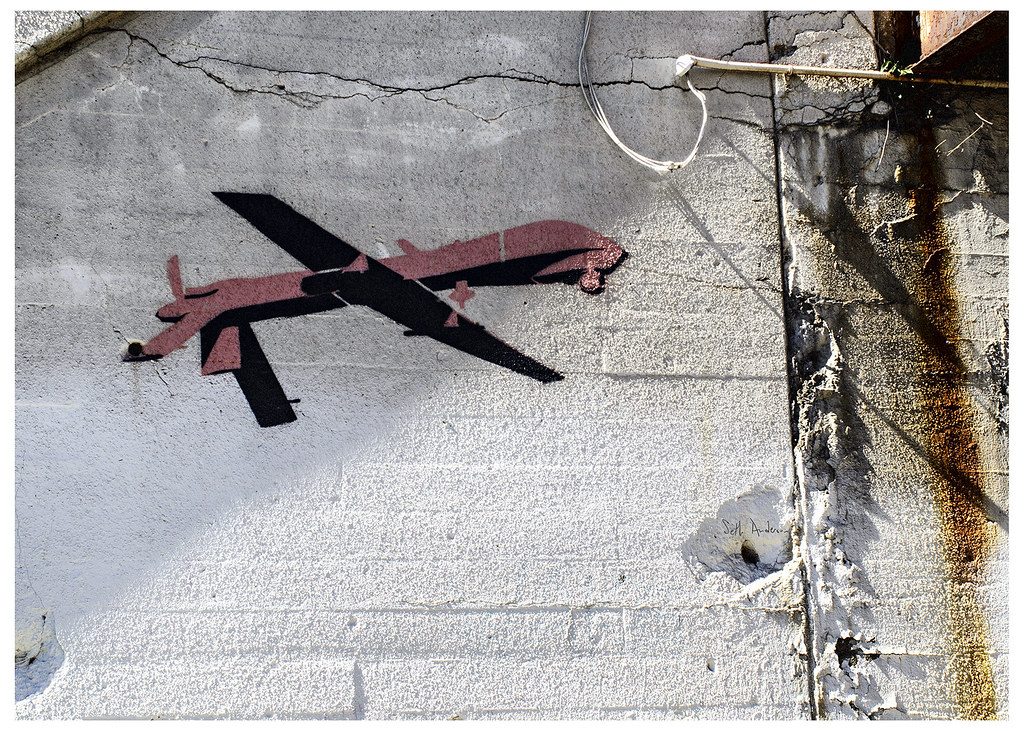
The internal defense initiative utilized specialized neural networks to classify objects in high-resolution video streams. According to reports from Google, the project focused strictly on non-offensive imagery analysis to help save civilian lives. Employees were highly skeptical. Many workers feared that their search algorithms were being modified to help coordinate lethal military strikes, but the internal tension was about to reach a boiling point.
The Unprecedented Employee Petition

Thousands of engineers and developers signed an open letter demanding that executives pull out of the military contract immediately. According to internal company emails, over four thousand employees put their names on the protest document. The message was clear. They argued that the tech company should never build warfare technology, but management initially tried to downplay their ethical concerns.
Resignations Shake Tech Culture

When standard petitions failed to change corporate policy, several key engineers chose to resign in protest. According to tech industry reports, these high-profile departures damaged the company’s reputation as an ethical workplace. They walked away. This dramatic move forced corporate leadership to address the growing rebellion, but the internal pressure was still rising across global offices.
Drafting New Ethical Boundaries

To restore internal peace, the chief executive announced that the company would not renew its military contract. According to a public statement, the tech giant established a set of strict ethical principles regarding artificial intelligence development. The guidelines are firm. These new rules banned the creation of weapons or technologies that cause direct harm, but other defense contractors were eager to step in.
The Defense Department Pivot
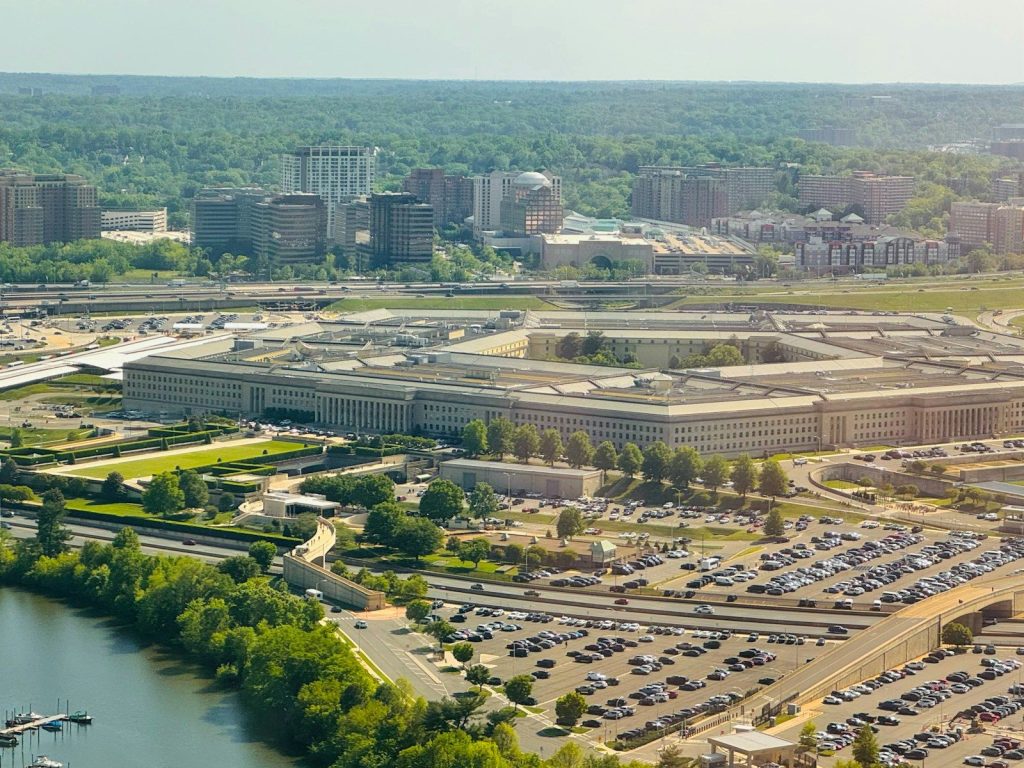
While one major tech firm pulled back, the military simply shifted its massive contracts to other eager defense suppliers. According to reports from the Pentagon, competitor tech firms quickly absorbed the drone imagery projects. Business kept moving. This rapid transition proved that halting one contract does not stop the wider militarization of software, but the engineers’ revolt had already inspired a global movement.
A Global Workplace Awakening

Tech employees around the world are now organizing to monitor how their software is utilized in foreign conflicts. According to labor organizers, the historic protest changed how Silicon Valley workers view their collective power. They are watching. This ongoing vigilance ensures that ethical conversations remain at the center of modern programming, but the struggle between profit and principles continues to evolve.
The Ethical Tech Future

According to tech ethicists, the balance between corporate profit and developer ethics will define the future of software engineering. Safe technology relies on workers speaking up to protect humanity from dangerous applications. This article is for informational purposes only.
Featured Image: Photo by Marc-Olivier Paquin on Unsplash
Leave a Reply