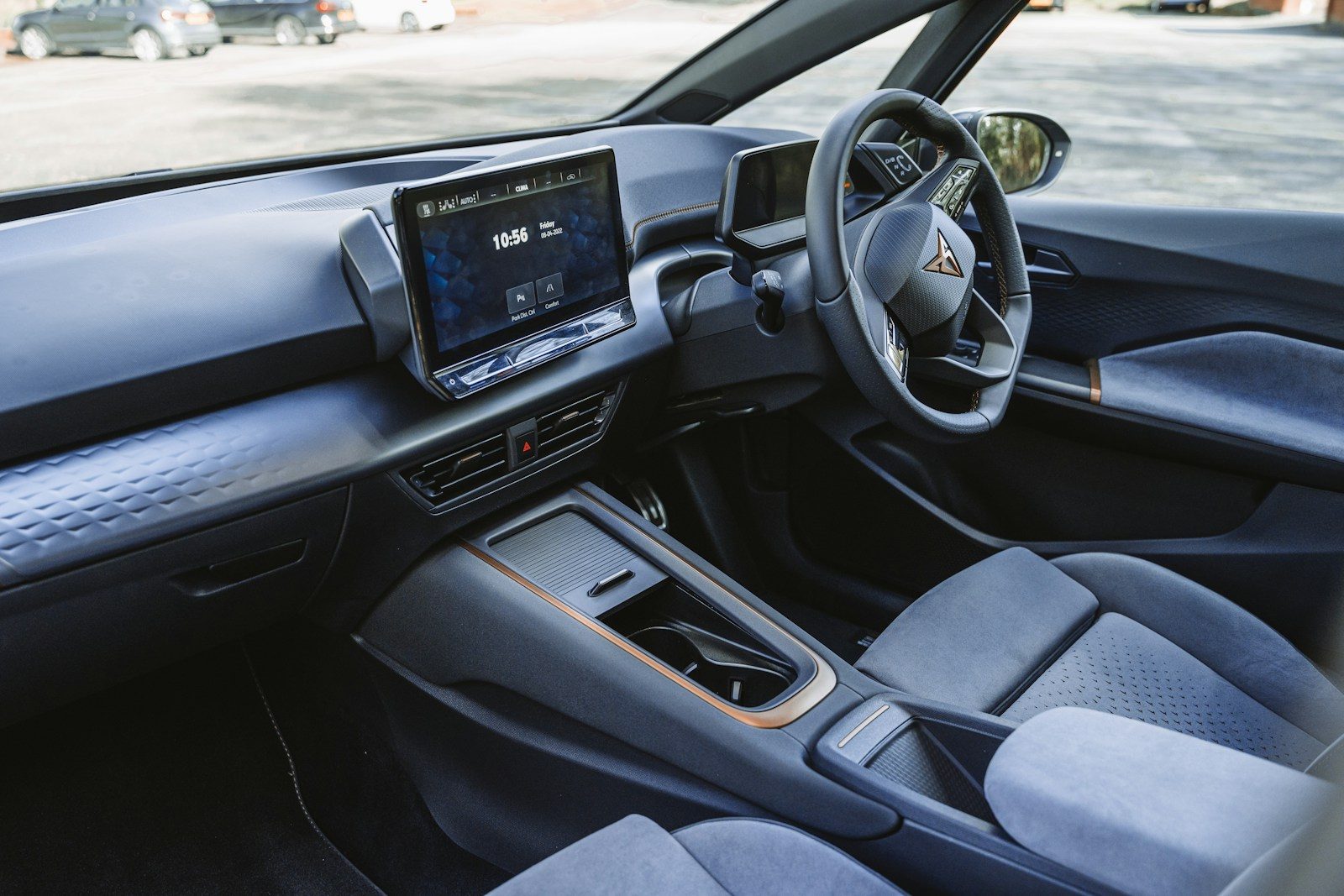
Most drivers expect that their new vehicles will always connect seamlessly to Apple CarPlay or Android Auto. We assume that car manufacturers will continue to support these popular phone mirroring systems.
But several major automotive companies are actively banning these smartphone interfaces from their latest models. This dramatic software shift is completely changing how we interact with our dashboards.
The Dashboard Software Revolt
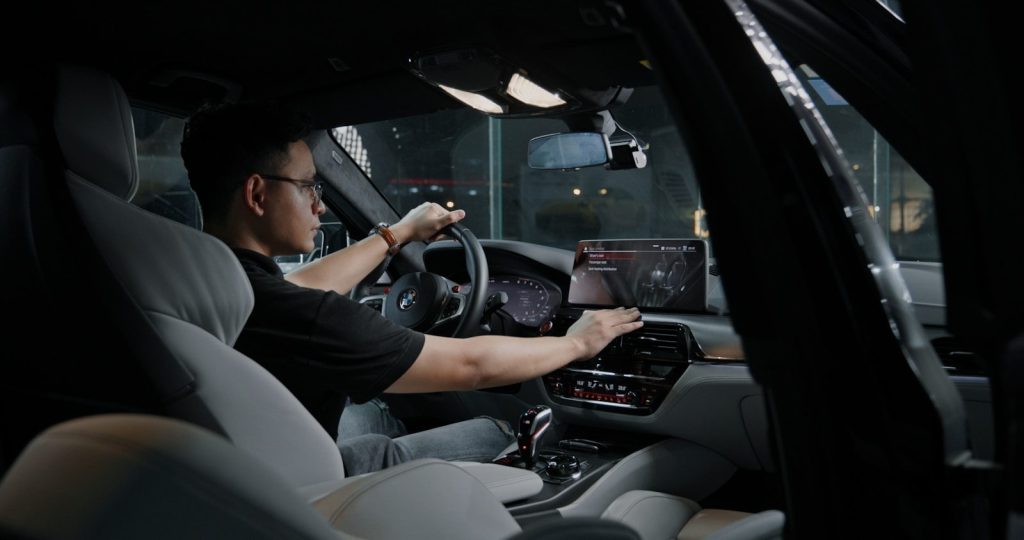
For years, smartphone mirroring was a mandatory selling point for almost every new car on the market. According to reports from J.D. Power, over ninety percent of car buyers prioritize Apple CarPlay and Android Auto compatibility. The demand remains huge. However, major automotive corporations are now choosing to lock these systems out of their newest designs.
The Drive For Subscription Revenue
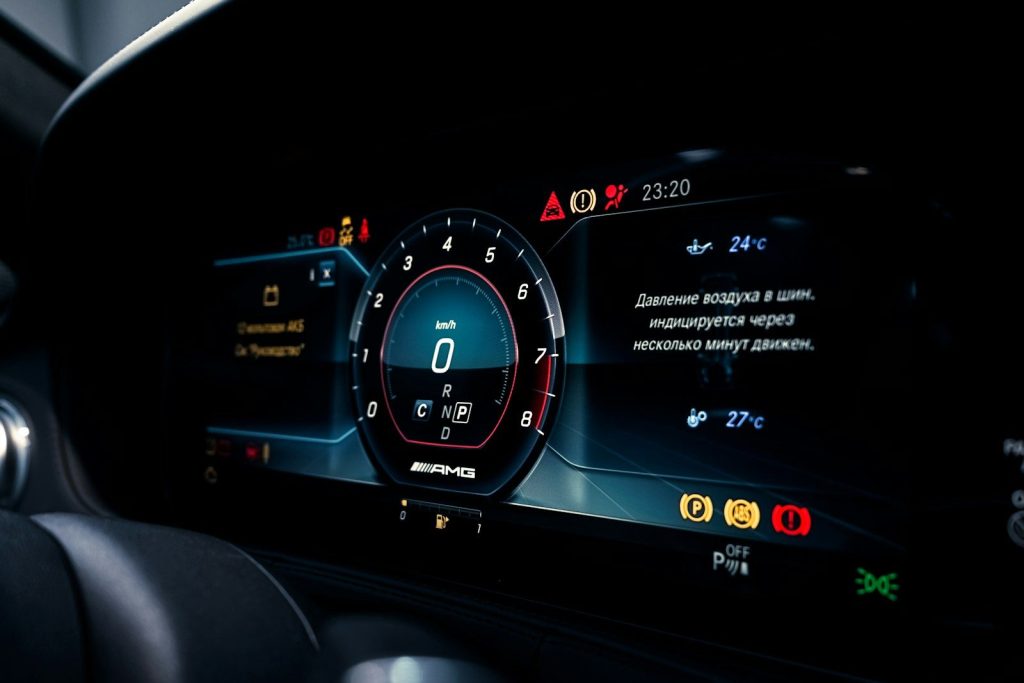
Carmakers want to capture the massive profits currently going directly to Silicon Valley technology giants. According to automotive industry analysts, built-in infotainment systems allow manufacturers to sell digital subscriptions and upgrades directly to drivers. Money is driving this. By cutting out third-party phone systems, companies can charge monthly fees for basic navigation, though this financial strategy risks major consumer backlash.
The Gold Mine Of Driver Data
Modern vehicles generate massive amounts of valuable data regarding driving habits and entertainment choices. According to market research firms, control over this in-car data represents a multibillion-dollar opportunity for automotive companies. Data is precious. Manufacturers want to analyze this information directly to improve their future vehicles, but losing access to user data threatens the dominance of major search companies.
The EV Battery Control Factor
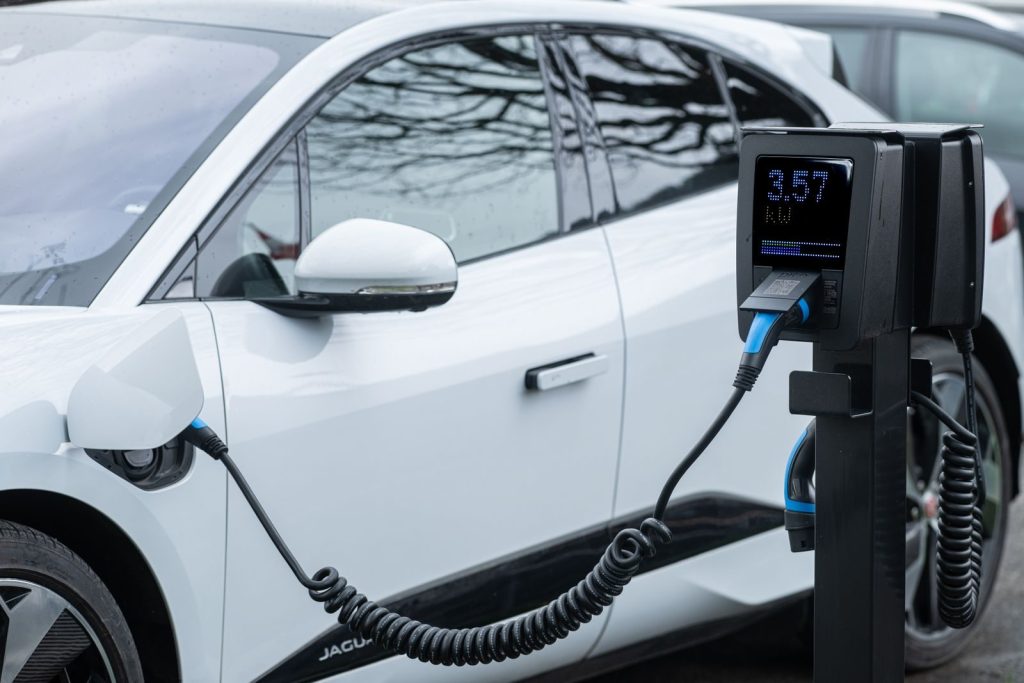
Electric vehicles require deep software integration to optimize range and locate charging stations efficiently. According to engineers at General Motors, built-in navigation software can preheat EV batteries automatically as you drive toward a charger. This is vital. Mirroring systems on your phone cannot access these deep battery sensors, but convincing drivers to use proprietary maps remains a difficult task.
Developing Custom Operating Systems
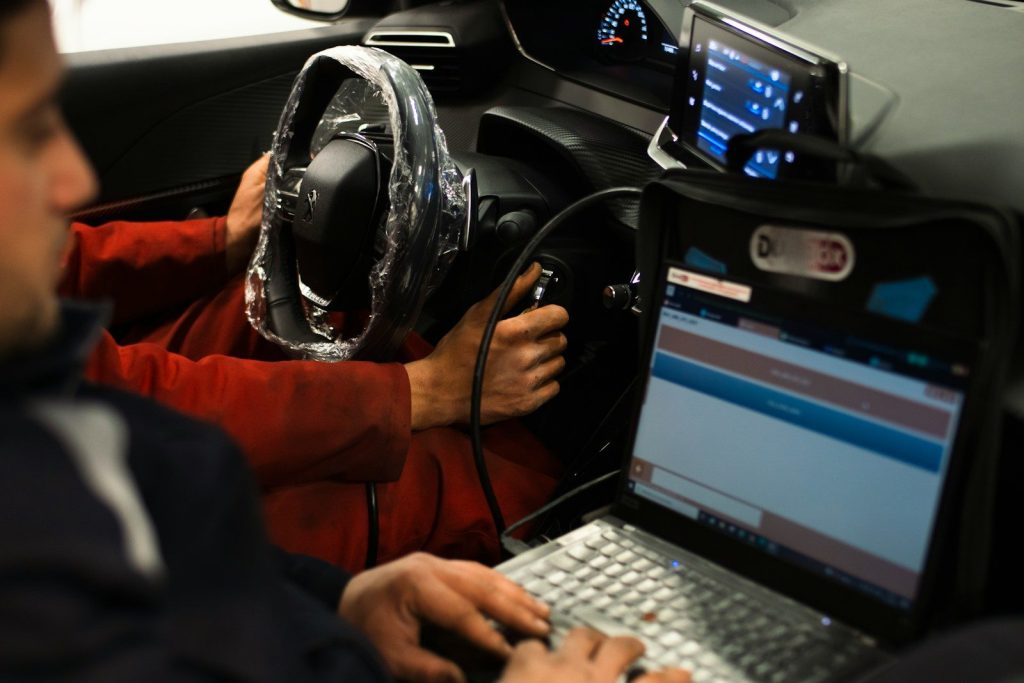
Instead of using simple phone screen mirroring, manufacturers are building customized platforms on Google Automotive software. According to software developers, these native operating systems run directly on the vehicle’s onboard computer chips. The performance is smoother. This deep integration allows the system to control both cabin temperature and navigation screens, though software bugs continue to plague early versions.
The Safety Argument Debate
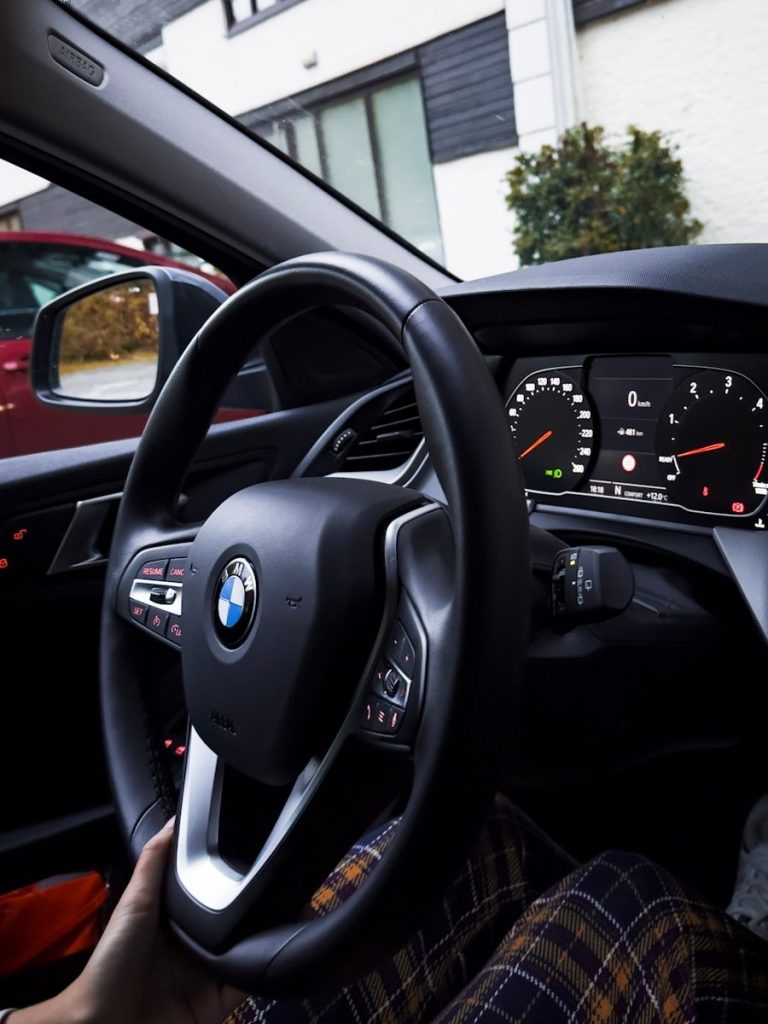
Carmakers argue that native software is inherently safer because it reduces dangerous smartphone distractions. According to the National Highway Traffic Safety Administration, driver distraction is a leading cause of highway accidents. Safety comes first. Designers claim that voice-controlled dashboard systems keep eyes on the road, but critics argue that complicated native menus actually increase driver frustration.
Will Buyers Walk Away

Removing highly popular mirroring features could convince loyal customers to buy from competing car brands. According to dealership surveys, some buyers refuse to look at vehicles that lack simple smartphone integration. Opinions are split. While some tech companies are fighting back, car manufacturers show no signs of reversing their decision, and this high-stakes gamble will soon shape the future of transportation.
A New Dashboard Era
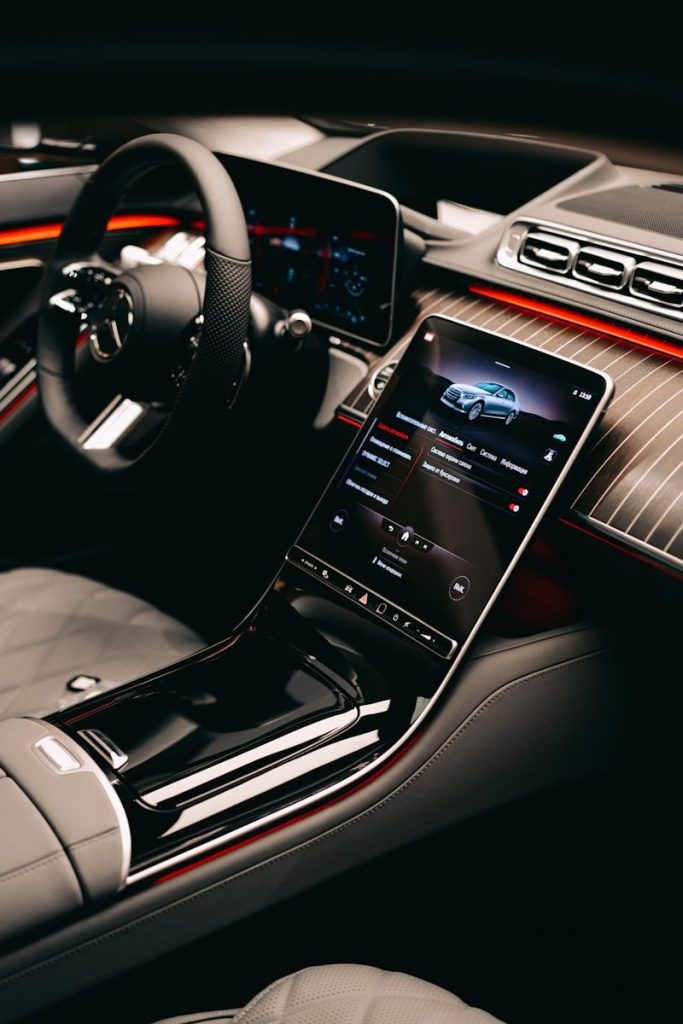
According to automotive tech researchers, the vehicle dashboard is transitioning from a passive screen into a highly profitable digital marketplace. Drivers must prepare for a future where their cars run on custom subscriptions rather than free phone mirroring. This article is for informational purposes only.
Featured Image: Photo by David Moffatt on Unsplash
Leave a Reply