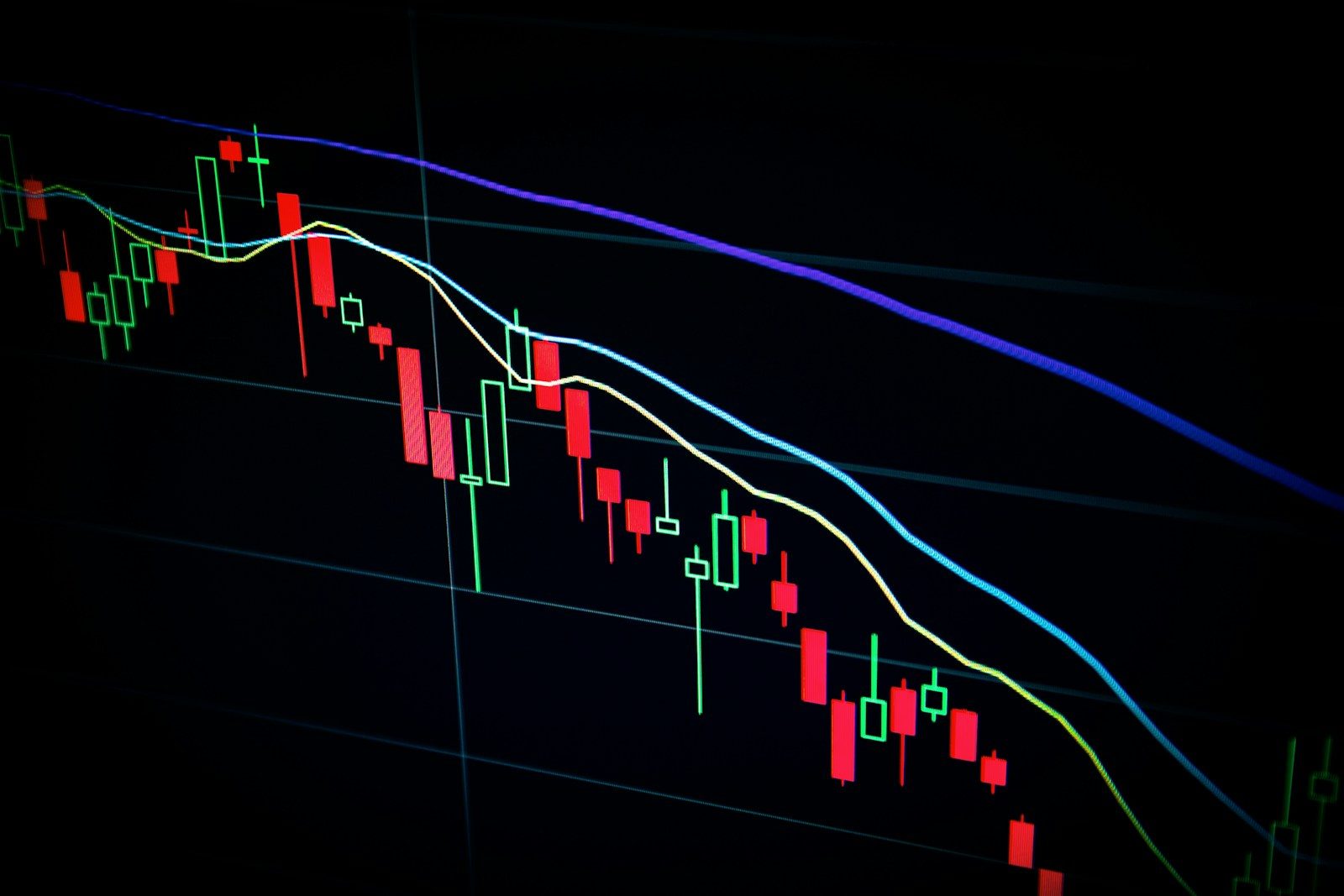
SpaceX had one of the most anticipated stock market debuts in recent memory. Investors lined up for a chance to own a piece of Elon Musk’s rocket company, and early enthusiasm pushed the price sky-high.
But the stock has since collapsed below its opening-day price, wiping out hundreds of billions in market value. What happened — and what it means for the future of the company — is a story nobody saw coming.
A Debut That Captured the World
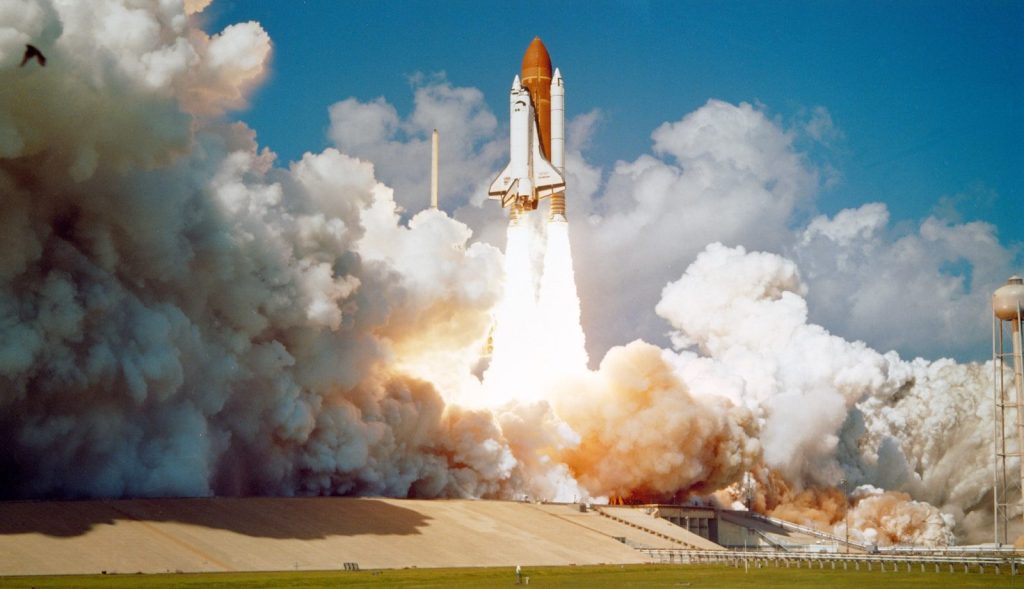
When SpaceX shares became publicly available, the excitement was unlike almost anything seen in recent market history. The company had achieved what most aerospace firms only dreamed of — reusable rockets, regular crewed missions, and a dominant position in satellite internet through Starlink. Investors saw a generational opportunity. The opening-day price reflected that optimism at full volume. Massive demand. Sky-high expectations. But markets have a way of correcting stories that outrun reality. The first cracks appeared sooner than most analysts expected.
When the Selling Started
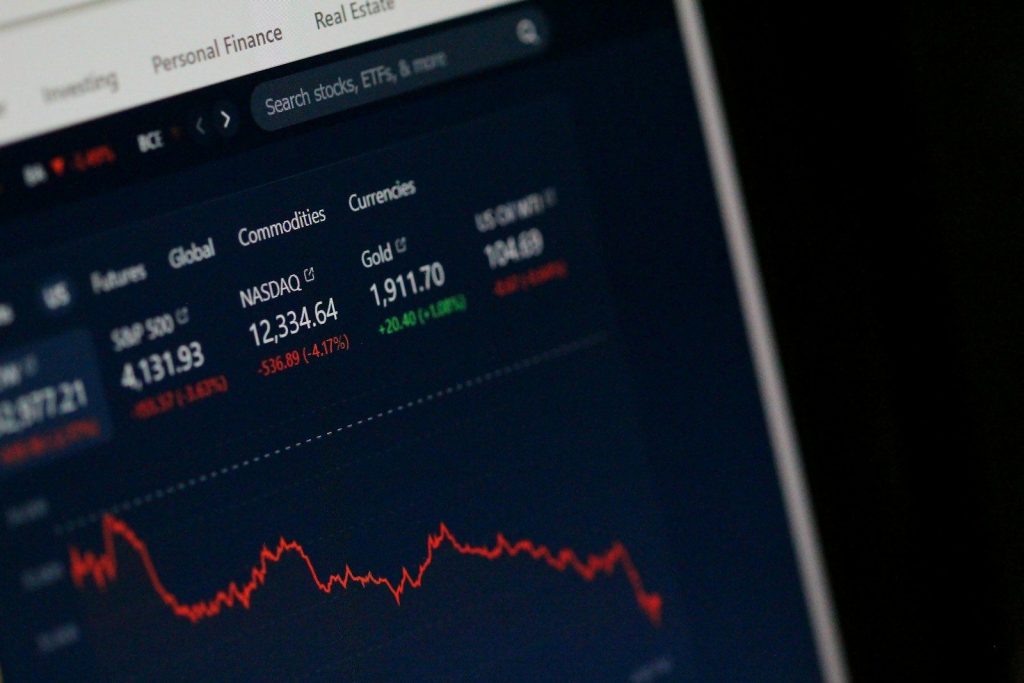
The decline did not happen overnight, but when it accelerated, it moved fast. According to market data reported by financial analysts tracking the stock, a combination of broader tech sector pressure, rising interest rates, and investor concerns about SpaceX’s revenue timeline contributed to the sell-off. High-growth companies with ambitious long-term projections are particularly vulnerable when market sentiment shifts. SpaceX had all the hallmarks of that profile. The selling fed on itself. And the losses mounted quickly. What made this crash unusual was how far the stock actually fell.
Below the Opening Price

Falling below an IPO or opening-day price is a significant psychological and financial marker. It means every investor who bought in on day one is now sitting on a loss. According to financial reporting from market analysts, the drop erased hundreds of billions of dollars in paper value — a figure that places it among the most significant single-company wealth destructions in recent stock market history. Staggering losses. Real consequences. For retail investors who bought at peak prices, the damage has been severe. The reasons behind the crash go deeper than a simple market correction.
The Starlink Question
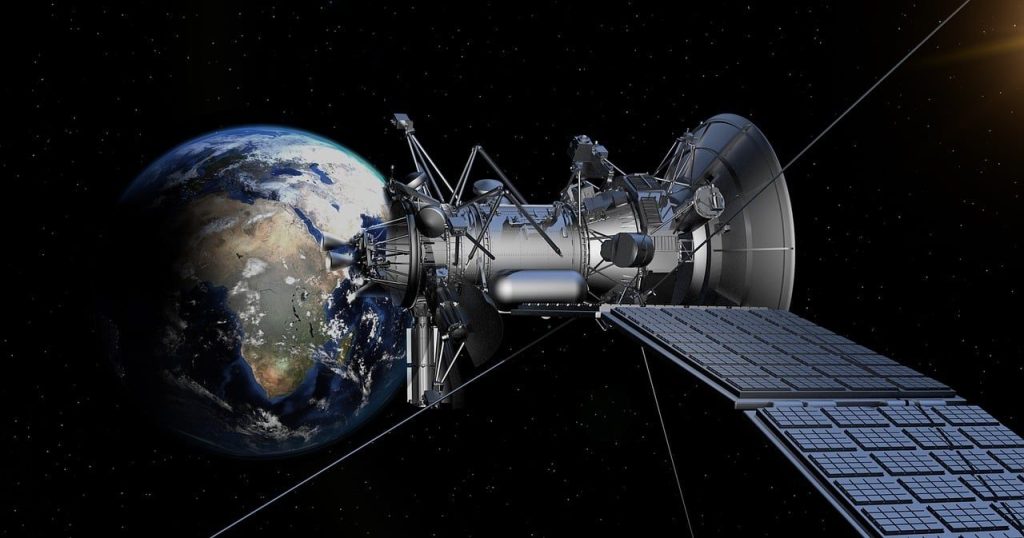
A significant part of SpaceX’s valuation has always rested on the future earnings potential of Starlink, its satellite internet division. According to analysts at Morgan Stanley, Starlink was projected to become one of the most valuable businesses on Earth if it captured even a modest share of the global broadband market. But competition has intensified, regulatory challenges have emerged in multiple markets, and the timeline for profitability has stretched. When the anchor holding up a company’s valuation starts to wobble, the whole structure feels it. Elon Musk’s personal brand has also played a complicated role in the stock’s trajectory.
The Musk Factor

Few CEOs are as inseparable from their companies as Elon Musk is from SpaceX. That cuts both ways. When Musk’s public profile was rising, SpaceX benefited from his gravitational pull on investor attention. But as his political entanglements grew more controversial and his time became divided across Tesla, X, and his government advisory role, some investors began questioning his focus. According to multiple financial commentators, executive distraction is a genuine valuation risk — especially for companies still in their high-growth phase. Perception moves markets. That is simply the reality. The broader tech environment made everything harder at exactly the wrong time.
A Market That Stopped Being Forgiving

The era of near-zero interest rates allowed growth companies to raise money cheaply and trade on future promises rather than present earnings. That era ended. According to the U.S. Federal Reserve’s rate-hiking cycle data, borrowing costs rose sharply from 2022 onward, fundamentally changing how investors value companies with long payoff timelines. SpaceX, for all its genuine achievements, is still years away from the kind of earnings that would justify its peak valuation. In a tighter market, that gap gets punished. Hard. The question now is whether this is a floor or just a stop on the way down.
What Comes Next for SpaceX
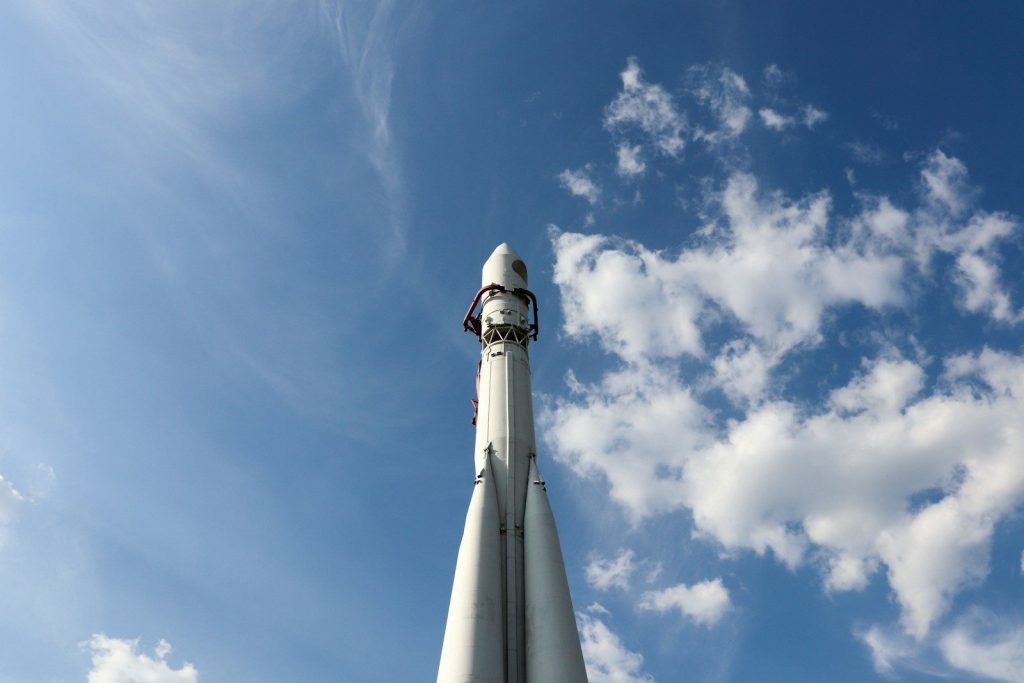
SpaceX remains one of the most technically capable aerospace companies in history. Its Starship program, its Starlink network, and its NASA contracts give it a foundation that most competitors cannot match. According to industry analysts, the long-term case for the company is still credible — but the valuation required patience that some investors simply do not have. Markets overshoot in both directions. The crash does not erase what SpaceX has built. It just reminds everyone that even the most extraordinary companies are not immune to gravity. This article is for informational purposes only and does not constitute financial advice.
Featured Image: Photo by Leeloo The First on Pexels
Leave a Reply