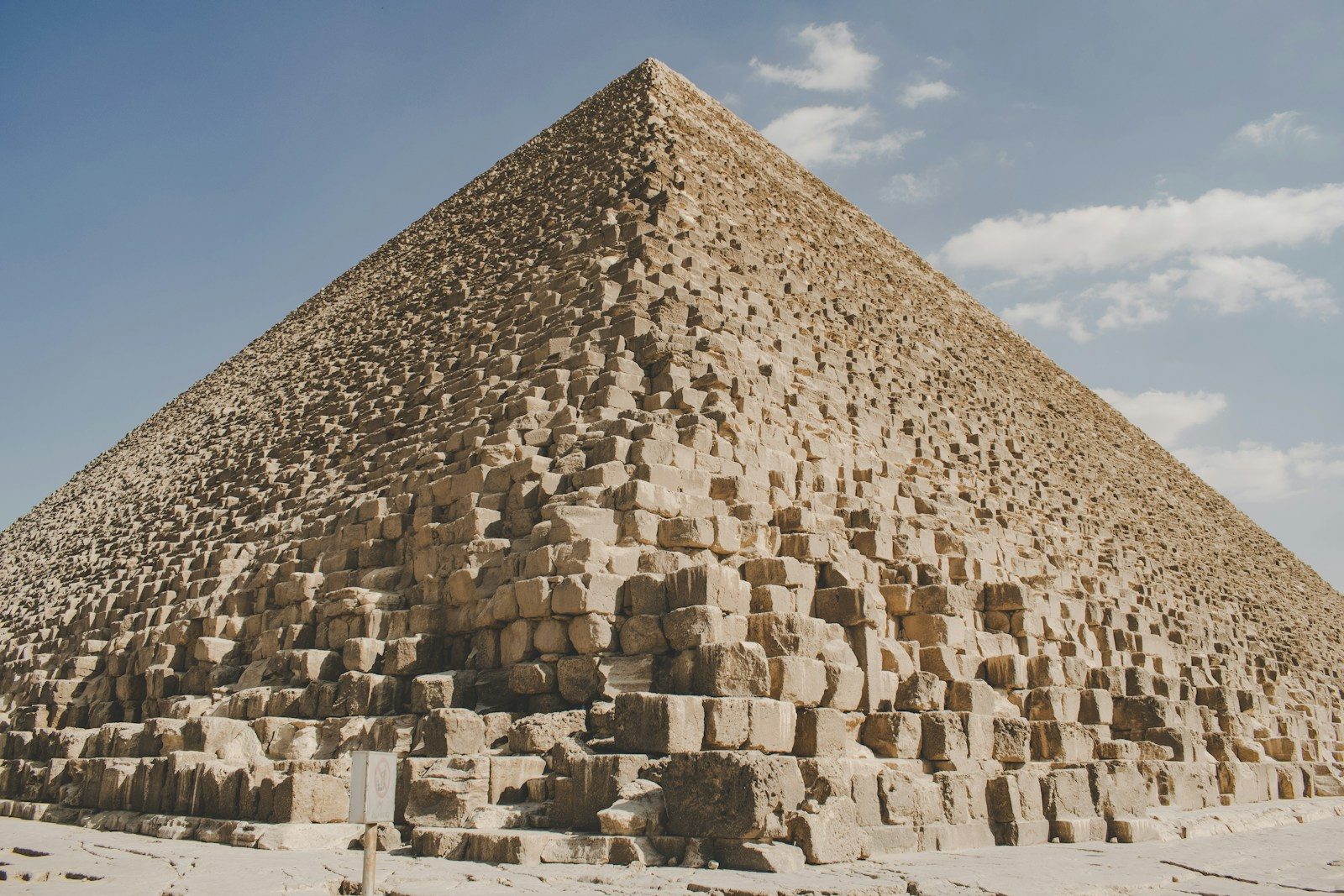
Most history lovers assume that Egypt’s Great Pyramid was built by simple Bronze Age farmers. We believe that traditional timelines have accurately mapped the birth of the Nile civilization.
But bizarre physical anomalies on the ancient blocks suggest a much deeper mystery. Clues found on the stones point to a highly advanced predecessor society from the distant past.
Marks On Stones
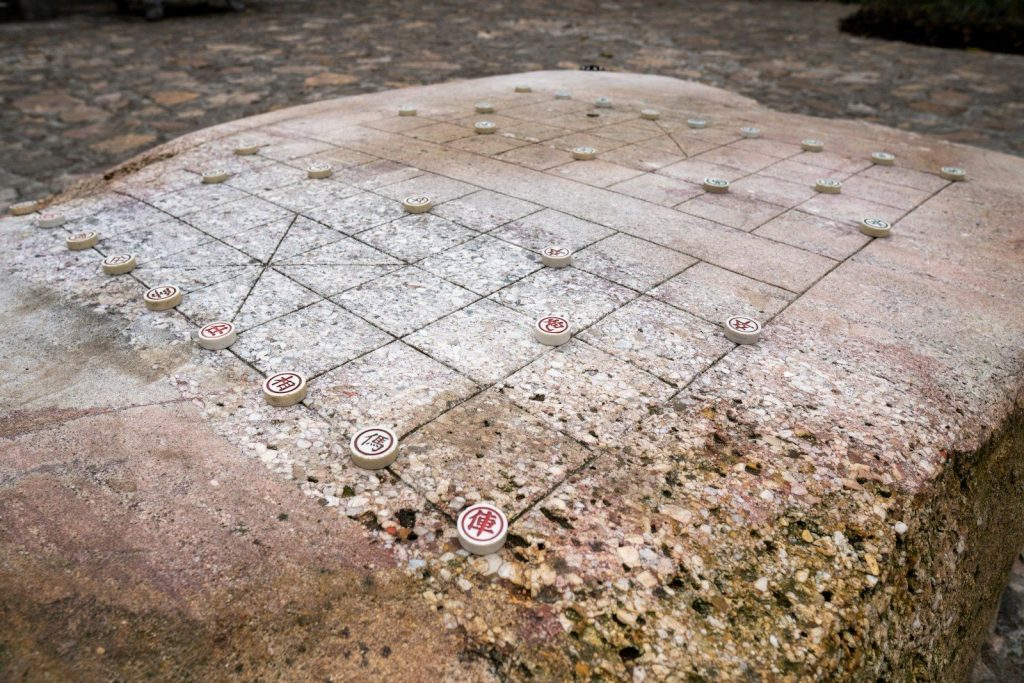
A close inspection of the monumental limestone blocks revealed a series of unusual physical patterns. According to mechanical engineers, several blocks show precise drill marks that require high speed machinery to execute. They were flawless. No known Bronze Age tool could cut through hard granite with such clean accuracy. But these mechanical markings were only the beginning of the structural anomalies.
Shifting The Timeline
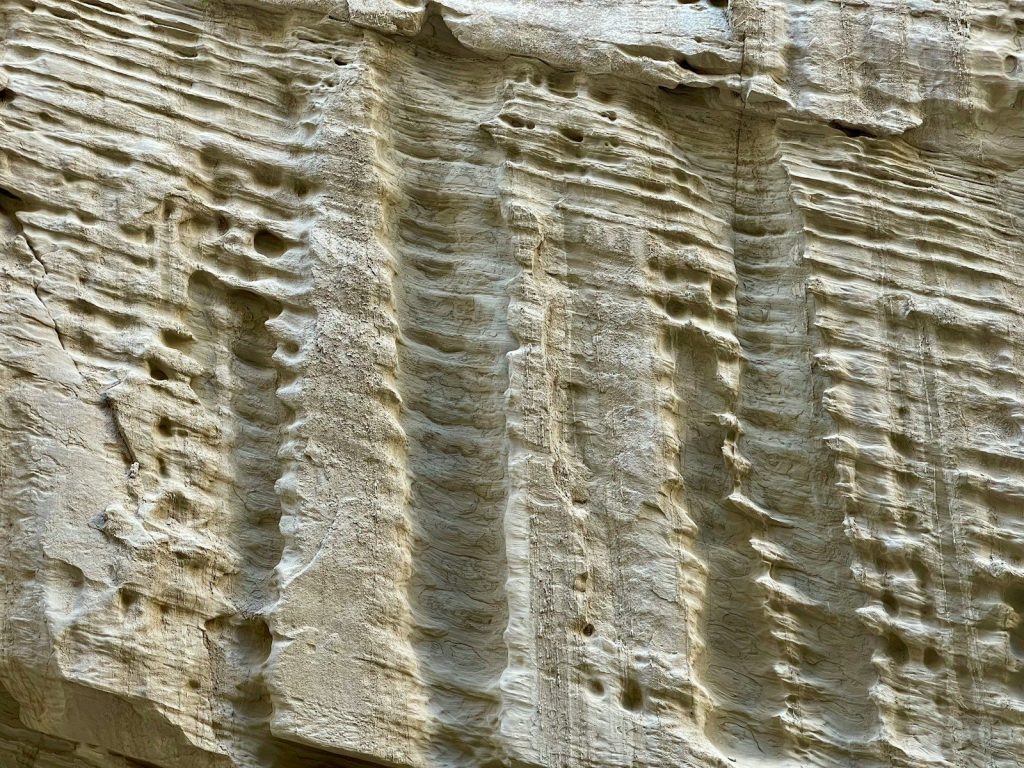
Some independent geologists suggest that the oldest parts of the pyramid complex show signs of extreme water erosion. According to a study by Boston University, this heavy rain damage must have occurred during a much wetter climate era. The climate had shifted. This geological evidence suggests the foundations were laid long before Egypt became a desert. But dating this wet era led to a shocking timeline.
The Ice Age Connection
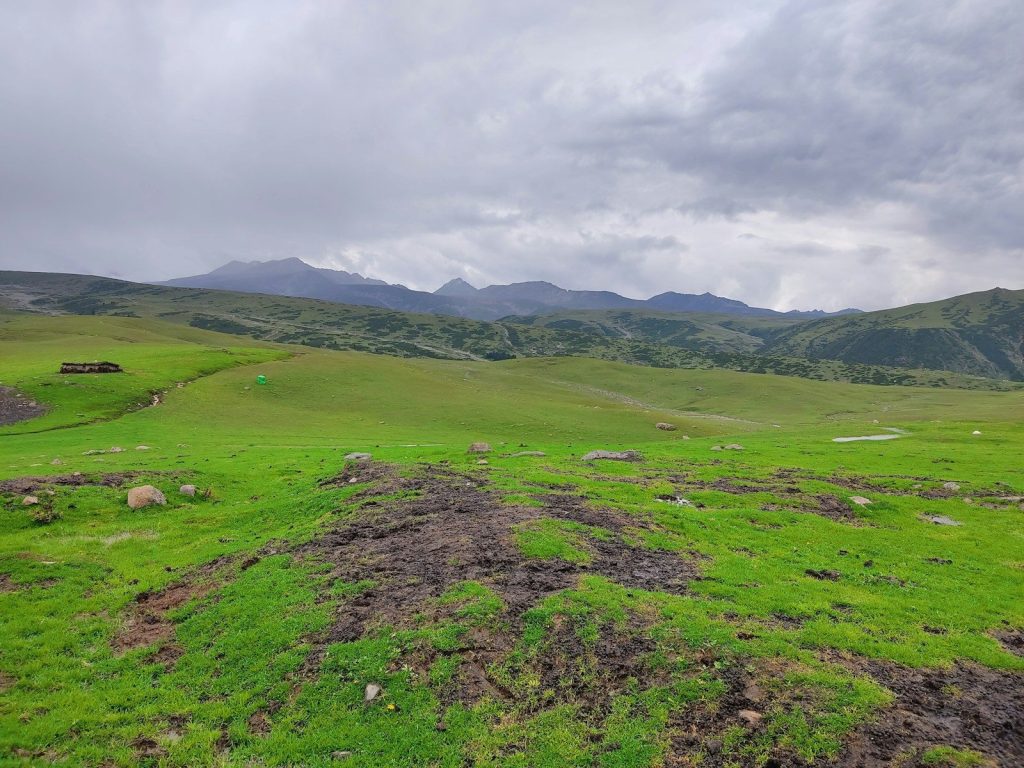
The last major wet period in Egypt occurred at the end of the last Ice Age. According to paleoclimatology reports, the region experienced heavy rainfall and green grasslands over twenty thousand years ago. The dates are mind-bending. This timeline suggests that an advanced culture was building monuments millennia before the pharaohs arose. But explaining how this early knowledge survived required studying the stars.
Stellar Alignment Proof

The layout of the pyramid complex matches the alignment of the stars from a highly specific era. According to astronomical models, the Giza monuments align perfectly with the Orion constellation as it appeared in the distant past. The math is perfect. This stellar configuration indicates that the original blueprint was designed during a prehistoric epoch. But this cosmic alignment suggests a highly sophisticated astronomical system.
Lost Golden Age
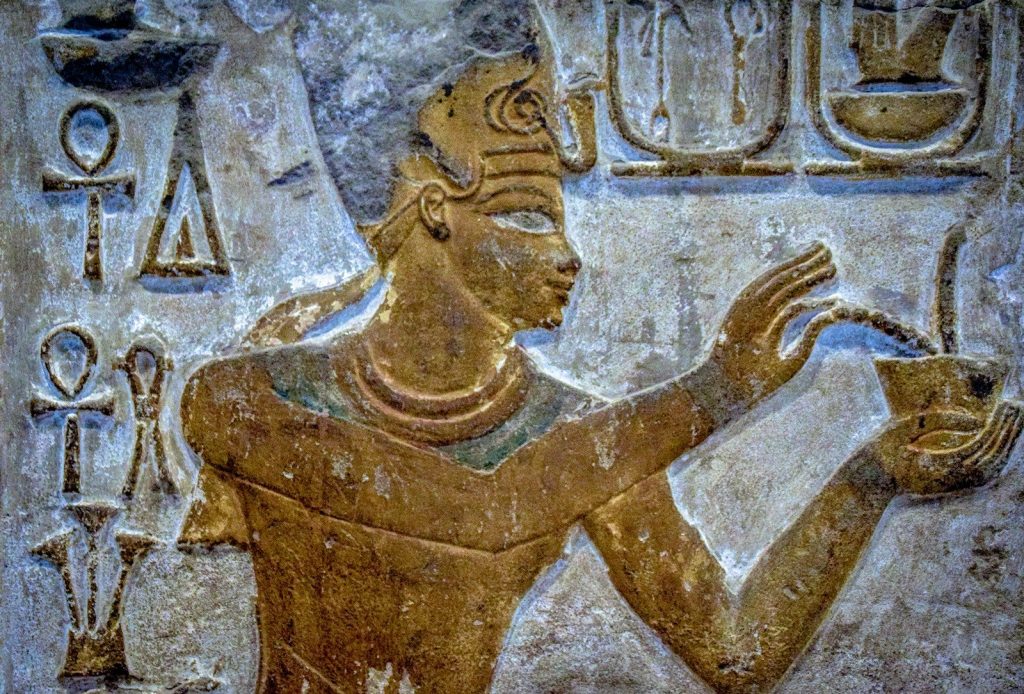
Ancient Egyptian legends frequently speak of a lost golden age called Zep Tepi when gods walked the Earth. According to classical historians, these mythological texts record a real prehistoric civilization that possessed advanced technology. They were pioneers. This legendary empire likely collapsed during a sudden global catastrophe that wiped its cities from the map. But a few monumental structures managed to survive the disaster.
Built To Last

The extreme durability of the Great Pyramid was designed to withstand any natural disaster. According to structural engineers, the massive size and unique seismic design of the monument allowed it to survive earthquakes and floods. It was a fortress. This robust construction ensured that their mathematical and astronomical knowledge would endure for millennia. But deciphering the messages hidden within the stones remains a challenge.
Sifting Out The Myth

Mainstream academics remain highly skeptical of pushing the timeline of Egyptian civilization back by millennia. According to traditional archaeologists, there is no physical evidence of an advanced Ice Age society in the Nile Valley. The debate continues. They argue that the unusual stone markings can be explained by highly patient manual labor. But the cosmic alignments and geological erosion patterns still baffle researchers.
Reimagining Ancient Roots

This debate over the Great Pyramid reminds us that our past is filled with forgotten chapters. According to researchers, exploring these ancient monuments helps us appreciate the true scale of early human engineering. The story is evolving. This article is for informational purposes only.
Featured Image: Photo by Hossam M. Omar on Unsplash
Leave a Reply