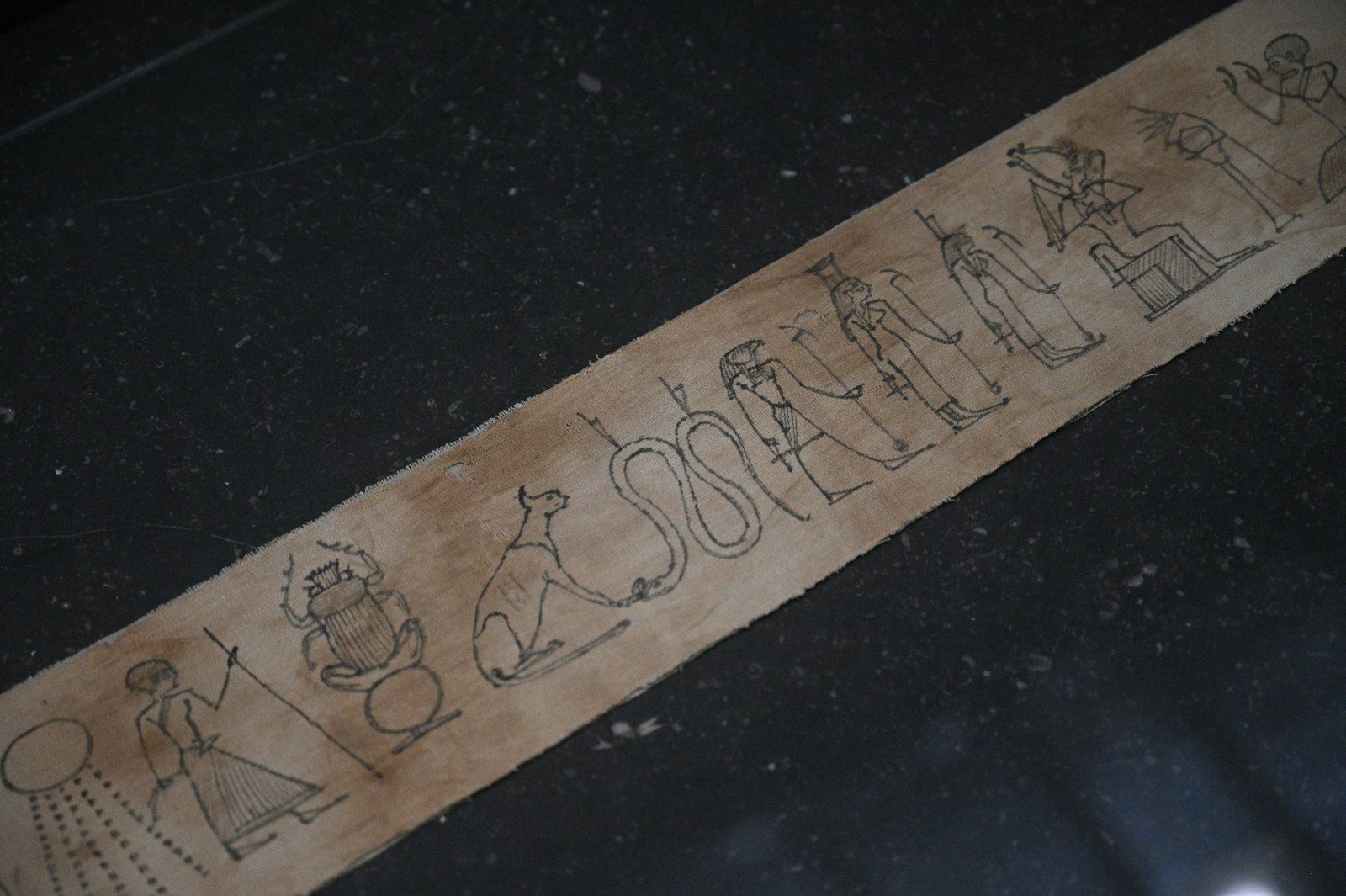
Most biology lovers assume that human size has remained relatively stable throughout ancient history. We believe that stories of giant races in historical texts are purely mythological folklore.
But a rare papyrus scroll recovered from Egypt has revived this intense physical debate. Its ancient translations describe massive individuals whose scale matches the oldest legends.
Inside The Scroll

A team of document conservators began translating a fragile Egyptian text that had been locked in a private collection. According to reports from the Egyptian Museum, the scroll dates back to the early dynastic period. The writing was clear. The author detailed encounters with massive human figures who possessed incredible physical strength. But this historical report was about to align with a modern mystery.
Skeletal Measurements Checked
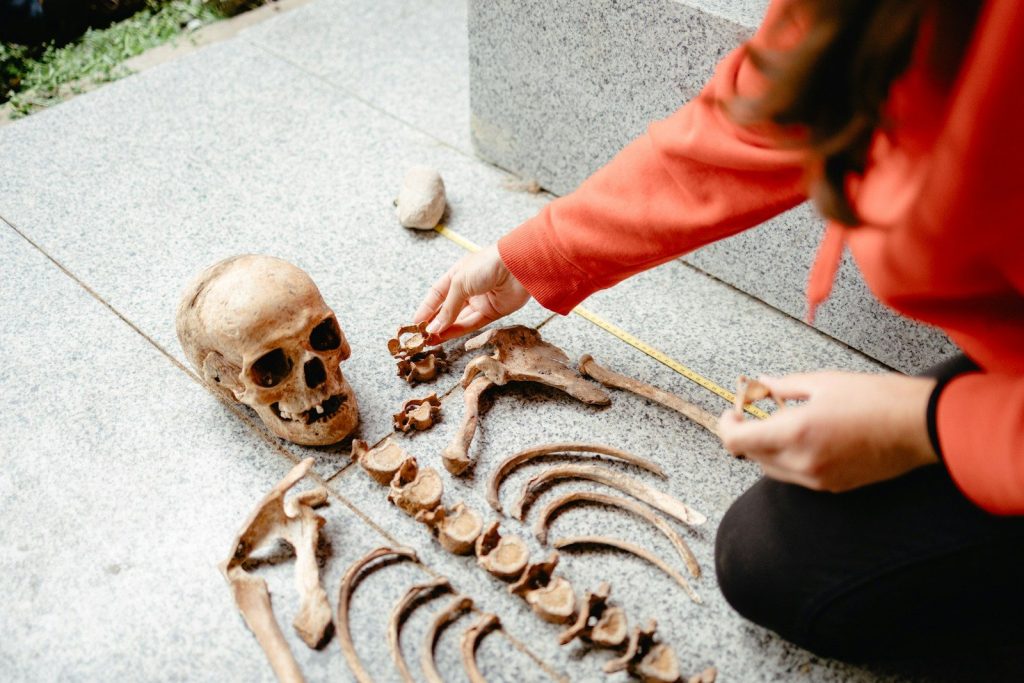
The ancient measurements recorded in the papyrus describe individuals standing over nine feet tall. According to anthropological studies, some human skeletal remains of extreme height have been recovered across the region. They were massive. While rare, these physical anomalies show that some ancient populations grew far larger than modern averages. But explaining this extreme growth required looking at human genetics.
The Genetic Spark
Extreme height can be triggered by a specific genetic variation that affects the growth hormones in the body. According to medical genetics reports, isolated populations can develop unique physical traits over several generations. The genes adapt quickly. This biological isolation could have created localized groups of unusually tall people in the ancient world. But these giant figures played a specific role in society.
Elites Of Ancient Wars

The long-lost scroll suggests that these massive individuals were highly valued as elite palace guards. According to historical scholars, early kings selected these towering fighters to protect their royal courts and lead armies. They were terrifying. Their sheer physical presence acted as a powerful psychological weapon against rival nations. But this royal role also ensured they were buried with high honors.
Massive Stone Coffins
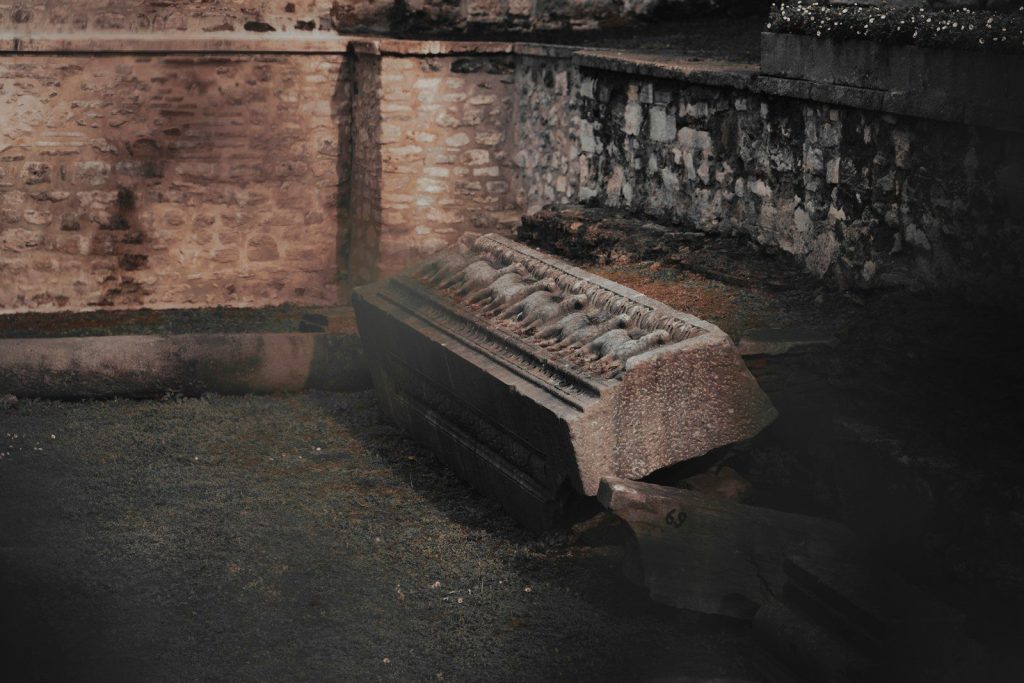
Archaeologists have discovered several unusually large stone sarcophagi that puzzle traditional historians. According to excavation reports, some of these massive stone boxes are far larger than required for a normal human. They look engineered. While skeptics claim these massive coffins were built for symbolic religious reasons, believers point to the scroll translations. But the debate is dividing the scientific community.
The Academic Divide

Mainstream scientists argue that we must not confuse rare biological gigantism with an entirely different species. According to evolutionary biologists, there is no genetic evidence of a separate race of giants living on Earth. The math fits. These unusual skeletons represent rare medical anomalies rather than a lost lineage of humans. But this scientific reality does not diminish the value of the scroll.
Decoding Ancient Truths

This ancient Egyptian papyrus reminds us that historical myths are often built on real biological events. According to researchers, studying these rare scrolls helps us understand how our ancestors interpreted physical anomalies. Nature always surprises us. This article is for informational purposes only and does not constitute scientific or professional advice.
Featured Image: Photo by Po-Hsuan Huang on Unsplash
Leave a Reply