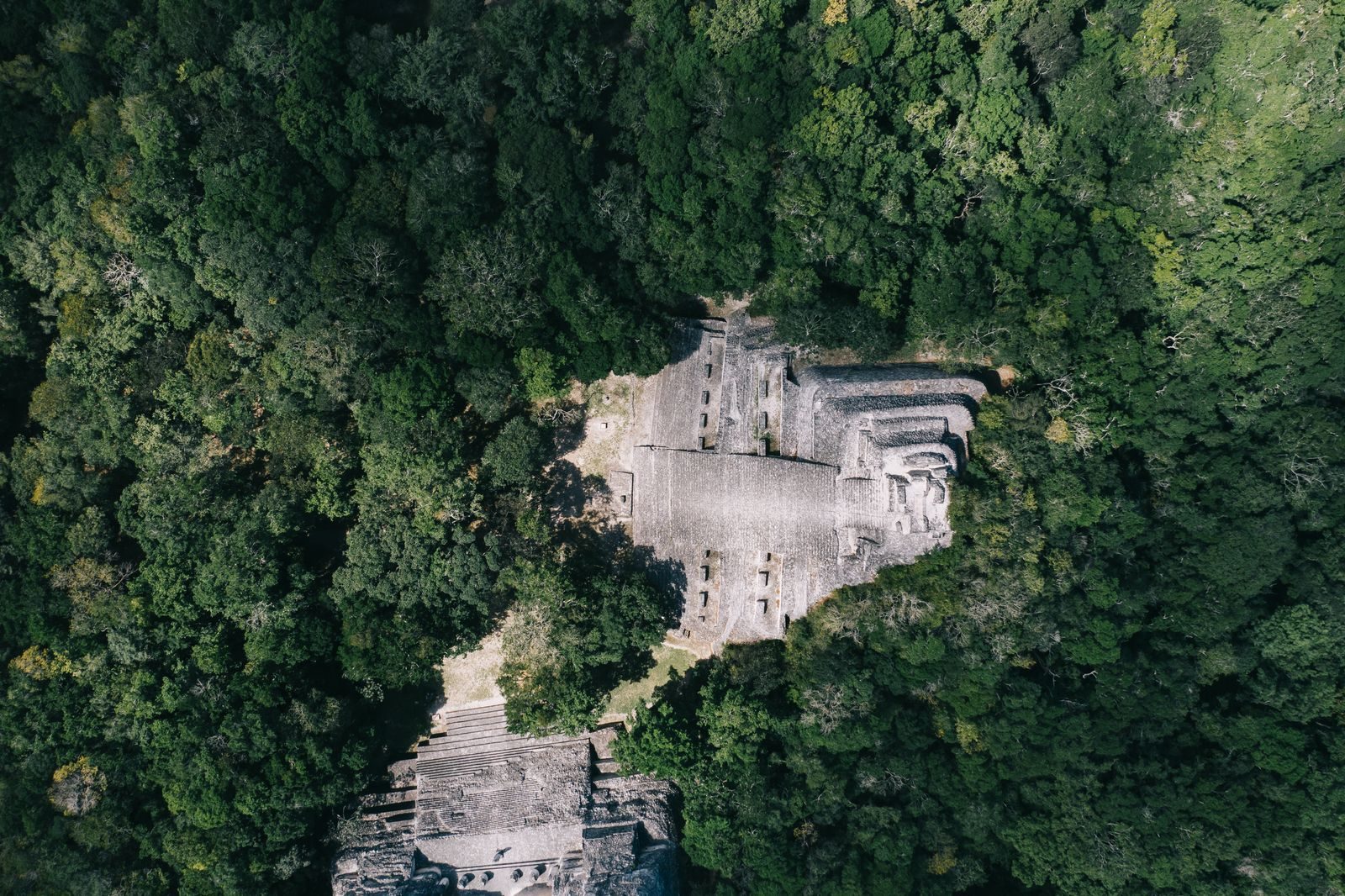
Most travelers assume that lost cities are just romantic myths from ancient adventure books. We believe that modern maps have already cataloged every major urban settlement on Earth.
But advanced laser sensors have shattered this absolute geographic certainty. An elite imaging flight has captured a sprawling ancient metropolis hidden deep beneath the jungle canopy.
Eyes In Sky
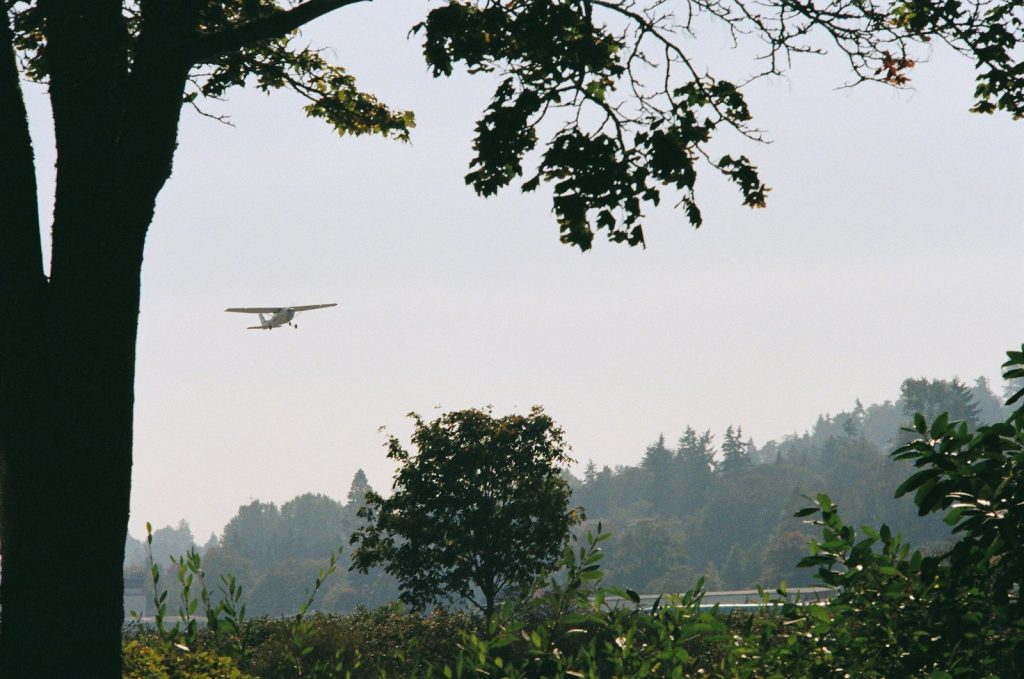
A research aircraft equipped with specialized light-detection sensors flew over a dense tropical forest. According to reports from the National Institute of Anthropology, the onboard radar penetrated the thick trees to map the ground. The results were stunning. The scans revealed a massive grid of streets and plazas stretching across the valley. But this electronic map was about to solve a five-hundred-year-old mystery.
Mapping The Myth

The laser coordinates matched the exact location of a legendary lost city recorded by early explorers. According to historical archives, Spanish conquistadors had searched for this mythical golden empire but failed to find it. They were lost. Modern skeptics assumed the stories were simply exaggerations created by desperate travelers. But the physical radar data proved the ancient legends were entirely correct.
Sprawling Urban Grid
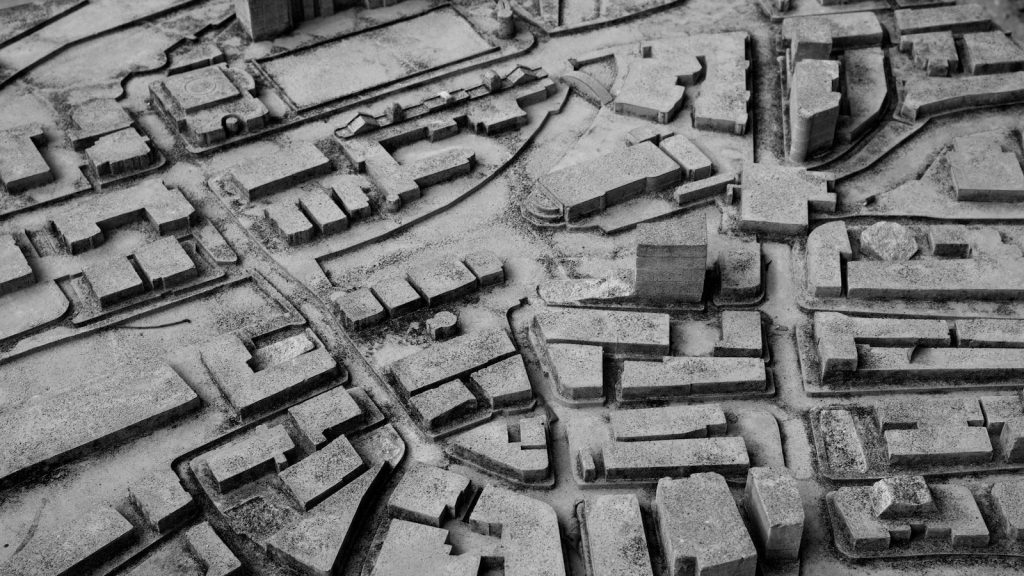
The newly mapped city was far larger than anyone ever expected. According to aerospace mapping analysts, the settlement featured thousands of individual houses, agricultural terraces, and grand ceremonial pyramids. It was highly advanced. This extreme scale proves that the jungle once supported a highly dense and sophisticated civilization. But how these ancient urban centers managed their water remained a mystery.
Advanced Water Works
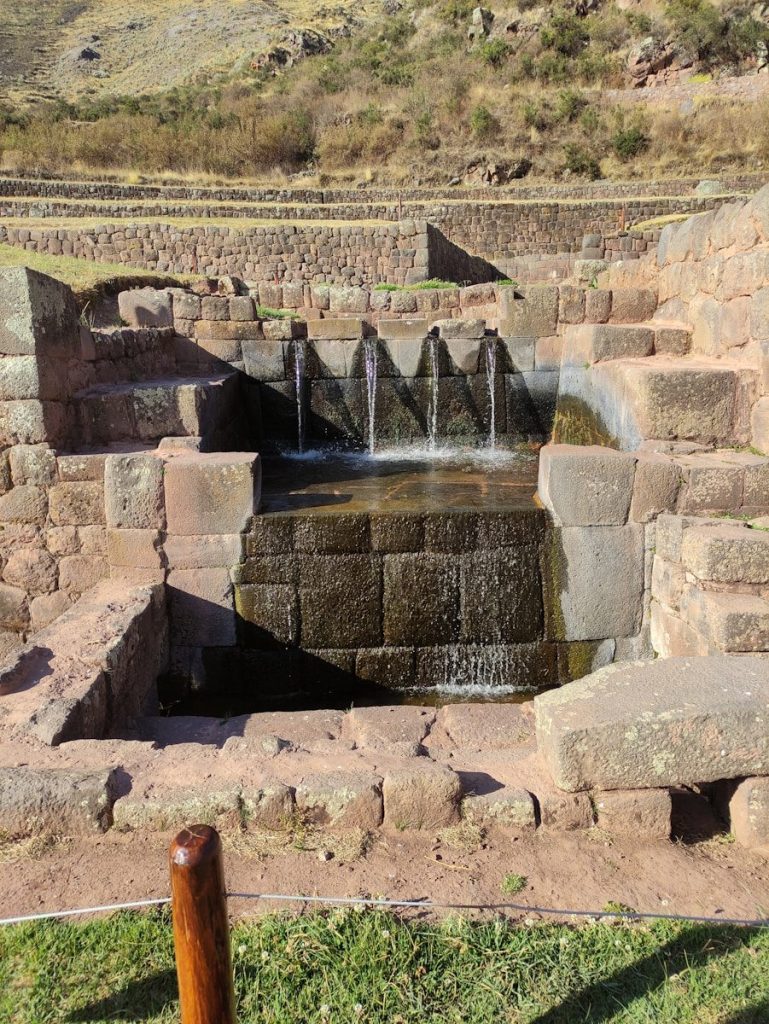
The radar scans revealed a complex network of artificial canals and massive stone reservoirs. According to hydrologists, these engineering channels redirected seasonal rainfall to prevent dangerous floods and supply the homes. The system was seamless. This advanced water management allowed the population to survive severe dry spells. But a closer look at the structures revealed a sudden end.
Signs Of Collapse

Archaeologists analyzing the digital map noticed that many unfinished monuments lay abandoned in the central plaza. According to environmental scientists, a sudden climate shift or prolonged drought likely disrupted the delicate water systems. The crops failed. The population was forced to abandon their massive stone city and scatter into the forest. But their rapid departure left their precious heritage completely untouched.
Saved By Forest
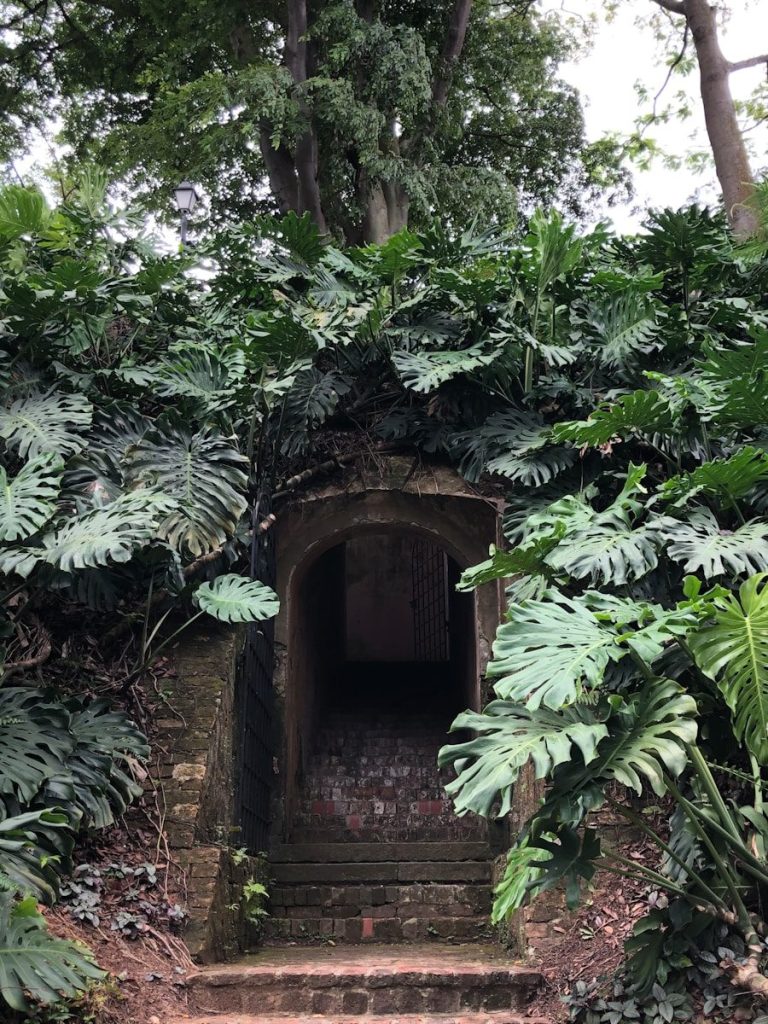
The dense jungle canopy acted like a natural shield that protected the ruins from human looters. According to conservation experts, the thick vegetation prevented the stone structures from eroding under the tropical rains. It was a green vault. This absolute isolation kept the ancient city preserved exactly as it was when the citizens walked away. But exploring this physical vault requires launching a dangerous ground mission.
Finding True History

This spectacular laser discovery proves that technology can uncover lost worlds once thought to be myths. According to archaeologists, mapping these hidden cities alters our understanding of human development across the ancient world. The search continues. This article is for informational purposes only.
Featured Image: Photo by Mikhail Nilov on Pexels
Leave a Reply