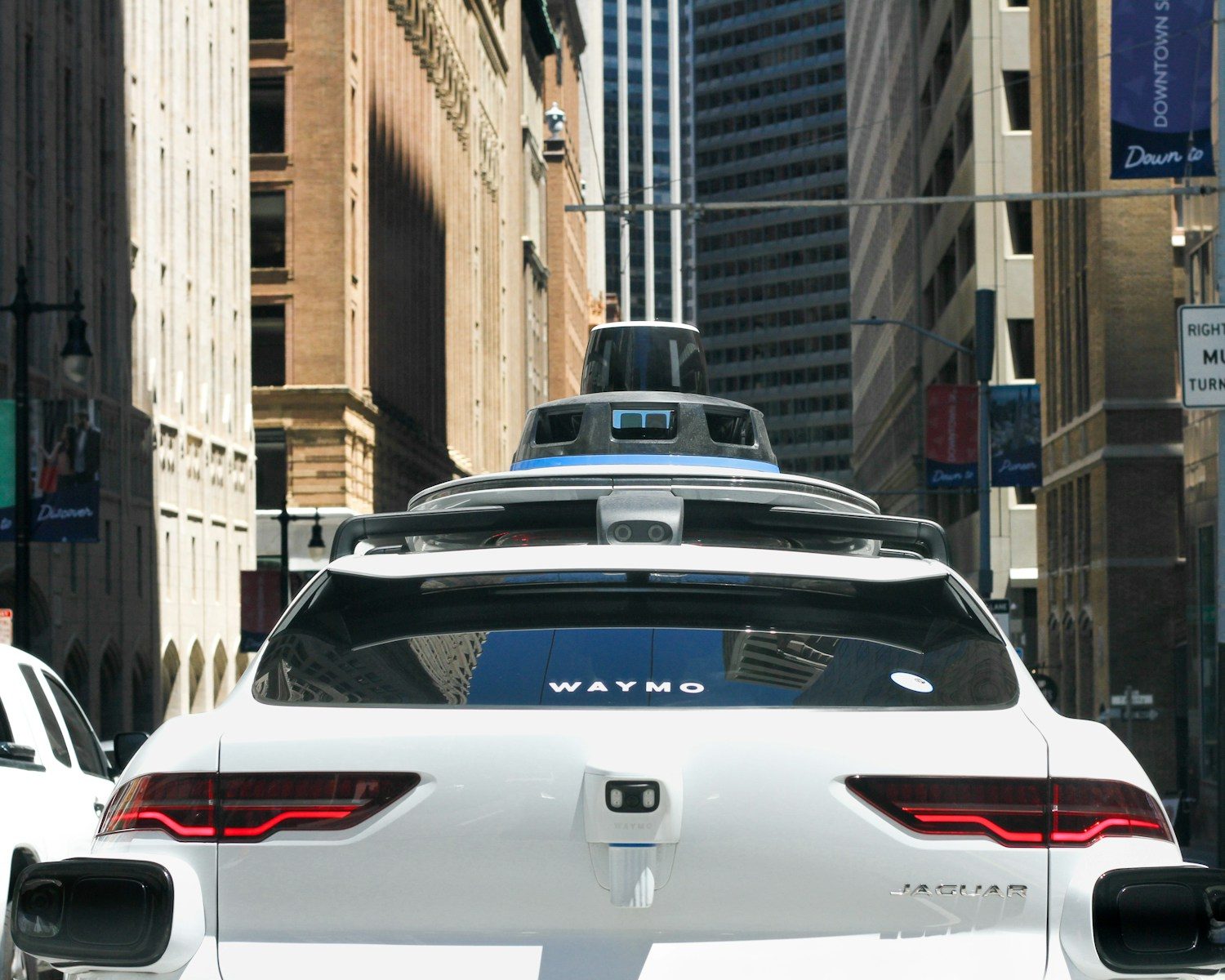
Self-driving services are no longer just a future dream. Robotaxis, autonomous shuttles, and delivery vehicles are already being tested or used in some cities, and the next few years could show how they fit into daily life. The biggest changes may not be dramatic at first. They may show up in shorter waits, new late-night ride options, easier trips for some riders, and different ways goods move across town.
Still, this shift will need careful rules, strong safety testing, and public trust. The National Highway Traffic Safety Administration says automated driving systems may one day perform the full driving task under certain conditions, but safety remains a central issue. As cities learn what works, self-driving services could slowly change how people move, shop, commute, and plan their streets.
Rides may feel more flexible
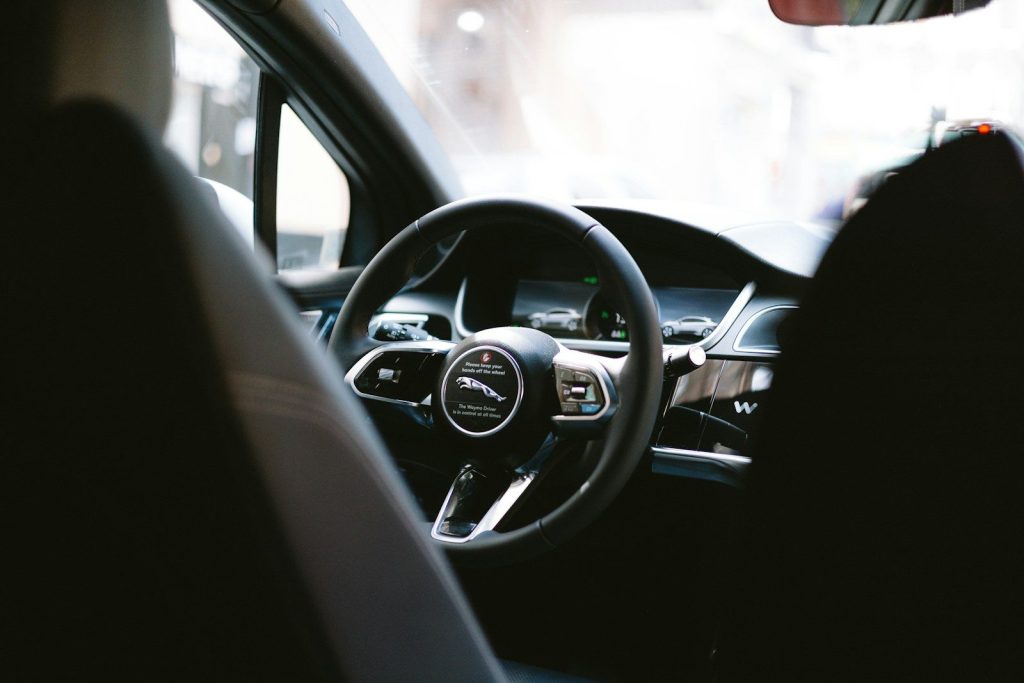
Self-driving ride services could make it easier to get around without owning a car. Instead of waiting for a human driver, people may request a robotaxi through an app and ride across approved service areas.
This could be useful for short city trips, airport rides, late-night travel, or neighborhoods with limited ride-hail supply. Waymo already describes its service as fully autonomous ride-hailing in select areas, showing how this model is moving from testing into real use.
Parking demand may shrink
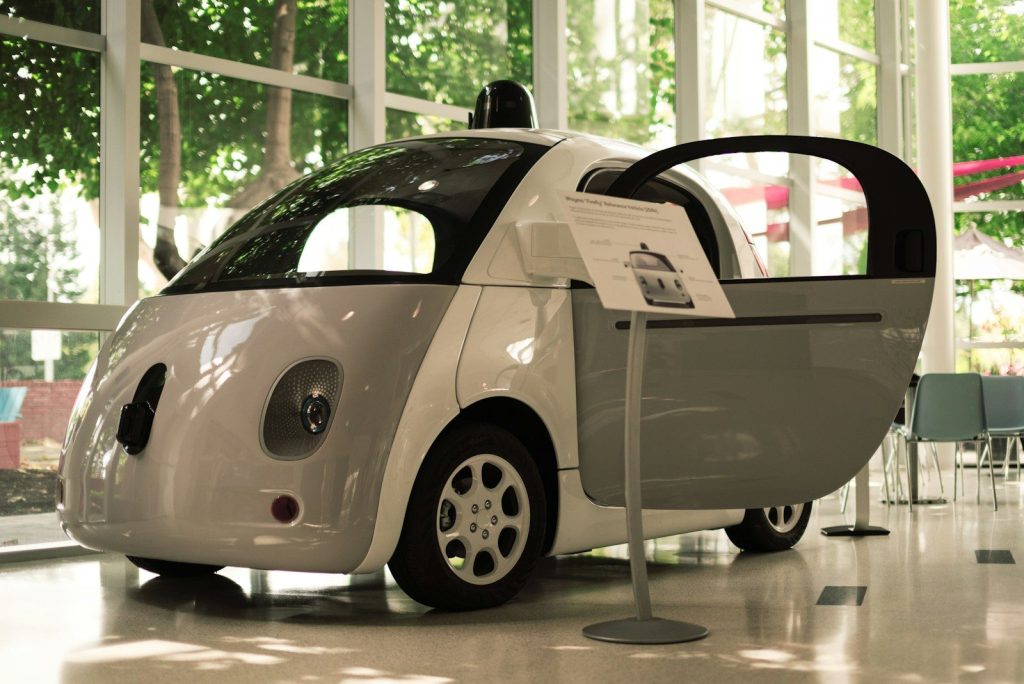
If more people use shared self-driving rides, some households may decide they do not need a second car. Over time, that could reduce pressure for parking in busy neighborhoods.
Cities could then rethink land now used for parking lots, curbside spaces, or large garages. Some of that space might become wider sidewalks, pickup zones, bike lanes, delivery areas, small parks, or housing. The change would likely be slow, but the effect could be visible.
Safer streets stay the goal
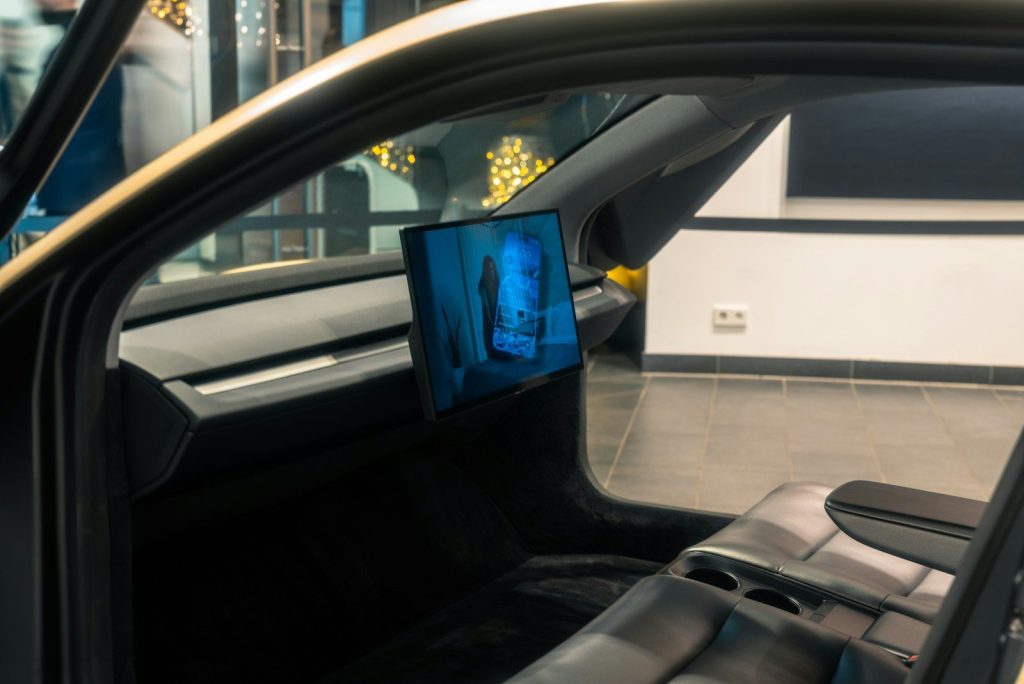
One major promise of automated driving is safety. NHTSA says vehicle safety could be one of automation’s biggest benefits, since higher levels of automation may remove human driving errors in certain situations.
But safety will still need proof in real streets, not just in ads or test tracks. Recent recalls and software updates show that weather, construction, and unusual road events can still create hard problems for self-driving systems.
Transit could get support
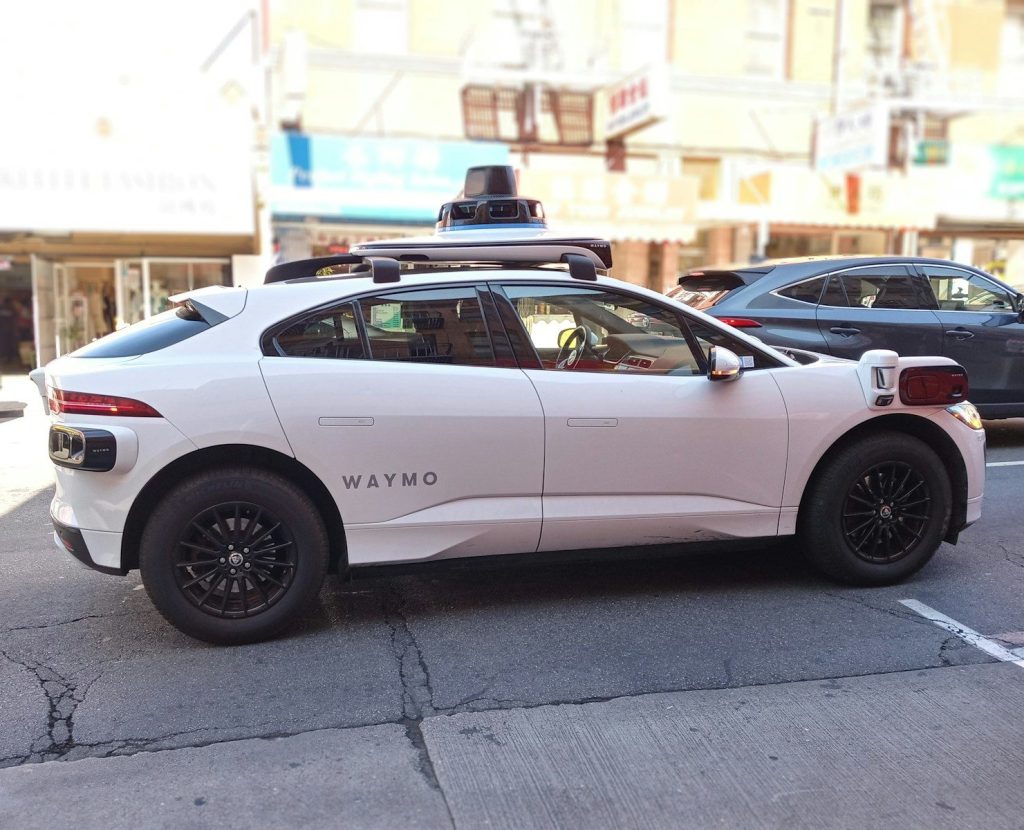
Self-driving services may not replace buses and trains. In many cities, they may work better as a helper for public transit. Small autonomous shuttles could connect homes, offices, campuses, and train stations.
This “first mile, last mile” role could help riders who live too far from a station to walk comfortably. If planned well, self-driving shuttles might fill gaps without adding too many cars to already crowded streets.
Delivery may get quieter
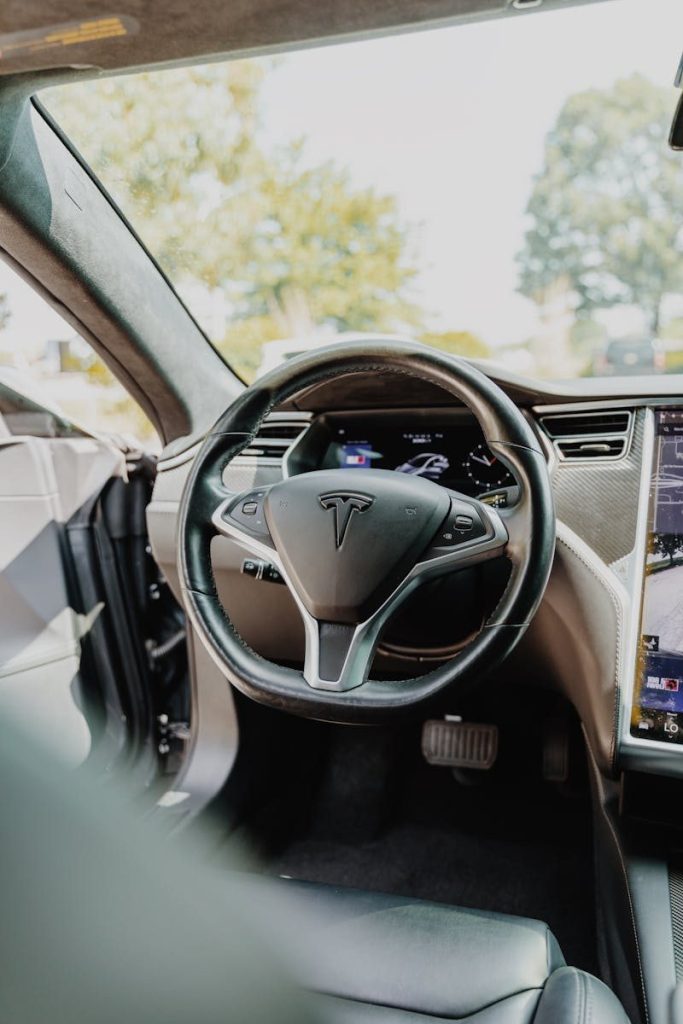
Self-driving services are not only about moving people. Small autonomous delivery vehicles could change how groceries, packages, meals, and store orders reach homes and businesses.
That could reduce some short car trips, especially when people order small items they would otherwise drive to pick up. Cities may need new curb rules, loading zones, and sidewalk safety standards so delivery bots and vehicles do not create clutter.
Older adults may gain options
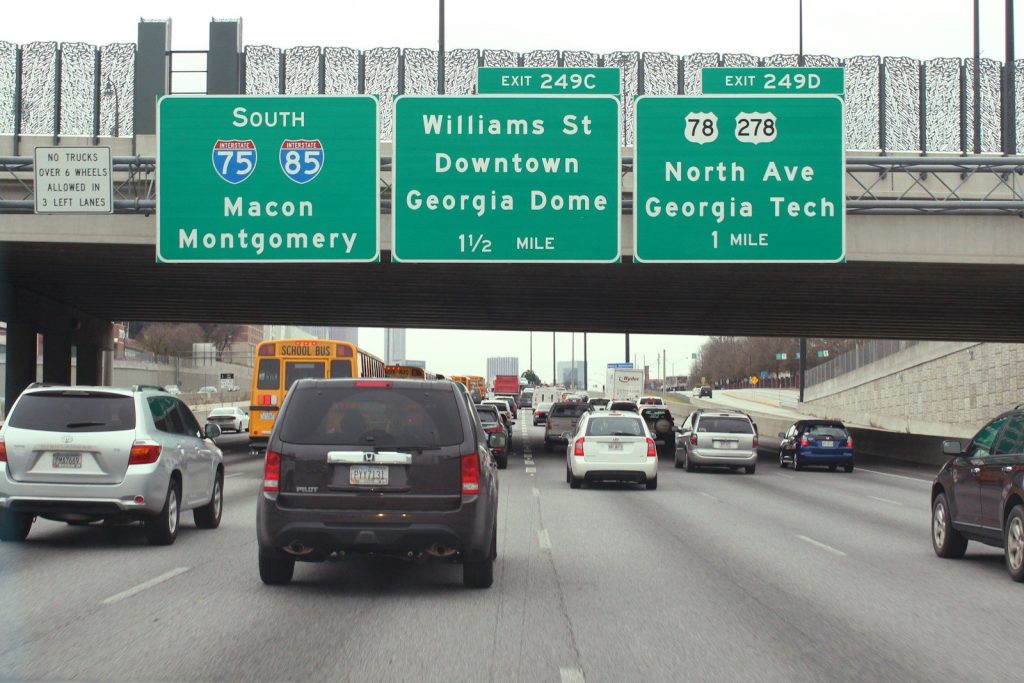
Transportation can be difficult for people who cannot drive or no longer feel comfortable driving. Self-driving services could offer more independence if they are affordable, reliable, and easy to use.
NHTSA has studied automated vehicle accessibility and notes that benefits for people with disabilities depend on design choices made early. That matters because vehicles, apps, pickup spots, and customer support must work for real riders, not just ideal users.
Traffic could change patterns
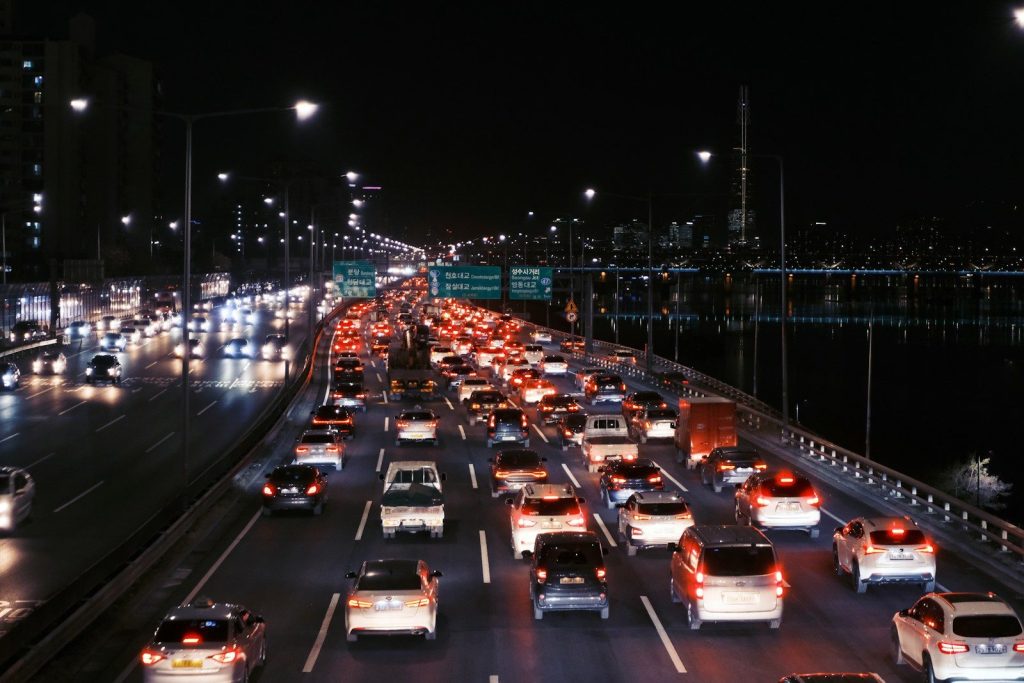
Self-driving cars could make traffic better or worse depending on how cities use them. If robotaxis are shared and well-managed, they might reduce private car use in some areas.
But if empty vehicles circle streets while waiting for riders, congestion could grow. City rules may need to guide where vehicles wait, how pickups work, and how services connect with transit instead of competing with it.
Curb space becomes valuable
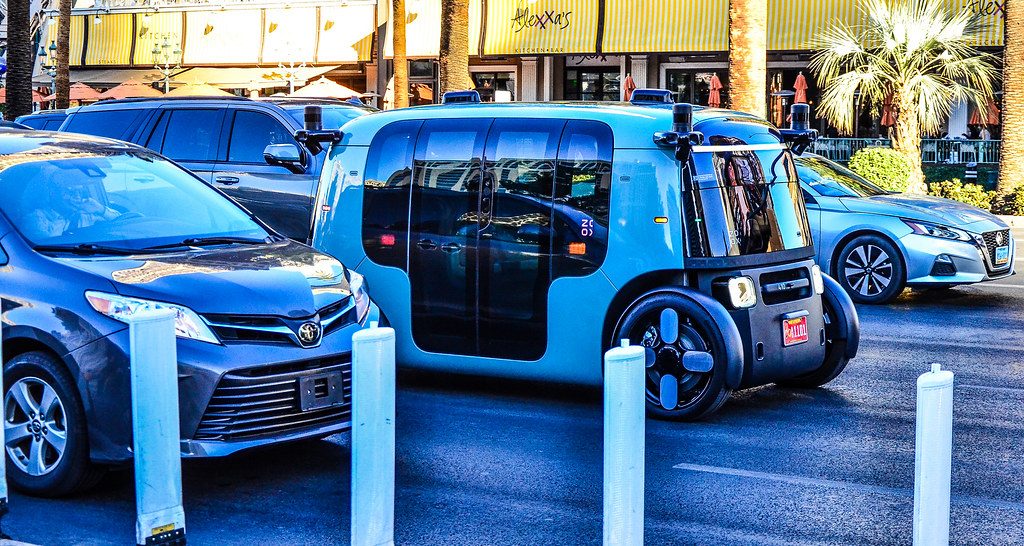
City curbs are already busy. Buses, bikes, delivery trucks, ride-hail cars, scooters, and parked cars all compete for the same space. Self-driving services could make curb management even more important.
Robotaxis need safe places to stop, load passengers, and pull away. Cities may create more digital curb zones, time-based pickup rules, and clear markings so people and vehicles know where each activity belongs.
Trust will shape adoption
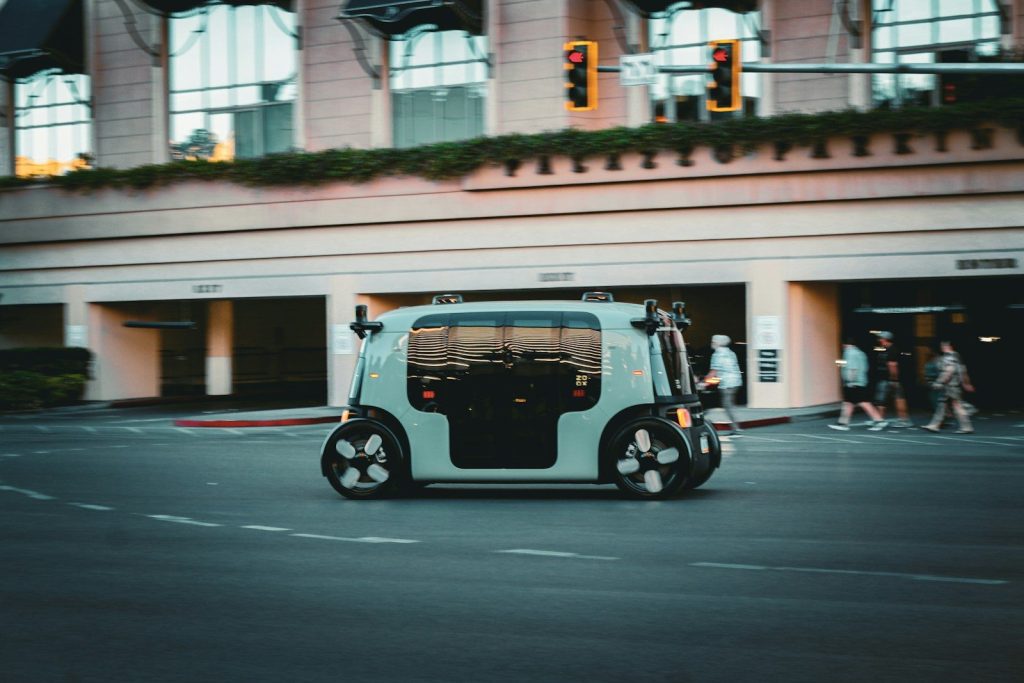
People may not accept self-driving services just because the technology exists. Riders will want to know the car can handle tricky streets, bad weather, construction zones, and unexpected behavior from people nearby.
A 2026 robotaxi user study found that riders valued benefits like consistent driving, but still had concerns about flexibility, transparency, edge cases, and emergency handling. Trust may grow only when services feel predictable and easy to understand.
Cities may redesign slowly
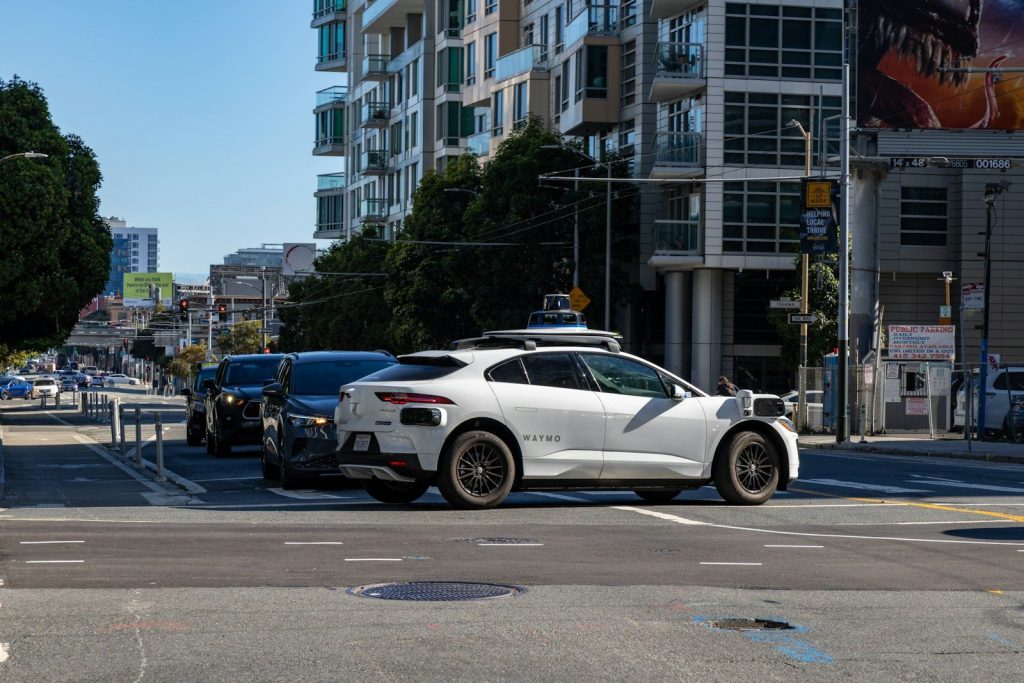
The biggest changes may come after cities see what self-driving services actually do. Streets, parking rules, transit links, delivery zones, and safety policies may all adjust step by step.
McKinsey’s 2026 autonomous-vehicle expert survey noted that adoption timelines have lengthened and development costs have risen. That means city life may not transform overnight. Instead, self-driving services may arrive in careful stages, shaped by safety, rules, cost, and public comfort.
Leave a Reply