Author: Dylan

  • This Pain-Free Patch Is Replacing Medical Needles for Good

    This Pain-Free Patch Is Replacing Medical Needles for Good

    The age of the terrifying doctor’s needle might finally be over. For over a century, the standard way to deliver medicine has been a sharp metal spike driven into muscle. It is painful, scary for children, and requires a trained professional to administer. But a revolutionary new breakthrough has just hit the medical world. It is a small, band-aid-like patch that delivers vaccines through the skin without a single drop of blood. This “microneedle” technology uses tiny, microscopic spikes that are so small they cannot even reach your pain receptors.

    You simply press the patch onto your arm, wait a few seconds, and the job is done. The tiny needles dissolve into the skin, releasing the vaccine directly where it needs to go. Scientists are calling this the biggest leap in immunization history. This is not just a dream for people who hate needles. It is a massive shift in how we handle global health crises. But how can something so small be more effective than a traditional shot?

    Why This Tiny Sticker Works Better Than a Shot

    microbiology, laboratory, dna, microscope, science, investigation, research, virus, coronavirus, dna, dna, dna, dna, dna
    Photo by Tumisu on Pixabay

    It turns out that our muscles are actually not the best place to put a vaccine. Most traditional shots go deep into the muscle tissue, but our immune system is actually most active in our skin. The skin is our first line of defense against the outside world, so it is packed with immune cells. By using a patch, the medicine goes exactly where those “soldier” cells live.

    This means you might actually need a smaller dose of the vaccine to get the same level of protection. The microneedles are made of a special polymer that holds the vaccine in a dry state. When they touch the moisture in your skin, they melt away safely. It is a cleaner, smarter way to build immunity. But the real game-changer isn’t just about the pain; it is about how these patches are stored.

    No More Fridges Required for These New Vaccines

    a refrigerator filled with lots of bottles of wine
    Photo by Markus Spiske on Unsplash

    One of the biggest problems with current vaccines is that they have to stay cold. If a vial of medicine gets too warm during shipping, it becomes useless. This “cold chain” makes it almost impossible to get life-saving shots to remote villages or hot climates. The new patch solves this entirely. Because the vaccine is in a dry, stable form inside the needles, it can survive at room temperature for months.

    This means we can ship these patches in regular envelopes through the mail. We no longer need expensive refrigerated trucks or special freezers at every clinic. This breakthrough could save millions of lives in parts of the world where electricity is unreliable. However, if these patches are so easy to handle, does that mean you could eventually give yourself a vaccine?

    Could You Mail Order Your Next Flu Shot?

    mailbox, australia, wasteland, mailbox, mailbox, mailbox, mailbox, mailbox, australia, australia
    Photo by MartinaFotos on Pixabay

    Imagine never having to book a doctor’s appointment for a routine vaccination again. Since the patch is as easy to apply as a sticker, researchers are testing if people can use them at home. During clinical trials, people with no medical training were able to apply the patches correctly every single time.

    This would allow people to order their flu shots or travel vaccines online and apply them while sitting on their couch. It would take the pressure off hospitals and pharmacies during busy seasons. It also eliminates the risk of “needle-stick” injuries for healthcare workers. But there is another environmental benefit that most people haven’t considered yet.

    Ending the Massive Pile of Medical Waste

    clear glass tube with white plastic tube
    Photo by Hennie Stander on Unsplash

    Every year, billions of plastic syringes and metal needles are thrown away. This creates a mountain of “biohazardous” waste that is dangerous to handle and expensive to destroy. Because the microneedles on these patches dissolve into the skin, there is no sharp waste left behind. After you use the patch, you just throw the paper backing in the regular trash.

    It is a much greener way to run a healthcare system. Hospitals wouldn’t need specialized “sharps” containers, and the overall carbon footprint of medicine would drop significantly. It is a win for the patient and a win for the planet. But this technology isn’t just for vaccines. Could it change how we treat daily diseases like diabetes?

    The Future of Painless Insulin Delivery

    diabetes, insulin syringe, insulin, injection, disease, healthcare, medical, glucose, pancreatic disease, sugar, white sugar, hyperglycemia, health, nourishment, diet, unhealthy, diabetes, diabetes, diabetes, diabetes, diabetes, insulin, insulin, insulin, insulin
    Photo by Myriams-Fotos on Pixabay

    For people living with diabetes, life often involves multiple needle pricks every single day. The stress and physical pain of constant injections can be overwhelming. Researchers are now working on microneedle patches that can deliver insulin throughout the day. Some “smart” patches could even sense blood sugar levels and release the exact amount of medicine needed automatically.

    This would mean no more finger pricks and no more manual shots. The patch does all the thinking and all the work while you sleep or go about your day. It represents a level of freedom that patients have been dreaming about for decades. But if the technology is this good, why isn’t it in every pharmacy yet?

    When Will the Needle Finally Retire?

    injection, trash, waste, syringe, dangerous, corona, coronavirus, litter, ground
    Photo by Mikewildadventure on Pixabay

    The technology is already in advanced human trials for the flu, measles, and even COVID-19. The results have been incredibly positive, showing that the patches are safe and effective. Large-scale factories are currently being designed to print these patches by the millions.

    We are likely only a few years away from seeing these at your local drug store. The first versions will likely be for the seasonal flu, followed by vaccines for children. Soon, the idea of “getting a shot” will be a strange story we tell our grandkids. But is there one final hurdle that could slow down this medical revolution?

    A World Without the Fear of Medicine

    baby girl
    Photo by Melissa Labellarte on Unsplash

    The biggest impact of the pain-free patch might be psychological. Many people avoid the doctor entirely because of “needle phobia.” This fear leads to lower vaccination rates and more outbreaks of preventable diseases. By removing the pain and the “scary” equipment, we make healthcare more inviting for everyone.

    It turns a medical procedure into a simple act of self-care. As we move toward a future where medicine is invisible and painless, we are creating a world where no one has to be afraid of staying healthy. The transition from the metal needle to the smart patch is inevitable. The only question left is which disease we will conquer next with this tiny sticker.

    Featured Image: Photo by Diana Polekhina on Unsplash

  • Why external SSDs are becoming part of serious workflows

    Why external SSDs are becoming part of serious workflows

    External SSDs used to feel like simple backup tools. Now they are becoming everyday work gear for creators, students, small business owners, and anyone handling large files. Photos, 4K video, game projects, design files, and phone footage can fill a laptop fast. A good external SSD gives people extra room without forcing them to replace their computer.

    It also makes it easier to move work between a desktop, laptop, tablet, camera, or phone. Apple says recent Pro iPhone models can record ProRes video directly to compatible USB-C external storage, which shows how normal this workflow is becoming. For serious work, storage is no longer just a place to park files. It is part of the setup.

    Speed changes daily work

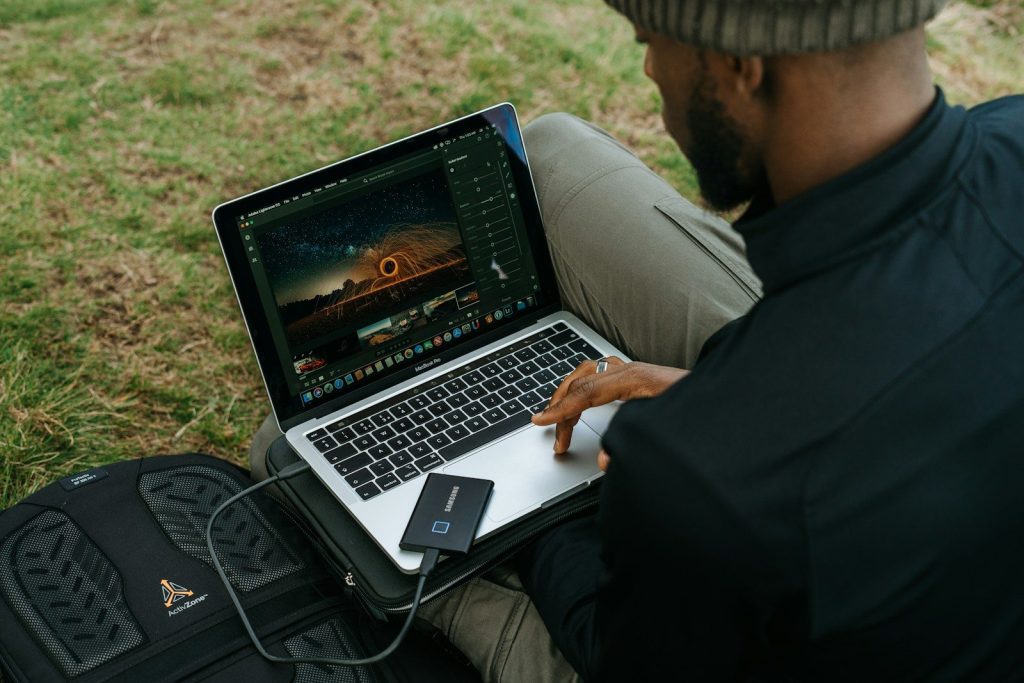
    man in black jacket using macbook pro
    Photo by Samsung Memory on Unsplash

    Waiting on large file transfers can break your focus. External SSDs help because they are much faster than older portable hard drives, especially when moving video clips, photo libraries, or project folders.

    That speed matters during real work, not just benchmarks. Editors can open large media faster, photographers can move shoots quickly, and teams can pass files around without losing as much time between tasks.

    Laptops fill up quickly

    black and white laptop computer
    Photo by Samsung Memory on Unsplash

    Many modern laptops are thin, fast, and expensive to upgrade. Once the built-in storage is full, users may have to delete files, move projects to the cloud, or buy a new machine sooner than planned.

    An external SSD gives more breathing room. It can hold active projects, older work, media libraries, and backups. That makes a smaller laptop feel more useful for a longer time.

    Video files keep growing

    a man taking a picture of a small tree
    Photo by Hans Ott on Unsplash

    High-quality video can take up a huge amount of space. Apple notes that ProRes files can be much larger than HEVC files, and newer Pro iPhones can record ProRes directly to external USB-C storage when the drive and cable meet requirements.

    That is a big shift for mobile creators. Instead of stopping to clear phone space, they can record straight to a drive and move the footage into an editing setup afterward.

    Creators need portable setups

    man in white t-shirt sitting on black office rolling chair
    Photo by Kit (formerly ConvertKit) on Unsplash

    Not every serious workflow happens at a desk. Photographers, filmmakers, designers, and social media teams often work from studios, events, coffee shops, classrooms, or client locations.

    A portable SSD helps carry the project, not just the files. Someone can shoot, copy, review, and edit from different places without depending only on one computer. That flexibility is why small drives now feel like work tools.

    Cloud storage has limits

    A close up of a cell phone on a table
    Photo by appshunter.io on Unsplash

    Cloud storage is useful, but it is not always the fastest choice. Uploads can take time, internet service can be uneven, and large files may create extra costs or delays.

    External SSDs give users local control. Files are right there, even without Wi-Fi. For many workflows, the best setup is not cloud or drive. It is both working together, with the SSD handling fast local access.

    Devices now connect easier

    white usb cable on white surface
    Photo by Marcus Urbenz on Unsplash

    USB-C has made external storage simpler across many devices. A drive that works with a laptop may also connect to some phones, tablets, cameras, and gaming devices, depending on support and formatting.

    That shared connection matters. It reduces the need for special adapters and makes storage feel more universal. Serious users want fewer roadblocks, and modern ports help external SSDs fit into more setups.

    Fast drives help editing

    A close up of a laptop on a table
    Photo by Samsung Memory on Unsplash

    Some editors do more than store files on an external SSD. They may edit directly from the drive, especially when working with large media libraries or switching between machines.

    The results depend on the drive, cable, port, and file type. Still, faster external SSDs can make editing setups cleaner. Instead of filling a computer’s internal drive, the active project can live on a separate, portable drive.

    They make upgrades simpler

    person in gray sweater using black laptop computer
    Photo by Samsung Memory on Unsplash

    Buying a new computer just for more storage can be expensive. An external SSD offers a cheaper and more flexible path, especially for people who need space more than a faster processor.

    That makes the drive part of a longer-term workflow. It can move from one computer to the next, hold older projects, and grow with changing needs. For many users, that is what makes external SSDs feel serious now.

  • How Thunderbolt 5 could change desk setups

    How Thunderbolt 5 could change desk setups

    A messy desk can make even a powerful computer feel frustrating. One cable charges the laptop, another runs the monitor, another connects storage, and a dock tries to hold everything together. Thunderbolt 5 could make that setup feel much simpler. It keeps the familiar USB-C shape, but raises the performance behind the port in a big way.

    Intel says Thunderbolt 5 supports up to 80Gbps of two-way bandwidth and up to 120Gbps with Bandwidth Boost for heavy display needs. It can also support up to 240W charging and dual 8K 60Hz monitors, depending on the device and setup. That means future desks may rely more on one powerful cable instead of a pile of separate connections.

    One cable can do more

    black usb cable on white table
    Photo by Mika Baumeister on Unsplash

    Thunderbolt 5 could make the “one cable desk” feel more realistic. A laptop could connect to a dock, monitor, storage, keyboard, mouse, and power through one main cable.

    That is a big deal for people who move between a desk and the couch, classroom, or office. Instead of plugging in several cords, they may only need one cable to get back to a full workstation.

    More room for big monitors

    Three computer monitors sitting on top of a desk
    Photo by Jakub Żerdzicki on Unsplash

    Big screens are becoming common at home and work. Some people use one ultrawide monitor, while others prefer two or three displays for multitasking.

    Thunderbolt 5 has more display bandwidth than Thunderbolt 4. Intel says it can support up to dual 8K 60Hz monitors, while Thunderbolt 4 supports dual 4K 60Hz monitors. That opens the door for sharper, cleaner desk setups.

    Docks may become stronger

    Hand holding iPhone with accessory on desk
    Photo by Matúš Gocman on Unsplash

    A good dock turns a laptop into a full desk computer. The problem is that older docks can run out of bandwidth when too many screens and devices are connected.

    Thunderbolt 5 gives docks more room to handle displays, storage, networking, and accessories at the same time. That could make future docks feel less like a compromise and more like the center of the whole desk.

    Charging could get simpler

    a black keyboard with a white background
    Photo by dlxmedia.hu on Unsplash

    Many desk setups still need a separate laptop charger. That adds another power brick, another cable, and more clutter under the desk.

    Thunderbolt 5 supports up to 240W charging, depending on the device and cable. That could help more powerful laptops charge through the same cable used for displays and accessories, making the desk cleaner and easier to manage.

    Creators may benefit most

    man in white t-shirt sitting on black office rolling chair
    Photo by Kit (formerly ConvertKit) on Unsplash

    People who edit video, move huge files, or work with high-resolution displays often need more than a basic USB-C hub. Their desks usually include fast drives, cameras, monitors, and card readers.

    Thunderbolt 5 is built for heavier workflows like these. More bandwidth means fewer slowdowns when several demanding devices are connected at once, especially in creative setups that rely on speed and screen space.

    Gamers get more flexibility

    man playing on laptop
    Photo by Fredrick Tendong on Unsplash

    Gaming desks often need high-refresh monitors, fast storage, streaming gear, and extra accessories. That can make cable management difficult.

    Intel says Thunderbolt 5 supports higher display bandwidth and can help with high-performance gaming setups. It also supports external graphics connections through faster PCIe bandwidth, though real results will depend on the laptop, dock, and accessories being used.

    Old ports will not vanish

    a close up of a laptop on a wooden table
    Photo by Ritupon Baishya on Unsplash
    Thunderbolt 5 uses the USB-C connector, but not every USB-C port is Thunderbolt 5. That can confuse shoppers, especially when cables and docks look almost the same.

    The good news is that Thunderbolt 5 is designed to work with many earlier USB and Thunderbolt devices. Still, users will need to check labels, specs, and cables carefully before expecting full Thunderbolt 5 speed.

    Cable quality matters more

    Black usb hub with multiple ports and switches.
    Photo by Barry A on Unsplash

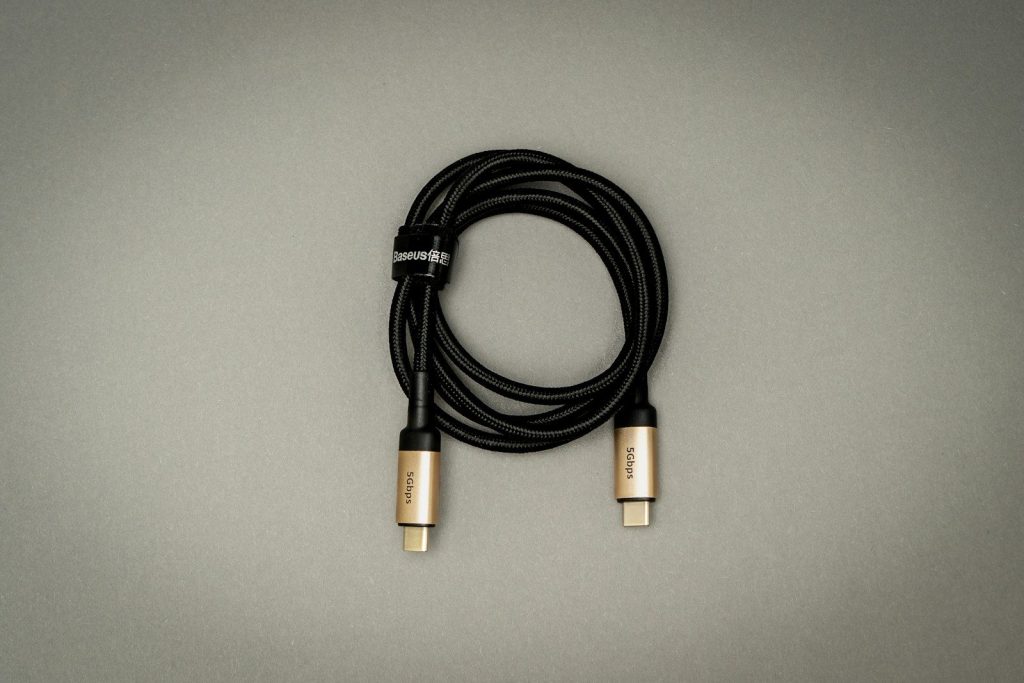
    With faster speeds and higher power, the cable becomes more important. A random USB-C cable may charge a phone, but that does not mean it can handle a high-end desk setup.

    For Thunderbolt 5, certified cables will matter. The right cable can support higher data speeds, stronger charging, and better display performance. The wrong one may limit the whole setup without making it obvious.

    Desks could feel less crowded

    a laptop computer with a coffee cup
    Photo by Maury Page on Unsplash

    The biggest change may not be speed alone. It may be how much simpler a desk feels when one port can handle more jobs at once.

    Thunderbolt 5 could help laptops act more like desktop computers when docked. For many people, that means fewer cords, faster accessories, cleaner monitor setups, and an easier way to switch between mobile work and a full desk.

  • Why some TVs are trying to look like wall art

    Why some TVs are trying to look like wall art

    A big black screen can feel out of place in a carefully decorated room. That is one reason TV makers are changing how some models look when no one is watching a show. Instead of sitting there like a blank rectangle, these TVs can display artwork, family photos, or soft visual backgrounds that blend into the room.

    This trend is also about how homes are used now. Living rooms often work as family spaces, work areas, and places to relax. A TV that looks more like framed art can feel less distracting and more intentional. Samsung’s The Frame is one of the best-known examples, with Art Mode, customizable bezels, and a matte display made to reduce reflections. LG has also moved further into art-style TV features with Gallery+ and newer gallery-focused designs.

    TVs are part of decor now

    Modern living room with sofa, tv, and artwork.
    Photo by Puscas Adryan on Unsplash

    For years, many people tried to hide the TV when it was turned off. It was useful, but it did not always match the rest of the room.

    Now, some TV makers are treating the screen like a design object. Thin frames, wall-hugging mounts, and art displays help the TV feel more like something chosen for the room, not just placed there.

    The blank screen problem

    interior, design, tables, chairs, white, wall, floor, meeting, room, office, frame, art, display, tv, meeting, office, office, office, office, office
    Photo by StockSnap on Pixabay

    A large TV can become the main thing people notice, even when it is off. In bright, open rooms, that dark rectangle can stand out against light walls and furniture.

    Art-style TVs try to solve that problem by giving the screen something calm to show. A painting, photo, or simple image can make the wall feel more finished and less empty.

    Art mode changes the mood

    interior, design, tables, chairs, white, wall, floor, meeting, room, office, frame, art, display, tv, meeting, meeting, meeting, meeting, meeting, office
    Photo by StockSnap on Pixabay

    Art Mode lets a TV show artwork or personal images when it is not being used for movies or shows. Samsung says The Frame can display digital artwork, photos, or personal images so it looks more like a framed picture.

    That small change can make a room feel warmer. Instead of a silent black screen, the wall can show a landscape, a modern print, or a family photo that fits the space.

    Matte screens matter

    Contemporary living room with grey sofa, TV, and modern decor in a minimalist style.
    Photo by Max Vakhtbovych on Pexels

    A regular glossy TV screen can reflect windows, lamps, and ceiling lights. That makes it harder for a digital image to pass as real art.

    Many art-style TVs use matte or anti-glare screens to cut down reflections. Samsung highlights The Frame’s matte display, while LG’s Gallery TV is also described as using a matte-coated screen to help the art-like look.

    Frames make the trick work

    Spacious modern living room with a TV and stylish furniture, offering a cozy home interior vibe.
    Photo by Max Vakhtbovych on Pexels

    The frame around the screen is a big part of the illusion. A thin black border still looks like a TV, but a picture-style frame can make it feel closer to wall decor.

    Some models use customizable bezels, so owners can match the TV to wood tones, light walls, or modern furniture. That gives people more control over how the screen fits their room.

    Wall mounting looks cleaner

    Comfortable modern living room with gray sofa and TV with shelves hanging on wall
    Photo by Max Vakhtbovych on Pexels

    Art-style TVs work best when they sit close to the wall. A gap behind the screen can break the picture-frame effect and make the setup look less polished.

    That is why slim mounts and tidy cable setups matter. When wires are hidden and the TV sits flat, the screen feels more like part of the wall instead of a separate gadget.

    Photos feel more personal

    Stylish room with comfortable couch and armchair near side table placed against modern TV set in contemporary apartment with curtains on window
    Photo by Max Vakhtbovych on Pexels

    Not everyone wants famous artwork on the wall. Some people may prefer family photos, travel pictures, or simple images that match the season.

    This is where art-style TVs become more flexible than a regular framed print. The same screen can show a beach photo in summer, a cozy scene in winter, or a favorite family memory anytime.

    More brands are joining in

    monitor, screen, computer, lg, monitor, monitor, monitor, monitor, monitor, lg, lg
    Photo by max-i-m on Pixabay

    Samsung helped make the art-TV idea popular with The Frame, but it is no longer alone. LG has added Gallery+ for artwork and announced a Gallery TV aimed at the same style-focused space.

    That shows the idea is becoming bigger than one product. TV makers are noticing that shoppers care about how a screen looks all day, not just during movie night.

    It fits smaller spaces

    a living room with a black couch and a flat screen tv
    Photo by ksama on Unsplash
    In apartments, condos, and smaller homes, one wall may need to do many jobs. It might hold a TV, artwork, shelves, and storage all at once.

    A TV that can look like art helps save space. Instead of choosing between a large screen and a decorated wall, people can get both in one spot.

    The goal is balance

    a vase of flowers sitting on a coffee table
    Photo by Linus Mimietz on Unsplash

    Art-style TVs are not only about hiding technology. They are about making it feel less harsh in everyday life.

    The best versions still need good picture quality, easy controls, and a design that works with the room. When those pieces come together, the TV feels less like clutter and more like part of the home.

  • Why tropical forests still puzzle scientists

    Why tropical forests still puzzle scientists

    Tropical forests are some of the most crowded and colorful places on Earth, but they are also some of the hardest to explain. In one small patch, scientists may find an amazing mix of trees, insects, birds, fungi, and animals all living side by side. That kind of variety has puzzled researchers since Darwin’s time.

    The big question is simple: why does no single species take over? Instead, tropical forests somehow make room for countless rare species, many of them scattered far apart.

    Scientists now think the answer may involve climate, history, competition, and even the insects and diseases that attack young trees. The deeper researchers look, the more these forests reveal a hidden system of balance, survival, and mystery.

    A mystery Darwin noticed

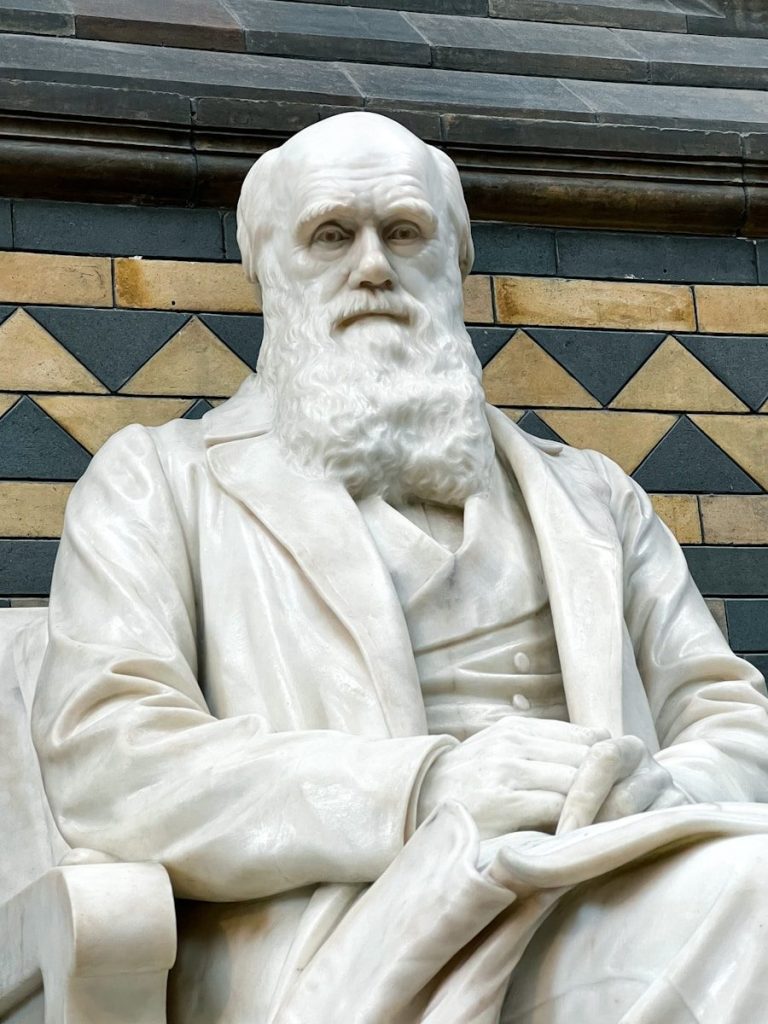
    a statue of a man with a white beard
    Photo by Nathan Langer on Unsplash

    Tropical forests can feel like nature turned the volume all the way up. There are more trees, animals, insects, and plant types packed into these warm places than most people expect.

    That mystery goes back a long way. Charles Darwin noticed the rich variety of life in tropical regions during his voyage on the HMS Beagle, and scientists have been trying to explain it ever since.

    So many species, so little space

    short-beak red bird on tree
    Photo by Roberto Nickson on Unsplash

    One big question has always bothered researchers: How can so many species live so close together without a few taking over everything?

    In many cooler forests, large areas may be dominated by the same kind of tree. In tropical forests, many species can be rare, scattered, and hard to find, yet they still survive generation after generation.

    Rare trees find a way

    green and brown tree during daytime
    Photo by Fallon Michael on Unsplash

    Tropical forests are full of tree species that may not have many close neighbors of their own kind. That might sound risky, but it can actually help them survive.

    When young trees grow too close to their parent trees, they may face more danger from enemies that target that same species. Growing farther away gives seedlings a better chance to escape those threats.

    Nature’s enemies can help

    brown beetle on green leaf
    Photo by Dmytro Bukhantsov on Unsplash
    Scientists Daniel Janzen and Joseph Connell suggested that natural enemies may help explain tropical forest diversity. These enemies can include insects, plant diseases, seed eaters, or animals that feed on young plants.

    That sounds bad for trees, but it can help balance the forest. When one species becomes too crowded, its enemies may slow it down, giving other species room to survive.

    Big data brought answers

    laptop computer on glass-top table
    Photo by Carlos Muza on Unsplash

    For years, scientists could test this idea only in smaller local studies. The bigger challenge was proving whether the same pattern appeared in forests around the world.

    Researchers later used data from a global forest network to study millions of trees. They compared forests across different regions and examined where adult and young trees were growing.

    The pattern became clearer

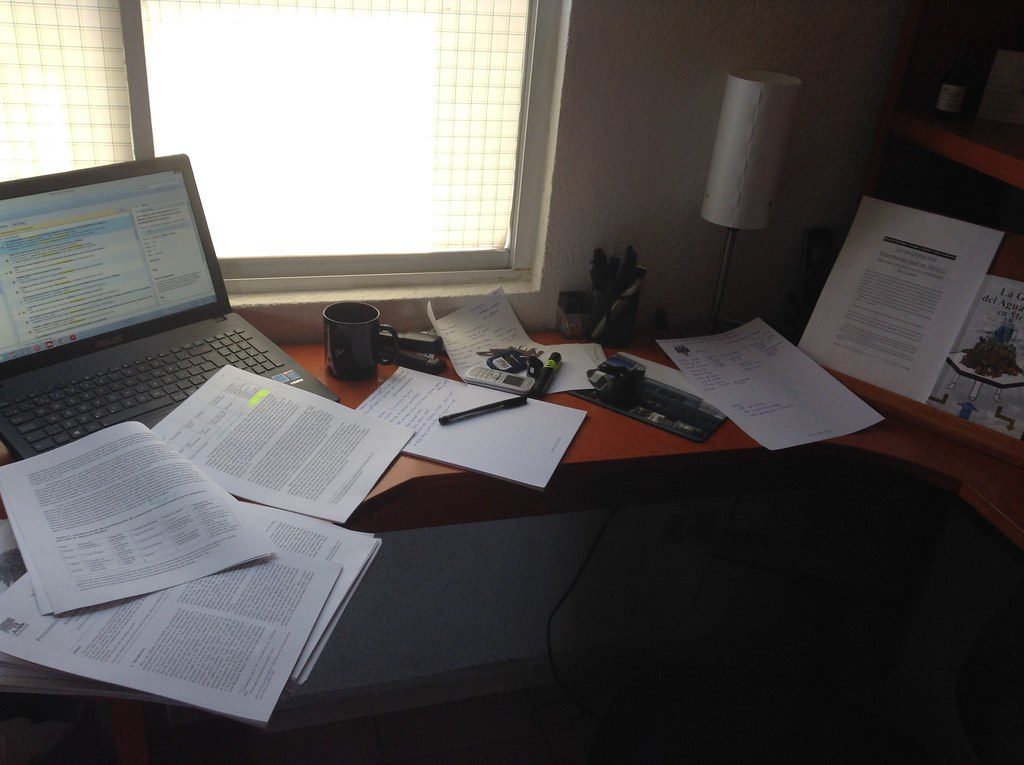
    Handwritten notes in academic research” by Raul P is licensed under CC BY-NC-ND 2.0

    The research found an important clue. In places with many adult trees of one species, there were often fewer young trees of that same species nearby.

    This pattern was stronger in tropical forests than in cooler regions. It suggests that young tropical trees may need distance from their own kind to avoid the enemies that gather around adult trees.

    Tiny battles shape forests

    forest, jungle, fog, clouds, nature, natural, asia, landscape, jungle, jungle, jungle, jungle, jungle
    Photo by mxwegele on Pixabay

    A tropical forest may look peaceful, but many small struggles are happening all the time. Seedlings are competing for space, light, water, and safety.

    The surprising part is that these tiny interactions can help shape huge global patterns. What happens within just a few yards of a single tree may help explain why tropical forests harbor so much life.

    Climate may play a role

    A diverse crowd participates in a climate protest in Berlin, Germany, raising a large Earth ball symbolizing environmental unity.
    Photo by skigh_tv on Pexels

    Tropical regions have had more stable climates over long periods of time than many colder regions. That stability may have allowed more species to form and survive.

    Cooler areas have faced major changes, including ancient ice sheets that reshaped large parts of the land. Tropical forests avoided many of those disruptions, which may be one reason their biodiversity stayed so rich.

    Forests cool the planet

    wood, tree, nature, landscape, forest, fall, green, mood, moss, bavaria, haze, fog, forest floor, mossy, wood, wood, wood, forest, forest, forest, forest, forest, fall, fall, fall
    Photo by jplenio on Pixabay

    Tropical forests do more than hold rare plants and animals. They also help cool the Earth, support rainfall, clean the air, and protect people and crops from extreme heat.

    Trees absorb carbon dioxide, release moisture, and help clouds form. Their value goes far beyond their beauty, because healthy forests help keep local and global climates more livable.

    The puzzle is not over

    Army scientists energize battery research” by U.S. Army Combat Capabilities Development Command is licensed under CC BY-SA 2.0

    Scientists now understand more about why tropical forests are so diverse, but the full story is still not finished. Climate, species interactions, history, and forest structure may all work together.

    That is why tropical forests still puzzle scientists. They are not just crowded green places. They are living systems where small details can shape life across the planet.

  • He said there are structures on the moon – and claims it was all recorded on camera

    He said there are structures on the moon – and claims it was all recorded on camera

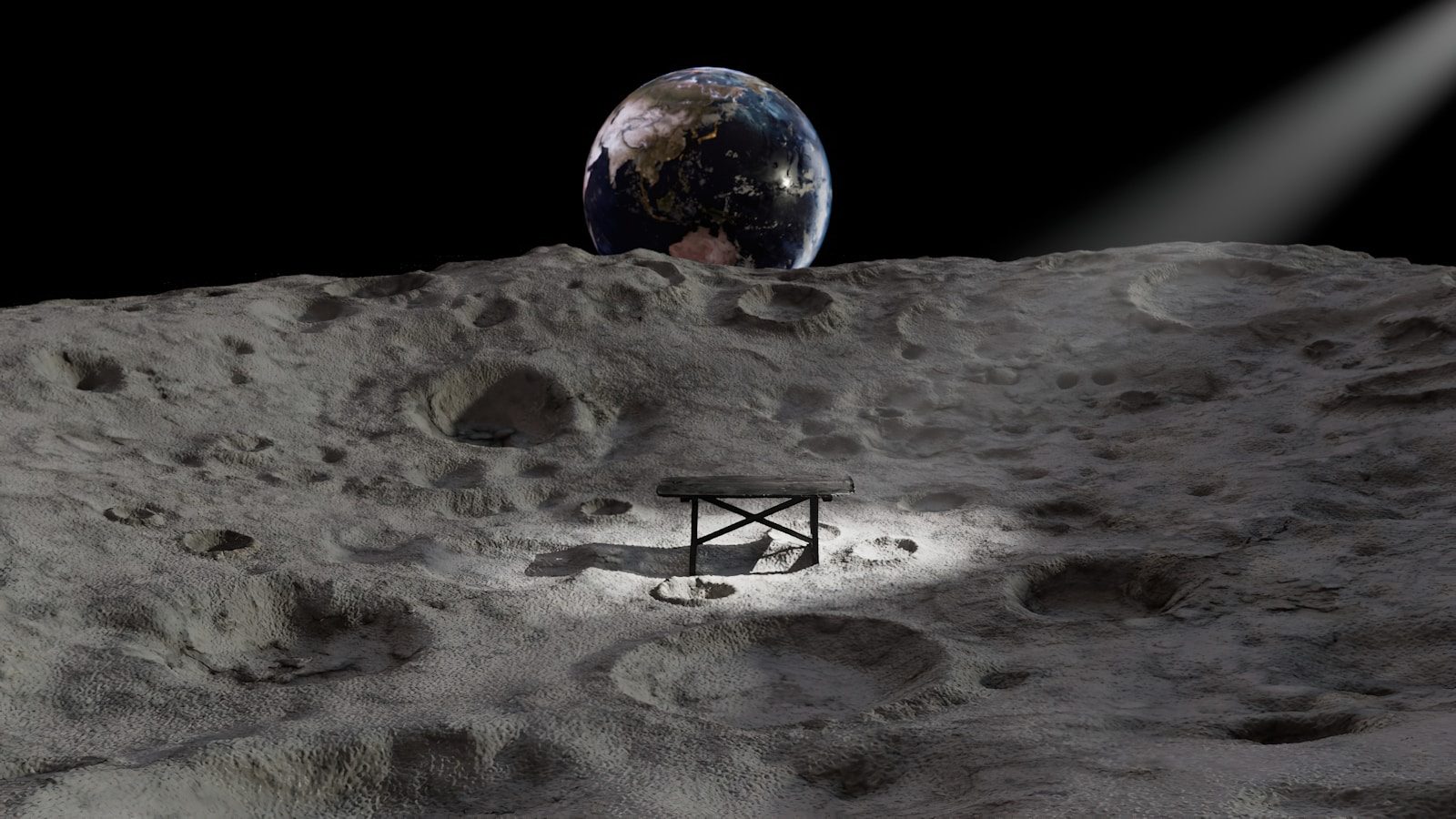
    Many people look up at the night sky and see a quiet rock. But one military veteran saw more. He claimed that a secret base was hidden on the dark side of the moon during a classified military photo project. This wild story has puzzled space fans for years. It began with a sudden trip to a secure military facility in Virginia in 1965. What he saw there changed his life forever. According to reports from the Disclosure Project, he decided to share his story with the public decades later. He insisted that high-definition cameras had captured clear evidence of ancient engineering. The details he described were nothing short of mind-boggling. But his incredible journey first started with a very simple request for technical help.

    An unexpected assignment inside a secure base

    Soldiers wearing camouflage uniforms in a garage setting, ready for action.
    Photo by Amar Preciado on Pexels

    Karl Wolfe was a young electronics technician serving in the United States Air Force in the sixties. He had a high-security clearance for his work. One day, supervisors ordered him to report to a facility managed by the Tactical Air Command at Langley Air Force Base. A piece of specialized equipment had broken down. The project involved processing highly detailed images from the Lunar Orbiter missions that were mapping the moon. He quickly realized that this was no ordinary repair job. He walked into a dark room where another technician was working. The man looked incredibly stressed and was eager to share a terrifying secret. Slide 3 reveals the shocking images that were sliding through the development trays.

    The secret photographs of the lunar surface

    Person examining film negatives on a light table.
    Photo by Jakub Żerdzicki on Unsplash

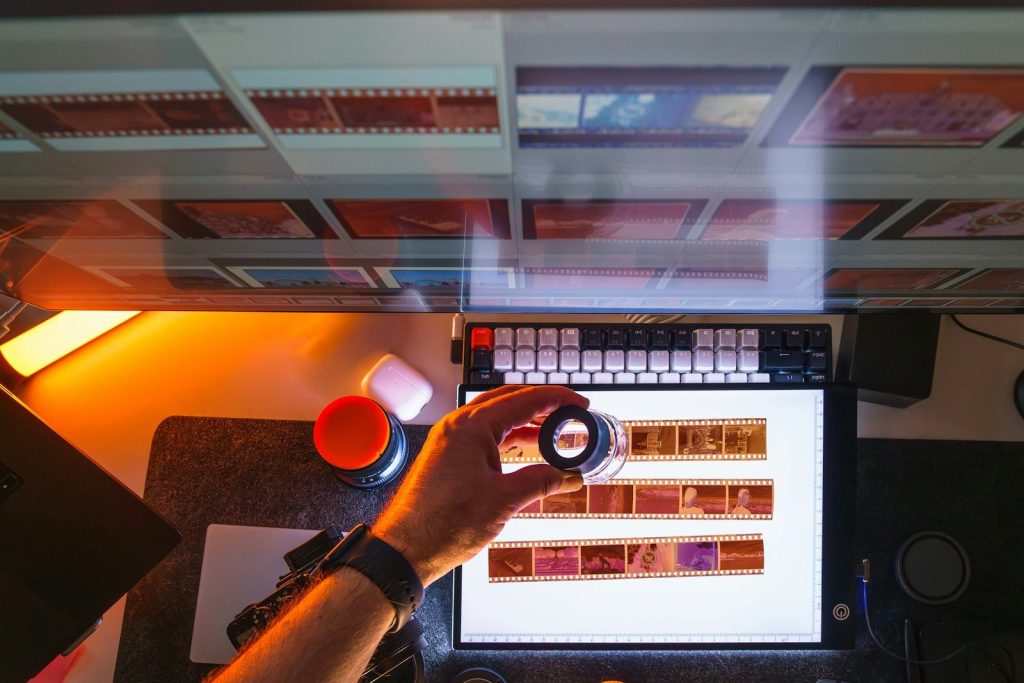
    The laboratory was processing images destined for the public domain. But technicians were secretly removing certain details before the official press releases were sent to the media. The other worker pointed to prints. He told Wolfe that the cameras had captured things on the lunar surface that the government was not ready to explain. This warning made the young technician very uneasy. He leaned over the light table to inspect the large photographic plates of the moon’s far side. His eyes immediately locked onto something impossible. The stark landscapes did not look like the empty craters he expected to see. The unusual shapes in the gray dust looked far too organized to be natural.

    Geometric shapes in the lunar dust

    moon, moon rover, apollo 11, moon buggy, astronaut, nasa, aerospace, outer space, gray moon, gray universe, moon rover, moon rover, moon rover, moon rover, apollo 11, apollo 11, apollo 11, apollo 11, apollo 11, moon buggy
    Photo by NASA-Imagery on Pixabay

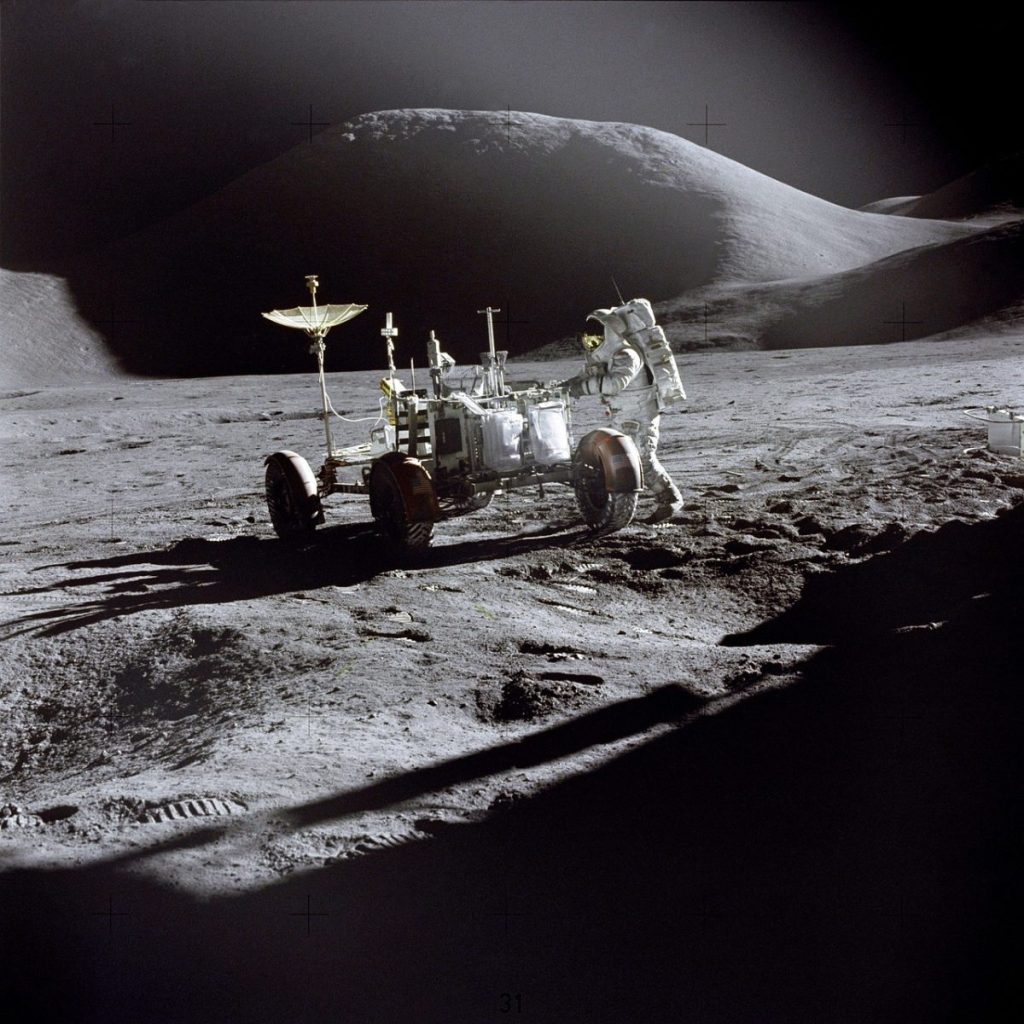
    Wolfe claimed he saw structures that featured clear geometric patterns, including sharp angles and massive dome-like shapes in the valleys. They looked like actual buildings. Some structures resembled tall towers, while others looked like massive radar dishes reflecting light from the sun. They were clearly not rocks or shadows. The sheer scale of these shapes suggested they were built by some advanced intelligence. He stared at the prints in absolute, silent disbelief. He knew that human technology could not have built them in 1965. But the conversation was cut short. A sudden heavy footstep outside the room forced them to hide the images.

    A sudden warning to stay silent

    hallway with lights turned on in a hallway
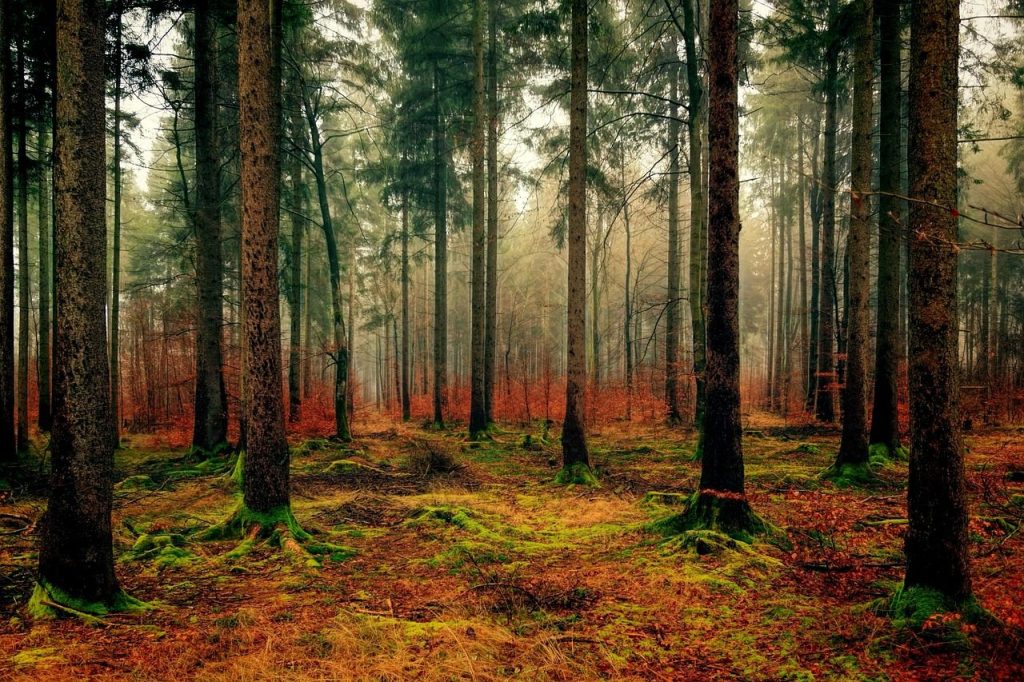
    Photo by Ashwini Chaudhary(Monty) on Unsplash

    The other technician quickly gathered the sensitive photo plates and slid them into a cabinet. An officer entered the laboratory moments later. Wolfe finished his repair work on the faulty machine as quickly as possible and left the secure building. He felt a cold sense of dread. He knew that speaking about what he saw could lead to a court-martial or worse. He decided to keep his mouth tightly shut. For thirty years, he did not tell his family or his closest friends. He carried the memory in silence. But a major public event in Washington would eventually force him to speak.

    Decades of carrying a heavy secret

    a man with a serious look on his face
    Photo by Mehdi Raad on Unsplash

    Wolfe kept his promise of secrecy long after he left the military. He started a civilian career. But the memory of those sharp geometric shapes on the moon never faded from his mind. In 2001, he made a bold choice. He joined several other former military officers at a press event to reveal classified government secrets. He spoke openly about his time at Langley. His testimony was broadcast to millions of curious viewers around the world. It triggered a massive wave of debate. Many people believed his emotional story, but scientific critics remained highly skeptical.

    Why skeptics point to camera anomalies

    Close-up of a vintage camera lens with textured background.
    Photo by Jonathan Cosens Photography on Unsplash

    Skeptics argue that those strange shapes were actually simple processing errors on the photographic plates. Lunar Orbiter cameras were complex. According to historical guides from the National Air and Space Museum, the system used dynamic film processing inside the spacecraft. This onboard method sometimes left strange streaks and marks. Dust, air bubbles, and chemical leaks could easily make a random crater look like a building. The human brain loves to find patterns. Psychologists call this tendency pareidolia, which makes us see faces and towers in random dust. But this scientific explanation does not satisfy everyone who studies the video.

    The ongoing search for lunar truth

    A woman interacts with a touchscreen showing the moon's surface, exploring lunar details.
    Photo by ThisIsEngineering on Pexels

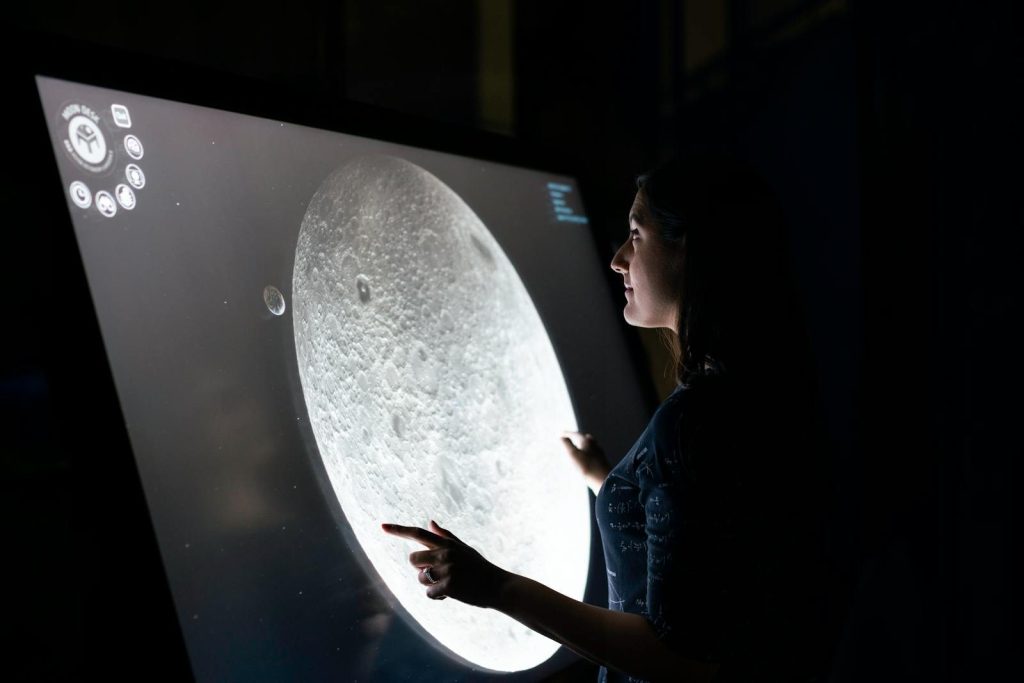
    Modern space agencies have sent advanced cameras back to orbit the moon. These new sensors capture incredibly sharp details. According to data released by the Lunar Reconnaissance Orbiter mission, we now have high-definition maps of the entire surface. No massive towers have been found. Yet, space enthusiasts continue to zoom in on old archive photos looking for clues. They believe that some secrets are still hidden. They argue that the official maps are carefully edited before they reach the public. This persistent suspicion keeps the space whistleblower community highly active online. The ultimate truth behind Karl Wolfe’s claims remains locked in secret archives.

    Keeping the mystery of space alive

    astronomy, cosmos, night sky, dark, milky way, nature, night, sky, stars, starry, starry night, starry sky, stargazing, constellations
    Photo by Pexels on Pixabay

    Whether you believe the whistleblowers or the scientific consensus, space mysteries capture our imagination. They remind us of the great unknown. Karl Wolfe passed away in 2018, but his dramatic testimony continues to inspire books and documentaries. It challenges us to look closer at history. As private companies plan new lunar missions, we might finally get clear answers. Until then, the moon remains a silent guardian. It keeps its cold secrets safe from the eager eyes of those who watch from the earth.

    Featured Image: Photo by Zhang jie on Unsplash

  • Things you don’t realize are making you smell bad

    Things you don’t realize are making you smell bad

    Maintaining a fresh personal scent is a daily priority for most people. We buy expensive deodorants, shower regularly, and wash our clothes. However, personal body odor is an intricate biological process that is shaped by silent environmental triggers, stress, and lifestyle choices. Many common everyday habits can secretly alter your skin chemistry and produce unpleasant odors without your knowledge. According to research from the American Academy of Dermatology, these changes happen on a cellular level and are often difficult to notice. By understanding the science behind these hidden triggers, you can easily protect your personal scent and long-term wellness. It turns out that some of the most healthy habits might be working against you. This article is for informational purposes only and does not constitute medical advice.

    The surprising sweat reaction to daily stress

    man in white shirt sitting on black chair
    Photo by Nathan Dumlao on Unsplash

    We often think of sweat as just water. But your body actually possesses two different types of sweat glands. According to the Mayo Clinic, your eccrine glands produce watery sweat to cool you down, while apocrine glands react directly to emotional stress. This stress-induced sweat is thick and packed with lipids and proteins. When this mixture meets the natural bacteria on your skin, it produces an incredibly strong, pungent odor. Learning to manage daily stress can actually keep you smelling fresh. But your diet holds an even bigger chemical secret.

    Saturated lipids in spicy meals alter your sweat.

    sliced carrots and green vegetable on brown wooden chopping board
    Photo by Kristine Tumanyan on Unsplash

    The foods you eat can directly impact how your skin breathes. Onions, garlic, and hot spices contain volatile organic compounds that enter your bloodstream after digestion. According to clinical studies published in the journal Chemical Senses, your body flushes these compounds out through your lungs and sweat glands. This process can create a lingering, spicy aroma that resists regular soap. Cutting back on these intense ingredients before important social events is highly recommended. But a simple lack of water can also throw your system off balance.

    Dehydration concentrates volatile organic compounds.

    man pouring water in glass
    Photo by Ikhsan Sugiarto on Unsplash

    Drinking enough water is crucial for flushing out bodily waste. When you are dehydrated, your sweat becomes much more concentrated. According to reports from the Cleveland Clinic, this concentration makes it much easier for skin bacteria to break down the organic compounds in your sweat. This breakdown leads to a significantly stronger personal scent. Hydration keeps your metabolic engine running cool and clean. But the clothes in your closet might be doing silent damage as well.

    Certain fabrics act as bacteria magnets.

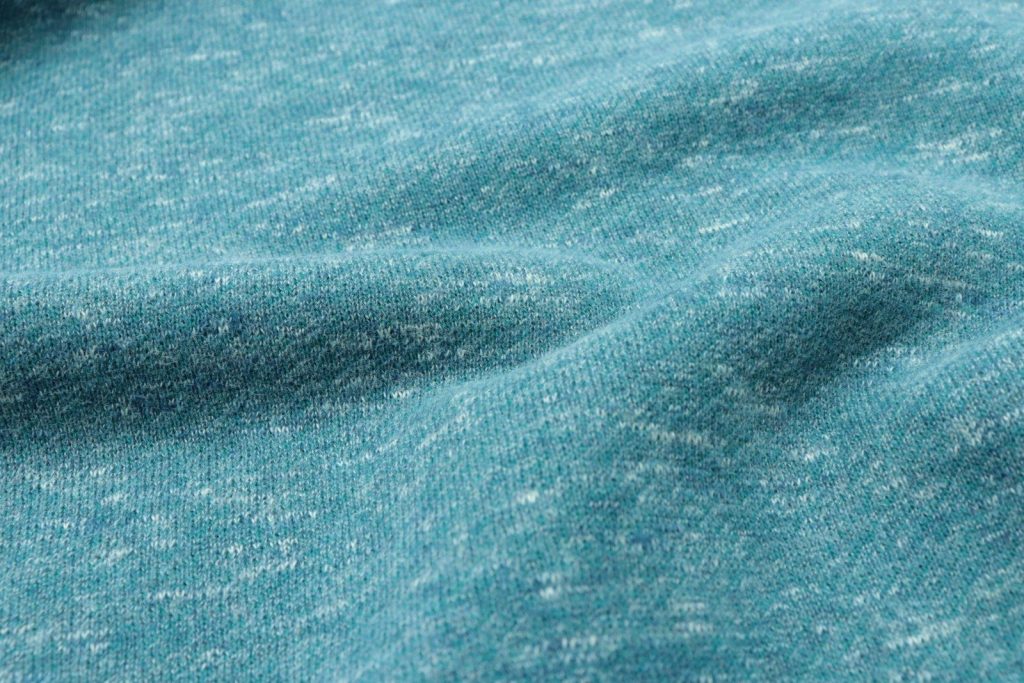
    blue textile in close up photography
    Photo by Divazus Fabric Store on Unsplash

    The materials you wear can make a massive difference in how you smell. Synthetic fabrics like polyester and nylon are excellent at trapping moisture. According to a study published in the journal Applied and Environmental Microbiology, these fibers serve as the perfect breeding ground for odor-causing bacteria. Natural fibers like cotton and wool allow your skin to breathe and dry quickly. Choosing breathable clothing is a simple way to stay fresh throughout a busy day. But a common bottle in your medicine cabinet might hold another clue.

    Common medications can alter your chemical profile.

    pile of blister packs of colorful medicine tablets
    Photo by Volodymyr Hryshchenko on Unsplash

    Many standard medications can have surprising side effects. Over-the-counter pain relievers and prescription antidepressants can interfere with your body’s natural temperature regulation. According to reports from the National Institutes of Health, these drugs can trigger excessive sweating as your body works to process the active ingredients. This chemical reaction can alter your natural skin pH and attract unwanted bacteria. Consulting with a medical professional is always the best way to manage these subtle side effects. But a hidden imbalance in your stomach is also a major factor.

    Hidden yeast imbalances in your digestive tract

    black and red cherries on white bowl
    Photo by Brooke Lark on Unsplash

    Your digestive health is closely linked to your skin chemistry. An overgrowth of yeast or harmful bacteria in your gut can produce volatile gases during digestion. According to gastroenterology research, these gases can escape through your skin pores, creating a musty or sweet aroma. Eating a balanced diet rich in prebiotic fiber can help support your gut microbiome. This adjustment keeps your digestive system happy and your skin clear. Fortunately, resetting your personal scent is incredibly simple.

    Simple steps to reset your natural chemistry

    poached egg with vegetables and tomatoes on blue plate
    Photo by Brooke Lark on Unsplash

    You do not need an expensive medical regimen to smell great. Start by drinking plenty of water and swapping synthetic shirts for organic cotton. Focus on eating whole, unprocessed foods and managing daily stress through light movement. These simple lifestyle adjustments help your body run smoothly and protect your natural scent over time. Your body is highly resilient and will quickly respond to the extra care. Taking charge of your wellness starts with these small, daily choices.

    Featured Image: Photo by Elsa Olofsson on Unsplash

  • Unsuccessful aircraft designs in history

    Unsuccessful aircraft designs in history

    The history of flight is built on a legacy of bold ambition, creative engineering, and spectacular failure. For every successful aircraft that took to the skies, dozens of bizarre prototypes crashed or remained grounded. Early aviation pioneers had to invent the rules of aerodynamics through trial and error. According to historical records from the Smithsonian National Air and Space Museum, many of these strange designs failed because they ignored the basic laws of physics. Others were simply too complex for the technology of their era to support. By studying these creative misfires, aerospace engineers learned how to build the safe, efficient planes we rely on today. These historical relics reveal how close we came to a very different kind of aviation. But the journey begins with a massive, multi-winged wooden giant that promised to revolutionize ocean travel.

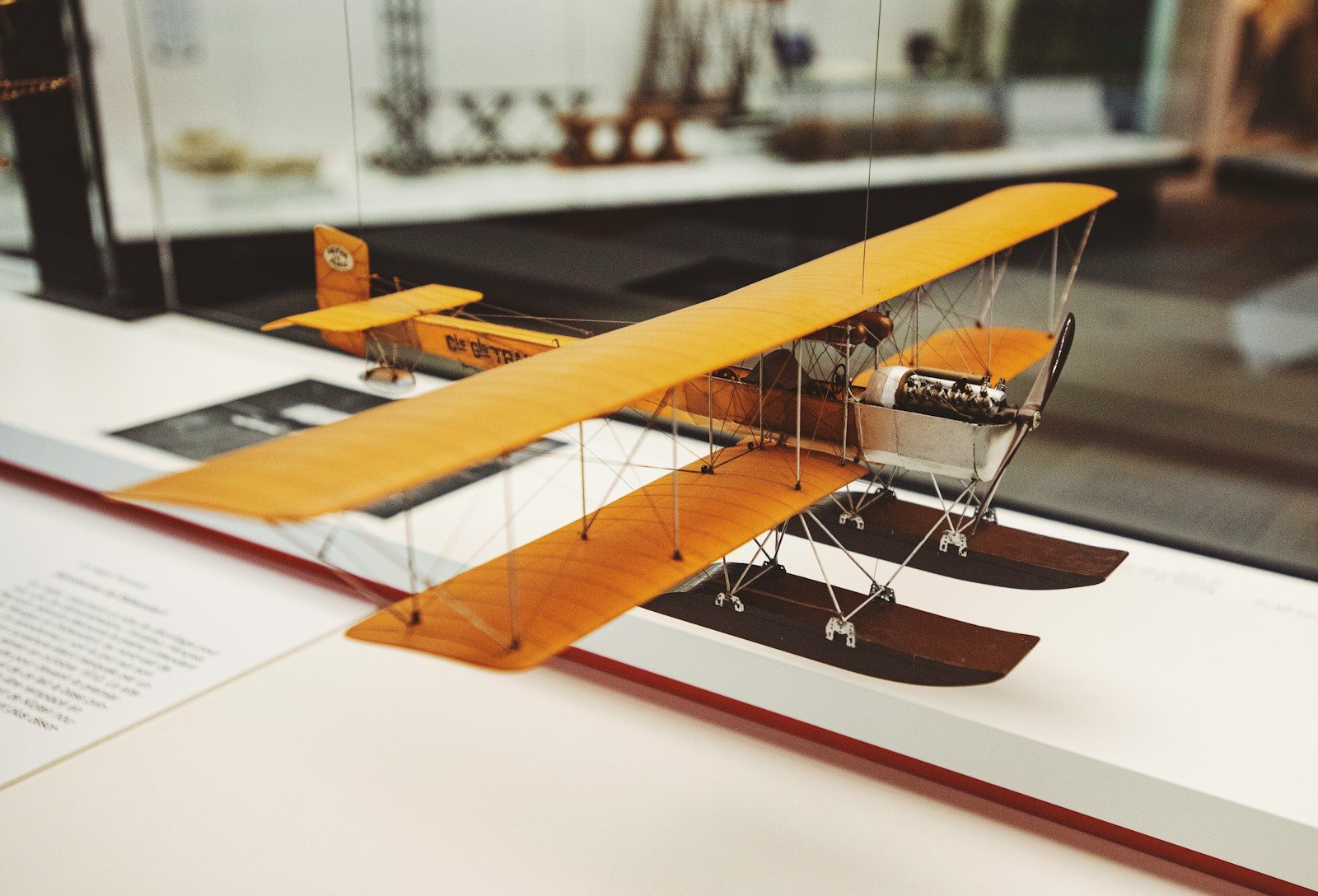
    The multi-winged disaster of the Caproni Ca-60

    Caproni Ca.60 Noviplano” by kitchener.lord is licensed under CC BY-NC-ND 2.0

    In 1921, an Italian designer built a massive flying houseboat called the Caproni Ca-60. It featured nine giant wings and eight powerful engines. According to aviation historians, the vessel was built to carry up to one hundred passengers across the Atlantic Ocean. During its first brief test flight over Lake Maggiore, the heavy wooden structure lifted only a few feet before plunging face-first into the water. The crash completely destroyed the aircraft and bankrupted the company. It proved that adding more wings does not guarantee better lift. But another designer was about to try a completely circular approach to flight.

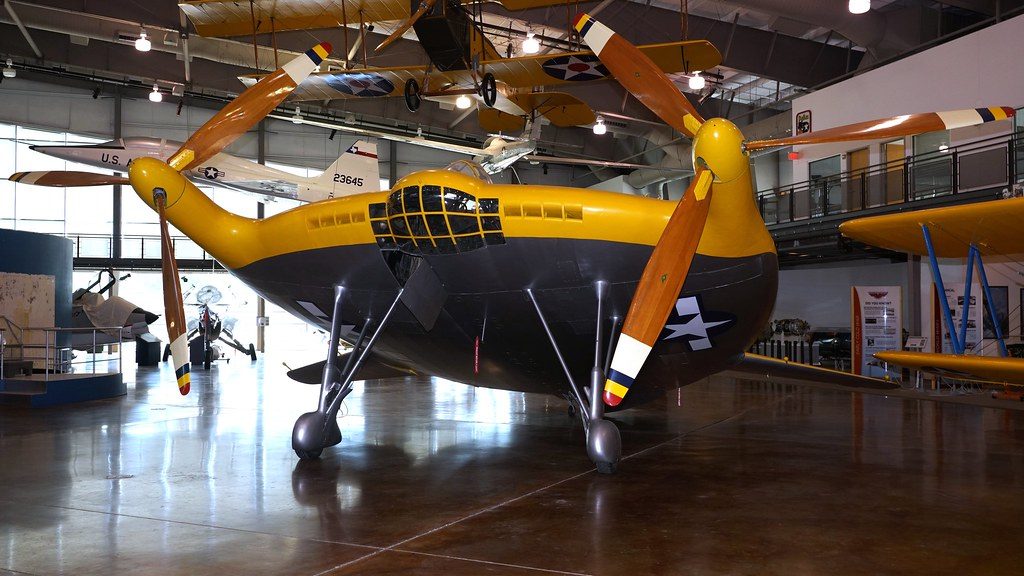
    Flying flapjacks and the disc-shaped V-173

    Vought V-173 ‘The Flying Pancace’ in Dallas” by J.Comstedt is licensed under CC BY-NC-ND 2.0

    The United States Navy wanted a fighter plane that could take off from short runway decks during the Second World War. They approved the Chance Vought V-173, commonly known as the Flying Flapjack. According to military design records, the aircraft featured a flat, circular body that acted as a single wing. While the prototype was incredibly stable and could hover at slow speeds, the complex drive shafts created intense vibrations that were impossible to fix. The project was eventually canceled as the jet age arrived. But a legendary billionaire was about to build his own massive wooden failure.

    The giant wooden failure of the Spruce Goose

    The Spruce Goose” by …-Wink-… is licensed under CC BY-NC-SA 2.0

    Howard Hughes wanted to build a massive cargo plane to transport troops across the ocean during the war. Due to wartime metal shortages, he constructed the entire plane out of birch wood. According to records from the Evergreen Aviation Museum, the Hughes H-4 Hercules was the largest flying boat ever built. It made only one brief flight in 1947, traveling just over a mile at an altitude of seventy feet. The giant plane never flew again and spent decades locked inside a massive climate-controlled hangar. But engineers were still determined to find a way to take off without a runway.

    Sneaking into the sky with the Convair Pogo

    Thunder Mustang (N51TG) ‘Live Bait’ Thomas D Gaston 2005 5” by Jack Snell – Thanks for over 26 Million Views is licensed under CC BY-ND 2.0

    The Convair XFY-1 Pogo was designed to take off vertically like a rocket and then transition to horizontal flight. It relied on a massive set of contra-rotating propellers on its nose. According to test flight reports from the US Navy, the aircraft successfully completed several vertical takeoffs and landings in 1954. However, the pilot had to look backward over his shoulder while landing, which was incredibly difficult and dangerous. The extreme mental strain on the pilots forced the military to cancel the project. Meanwhile, a French designer was building an even stranger circular craft.

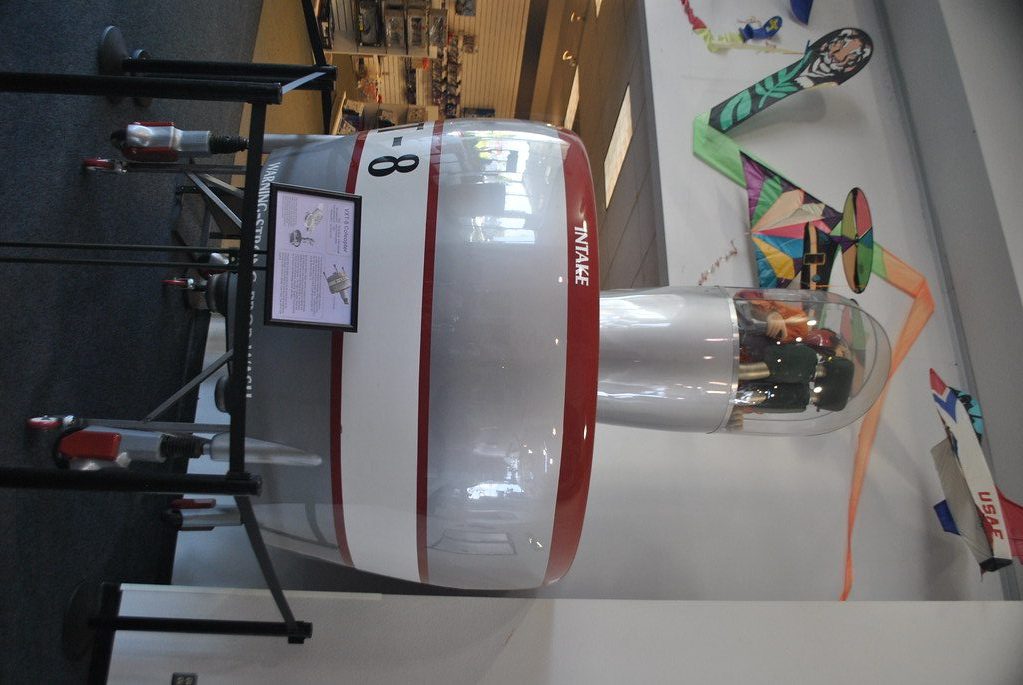
    The circular mystery of the French Coleoptere

    Hiller VXT-8 Coleopter” by www78 is licensed under CC BY-NC-SA 2.0

    In the late 1950s, French engineers built an experimental jet called the SNECMA Coleoptere. It featured an unusual annular wing that formed a giant cylinder around the fuselage. According to historical archives, the jet was designed to take off vertically and fly at high speeds. During its ninth test flight, the circular wing caused the aircraft to spin violently out of control. The pilot successfully ejected, but the prototype was completely destroyed in the crash. This failure ended French research into cylindrical wings. But a supersonic design was about to cause its own share of trouble.

    The supersonic instability of the F7U Cutlass

    F7U Cutlass” by pqgw is licensed under CC BY-NC-SA 2.0

    The Chance Vought F7U Cutlass was a radical tailless fighter jet built for carrier operations in the late 1940s. It featured swept wings and a unique twin-boom tail. According to reports from the Naval Historical Center, the jet suffered from severe engine issues and low landing visibility. The nose gear was notoriously fragile and would routinely collapse during hard carrier landings. These mechanical failures led to numerous accidents and the deaths of several test pilots. The aircraft was quickly retired after only a few years of service. But the search for speed was about to take a deadly turn.

    Rocket-powered dangers of the Bachem Natter

    1944 Bachem Natter Viper” by Michel Curi is licensed under CC BY 2.0

    Germany faced devastating Allied bombing raids near the end of the Second World War. In response, they built a tiny, rocket-powered interceptor called the Bachem Ba 349 Natter. According to historical records, the aircraft was built primarily of wood and launched vertically from a launch tower. The pilot would guide the rocket toward the bomber formation and fire a volley of missiles. The pilot and the engine would then eject and parachute back to earth. The first manned test flight ended in tragedy when the canopy detached, killing the pilot. But these failures paved the way for modern flight.

    How failure paved the way for modern flight

    HAL Tejas” by Premshree Pillai is licensed under CC BY-NC-SA 2.0

    The history of aviation is built on the ruins of these failed experiments. Every crash and design flaw taught engineers valuable lessons about stability, materials, and safety. By pushing the boundaries of what was possible, these brave designers helped unlock the secrets of the sky. Today, modern computer modeling allows us to test radical ideas safely before they ever leave the ground. The strange shapes of the past continue to inspire new generations of aerospace designers. The dream of flight is still evolving, and the lessons of history are guiding the way.

    Featured Image: Photo by tommao wang on Unsplash

  • Acorn-shaped UFO crashes and soldiers seal Pennsylvania forest

    Acorn-shaped UFO crashes and soldiers seal Pennsylvania forest

    The quiet town of Kecksburg, Pennsylvania, was changed forever on December 9, 1965. A brilliant streak of light tore through the evening sky. Thousands of witnesses across multiple states watched the glowing object plunge toward the earth. Suddenly, a massive metallic object crashed into a remote ravine. Armed military personnel quickly arrived and sealed off the entire forest from the public. This dramatic event sparked decades of intense speculation, government denials, and scientific debates. It remains one of the most compelling unresolved mysteries in modern history. Some believe it was an extraterrestrial spacecraft. Others suspect a highly classified military experiment went wrong. The raw evidence from that cold December night continues to challenge official narratives. But the story begins with a sudden flash of light that startled the local residents.

    A sudden fireball tears through the evening sky

    Crescent moon in a dark blue twilight sky.
    Photo by MChe Lee on Unsplash

    The event began just before five in the evening. A glowing object was spotted flying over several Canadian provinces and American states. According to reports compiled by the Mutual UFO Network, the object adjusted its flight path before descending into the woods of Kecksburg. It did not behave like a typical meteor. Witnesses described a controlled descent rather than a random fall. This unusual movement immediately triggered panic among local emergency responders. They rushed toward the crash site, hoping to help. But they were quickly turned away by an unexpected authority.

    Armed military personnel secure the quiet woods.

    Chain-link fence gate at night with light
    Photo by Fabio Sasso on Unsplash

    State police and military officials arrived at the scene within hours. They established a tight security perimeter around the ravine. According to eyewitness accounts from local volunteer firefighters, armed soldiers threatened to arrest anyone who tried to enter the woods. Search parties scanned the dark forest with powerful spotlights. Residents watched flatbed trucks carrying heavy equipment pass through the roadblocks. The sudden, intense military presence suggested that this was no ordinary weather balloon or space debris. But some determined locals managed to slip through the dragnet.

    Eyewitnesses spot a strange metallic object.

    a large object sitting on top of a lush green hillside
    Photo by Abdur Ahmanus on Unsplash

    A few brave individuals managed to catch a glimpse of the object before the military secured the area. They described a massive, metallic craft shaped like an acorn. According to statements gathered by independent researchers, the object was large enough for a person to stand inside. It had no wings, no windows, and no visible propulsion systems. The metallic skin had a dull, bronze-like finish that showed no signs of heat damage from entering the atmosphere. It appeared to be completely intact despite the high-speed impact. But the most shocking detail was found on the back of the craft.

    The mysterious writing on the metallic hull

    A large object in the middle of a foggy sky
    Photo by Arthur Neindre on Unsplash

    Eyewitnesses reported seeing strange symbols engraved around the base of the acorn-shaped craft. According to testimony from local resident John Murphy, who claimed to have photographed the object, the writing looked like ancient Egyptian hieroglyphs. It consisted of geometric patterns, stars, and unusual circles. The symbols did not resemble any known English or Soviet military markings. This detail fueled theories that the object was of extraterrestrial origin or part of a highly advanced, secret project. But the physical evidence was about to vanish under the cover of darkness.

    Flatbed trucks carry a hidden cargo away.

    night, truck, road, big truck, delivery truck, cargo truck, traffic, street, car, vehicles, transportation, transport, delivery, car wallpapers, logistics, driving
    Photo by amrothman on Pixabay

    Just before dawn, the military operation began to wrap up. Witnesses saw a large flatbed truck carrying a massive, covered object leave the forest. According to local tracking reports, the convoy was escorted by military police and headed toward Wright-Patterson Air Force Base in Ohio. This specific base is famous for housing classified research projects. By morning, the roadblocks were removed, and the public was finally allowed into the ravine. They found a deep depression in the soil, but no traces of the object. But investigators quickly offered a very different explanation.

    Skeptics point to a Soviet space failure.

    grayscale photography of astronaut
    Photo by Sam te Kiefte on Unsplash

    Many researchers believe the Kecksburg object was actually a failing Soviet space probe. They point to Kosmos 96, a Venus probe that re-entered the atmosphere on that exact day. According to records from the US Space Command, the timing of the probe’s descent matched the Kecksburg sighting. However, orbital data suggests the Soviet craft actually crashed in Canada hours earlier. This discrepancy keeps the debate alive among aerospace experts. The true identity of the object remained locked in government vaults for decades. But a legal battle was about to force a breakthrough.

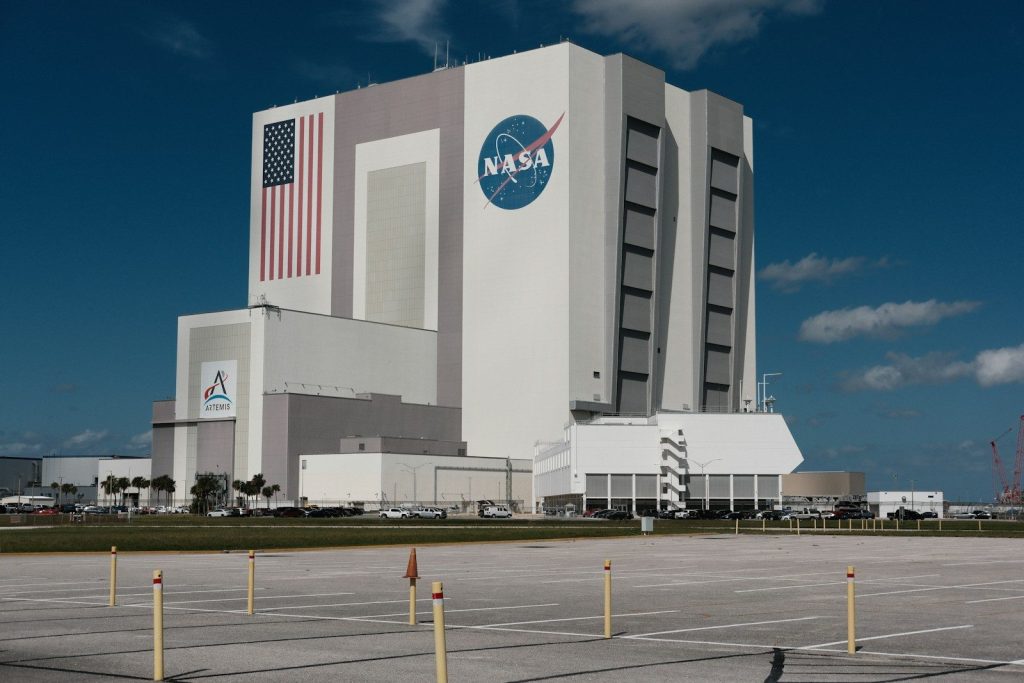
    NASA releases a surprising storage locker report

    The nasa vehicle assembly building stands tall.
    Photo by Yuzhe Dong on Unsplash

    The quest for answers eventually led to a massive federal lawsuit against NASA. In 2003, investigative journalist Leslie Kean sued the agency to release all classified documents regarding the Kecksburg incident. According to court records, NASA was forced to search its archives for missing files. The agency eventually admitted that several boxes of physical evidence and records had been lost or destroyed. They claimed the object was merely a meteor, but the lack of documentation kept suspicions high. The mystery remains a powerful symbol of government secrecy.

    Keeping the secrets of Kecksburg alive

    Kecksburg Bell Monument” by Hawaiian Sea is licensed under CC BY-NC-ND 2.0

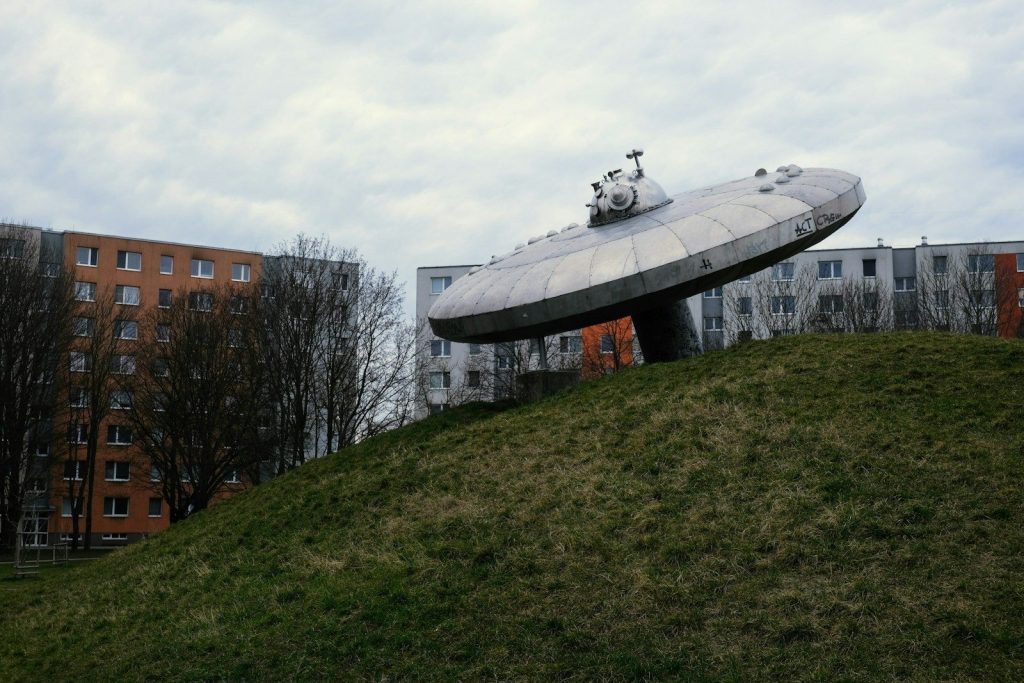
    The Kecksburg incident remains one of the most famous cases in UFO history. It highlights how a single event can unite a community and challenge official history. Decades later, residents still gather annually to discuss the crash and search for new clues. The acorn-shaped craft is commemorated with a life-sized model in the town center. It serves as a reminder that our skies hold secrets that are not easily explained. The search for the ultimate truth continues, and the quiet woods of Pennsylvania are still keeping their secrets.

    Featured Image: Photo by Lucas Pezeta on Pexels

  • The world’s most expensive foods

    The world’s most expensive foods

    Culinary luxury goes far beyond basic nutrition. For some, dining is an extreme status symbol that involves rare ingredients, dangerous harvests, and complex geography. Every year, wealthy gourmands spend thousands of dollars on a single meal. According to research by the Food and Agriculture Organization, these astronomical prices are driven by extreme scarcity and labor-intensive production methods. Some of these foods are harvested from the wild at great personal risk. Others require generations of specialized farming traditions. By exploring these extravagant delicacies, we can see how culture and economics shape our appetite. The stories behind these luxury items are absolutely fascinating. The first delicacy on our list requires a high-tech hunt deep beneath the forest floor.

    The deep subterranean hunt for white truffles

    A large mushroom grows on a tree stump.
    Photo by Yishen Ji on Unsplash

    White truffles are among the most coveted ingredients on Earth. They cannot be cultivated easily. According to reports from the Italian Culinary Institute, these rare fungi grow only in specific regions of Italy during a brief autumn window. Harvesters must use specially trained dogs to sniff them out from beneath the roots of oak trees. A single large truffle can sell for hundreds of thousands of dollars at private auctions. The market is highly competitive and shrouded in secrecy. But another famous delicacy is harvested from the side of sheer ocean cliffs.

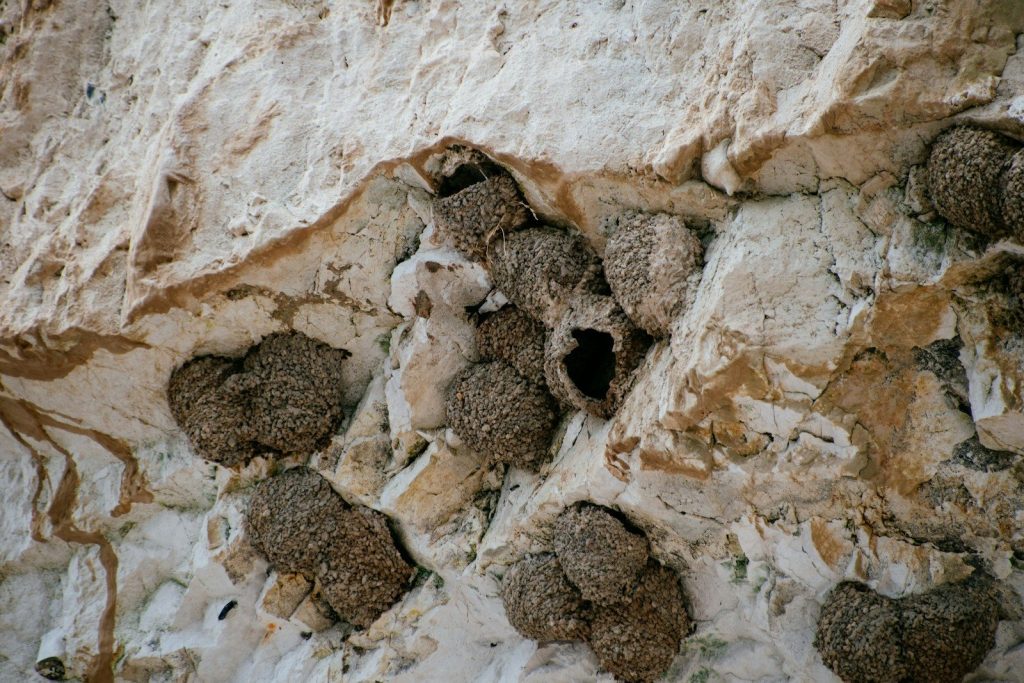
    Harvesting swallow nests on sheer cliffs

    A close up of a rock formation with a bird perched on top of it
    Photo by Tobias Arweiler on Unsplash

    Bird’s nest soup is a legendary delicacy in Chinese cuisine. It is made from the solidified saliva of cave-dwelling swiftlets. According to research published in the journal Food Chemistry, harvesters must climb dangerous bamboo scaffolding inside dark caves to reach the nests. This risky harvest has led to strict regulations to protect the bird populations. The high demand keeps prices soaring, with top-grade nests costing thousands of dollars per kilogram. It is a dangerous trade that has survived for centuries. But a different luxury food is harvested from the depths of the Caspian Sea.

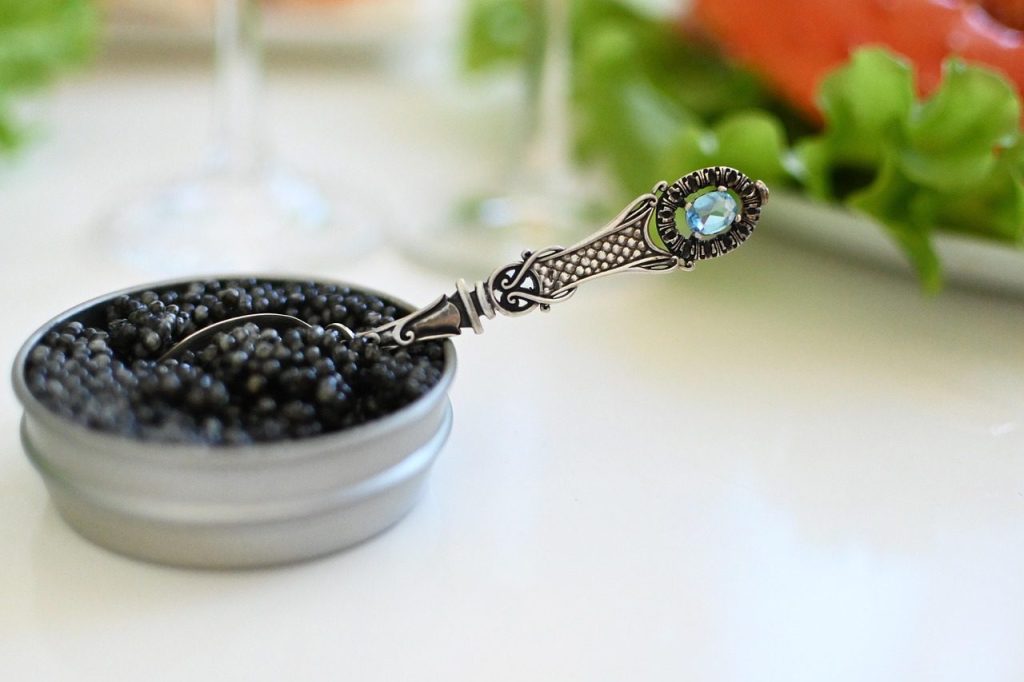
    The black gold of Iranian Beluga caviar

    black caviar, caviar, fish roe, gourmet, caviar, caviar, caviar, caviar, caviar
    Photo by Irenna_____ on Pixabay

    Caviar has long been a symbol of ultimate wealth. The most expensive variety comes from the rare Almas sturgeon. According to the World Sturgeon Conservation Society, these prehistoric fish can take up to twenty years to mature and produce eggs. The albino variety from the Caspian Sea is particularly prized for its delicate flavor. It is often packaged in tins made of actual gold to match its value. This extreme luxury remains a favorite among global elites. Meanwhile, a legendary meat from Japan relies on a highly pampered lifestyle for its animals.

    Raising the legendary Wagyu beef of Kobe

    sliced meat on black surface
    Photo by note thanun on Unsplash

    Kobe beef is famous for its rich marbling and melt-in-your-mouth texture. The production process is strictly controlled. According to the Kobe Beef Marketing and Distribution Promotion Association, the cattle must be raised under highly specific conditions in Hyogo Prefecture. They are fed a special diet to ensure the fat is distributed evenly throughout the muscle. This careful raising results in some of the most expensive steaks in the world. The authentic product is a culinary masterpiece. But a tiny flower in the Mediterranean offers a different kind of expensive harvest.

    Hand-harvesting saffron in the Iranian plains

    purple flower with black background
    Photo by Benyamin Bohlouli on Unsplash

    Saffron is the most expensive spice by weight in the world. It is harvested from the purple crocus flower. According to reports from the International Bureau of Saffron, it takes over seventy thousand flowers to produce just one pound of the spice. Workers must carefully harvest the delicate red stigmas by hand during a very brief blooming season. The intense labor and low yield keep prices incredibly high. A small jar can cost as much as a luxury watch. But a Swedish farm produces a dairy product that is even rarer.

    The dangerous quest for moose cheese in Sweden

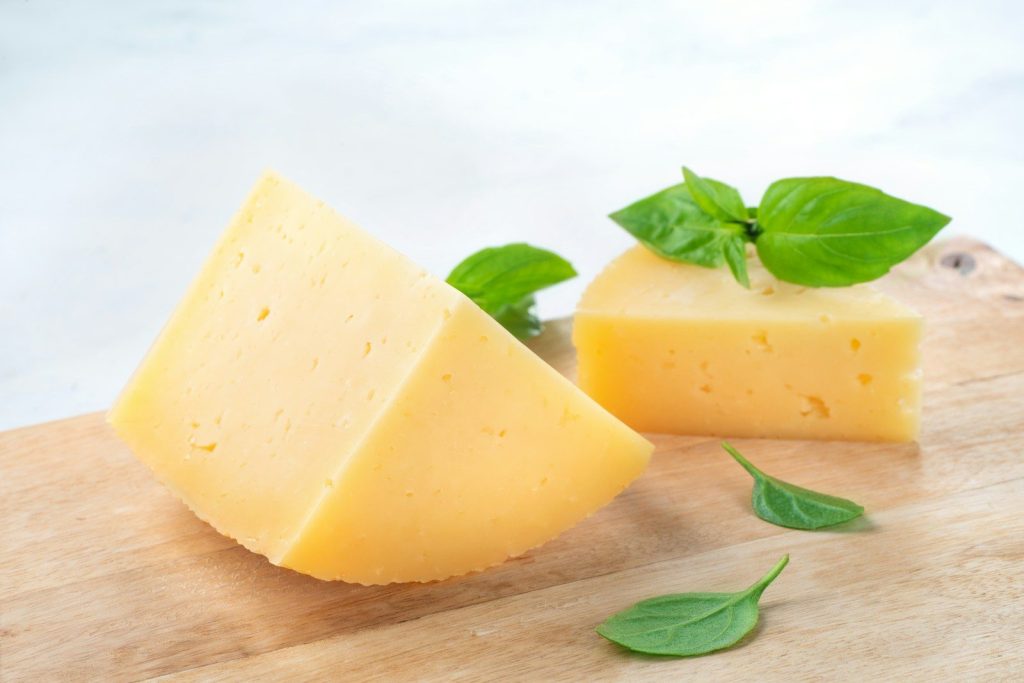
    a piece of cheese with a leaf on top of it
    Photo by David Foodphototasty on Unsplash

    Moose cheese is one of the rarest dairy products on Earth. It is produced on a single specialized farm in Sweden. According to agricultural reports, the family milks only three specific moose during a brief summer window. The milking process is slow and requires absolute silence to keep the animals calm. This limited production yields only a few hundred pounds of cheese annually. It is a highly exclusive delicacy that attracts food collectors from around the globe. But our final food item comes from the volcanic soils of Japan.

    Cultivating the perfect ruby Roman grapes

    grapes, fruit, cluster, grape, fresh fruits, fresh, fresh grapes, harvest, products, bio, ripe, ripe grapes, cute, food, healthy, vitamins, grapes, grapes, fruit, fruit, fruit, fruit, fruit
    Photo by NickyPe on Pixabay

    Ruby Roman grapes are grown exclusively in Ishikawa Prefecture, Japan. They are evaluated under incredibly strict quality standards. According to local agricultural boards, each grape must weigh at least twenty grams and possess a high sugar content. A single bunch of these massive, ruby-red grapes can sell for over ten thousand dollars at auction. They are often purchased as prestigious gifts to celebrate business achievements or weddings. Ultimately, these extreme foods prove that dining is an art form built on passion, patience, and absolute exclusivity.

    Featured Image: Photo by Ambitious Studio* | Rick Barrett on Unsplash