Author: Dylan

  • Bizarre Ancient Pyramid Clues Pointing To Lost Civilizations

    Bizarre Ancient Pyramid Clues Pointing To Lost Civilizations

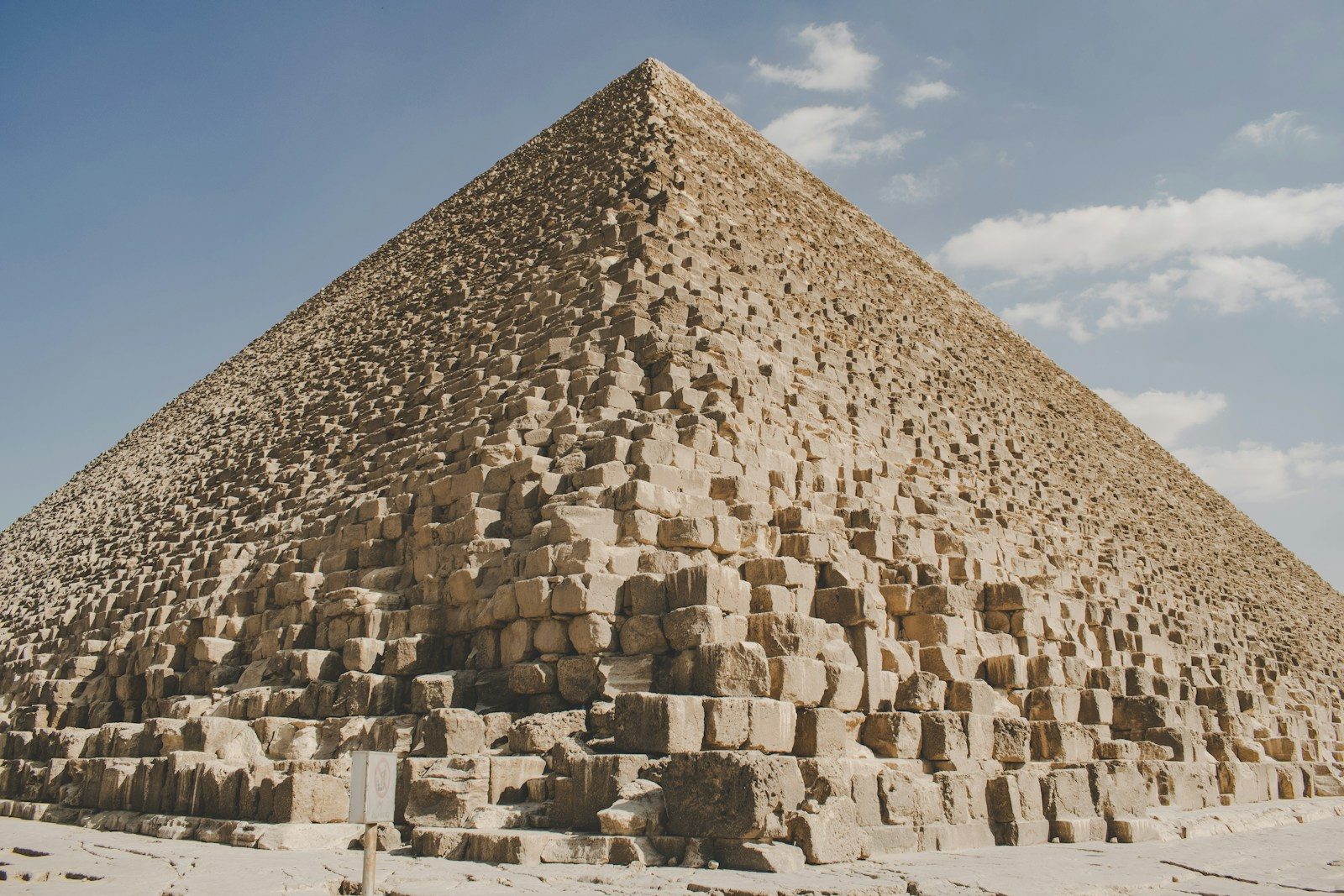
    Most history lovers assume that Egypt’s Great Pyramid was built by simple Bronze Age farmers. We believe that traditional timelines have accurately mapped the birth of the Nile civilization.

    But bizarre physical anomalies on the ancient blocks suggest a much deeper mystery. Clues found on the stones point to a highly advanced predecessor society from the distant past.

    Marks On Stones
    Stone chessboard with pieces on rough surface
    Photo by Denis Sobnakov on Unsplash

    A close inspection of the monumental limestone blocks revealed a series of unusual physical patterns. According to mechanical engineers, several blocks show precise drill marks that require high speed machinery to execute. They were flawless. No known Bronze Age tool could cut through hard granite with such clean accuracy. But these mechanical markings were only the beginning of the structural anomalies.

    Shifting The Timeline
    a close up of a rock face with a bird perched on top of it
    Photo by Rojan Salehi on Unsplash

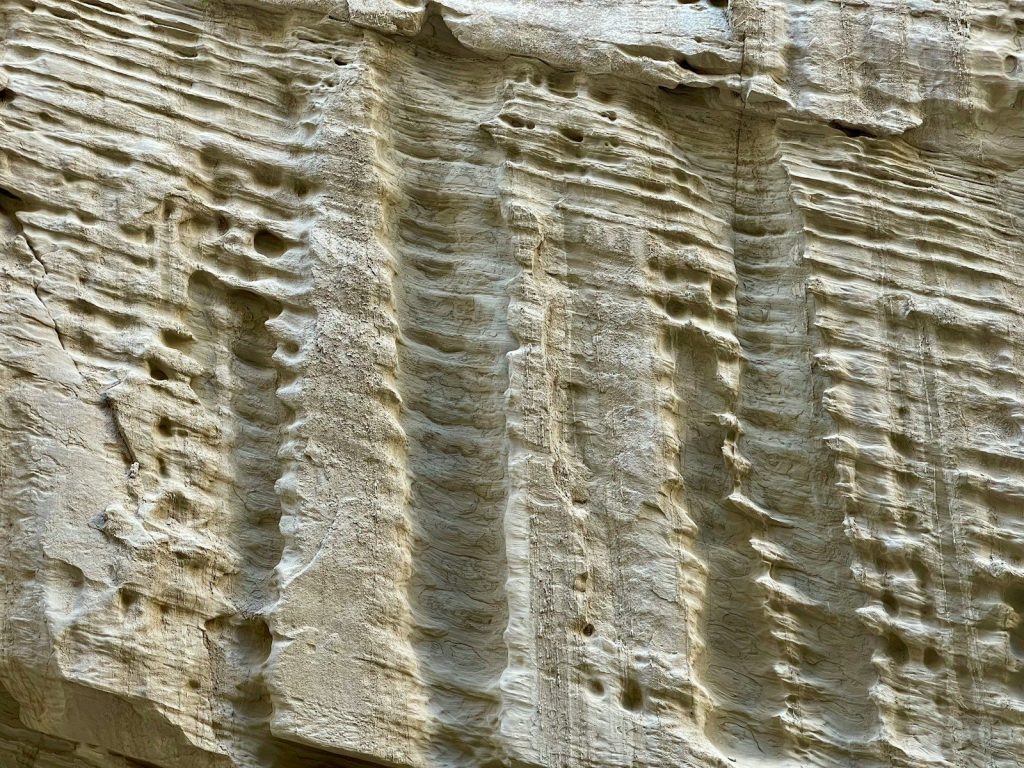
    Some independent geologists suggest that the oldest parts of the pyramid complex show signs of extreme water erosion. According to a study by Boston University, this heavy rain damage must have occurred during a much wetter climate era. The climate had shifted. This geological evidence suggests the foundations were laid long before Egypt became a desert. But dating this wet era led to a shocking timeline.

    The Ice Age Connection
    a grassy field with mountains in the background
    Photo by Abdul Muiz Khan on Unsplash

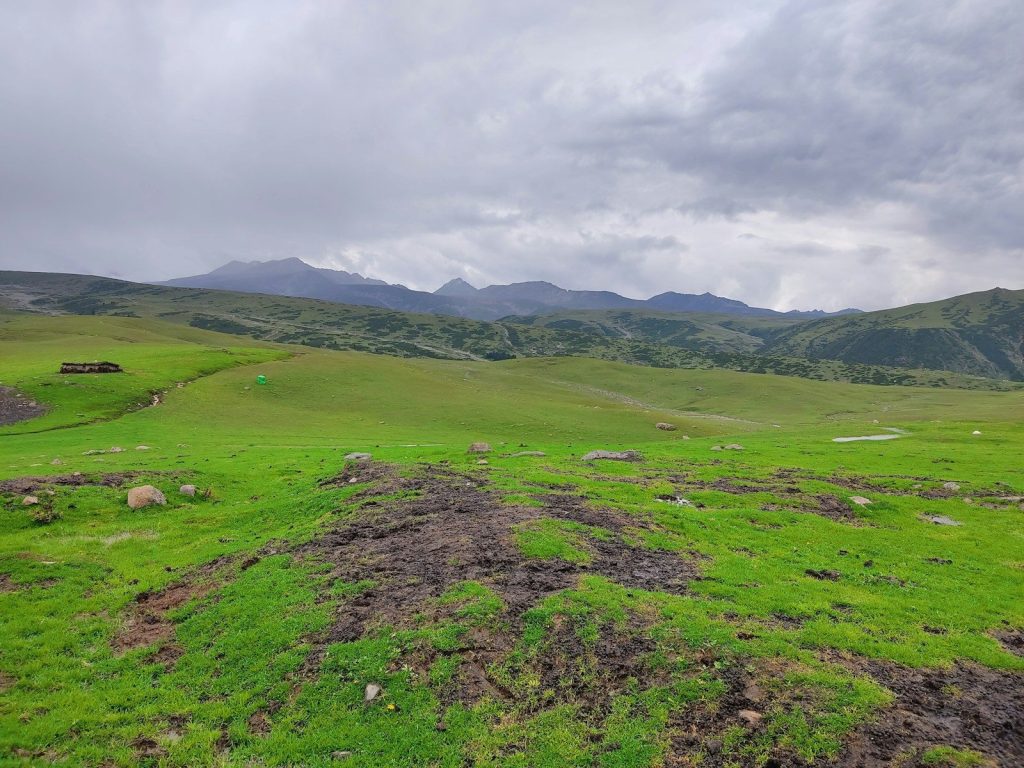
    The last major wet period in Egypt occurred at the end of the last Ice Age. According to paleoclimatology reports, the region experienced heavy rainfall and green grasslands over twenty thousand years ago. The dates are mind-bending. This timeline suggests that an advanced culture was building monuments millennia before the pharaohs arose. But explaining how this early knowledge survived required studying the stars.

    Stellar Alignment Proof
    the night sky over a mountain range with stars in the sky
    Photo by john ko on Unsplash

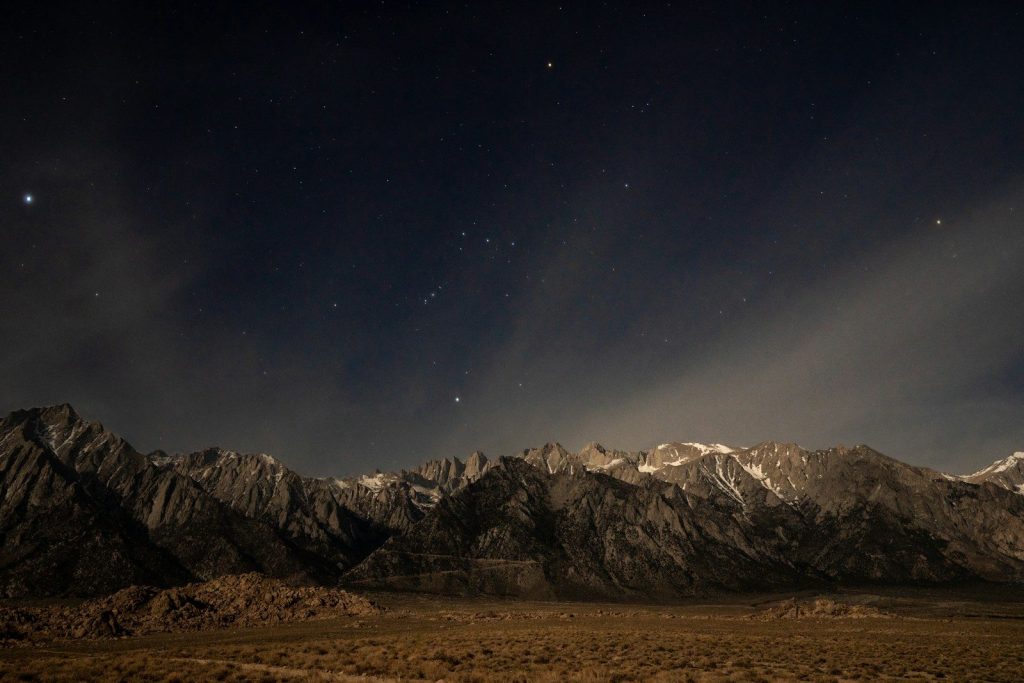
    The layout of the pyramid complex matches the alignment of the stars from a highly specific era. According to astronomical models, the Giza monuments align perfectly with the Orion constellation as it appeared in the distant past. The math is perfect. This stellar configuration indicates that the original blueprint was designed during a prehistoric epoch. But this cosmic alignment suggests a highly sophisticated astronomical system.

    Lost Golden Age
    brown concrete statue of man
    Photo by Tom Podmore on Unsplash

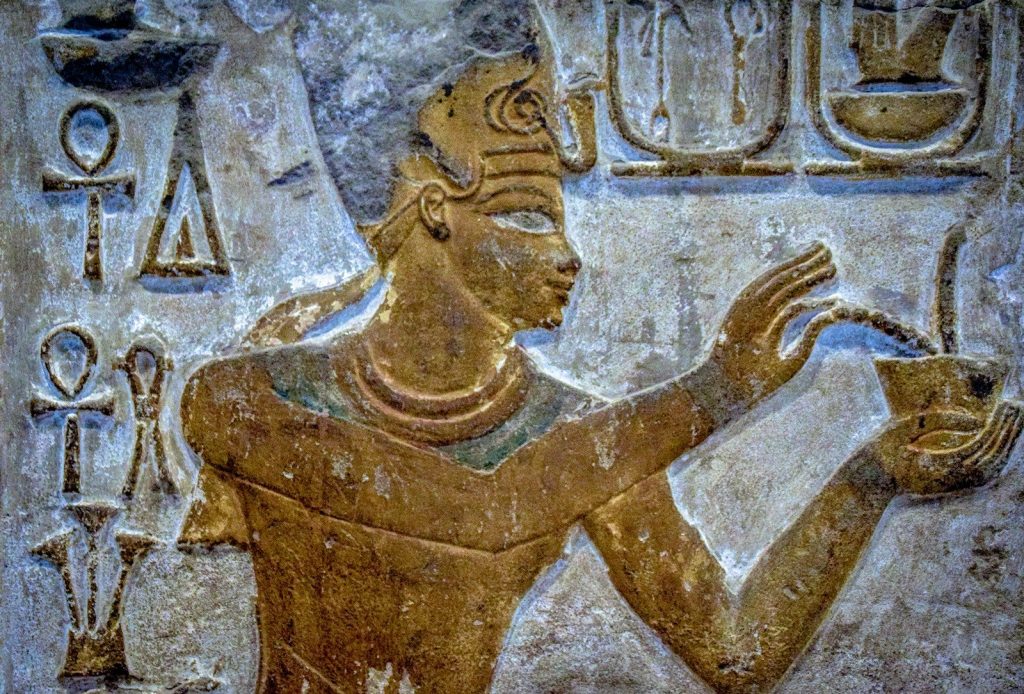
    Ancient Egyptian legends frequently speak of a lost golden age called Zep Tepi when gods walked the Earth. According to classical historians, these mythological texts record a real prehistoric civilization that possessed advanced technology. They were pioneers. This legendary empire likely collapsed during a sudden global catastrophe that wiped its cities from the map. But a few monumental structures managed to survive the disaster.

    Built To Last
    brown rock formation on body of water during daytime
    Photo by Annie Spratt on Unsplash

    The extreme durability of the Great Pyramid was designed to withstand any natural disaster. According to structural engineers, the massive size and unique seismic design of the monument allowed it to survive earthquakes and floods. It was a fortress. This robust construction ensured that their mathematical and astronomical knowledge would endure for millennia. But deciphering the messages hidden within the stones remains a challenge.

    Sifting Out The Myth
    A craftsman working with chisels and tools outside on a sunny day.
    Photo by Quang Nguyen Vinh on Pexels

    Mainstream academics remain highly skeptical of pushing the timeline of Egyptian civilization back by millennia. According to traditional archaeologists, there is no physical evidence of an advanced Ice Age society in the Nile Valley. The debate continues. They argue that the unusual stone markings can be explained by highly patient manual labor. But the cosmic alignments and geological erosion patterns still baffle researchers.

    Reimagining Ancient Roots

    brown wooden dock during daytime
    Photo by Venti Views on Unsplash

    This debate over the Great Pyramid reminds us that our past is filled with forgotten chapters. According to researchers, exploring these ancient monuments helps us appreciate the true scale of early human engineering. The story is evolving. This article is for informational purposes only.

    Featured Image: Photo by Hossam M. Omar on Unsplash
  • The Long Lost Egyptian Scroll Detailing Legendary Giants

    The Long Lost Egyptian Scroll Detailing Legendary Giants

    Most biology lovers assume that human size has remained relatively stable throughout ancient history. We believe that stories of giant races in historical texts are purely mythological folklore.

    But a rare papyrus scroll recovered from Egypt has revived this intense physical debate. Its ancient translations describe massive individuals whose scale matches the oldest legends.

    Inside The Scroll

    woman in white robe standing in front of sink
    Photo by National Cancer Institute on Unsplash
    A team of document conservators began translating a fragile Egyptian text that had been locked in a private collection. According to reports from the Egyptian Museum, the scroll dates back to the early dynastic period. The writing was clear. The author detailed encounters with massive human figures who possessed incredible physical strength. But this historical report was about to align with a modern mystery.

    Skeletal Measurements Checked

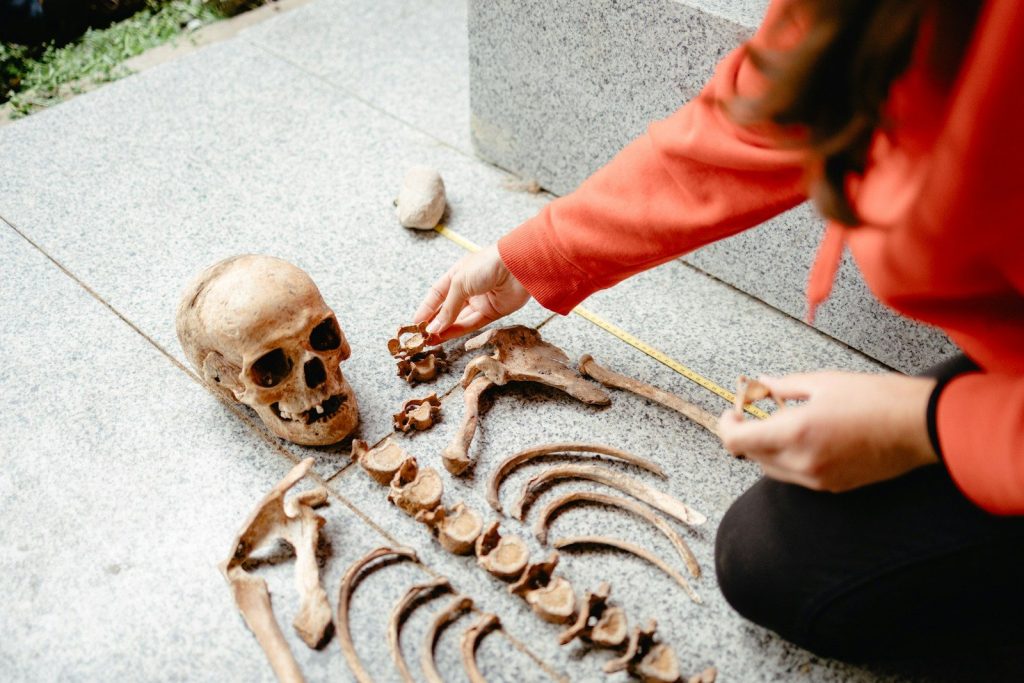
    a woman kneeling down next to a human skeleton
    Photo by Trnava University on Unsplash
    The ancient measurements recorded in the papyrus describe individuals standing over nine feet tall. According to anthropological studies, some human skeletal remains of extreme height have been recovered across the region. They were massive. While rare, these physical anomalies show that some ancient populations grew far larger than modern averages. But explaining this extreme growth required looking at human genetics.

    The Genetic Spark

    a computer screen with a bunch of data on it
    Photo by Antonio Vivace on Unsplash
    Extreme height can be triggered by a specific genetic variation that affects the growth hormones in the body. According to medical genetics reports, isolated populations can develop unique physical traits over several generations. The genes adapt quickly. This biological isolation could have created localized groups of unusually tall people in the ancient world. But these giant figures played a specific role in society.

    Elites Of Ancient Wars

    People walking through a grand art museum gallery
    Photo by Nathan Cima on Unsplash

    The long-lost scroll suggests that these massive individuals were highly valued as elite palace guards. According to historical scholars, early kings selected these towering fighters to protect their royal courts and lead armies. They were terrifying. Their sheer physical presence acted as a powerful psychological weapon against rival nations. But this royal role also ensured they were buried with high honors.

    Massive Stone Coffins

    A tilted coffin lies partially submerged in water.
    Photo by Husien Bisky on Unsplash
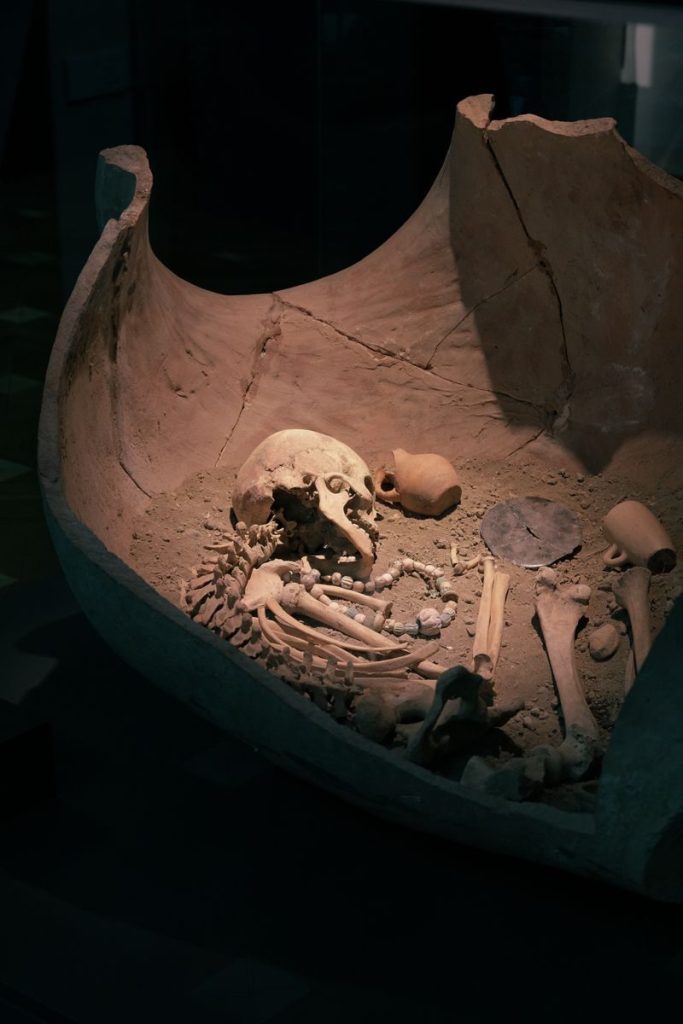
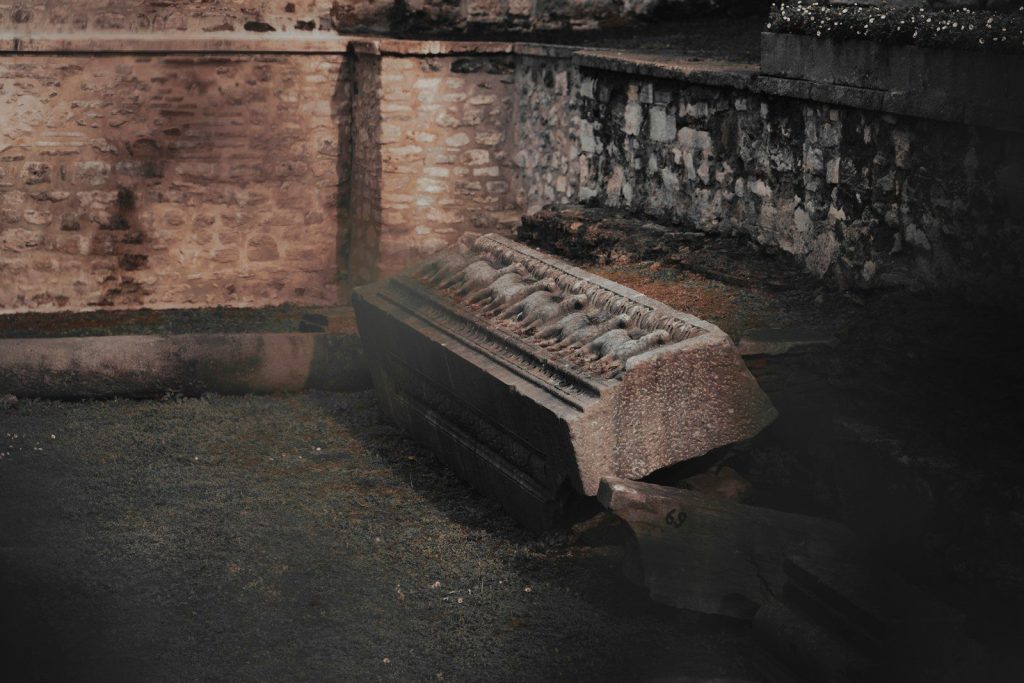
    Archaeologists have discovered several unusually large stone sarcophagi that puzzle traditional historians. According to excavation reports, some of these massive stone boxes are far larger than required for a normal human. They look engineered. While skeptics claim these massive coffins were built for symbolic religious reasons, believers point to the scroll translations. But the debate is dividing the scientific community.

    The Academic Divide

    Students actively participating in a university lecture, discussing and engaging.
    Photo by ICSA on Pexels

    Mainstream scientists argue that we must not confuse rare biological gigantism with an entirely different species. According to evolutionary biologists, there is no genetic evidence of a separate race of giants living on Earth. The math fits. These unusual skeletons represent rare medical anomalies rather than a lost lineage of humans. But this scientific reality does not diminish the value of the scroll.

    Decoding Ancient Truths

    A person walking down a narrow alley way
    Photo by AJITH S on Unsplash
    This ancient Egyptian papyrus reminds us that historical myths are often built on real biological events. According to researchers, studying these rare scrolls helps us understand how our ancestors interpreted physical anomalies. Nature always surprises us. This article is for informational purposes only and does not constitute scientific or professional advice.

    Featured Image: Photo by Po-Hsuan Huang on Unsplash

  • The Lost Stone Tools Rewriting Ancient Egyptian History

    The Lost Stone Tools Rewriting Ancient Egyptian History

    Most history lovers assume that early Egyptians worked with basic copper chisels. We believe that dynastic builders lacked any form of advanced mechanics.

    But some highly unusual tool marks on ancient stones suggest a different story. These distinct patterns point to a forgotten technology from the deep past.

    Clues In The Granite

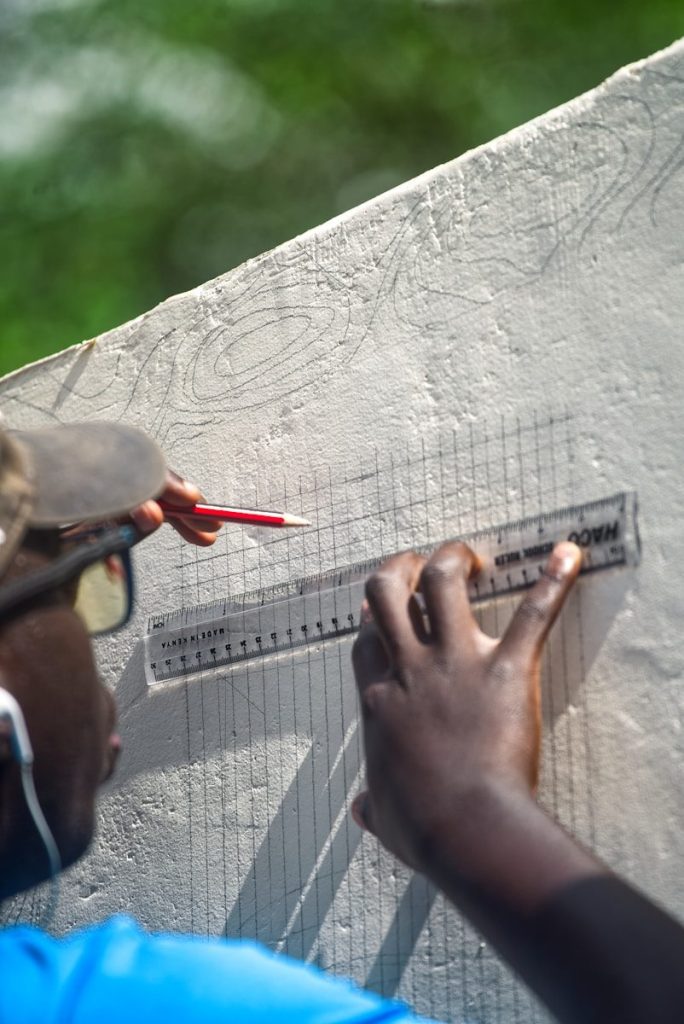
    Person drawing grid lines on concrete with ruler.
    Photo by Mugabi Owen on Unsplash
    A team of structural engineers decided to study the massive stone sarcophagi located at Giza. They were looking for precise measurements. According to a study by the Giza Mapping Project, the flat surfaces of the hard granite show perfect parallel grooves that copper tools could not carve. They were incredibly flat. These precise patterns suggest a much faster cutting speed than manual scratching allows. But tracking down the actual energy source behind these grooves led to a shocking question.

    Beyond Simple Chisels

    a bird is perched on the edge of a stone structure
    Photo by Sarah Sheedy on Unsplash

    Analyzing the drill holes in the black basalt layers revealed even more anomalies. According to mechanical engineers, the spiral markings indicate that the drills were cutting through stone with immense downward pressure. The math is perfect. This drilling speed would require a highly robust rotational force that exceeds manual labor capabilities. But discovering the actual materials used to tip these ancient bits required chemical testing.

    The Hardness Puzzle

    a woman in a wheelchair working on a machine
    Photo by CDC on Unsplash

    Geologists tested the stone surfaces to identify what could scratch such tough materials. According to reports from the Egyptian Museum, the markings were made by a substance harder than granite itself. Diamonds are rare here. This geological puzzle suggests that ancient builders were using specialized composite materials to shape their monuments. But how these advanced concepts first developed remains the most controversial part of the story.

    An Earlier Timeline

    a silhouette of a building and a sunset
    Photo by Nguyen Phan Nam Anh on Unsplash

    Some researchers believe that this precision stonework belongs to a much older civilization. According to classical historians, early Egyptian dynastic records reference a legendary era of ruler-gods who possessed great building knowledge. The records were dismissed. Modern discoveries suggest that these myths might actually contain a real memory of earlier engineering. But sifting through these ancient legends requires looking at the physical evidence left in the sand.
    Secrets Of Saqqara

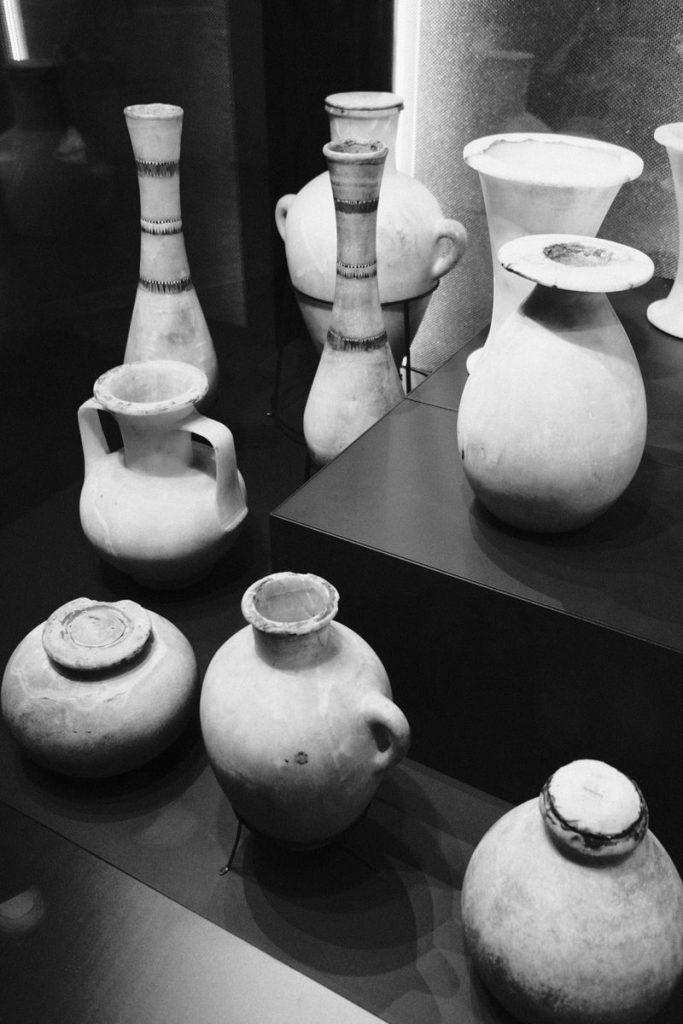
    A display of ancient ceramic vessels in a museum setting, captured in black and white.
    Photo by Agung Pandit Wiguna on Pexels

    Excavating the subterranean chambers of the oldest pyramids revealed a massive cache of polished stone vessels. According to archaeological micro-wear studies, these delicate bowls were turned on advanced lathed platforms with extreme precision. The design was beautiful. The perfectly balanced walls of the bowls prove that the artisans possessed an elite mastery of rotational physics. But explaining how this rotational machinery worked is still baffling modern engineers.

    Forgotten Mechanical Knowledge

    man in black long sleeve shirt holding white paint brush
    Photo by ThisisEngineering on Unsplash

    Skeptics argue that highly patient craftsmen could achieve this precision over several generations. According to structural analysts, manual polishing struggles to explain the perfect symmetry of the heavy granite vessels. The work is flawless. This structural perfection hints at a lost mechanical legacy that did not survive the collapse of the early kingdoms. But the ultimate legacy of these stones is still being debated in major academic circles.

    Rethinking Sacred Roots

    a stone tunnel with a road
    Photo by Sergei Wing on Unsplash

    The beautiful granite vessels prove that early engineering was far more complex than textbooks show. According to researchers, studying these silent stones helps us appreciate the true scale of prehistoric technology. Nature always surprises us. This article is for informational purposes only and does not constitute professional historical advice.

    Featured Image: Photo by Abbe Sublett on Unsplash

  • How Plugged-In Phones Are Quietly Ruining Their Own Batteries

    How Plugged-In Phones Are Quietly Ruining Their Own Batteries

    Most smartphone users believe that charging a phone to maximum capacity is the best habit. We assume that keeping our device at one hundred percent ensures optimal daily performance.

    But keeping your battery fully charged actually causes severe long-term degradation. Chemical engineers have discovered that this common practice places immense physical stress on the device.

    Understanding Lithium Chemistry

    white and black abstract painting
    Photo by National Cancer Institute on Unsplash

    Modern portable electronics run on highly dense lithium-ion cells that behave like chemical sponges. According to battery engineers, these cells operate best when they are only partially filled. Balance is key. Forcing a battery to hold maximum charge causes the internal compounds to degrade much faster. But the true culprit behind this damage is a physical force we often ignore.

    The Heat Trap

    Hands are weaving a colorful patterned basket.
    Photo by Dwayne joe on Unsplash

    Leaving a phone plugged in overnight generates continuous trickle charges that produce excess heat. According to safety reports, this constant thermal pressure wears down the delicate separator membranes inside the battery. Heat is deadly. Over time, this thermal stress reduces the total energy capacity of your phone. But there is a specific sweet spot that can save your device.

    The Perfect Percentage

    A close up of a cell phone on a table
    Photo by appshunter.io on Unsplash

    Keeping your charge level within a specific middle range can easily double the lifespan of your phone. According to tech hardware experts, maintaining a charge between thirty and eighty percent is ideal. It is simple. This balanced state minimizes voltage stress on the delicate lithium ions. But getting users to change their charging habits is incredibly difficult.

    Phone Charging Tech

    A person holding a cell phone in their hand
    Photo by Mihael Stojčević on Unsplash

    Phone manufacturers have introduced built-in software tools to help manage these issues. According to official developer manuals, newer operating systems feature optimized battery charging options that halt power delivery at eighty percent. This feature is smart. It delays the final charge until right before you wake up. But many users still keep this protection turned off.

    The Fast Charger Risk

    white iphone 5 c on brown wooden table
    Photo by De an Sun on Unsplash

    High-wattage fast chargers are convenient, but they also speed up the aging process of your cell. According to hardware tests, pushing high currents into a battery generates rapid chemical reactions that warp internal structures. Speed has a cost. This high-speed charging should only be used when you are in a rush. But bad habits are not the only threat to your battery.

    Cold Weather Threats

    The interior of a car with a person sitting in the passenger seat
    Photo by Andrii Solok on Unsplash

    Extreme temperatures of any kind can quickly destroy the delicate chemistry of your smartphone. According to technical guides, exposing your device to freezing cold reduces its ability to hold a charge. Protect your phone. Always avoid leaving your device in an unheated car during winter nights. But a few basic changes can keep your battery healthy for years.

    Preserving Your Tech

    man fixing the device using soldering iron
    Photo by Blaz Erzetic on Unsplash

    Taking simple steps to protect your phone battery will save you hundreds of dollars in repair costs. According to electronics technicians, avoiding extreme temperatures and keeping your phone cool are the best preventative measures. Small adjustments make a massive difference. This article is for informational purposes only.

    Featured Image: Photo by Allen Y on Unsplash

  • The Sealed Ancient Cave Hiding Unexplained Non-Human Tools

    The Sealed Ancient Cave Hiding Unexplained Non-Human Tools

    Historians believe that advanced tools were only created by modern humans. We assume that ancient caves hold nothing but simple bone fragments and primitive stone scrapers.

    But a pristine underground cavern sealed for fifty-seven thousand years has disrupted this belief. Scientists have discovered complex structures that seem to bypass early human capabilities.

    Stepping Into Deep Time

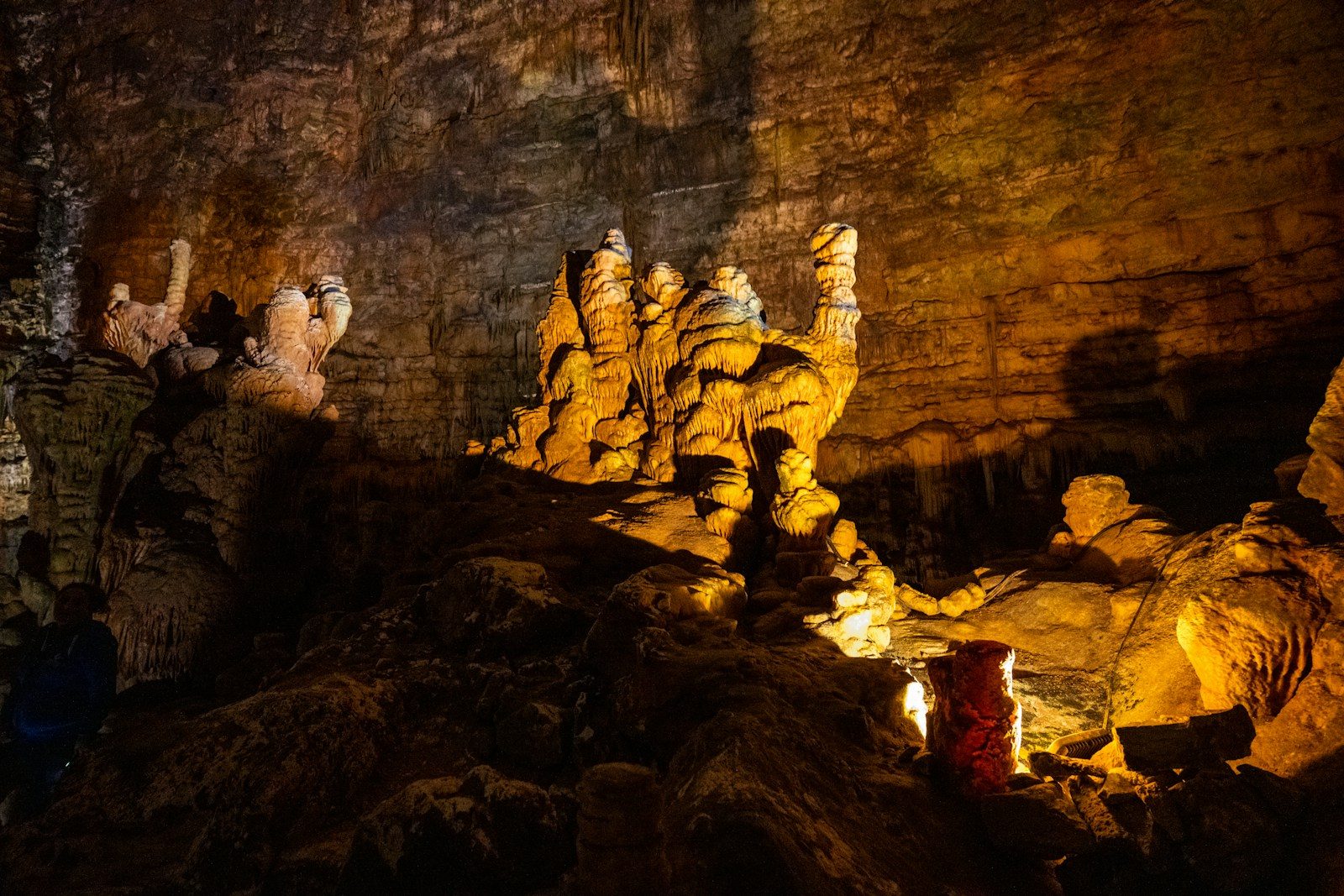
    brown concrete tunnel during daytime
    Photo by Cristina Gottardi on Unsplash

    Exploring a remote mountain range led French researchers to an incredible subterranean chamber. According to a report by the French National Center for Scientific Research, this prehistoric space was completely cut off from the outside world. The air was perfectly still. Geologists confirmed that a massive rockfall blocked the entrance during the last Ice Age. But this sealed environment preserved a series of shocking anomalies.

    Beyond Early Technology

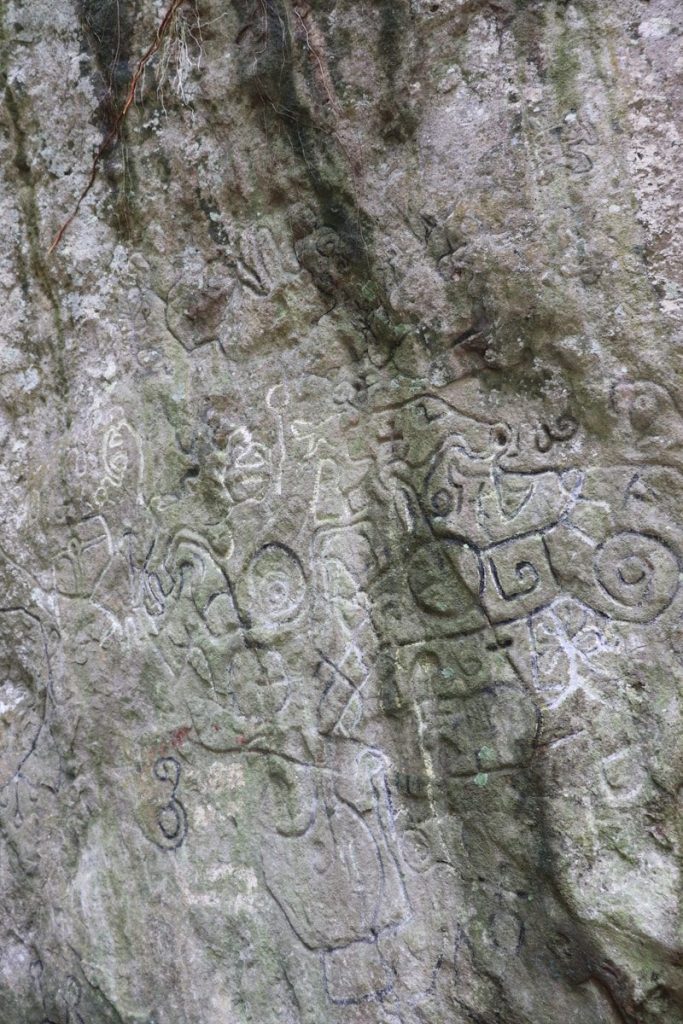
    a rock with some carvings on it
    Photo by BETZY AROSEMENA on Unsplash

    Inside the dark chambers, researchers found strange engravings that defied easy explanation. According to archaeological analyses, these markings show a level of symmetry that primitive tools could not produce. They were flawless. The precise geometric shapes suggest the creators possessed highly advanced spatial awareness. But these mysterious patterns were only the first clue found in the subterranean dust.

    Cryptic Stone Formations

    Terracotta warriors and archaeological site in china
    Photo by HsinKai Tai on Unsplash

    Deeper inside the cavern, scientists discovered a collection of carefully arranged stone objects. According to the excavation team, these artifacts do not match any known Neanderthal tool style. They looked highly functional. The unique placement hints at an intentional design that remains entirely foreign to human prehistory. But the composition of these items holds an even bigger secret.

    Analyzing The Elements

    black and white digital device
    Photo by Dmitry on Unsplash

    Testing the mineral makeup of the artifacts revealed highly unusual mineral processing techniques. According to laboratory tests, the materials were treated under extreme temperatures that early hominids could not generate. This is crucial. The chemical signatures suggest a complex manufacturing process that simply should not exist in this era. But researchers were about to find something even more shocking nearby.

    The Missing Creators

    brown rock inside cave
    Photo by Ksenia Kudelkina on Unsplash

    Despite the incredible structures, researchers found absolutely no fossilized human remains inside the cave. According to anthropological studies, the absence of bones suggests the creators used the site and moved on. They were ghosts. This lack of physical evidence makes identifying the mysterious builders a massive scientific challenge. But the age of the cave layers makes the timeline even more confusing.

    Breaking The Timeline

    a woman sitting in front of a computer monitor
    Photo by CDC on Unsplash

    Multiple dating methods confirm that the cave remained completely sealed for over fifty millennia. According to geochronology reports, the surrounding rock layers settled during a period when human populations were extremely primitive. The dates are certain. This massive age gap suggests that another intelligent species was working on Earth long before us. But some researchers offer a far more grounded explanation.

    A Different Species

    Artifact-laden burial site with human skeleton in clay chamber, showcasing history.
    Photo by Yaşar Başkurt on Pexels

    Some scientists suggest that an extinct cousin of modern humans might have occupied the site. According to evolutionary studies, species like Denisovans or Neanderthals were far smarter than we previously assumed. They were clever. This theory could explain how these advanced artifacts ended up deep underground. But this bold claim still lacks definitive proof to satisfy the wider scientific community.

    Endless Earth Mysteries

    Explore an ancient excavation site in Çumra, Türkiye, revealing historical artifacts.
    Photo by Talha Aytan on Pexels

    This sealed cave proves that our planet still holds profound evolutionary secrets waiting to be uncovered. According to archaeologists, every discovery forces us to redefine what we know about ancient intelligence. The past remains a deep puzzle. This article is for informational purposes only.

    Featured Image: Photo by Krzysztof on Unsplash

  • The Genetically Modified Beasts Returning From Absolute Extinction

    The Genetically Modified Beasts Returning From Absolute Extinction

    Most animal lovers believe that extinction is a permanent end for any species. We assume that once a creature dies out, it vanishes from our world forever.

    But a revolutionary leap in genetic engineering is quietly shattering this biological law. Scientists are now actively working to bring extinct beasts back to life.

    The Mammoth Project

    A breathtaking aerial view of a snow-covered landscape in Russia, showcasing frozen rivers and vast wilderness.
    Photo by Mikhail Nilov on Pexels

    A biotechnology firm has targeted the legendary woolly mammoth for a historic comeback. According to statements from Colossal Biosciences, researchers are using advanced gene-editing technology to reconstruct the lost beast. The goal is ambitious. They want to create a cold-tolerant elephant that functions exactly like its ancient ancestors. But this genetic puzzle requires combining DNA from multiple species.

    Merging Ancient DNA

    gloved hands drawing vaccine from vial with syringe
    Photo by National Cancer Institute on Unsplash

    Finding well-preserved mammoth tissue in the frozen Siberian tundra was the key breakthrough. According to geneticists, scientists extracted ancient DNA and mapped the mammoth genome. It was a miracle. They are now splicing these ancient cold-resistant genes into the cells of modern Asian elephants. But bridging the genetic gap between these two species is incredibly difficult.

    The CRISPR Tool

    a close up of a blue and purple structure
    Photo by Sangharsh Lohakare on Unsplash

    Editing the genes requires using a revolutionary molecular tool called CRISPR. According to molecular biologists, this technology allows scientists to make highly precise edits to living DNA strands. The accuracy is stunning. Researchers can easily swap out modern genes for ancient woolly traits like shaggy hair and thick fat. But growing a living embryo requires another major technological leap.

    The Artificial Womb

    Two server racks filled with electronic components and wires
    Photo by Eric Stoynov on Unsplash

    Carrying a genetically modified elephant embryo to term presents a massive physical challenge. According to development reports, researchers are designing highly advanced artificial wombs to grow calves. The technology is new. This approach avoids risking the health of endangered modern female elephants during the long pregnancy. But the environmental impact of their release is heavily debated.

    Restoring The Tundra

    snow covered field during daytime
    Photo by Wolfgang Hasselmann on Unsplash

    Proponents of the project believe the beasts can help combat climate change. According to ecological studies, grazing mammoths once trampled the snow and compacted the frozen soil. They were nature’s bulldozers. This activity helped lock greenhouse gases deep inside the cold permafrost. But critics argue that introducing modified beasts could permanently disrupt fragile modern ecosystems.

    The Ethical Dilemma

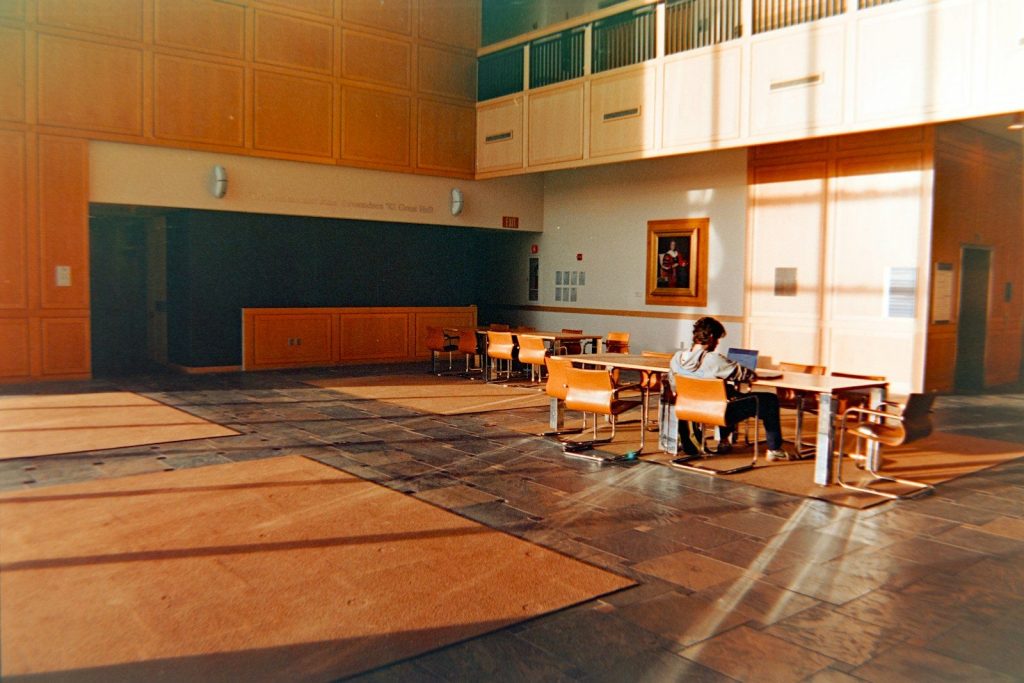
    Man sitting at table in empty atrium
    Photo by Austin on Unsplash

    Reviving extinct species raises intense ethical questions among the global scientific community. According to bioethicists, spending millions of dollars on de-extinction could distract from saving living species. The stakes are high. Others question if it is fair to bring an animal back to a warming world. But the technological momentum is already unstoppable.

    A Bold New Era

    Winter forest with snow, river, and distant mountain.
    Photo by Ali Kazal on Unsplash

    Genetic engineering is transforming how we define the boundaries of life and death. According to scientists, we are stepping into an era where humanity can actively edit natural history. The future of conservation is changing forever. This article is for informational purposes only.

    Featured Image: Photo by National Cancer Institute on Unsplash

  • The Toxic Deep Ocean Pools Preserving Lost Life

    The Toxic Deep Ocean Pools Preserving Lost Life

    Most people assume the ocean floor is a uniform desert of cold sand. We believe that deep-sea creatures wander freely across a flat watery landscape.

    But a specialized research submersible has captured something completely terrifying. Deep in the dark ocean, scientists discovered toxic underwater lakes that act like deadly mirrors.

    The Underwater Surface

    Sunlight streams through ocean surface onto rocky seabed.
    Photo by Sachin Amjhad on Unsplash

    Operating thousands of feet below the surface reveals a highly alien world. According to marine geologists, deep submersibles detected clear ripples that looked exactly like a lake shoreline. It was a mirror. This shimmering surface was actually the boundary of a highly dense brine pool. But this beautiful underwater lake is one of the most hostile environments on Earth.

    A Deadly Chemical Mix

    blue and green illustration
    Photo by USGS on Unsplash

    These underwater pools form when salt deposits dissolve beneath the seafloor. According to oceanographic research, the water inside these pools is five times saltier than regular ocean water. The mix is lethal. It contains almost no oxygen and is heavily saturated with toxic gases like hydrogen sulfide. But this chemical death trap produces a spectacular visual phenomenon.

    The Shimmering Illusion

    a body of water with waves
    Photo by Leo Foureaux on Unsplash

    The extreme difference in water density creates a perfect mirror-like reflection. According to submersible pilots, the boundary between the pool and the ocean looks like polished glass. The view is mesmerizing. Waves actually ripple across this underwater surface when deep-sea currents pass over it. But any creature that accidentally crosses this boundary faces instant doom.

    Trapped In The Brine

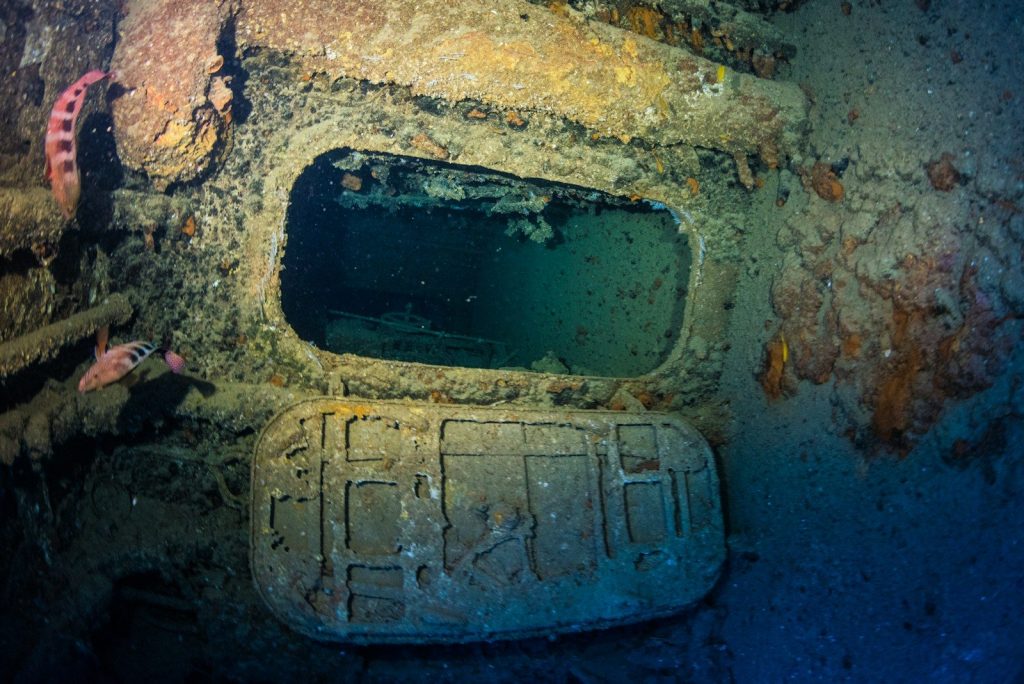
    an underwater view of a submarine with a hole in the wall
    Photo by 良太郎 空 on Unsplash

    Fish and crabs that wander into the heavy water are instantly paralyzed by the lack of oxygen. According to deep-sea biologists, the high salt concentration preserves their bodies in real time. They never decay. The carcasses of lost sea life rest on the bottom of the pool in perfect preservation. But these pickled bodies are not the only things resting in the dark.

    The Ring Of Life

    a bunch of mussels that are laying on the ground
    Photo by NOAA on Unsplash

    While the pool itself is completely toxic, its outer edges are bustling with activity. According to marine surveys, massive colonies of specialized mussels thrive along the shoreline of the brine. They are incredibly tough. These unique organisms feed on the toxic gases seeping from the pool using specialized bacteria. But this delicate ecosystem exists in absolute darkness.

    Extreme Survival Secrets

    A bird flying over a desert landscape with mountains in the background
    Photo by Edoardo Cuoghi on Unsplash

    Studying these harsh environments is helping scientists search for life on other planets. According to astrobiologists, the extreme conditions of deep ocean brine pools mimic the icy oceans of Jupiter’s moon Europa. The research is vital. If microbes can survive in this toxic sludge, they might survive in deep space. But the physical forces shaping these pools are still shifting.

    The Creeping Lakes

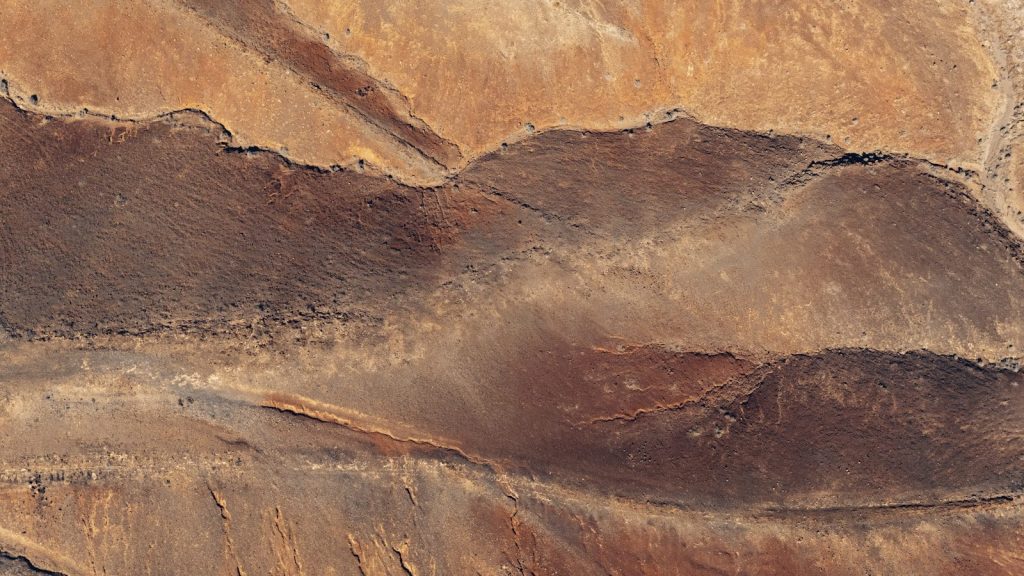
    a view of a canyon in the middle of the desert
    Photo by 2H Media on Unsplash

    These toxic pools are constantly moving and changing the surrounding landscape. According to geologic mapping, shifting tectonic plates can cause these heavy brine reservoirs to erupt and flood new areas. The deep is unstable. These sudden underwater floods create massive dead zones where nothing can survive. But these mysterious lakes still hold many secrets.

    Wonders Of The Deep

    Nautical navigation screen displaying charts and data.
    Photo by Leon Bredella on Unsplash

    Deep ocean brine pools remind us how little we know about our own planet. According to scientists, the deep sea remains the ultimate frontier of terrestrial exploration. Nature always finds a way to surprise us. This article is for informational purposes only.

    Featured Image: Photo by Jeremy Bishop on Unsplash

  • The Hidden Deep Shafts Shielding Lost Egyptian Tombs

    The Hidden Deep Shafts Shielding Lost Egyptian Tombs

    Most archaeology fans believe that Egypt has already yielded all its greatest secrets. We assume that centuries of heavy digging have left nothing major to find.

    But a spectacular discovery of deep vertical shafts has stunned modern researchers. These hidden chambers plunge deep into the earth to reveal completely untouched ancient burials.

    Plunging Into The Darkness

    Entrance to a cave carved into sandstone cliffs
    Photo by Annie Spratt on Unsplash

    Excavators working near the ancient step pyramid made the discovery of a lifetime. According to reports from the Egyptian Ministry of Antiquities, archaeologists uncovered narrow shafts cutting straight down through solid limestone. The drop was terrifying. These vertical passages descended over thirty feet into the pitch-black earth. But what lay waiting at the bottom would reward their dangerous descent.

    Untouched For Millennia

    Ancient egyptian sarcophagus with hieroglyphs on display
    Photo by Phil Hearing on Unsplash

    Peering into the dusty subterranean chambers revealed a breathtaking sight. According to the lead archaeologists, they discovered stacked wooden coffins preserved in pristine condition. They were incredibly colorful. The brilliant paint and detailed hieroglyphs remained bright despite the passage of twenty-five hundred years. But these elaborate coffin designs suggested the occupants held high status in ancient society.

    The Sealed Sarcophagi

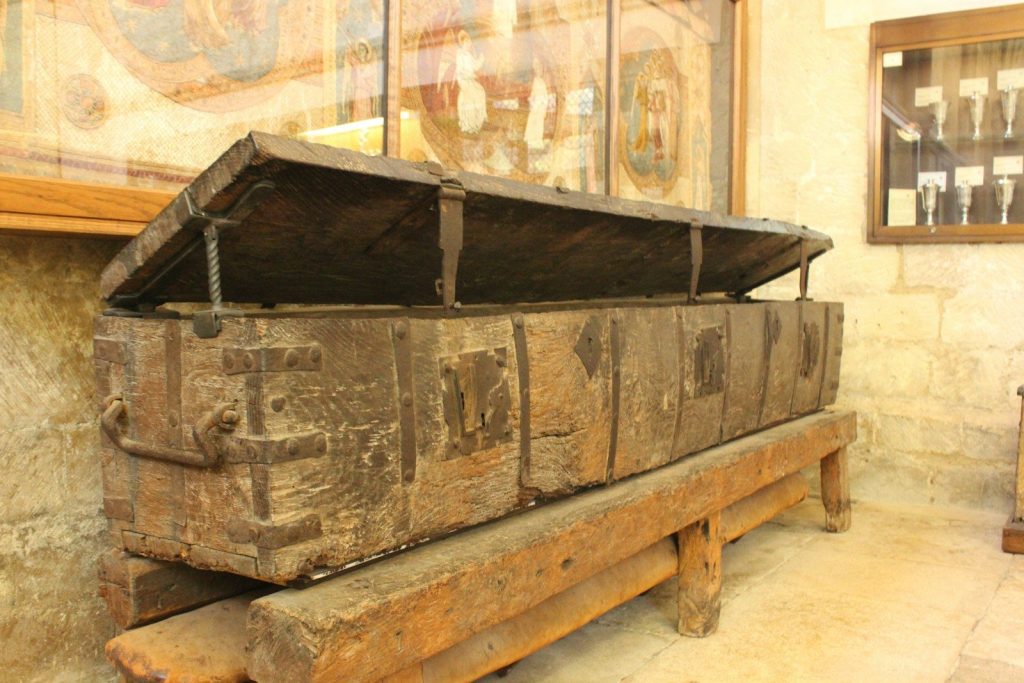
    a wooden trunk sitting on top of a wooden bench
    Photo by Chris Kofoed on Unsplash

    Lifting the heavy stone lids required extreme care and modern engineering. According to excavation files, several large sarcophagi remained completely sealed since the day of burial. The seal was perfect. Researchers realized they were looking at a completely undisturbed cemetery of ancient elites. But opening these ancient tombs required a delicate scientific touch to prevent immediate decay.

    Guardian Of The Dead

    Looking up a spiral stone staircase with chains in a dimly lit setting, evoking mystery.
    Photo by Erik Mclean on Pexels

    Ancient priests went to extreme lengths to protect these burials from tomb raiders. According to historical studies, the deep shafts were packed with heavy sand and massive stone blocks. It was a fortress. This clever engineering successfully kept the precious gold artifacts safe from thieves for centuries. But the burial chambers held more than just valuable treasures.

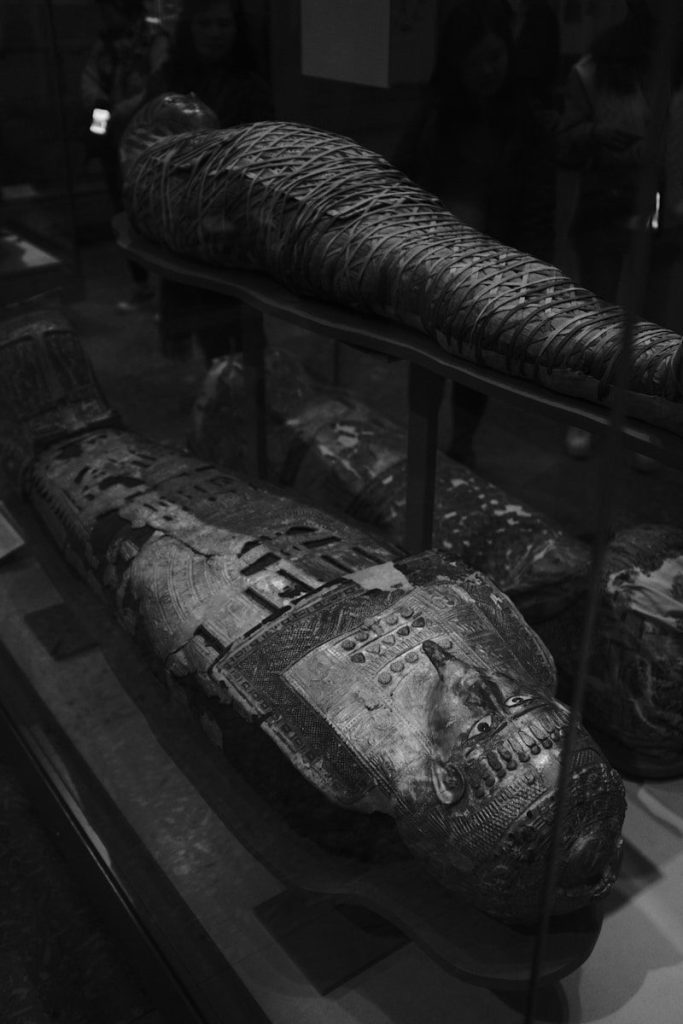
    Mummies In The Shadows

    a stack of wood
    Photo by Ryan Ancill on Unsplash

    Inside the coffins lay the mummified remains of powerful priests and officials. According to CT scanning results, these ancient individuals received elaborate mummification treatments to preserve their bodies. The results were stunning. The scans revealed intricate amulets made of gold and precious stones hidden within the linen wrappings. But the identity of one specific mummy caught researchers off guard.

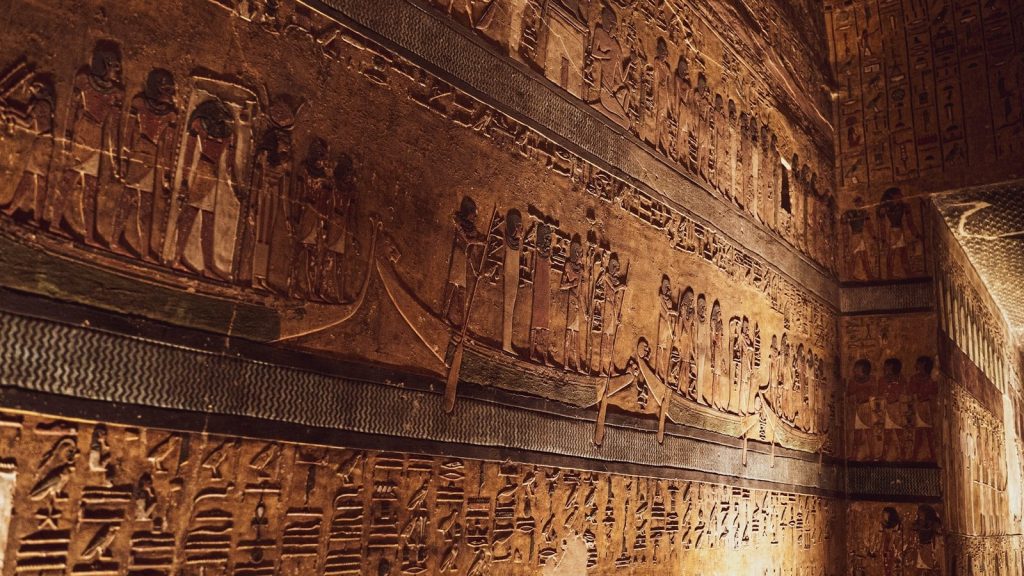
    A Lost Dynasty Revealed

    a large ancient building
    Photo by 2H Media on Unsplash

    Hieroglyphs carved on the coffin walls began to tell a lost historical story. According to classical historians, the names and titles point to a wealthy elite class during a turbulent transition era. The history was forgotten. This discovery is helping scholars piece together the political shifts of ancient Egypt. But many unexplored shafts still run deep beneath the desert sand.

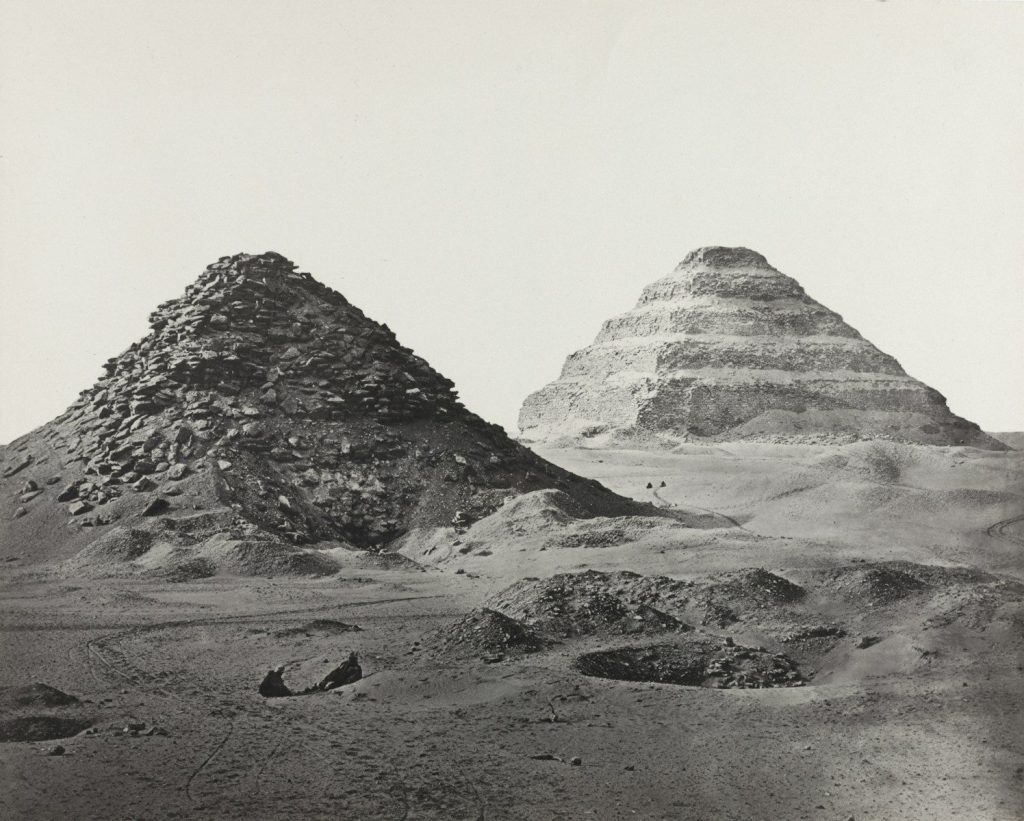
    Secrets Of The Sands

    a black and white photo of two pyramids in the desert
    Photo by The Cleveland Museum of Art on Unsplash

    The discoveries at Saqqara prove that Egypt still holds boundless mysteries beneath the surface. According to modern Egyptologists, only a fraction of the ancient necropolis has been mapped. The desert still hides our ancient past. This article is for informational purposes only.

    Featured Image: Photo by Fatih Beki on Unsplash

  • The Ancient Colossus That Shattered Every Fossil Record

    The Ancient Colossus That Shattered Every Fossil Record

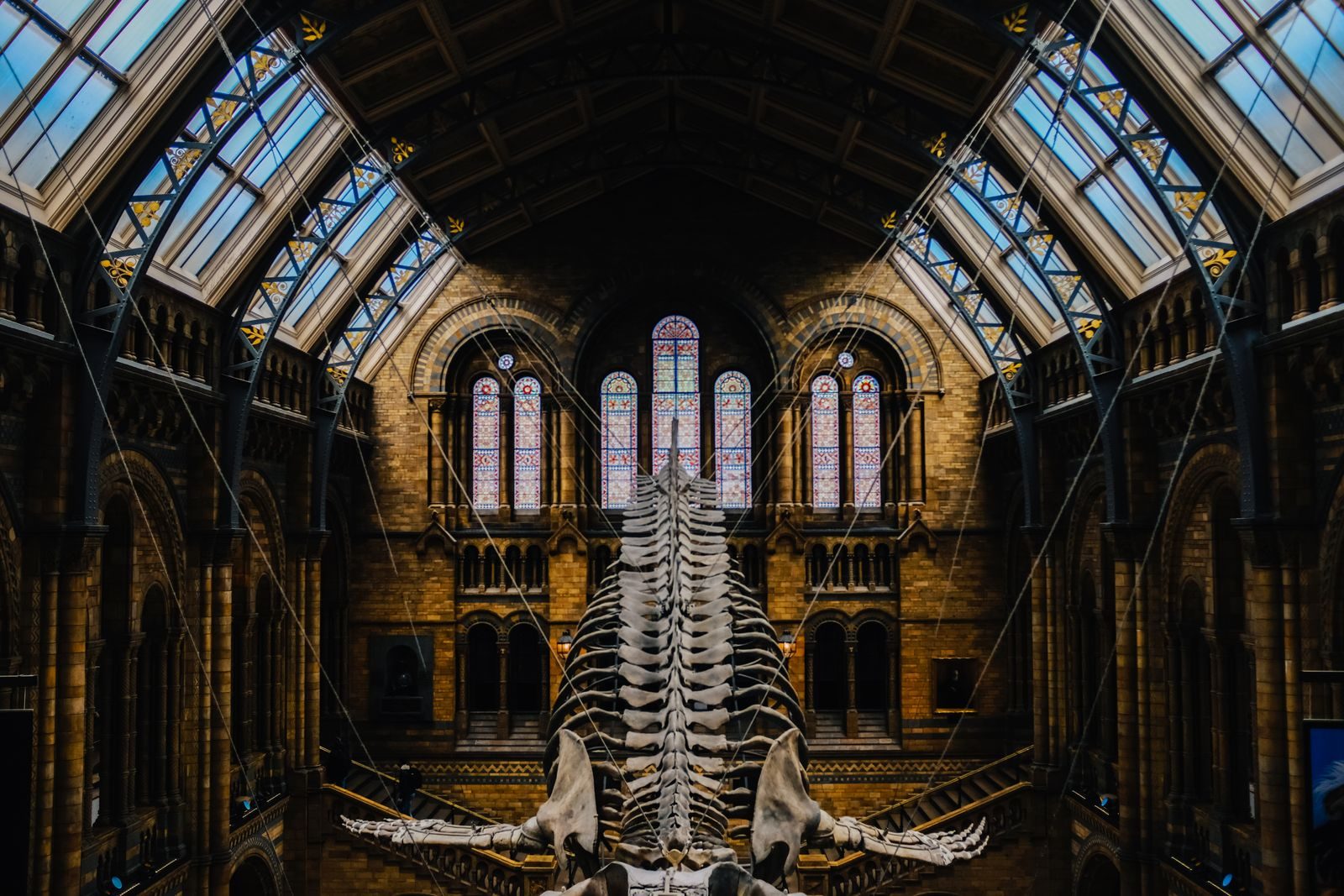
    Most animal lovers believe the blue whale is the heaviest creature to ever exist. We assume no prehistoric beast could surpass its massive weight.

    But a mind-bending fossil discovery in Peru has challenged this biological truth. Scientists have unearthed the bones of a legendary ocean giant that defies imagination.

    Unearthing Cosmic Scales

    snow covered mountain under cloudy sky during daytime
    Photo by Kimberly Genest on Unsplash

    Digging in the dry Peruvian desert revealed something completely impossible. According to a study published in Nature, paleontologists recovered massive skeletal remains belonging to an ancient whale. The bones were unbelievably heavy. This prehistoric beast lived nearly thirty-nine million years ago. But the sheer density of the skeleton pointed to a creature that was far larger than anyone expected.

    Beyond Blue Whales

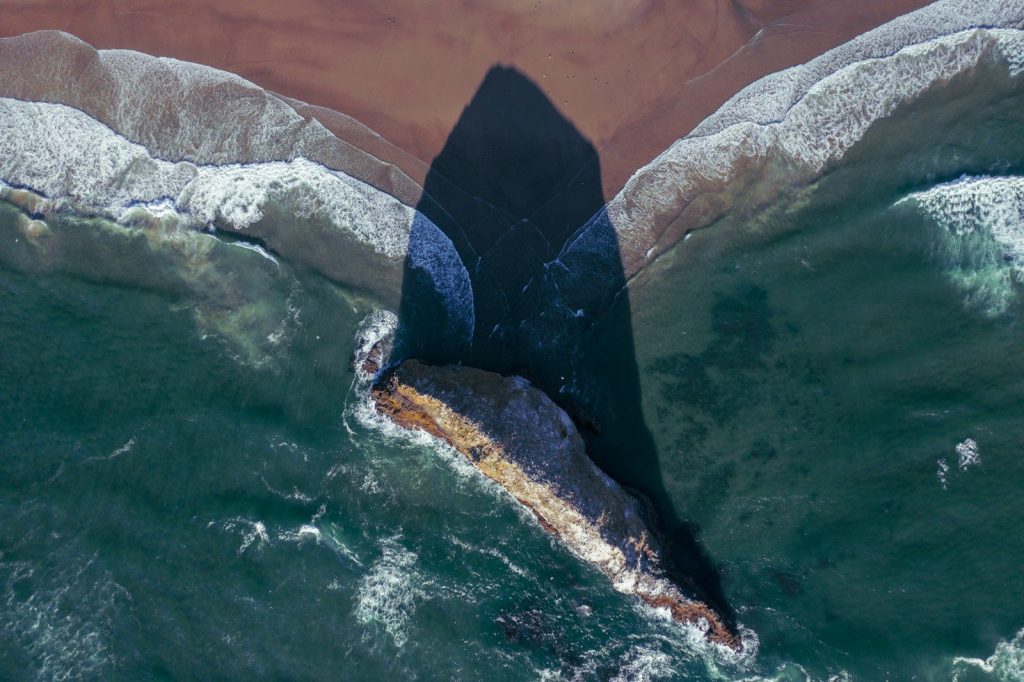
    rock formation near sea
    Photo by Dan Meyers on Unsplash

    Measuring the heavy bones allowed researchers to estimate the total body mass. According to scientific measurements, this newly discovered species likely weighed up to three hundred and forty metric tons. It was incredibly massive. That potential weight easily doubles the size of any modern blue whale. But this extreme weight raised deep questions about how the beast could move through water.

    Deep In The Sand

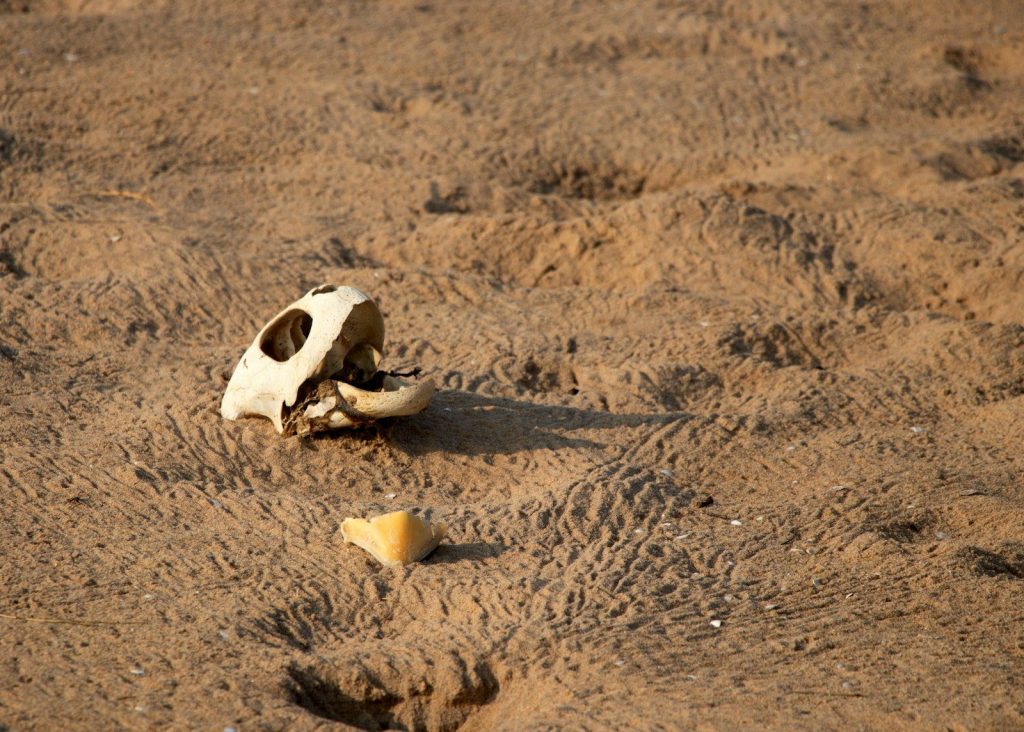
    A bird's skull in the middle of a sandy area
    Photo by Muskan Dev on Unsplash

    Excavating the massive specimen required years of careful labor in a hostile environment. According to reports from the University of Pisa, the fossils were buried deep under steep desert dunes. The work was grueling. Each individual vertebra weighed over one hundred kilograms. But lifting these giant stone-like bones out of the earth was only the first major challenge.

    The Heavy Bone Mystery

    Rocks and clear water on a sandy beach.
    Photo by Lina Micán on Unsplash

    Living in shallow coastal waters required unique physical traits. According to evolutionary biologists, the creature possessed extremely dense, solid bones to act as a natural ballast. It was a submarine. This unique skeletal structure helped the massive mammal stay submerged while feeding on the ocean floor. But their specific diet remains a highly debated mystery among modern researchers.

    Reconstructed Sea Giants

    a drawing of a person holding a large object
    Photo by Europeana on Unsplash

    Creating accurate 3D models of the whale revealed its strange, bloated shape. According to paleontologists, the beast had relatively small limbs and a huge barrel-shaped body. It looked completely bizarre. This unusual anatomy suggests the giant moved very slowly through the prehistoric coastal shallows. But this slow lifestyle may have made the species highly vulnerable to sudden environmental changes.

    Rewriting Marine Biology

    a group of people standing in a room
    Photo by 铮 夏 on Unsplash

    Finding such an enormous creature completely alters our understanding of marine life evolution. According to evolutionary studies, ocean giants achieved maximum body mass millions of years earlier than previously assumed. The timeline was wrong. This revelation is forcing scientists to rethink how coastal ecosystems supported such massive energy demands. But the true scale of this beast might be even greater than current models show.

    The Ultimate Ocean King

    Underwater coral reef with clear blue water
    Photo by Taras Terletskyy on Unsplash

    This spectacular Peruvian discovery permanently changes our view of prehistoric life. According to researchers, nature has always pushed the physical limits of biology in surprising ways. Our planet still hides ancient giants beneath the desert sands. This article is for informational purposes only.

    Featured Image: Photo by Adrien Olichon on Pexels

  • The Breaking Discoveries Overturning Ancient Human History

    The Breaking Discoveries Overturning Ancient Human History

    Most history textbooks state that early humans arrived in the Americas fifteen thousand years ago. We believe that ice age hunters were the very first pioneers.

    But a wave of radical archaeological discoveries is completely breaking this historical timeline. Newly uncovered evidence suggests that humans occupied the continent far earlier than believed.

    Footprints In The Sand

    Close-up of a dinosaur footprint fossil on rocky terrain in Istria, Croatia, showcasing natural history and ancient life.
    Photo by Vladimir Srajber on Pexels

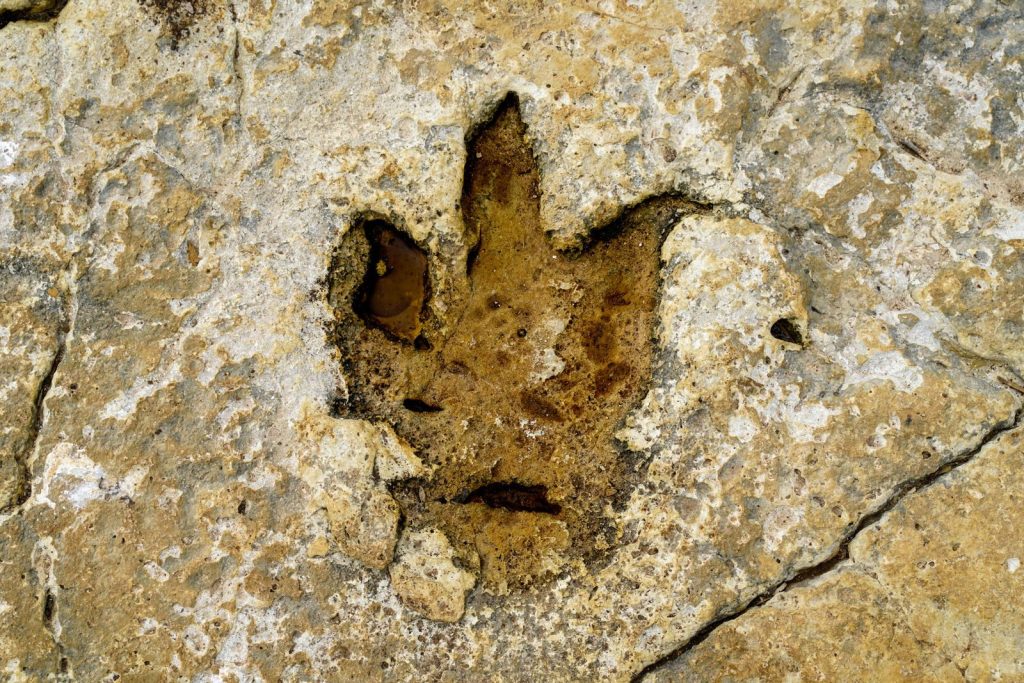
    Strange fossilized footprints in New Mexico first triggered this scientific revolution. According to a study from the United States Geological Survey, these human tracks were pressed into ancient lake mud. They were incredibly clear. Scientists dated the surrounding seed layers to over twenty-one thousand years old. But this stunning age was met with immediate skepticism from traditional historians.

    Challenging The Experts

    people sitting on chair in front of computer
    Photo by Dom Fou on Unsplash

    Many traditional researchers refused to believe the early dates without more proof. According to reports from the National Park Service, critics argued that ancient water systems could distort the radiocarbon dating. The debate grew fierce. Skeptics demanded that the research team run advanced testing on different organic materials. But the subsequent results only made the timeline anomaly even more undeniable.

    The Unbreakable Date

    green trees under blue sky
    Photo by Annie Spratt on Unsplash

    Scientists returned to the site to gather new samples of ancient pollen. According to research published in Science, multiple independent dating methods confirmed the original timeline was correct. It was a breakthrough. The footprints were indeed left during the height of the last Ice Age. But this meant humans were living alongside giant mammoths much earlier than anyone thought.

    Broken Mastodon Bones

    Fossilized trilobite imprint on gray rock
    Photo by Tasha Kostyuk on Unsplash

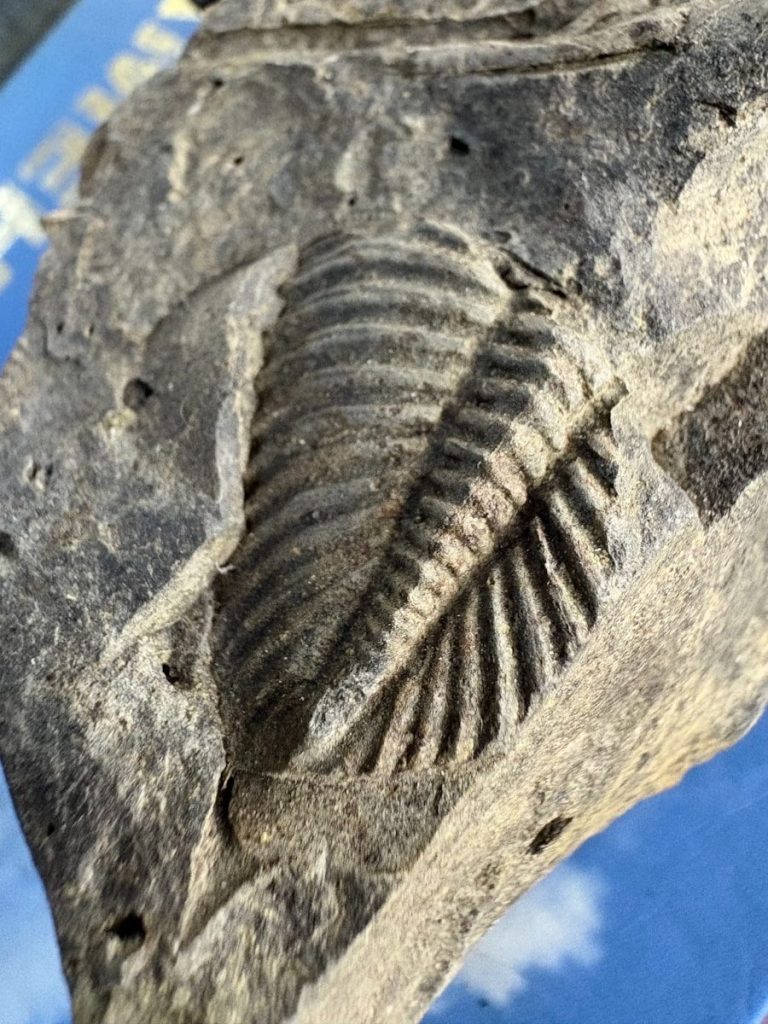
    Another controversial site in California suggests an even more shocking timeline. According to paleontologists at the San Diego Natural History Museum, broken mastodon bones show clear signs of human tool use. The tools were stone. This controversial evidence suggests human activity dating back over one hundred thousand years. But accepting this claim would mean completely rewriting the history of human migration.

    Traveling By Boat

    A black and white photo of rocks in the ocean
    Photo by Zoshua Colah on Unsplash

    If humans arrived so early, they could not have walked across the glaciers. According to coastal migration theories, early explorers likely used simple watercraft to navigate the Pacific coastlines. They were highly skilled. This water route allowed small groups to bypass massive inland ice sheets entirely. But tracing these ancient coastal routes is nearly impossible because of rising sea levels.

    Secrets In The Dirt

    People are examining the soil with a measuring tape.
    Photo by Clare Tallamy on Unsplash

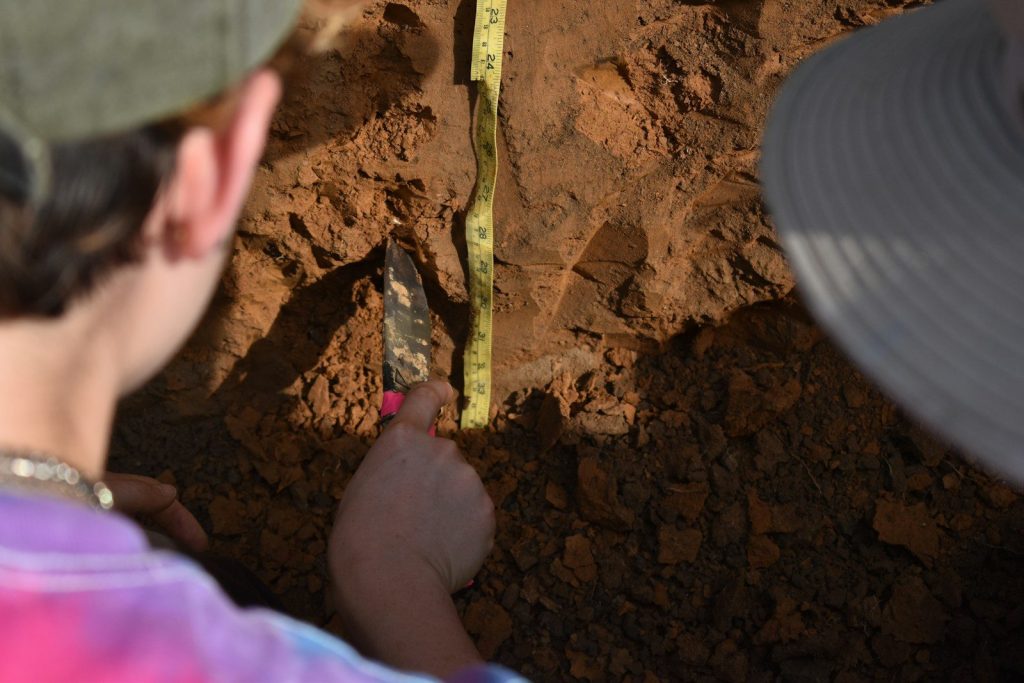
    Archaeologists are now searching deeper under the soil across the continent. According to excavation logs in South America, researchers are finding crude stone tools buried beneath deep geologic layers. The search is intense. Each new find pushes the human timeline further back into the dark past. But the scientific community remains deeply divided over how to interpret these prehistoric artifacts.

    The Genetic Connection

    Digital glitch art with text and abstract shapes
    Photo by Egor Komarov on Unsplash

    Modern DNA studies are adding another complex puzzle piece to the mystery. According to genetic researchers, some indigenous populations share ancient markers with distant populations in Australasia. This link is baffling. The genetic data suggest complex migration patterns that current maps cannot explain. But the search for the absolute truth is far from over.

    A New Human Story

    trees under cloudy sky during sunset
    Photo by Dawid Zawiła on Unsplash

    The emerging evidence proves that our ancestors were far more adventurous than we imagined. According to archaeologists, human history is a fluid narrative that changes with every shovel of dirt. We are only beginning to understand our true origin story. This article is for informational purposes only.

    Featured Image: Photo by Regös Környei on Unsplash