Author: Dylan

  • The Extreme Physics Behind The World’s Fastest Hypercars

    The Extreme Physics Behind The World’s Fastest Hypercars

    Most car enthusiasts believe that building a fast vehicle is simply a matter of adding a larger engine. We assume that horsepower is the only metric that determines straight-line speed.

    But crossing the two-thousand-horsepower barrier introduces a terrifying realm of physics. Standard automotive materials quickly tear themselves apart under these extreme mechanical stresses.

    The Battle Against Air Resistance

    Sleek sports car illuminated against a dark background.
    Photo by Matthew McKinney on Unsplash

    Driving at extreme speeds forces the surrounding atmosphere to behave like a thick liquid wall. According to aerodynamic test reports, drag forces increase exponentially as a vehicle accelerates past two hundred miles per hour. The air is solid. Engineers must shape the carbon fiber body panels with absolute precision to slice through this resistance. But keeping the car on the ground requires a highly active wing system.

    Generating Massive Downforce Safely

    Race cars speed through wet track during competition.
    Photo by Jeff James on Unsplash

    Without extreme downforce, a fast car will literally take flight like a wingless airplane. According to wind tunnel research papers, active aerodynamic wings press the tires into the asphalt with thousands of pounds of force. The grip is immense. This artificial weight allows the hypercar to handle high-speed turns without sliding. But this intense downward pressure places a crushing load on the tire compound.

    The Melting Point Of Rubber
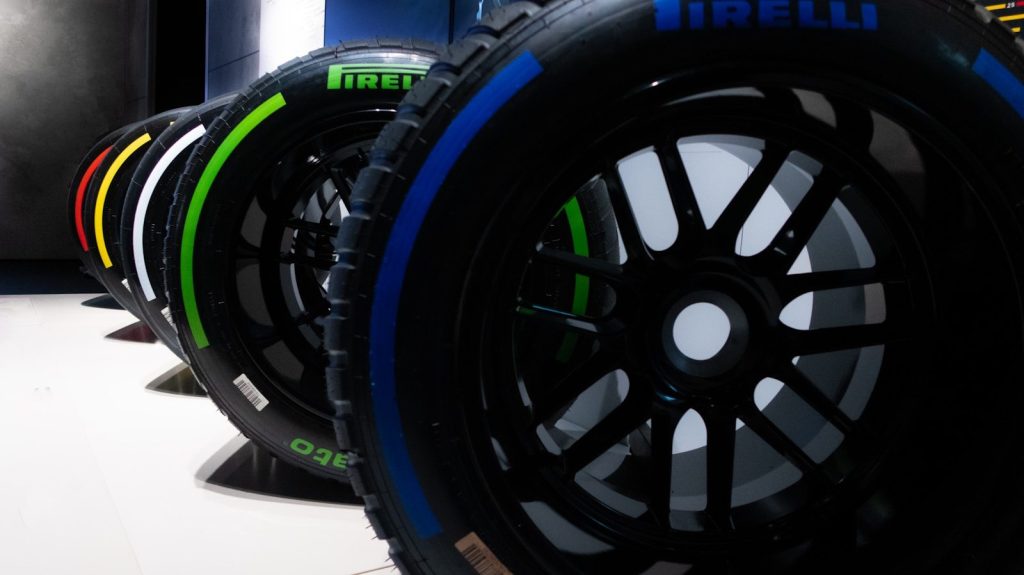
    a row of tires sitting next to each other
    Photo by Niels Baars on Unsplash

    Spinning tires at extreme speeds generates intense friction heat that can melt standard rubber compounds. According to materials science studies, hypercar tires are constructed with specialized aramid fibers to prevent explosive blowouts. The heat is brutal. These custom tires can only survive a few minutes of continuous high-speed running before disintegrating completely. But feeding these hungry engines demands an incredibly fast cooling setup.

    The Thermal Heat Management

    A green sports car with its hood open
    Photo by Mathew Antony on Unsplash

    Managing engine temperatures during high-speed runs requires a massive cooling network. According to radiator performance audits, a typical hypercar routes hundreds of gallons of coolant through its core every minute. The engines run hot. This thermal system keeps the hardware from melting under extreme combustion pressures. But generating this intense power also requires a highly robust gearbox.

    The Instant Clutch Gearbox
    a close up of a machine with gears on it
    Photo by William Warby on Unsplash

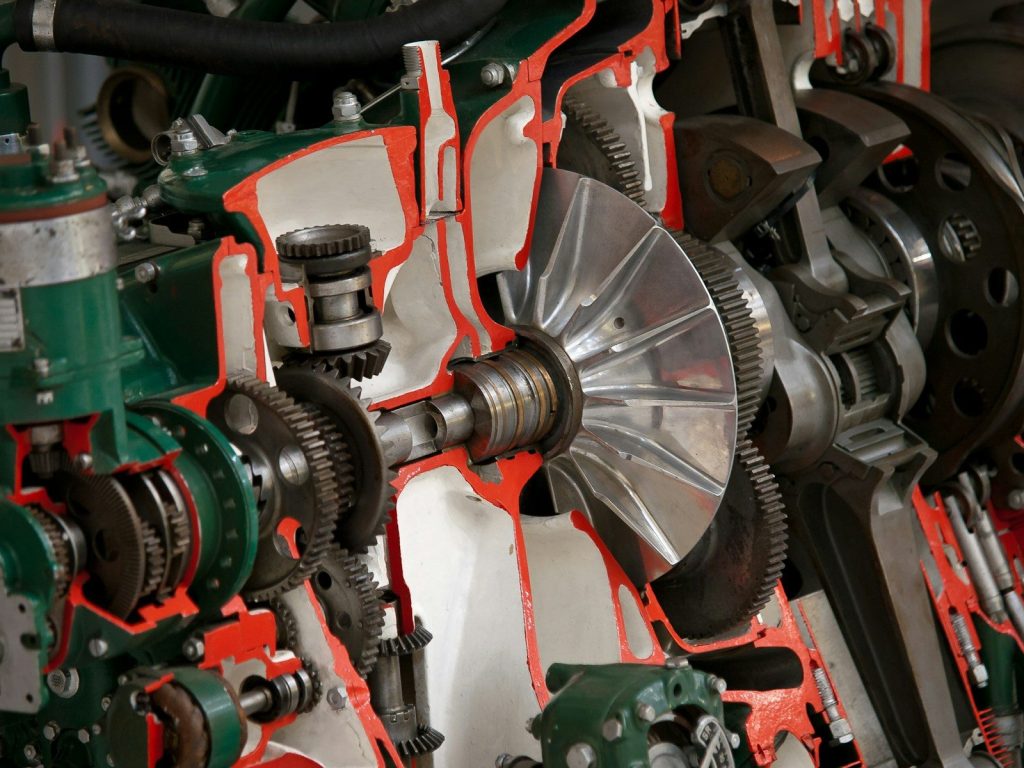
    Traditional gearboxes would easily shred their steel teeth under thousands of horsepower. According to mechanical engineering journals, designers use custom dual-clutch systems made from titanium alloys. They are incredibly tough. This specialized setup shifts gears in a fraction of a millisecond to maintain constant acceleration. But bringing this flying heavy machine to a complete stop requires another physical marvel.

    Carbon Ceramic Braking Systems
    a close up of a brake on a vehicle
    Photo by Toby Hall on Unsplash

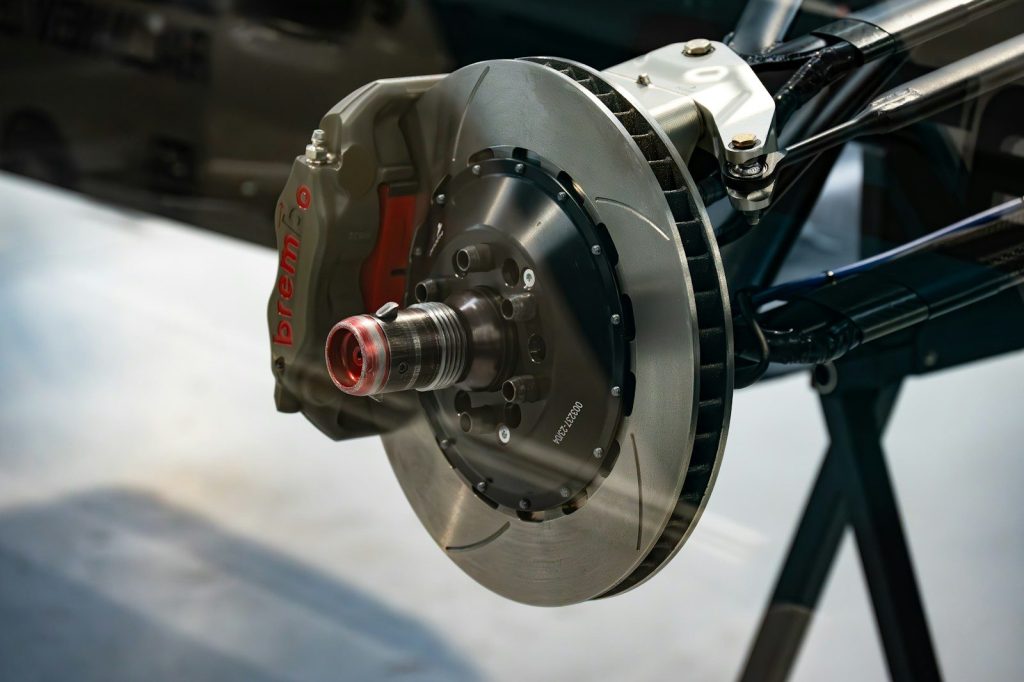
    Slowing down from extreme speeds releases enough thermal energy to melt standard steel brakes. According to automotive testing records, high-performance vehicles use massive carbon-ceramic discs that survive temperatures over one hundred degrees. The stopping is instant. These advanced materials prevent brake fade during intense track sessions. But the ultimate limits of high-speed performance are now shifting toward electric power.

    Reimagining The Hypercar Era

    grey concrete building during daytime
    Photo by Arno Senoner on Unsplash

    Electric motors are quietly rewriting the rules of acceleration by delivering instant torque without any lag. According to automotive historians, this technological transition is pushing vehicle performance into a bold new era. Innovation has no limits. These extreme physics lessons help engineers design safer and more efficient consumer vehicles for tomorrow. This article is for informational purposes only.

    Featured Image: Photo by Wolfgang Vrede on Unsplash

  • The Giant Lost Temple Uncovered Beneath Egyptian Mud

    The Giant Lost Temple Uncovered Beneath Egyptian Mud

    Most archaeology lovers assume that Egypt’s greatest monuments are only preserved in the dry desert sands. We believe that we must dig in places like Luxor to find ancient ruins.

    But a spectacular excavation beneath the muddy Nile Delta has challenged this belief. Scientists have uncovered a colossal 2600-year-old temple complex buried deep in the marshlands.

    Sifting Through Wet Clay

    a black and white photo of a construction site
    Photo by János Szüdi on Unsplash

    The wet environment of northern Egypt is historically notorious for destroying ancient organic remains and limestone walls. According to reports from the Egyptian Ministry of Antiquities, archaeologists had to battle rising groundwater to clear the target coordinates. The mud was thick. Yet their persistence paid off when they struck massive foundation stones resting deep beneath the silt layers. But this stone floor was hiding a highly surprising purpose.

    Mapping Ancient Solar Movements

    Arches emerge from the foggy landscape.
    Photo by Joseph Corl on Unsplash

    Peering at the alignment of the massive stone walls revealed a brilliant design. According to archaeoastronomy researchers, the temple foundations were carefully aligned with the sun during the seasonal Solstices. The alignment was perfect. This precise orientation allowed ancient priests to calculate the agricultural calendar with incredible accuracy. But tracing who built this celestial calendar led to a forgotten dynasty.

    Legacy Of The Pharaohs

    brown concrete statue of man
    Photo by Tom Podmore on Unsplash

    This massive temple dates back to the twenty-sixth dynasty, when Egypt experienced a sudden artistic renaissance. According to classical historians, this era marked the last great peak of native Pharaonic rule before foreign conquests. The kings were powerful. They built monumental structures in the Delta to assert their political sovereignty over vital trade routes. But excavating the inner chambers revealed a collection of bizarre artifacts.

    Artifacts Hidden In Marshlands

    a group of sculptures sitting on top of a table
    Photo by Seoin Kim on Unsplash

    Excavators working in the lower mud layers recovered a cache of pristine bronze statues and sacred tools. According to the Cairo Research Institute, these metallic items remained protected from oxidation by the heavy clay seal. The details are beautiful. These religious artifacts depict gods associated with solar tracking and seasonal rebirth. But finding the ultimate treasure required exploring the deepest chamber.

    The Giant Red Granite Block

    a church with candles and a crucifix in the center
    Photo by Nick Castelli on Unsplash
    Our central sanctuary contained an incredibly dense block of polished red granite that dwarfed the other stones. According to structural geologists, this single monumental block was transported hundreds of miles down the Nile River. It was incredibly heavy. Moving this massive stone through the ancient delta marshes required highly organized transit engineering. But managing this water flow was a vital skill for the temple builders.

    Advanced Delta Canal Engineering

    a stone bench sitting on top of a dirt hill
    Photo by Anees Ur Rehman on Unsplash

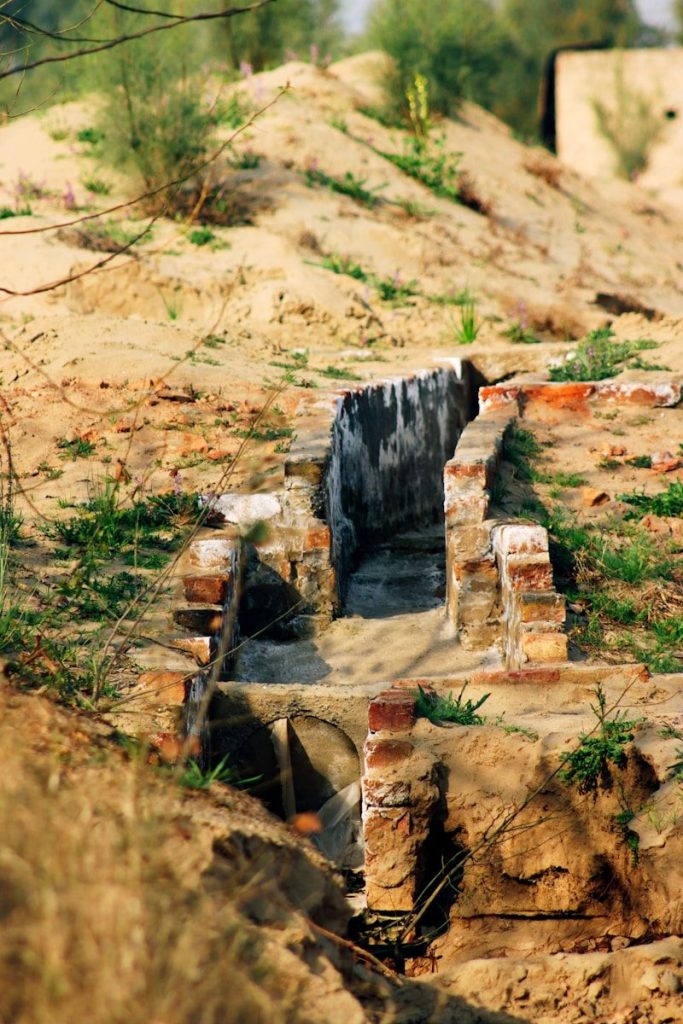
    A complex network of ancient channels surrounded the sacred temple compound to regulate the annual floodwaters. According to hydrological surveys, these artificial canals prevented the mud foundations from sliding into the river branches. The system was seamless. This clever water management allowed the heavy limestone structures to stand secure for centuries. But the rise of massive empires would soon bring a sudden end.

    Swallowed By Rising Silt

    Aerial view of marshland with winding waterways
    Photo by Iain on Unsplash

    Both climate shifts and changing river paths slowly cut off the temple’s water supplies. According to sedimentologists, the Nile delta branches shifted outward, leaving the sanctuary stranded in marshy mud. The city was abandoned. Over centuries, annual river floods covered the stone walls in thick layers of wet silt. But modern technology has finally allowed us to look through this muddy shield.

    Unlocking Our Subsurface Heritage

    Surveyor using GPS equipment for land measurement outdoors under a clear sky.
    Photo by Asad Photo Maldives on Pexels

    Using ground-penetrating radar allows archaeologists to map these lost Delta ruins without disturbing the delicate marshlands. According to historians, this discovery proves that ancient Egyptian history still holds boundless secrets beneath the soil. The past is active. Exploring these buried temples helps us reconstruct the true genius of early Pharaonic engineering. This article is for informational purposes only.

    Featured Image: Photo by Son Tung Tran on Pexels

  • Why Humanoid Robots Are Rebuilding The Future of Labor

    Why Humanoid Robots Are Rebuilding The Future of Labor

    Most people believe that building humanoid robots is just a fun science fiction project. We assume that factories are already automated enough with standard robotic arms.

    But a severe global labor shortage is forcing a radical shift in engineering. Designing machines that move like humans is the only way to save our existing factories from grinding to a halt.

    The Global Labor Collapse Threat

    grayscale photo of a factory
    Photo by Birmingham Museums Trust on Unsplash

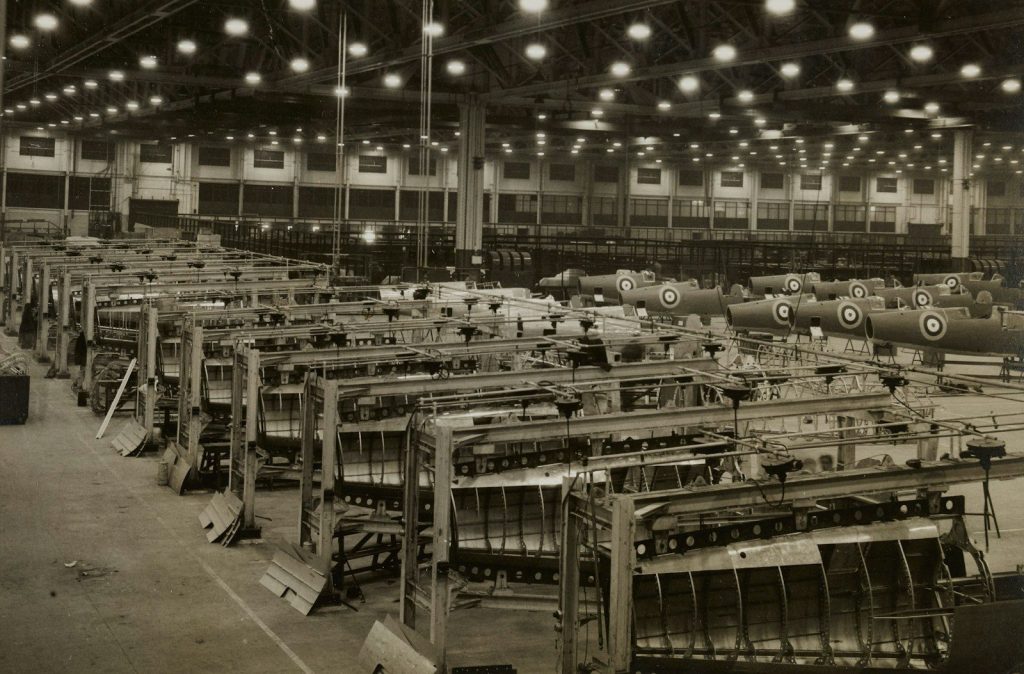
    Traditional factories are currently facing an unprecedented shortage of manual workers. According to reports from the International Labour Organization, millions of essential manufacturing jobs remain completely unfilled today. The crisis is real. Empty assembly lines are driving up the costs of daily goods, which forces engineers to seek a highly adaptive mechanical solution.

    Shaping The Human Form Factor

    Man stands by a weathered wooden door near a river.
    Photo by Yishen Ji on Unsplash

    Building robots with wheels or tracks often fails because our entire world was designed for bipeds. According to manufacturing efficiency audits, every doorway, tool, and staircase in a factory is optimized for the human body. They must adapt. Forcing machines to mimic our exact skeletal structure allows them to step into existing workspaces without rebuilding the infrastructure. But scaling these bipedal designs requires managing intense battery power.

    Engineering High Torque Joint Actuators

    black and yellow corded power tool
    Photo by Pi Supply on Unsplash

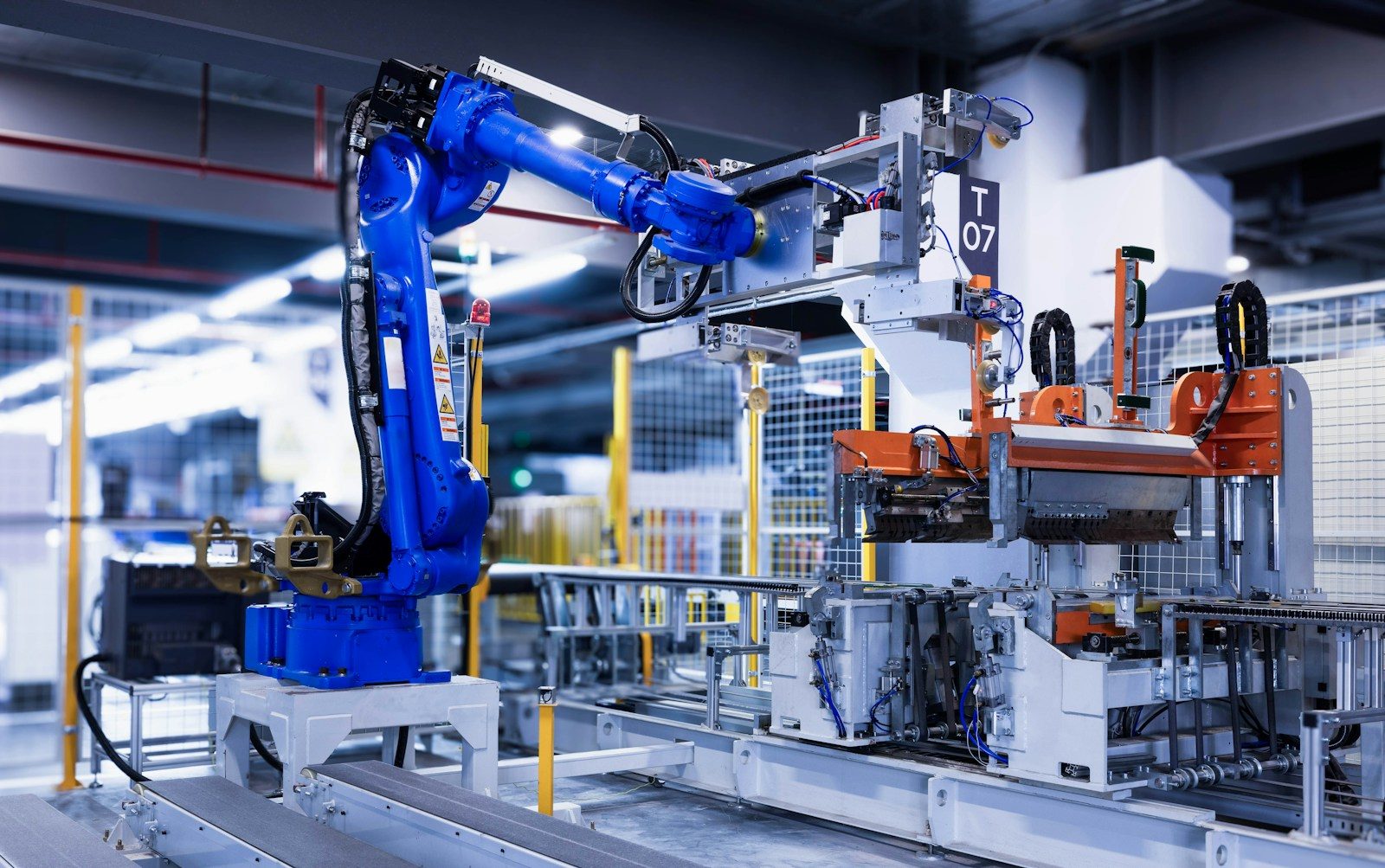
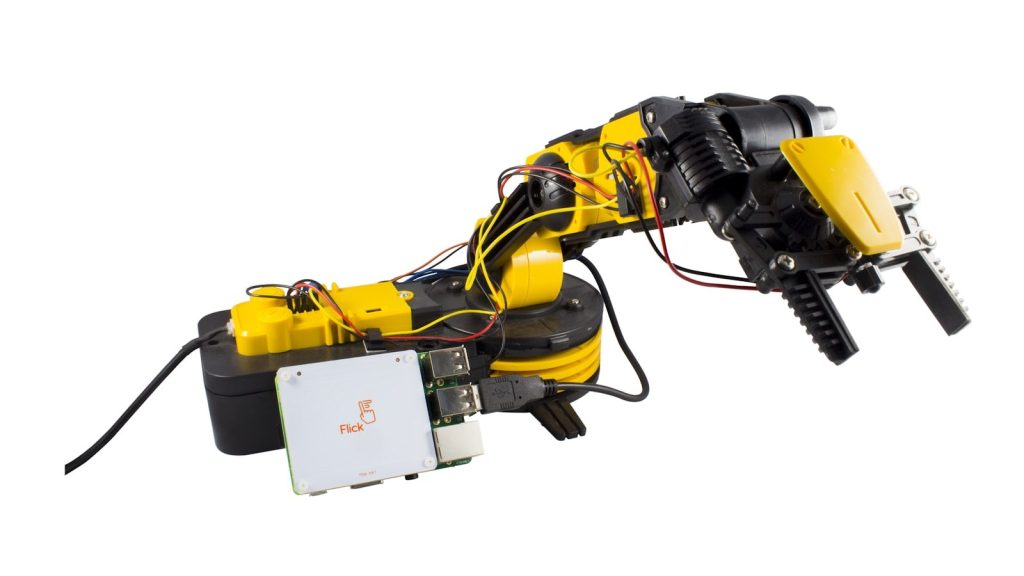
    Mimicking the fluid movements of human limbs demands incredibly precise mechanical motors. According to reports from the robotics division at Tesla, developers had to design custom high-torque actuators to rotate the robotic joints smoothly. The design is complex. These specialized sensors allow the machine to lift heavy loads and balance perfectly on uneven floors. But teaching these metal hands to grip delicate objects requires a different breakthrough.

    The Delicate Tactile Hand Mastery

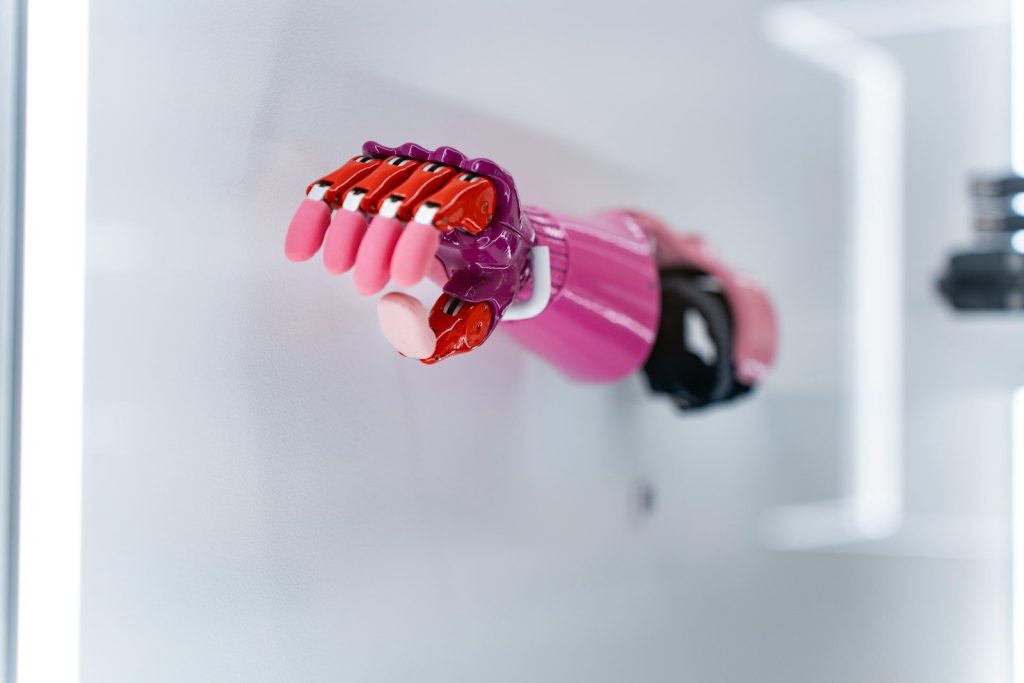
    A pink prosthetic hand with a fist.
    Photo by Shahabudin Ibragimov on Unsplash
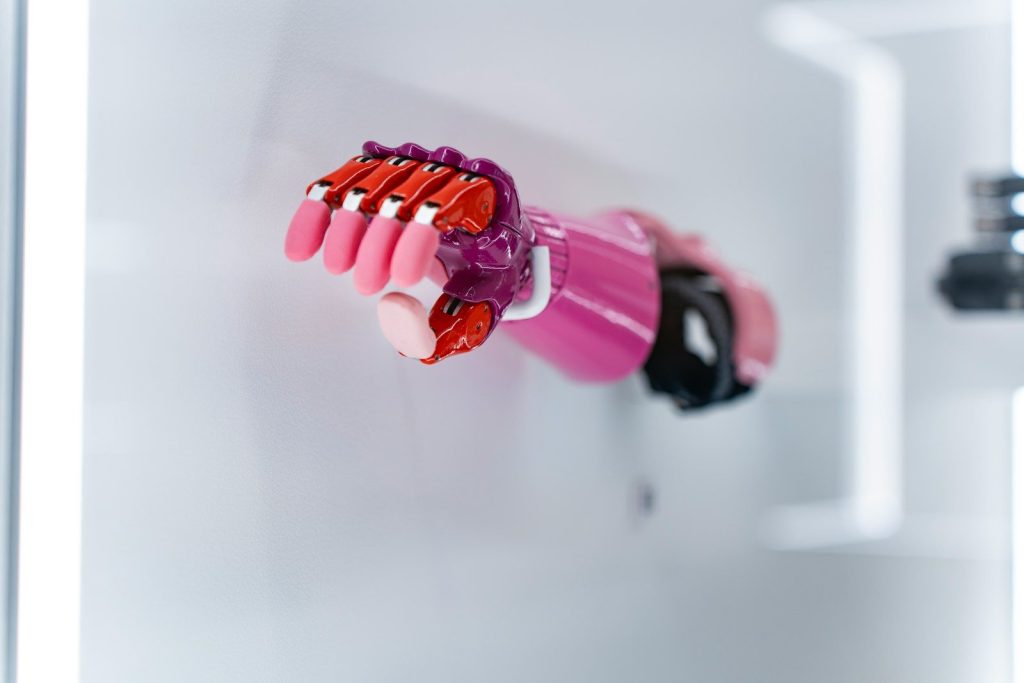
    Standard robotic grippers lack the gentle touch required to handle fragile tools or components. According to human-machine interface studies, the new robotic hands feature multiple flexible sensors that mimic organic skin sensitivity. They are incredibly soft. This sensory feedback lets the fingers adjust pressure automatically to avoid crushing delicate parts on the line. But guiding these metallic limbs requires a highly advanced digital brain.

    Operating On Neural Network Brains

    blue red and green abstract painting
    Photo by WrongTog on Unsplash

    No human operator can program a robot to react to every single variable in a busy factory. According to artificial intelligence engineers, the humanoid runs on the same neural networks that power self-driving cars. The software learns constantly. This onboard brain allows the machine to navigate obstacles and solve physical tasks autonomously in real time. But introducing these machines to the workforce raises serious safety questions.

    Safe Humanoid Cohabitation Mechanics

    Technician working on humanoid robot at a tech exhibition in Guimaraes, Portugal.
    Photo by Rui Dias on Pexels

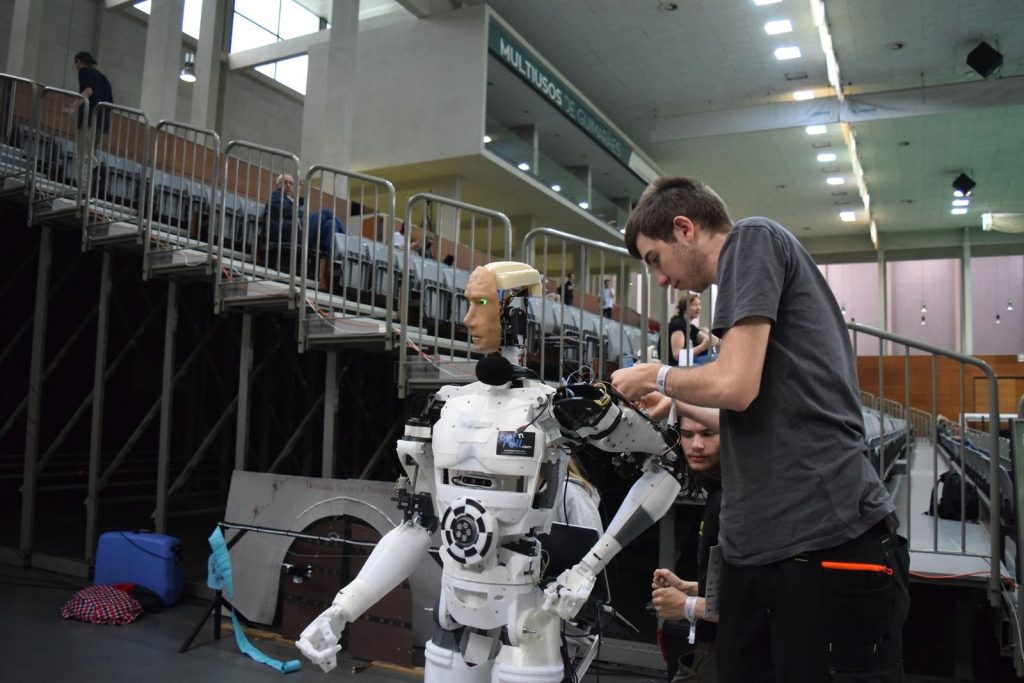
    Heavy industrial robots normally operate behind steel cages to protect nearby human workers from accidental impacts. According to safety engineering protocols, next-generation humanoids use advanced force-limiting sensors to halt movement instantly upon touching a person. Protection is absolute. This safety shield allows humans and machines to work side-by-side on the same assembly lines. But the ultimate impact of this robotic shift will soon reshape our economy.

    Redefining The Industrial Era

    Large modern building with trees and clear blue sky.
    Photo by Roger Starnes Sr on Unsplash
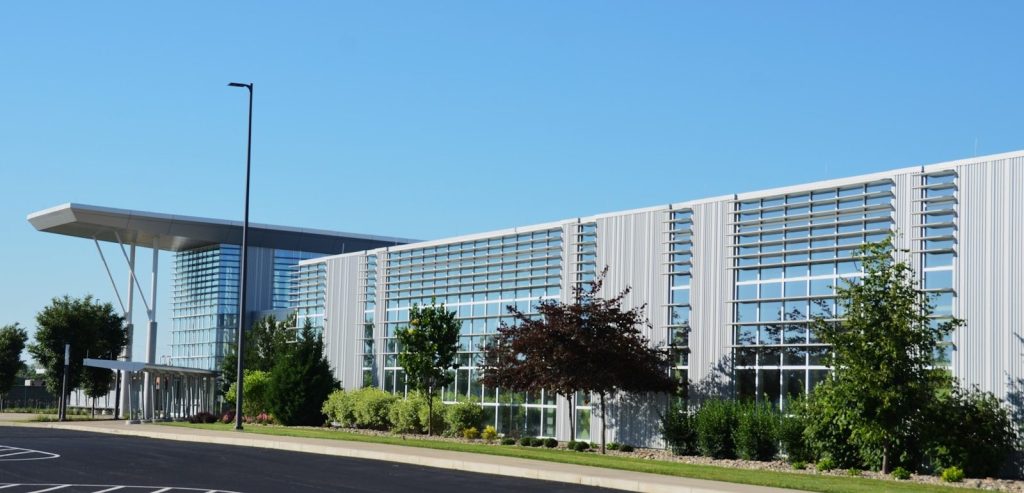
    Deploying humanoid labor will eventually free humanity from dangerous and repetitive physical tasks. According to industrial historians, this robotic leap represents the next major milestone in our manufacturing evolution. The future is arriving. This transition will allow human workers to focus on creative oversight rather than pure physical strain. This article is for informational purposes only.

    Featured Image: Photo by Homa Appliances on Unsplash

  • The Secret Rocket City Built For The Stars

    The Secret Rocket City Built For The Stars

    Most space lovers assume rocket launch pads are just simple concrete platforms in the desert. We believe space agencies only use these facilities for temporary flight missions.
    But a massive futuristic city in southern Texas is completely disrupting this idea. This high-tech settlement is actively transforming how humanity builds a multiplanetary future.

    The Birth Of Starbase

    three huge gray metal towers inside building
    Photo by SpaceX on Unsplash

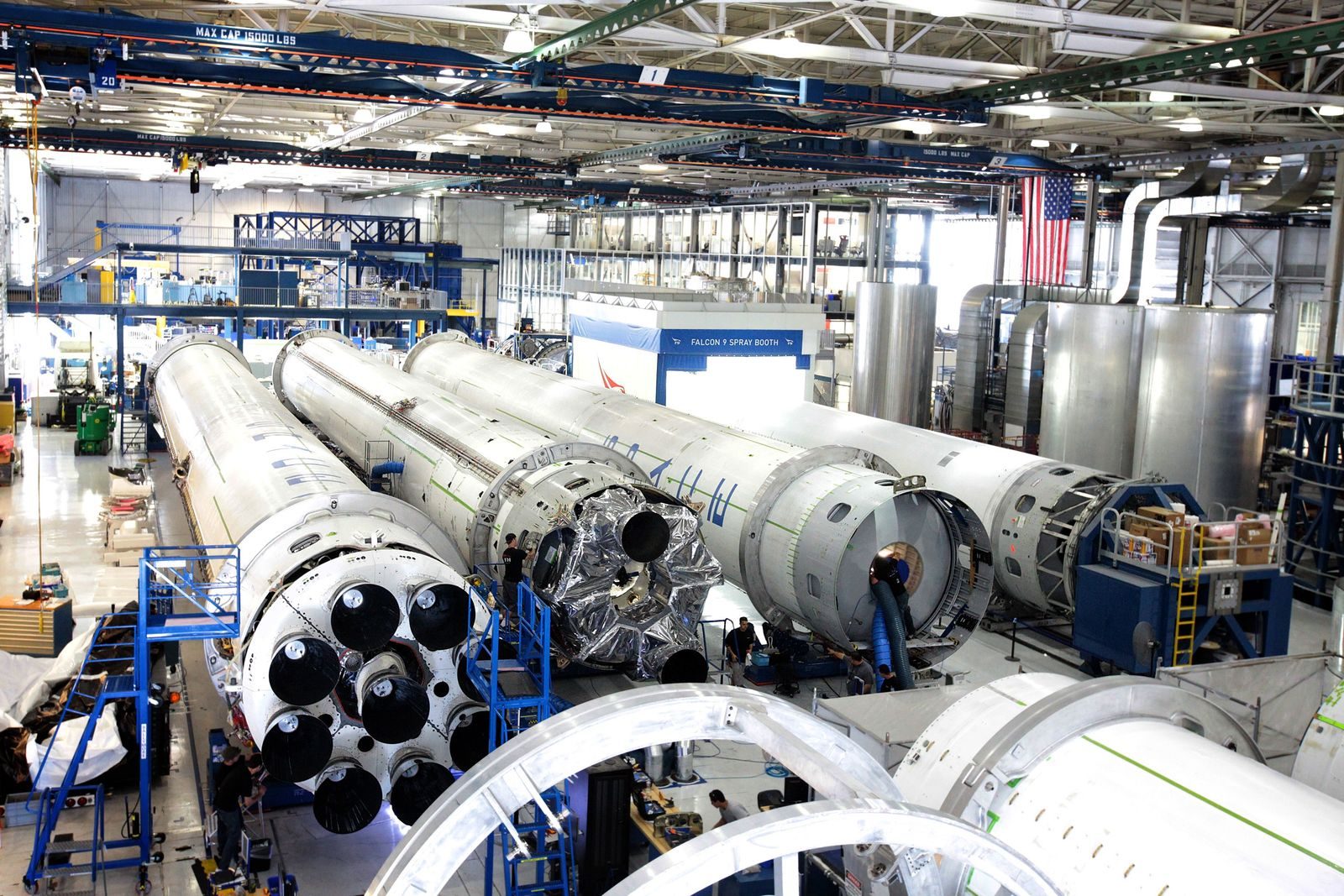
    Deep in a remote coastal town, a giant aerospace kingdom is rising from the sand dunes. According to reports from SpaceX, this dedicated facility handles everything from initial steel welding to final launches. The scale is monumental. This unified setup allows engineers to test complex rocket prototypes faster than any traditional space agency. But building this steel empire required taking a massive geographical risk.

    Forging Giant Steel Rockets

    close-up photography of white space shuttle during daytime
    Photo by Pablo Guerrero on Unsplash

    Standard rockets are built from incredibly expensive and delicate carbon materials in pristine labs. According to aerospace engineering logs, Starbase developers chose to construct their gargantuan spacecraft out of common stainless steel. It is remarkably tough. This durable alloy can survive extreme atmospheric friction without cracking. But launching these heavy metal giants requires an unprecedented amount of thrust.

    Powering The Starship Boosters

    a rocket launching into space
    Photo by Siebe Vanderhaeghen on Unsplash

    The massive launch tower supports a booster fueled by liquid methane and oxygen. According to structural propulsion audits, the rocket engine system generates twice the thrust of the historic Saturn Five. The roar is deafening. This fuel mixture is critical because engineers can eventually manufacture it directly on other planets. But returning these giant boosters safely to earth required a bizarre invention.

    The Mechanical Tower Catch

    white and red space ship on city during daytime
    Photo by Uttam Patel on Unsplash

    Instead of landing on heavy metal legs, the falling rocket booster is caught in midair. According to launch facility designs, massive steel arms on the tower grab the vehicle before it touches the ground. The maneuver is unbelievable. This revolutionary catch eliminates the weight of the landing gear entirely. But preparing the rocket for its next flight introduces another massive speed advantage.

    Rapid Flight Turnaround Times

    Low angle view of a space rocket at a launch pad against a clear blue sky in Moscow.
    Photo by Sun452 on Pexels

    Reusing heavy rocket hardware immediately after landing drops launch costs to historic lows. According to orbital flight studies, reusing these steel boosters can slash the price of space travel by ninety percent. The savings are historic. This efficiency will allow scientists to launch multiple missions in a single day. But this rapid transit network is actually built for a far more distant target.

    Protecting Deep Space Crews

    a room filled with lots of different types of machines
    Photo by Chris Boyer on Unsplash

    Interplanetary travel exposes human travelers to highly toxic solar winds and cosmic rays. According to cosmic radiation papers, the steel hulls must utilize specialized storm shelters to keep passengers safe. The danger is invisible. These shielding zones will protect astronauts during intense solar storms on the journey. But surviving the final landing on a dusty planet requires managing extreme planetary friction.

    Landing On Red Sand

    black flat screen computer monitor
    Photo by ThisisEngineering on Unsplash

    Navigating a heavy spacecraft down through thin alien air requires high-tech automated guidance systems. According to planetary navigation plans, the vehicle will use vertical retro-propulsion to settle gently on the sand. The execution is precise. This landing method ensures that crews can build bases without needing long concrete runways. But this robotic city is already transforming how we view the future of transport.

    Building For Outer Worlds

    Solid rocket installed on metal launch construction in spaceport and ready for taking off against colorful sunset sky
    Photo by SpaceX on Pexels

    The massive Texas Starbase proves that human spaceflight is entering a rapid industrial era. According to space researchers, establishing these giant launch networks is the first step toward exploring other star systems. The journey has started. This article is for informational purposes only.

    Featured Image: Photo by Pixabay on Pexels

  • The Underground Mars Tunnels Built For Survival

    The Underground Mars Tunnels Built For Survival

    Most space enthusiasts assume that future human colonies on Mars will live inside beautiful glass domes on the surface. We believe that settlers will build their daily lives under the pink Martian sky.

    But extreme solar radiation and violent dust storms make surface living completely deadly. A radical tunnel boring project is quietly preparing a safe subterranean world for the first pioneers.

    The Toxic Surface Reality

    a very large orange planet with a black background
    Photo by NASA Hubble Space Telescope on Unsplash

    The barren landscape of Mars is constantly blasted by dangerous space rays and micro-meteorites. According to planetary geologists, the lack of a thick atmosphere leaves the surface highly hostile to human biology. The threat is constant. Surviving on the red planet requires finding a thick physical shield to protect colonists. But the easiest way to build this shield is by digging deep into the rock.

    Deploying Giant Drilling Rigs

    Construction worker stands inside massive tunneling machine in Moscow, Russia, showcasing industrial capability.
    Photo by Max Mishin on Pexels

    Standard drilling machines are far too heavy and require too much power to operate on other worlds. According to reports from the Boring Company, engineers are designing lightweight electric tunnel boring machines specifically for space transport. They are highly compact. These automated rigs can carve stable underground pathways through solid volcanic basalt. But powering these subterranean diggers requires a highly stable energy setup.

    Harvesting Under Deep Cave

    brown rock formation during daytime
    Photo by Pisit Heng on Unsplash

    Digging tunnels creates a natural shield of dense stone that blocks cosmic rays completely. According to structural safety models, burying habitats under thirty feet of Martian soil offers absolute radiation protection. The defense is passive. This stone barrier ensures that astronauts can live and sleep safely without wearing heavy suits. But managing the internal air pressure requires a highly unique seal.

    Creating Hermetic Pressure Seals

    a person is painting a wall with blue paint
    Photo by jymy duhomme on Unsplash

    Lacking atmospheric pressure means that any underground cave must be sealed tightly to hold breathable air. According to aerospace engineering logs, workers will coat the carved tunnel walls with specialized liquid polymers. The seal is tight. This synthetic layer prevents essential oxygen from leaking out through microscopic rock cracks. But connecting these underground chambers requires building a smart transport network.

    High Speed Transit Tubes

    Escalator descends into a colorful, painted subway station.
    Photo by Annie Spratt on Unsplash

    Moving between separate living sectors on Mars requires fast transit that avoids the freezing surface conditions. According to lunar base planners, automated electric capsules will glide through the sealed tunnels at high speeds. The rides are silent. This underground transit loop protects passengers from sudden surface dust storms and extreme temperature shifts. But these tunnels could also unlock hidden planetary resources.

    Tapping Subsurface Water Ice

    A large industrial drill machine set against a snowy winter landscape with mountains in the background.
    Photo by Ahmed Sadeq on Pexels

    Carving deep into the Martian crust allows drilling teams to locate massive deposits of frozen water. According to geological survey reports, these underground ice layers can be melted and filtered for drinking. The resource is vital. This water can also be split chemically to generate fresh oxygen and rocket fuel. But proving this subterranean technology requires running trials on Earth first.

    Building For Subterranean Life

    a large white ball sitting on top of a mountain under a sky filled with stars
    Photo by Reinaldo Photography on Unsplash

    Mastering the art of tunnel digging on Earth is preparing humanity to construct stable habitats on other worlds. According to space researchers, the future of colonization will depend on our ability to live comfortably underground. Nature demands deep respect. This article is for informational purposes only.

    Featured Image: Photo by Tyler Mower on Unsplash

  • How A Tiny Pump Saved Winter Electric Cars

    How A Tiny Pump Saved Winter Electric Cars

    Most electric vehicle owners assume that heating a car cabin in winter is a simple electrical task. We believe that turning on the heater has no real impact on driving range.

    But traditional resistive heaters drain a massive amount of battery power, cutting your range in half. A highly clever thermal pump has quietly solved this efficiency problem for winter drivers.

    The Winter Range Crisis

    a close up of a speedometer on a vehicle
    Photo by Deniz Demirci on Unsplash

    Cold winter weather causes a severe drop in standard lithium-ion battery performance. According to automotive test reports, running a standard cabin heater drains valuable energy that should go to the wheels. The drain is rapid. This thermal loss can easily leave drivers stranded on frozen highways. But a team of engineers designed a clever device to capture wasted energy.

    Recycling Wasted Motor Heat

    a close up of the engine of a car
    Photo by RKTW extend on Unsplash

    Electric drive motors and onboard computers generate significant heat during daily operation. According to mechanical engineering studies, the advanced pump system captures this waste thermal energy and redirects it to the cabin. It is highly efficient. This recycling process keeps passengers warm without draining precious battery current. But the physical science behind this pump is what truly shocks experts.

    The Compress Decompress Loop

    a close up of a thermometer on a motorcycle
    Photo by shraga kopstein on Unsplash

    The device functions like a household refrigerator running in reverse to manipulate local temperatures. According to thermodynamic manuals, compressing a refrigerant gas raises its temperature rapidly to release heat. The reaction is physical. By decompressing the gas, the system can draw warmth even from freezing outside air. But managing these complex gas routes requires a highly specialized central valve.

    The Super Octovalve Controller

    a close up view of a multicolored instrument
    Photo by RKTW extend on Unsplash

    Directing heat between the battery, motor, and cabin requires a highly complex fluid router. According to patent filing documents, a unique eight-way valve coordinates these multiple thermal loops in real time. It is a masterpiece. This smart router ensures that every scrap of heat is used where it is needed most. But this system must also protect the battery from freezing.

    Preheating The Cold Cells

    a close up of a car dashboard
    Photo by RKTW extend on Unsplash

    Lithium-ion batteries cannot accept rapid charge rates when their internal temperatures drop too low. According to electric vehicle charging logs, the thermal pump can heat the battery pack automatically before you reach a charger. The timing is vital. This warm state allows the cells to absorb energy at maximum speed immediately. But building this complex thermal system introduced a massive hardware challenge.

    Overcoming The Ice Trap

    An electrical switch covered in frost and ice during winter on a building's exterior wall.
    Photo by Ivan Babydov on Pexels

    Drawing warmth from freezing winter air can cause ice to build up on the external radiator panels. According to vehicle engineering reviews, the system runs an automated defrost cycle to clear the coils quickly. The process is smooth. By temporarily reversing the fluid flow, the pump melts the ice without disrupting cabin heat. But this efficiency is now reshaping the entire automotive market.

    Standardizing Thermal Engineering

    Aerial view of suburban buildings and distant city skyline.
    Photo by Alex Reynolds on Unsplash

    Legacy car manufacturers are now racing to integrate similar thermal pumps into their own electric models. According to industry analysts, buyers are actively demanding winter range stability when choosing their next vehicle. The standard is shifting. This transition is forcing engineers to focus heavily on thermodynamics rather than just battery size. This article is for informational purposes only.

    Featured Image: Photo by tammy higgins on Unsplash

  • The Wild Plan To Build Cities On Mars

    The Wild Plan To Build Cities On Mars

    Most space lovers assume that landing a robotic probe on Mars is the ultimate limit of planetary exploration. We believe that sending humans to build permanent cities on red sand is impossible.

    But a spectacular space program is actively designed to establish a self-sustaining civilization on another world. This ambitious roadmap aims to send one million settlers to Mars over the coming decades.

    The Interplanetary Transport Vehicle

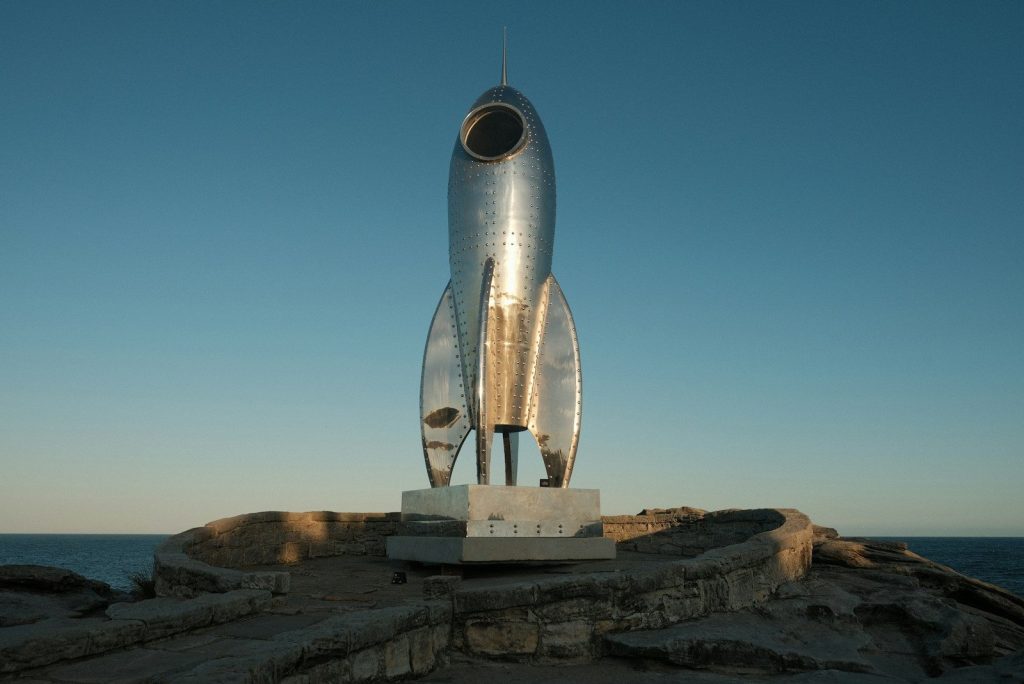
    A statue of a rocket sitting on top of a rock
    Photo by Dominic Kurniawan Suryaputra on Unsplash

    Carrying thousands of tons of cargo and passengers into orbit requires a launch system of unprecedented scale. According to statements from SpaceX, the giant reusable Starship stands nearly four hundred feet tall. It is truly massive. The polished stainless steel hull is designed to fly multiple times in a single day. But traveling across deep space requires a highly complex orbital refueling process.

    Launching The Tanker Ships

    white and brown ship on dock during daytime
    Photo by Marcus Urbenz on Unsplash

    Reaching Mars requires loading fuel into the primary spacecraft while it is still orbiting Earth. According to aerospace engineering logs, specialized tanker ships will carry extra methane and oxygen up to the ship. The connection is precise. This orbital refueling plan ensures the main spacecraft has enough energy to cross the deep void. But surviving the long voyage brings a severe biological challenge.

    Surviving Deep Void Transit

    A lone astronaut conducting a spacewalk with Earth visible in the background.
    Photo by Pixabay on Pexels

    Crews traveling to the red planet face months of intense radiation and microgravity exposure. According to space medicine studies, astronauts must exercise daily to prevent severe bone and muscle decay. The strain is real. The spacecraft must also feature heavy shield zones to protect travelers from sudden solar flares. But landing this colossal metal tower on Mars requires another physical miracle.

    The Thin Air Landing

    A fighter jet soars through a dramatic cloudy sky, highlighting its powerful maneuvers.
    Photo by Ahmad Shakir Shamsulbadri on Pexels

    The Martian atmosphere is incredibly thin and offers very little resistance to slow down heavy incoming spaceships. According to aerodynamic flight models, the vehicle must use a unique belly-flop maneuver to bleed off speed. The drop is terrifying. At the final second, the rocket engines fire vertically to settle the giant hull gently onto the rock. But establishing the base requires immediate resource collection.

    Manufacturing Fuel On Mars

    an aerial view of a large building with a clock on it
    Photo by Willian Justen de Vasconcellos on Unsplash

    Returning to Earth requires manufacturing rocket propellant directly from local planetary resources. According to chemical engineering reports, a specialized reactor will combine carbon dioxide from the air with water from melted ice. This process is genius. This local fuel factory allows the spaceships to launch back home without carrying double the fuel. But growing food in the cold, toxic soil is another hurdle.

    Farming Inside Domes

    a large white building sitting in the middle of a field
    Photo by Roger Starnes Sr on Unsplash

    Mars receives less than half the sunlight of Earth and lacks fertile soil for crops. According to agricultural geologists, early farmers will grow high-yield vegetables inside pressurized hydroponic greenhouse domes. They are highly efficient. This closed-loop farming system will recycle water and nutrients to feed the growing population safely. But organizing this massive colony requires a highly advanced communication network.

    Linking The Red Planet

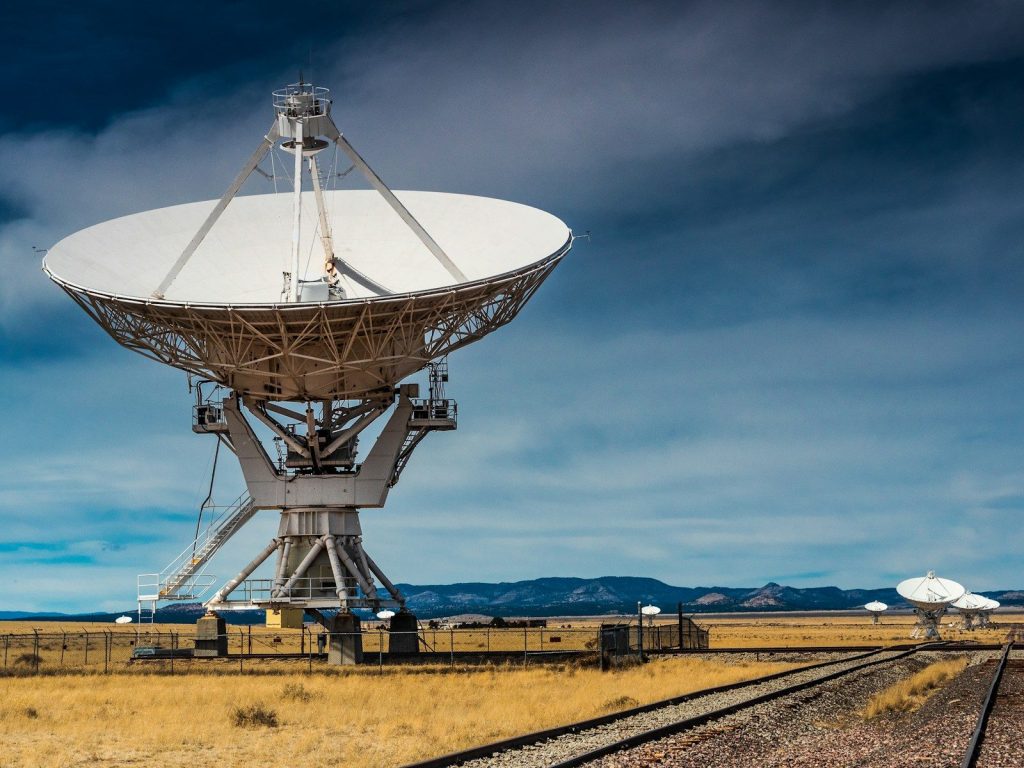
    a very large satellite dish sitting on top of a train track
    Photo by Raychel Sanner on Unsplash

    A network of low-orbit satellites will provide constant high-speed communication across the entire Martian colony. According to telecommunication researchers, these orbital nodes will link research bases and automated farming fields in real time. The connection is stable. This digital network is vital for coordinating emergency operations and tracking local weather events. But the ultimate success of this plan relies on human endurance.

    Becoming A Multiplanetary Species

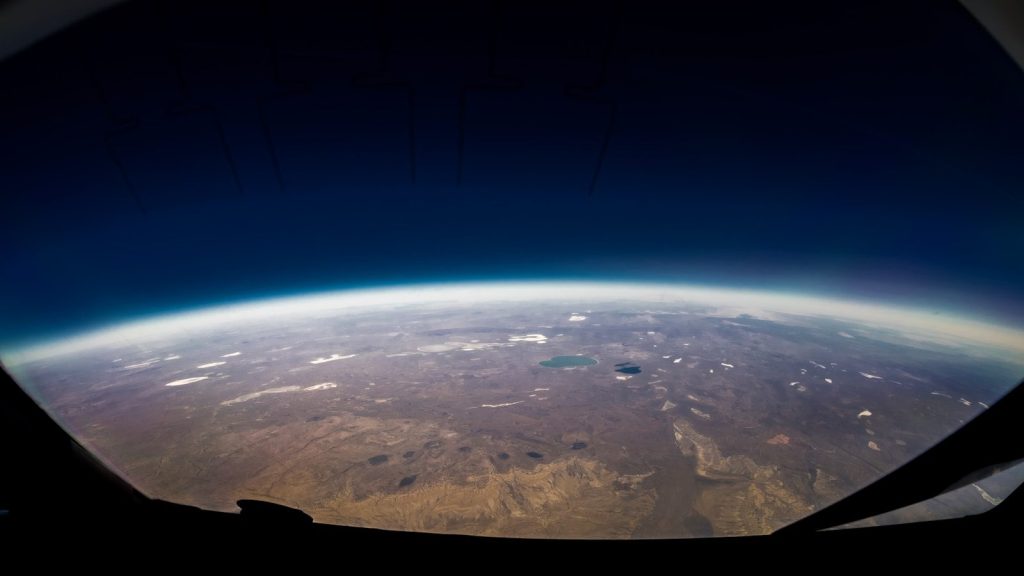
    aerial photo of world
    Photo by Richard Gatley on Unsplash

    Establishing a second home on Mars represents the greatest migration project in human history. According to astrobiologists, securing a presence on another world ensures the long-term survival of our collective knowledge. The future has arrived. This article is for informational purposes only.

    Featured Image: Photo by Zhou Xian on Unsplash

  • Why Humanoid Robots Are Finally Entering Factories

    Why Humanoid Robots Are Finally Entering Factories

    Most manufacturing managers believe that factory automation only requires standard stationary robotic arms. We assume that complex assembly lines are already efficient enough without walking machines.

    But a severe global labor shortage is forcing a major shift in industrial engineering. Designing bipedal humanoids is the only way to fill vacant factory roles without rebuilding existing infrastructure.

    Deploying The First Humanoids

    man in black and gray suit action figure
    Photo by Maximalfocus on Unsplash

    A major robotics developer has officially dispatched bipedal machines to work inside active client factories. According to reports from Tesla, these advanced humanoids are performing real-world assembly tasks alongside human workers. They are highly adaptive. This milestone proves that walking machines are moving from research labs directly onto active production lines. But teaching these machines to navigate busy environments is highly complex.

    Navigating Unstructured Factory Floors

    Car navigation screen showing map and music player
    Photo by Seungmin Yoon on Unsplash

    Traditional industrial robots are bolted to the floor and operate inside highly structured steel cages. According to safety engineering protocols, next-generation humanoids use built-in neural networks to map their surroundings in real time. They walk freely. This onboard brain allows the machine to avoid physical obstacles and navigate uneven surfaces safely. But handling delicate manufacturing tools requires an incredibly precise mechanical hand.

    Mastering Tactile Hand Grip

    A pink prosthetic hand with a fist.
    Photo by Shahabudin Ibragimov on Unsplash

    Squeezing delicate parts without crushing them requires an advanced sensory feedback system. According to materials science studies, the new humanoid hands feature multiple flexible pressure sensors that mimic organic skin. They are incredibly soft. This tactile feedback allows the robotic fingers to adjust their grip automatically based on object weight. But driving these multi-jointed metal limbs demands immense electrical power.

    Engineering High Torque Actuators

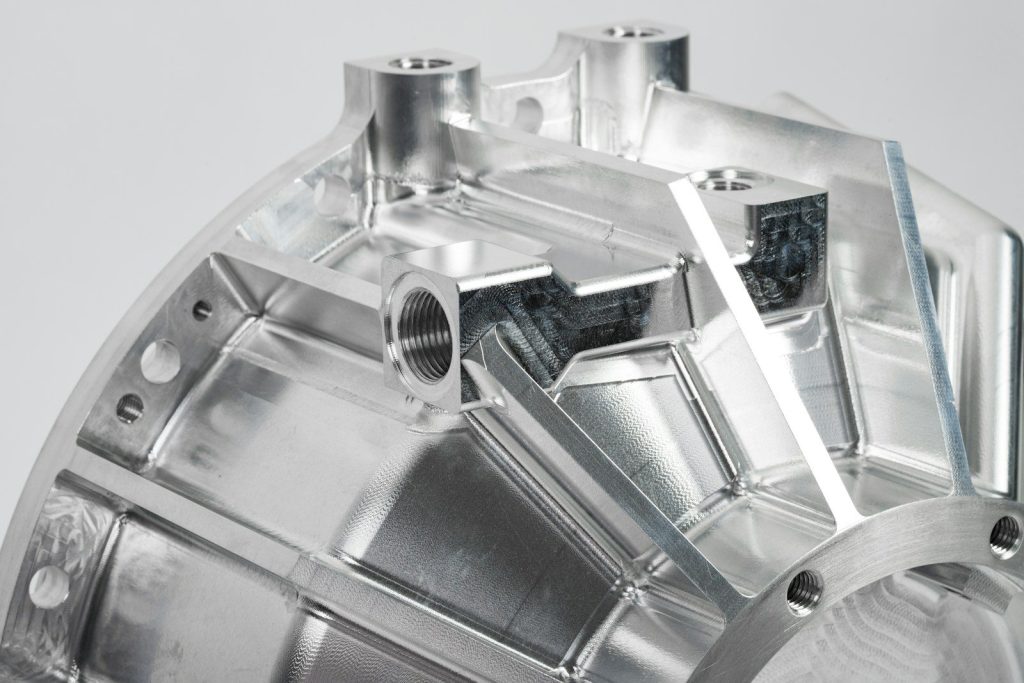
    a close up of a metal object on a white surface
    Photo by mastars MT on Unsplash

    Mimicking the smooth and fluid movements of human joints requires highly specialized electric motors. According to mechanical hardware reviews, developers had to design custom high-torque actuators to rotate the limbs smoothly. The torque is intense. These custom sensors allow the robot to lift heavy loads and balance perfectly on one foot. But guiding these metal limbs requires an advanced software brain.

    Operating On Neural Networks

    two white and black electronic device with wheels
    Photo by Jelleke Vanooteghem on Unsplash

    The robotic brain runs on the same deep learning algorithms that power autonomous self-driving cars. According to artificial intelligence engineers, the humanoid learns constantly by observing human movements and running physical simulations. The software learns daily. This continuous training allows the machine to solve complex physical tasks autonomously in real time. But introducing walking machines raises serious worker safety questions.

    Safe Humanoid Coworker Mechanics

    a close up of a motorcycle
    Photo by Mathew Schwartz on Unsplash

    Heavy industrial machinery traditionally operates behind safety barriers to prevent accidental impacts with nearby humans. According to safety research papers, modern humanoids use advanced force-limiting sensors to halt movement instantly upon touch. The protection is absolute. This safety shield allows humans and walking machines to work side-by-side on the same assembly lines. But the economic impact of this shift is still developing.

    Redefining The Industrial Era

    a city with a river running through it
    Photo by Pavel Inozemtsev on Unsplash

    Deploying humanoid workers will eventually free humanity from dangerous and repetitive physical labor. According to manufacturing historians, this robotic transition represents the next major milestone in our industrial evolution. The future is arriving. This transition will allow humans to focus on creative design rather than pure physical strain. This article is for informational purposes only.

    Featured Image: Photo by Tope J. Asokere on Pexels

  • The Strange Cosmic Object Accelerating Toward Our Sun

    The Strange Cosmic Object Accelerating Toward Our Sun

    Most space enthusiasts assume that all comets behave the same way when approaching the Sun. We believe that these frozen rocks simply melt and release gas trails.

    But a bizarre interstellar traveler is completely shattering these normal expectations. Its strange acceleration and lack of a dusty tail have left astronomers deeply confused.

    Fast Tracking Through Space

    an artist's rendering of a satellite in space
    Photo by NASA Hubble Space Telescope on Unsplash

    Astronomers first detected the fast-moving visitor as it crossed the outer planetary orbits. According to NASA, the object was traveling at over eighty thousand miles per hour. This speed was highly unusual. Its trajectory did not match any local solar system bodies. But this path was about to show an even stranger shift.

    Defying Normal Solar Gravity

    Artistic depiction of the solar system with planets orbiting the sun in space.
    Photo by Zelch Csaba on Pexels

    Space rocks normally slow down as they move further away from the gravitational pull of our sun. According to the European Space Agency, this object actually accelerated as it began its exit. The movement was impossible. No visible gas vents were spraying to explain this sudden speed boost. But researchers soon noticed another baffling feature of the traveler.

    The Missing Comet Tail

    a space station with a large metal object on top of it
    Photo by NASA Hubble Space Telescope on Unsplash

    Standard comets leave a massive trail of melting ice and dust behind them. According to observations from the Hubble Space Telescope, this visitor remained completely clean during its high-speed run. The body was pristine. This lack of a tail ruled out standard outgassing theories entirely. But a prominent Harvard scientist proposed a highly controversial idea.

    The Solar Sail Concept

    black solar panel under red and gray clouds
    Photo by Karsten Würth on Unsplash

    An ultra-thin sail could use stellar light pressure to propel a vehicle through the dark void. According to research from Harvard University, the object shape and movement match the profile of an artificial sail. The theory was wild. This suggested the traveler might be an active probe from another star system. But other astronomers quickly sought a natural explanation.

    Trapped Nitrogen Gas Vents

    a large white machine with a monitor
    Photo by Mezidi Zineb on Unsplash

    Some researchers argue that invisible gas vents could push the object forward without creating dust clouds. According to planetary geologists, solid nitrogen ice can evaporate cleanly under solar heat. The gas runs silent. This natural rocket effect would bypass the need for a dusty trail. But proving this theory required analyzing the bizarre shape of the body.

    Shaped Like A Needle

    a close up of a computer chip
    Photo by Mohammad Amin on Unsplash

    The physical dimensions of the traveler did not match any asteroid we had ever seen. According to deep space tracking models, the object was extremely long and thin. It looked highly engineered. This needle shape is ideal for minimizing damage from interstellar dust during long transits. But the target destination of this visitor remains a mystery.

    Listening For Quiet Signals

    a large metal structure in a field
    Photo by Yifu Wu on Unsplash

    Scientists pointed massive radio dishes at the receding coordinates to catch any electronic broadcasts. According to the SETI Institute, researchers monitored the object for several days to detect an active hum. The silence was absolute. While no transmissions were caught, the mystery of its true nature remains unsolved. But we are already preparing for the next cosmic visitor.

    Expanding Our Cosmic Horizon

    Sunrise over a mountain range with dark silhouettes.
    Photo by Wolfgang Hasselmann on Unsplash

    This interstellar traveler proved that our universe is filled with unmapped wonders. According to astronomers, studying these fleeting cosmic visitors expands our understanding of planetary systems. We must keep watching. This article is for informational purposes only and does not constitute professional scientific advice.

    Featured Image: Photo by NASA Hubble Space Telescope on Unsplash

  • The Bizarre Chemical Activity Shocking Venus Researchers

    The Bizarre Chemical Activity Shocking Venus Researchers

    Most space lovers assume that Venus is just a boiling desert of toxic acid and crushed rocks. We believe that no active biological processes could ever survive on its scorching surface.

    But a shocking chemical discovery in the upper clouds has challenged this planetary assumption. Scientists have detected a volatile gas that normally requires living organisms to exist.

    Sifting Through Venusian Clouds

    black flat screen computer monitor
    Photo by CDC on Unsplash

    The atmosphere of Venus is notoriously hostile to standard human exploration tools. According to reports from the European Space Agency, sensitive spectrometers analyzed the light reflecting off the thick cloud decks. The data was bizarre. They detected high concentrations of a rare gas called phosphine. But explaining how this gas got there would trigger a massive scientific debate.

    The Phosphine Gas Enigma

    a person in a lab coat
    Photo by Toon Lambrechts on Unsplash

    Phosphine is a highly toxic and reactive chemical that degrades rapidly under intense solar radiation. According to biochemical research papers, this gas on Earth is only produced by anaerobic microbes or industrial factories. It is extremely volatile. This means a constant source must be actively replenishing the gas in the Venusian sky. But volcanoes could be playing a hidden role.

    Extreme Volcanic Outgassing Theories

    brown and black rock formation
    Photo by USGS on Unsplash

    Skeptics argue that intense geological activity deep beneath the crust could generate the rare gas. According to planetary geologists, massive active volcanoes might push deep phosphorus compounds up into the atmosphere. The pressure is immense. This natural explanation would bypass the need for any living organisms entirely. But other researchers found the volcanic models did not fit the math.

    The Math Fails Experts

    A control panel in a building at night
    Photo by Patrick Konior on Unsplash

    Calculating the volcanic output showed that geological events cannot produce enough gas to match the readings. According to a study published in Nature Astronomy, the measured chemical levels are far too high for simple volcanic venting. The gap is massive. This mismatch suggests that a much more active and unexplained force is shaping the sky. But tracking this change requires launching direct missions.

    Specialized Robotic Flying Probes

    Hot air balloon with earth design against blue sky
    Photo by Reggie B on Unsplash

    Space agencies are now designing advanced balloon probes to sail through the clouds of Venus directly. According to NASA mission plans, these robotic explorers will harvest clean gas samples from the troposphere. The race is on. This environment maintains comfortable temperatures and pressures that are remarkably similar to Earth. But the final proof requires bringing samples back to our labs.

    Protecting Pristine Alien Environments

    man in white dress shirt holding clear plastic bottle
    Photo by Mufid Majnun on Unsplash

    Human probes risk carrying Earth microbes that could contaminate a fragile alien ecosystem. According to space preservation protocols, maintaining strict sterilization standards is absolutely vital for accurate science. The threat is real. A single stray bacterium could ruin decades of planetary research. But this cosmic search is already changing how we view the universe.

    Expanding Our Chemical Horizons

    silhouette of mountains under milky way galaxy
    Photo by Robson Hatsukami Morgan on Unsplash

    Discovering active chemistry in the clouds of Venus proves that habitable zones can exist in unexpected places. According to astrobiologists, our neighbor might hold the key to understanding how life adapts to extreme environments. Nature holds many surprises. This article is for informational purposes only and does not constitute professional scientific advice.

    Featured Image: Photo by Zelch Csaba on Pexels