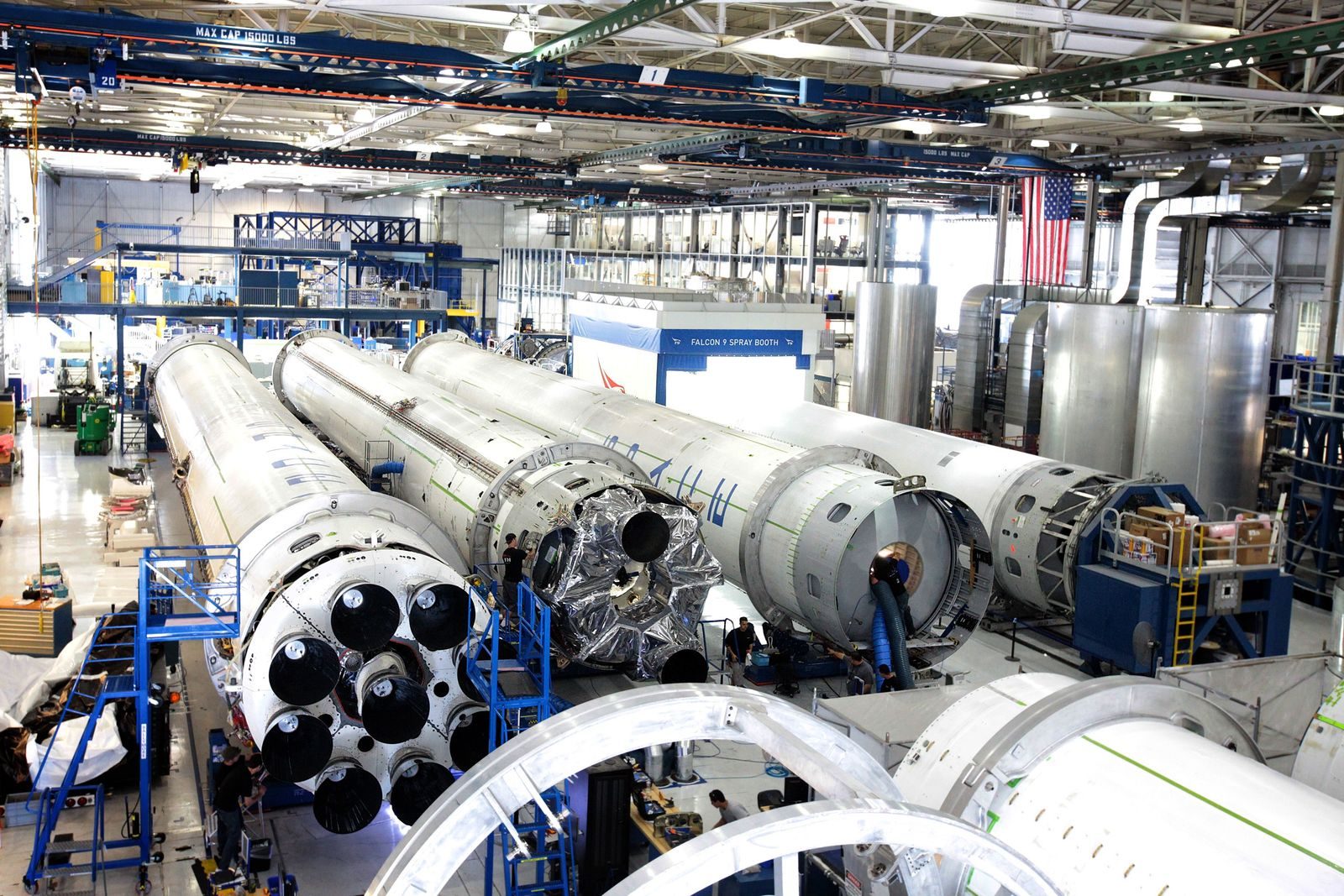
Most space lovers assume rocket launch pads are just simple concrete platforms in the desert. We believe space agencies only use these facilities for temporary flight missions.
But a massive futuristic city in southern Texas is completely disrupting this idea. This high-tech settlement is actively transforming how humanity builds a multiplanetary future.
The Birth Of Starbase
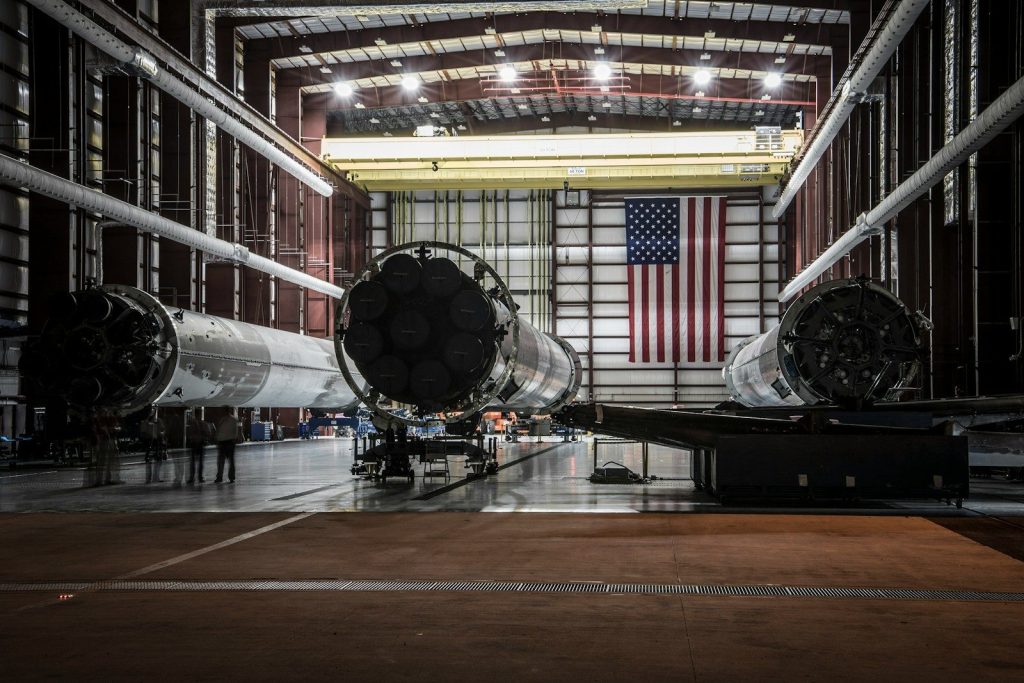
Deep in a remote coastal town, a giant aerospace kingdom is rising from the sand dunes. According to reports from SpaceX, this dedicated facility handles everything from initial steel welding to final launches. The scale is monumental. This unified setup allows engineers to test complex rocket prototypes faster than any traditional space agency. But building this steel empire required taking a massive geographical risk.
Forging Giant Steel Rockets
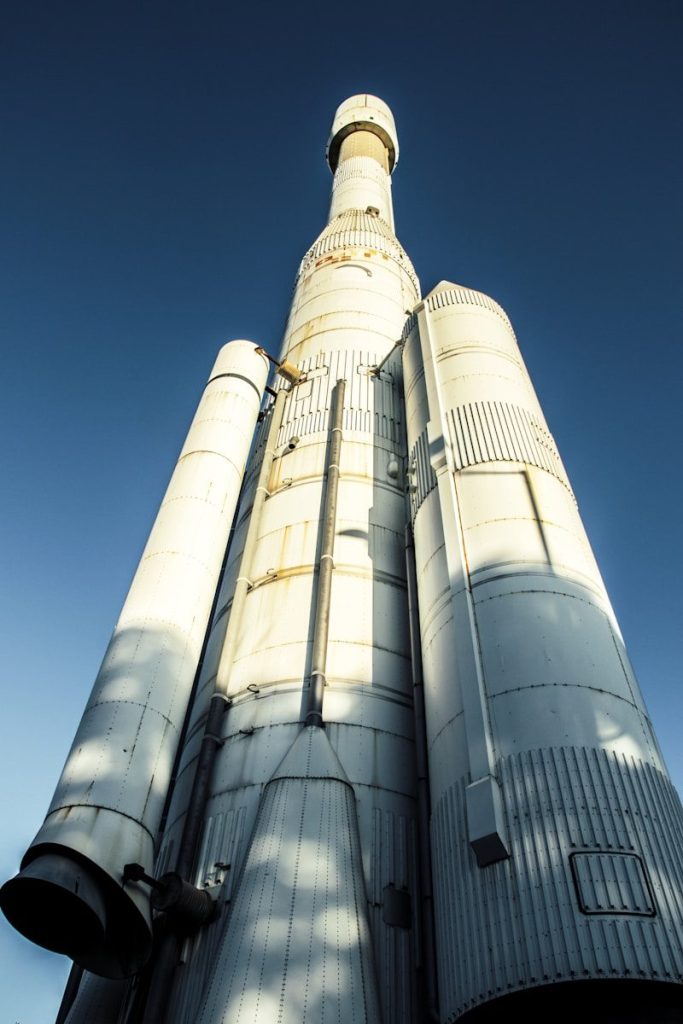
Standard rockets are built from incredibly expensive and delicate carbon materials in pristine labs. According to aerospace engineering logs, Starbase developers chose to construct their gargantuan spacecraft out of common stainless steel. It is remarkably tough. This durable alloy can survive extreme atmospheric friction without cracking. But launching these heavy metal giants requires an unprecedented amount of thrust.
Powering The Starship Boosters
The massive launch tower supports a booster fueled by liquid methane and oxygen. According to structural propulsion audits, the rocket engine system generates twice the thrust of the historic Saturn Five. The roar is deafening. This fuel mixture is critical because engineers can eventually manufacture it directly on other planets. But returning these giant boosters safely to earth required a bizarre invention.
The Mechanical Tower Catch
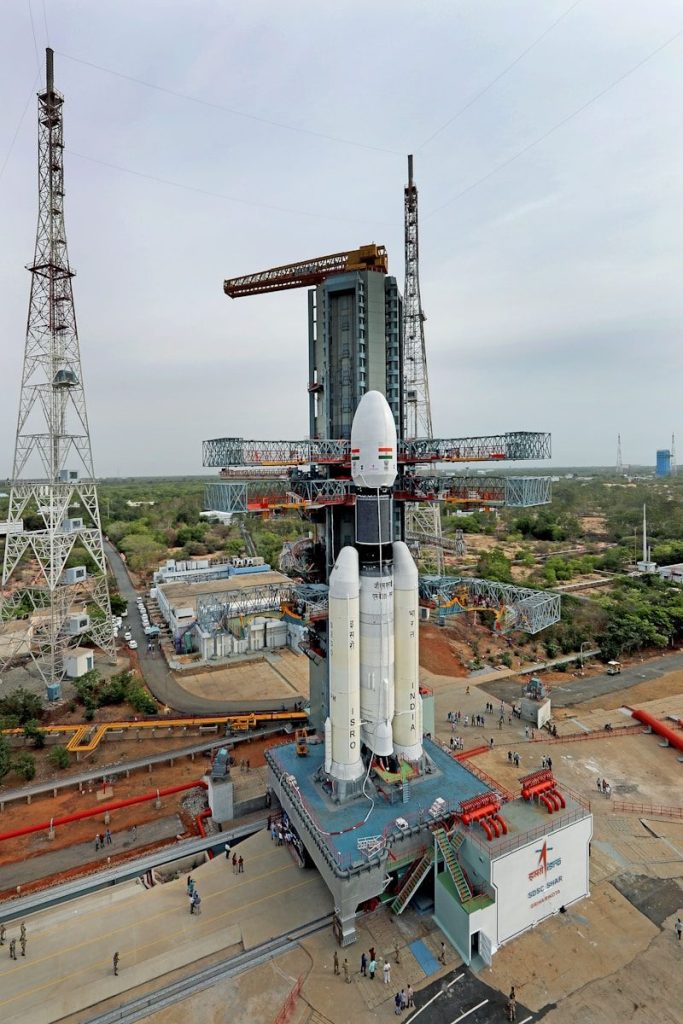
Instead of landing on heavy metal legs, the falling rocket booster is caught in midair. According to launch facility designs, massive steel arms on the tower grab the vehicle before it touches the ground. The maneuver is unbelievable. This revolutionary catch eliminates the weight of the landing gear entirely. But preparing the rocket for its next flight introduces another massive speed advantage.
Rapid Flight Turnaround Times
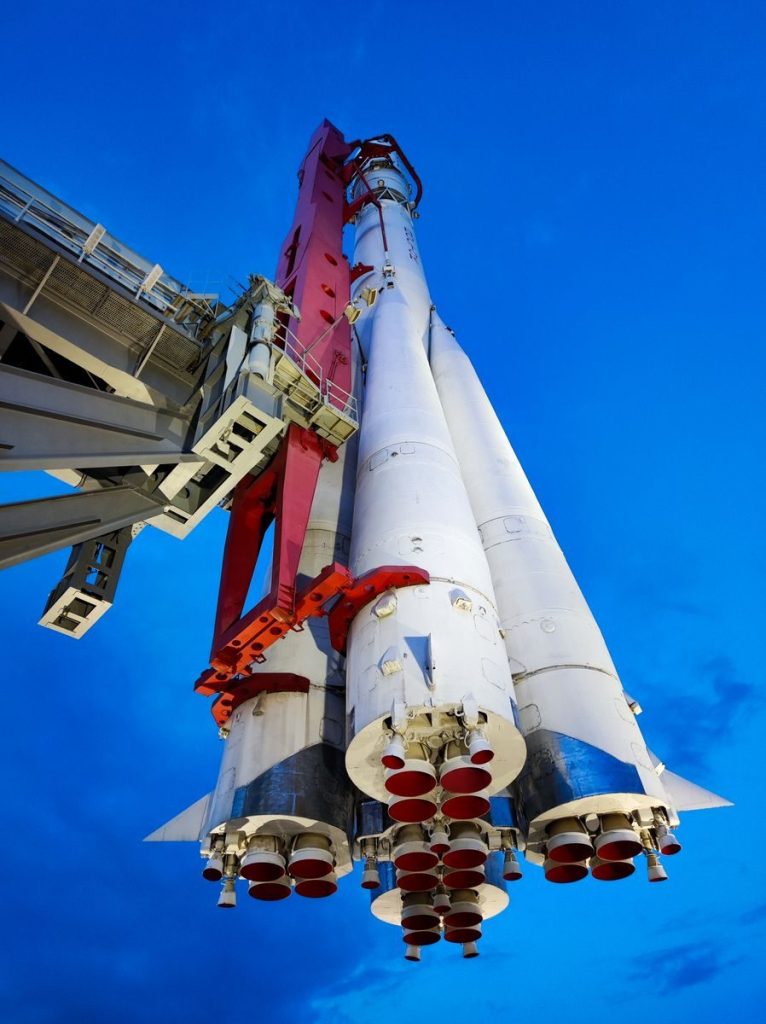
Reusing heavy rocket hardware immediately after landing drops launch costs to historic lows. According to orbital flight studies, reusing these steel boosters can slash the price of space travel by ninety percent. The savings are historic. This efficiency will allow scientists to launch multiple missions in a single day. But this rapid transit network is actually built for a far more distant target.
Protecting Deep Space Crews
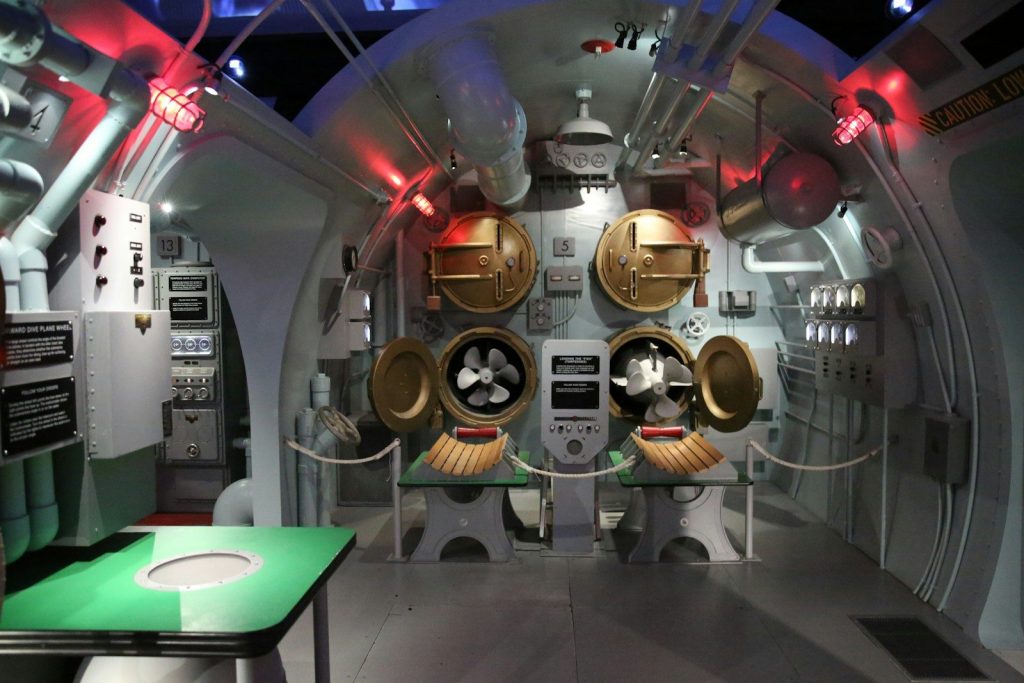
Interplanetary travel exposes human travelers to highly toxic solar winds and cosmic rays. According to cosmic radiation papers, the steel hulls must utilize specialized storm shelters to keep passengers safe. The danger is invisible. These shielding zones will protect astronauts during intense solar storms on the journey. But surviving the final landing on a dusty planet requires managing extreme planetary friction.
Landing On Red Sand
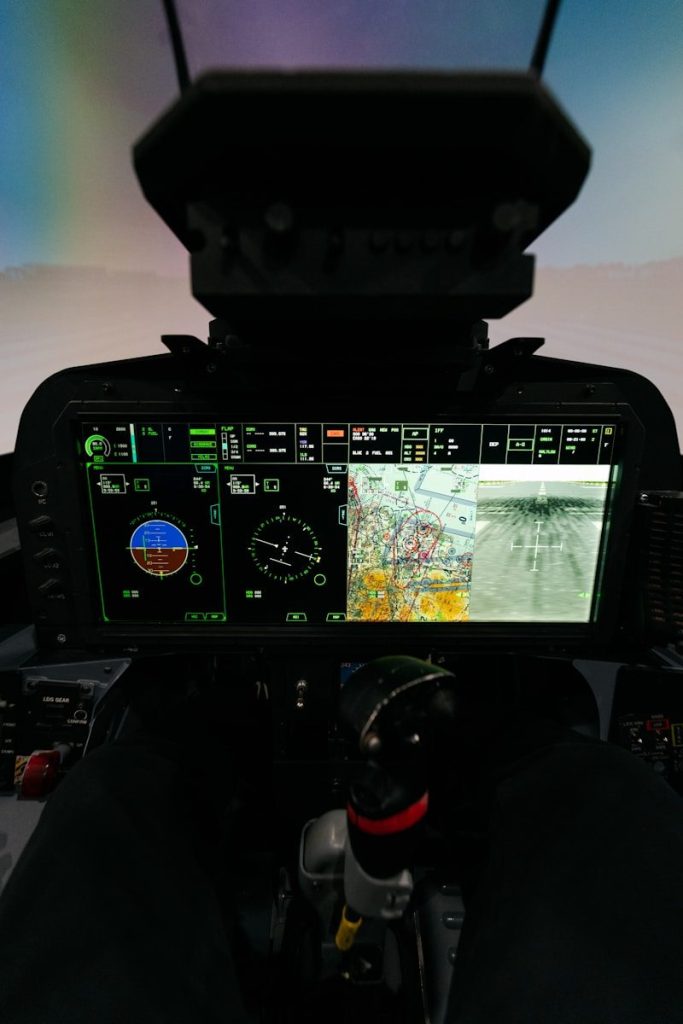
Navigating a heavy spacecraft down through thin alien air requires high-tech automated guidance systems. According to planetary navigation plans, the vehicle will use vertical retro-propulsion to settle gently on the sand. The execution is precise. This landing method ensures that crews can build bases without needing long concrete runways. But this robotic city is already transforming how we view the future of transport.
Building For Outer Worlds
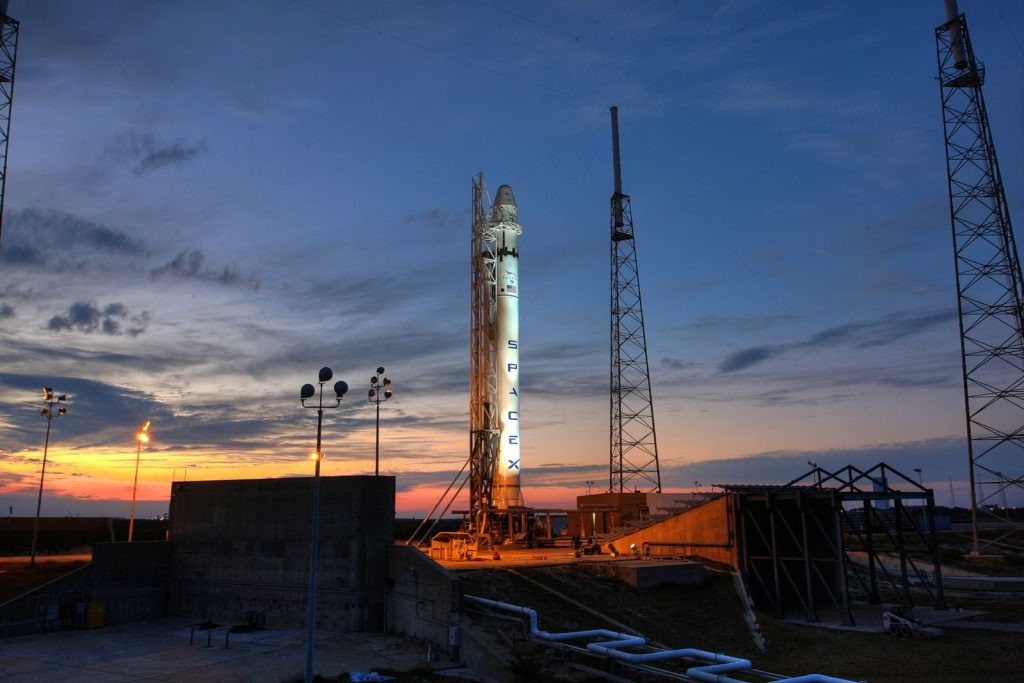
The massive Texas Starbase proves that human spaceflight is entering a rapid industrial era. According to space researchers, establishing these giant launch networks is the first step toward exploring other star systems. The journey has started. This article is for informational purposes only.
Leave a Reply