Author: Dylan

  • How Simple Charging Habits Can Double Your Battery Lifespan

    How Simple Charging Habits Can Double Your Battery Lifespan

    Most smartphone users believe that charging a phone to maximum capacity is the best habit. We assume that keeping our device at one hundred percent ensures optimal daily performance.

    But keeping your battery fully charged actually causes severe long-term degradation. Chemical engineers have discovered that this common practice places immense physical stress on the device.

    Understanding Lithium Chemistry

    Abstract molecular structure with glowing nodes
    Photo by Logan Voss on Unsplash

    Modern portable electronics run on dense lithium-ion cells that behave like chemical sponges. According to researchers at Argonne National Laboratory, forcing these cells to maintain maximum voltage causes the internal chemistry to break down rapidly. Safety is a major concern. This internal structural decay reduces the total energy capacity of your device. But a secondary threat is quietly accelerating this destruction.

    The Overnight Heat Trap
    Abstract colorful wavy lines with glitch effect
    Photo by Egor Komarov on Unsplash

    Leaving a phone plugged into the wall overnight forces a continuous cycle of trickle charging. According to electronic safety reports from battery manufacturers, this constant energy flow generates localized heat pockets that bake the hardware. Heat destroys electronics. This prolonged thermal exposure permanently warps the delicate plastic separators inside your battery core. But there is a specific target range that can halt this process.

    Finding The Sweet Spot

    a close up of a cell phone's display screen
    Photo by Brett Jordan on Unsplash

    Shifting your daily power routine can easily double the operating lifespan of your device. According to clean energy studies by battery laboratory technicians, maintaining a charge between thirty and eighty percent is ideal. It is remarkably simple. This balanced electrical state completely avoids the high voltage zones that trigger structural cracking. But getting humans to change their daily habits remains a massive struggle.

    Smart Operating Systems

    person holding low battery smartphone
    Photo by Alexander Andrews on Unsplash

    Device manufacturers are actively designing smart software solutions to protect batteries from their owners. According to software logs from Google, modern mobile systems now include smart settings that limit overnight charging automatically. This feature is brilliant. The software tracks your sleep schedule and delays the final charge until right before you wake up. But another major hardware trend is introducing new dangers.

    Fast Charging Risks

    Person uses phone to control electric vehicle charger.
    Photo by go-e on Unsplash

    High-wattage fast chargers are incredibly popular, but they come with a severe physical trade-off. According to technical hardware trials by battery safety associations, pushing high currents into a cell creates intense friction. Speed has consequences. This rapid charging method should only be reserved for emergency situations when you need quick power. But extreme temperature changes can also come from your daily environment.

    Freezing Environmental Limits

    black car on road during daytime
    Photo by Ömer Haktan Bulut on Unsplash

    Cold winter weather poses a severe hidden threat to the internal chemistry of your phone. According to mobile support documentation from leading tech firms, exposing a battery to freezing temperatures halts normal ion movement. Protect your hardware. Leaving your device in a freezing car overnight can result in permanent capacity loss in a matter of hours. But a few simple charging adjustments can keep your phone healthy for years.

    Safe Charging Habits
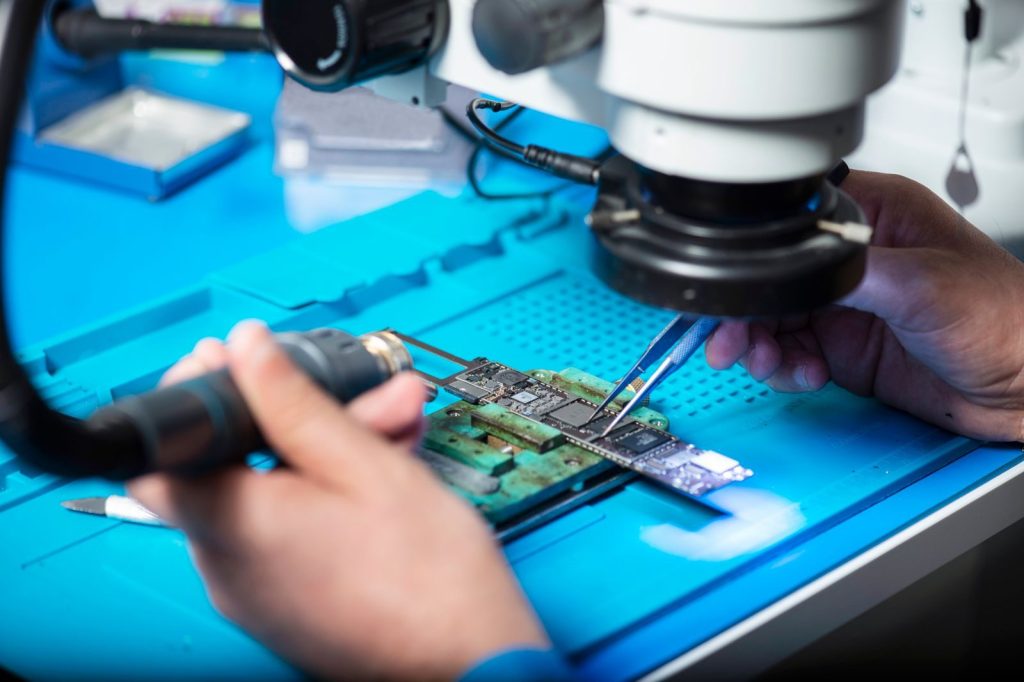
    Close-up of technician repairing electronic circuit board under a microscope in Toronto lab.
    Photo by Jacob Yavin on Pexels

    Small adjustments to your daily routine are the easiest way to avoid expensive replacement costs. According to consumer hardware technicians, avoiding extreme temperatures and keeping your phone cool are highly effective preventative steps. Maintenance is crucial. This article is for informational purposes only.

    Featured Image: Photo by Amanz on Unsplash

  • The Invisible Ocean Creature Vanishing Right Before Your Eyes

    The Invisible Ocean Creature Vanishing Right Before Your Eyes

    Most animal lovers assume that camouflage requires staying perfectly still. We believe that predators can easily spot any prey that attempts to run.

    But a bizarre marine creature has mastered the art of active invisibility. Its body completely vanishes into thin air while it is actively swimming.

    The Ghost of the Shallows

    white and green coral reel
    Photo by Ishan @seefromthesky on Unsplash

    Marine biologists filming near shallow coral reefs captured an incredibly rare evolutionary defense mechanism. According to a study by the University of Queensland, a tiny cephalopod can alter its skin pattern in milliseconds. They are highly stealthy. The animal can blend into any background while moving at maximum speed. But the physical science behind this trick is what truly shocks researchers.

    Millions Of Color Cells

    white and black abstract painting
    Photo by National Cancer Institute on Unsplash

    The creature’s skin is packed with specialized organs that act like high-definition television pixels. According to cellular biology reports, these microscopic structures are called chromatophores. They are incredibly small. By contracting tiny muscles, the animal can instantly change its color, texture, and light reflection. But this active color change is only the first part of their defense.

    Polarizing The Light Waves

    An underwater view of a sandy beach under water
    Photo by Aishwarya MV on Unsplash

    The stealthy animal can manipulate the way light waves bounce off its wet skin. According to marine optics research, the creature uses specialized cells to polarize surrounding light. The effect is stunning. This physical manipulation makes the body virtually invisible to predators with advanced underwater vision. But scientists wanted to see how the brain controls this speed.

    Speed Of Human Thought

    aerial photograph of cable bridges
    Photo by Raphael Schaller on Unsplash

    Controlling millions of color cells requires an incredibly complex nervous system. According to neurobiology studies, the creature’s brain bypasses traditional chemical signals to send direct electrical impulses to its skin. It is instant. This rapid connection allows the animal to match complex backgrounds faster than a human can blink. But this biological technology is now inspiring human engineers.

    Designing Active Camouflage

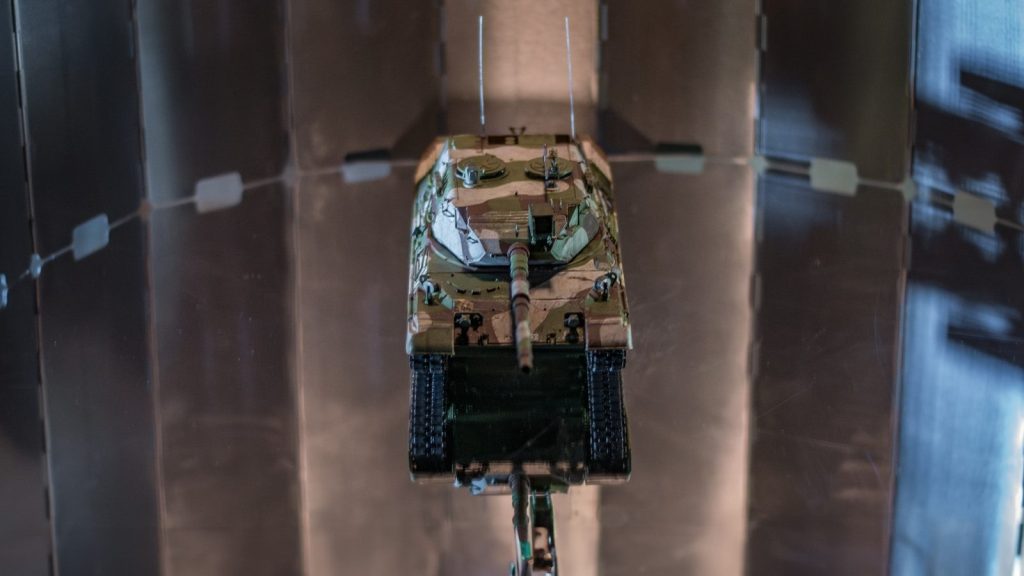
    A military tank is hanging on the ceiling.
    Photo by Matias Luge on Unsplash

    Military researchers are studying these invisible creatures to build advanced cloaking technology for vehicles. According to materials science reports, engineers are creating flexible screens that mimic cephalopod skin. The goal is ambitious. These systems could allow vehicles to blend into any landscape in real time. But replicating millions of years of natural evolution is a massive challenge.

    Limits Of Human Tech

    man holding black DSLR camera
    Photo by jesse orrico on Unsplash

    Modern technology still struggles to match the extreme efficiency of natural organic systems. According to robotics engineers, our best flexible displays require massive amounts of electricity and heavy external processors. Nature is far superior. The tiny ocean creature uses almost zero energy to achieve perfect invisibility. But this delicate species is facing a brand new threat in the wild.

    Protecting Our Hidden Wonders

    A stunning view of a vibrant coral reef ecosystem captured underwater.
    Photo by Saad Alaiyadhi on Pexels

    Shifting ocean chemistry is threatening the delicate habitats where these invisible creatures thrive. According to marine conservationists, protecting these reefs is vital to preserving our planet’s greatest evolutionary marvels. We must act quickly. This article is for informational purposes only.

    Featured Image; Photo by David Clode on Unsplash

  • The Terrifying Deep Ocean Sound Baffling Navy Scientists

    The Terrifying Deep Ocean Sound Baffling Navy Scientists

    Most ocean explorers believe that the deep sea is a completely silent desert. We assume that the pitch-black water column holds nothing but quiet currents.

    But a bizarre noise recorded over one thousand meters down has shocked acoustic experts. This unexplained sound suggests that something massive is moving in the deep.

    Echoes In The Abyss

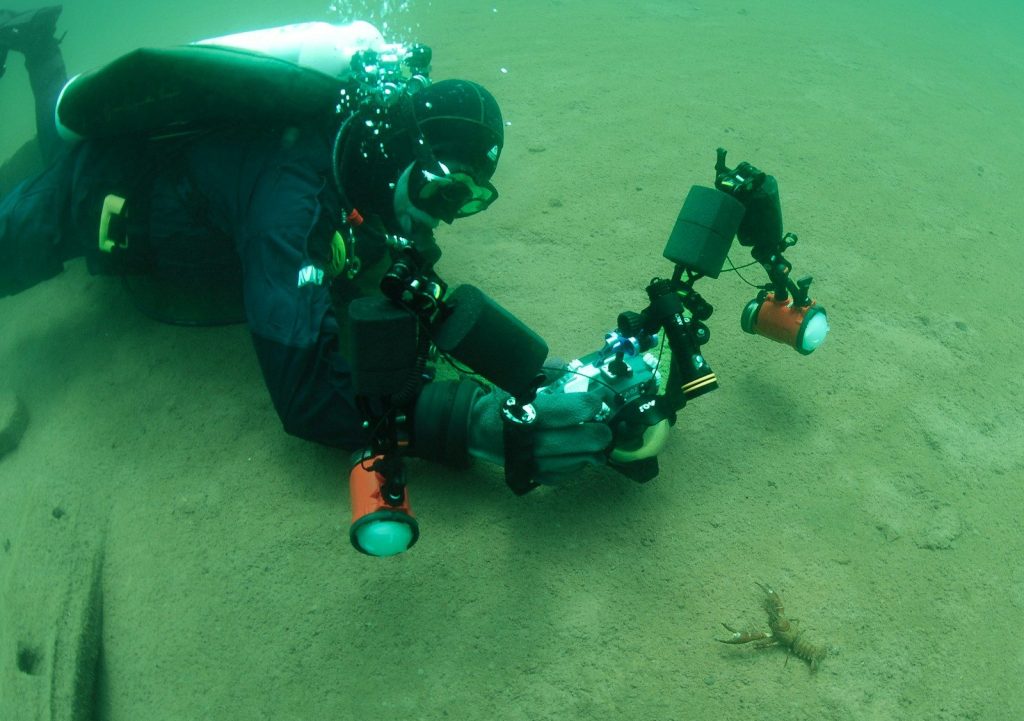
    A scuba diver films underwater with specialized equipment.
    Photo by Niklas Jonasson on Unsplash

    Specialized underwater hydrophones captured a bizarre acoustic signature during a routine marine survey. According to reports from the National Oceanic and Atmospheric Administration, the sound was incredibly loud and low. It was deeply unsettling. The noise vibrated through the water for hundreds of miles before fading into the background. But researchers could not find any known animal that could produce this sound.

    Rejecting Giant Whales

    a humpback whale swims beneath the surface of the water
    Photo by Oliver Tsappis on Unsplash

    Biologists immediately compared the strange recording to the calls of massive blue whales. According to marine biology studies, even the largest whales cannot produce frequencies this deep and sustained. They are too quiet. The structure of the sound wave pointed to an object of truly immense proportions. But the search for the source led to an even stranger theory.

    Shifting Volcanic Faults

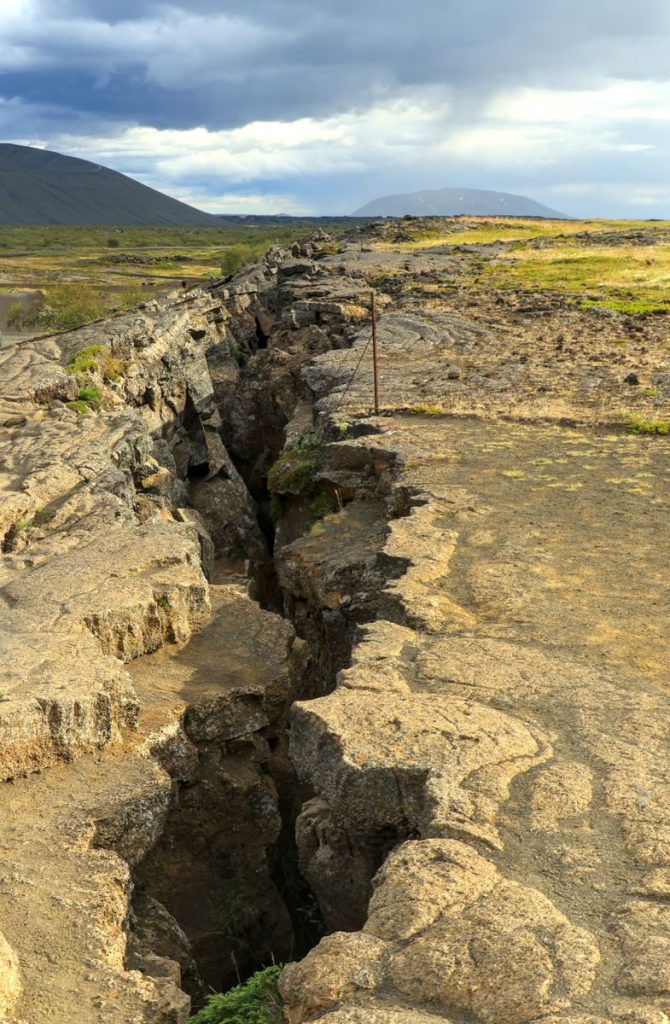
    Explore the rugged terrain of a dramatic geological rift on an island under a moody sky.
    Photo by Jan Schwebel on Pexels

    Some geologists suggested that the noise was caused by sudden movements along tectonic plates. According to seismic research papers, underwater earthquakes and volcanic eruptions can release massive bursts of acoustic energy. The ground shakes. However, the recorded sound had a highly rhythmic pattern that did not match natural seismic waves. But this mystery was about to catch the attention of military researchers.

    The Navy Hydrophone Array

    man in black jacket standing in front of black and gray industrial machine
    Photo by NOAA on Unsplash

    Secret military listening posts tracked the strange signal across the Pacific Ocean basin. According to declassified naval intelligence files, the sound was detected by defense arrays designed to monitor foreign submarines. It was highly stealthy. The speed and movement of the source suggested it was not a mechanical vessel. But identifying this silent traveler required looking at historical records.

    The Famous Bloop Sound

    a blurry image of a square shaped object
    Photo by and machines on Unsplash

    This current mystery is not the first time the ocean has released unexplained sounds. According to acoustic historians, a legendary sound called the Bloop baffled military scientists back in the late nineties. The noise was massive. Researchers spent years debating whether the sound came from an undiscovered giant sea creature. But a dramatic discovery near Antarctica offered a potential answer.

    Cracking Glacial Walls

    Icebergs float in the ocean with snow-capped mountains behind.
    Photo by Dave Meckler on Unsplash

    Scientists eventually discovered that cracking glaciers can produce massive low-frequency sounds. According to polar research teams, giant icebergs scraping against the ocean floor release acoustic energy that mimics organic calls. The ice is powerful. This natural event can easily fool underwater microphones thousands of miles away. But the current deep-sea sound is behaving very differently.

    Rhythmic Oceanic Pulses

    a close up of a blue screen on a machine
    Photo by Julio Gutierrez on Unsplash

    The new recording features a highly organized pulse that repeats at exact intervals. According to marine acoustic analysts, this rhythmic behavior is incredibly rare for simple cracking ice. It feels alive. This unique pattern has forced scientists to continue monitoring the deepest trenches of the ocean. But the search for the truth is facing extreme natural limits.

    Secrets Of The Deep

    yellow and black gas lamp
    Photo by NOAA on Unsplash

    The deep ocean remains the least explored environment on our entire planet. According to oceanographers, over ninety percent of the seafloor still remains completely unmapped and silent. It is a mystery. Nature still guards many secrets down in the dark. This article is for informational purposes only.

    Featured Image: Photo by Max Gotts on Unsplash

  • How Quantum Physics Is Quietly Reversing the Arrow of Time

    How Quantum Physics Is Quietly Reversing the Arrow of Time

    Most of us believe that time only moves in one forward direction. We assume that a broken glass can never assemble itself back together.

    But physicists have successfully reversed time on a microscopic scale. This breakthrough experiment is challenging our most basic laws of the universe.

    Bending The Laws Of Physics

    an abstract image of a circle with balls
    Photo by Brecht Corbeel on Unsplash

    A team of quantum physicists has achieved what was once considered completely impossible. According to a study published in Communications Physics, researchers successfully sent a single subatomic particle backward in time. The process was delicate. By manipulating quantum states, they forced the particle to return to its original starting position. But scaling this project up would require an entirely different level of technology.

    The Quantum Computer Lab

    Detailed view of computer motherboard featuring RAM, chipset, and wiring.
    Photo by Valentine Tanasovich on Pexels

    The experiment required the use of highly advanced quantum computer processors to control the particles. According to reports from the Moscow Institute of Physics and Technology, scientists used an electron state to simulate the time reversal. It worked flawlessly. The team managed to reverse the natural decay of the system in a fraction of a second. But this laboratory success raised immediate questions about real-world applications.

    Erasing Computing Mistakes

    Matrix movie still
    Photo by Markus Spiske on Unsplash

    This time-bending technology could soon be used to eliminate errors in modern processing. According to software engineering logs, quantum computers often make tiny calculation mistakes due to external interference. The system is fragile. Reversing time on a single qubit could allow computers to self-correct their errors instantly. But the team still had to overcome a massive physical barrier.

    The Entropy Problem

    Dazzling fireworks burst in the night sky with vibrant colors and energetic trails.
    Photo by Selvin Esteban on Pexels

    Natural laws dictate that the universe always moves from order to chaos. According to thermodynamics studies, reversing time requires a massive injection of external energy to overcome natural decay. The energy was immense. This physical law is why we cannot easily reverse larger objects in our daily lives. But scientists are already looking for ways to bypass this cosmic rule.

    Creating Artificial Microstates

    Intricate machinery inside CERN's Large Hadron Collider in Geneva, Switzerland.
    Photo by Pietro Battistoni on Pexels

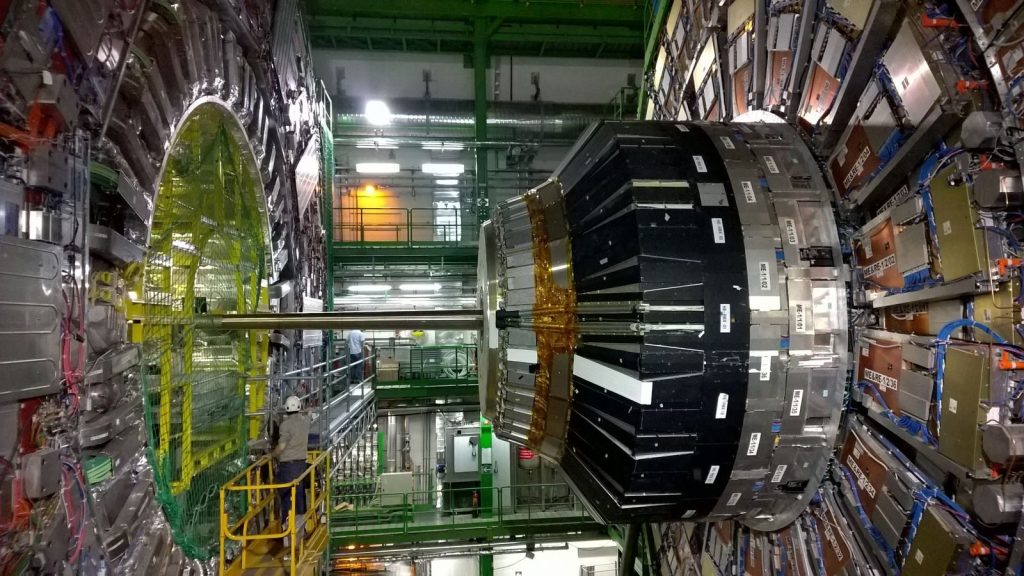
    Researchers are designing specialized quantum environments where the laws of thermodynamic decay do not apply. According to theoretical physicists, these microscopic chambers isolate particles from the rest of the universe. They are completely quiet. Inside these zones, the arrow of time behaves in highly unpredictable ways. But this strange phenomenon is opening up a brand new field of science.

    Rethinking Cosmic Rules

    A mesmerizing view of the starry night sky with a cosmic nebula effect, enhancing the celestial ambiance.
    Photo by Engin Akyurt on Pexels

    This breakthrough forces scientists to question whether time is a fundamental reality or a clever illusion. According to a research study from the University of Vienna, the flow of time might simply be a statistical trend rather than a strict physical law. The universe is mysterious. This realization could change how we design everything from computers to space engines. But the ultimate limits of time travel remain clear.

    The Future Of Quantum Time

    Abstract digital artwork showcasing a colorful, geometric design with depth and intricate detail.
    Photo by Pachon in Motion on Pexels

    While we will not be traveling to the past anytime soon, quantum physics is redefining what is possible. According to research teams, understanding time reversal will lead to ultra-fast computers and revolutionary biological scanning tools. Progress is happening quickly. This article is for informational purposes only and does not constitute professional scientific advice.

    Featured Image: Photo by ACatInABox on Unsplash

  • The Ancient Stone Carvings Hiding Impossible Technology

    The Ancient Stone Carvings Hiding Impossible Technology

    Most historians assume that ancient art only reflects simple daily lives. We believe early sculptors carved what they saw in their primitive worlds.

    But several bizarre stone carvings seem to show highly advanced tools. These strange artifacts depict technology that should not exist in our past.

    The Bizarre Mayan Reliefs

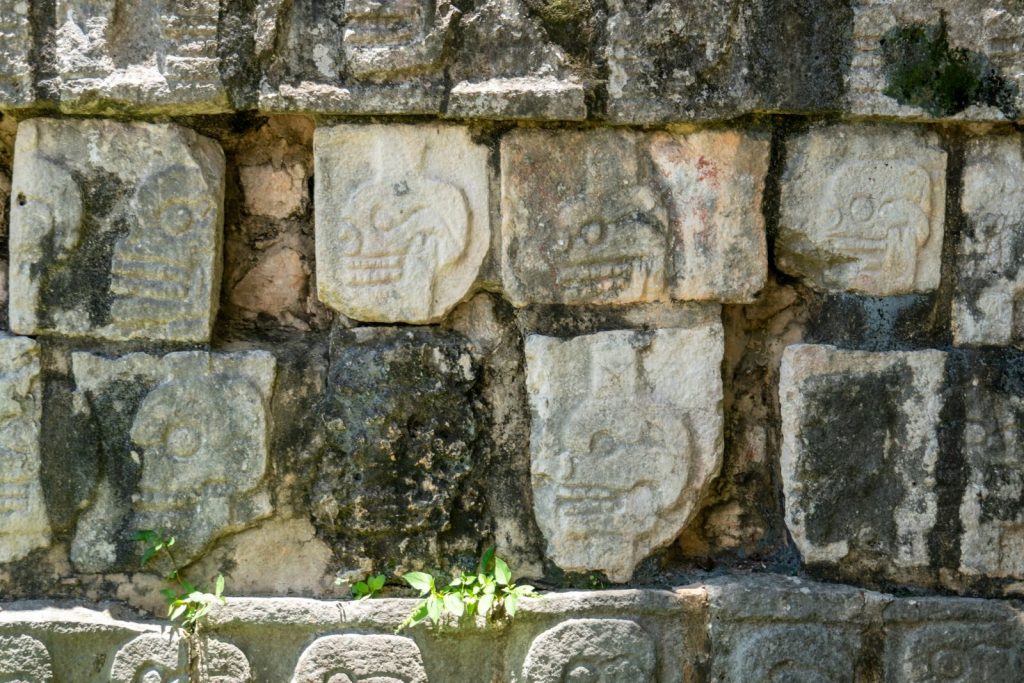
    Detailed close-up of ancient Mayan stone wall with carved skulls at Chichén Itzá, Mexico.
    Photo by Ollie Craig on Pexels

    Deep in the Mexican jungle, archeologists found ancient Mayan carvings with bizarre details. According to the National Institute of Anthropology and History, one famous limestone slab depicts a king surrounded by strange mechanical parts. The design is complex. Some observers claim the relief looks like a pilot inside a modern space capsule. But researchers quickly sought a more scientific explanation for the carvings.

    Symbolic Royal Journeys

    Close-up of intricate stone carvings depicting Hindu mythology at Eklingji Temple, Rajasthan.
    Photo by Hemant Singh Chauhan on Pexels

    Mainstream scholars argue that the strange machinery is actually highly symbolic religious art. According to Mayan cultural experts, the carvings depict a king traveling through the underworld on a cosmic tree. It is a myth. The apparent buttons and tubes are actually sacred symbols representing life and death. But another discovery in Asia would challenge this symbolic view.

    The Indian Temple Gears

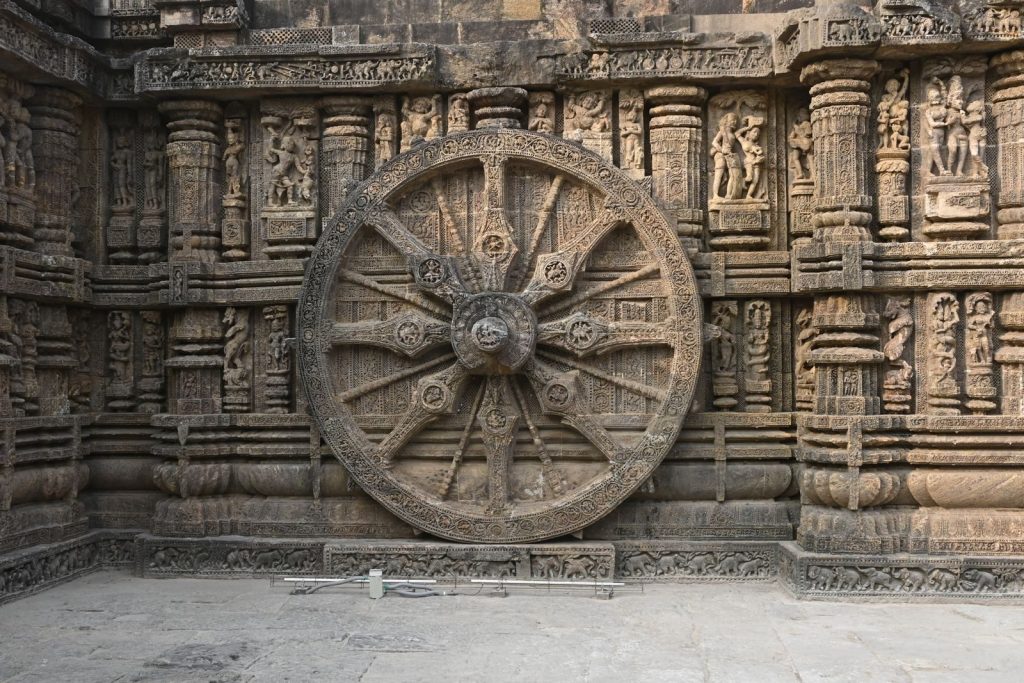
    Detailed view of a carved stone wheel at Konark Sun Temple, showcasing ancient Indian art.
    Photo by manas patra on Pexels

    Stone carvings in ancient Indian temples seem to show precise interlocking gear systems. According to architectural surveys in Karnataka, these detailed designs predate modern industrial machinery by hundreds of years. The carvings are perfect. Skeptics struggle to explain how ancient artists could imagine such precise mechanical configurations. But the mystery deepens when looking at the tools they used.

    Metal Harder Than Stone

    Close-up of an artisan crafting an intricate stone sculpture using hammer and chisel.
    Photo by Manisha Savla on Pexels

    Creating such precise carvings on hard stone required highly advanced metal chisels. According to metallurgical reports, the creators possessed sophisticated steel alloys that traditional history says had not been invented yet. They were pioneers. Without these advanced metal tools, carving such deep details would have taken lifetimes. But some carvings seem to show the tools themselves.

    Figures Holding Strange Rods

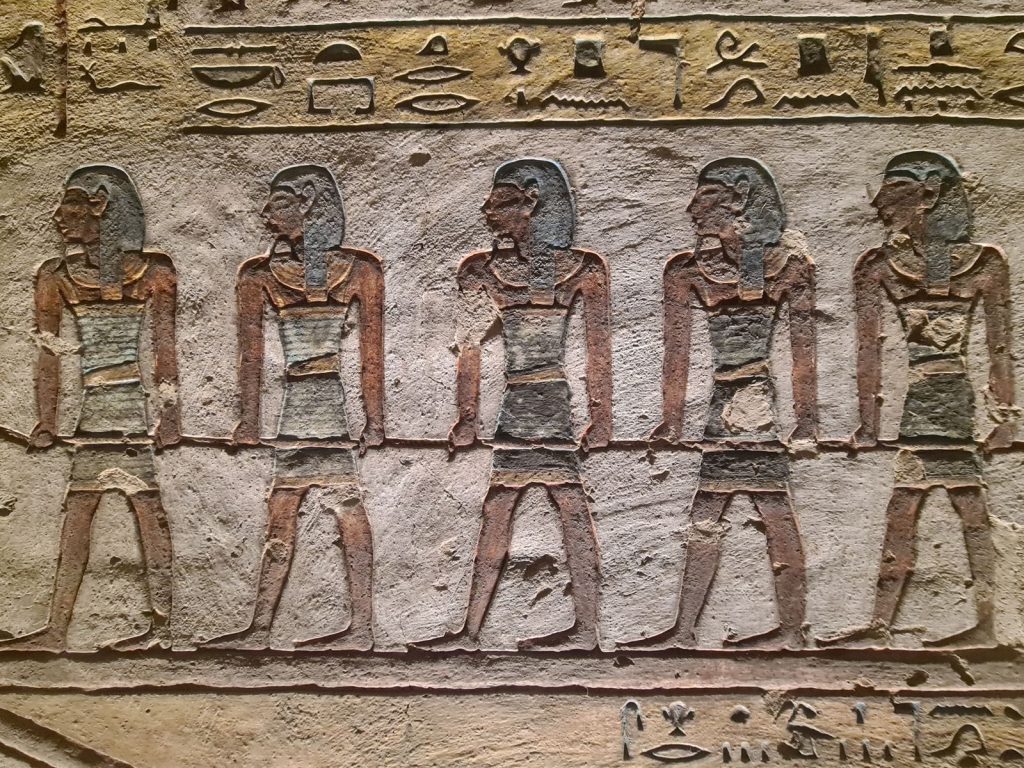
    Stone relief of ancient Egyptian figures and hieroglyphs from Luxor, Egypt, showcasing historical artistry.
    Photo by Michelle Chadwick on Pexels

    Ancient Egyptian carvings depict figures holding long glowing tubes that resemble modern light bulbs. According to historical researchers, these images in the temple of Dendera have sparked intense public debates. The shapes are striking. Many alternative theorists believe the carvings show an early form of electrical lighting inside dark tombs. But traditional Egyptologists offer a very different view of the scene.

    Flowers From The Nile

    Detailed ancient Egyptian wall inscription with hieroglyphics and figures in sepia tones.
    Photo by AHAD HASAN on Pexels

    Classical scholars state that the electrical tubes are actually symbolic lotus flowers holding sacred snakes. According to Egyptian mythological texts, these carvings represent the birth of the universe from a water lily. The explanation is poetic. Yet this artistic style is so precise that many people still see machinery. But the strangest carvings are found on a remote island.

    The Ancient Island Giants

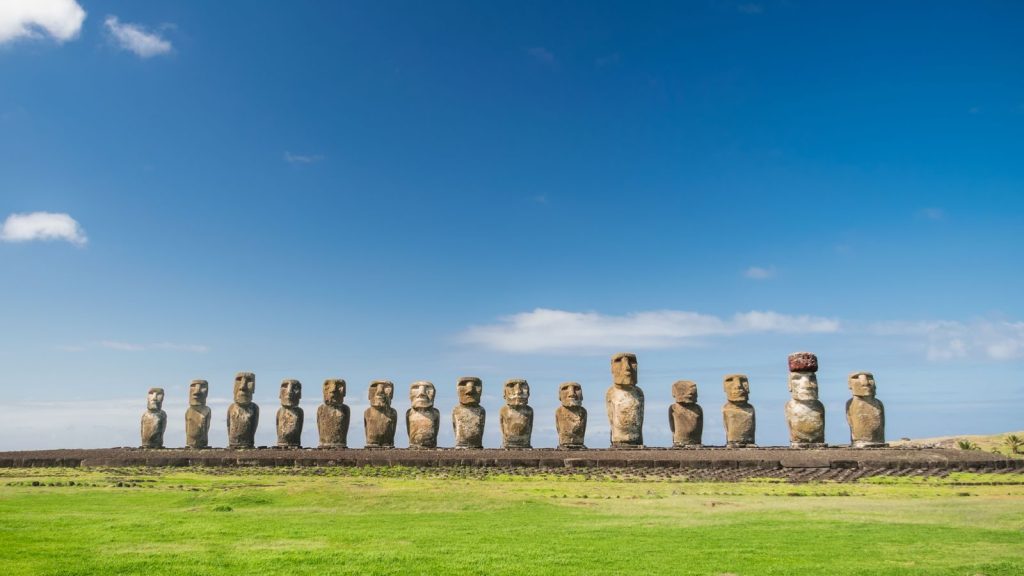
    Discover the iconic moai statues on Easter Island against a vibrant blue sky in Chile.
    Photo by Diego Gonzalez on Pexels

    Remote Pacific islanders carved massive stone figures with strange hats that scientists struggle to explain. According to archaeological surveys on Easter Island, the multi-ton red stone cylinders were placed on top of the statues using unknown methods. The task was massive. Scholars still debate whether the islanders used complex wooden cranes or ancient ropes. But the final answer might rewrite human engineering.

    Rethinking Early Human Skills

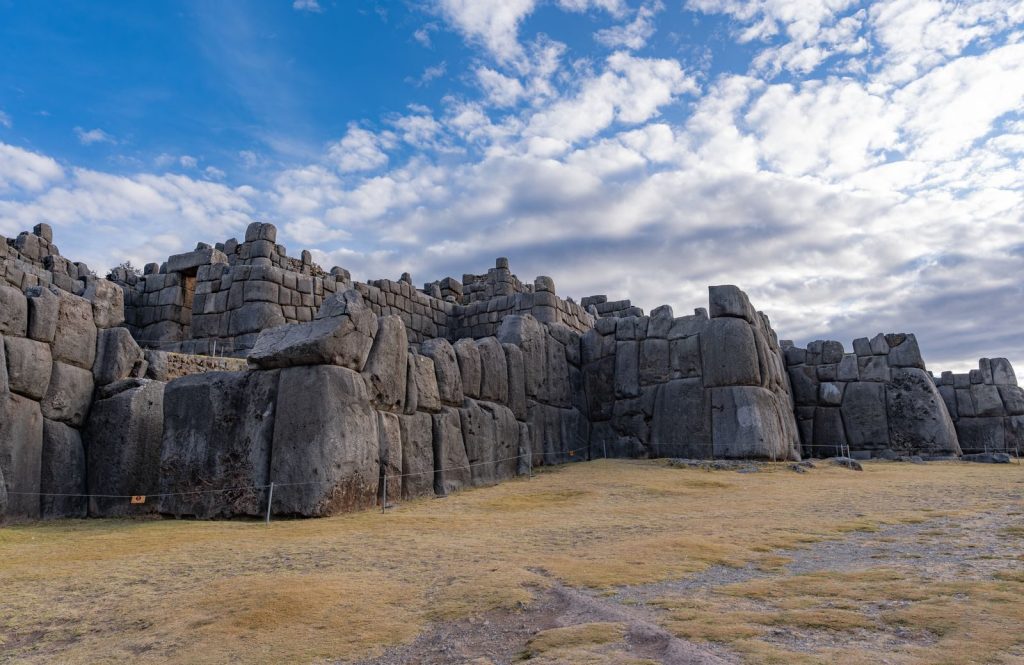
    Explore the ancient Inca stone walls of Sacsayhuamán under a partly cloudy sky in Cusco, Peru, a marvel of history and architecture.
    Photo by Soly Moses on Pexels

    These mysterious carvings prove that ancient builders possessed incredible engineering skills that we are still trying to understand. According to historians, our ancestors were far more technologically capable than modern textbooks suggest. They were highly advanced. This article is for informational purposes only.

    Featured Image: Photo by Calvin Seng on Pexels

  • The Ice Age Code Decoded Across Five Continents

    The Ice Age Code Decoded Across Five Continents

    Most people believe ancient tribes lived in total isolation. We assume prehistoric humans only cared about basic daily survival.

    But matching cave markings suggest a global communication network existed. This shared code could completely rewrite early human history.

    Hidden Markings Deep Underground

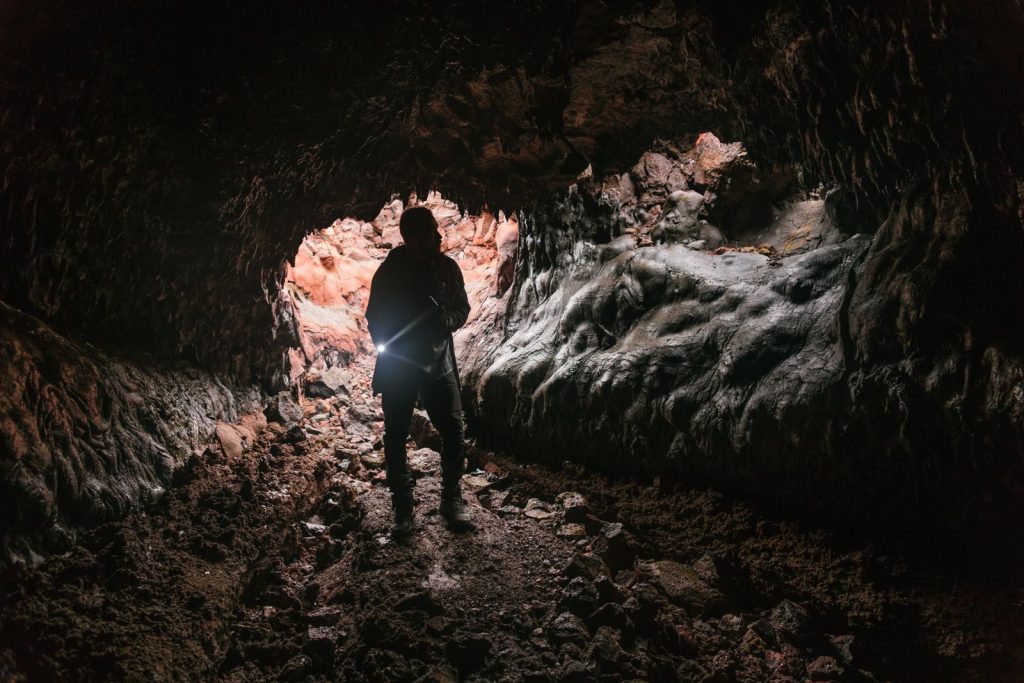
    Silhouette of a person exploring a dimly lit cave with a flashlight, emphasizing adventure.
    Photo by ArtHouse Studio on Pexels

    Archeologists exploring remote caves discovered a highly unusual pattern of geometric shapes on stone walls. According to a study by the University of Victoria, exactly thirty-two specific symbols appear repeatedly across the globe. They are completely identical. This consistent layout suggests that prehistoric artists were sharing a unified visual language. But researchers still needed to determine when this mysterious code first appeared.

    Reaching Back In Time

    Neolithic hand print art painted on cave wall illustrates ancient history.
    Photo by Onin on Pexels

    Advanced dating methods reveal that these markings are incredibly ancient. According to research published in Nature, some of the symbols were painted over thirty thousand years ago. The timeline is shocking. This age means that early humans were communicating across vast distances long before traditional writing systems emerged. Yet the discovery of how these symbols traveled would puzzle scientists even more.

    Traveling Across Wild Oceans

    A birds-eye view of a herd gathered on a snowy pasture, showcasing winter wildlife behavior.
    Photo by Mehmet Sümer on Pexels

    Finding identical shapes in Europe and Australia seems impossible without global travel. According to migration reports from the Smithsonian Institution, early groups likely carried these graphic traditions during their massive ice age migrations. They were highly organized. This shared knowledge acted as a cultural anchor as humans populated new lands. But one specific cave system held the absolute key to the code.

    Secrets of the Lascaux Cave

    Çumra cave art showcasing ancient human and animal figures on a wall in Konya, Türkiye.
    Photo by Talha Aytan on Pexels

    Famous French caves contain more than just paintings of running horses and massive bulls. According to the French Ministry of Culture, abstract geometric signs are scattered all over the walls. Nobody noticed them initially. For decades, experts focused only on the animal art while ignoring these simple geometric patterns. But these forgotten lines may have actually saved our ancestors from extinction.

    A Tool For Survival

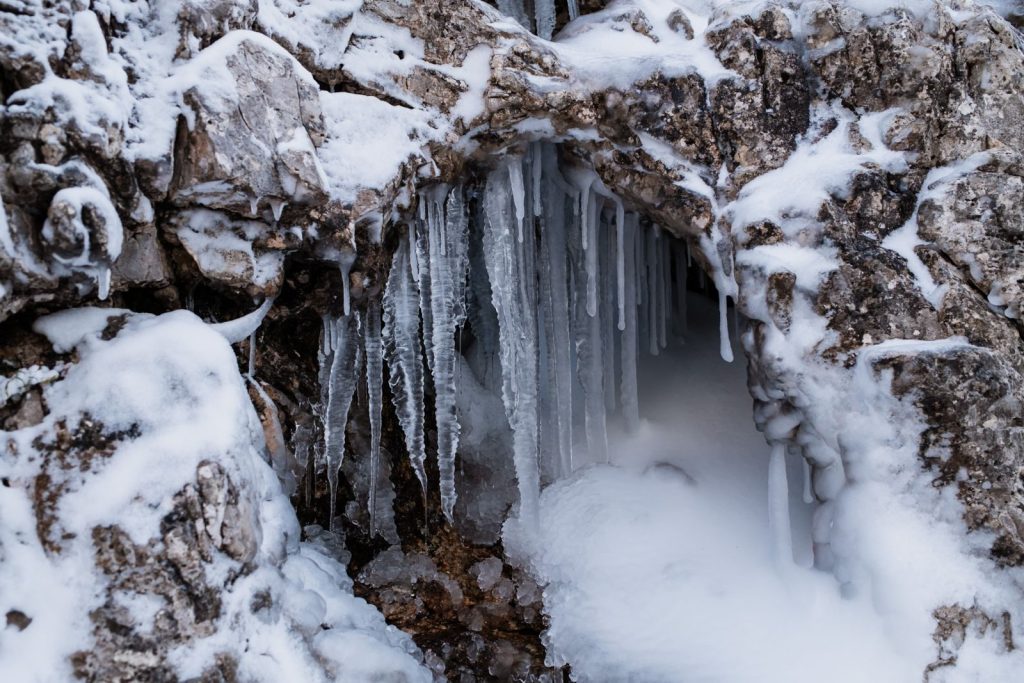
    Close-up of icicles forming on a snow-covered rocky arch, showcasing winter's cold beauty.
    Photo by K on Pexels

    The abstract shapes likely served a highly practical purpose during times of extreme weather. According to anthropological studies, prehistoric hunters used the symbols to mark territory and share navigation routes. This was critical. The code allowed different clans to cooperate and survive a freezing planet. But this grand global network eventually began to fade away.

    The Code Slowly Vanishes

    a large iceberg floating on top of a body of water
    Photo by Melissa Bradley on Unsplash

    As the great glaciers melted, the ancient connections between these groups began to dissolve. According to climate history reports, rising sea levels isolated different populations and forced them to develop separate languages. The system fractured. The global code slowly disappeared into history, leaving behind only these silent stone whispers. But modern technology is finally helping us read the patterns again.

    Reconnecting With Our Ancestors

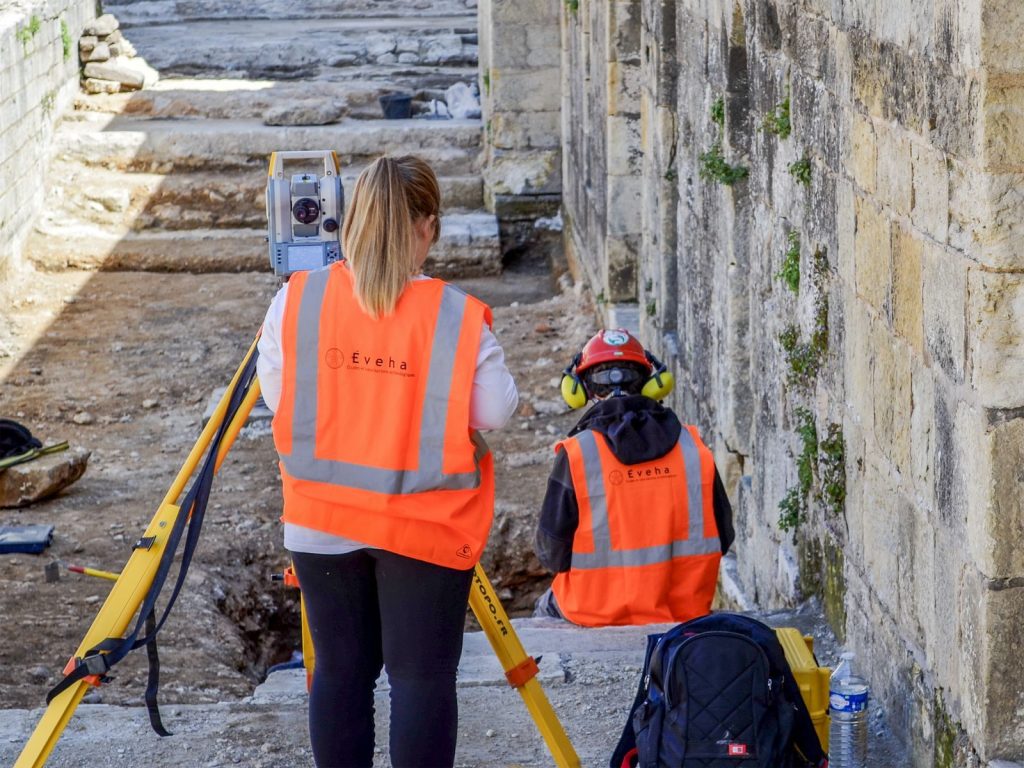
    Professionals conducting an archaeological survey at historic ruins in Périgueux, France.
    Photo by Didier VEILLON on Pexels

    Laser scanning technology is now uncovering hidden layers of cave art previously invisible to the human eye. According to archeologists, these geometric symbols prove that early humans possessed high levels of intelligence. They were brilliant. This article is for informational purposes only.
    Featured Image: Photo by AXP Photography on Pexels

  • The Hidden Phone Shield Blocking Dangerous Spam Automatically

    The Hidden Phone Shield Blocking Dangerous Spam Automatically

    Most mobile users believe that avoiding scam messages requires constant manual vigilance. We assume that deleting spam texts and blocking random numbers is the only way to stay safe.

    But your smartphone actually contains a highly advanced built-in firewall. Security experts have revealed that a simple hidden setting can automatically neutralize these cyber threats.

    The Scam Explosion

    Phone shows a system failure warning message.
    Photo by حامد طه on Unsplash

    Cybercriminals are sending billions of automated text messages every single day to steal personal data. According to cybersecurity reports, these malicious texts often mimic official bank alerts or delivery notices. They are highly convincing. A single accidental click can compromise your entire digital identity. But your phone operating system was designed to fight back.

    Secret Filter Tech

    a computer chip is shown in front of a black background
    Photo by Steve A Johnson on Unsplash

    Both Apple and Android devices have powerful spam filtering features buried deep inside their system settings. According to official support documents, these filters run on real-time pattern recognition. It is a shield. The software analyzes incoming sender data to identify known malicious networks. But this incredible defense is turned off by default on most devices.

    Activating The Defense

    Mobile phone showing a security scan and cleaner interface.
    Photo by Zulfugar Karimov on Unsplash

    Finding and turning on this hidden feature only takes a few seconds in your message settings. According to technology guides, users must navigate to their messaging app and enable spam protection manually. Action is required. Once active, the system automatically redirects suspicious numbers to a separate folder. But how does the phone know which texts are dangerous?

    Smart Database Updates

    a computer tower with a purple light
    Photo by Growtika on Unsplash

    The filtering system relies on a massive global database of reported scam numbers that updates constantly. According to mobile security firms, user reports are analyzed by security algorithms to spot active campaigns. Collaboration is powerful. This collective data allows the shield to block new threats before they even reach your screen. But scammers are constantly changing their methods.

    The Evolution Of Spam

    A large screen with a lot of numbers on it
    Photo by Alexander Schimmeck on Unsplash

    Sophisticated bad actors are now using specialized text software to bypass basic filtering systems. According to digital forensic studies, attackers often change their numbers every few minutes to avoid detection. They are highly adaptive. This constant shifting requires phone firewalls to become smarter and more reactive. But keeping your phone software updated is the best defense.

    Critical System Updates

    black Android smartphone lying on gray surface
    Photo by Matam Jaswanth on Unsplash

    Skipping monthly security updates leaves your device highly vulnerable to the latest hacking techniques. According to software engineers, these operating system patches contain vital upgrades to the internal spam filters. Do not delay. Keeping your device updated ensures your automatic shields are ready for new threats. But there is one final thing every user must remember.

    Complete Device Security

    turned-on monitors
    Photo by Major Tom Agency on Unsplash

    While automatic filters are incredibly helpful, your own caution remains your absolute best defense against cybercrime. According to security analysts, you should never click on links from unverified sources. Stay alert. A secure phone is the key to protecting your personal information. This article is for informational purposes only.

    Featured Image: Photo by Lukenn Sabellano on Unsplash


  • The Ancient Sunken Computer That Shattered Modern Historical Timelines

    The Ancient Sunken Computer That Shattered Modern Historical Timelines

    Most history buffs believe that complex mechanical computers are a product of the industrial age. We assume that ancient civilizations only possessed simple gears and basic water clocks.

    But a bizarre bronze relic recovered from a deep shipwreck has shattered this narrative. Scientists have spent decades decoding a complex two-thousand-year-old machine that behaves like an analog computer.

    Tragedy In The Deep

    A couple of people that are in the water
    Photo by Karl Callwood on Unsplash

    Divers exploring a Roman shipwreck near a Greek island made a stunning discovery. According to historical records, the vessel sank around seventy years before the Common Era. The cargo was priceless. Amidst ancient statues and pottery, researchers found a corroded green lump of bronze. But they had no idea that this single lump of metal would rewrite engineering history.

    The Hidden Gears

    a close up view of a clock face
    Photo by Matias Luge on Unsplash

    As the metal dried, it split open to reveal a highly intricate system of interlocking gear wheels. According to early archaeological reports, the complexity of the mechanism matched technology from the eighteenth century. They were stunned. Finding such advanced engineering in an ancient relic seemed completely impossible. But decades would pass before science could peer inside the device.

    X-Raying The Past

    Internal view of a jet engine's turbine and compressor.
    Photo by ObjectType RAW on Unsplash

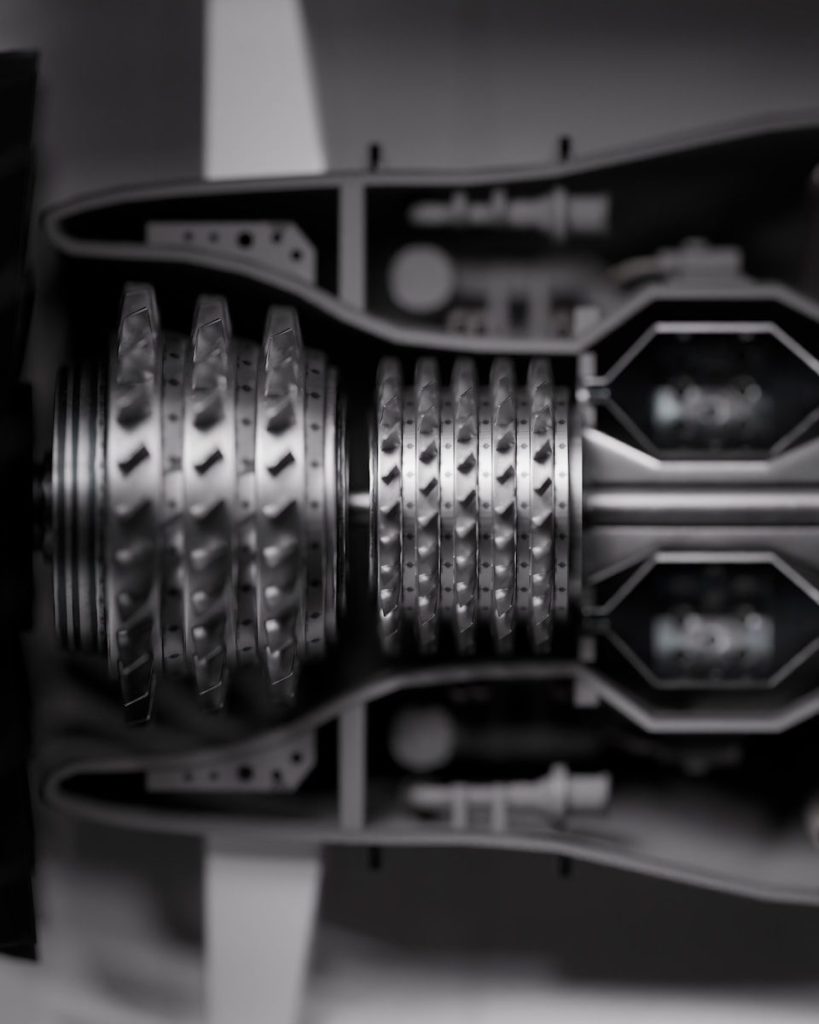
    Modern researchers used high-tech 3D X-ray imaging to see through the thick layers of corrosion. According to a study from University College London, the scans revealed dozens of tiny brass gears hidden inside the main block. The precision was breathtaking. The mechanism was designed to track the movements of the sun and moon. But this cosmic calendar had an even deeper purpose.

    Predicting The Future

    Abstract atom model with orbiting rings and energetic background.
    Photo by Brecht Corbeel on Unsplash

    The ancient machine could calculate astronomical eclipses with absolute accuracy years in advance. According to mechanical models, the user could turn a small hand crank to view planetary positions. It was a simulation. This device allowed ancient astronomers to plan for major cultural events and athletic games. But the identity of the brilliant designer remains a mystery.

    The Lost Inventor

    A wooden table topped with a piece of paper and a pair of scissors
    Photo by Declan Sun on Unsplash

    Creating such a precise device required an elite understanding of mathematics and engineering. According to historical scholars, the legendary mathematician Archimedes might have created the original designs for this technology. He was a genius. While the inventor is gone, the device proving his theories survived the deep ocean. But how did this advanced technology disappear from history?

    A Sudden Blackout

    a large underwater cave
    Photo by Shino Nakamura on Unsplash

    After the ship sank, the knowledge required to build these machines vanished for over a thousand years. According to evolutionary history, the collapse of ancient societies caused a massive technological dark age. The craft was lost. No other mechanism of this complexity would appear until the Renaissance. But the secrets of this device are still being decoded today.

    Rebuilding The Machine

    gray typewriter
    Photo by Lydia Gulinkina on Unsplash

    Engineers are now using the detailed scans to build fully functional replicas of the computer. According to workshop reports, the reconstructed models work perfectly using ancient bronze-casting techniques. It is beautiful. These modern replicas prove that the ancient designs were completely authentic and highly practical. But researchers believe more relics are still waiting in the ocean depths.

    Engineering Our Roots

    Disassembled vintage camera and its parts arranged components
    Photo by F aint on Unsplash

    This ancient analog computer proves that human innovation is far older than our textbooks suggest. According to historians, the past was filled with brilliant minds who mastered complex mechanics. The sea still hides our history. This article is for informational purposes only.

    Featured Image: Photo by Nicolas Foster on Pexels

  • Why Hybrid Bears are Suddenly Multiplying in the Arctic

    Why Hybrid Bears are Suddenly Multiplying in the Arctic

    Most wildlife enthusiasts assume that polar bears and grizzly bears live in completely different worlds. We believe that geographic boundaries keep these two species from ever interacting.

    But shifting northern climates are forcing these powerful predators to share the same territory. Their unexpected meetings are creating a brand new hybrid species in the wild.

    Shifting Territorial Boundaries

    an aerial view of a large body of water covered in ice
    Photo by Bernd 📷 Dittrich on Unsplash

    The rapid melting of Arctic sea ice is forcing polar bears to spend more time on dry land. According to studies from the Canadian Wildlife Service, this movement brings them into direct contact with grizzly bears moving north. The overlap is real. These two distinct species are now hunting in the same coastal regions. But this geographic mixing has led to a highly surprising biological result.

    The Birth Of Pizzlies

    white and black tiger lying on ground
    Photo by Dan Dennis on Unsplash

    Local hunters have harvested several unusual bears with features from both species. According to genetic testing reports, these animals are authentic hybrids born in the wild. They are highly unique. These creatures display a mixture of thick white fur and prominent brown patches on their shoulders. But their physical traits are not the only things changing inside their biology.

    Merging Physical Adaptations

    grayscale photo of persons feet
    Photo by Joshua J. Cotten on Unsplash

    These hybrid bears inherit a combination of physical survival tools from both parents. According to morphological studies, they possess the long claws of a grizzly but the partially webbed feet of a polar bear. They are versatile hunters. This unique physical makeup allows them to hunt both in water and on land. But surviving in the harsh Arctic requires more than just mixed claws.

    A New Hunting Style

    Four polar bears feeding on a whale carcass along a rocky Arctic shoreline.
    Photo by Francesco Ungaro on Pexels

    Grizzly bears typically scavenge for berries and hunt land mammals, while polar bears focus on seals. According to wildlife biology reports, hybrid bears have been observed switching between these two distinct feeding styles. They are highly adaptable. This behavioral flexibility helps them find food when sea ice conditions are poor. But this growing hybrid population presents a massive challenge for traditional conservation.

    Diluting The Polar Gene

    polar bear on snow covered ground during daytime
    Photo by Hans-Jurgen Mager on Unsplash

    As the hybrid population grows, the unique genetics of pure polar bears could slowly fade away. According to evolutionary biologists, constant interbreeding can cause one species to be absorbed by another over generations. The threat is silent. This genetic dilution could accelerate the extinction of the classic white bear. But scientists are finding that these hybrids are surprisingly healthy.

    Fertile Evolutionary Steps

    man in white long sleeve shirt holding black dslr camera
    Photo by National Cancer Institute on Unsplash

    Unlike many animal hybrids, these mixed bears are fully capable of reproducing. According to veterinary genetics researchers, second-generation hybrids have been verified in the wild. They are robust survivors. This fertility proves that the two parent species remain closely linked on an evolutionary level. But some researchers believe this hybridization is actually a natural survival mechanism.

    Adapting To A Warming World

    green and brown grass field
    Photo by Rod Long on Unsplash

    Merging the genetics of two species might be the only way for Arctic bears to survive a warming climate. According to ecological modeling studies, the hybrid genome offers better resilience to changing landscapes. Nature finds a way. This rapid adaptation could allow a new lineage of predators to claim the north. But understanding this genetic shift requires long-term tracking.

    Reimagining Northern Wildlife

    brown rock formation on sea during daytime
    Photo by Michael Krahn on Unsplash

    The rise of hybrid bears shows that evolution is a highly dynamic process happening right before our eyes. According to polar scientists, these changing predators force us to rethink how we define species in a changing world. We must protect their future. This article is for informational purposes only.

    Featured Image: Photo by Francesco Ungaro on Unsplash

  • The Ancient Egyptian Elevator Shaft Shattering History

    The Ancient Egyptian Elevator Shaft Shattering History

    Most history lovers assume that ancient Egyptians raised their massive monuments using only simple wooden rollers. We believe that thousands of slaves dragged heavy stones up steep dirt slopes using raw muscle.

    But a spectacular discovery inside a deep limestone shaft has challenged this narrative. Researchers have identified a highly advanced hydraulic network that acted like an elevator.

    The Deep Limestone Chasm

    timelapse photo of body of water during daytime
    Photo by Ricardo Gomez Angel on Unsplash

    Excavators working near the oldest pyramid structures made the discovery of a lifetime. According to reports from the Land Decompression Institute, a vertical shaft drops straight down through the solid rock floor. The drop is terrifying. This narrow passage descended over thirty feet into the pitch-black earth. But this deep hole was hiding a highly surprising mechanical purpose.

    Floating The Heavy Stones

    a bird sitting on top of a stone fence
    Photo by 5010 on Unsplash

    Engineers suggest that the ancient builders used water pressure to lift massive materials upward. According to hydraulic modeling software, filling the central shaft with water would float a heavy wooden raft. The lift was effortless. This simple mechanism allowed workers to elevate giant granite blocks without dragging them up steep ramps. But controlling this water flow required a very specific design.

    The Sliding Stone Valves

    Aerial view of cultivated fields next to arid land.
    Photo by Bernd 📷 Dittrich on Unsplash

    A close inspection of the underground channels revealed several large stone blocks that operated as sliding gates. According to structural analysts, workers could raise or lower these gates to regulate the water pressure. The seal was tight. This precise pressure control is what kept the hydraulic elevator moving in a highly predictable manner. But finding the ultimate source of this water network required satellite scans.

    Mapping Ancient Riverbeds

    Hands examining a printed report with population and timeline chart during a business meeting.
    Photo by RDNE Stock project on Pexels

    Modern radar imagery helped researchers map the prehistoric water flows across the dry desert. According to NASA geologists, a massive ancient river system once flowed directly through the region thousands of years ago. The landscape was green. This abundant water source provided the constant flow required to run the heavy hydraulic elevators. But some traditional historians still reject this complex mechanical view.

    The Great Academic Divide

    a man standing on top of a large rock formation
    Photo by Yudiono Putranto on Unsplash

    Mainstream academics argue that there is no written record of hydraulic machinery in ancient texts. According to traditional archaeologists, the Egyptians relied strictly on massive labor forces and simple wooden sleds. They are highly cautious. They believe that introducing complex water elevators overcomplicates what was achieved through sheer human strength. But the physical presence of the underground channels still puzzles researchers.

    Massive Overflow Settling Pools

    Sunlight bursts through the rocks.
    Photo by Falco Negenman on Unsplash

    A series of deep basins surrounding the ancient monuments functioned as settling pools for the water system. According to a study published in PLOS One, these reservoirs collected sand and sediment before they could clog the valves. They were massive. This advanced filtration system kept the entire hydraulic network running smoothly during construction. But the ultimate legacy of these stone channels continues to puzzle engineers.

    Unlocking Subsurface Engineering

    Egyptian Pharaoh statue
    Photo by Alex Azabache on Unsplash

    The hydraulic elevator theory proves that ancient builders possessed a master grasp of physics and fluid mechanics. According to researchers, studying these forgotten stone relics helps us appreciate the true scale of early human intelligence. Nature always surprises us. This article is for informational purposes only.
    Featured Image: Photo by Datingjungle on Unsplash