Author: Dylan

  • Why A Tiny Thermal Pump Changed Electric Car Range

    Why A Tiny Thermal Pump Changed Electric Car Range

    Most electric vehicle owners assume that keeping the car cabin warm in winter relies on standard resistive heaters. We believe that heating the interior is a simple and straightforward electrical task.

    But traditional heaters drain a massive amount of battery power, cutting your winter driving range in half. A highly clever thermal pump has quietly solved this efficiency problem, transforming how electric cars handle cold weather.

    The Winter Range Collapse

    black and white digital speedometer
    Photo by Kumpan Electric on Unsplash

    Cold temperatures cause a severe drop in lithium-ion battery performance across all electric vehicles. According to automotive test reports, running a standard cabin heater drains valuable energy that should go to the motors. The loss is rapid. This thermal drain can easily leave drivers stranded on long winter journeys. But a team of engineers designed a clever device to capture wasted energy.

    Recycling Wasted Powertrain Heat

    an electrical device laying on top of a blueprint
    Photo by Lukas Hron on Unsplash

    Electric motors and onboard computers generate significant heat during daily operation. According to mechanical engineering studies, the advanced pump system captures this waste thermal energy and redirects it to the cabin. It is highly efficient. This recycling process keeps passengers warm without draining precious battery current. But the physical science behind this pump is what truly shocks experts.

    The Compress Decompress Loop

    a close up of a thermometer on a motorcycle
    Photo by shraga kopstein on Unsplash

    The device functions like a refrigerator running in reverse to manipulate external temperatures. According to thermodynamic manuals, compressing a refrigerant gas raises its temperature rapidly to release heat. The reaction is physical. By decompressing the gas, the system can draw warmth from cold outside air. But managing these complex gas routes requires a highly specialized central valve.

    The Super Octovalve Controller
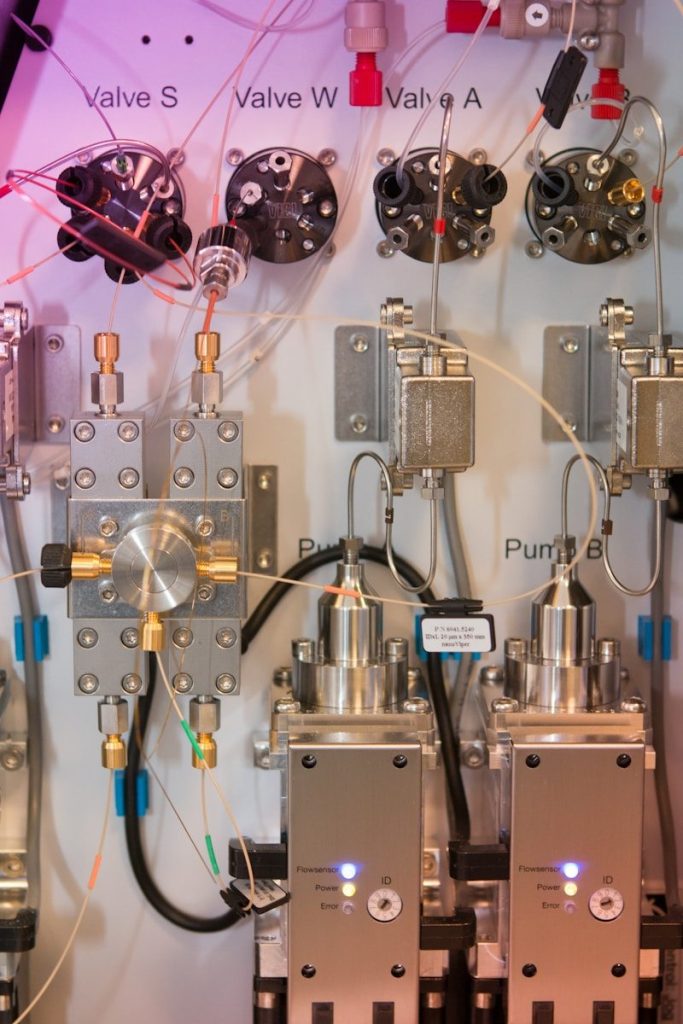
    silver and black electronic components
    Photo by Bas van Breukelen on Unsplash

    Directing heat between the battery, motor, and cabin requires a highly complex fluid router. According to patent filing documents, a unique eight-way valve coordinates these multiple thermal loops in real time. It is a masterpiece. This smart router ensures that every scrap of heat is used where it is needed most. But this system must also protect the battery from freezing.

    Preheating The Cold Cells

    electric vehicle charging cable plugged into car
    Photo by CHUTTERSNAP on Unsplash

    Lithium-ion batteries cannot accept rapid charge rates when their internal temperatures drop too low. According to electric vehicle charging logs, the thermal pump can heat the battery pack automatically before you reach a charger. The timing is vital. This warm state allows the cells to absorb energy at maximum speed immediately. But building this complex thermal system introduced a massive hardware challenge.

    Overcoming The Ice Trap

    black flat screen computer monitor on white wooden desk
    Photo by National Cancer Institute on Unsplash

    Drawing warmth from freezing winter air can cause ice to build up on the external radiator panels. According to vehicle engineering reviews, the system runs an automated defrost cycle to clear the coils quickly. The process is smooth. By temporarily reversing the fluid flow, the pump melts the ice without disrupting cabin heat. But this efficiency is now reshaping the entire automotive market.

    Standardizing Thermal Engineering
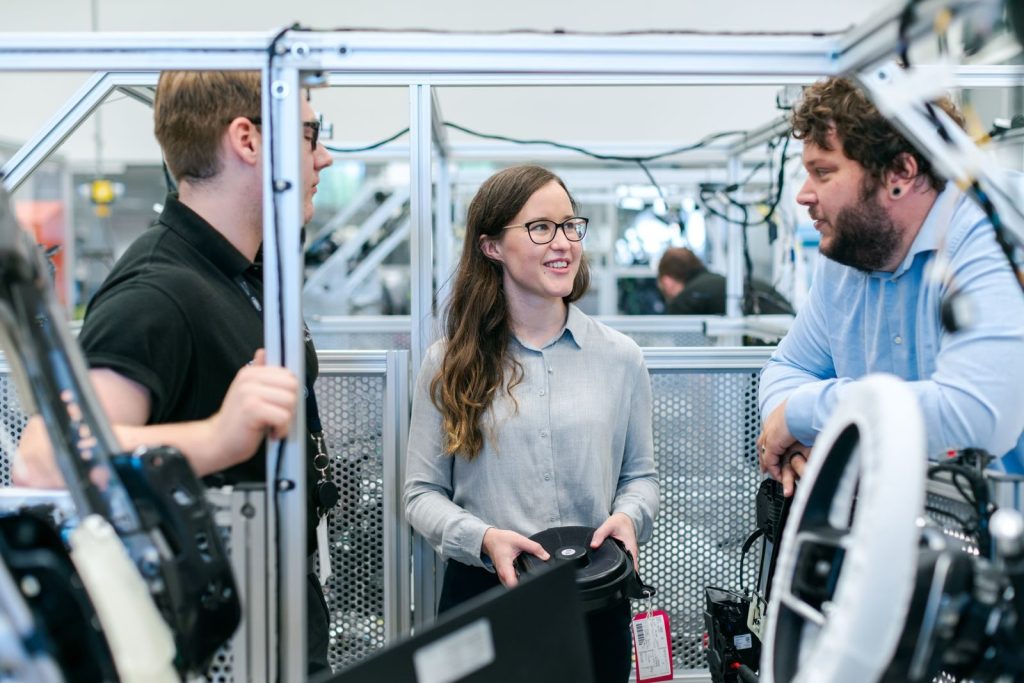
    Group of engineers collaborating on a project in a tech-focused industrial setting.
    Photo by ThisIsEngineering on Pexels

    Legacy car manufacturers are now racing to integrate similar thermal pumps into their own electric models. According to industry analysts, buyers are actively demanding winter range stability when choosing their next vehicle. The standard is shifting. This transition is forcing engineers to focus heavily on thermodynamics rather than just battery size. But the future of climate control is moving toward even smarter materials.

    Smarter Temperature Systems

    city buildings photography
    Photo by Geoffrey Arduini on Unsplash

    Advanced thermal engineering is transforming how we manage energy efficiency in modern transportation. According to technology historians, mastering the flow of heat is key to unlocking the true potential of electric vehicles. The cold is no longer a barrier. This article is for informational purposes only.

    Featured Image: Photo by Nicolas J Leclercq on Unsplash
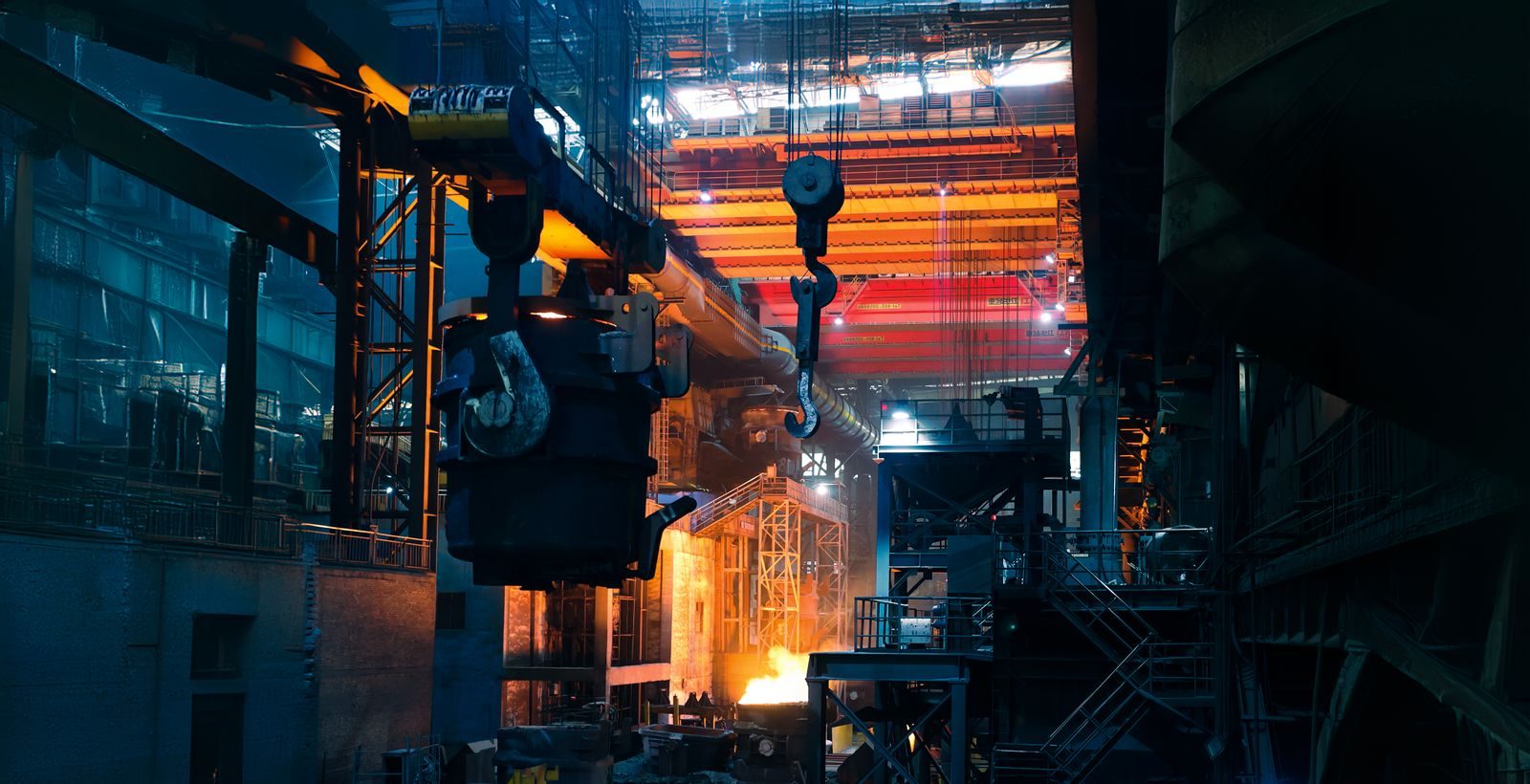
  • The Gigantic Printing Press Rewriting Car Manufacturing

    The Gigantic Printing Press Rewriting Car Manufacturing

    Most car enthusiasts believe that building a vehicle requires joining thousands of small metal parts together. We assume that traditional assembly lines must use slow welding robots to connect each piece.

    But a giant printing press technique is completely changing how factories operate. This radical engineering trick allows builders to stamp out a whole car frame in seconds.

    Unveiling The Gigacasting Method

    black and gray metal pipe
    Photo by yasin hemmati on Unsplash

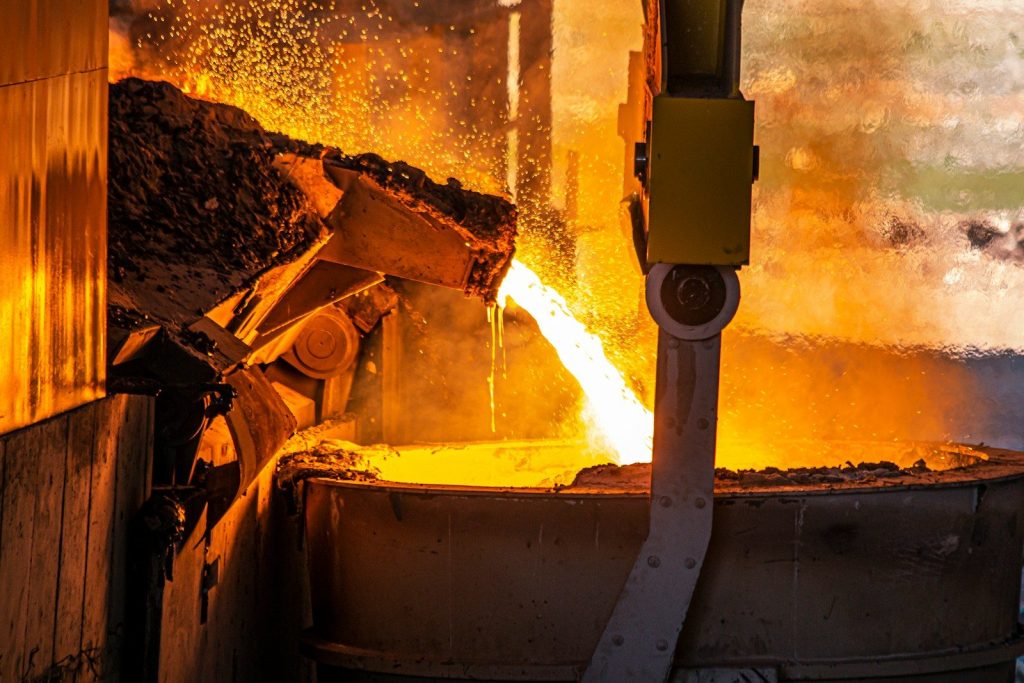
    Traditional auto manufacturing relies on stamping and welding dozens of individual steel panels. According to reports from the Society of Automotive Engineers, this new process uses a massive high-pressure mold to cast large vehicle sections as a single piece. The machine is enormous. This giant press forces molten aluminum into a mold with absolute precision. But this extreme pressure demands a highly specialized metal recipe.

    Designing Advanced Thermal Alloys

    Researchers in lab coats analyze robotic equipment for technological advancement.
    Photo by Pavel Danilyuk on Pexels

    Standard cast metals can crack easily when subjected to high structural stress on the road. According to metallurgical research studies, engineers developed a custom aluminum alloy that cools rapidly without losing structural integrity. They succeeded. This specialized material eliminates the need for expensive heat-treating cycles after the metal leaves the mold. But speeding up production requires an entirely new factory layout.

    Shrinking The Factory Footprint

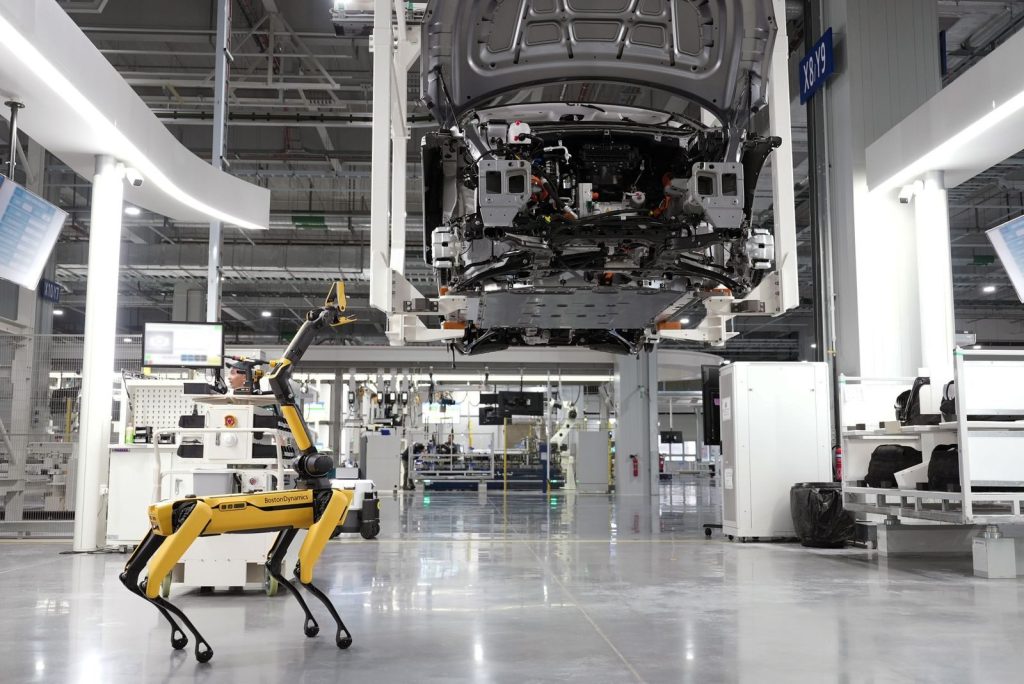
    A robotic dog oversees an automated car assembly in a high-tech factory setting.
    Photo by Hyundai Motor Group on Pexels

    Welding thousands of small components normally requires massive assembly halls filled with expensive robotic arms. According to manufacturing efficiency audits, replacing these traditional robots with a single casting machine reduces factory size significantly. Space is saved. This compact setup allows car companies to build vehicles using a fraction of the traditional floor space. But this structural shift also introduces a major safety question.

    Meeting Rigorous Safety Standards

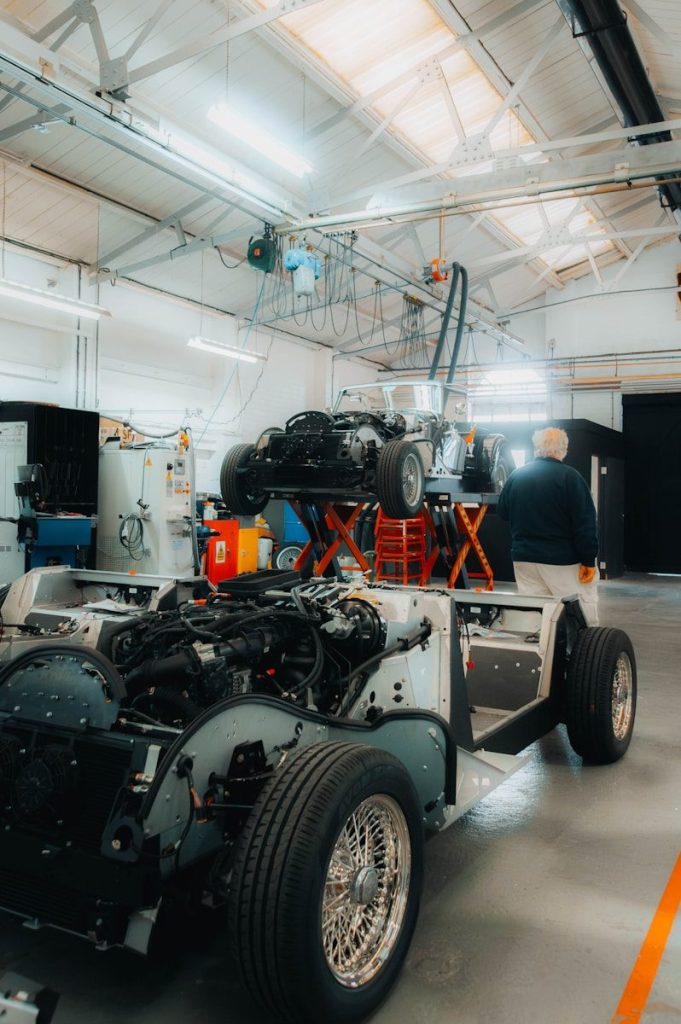
    a car being worked on in a garage
    Photo by Geike Verniers on Unsplash
    Critics worry that a single large cast part might not absorb crash impacts safely. According to crash test data from the National Highway Traffic Safety Administration, these solid cast frames perform exceptionally well in front-end collisions. They are tough. The integrated design distributes impact energy evenly around the passenger cabin to protect occupants. But repairing these solid metal structures presents a major financial challenge.

    Resolving The Repair Dilemma

    Man works with welding equipment in a cluttered workshop.
    Photo by zai Dan on Unsplash
    Shedding individual parts means that a minor fender bender could theoretically ruin an entire frame. According to automotive insurance reports, repair shops are developing specialized cutting and replacement methods to fix cast sections. The work is precise. Technicians can swap out damaged frame ends without needing to replace the whole vehicle structure. But this casting trend is already spreading to other car manufacturers.

    Driving Global Factory Change

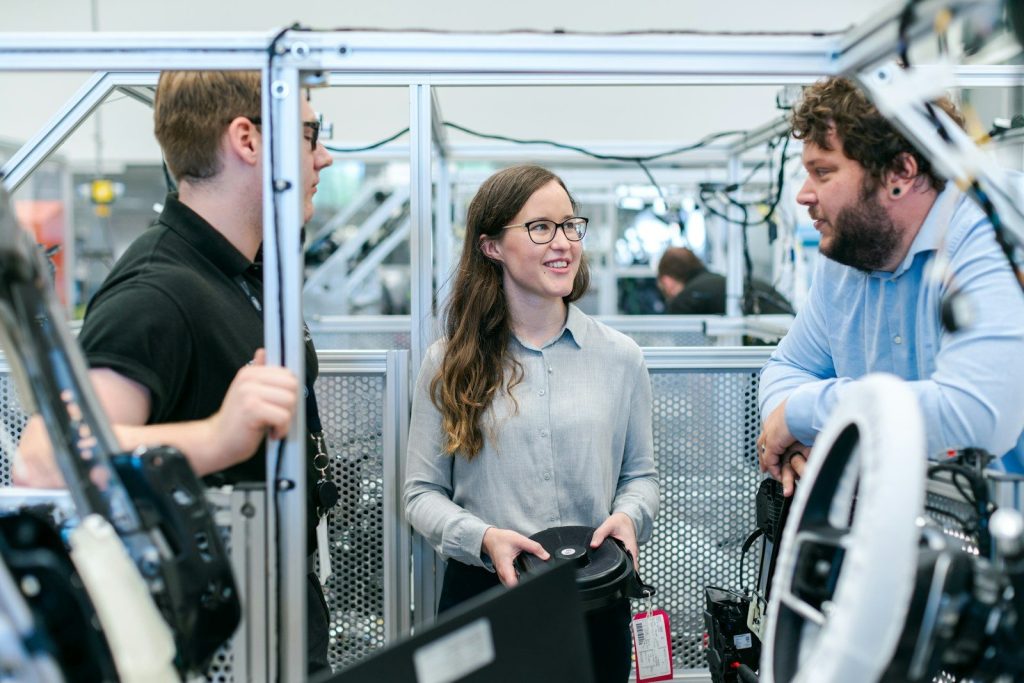
    woman in white button up shirt wearing black framed eyeglasses
    Photo by ThisisEngineering on Unsplash

    Auto manufacturers around the world are currently racing to install their own giant casting machines. According to industry analyst reports, companies realize they must adopt this system to compete on price and speed. The race is on. This transition is forcing engineers to redesign vehicle platforms from the ground up for casting. But the ultimate success of this technology depends on moving toward complete automation.

    Restructuring The Automotive Era

    a sunset view of a building with a cloudy sky
    Photo by Robert on Unsplash

    Transitioning to solid-cast manufacturing is quietly rewriting the rules of the industrial world. According to industrial historians, this production leap represents the biggest change to car assembly lines since the days of Henry Ford. The future of manufacturing is here. This article is for informational purposes only.

    Featured Image: Photo by jason hu on Pexels

  • How A Tiny Brain Chip Could Cure Blindness Forever

    How A Tiny Brain Chip Could Cure Blindness Forever

    Most people believe that curing blindness requires repairing the physical structure of the human eye. We assume that damage to optic nerves permanently cuts off our connection to the visual world.

    But a revolutionary brain implant is bypassing the eyes entirely to restore sight. This advanced technology transmits digital images straight into the visual cortex of the mind.

    Bypassing Damaged Optic Nerves

    3D rendered abstract design featuring a digital brain visual with vibrant colors.
    Photo by Google DeepMind on Pexels

    Traditional vision treatments focus on restoring light paths through the natural eye lens. According to neural engineering reports from Neuralink, this new implant injects signals directly into the brain region that processes images. Optic nerves are ignored. This direct connection allows the system to work even for patients who have lost both eyes. But sending these signals requires installing thousands of microscopic threads.

    Splicing Thousands Of Threads

    Close-up of robotic arm automating lab processes with precision.
    Photo by Youn Seung Jin on Pexels

    The brain implant features an array of ultra-thin flexible threads packed with tiny electrodes. According to neurosurgery journals, a specialized surgical robot is required to sew these threads into brain tissue safely. It is highly delicate. The robot avoids damaging vital blood vessels while placing each sensor in the perfect neural position. But powering this tiny brain chip presents a major hardware challenge.

    Charging Through Solid Bone

    A close-up view of a medical electrosurgical generator used in surgical procedures.
    Photo by Кайрат Сатдиков on Pexels

    Operating a chip inside the skull requires transferring power without running any physical wires. According to medical device designs, the implant uses a wireless inductive charging system that passes energy through the skin. The transfer is silent. This setup ensures the device remains completely sealed to prevent any internal infection risks. But capturing the visual world requires wearing a secondary device.

    Translating Pixels To Pulses

    woman wearing SVG sunglasses
    Photo by Quang Tri NGUYEN on Unsplash
    A specialized camera mounted on a pair of glasses captures live video of the surroundings. According to computing hardware reports, an external processor translates these camera pixels into precise electrical pulses. This is a translation. These customized pulses are then beamed wirelessly to the brain implant to simulate real vision. But this optical mapping system must learn to communicate with active neurons.

    Displaying Crude Matrix Vision

    A vibrant 3D abstract design with glowing neon geometric shapes on a blue background.
    Photo by Steve A Johnson on Pexels

    Early patients will not see high definition colors immediately after activating the device. According to neuroscience trial updates, the initial visual output resembles simple points of light blinking in the dark. It is basic. Over time, engineers hope to increase the electrode density to create highly detailed shapes. But training the brain to read these artificial signals takes significant practice.

    Retraining The Visual Cortex

    A medical professional reviewing MRI brain scans in a clinical setting, highlighting healthcare technology.
    Photo by Anna Shvets on Pexels

    The human brain must learn how to interpret these unfamiliar electrical pulses as real physical objects. According to cognitive science researchers, patients undergo intensive training to associate specific light patterns with doors or walls. Practice makes perfect. This neural plasticity allows the mind to adapt and rebuild its visual processing map. But this brain tech is opening up massive ethical debates.

    Facing Deep Ethical Questions

    Business meeting with a presenter and colleagues in office.
    Photo by Marcel Petzold on Unsplash

    Connecting our minds directly to digital networks raises serious concerns about privacy and cognitive security. According to neuroethicists, we must establish strict regulations to protect brain data from corporate tracking. The threat is real. Critics also worry about who will control these technologies as they become more powerful. But researchers are moving forward with clinical trials despite these concerns.

    Entering The Bionic Era

    the sun is shining through the windows of a building
    Photo by stenedit on Unsplash

    Restoring sight through neural engineering marks the first major milestone of a medical revolution. According to clinical trial directors, this technology will eventually treat spinal cord injuries and memory loss. The future is bright. This article is for informational purposes only and does not constitute professional medical advice.

    Featured Image: Photo by Sumaid pal Singh Bakshi on Unsplash

  • Why High Speed Void Trains Defy Aerodynamic Limits

    Why High Speed Void Trains Defy Aerodynamic Limits

    Most commuters assume that land travel has reached its absolute speed limit with bullet trains. We believe that physical air resistance makes supersonic land journeys completely impossible.

    But a ground-breaking vehicle design is completely disrupting this transportation barrier. This high-speed capsule travels inside a vacuum tube at speeds that rival commercial jet aircraft.

    The Vacuum Tube Blueprint

    red and white tunnel with red carpet
    Photo by Jakob Søby on Unsplash

    Moving vehicles at supersonic speeds on land requires eliminating air friction entirely. According to reports from TransPod, the experimental capsule travels inside a sealed tube with almost all the air removed. It is incredibly quiet. This low-pressure environment allows the vehicle to glide without any aerodynamic drag. But floating this massive steel capsule requires a highly unique magnetic system.

    Magnetic Propulsion Breakthroughs

    a train engine sitting on top of a train track
    Photo by Elizabeth Cho on Unsplash
    Traditional steel train tracks create intense physical friction that limits maximum speeds. According to aerospace propulsion logs, the vehicle uses a specialized system of active magnets to float the cabin. They are highly powerful. This magnetic levitation keeps the carriage completely suspended above the track base to prevent wear. But controlling this rapid magnetic movement in real time demands immense computing power.

    Smart Automation Pilots

    A dashboard of a car at night time
    Photo by HorseRat on Unsplash

    No human pilot can react fast enough to steer a capsule traveling at hundreds of miles per hour. According to software engineering files, built-in artificial intelligence makes thousands of micro-adjustments to the path every second. The computer never sleeps. This automatic system ensures the ride remains perfectly smooth even through slight turns. But keeping passengers safe inside a vacuum requires an incredibly strong structural frame.

    The Aerospace Shell Design

    Black and white close-up of textured geometric pattern in Buenos Aires, Argentina.
    Photo by Alex Dos Santos on Pexels

    Standard train carriages would easily collapse under the intense pressure differences of a vacuum tube. According to materials science reports, engineers crafted the capsule’s outer skin from highly durable carbon alloys. It is remarkably tough. This lightweight shield prevents explosive depressurization while keeping the train light enough to float effortlessly. But the energy required to propel these massive vehicles remains a giant obstacle.

    Powering The Magnetic Flux

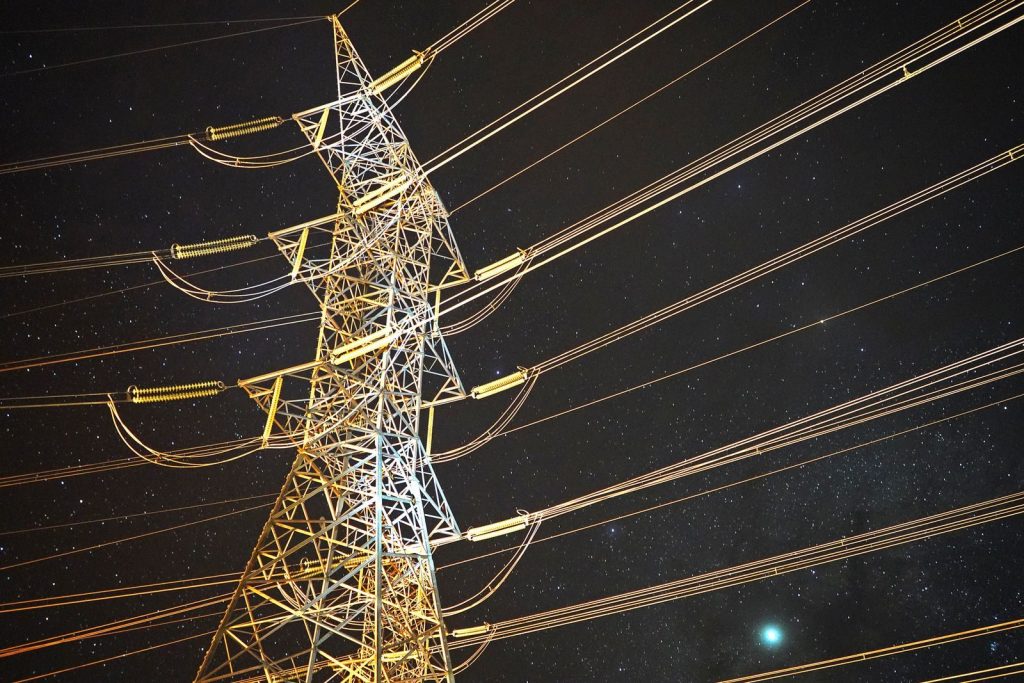
    Illuminated power tower against a starry night sky, showcasing energy infrastructure.
    Photo by Christopher Borges on Pexels

    Levitating and accelerating a heavy capsule drains an incredible amount of constant electricity. According to utility energy studies, the system uses high-frequency electromagnetic waves to push the vehicle forward. The reaction is instant. This unique setup converts raw electrical current directly into pure kinetic speed without burning fossil fuels. But this massive infrastructure requires building thousands of miles of specialized transit tubes.

    Connecting Modern Cities

    cars on road between high rise buildings during daytime
    Photo by Ian Scargill on Unsplash

    Building a national vacuum network requires massive investments and strict environmental planning. According to Canadian transportation studies, connecting major hubs could reduce transcontinental travel times by up to eighty percent. The impact is huge. This rapid transit system would allow commuters to travel between distant cities in just a few minutes. But the final success of this design depends on proving it is safe for daily passenger use.

    Reimagining Land Travel

    a train station with a city in the background
    Photo by Steve Cancel on Unsplash

    Supersonic vacuum trains represent a massive leap forward for sustainable transit. According to space researchers, developing these ultra-fast land vehicles helps us design technologies for exploring other planets. Innovation never stops. This article is for informational purposes only.

    Featured Image: Photo by Bruno Martins on Unsplash

  • How Cosmic Ray Scans Unlocked Hidden Giza Chambers

    How Cosmic Ray Scans Unlocked Hidden Giza Chambers

    Archaeology fans assume that centuries of digging have mapped every single corner of the Great Pyramid. We believe that modern sensors have already revealed all the secrets of ancient Egypt.

    But a ground-breaking scanning mission has revealed a massive structural surprise deep inside the stone. This hidden corridor matches high-tech scans with absolute physical precision.

    Scanning With Space Particles

    a picture of a blue and black object
    Photo by Nick Design on Unsplash

    Looking inside the solid stone of the Great Pyramid requires technology that bypasses traditional drills. According to reports from the ScanPyramids Project, researchers used subatomic particles called muons to map the structure. They are highly penetrating. These cosmic ray particles pass easily through solid rock but get absorbed by dense materials. But reading these particle maps required placing sensitive film inside the ancient rooms.

    The Invisible Digital Shadow

    an arch in a stone building with a clock on it
    Photo by Jose Manuel Esp on Unsplash

    Scientists placed specialized muon detectors inside the deep Queen Chamber of the monument. According to archaeological geologists, the sensors recorded a highly unusual gap in the stone density. The data was undeniable. This empty space suggested the presence of a massive hidden corridor that human eyes had never seen. But confirming the existence of this void required running secondary radar scans.

    Striking Hollow Air

    Black and white from above of frozen puddle with cracks in frosty weather
    Photo by Plato Terentev on Pexels

    Researchers used ground-penetrating radar to verify the exact coordinates of the density gap. According to reports from Nagoya University, the scans confirmed a hollow space located right behind the chevron stones. It was perfectly clear. This secondary test proved that the void was an intentional architectural feature rather than a natural rock crack. But the team still needed to find a way to peer inside.

    The Tiny Fiberoptic Camera

    Looking up the spiral staircase inside a well.
    Photo by Regös Környei on Unsplash

    Drilling a tiny hole through the joint of the stones allowed researchers to insert a small camera. According to Egyptologists, the camera feed revealed a pristine stone corridor that remained untouched for millennia. The room went silent. This secret passage was exactly thirty feet long with a beautifully vaulted ceiling. But the true purpose of this hidden corridor remains a massive debate.

    Shifting The Structural Load

    brown brick tunnel with multi colored folding chairs
    Photo by Lars Schneider on Unsplash

    Some structural engineers suggest the corridor was built to protect the pyramid from collapsing. According to architectural surveys, the vaulted ceiling helps distribute the immense weight of the surrounding stone. The design is brilliant. This clever setup took pressure off the main entrance way located directly below the empty space. But other researchers believe the void holds a far more sacred purpose.

    Guarding The Secret Tombs

    Ancient stone tunnel with arched ceiling and wooden floor
    Photo by Donald Merrill on Unsplash

    Ancient priests went to extreme lengths to protect royal burial chambers from tomb raiders. According to classical historians, hidden corridors were often used to mislead intruders and secure sacred relics. It was a fortress. This architectural shield successfully kept the inner rooms safe from eyes and thieves for thousands of years. But finding where the corridor eventually leads requires using deeper sensors.

    Mapping Deeper Cavities

    an aerial view of a construction site in the desert
    Photo by Iain on Unsplash

    Radar specialists are currently running deep resistivity scans around the newly discovered passage. According to survey data from the Cairo Research Institute, several smaller empty rooms sit directly beneath the corridor. The gaps look promising. These hidden chambers could hold untouched historic treasures or the final resting place of early kings. But launching a physical excavation of these deep voids requires a delicate plan.

    Unlocking Lost Horizons

    white and brown houses under blue sky during daytime
    Photo by Ruben Hanssen on Unsplash

    The spectacular Giza discovery proves that technology can uncover lost history hidden beneath the sand. According to archaeologists, mapping these massive ruins helps us reconstruct the development of early cities. The desert keeps secrets. This article is for informational purposes only.

    Featured Image: Photo by Hossam M. Omar on Unsplash

  • Why The Planetary Extinction Domino Effect Has Begun

    Why The Planetary Extinction Domino Effect Has Begun

    Nature lovers assume that species disappear slowly and in complete isolation from each other. We believe that the loss of one single animal has no real impact on larger ecosystems.

    But a major ecological study has revealed a terrifying survival crisis. The rapid collapse of certain key species is quietly triggering a devastating extinction domino effect.

    The Connected Web Of Life

    Phytoplankton - the foundation of the oceanic food chain.
    Photo by NOAA on Unsplash

    Every plant and animal on Earth plays a vital role in a complex food network. According to a study published in Science, losing one species weakens the entire environmental structure. They are perfectly matched. This cellular connection means that the decay of a single plant can cause distant animal populations to starve. But tracking this ecological decline requires looking closely at biodiversity databases.

    One In Four Threatened

    woman in white long sleeve shirt using white and black machine
    Photo by National Cancer Institute on Unsplash

    Scientists analyzing global species lists have mapped a highly alarming survival trend. According to reports from the International Union for Conservation of Nature, over one in four species faces a severe risk of extinction. The numbers are staggering. This rapid loss is occurring across all major habitats from deep oceans to dry forests. But the primary driver of this ecological collapse remains heavily human.

    Vanishing Natural Habitats

    A black and white aerial photograph of an industrial site nestled within a lush forest landscape.
    Photo by Plato Terentev on Pexels

    Human industries are quickly replacing wild forests with asphalt and heavy concrete. According to environmental scientists, removing trees prevents the land from cooling naturally at night and destroys nesting grounds. It is a relentless cycle. This artificial landscape leaves wild animals with almost no space to forage or breed safely. But climate change is quietly accelerating this habitat destruction from within.

    Shifting Climate Zones

    A tree with exposed roots leans over sandy dunes with distant beach huts.
    Photo by Hajo Merz on Pexels

    Extreme weather patterns are forcing animals to migrate to seek cooler environments. According to meteorological studies, rapid temperature shifts are drying up vital watering holes and altering seasonal plants. The pressure is immense. Many slow-moving species simply cannot adapt fast enough to survive these sudden regional transformations. But this mass movement is triggering violent clashes over resources.

    Losing The Pollinators

    Close-up of a honeybee collecting nectar from a vibrant blue flower against a lush green background.
    Photo by Wijs (Wise) on Pexels

    The rapid decline of insect populations poses a severe threat to global agricultural systems. According to agricultural geologists, helper creatures like bees are vanishing due to toxic chemical sprays. They are vital. Without these tiny pollinators, wild plants cannot reproduce, and food crops will eventually fail to grow. But the collapse of these insects is also affecting larger predators.

    The Predator Prey Imbalance

    A winding river flows through a vast, dry mountain valley.
    Photo by Jade Gray on Unsplash

    Removing top predators from an ecosystem triggers a rapid rise in herbivore populations. According to wildlife biology reports, having too many plant-eaters quickly strips the landscape of all green vegetation. The balance is broken. This total defoliation leaves the soil vulnerable to intense erosion during heavy seasonal rains. But scientists are searching for new ways to protect these fragile connections.

    Protecting Our Biodiversity

    Sunbeams shine on a distant village nestled in hills.
    Photo by miguel garcia jimenez on Unsplash

    Restoring natural habitats is the easiest way to prevent a total ecological collapse. According to conservation researchers, protecting delicate environments preserves the complex web of life. Nature demands respect. This article is for informational purposes only.

    Featured Image: Photo by Julia Kadel on Unsplash

  • The Secret Underground Tunnels Beneath Abydos Temple Ruins

    The Secret Underground Tunnels Beneath Abydos Temple Ruins

    Archaeology lovers assume that centuries of heavy digging have mapped every single corner of the Abydos Temple. We believe that the dusty stone walls hold no more architectural surprises.

    But a spectacular excavation has revealed a sprawling subterranean structure hidden beneath the sand. This ancient underworld chamber matches high-tech scans with absolute physical precision.

    The Lost Abydos Sanctuary

    Workers are laboring, likely mixing mud or clay.
    Photo by Avinash Narnaware on Unsplash

    Operating near the oldest step pyramid structures reveals a highly complex ancient layout. According to reports from the Egyptian Ministry of Antiquities, archaeologists uncovered a massive foundation buried under the sand. The site was sacred. This forgotten construction belonged to a lost sun temple from the early dynasties. But this stone floor was hiding a much older structural secret.

    Discovering Hidden Chambers

    bottom view of deep well during daytime
    Photo by hajperlink on Unsplash

    Excavators carefully clearing away the heavy dirt layers hit solid limestone structures. According to archaeological researchers, the team uncovered a deep shaft dropping straight down into the pitch-black earth. It was terrifying. This vertical passage descended over thirty feet below the main temple floor. But what lay waiting at the bottom would reward their dangerous descent.

    Untouched For Millennia

    Ornate arched hallway with statues and painted ceilings.
    Photo by Bai on Unsplash

    Peering into the dusty subterranean vaults revealed a breathtaking historical scene. According to museum curators, they discovered stacked wooden coffins and royal pottery in pristine condition. They were incredibly colorful. The brilliant paint and detailed glyphs remained bright despite the passage of three thousand years. But these elaborate coffin designs suggested the occupants held high status in ancient society.

    The Sealed Sarcophagi

    brown and gray concrete brick
    Photo by Ruben Hanssen on Unsplash

    Lifting the heavy stone lids required extreme care and modern engineering tools. According to excavation files, several large limestone sarcophagi remained completely sealed since the day of burial. The seal was perfect. Researchers realized they were looking at an undisturbed cemetery of ancient elites. But opening these ancient tombs required a delicate touch to prevent immediate decay.

    Guardians Of The Dead

    brown concrete blocks on brown sand
    Photo by Saj Shafique on Unsplash

    Ancient priests went to extreme lengths to protect these burials from tomb raiders. According to classical historians, the deep shafts were packed with heavy sand and massive stone blocks. It was a fortress. This clever engineering successfully kept the precious gold artifacts safe from thieves for centuries. But the burial chambers held more than just valuable treasures.

    Mummies In The Shadows

    gold buddha statue on black and gold wall
    Photo by I Do Nothing But Love on Unsplash

    Inside the coffins lay the mummified remains of powerful priests and royal officials. According to CT scanning results, these ancient individuals received elaborate mummification treatments to preserve their bodies. The results were stunning. The scans revealed intricate amulets made of gold and precious stones hidden within the linen wrappings. But the identity of one specific mummy caught researchers off guard.

    A Lost Dynasty Revealed

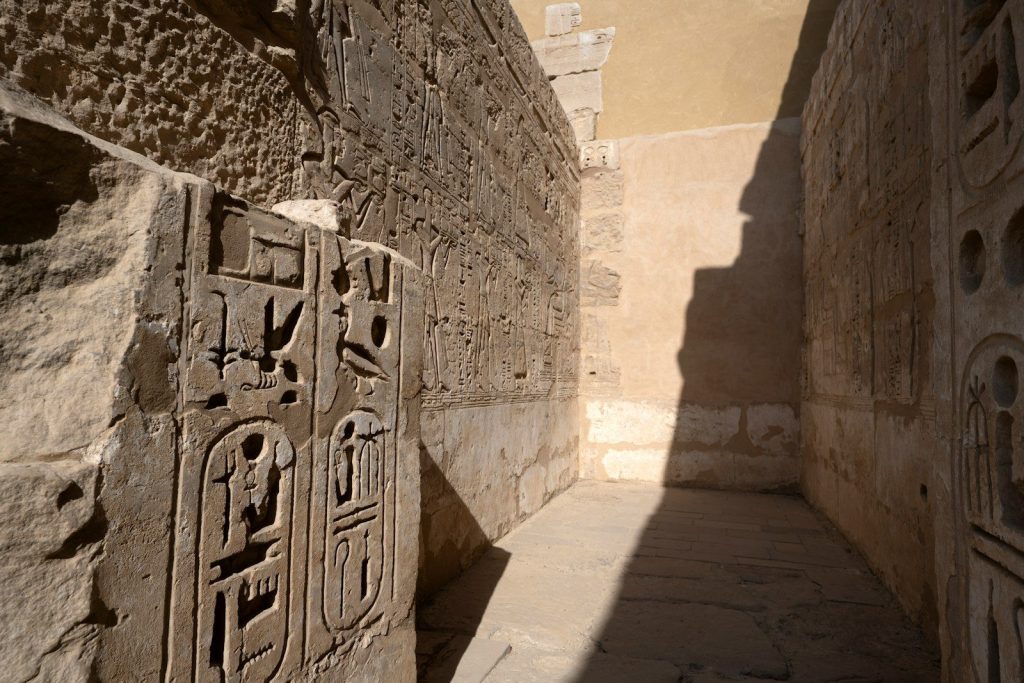
    Ancient hieroglyphs carved into stone wall
    Photo by Dave Meckler on Unsplash

    Hieroglyphs carved on the coffin walls began to tell a lost historical story. According to reports from the Cairo Research Institute, the names and titles point to a wealthy elite class during a turbulent transition era. The history was forgotten. This discovery is helping scholars piece together the political shifts of ancient Egypt. But many unexplored shafts still run deep beneath the desert sand.

    Secrets Of The Sands

    Stunning capture of rippled sand dunes under soft evening light in a vast desert.
    Photo by Francesco Ungaro on Pexels

    The discoveries at Abydos prove that Egypt still holds boundless mysteries beneath the surface. According to modern Egyptologists, only a fraction of the ancient necropolis has been mapped. The desert hides secrets. This article is for informational purposes only.

    Featured Image: Photo by Karsten Winegeart on Unsplash

  • The Massive Gravity Hole Hiding Deep Inside Earth

    The Massive Gravity Hole Hiding Deep Inside Earth

    Most people believe that the earth beneath our feet is a perfect, solid sphere with uniform gravity. We assume that our weight remains exactly the same no matter where we travel on the globe.

    But a surprising geophysics study has revealed a major gravitational anomaly. A massive gravity hole hiding deep inside the Indian Ocean has baffled researchers for decades.

    The Indian Ocean Deficit

    high-angle photo of sea with waves
    Photo by Michael Benz on Unsplash

    Gravity is not completely uniform across the surface of our planet. According to reports from the Indian Institute of Science, a massive dip in gravitational pull exists over a vast ocean basin. The pull is weak. This unique gravity hole covers more than one million square miles of the sea floor. But discovering what caused this massive dip required mapping the earth mantle.

    Tracking Subsurface Densities

    an aerial view of the ocean and cliffs
    Photo by Luis Diego Aguilar on Unsplash

    The strength of local gravity depends directly on the density of the rocks buried beneath the crust. According to seismic research papers, the Indian Ocean basin sits on top of an incredibly low-density zone. The ground behaves strangely. This lack of mass is what causes gravity to drop so significantly in this region. But tracing the origin of this low-density zone took geologists back millions of years.

    The Ghost Ocean Remnants

    Drone image of Biskupin, a reconstructed Bronze Age settlement in Poland.
    Photo by Radoslaw Sikorski on Pexels

    Geologists run advanced computer simulations to reconstruct how ancient continents moved. According to a study published in Geophysical Research Letters, a long-lost ocean called Tethys once separated early landmasses. It vanished completely. As this ancient sea floor sank into the hot mantle, it pushed up lighter plumes of molten rock. But this underground movement was about to create a massive geoid depression.

    The Shifting Molten Plumes

    A close up of a fire in a fireplace
    Photo by MARIOLA GROBELSKA on Unsplash

    The sinking tectonic plates forced hot magma plumes to rise slowly beneath the Indian Ocean. According to mantle dynamics models, these buoyant rock plumes replaced heavier materials directly under the crust. The magma was hot. This displacement of heavy mass created the massive gravitational deficit we measure today. But this gravity hole is actually altering the sea level in a highly bizarre way.

    The Sunken Sea Level

    Aerial view of islands and ocean at night
    Photo by USGS on Unsplash

    Lower gravitational pull means the ocean water is not pulled as strongly toward the center of the Earth. According to oceanographic surveys, the sea surface inside the gravity hole sits three hundred feet lower than the global average. The water dips. This creates a massive depression in the ocean that is virtually invisible to the naked human eye. But modern satellites can map this watery dip with absolute precision.

    Measuring Gravity From Space

    an artist's rendering of a satellite in space
    Photo by NASA Hubble Space Telescope on Unsplash

    Specialized space probes map the gravitational fields of Earth by measuring slight orbital shifts. According to space agency reports, these sensitive instruments can detect tiny changes in density beneath the ocean floor. The technology is brilliant. This gravity mapping has helped researchers locate similar deep anomalies in other parts of the world. But the ultimate impact of these underground shifts remains a major focus of research.

    Unlocking Our Dynamic Planet

    Spectacular lava flow from an erupting volcano under the night sky, showcasing fiery reds and intense heat.
    Photo by Daniel Torobekov on Pexels

    The massive gravity hole in the Indian Ocean proves that Earth remains a highly active and changing planet. According to geophysicists, studying these deep anomalies helps us understand how the mantle drives geological activity. Nature holds secrets. This article is for informational purposes only.

    Featured Image: Photo by NASA on Unsplash

  • The Massive Planetary Shifts Quietly Redefining Our Future

    The Massive Planetary Shifts Quietly Redefining Our Future

    Most people assume that the continents and oceans we see today are permanent features of our planet. We believe that Earth’s geography remains stable and unchanging over human lifetimes.

    But powerful forces deep beneath the crust are quietly reshaping the entire world at an accelerating rate. These planetary movements will soon make our current maps completely unrecognizable.

    Splitting Giant Landmasses Apart

    brown rocky mountain during daytime
    Photo by Siyuan on Unsplash

    A massive tectonic tear is slowly ripping the eastern continent of Africa into two separate landmasses. According to reports from the Geological Society of London, a giant fissure stretching for thousands of miles is widening by a few millimeters every year. The ground is opening. This active rift will eventually allow a brand new ocean basin to flood the valley. But this dramatic split is also creating massive changes along the coastlines.

    Ocean Basins Flooding Valleys

    Turquoise waterfalls cascade down red rock canyon walls
    Photo by Peter Thomas on Unsplash

    As the tectonic rift deepens, water from the Red Sea will eventually rush in to fill the new depression. According to oceanographic models, this process will create a vast island out of the Horn of Africa. Geography is shifting rapidly. This new maritime passage will completely redraw global trading routes and alter local climates. But the coastlines of other continents are facing an equally dramatic transformation.

    Rising Waters Swallowing Shorelines

    a large iceberg in the middle of the ocean
    Photo by Bob Brewer on Unsplash

    Shifting thermal patterns are causing polar ice sheets to melt and raise global sea levels. According to reports from the Intergovernmental Panel on Climate Change, major coastal cities could be completely submerged within the next century. The threat is real. Millions of people will be forced to migrate inland as the oceans claim valuable coastal plains. But these water movements are also shifting the weight of the entire planet.

    Land Bouncing Upward Slowly

    Abstract textured surface with flowing lines
    Photo by Christian Boragine on Unsplash

    The melting of massive glaciers is relieving billions of tons of weight from the continental crust. According to geological surveys, landmasses in the northern hemisphere are bouncing upward as the heavy ice disappears. The Earth behaves dynamically. This crustal rebound can trigger unpredictable earthquakes and alter the paths of major river networks. But these surface changes are closely linked to movements deep inside the mantle.

    Hot Magma Reforming Islands

    brown and black rock formation under white clouds
    Photo by Toby Elliott on Unsplash

    Deep volcanic plumes are constantly pushing hot magma upward to create brand new islands in the oceans. According to seismic research papers, underwater eruptions are building fresh landmasses in the Pacific and Atlantic basins. New ground is born. These volcanic additions prove that our planet is actively expanding its surface area. But this subterranean heat is also affecting the global magnetic shield.

    Magnetic Poles Shifting Direction

    a stylized image of a planet with a ring around it
    Photo by Elshan Neymatov on Unsplash

    The liquid iron core of our planet is experiencing sudden and erratic movements. According to magnetic monitoring logs, the north magnetic pole is drifting toward Siberia at an unprecedented speed. The shield is active. This rapid movement could be a sign of an upcoming magnetic reversal that flips the planetary field entirely. But understanding these magnetic shifts requires looking at how they impact modern technology.

    Disrupting Global Navigation Systems

    white radar telescope on grass field
    Photo by Donald Giannatti on Unsplash

    A weaker magnetic field allows more cosmic radiation to penetrate the upper atmosphere. According to aerospace engineering studies, this solar bombardment can easily disable communication satellites and disrupt national power grids. The stakes are high. Preparing for these space weather events has become a top priority for global defense agencies. But the ultimate survival of our species depends on how we adapt to this changing world.

    Embracing Our Dynamic Planet

    pine trees at the garden at the highland
    Photo by Phillip Goldsberry on Unsplash

    Earth has always been a highly active and evolving world that refuses to stand still. According to geophysicists, studying these massive tectonic and atmospheric shifts helps us prepare for the inevitable future of our environment. Change is permanent. This article is for informational purposes only.

    Featured Image: Photo by Zelch Csaba on Pexels

  • Why Theoretical Physicists Believe Seven Hidden Dimensions Exist

    Why Theoretical Physicists Believe Seven Hidden Dimensions Exist

    Most people assume that space has only three physical dimensions that we can see and touch. We believe that everything in the universe operates within simple height, width, and depth.

    But a mind-bending mathematical calculation has challenged this basic physical rule. Advanced cosmic equations suggest that seven hidden dimensions are curled tightly inside empty space.

    Peering Into Subatomic Strings

    a group of wavy shapes on a black background
    Photo by Aakash Dhage on Unsplash

    Traditional physics struggles to combine the laws of gravity with the chaotic world of quantum mechanics. According to superstring theory, the fundamental blocks of matter are actually tiny vibrating strings of energy. They are extremely small. To explain how these strings vibrate, the math requires the existence of multiple extra dimensions. But finding these hidden spaces requires looking closely at empty space.

    Curled Inside Empty Space

    silver and black round device
    Photo by Logan Gutierrez on Unsplash

    The extra dimensions are not massive spaces like the sky we see above us. According to theoretical physicists, these seven extra dimensions are curled up so tightly that they are completely invisible to the human eye. They are microscopic. This means that every single point in our room actually contains hidden pathways. But proving their physical existence is a massive hurdle for researchers.

    Smashing Atoms For Clues

    gray electronic device
    Photo by Devon Rogers on Unsplash

    Finding evidence of hidden dimensions requires generating extreme levels of physical energy in laboratories. According to reports from CERN, scientists use massive particle colliders to smash subatomic particles together at nearly the speed of light. The collisions are violent. Researchers are searching for tiny drops in energy that suggest particles escaped into the extra dimensions. But this experimental search has also revealed a strange gravitational link.

    The Gravity Leak Puzzle

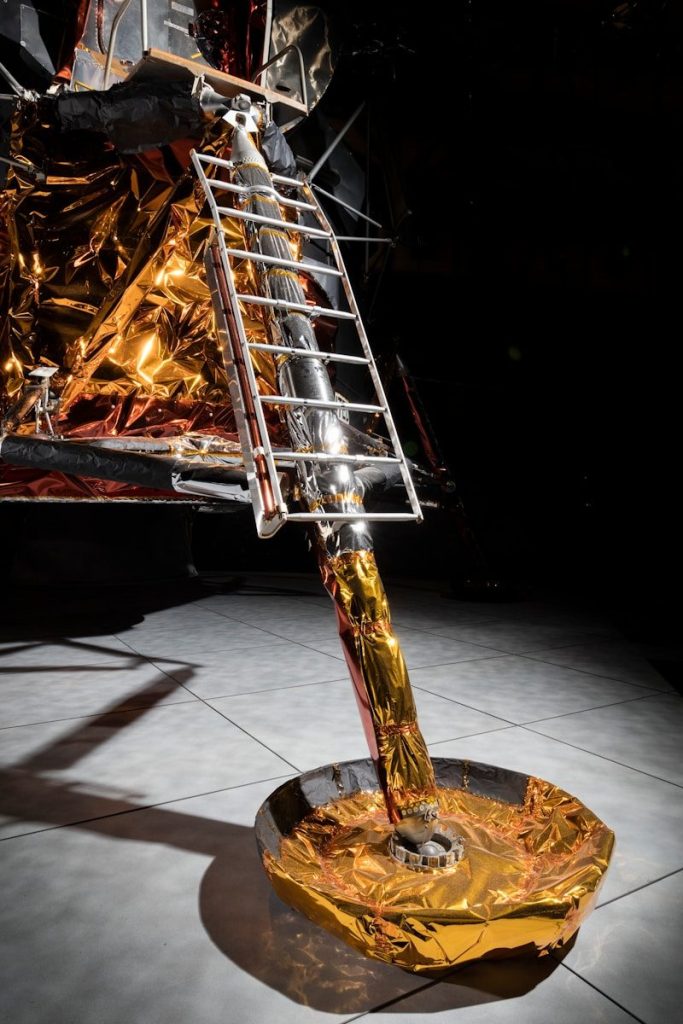
    Spacecraft leg with golden insulation and silver reflective material
    Photo by Smithsonian on Unsplash

    Gravity is surprisingly weaker than other fundamental forces of nature, like electromagnetism. According to gravity research papers, this weakness could occur because gravity is actually leaking into the hidden dimensions. The force is spread thin. This leak would explain why a small refrigerator magnet can easily defy the gravitational pull of the entire Earth. But these dimensions could also solve the famous black hole paradox.

    Holograms Projecting Our World

    a large group of people in a dark room
    Photo by Christian on Unsplash

    The math of extra dimensions suggests that our three-dimensional reality might actually be a projection. According to the holographic principle, all cosmic data is stored on a flat two-dimensional boundary. The universe is a hologram. This projection system explains how quantum information survives even when a massive star collapses into a void. But this radical theory is dividing the global physics community.

    Uniting Space And Time

    Close-up of hand writing complex math equations on a chalkboard in a classroom setting.
    Photo by Monstera Production on Pexels

    Solving the mystery of extra dimensions could finally deliver the ultimate holy grail of modern science. According to physics researchers, uniting gravity with quantum mechanics would unlock the secrets of how our universe began. The connection is beautiful. This unified framework would completely transform our understanding of time and cosmic travel. But the final answer remains just out of reach.

    A Multi-Dimensional Cosmos

    Colorful nebula with red and purple clouds
    Photo by Marek Pavlík on Unsplash

    The search for hidden dimensions pushes the absolute limits of human imagination and mathematical engineering. According to theorists, our universe is far more complex and beautiful than our senses can perceive. The journey is endless. This article is for informational purposes only.

    Featured Image: Photo by Pachon in Motion on Pexels