
Scientists have always viewed Mars as a completely dead and dry desert. We assume that the red planet has been a silent wasteland for billions of years.
But a shocking geological discovery has completely shattered this peaceful assumption. Chilling new satellite images reveal that something active is moving beneath the dusty soil.
Active Flows In Darkness
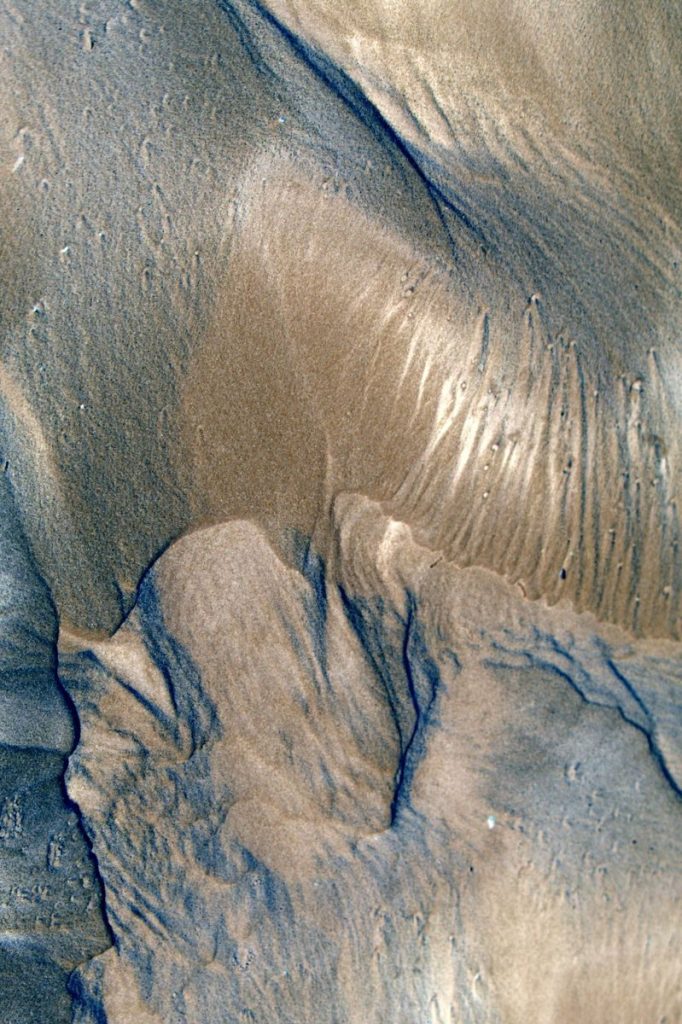
High-definition cameras orbiting the red planet captured dark streaks moving down the canyon walls. They are growing. According to researchers at NASA, these seasonal flows suggest that liquid water is actively running on the surface today. This shocking revelation means the planet is not dead at all. But scientists soon noticed a far more unsettling detail about these active streams.
Gas Bubbling From Below
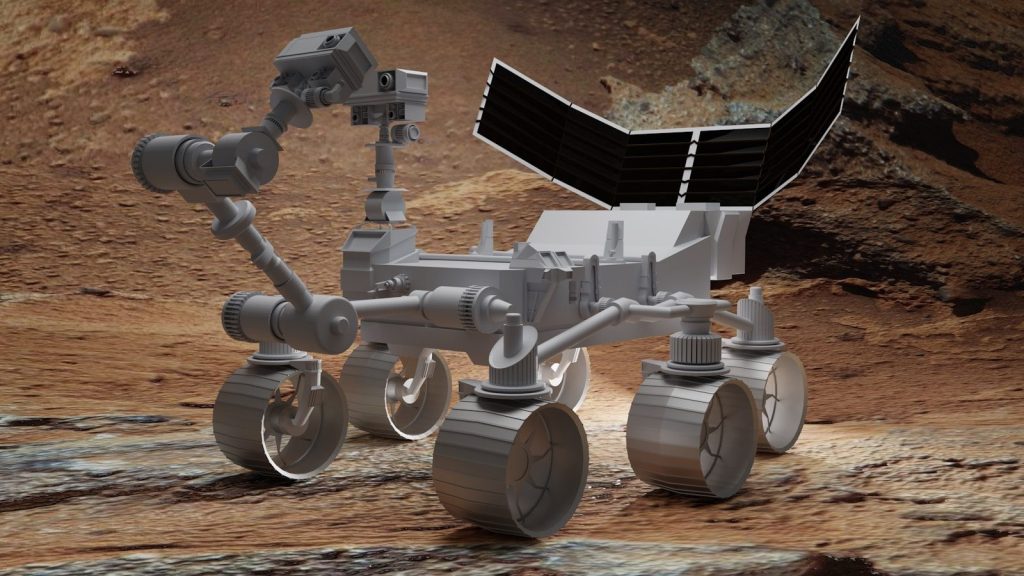
Sensors on Martian rovers detected a sudden surge of methane gas venting from deep underground. The spikes are regular. According to reports from the Jet Propulsion Laboratory, this gas signature could be a biological byproduct. Microscopic life might be thriving inside warm subterranean aquifers. However, this chemical anomaly is triggering a massive debate in laboratories.
Deep Underground Caves Hidden
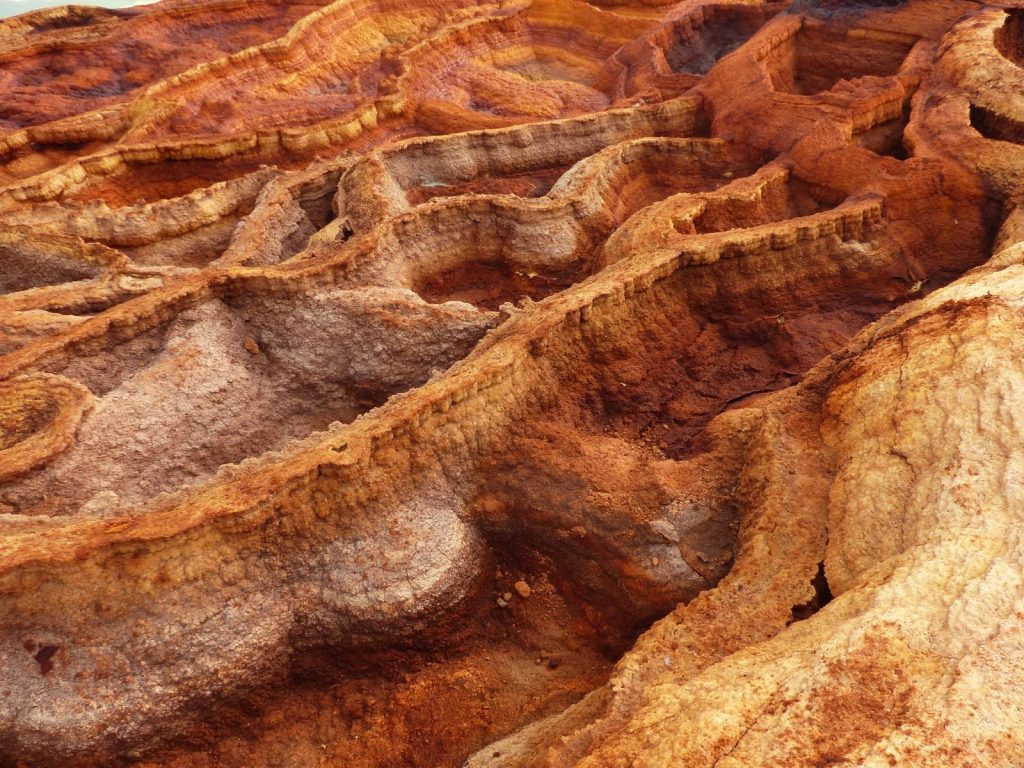
Martian satellites mapped giant cavern networks stretching miles beneath the volcanic plains. They are vast. According to geological data from the University of Arizona, these deep caves are shielded from deadly space radiation. This protected environment offers the perfect incubator for ancient life to survive. But we must look closely at what is hiding in the dark.
The Frozen Lake Surprise
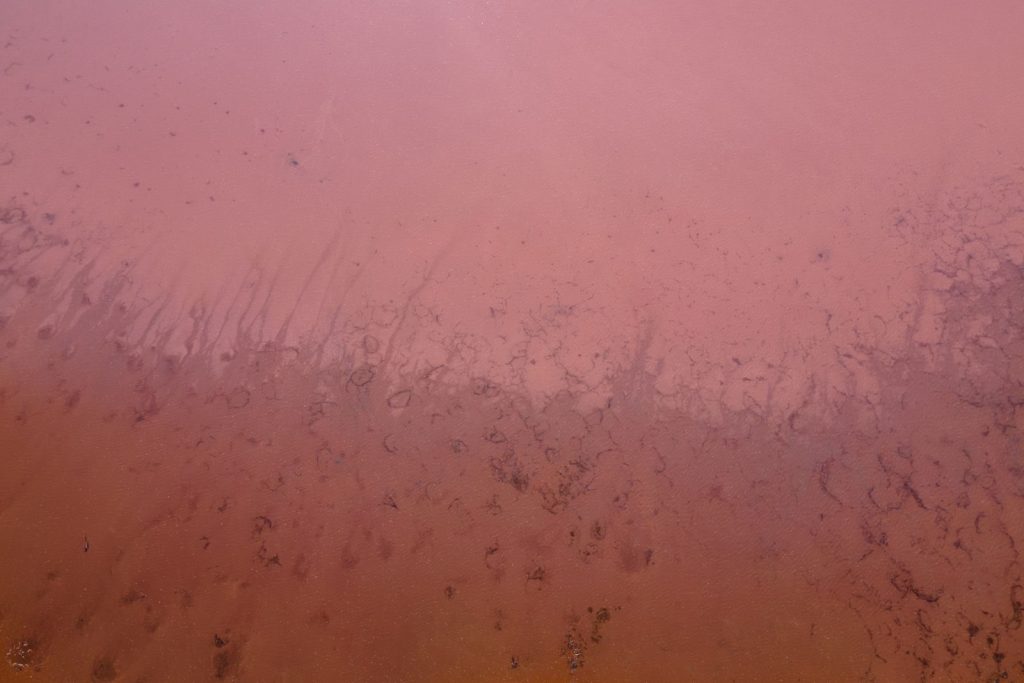
Radar scans recently uncovered a massive deposit of water ice buried just inches below the equator. The reserve is a giant. According to a study published in Geophysical Research Letters, this glacier is larger than some of the Earth’s lakes combined. It represents a massive resource for future human explorers. Yet, this ice layer holds a highly terrifying secret.
Strange Heat Sources Detected
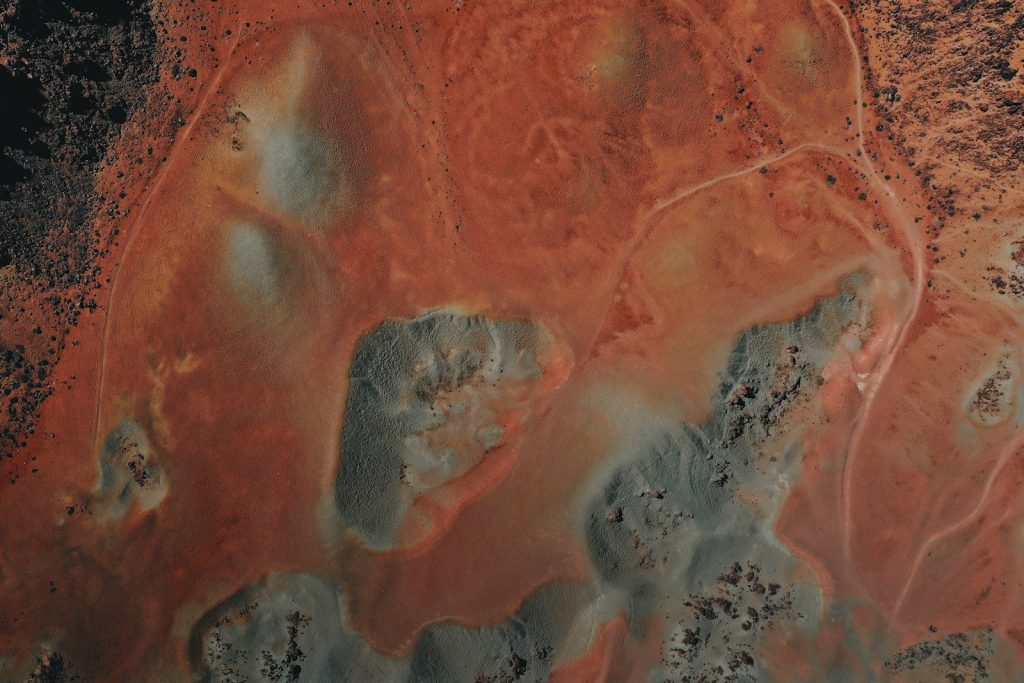
Thermal satellite imagery revealed unexplained warm spots deep inside the ancient glaciers. This is unexpected. According to planetary geologists, underground volcanic activity is likely melting the ice from below. This heat creates pockets of liquid water that could harbor active organisms. But researchers soon spotted something unusual on the volcanic surface.
Strange Landslide Patterns Forming
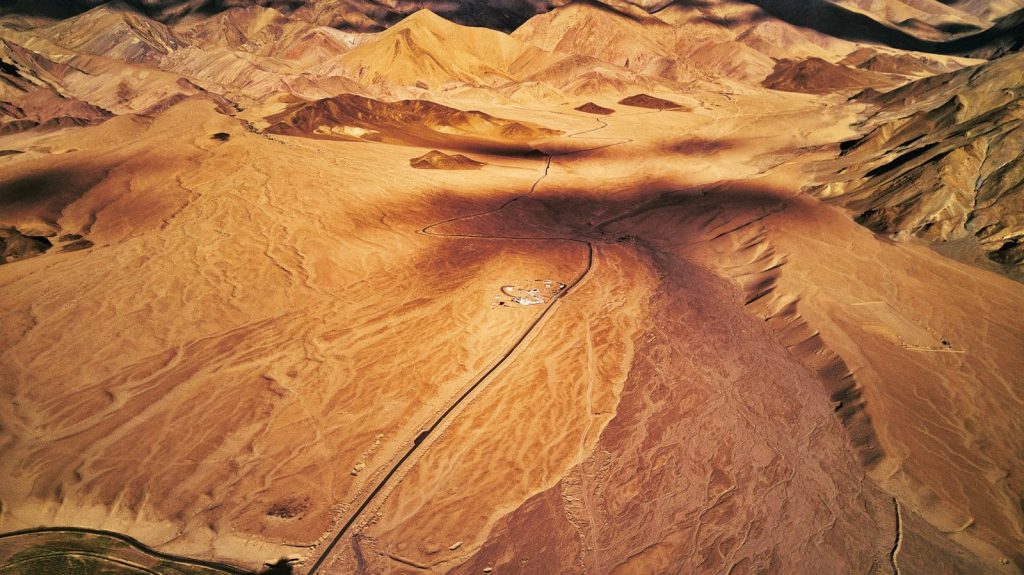
Recent satellite feeds showed massive, rapid landslides occurring on the slopes of Olympus Mons. They happen constantly. According to the European Space Agency, these sudden soil movements are not triggered by wind alone. Some deeper mechanical force is destabilizing the planet’s surface crust. This realization has forced scientists to prepare for a difficult mission.
Preparing A Subterranean Probe
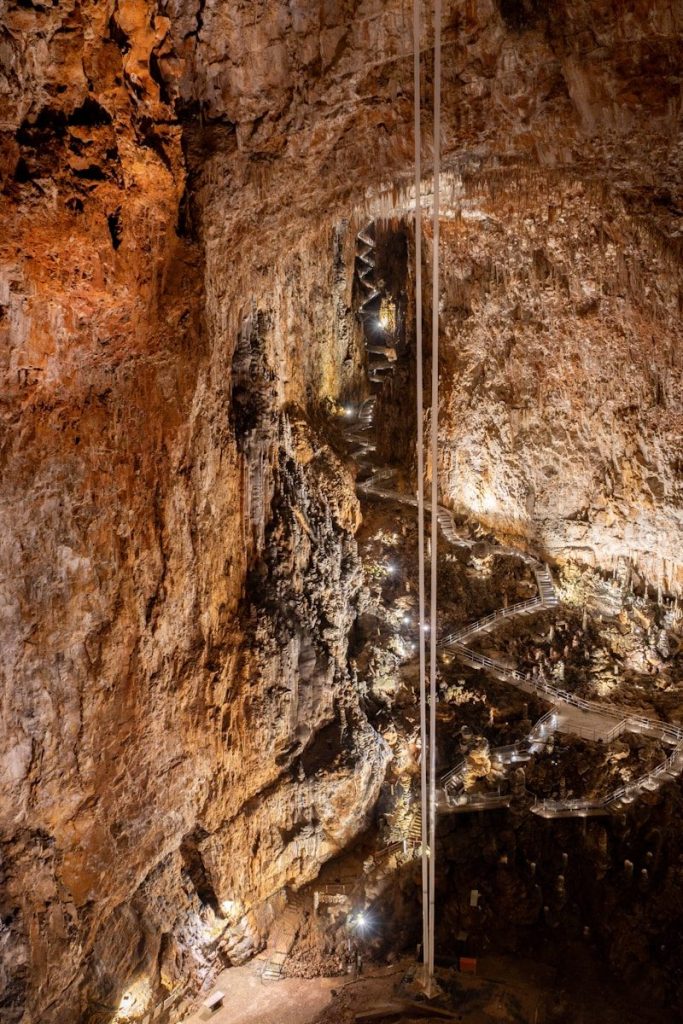
Engineers are now designing specialized robotic drills to penetrate the Martian cave systems. We need answers. According to aerospace reports, these deep probes will search for active microbial life beneath the dust. This high-tech exploration could rewrite our entire understanding of biology. But we must still face the dangers of sending humans to this unstable world.
Our Future On Mars

According to the scientific consensus, we must tread carefully as we explore the red planet. Our technology can help us navigate these hidden geological hazards. This article is for informational purposes only and does not constitute scientific or professional advice. Understanding the active nature of Mars ensures a safer journey for the next generation of explorers.
Leave a Reply