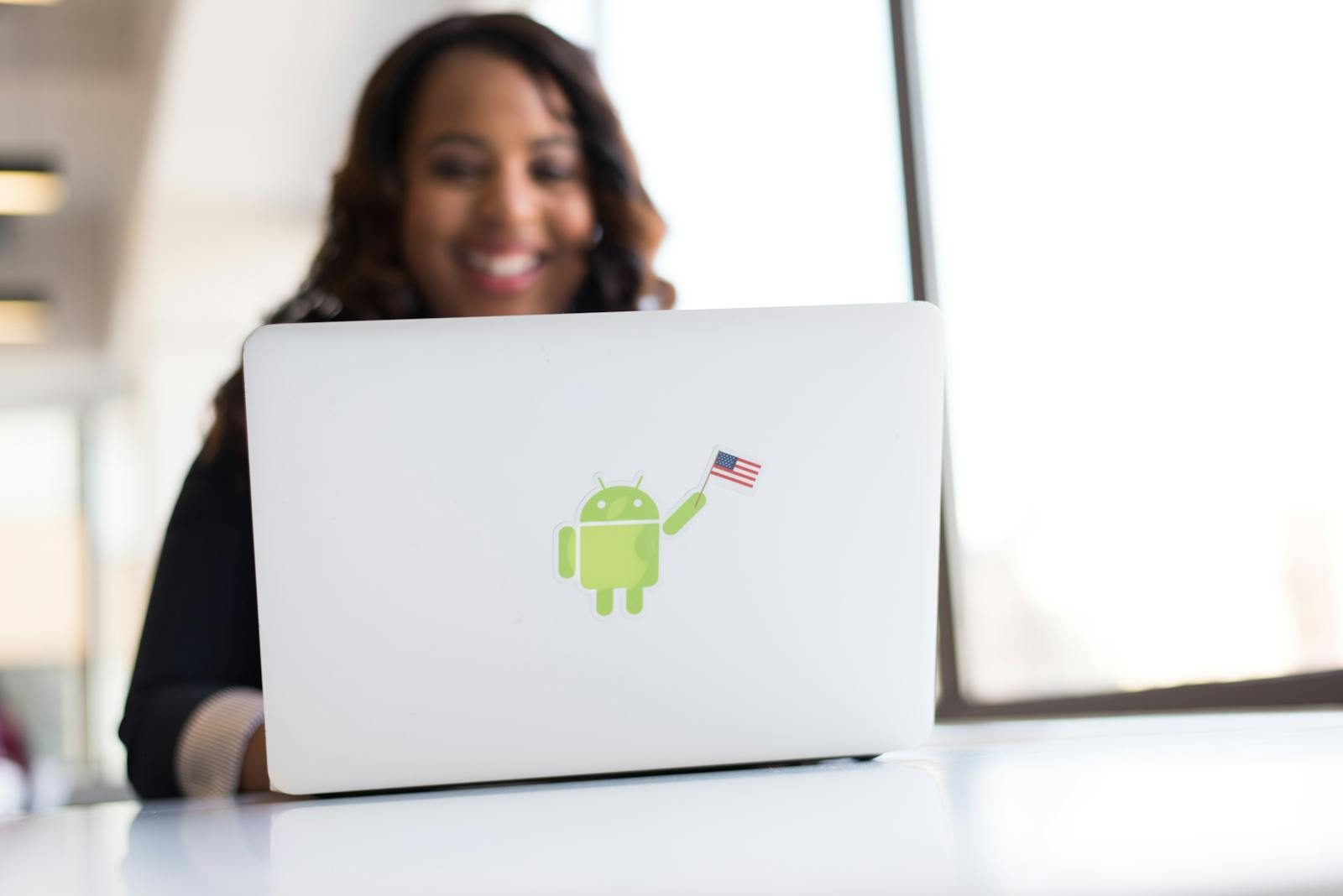
Android laptops used to sound like a strange idea. Phones ran Android. Laptops ran Windows, macOS, or ChromeOS. But that line is starting to blur. Google has introduced Googlebook, a new laptop category that brings together Android, ChromeOS, Google Play apps, Chrome, Gemini, and tighter Android phone features. The goal is not just to make a bigger phone with a keyboard. It is to build a laptop that feels more connected, more app-friendly, and more helpful for daily tasks. If the hardware is good and the software feels polished, Android laptops could move from “interesting experiment” to something normal people actually consider.
Google is making a real push
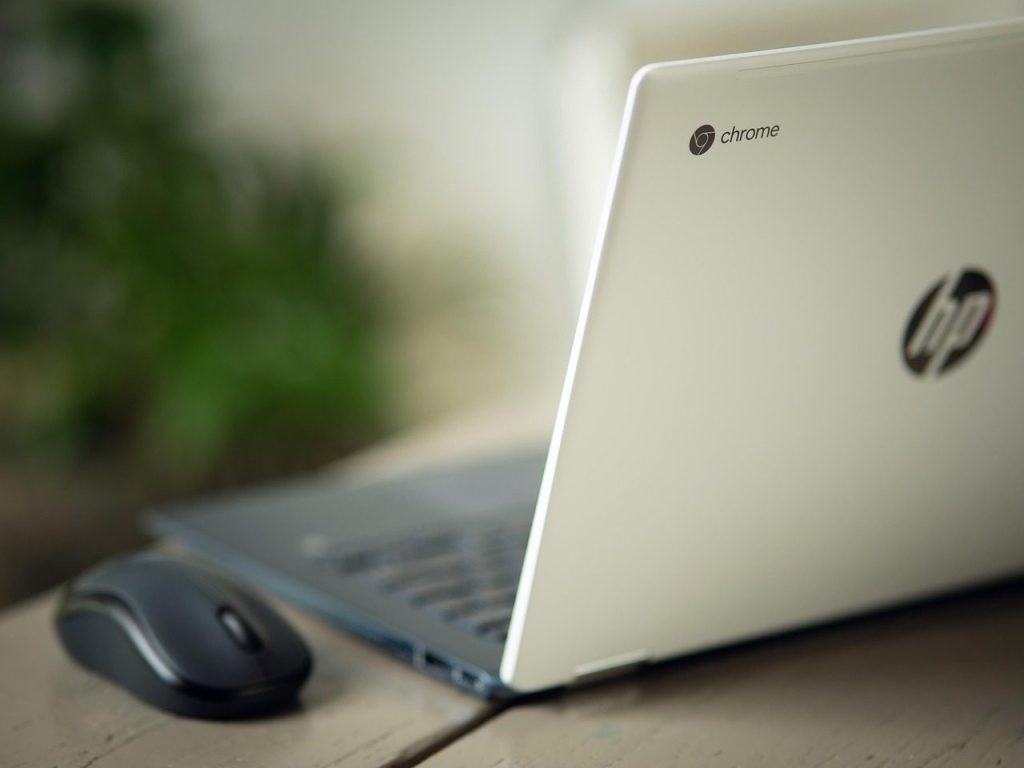
Google has already introduced Googlebook as a new laptop category built around Gemini Intelligence, Android phone connection, Google Play apps, Chrome, and premium hardware. That makes Android laptops feel less like a rumor and more like a planned product direction.
This matters because big platform shifts need support from the company behind the software. If Google keeps investing in the idea, Android laptops may get better apps, stronger updates, and more attention from hardware makers.
ChromeOS paved the way

Chromebooks helped many people get used to simple, cloud-friendly laptops. They became popular because they were easy to use, updated automatically, and worked well for web browsing, school, email, and basic work.
Google said in 2024 that ChromeOS would start using large parts of the Android technology stack. That move was meant to bring Google AI and new features to users faster, which helps explain why Android-based laptops now feel possible.
Android apps could matter
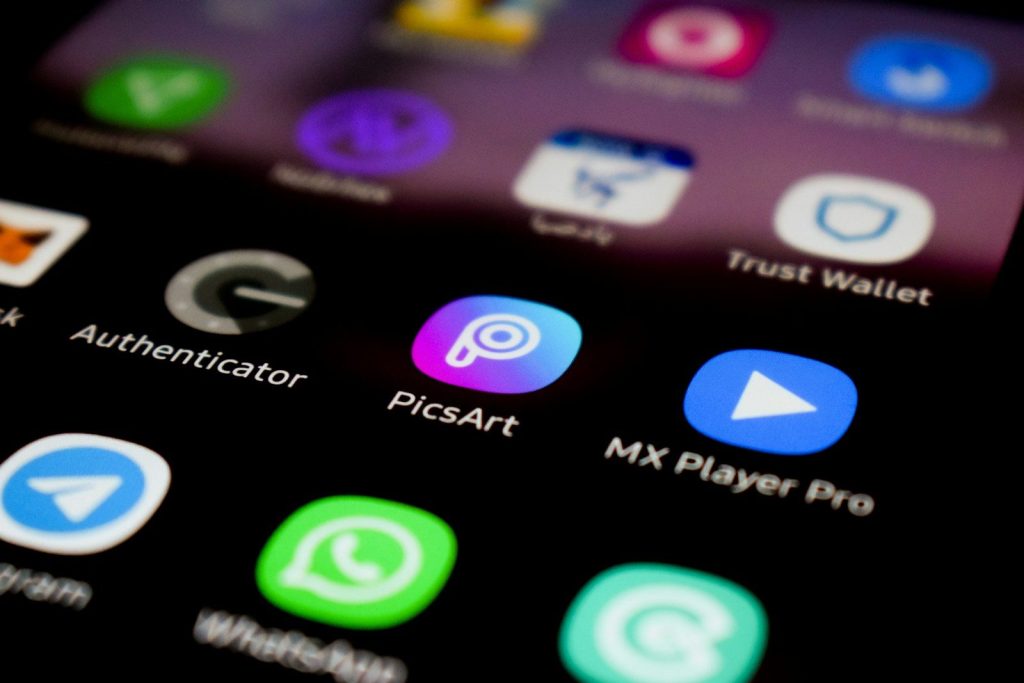
One big reason Android laptops may catch on is app familiarity. Millions of people already use Android apps every day for messages, photos, notes, maps, shopping, banking, streaming, and smart home controls.
Googlebook is described as bringing together Android’s apps from Google Play with ChromeOS’s browser strength. If those apps run smoothly on larger screens, users may not feel like they are learning a totally new computer.
Phone syncing may be key
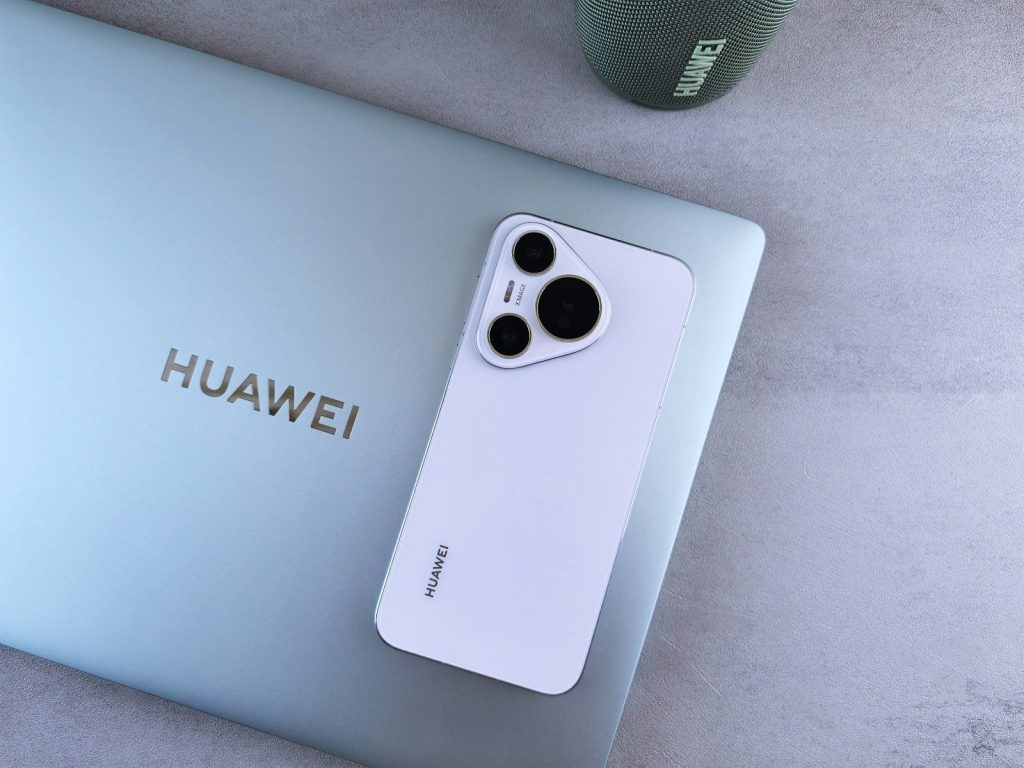
A normal laptop can feel separate from your phone. Googlebook is being built to work closely with Android phones, including quick access to phone apps and files. That could make switching between devices feel less clunky.
For many people, the phone is already the center of daily tech life. A laptop that continues the same flow could feel natural, especially for texting, moving photos, checking files, or picking up tasks.
AI may shape the experience

Google says Googlebooks are designed from the ground up for Gemini Intelligence. The company describes features like Magic Pointer, which uses Gemini to offer helpful suggestions near the cursor.
That could make the laptop feel more active than a traditional computer. Instead of only opening apps and typing commands, users may get help summarizing, organizing, editing, and moving through tasks with fewer steps.
Better chips could help
Android laptops will need strong performance to feel normal. Recent reports say Googlebook hardware is expected to involve major chip partners, including Intel, Qualcomm, and MediaTek, which could give laptop makers more design choices.
That is important because people expect laptops to feel fast, quiet, and reliable. If Android laptops can offer good battery life, quick wake times, and smooth multitasking, they may be easier to accept.
Price will matter a lot

Android laptops cannot become normal if they only appear as expensive showcase devices. Chromebooks grew partly because many models were affordable and practical for schools, homes, and light work.
At the same time, Googlebook is being described as a premium category, not just a cheap Chromebook replacement. That could help the idea feel serious, but prices must still make sense for everyday buyers.
Work needs strong support
For Android laptops to become common, they must handle normal work without frustration. That means strong web browsing, good keyboard and trackpad support, smooth video calls, file management, printing, and reliable office tools.
Chrome already gives Google a strong base for web work. The harder part is making Android apps feel like real laptop apps, not stretched phone screens. That polish could decide whether users stick around.
Windows is still a giant
Android laptops may grow, but Windows will not disappear overnight. Many workplaces, schools, gamers, and creative users depend on Windows apps, hardware support, and long-standing software habits.
That means Android laptops are more likely to start as an alternative for everyday users. They could appeal to people who mostly browse, write, stream, study, manage photos, and live inside Google and Android services.
Normal depends on trust
A new laptop platform needs more than hype. People must trust that apps will work, updates will last, accessories will connect, and the device will not feel limited after a few months.
Google says Chromebooks receive long automatic update support, which shows how important long-term reliability has become for laptop buyers. If Android laptops can offer that same steady feeling, they may have a real chance.
Leave a Reply