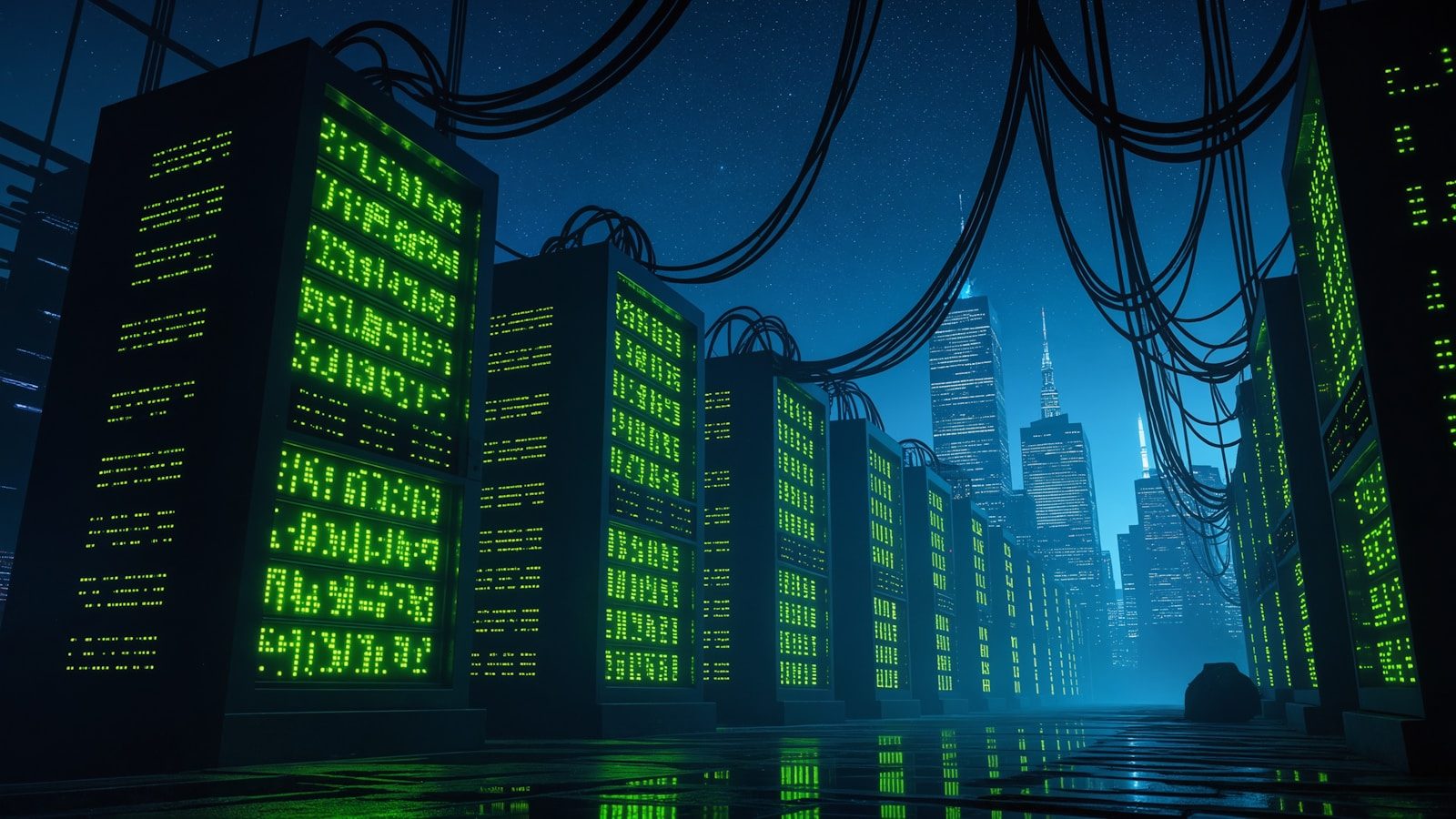
Most internet users assume that our growing digital world is completely clean and weightless. We believe that streaming movies and chatting with artificial intelligence has no real-world cost.
But the rapid expansion of massive data centers is triggering a severe energy crisis. These giant computer warehouses are demanding far more electricity than the national grid can safely handle.
The Growing Power Hunger

Modern digital platforms require an astronomical amount of electricity to function. According to energy grid analysts, the rise of artificial intelligence has doubled the power demands of new computing hubs. The surge is massive. This sudden growth is pushing existing power plants to their absolute physical limits. But the true scale of this energy drain is starting to alarm grid operators across the nation.
Straining The National Grid
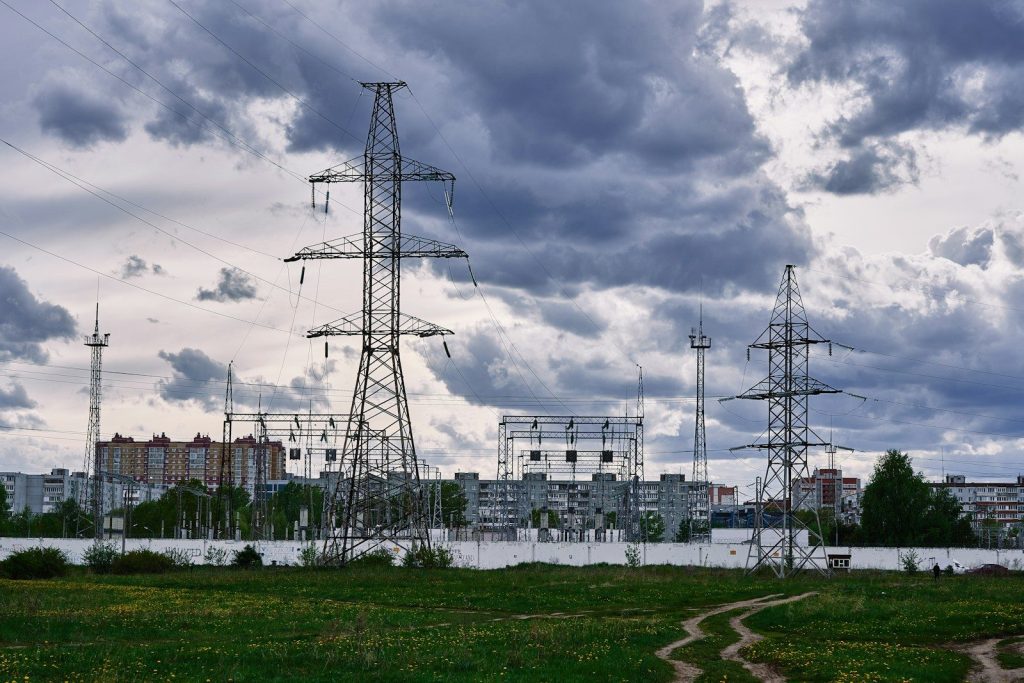
Electrical grids were never designed to handle such concentrated pockets of intense power demand. According to a report by the Federal Energy Regulatory Commission, multiple states are facing severe risks of rolling blackouts. The system is fragile. This rapid digital expansion is leaving almost no spare power for regular homes and businesses. Yet the tech industry is showing absolutely no signs of slowing down its growth.
The Carbon Footprint Rebound

Many technology corporations previously promised to operate on one hundred percent clean energy. According to environmental studies, the sheer scale of the power crisis is forcing companies to rely on fossil fuels again. The promises are breaking. Several older coal and natural gas plants are delaying their planned closures just to keep these servers running. But this desperate measure is actively undoing years of climate progress.
The Rise Of Artificial Intelligence

Artificial intelligence is a primary driver of this unprecedented surge in energy consumption. According to reports from the International Energy Agency, an AI search query uses ten times more electricity than a standard search. The math is simple. This incredible power demand means that computing hubs are consuming electricity faster than ever before. But a surprising bottleneck is preventing new facilities from even opening.
Waiting For Power Lines
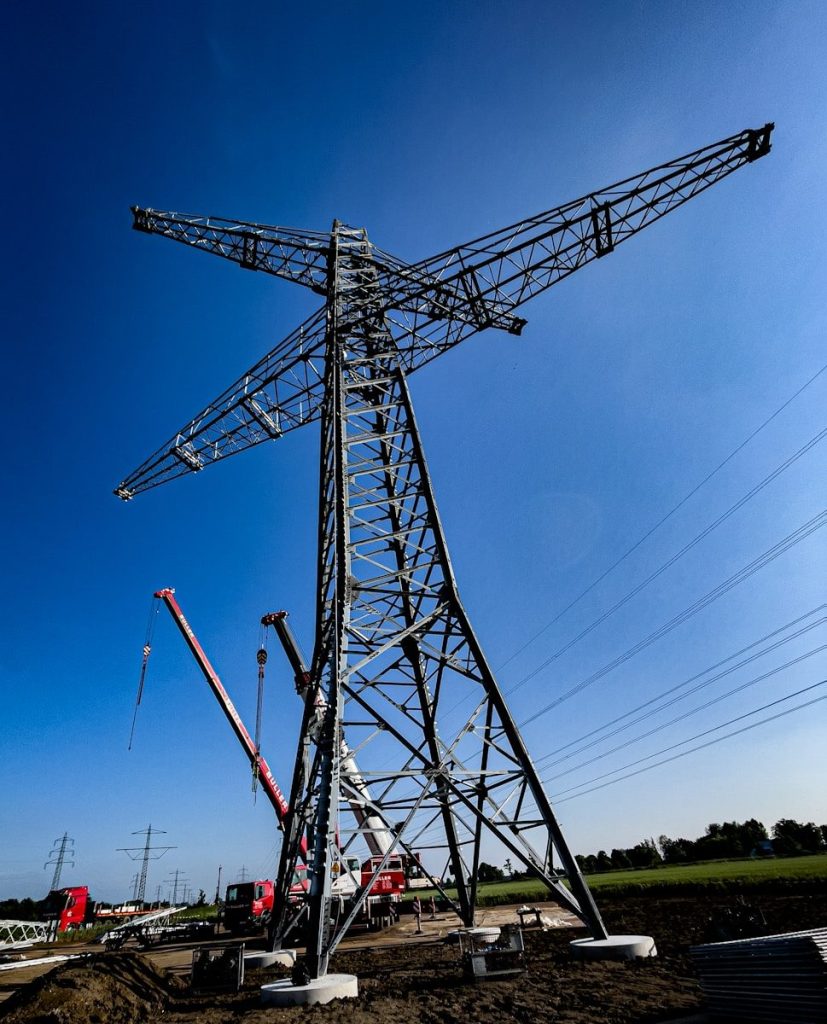
Building a data warehouse is easier than connecting it. According to grid transmission logs, some new facilities must wait up to seven years just to get a physical hookup. The queue is long. This massive delay is forcing technology companies to seek out creative and highly experimental power options. But one of these alternative solutions is taking them back to the atomic age.
Turning To Nuclear Power
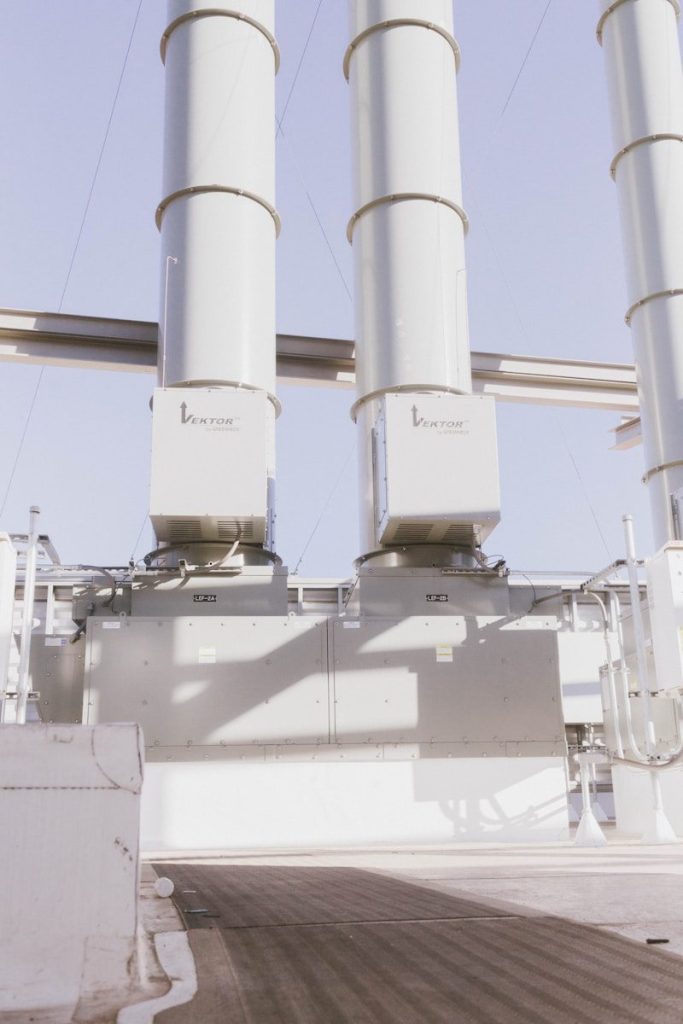
Tech giants are signing historic deals with nuclear power operators to guarantee constant electricity. According to industry statements, companies are trying to restart closed nuclear reactors to run their servers around the clock. The stakes are high. This pivot highlights how desperate the industry has become for reliable and carbon-free base load power. But this sudden rush for nuclear energy is raising serious public safety questions.
The Rising Cost For Consumers
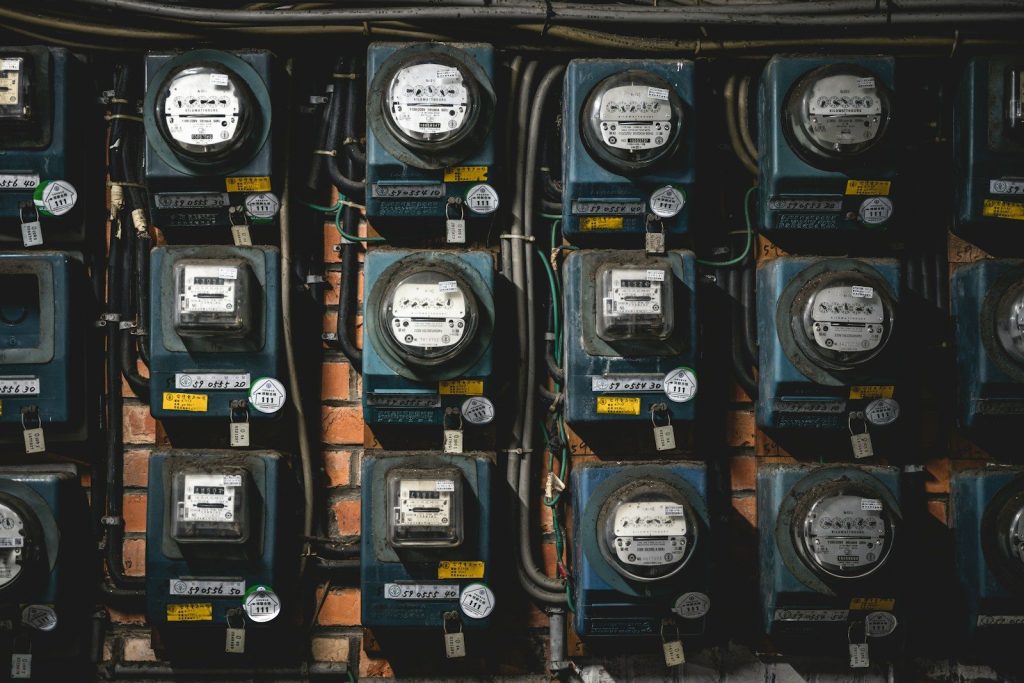
The intense competition for electricity is starting to impact regular utility bills. According to consumer advocacy reports, residential electricity rates are climbing fast in areas with high data center concentration. Families are paying more. This trend is sparking a fierce debate over who should pay for upgrading the national grid. But the ultimate resolution of this crisis will require a major technological shift.
Engineering a Sustainable Future

Balancing our appetite for digital data with grid limits is a major challenge. According to energy engineers, the future of technology relies on developing ultra-efficient processors and local clean power generation. Innovation is key. This article is for informational purposes only.
Featured Image: Photo by Markus Stickling on Unsplash
Leave a Reply