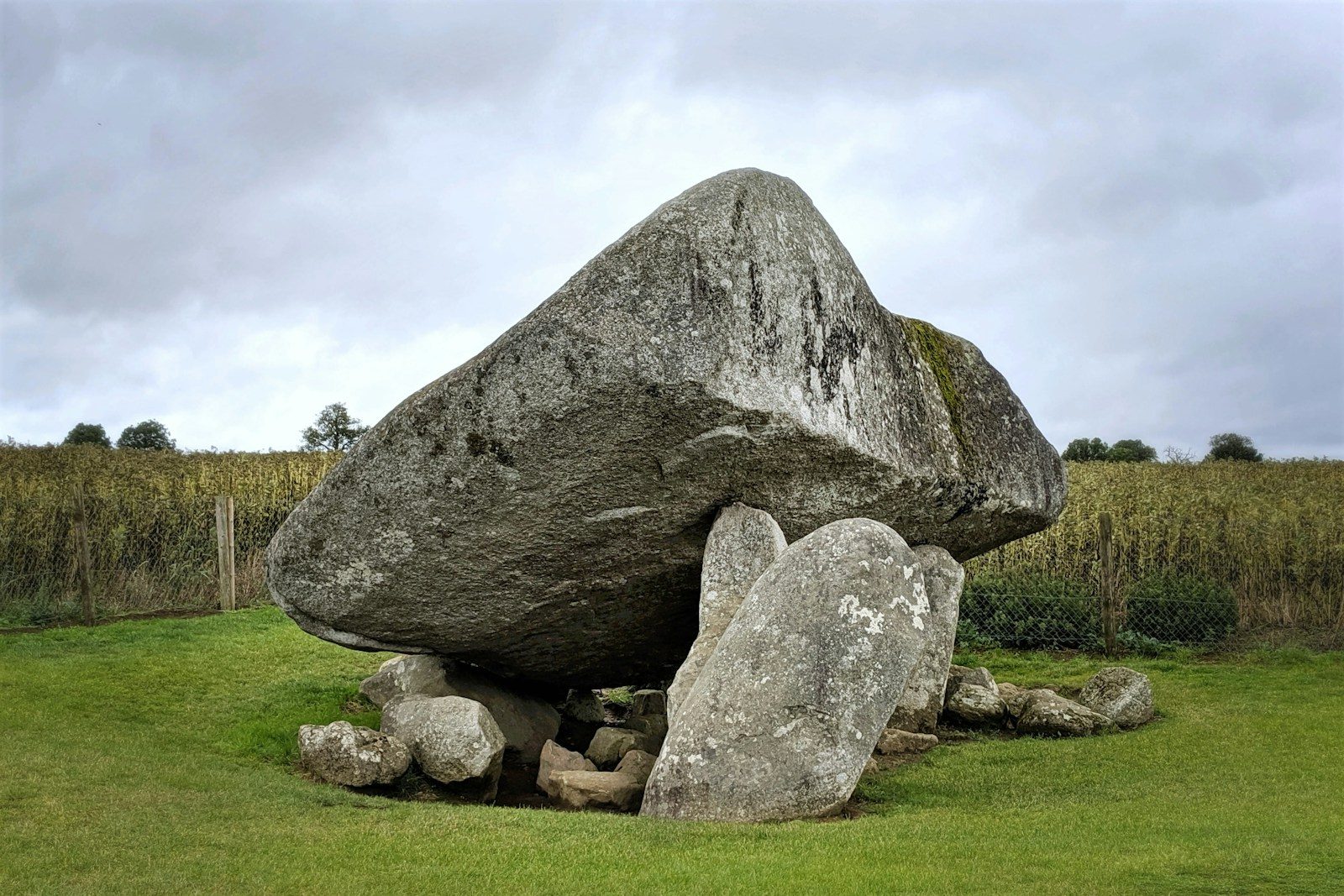
A team of researchers in Spain has recently made an extraordinary discovery. They uncovered a massive stone tomb that has remained completely intact for five thousand years. This monument is known as Dolmen I and lies in Malaga. It is a prehistoric marvel that is rewriting our understanding of ancient Europe. The structure is packed with unique artifacts and ancient human remains. What makes this find so special is its incredible state of conservation. It has survived the passage of five millennia without being looted or destroyed. Scientists from the University of Cadiz are currently studying the site. They are finding objects that should not exist in this region. These exotic treasures suggest that prehistoric humans were connected to vast trade networks that stretched across continents. The secrets hidden inside this stone chamber are changing history. The story of this discovery began with a massive pile of stones.
A Megalithic Giant Unearthed in Malaga
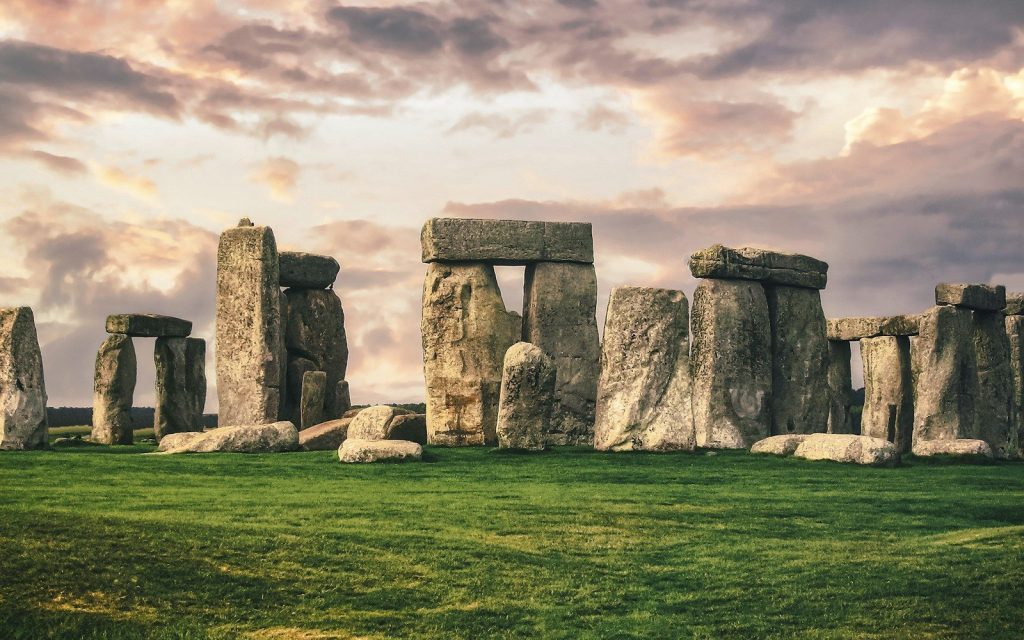
The stone monument is truly monumental. It measures nearly forty-two feet in length, which is comparable to the size of a large bus. Builders constructed the tomb using upright stone slabs that stand over six feet tall. This required incredible physical effort and coordination. The entire structure was buried under a massive mound of sand and small stones. This clever design kept the interior safe from both weather and grave robbers. But the real surprises were waiting inside the complex chambers.
Unlocking the Lifestyles of Prehistoric Communities
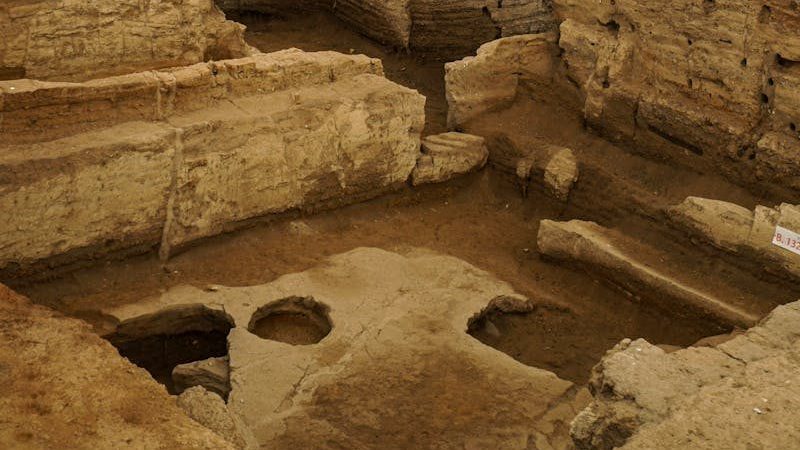
Archaeologists were thrilled by the preservation of the tomb. Many ancient graves are disturbed by modern farming or construction. This monument remained untouched. Eduardo Vijande, a lead researcher on the project, explained that this conservation allows us to study the exact burial rituals of these communities. They can see precisely where and how objects were placed. The team uncovered several distinct rooms within the tomb. These compartments held a dark secret that began to emerge during the dig.
Collective Burials and the Mystery of the Bones
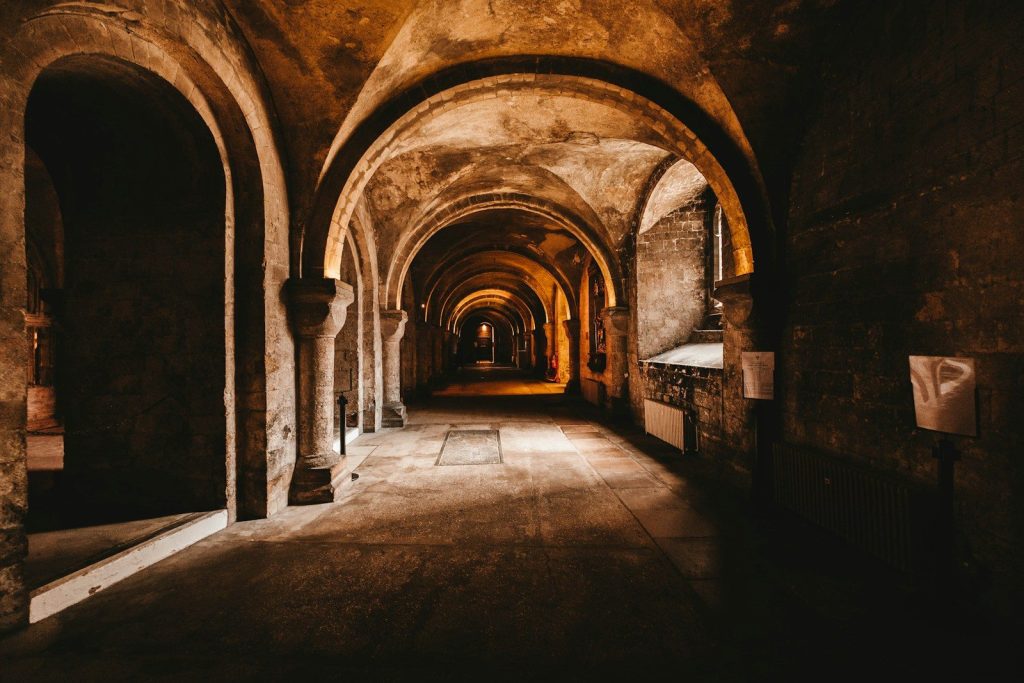
This tomb was not built for a single king. It served as a collective burial ground for the entire community. Archaeologists located multiple container rooms called ossuaries. These rooms held the bones of many different individuals. The community buried their loved ones together over several generations. This practice shows a deep sense of social unity. But the dead were not buried alone. They were surrounded by exotic items that shocked the research team.
The Shocking Presence of Exotic Amber and Ivory

Finding luxury goods was a massive shock. Yet, the container rooms held raw ivory and beautiful amber. These materials are not native to southern Spain. Ivory came from African elephants, while amber traveled from the Baltic regions of northern Europe. This proves that these ancient people were not isolated. They had access to luxury items from distant lands. This discovery reveals a highly organized system of exchange. But these precious materials were not the only valuable items found inside.
Deadly Flint Weapons Crafted With Amazing Skill

Deadly weapons also filled the tomb. Archaeologists recovered carved flint arrowheads and large-format blades. They even found a massive two-handed weapon similar to an axe. These flint pieces were crafted with incredible precision. They served as symbols of protection or prestige for the deceased. The presence of these weapons shows that the community valued hunting and warfare. However, a different type of artifact pointed to a peaceful connection with the sea.
Sea Shells Used as Prehistoric Status Symbols

Coastal materials also made an appearance. The researchers found beautiful sea shells buried alongside the bones. This was a surprising find because the tomb sits far inland. Juan Jesus Cantillo, another professor involved in the study, noted that these shells were highly valued. They served as status symbols of prestige. Having objects from the sea in an inland area proves the existence of long-distance trade. These networks connected coastal communities with inland settlements. This shows that ancient trade was much more complex than we thought.
Reshaping Our View of Ancient European Society

The discovery of the Dolmen I is a major breakthrough. It proves that prehistoric people in Spain were part of a sophisticated, interconnected world. They designed massive structures, traded across continents, and honored their dead with prestigious items. This tomb acts as a beautiful time capsule of a forgotten era. It shows that ancient humans were far more advanced than history books suggest. We are only beginning to uncover the full story of their remarkable lives.
Featured Image: Photo by Howard Walsh on Unsplash
Leave a Reply