
Public concern about artificial intelligence has grown as the technology moves from optional software into workplaces, schools, public services, and local infrastructure. Recent U.S. polling does not prove that everyone “hates” AI, but it does show a substantial trust problem. Many Americans expect more social harm than benefit and want greater control.
The backlash is driven by several overlapping issues rather than one scandal. People worry about job losses, inaccurate information, surveillance, creative displacement, energy demand, and data centers built near their homes. At the same time, many continue using AI tools and see promise in medicine or data analysis, creating a mixed picture of adoption without confidence.
Negative AI Sentiment Data Analytics

A June 2026 Pew Research Center report found that 40 percent of U.S. adults expected AI to affect society negatively over the next 20 years, while a much smaller share expected a positive effect. Thirty-one percent predicted a negative impact on their own lives. These figures describe expectations, not measured future outcomes, but they show that the industry’s optimistic messaging has not persuaded much of the public that benefits will be shared fairly today.
Person Hesitant Using Computer AI Technology

Concern has increased even while everyday exposure rises. Pew reported in March 2026 that half of U.S. adults felt more concerned than excited about AI’s growing role in daily life, compared with 37 percent in 2021. Usage is also expanding among workers, students, and families. That combination matters: skepticism is not coming only from people unfamiliar with the technology. Some users are becoming more cautious as they encounter errors, automation pressure, privacy questions, and unclear accountability.
Office Automation Job Disruption Concept

Jobs remain one of the strongest sources of anxiety. In Pew’s comparison of AI experts and the public, 64 percent of U.S. adults predicted that AI would lead to fewer jobs over two decades, while only 5 percent expected more jobs. Experts were generally more optimistic about productivity and economic effects. The gap suggests that public resistance cannot be solved with broad promises alone; people want credible explanations of who gains, who bears disruption, and how workers will be protected.
Community Protests Against AI Data Center
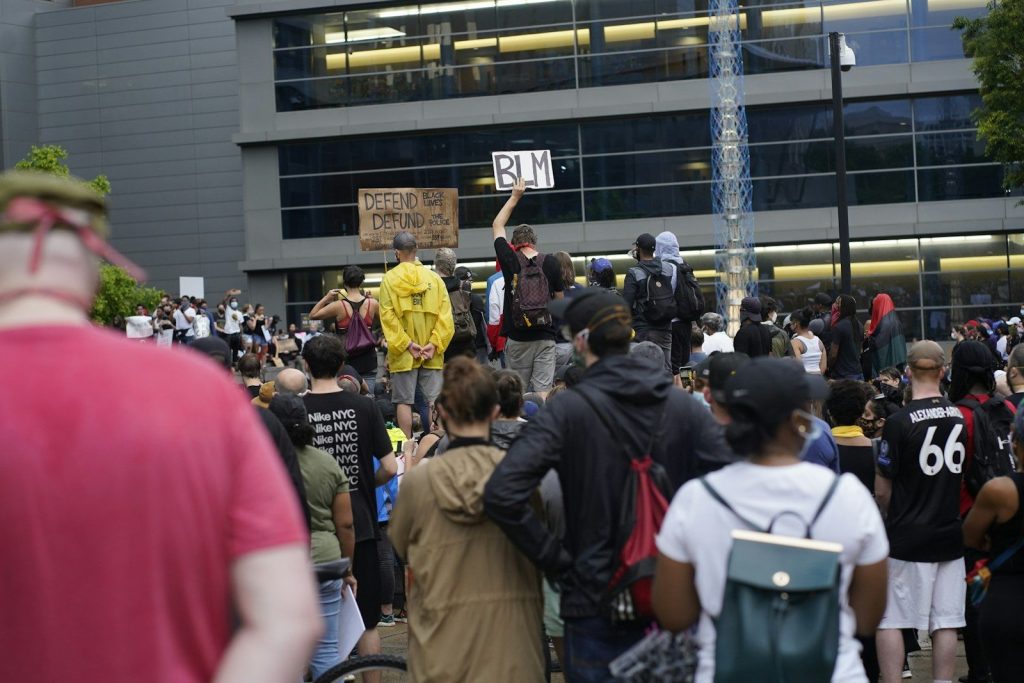
Data centers have turned an abstract technology debate into a local political issue. Gallup reported in May 2026 that seven in ten Americans opposed building AI data centers in their area, including 48 percent who strongly opposed them. Respondents most often cited water and electricity use, pollution, higher utility bills, traffic, and land use. Supporters emphasized jobs and tax revenue, showing that local acceptance depends heavily on whether communities believe the costs and benefits are balanced.
Electrical Power Grid High Energy Consumption

The infrastructure pressure is real, although individual projects vary widely. The International Energy Agency projects global data-center electricity use to roughly double by 2030, with AI-focused facilities growing particularly quickly. That does not mean AI alone will cause an energy crisis, and cleaner power can reduce emissions. It does mean companies and governments need transparent forecasts, grid planning, water safeguards, and community consultation rather than treating new computing capacity as a purely technical decision for affected regions.
Local Citizens Demonstrating Protests

Organized opposition is also becoming more visible. Time reported that 142 protests against data centers took place across 42 U.S. states on July 18, 2026. Demonstrations do not reveal the views of every resident, but they show that permitting decisions can mobilize communities rapidly. Similar distrust appears around surveillance, copyrighted training material, automated decisions, and synthetic media. Each issue reinforces the belief that companies expanded first and addressed public consent only after controversy emerged.
Transparent Artificial Intelligence Ethics Governance

The evidence supports describing an AI trust crisis, not universal hatred. Many people still use generative tools and recognize possible gains in health care, research, accessibility, and routine work. The industry’s challenge is to prove those benefits while reducing concrete harms. More accurate products, enforceable privacy rules, honest labor-transition plans, environmental disclosure, independent audits, and meaningful local input are more likely to rebuild confidence than advertising that presents technological progress as automatically beneficial over time. This article is for informational purposes only.
Featured Image: Shutterstock
Leave a Reply