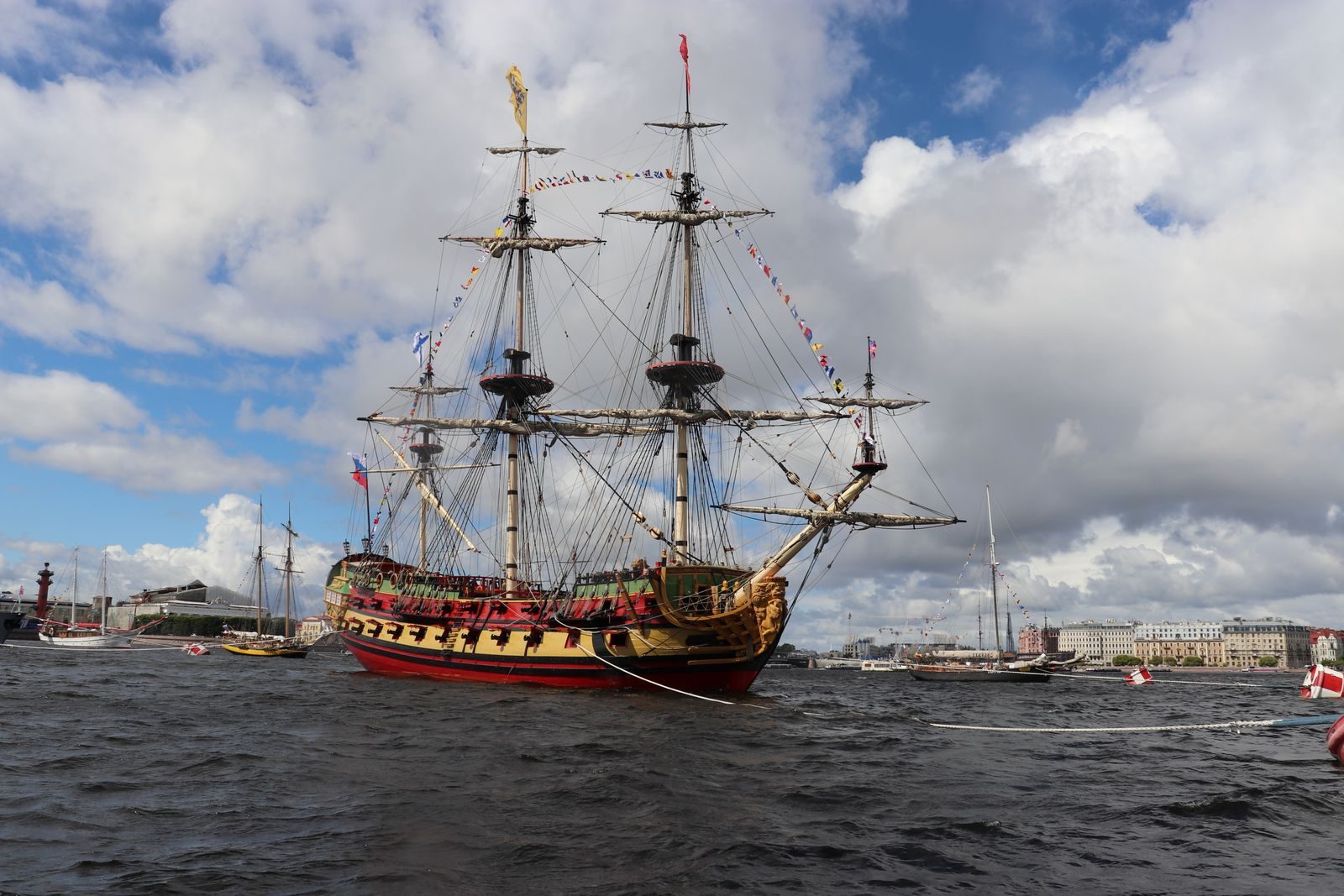
Most historians assume that ancient warships were carefully tested before embarking on major ocean voyages. We expect royal shipbuilders to follow strict engineering rules when constructing massive vessels.
But Sweden’s most powerful warship sank just twenty minutes into its maiden voyage in 1628. A single gust of wind revealed a major structural flaw in the design.
Vasa Warship Bronze Cannon Deck

King Gustavus Adolphus ordered the construction of the Vasa to dominate northern Baltic trade routes. According to records from the Vasa Museum, the vessel carried sixty-four heavy bronze cannons. Pride ran high. The ship was meant to showcase Sweden’s growing military strength. But its ambitious design contained a deadly engineering defect.
Seventeenth-Century Warship Hull Architecture

To maximize firepower, builders added a second gun deck without widening the lower hull sufficiently. According to naval architects at the Swedish Maritime Museum, the ship lacked adequate ballast stone weight. The balance was poor. The vessel’s center of gravity sat dangerously high above the waterline. And the first test of stability failed completely.
Sinking Wooden Warship In Harbor
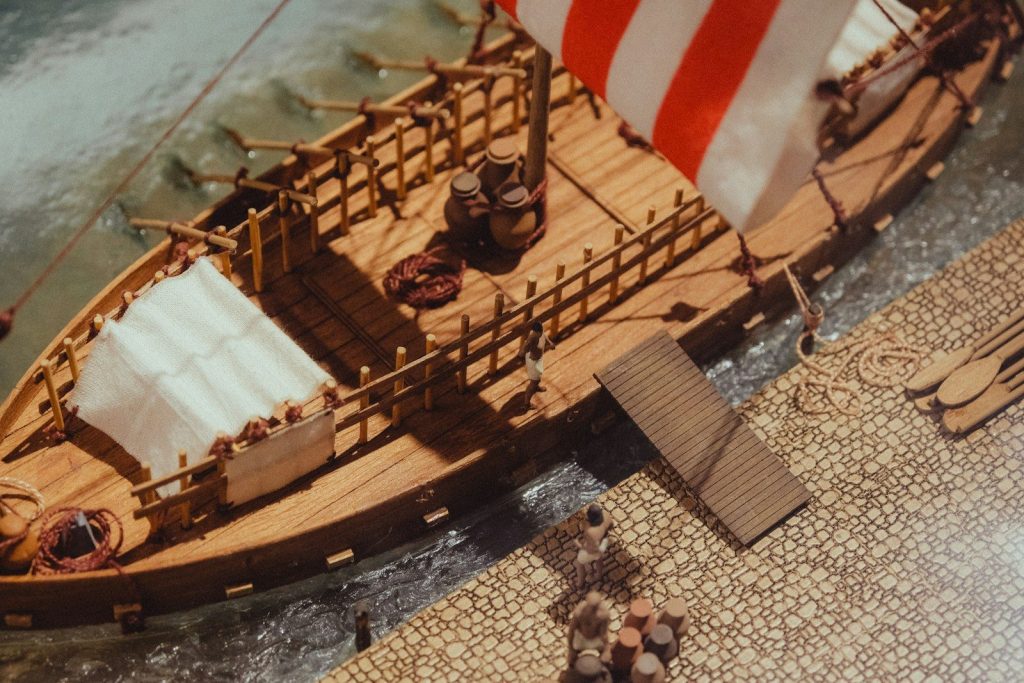
As the ship sailed into open harbor waters, a light breeze forced the hull to heel sideways. According to historical court documents, open lower gun ports allowed cold sea water to rush inside. Water flooded in. The ship sank quickly before hundreds of shocked onlookers along the shoreline. But the vessel would remain preserved in dark seabed mud for centuries.
Sunken Ship Hull In Seabed Mud
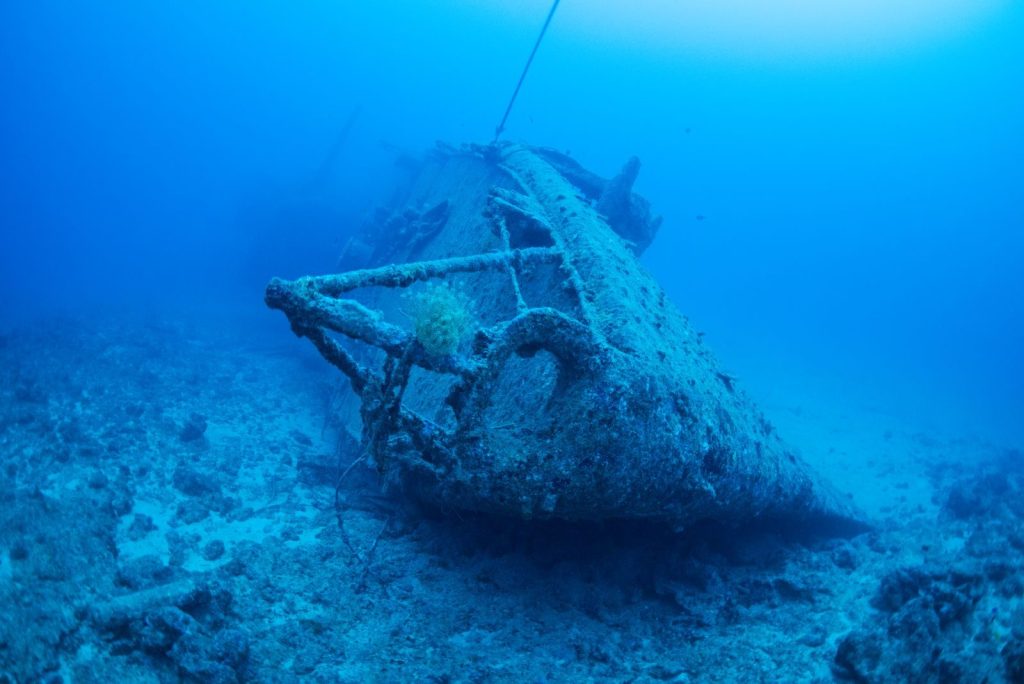
Cold brackish water in the Baltic Sea protected the wooden hull from wood-boring shipworms. According to marine archaeologists, the vessel rested intact under thirty meters of mud for over three centuries. Time stood still. Timber and carved sculptures remained remarkably undamaged in the low-oxygen environment. And then a dedicated researcher decided to locate the forgotten wreck.
Deep Sea Diver Examining Shipwreck
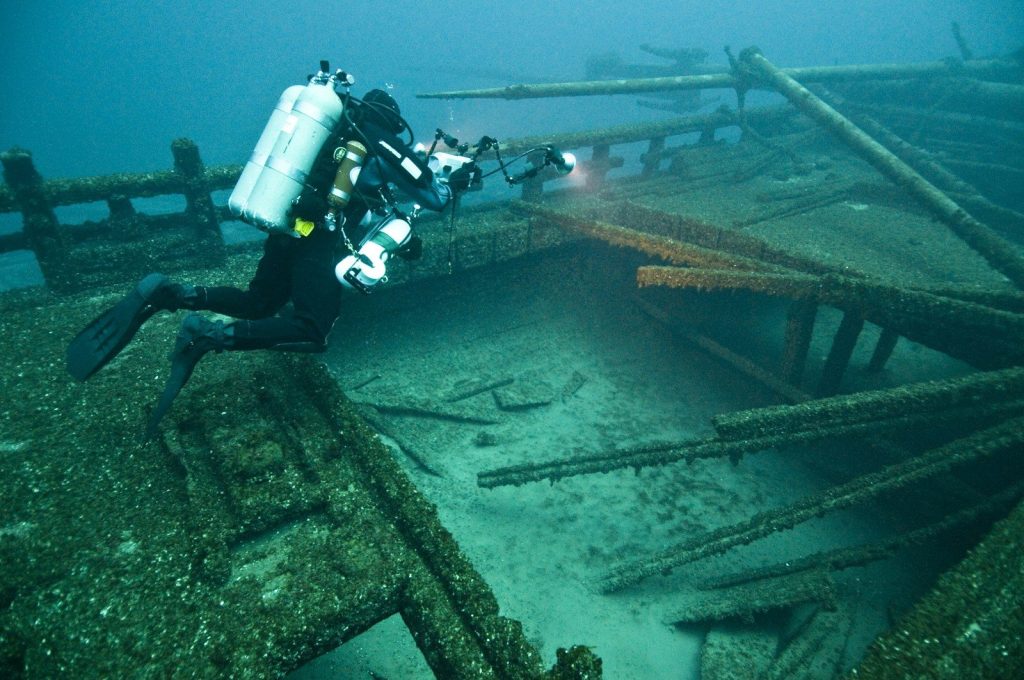
In 1956, fuel researcher Anders Franzen located the sunken hull using specialized core sampling tools. According to Swedish salvage reports, divers confirmed the ship was nearly complete under the seabed. Recovery began soon. Engineers devised an ambitious plan to lift the entire intact wooden hull to the surface. But raising a four hundred year old wooden vessel required groundbreaking technology.
Pontoon Cranes Raising Wooden Ship

Salvage teams dug tunnels under the ship to pass massive steel cables beneath the hull structure. According to the Vasa Museum salvage logs, pontoon cranes raised the vessel safely in 1961. Restoration succeeded. Preservation experts sprayed the wood with polyethylene glycol for decades to prevent timber shrinkage. Yet the artifact continues to teach engineers valuable lessons today.
Preserved Vasa Warship In Museum

Today the preserved warship sits inside a custom museum in Stockholm as a national treasure. According to historical scholars, the disaster serves as a classic study in structural balance and design limits. History remains clear. Respecting engineering principles is essential when building complex structures. This article is for informational purposes only.
Featured Image: Photo by Mr. Russia ® on Pexels
Leave a Reply