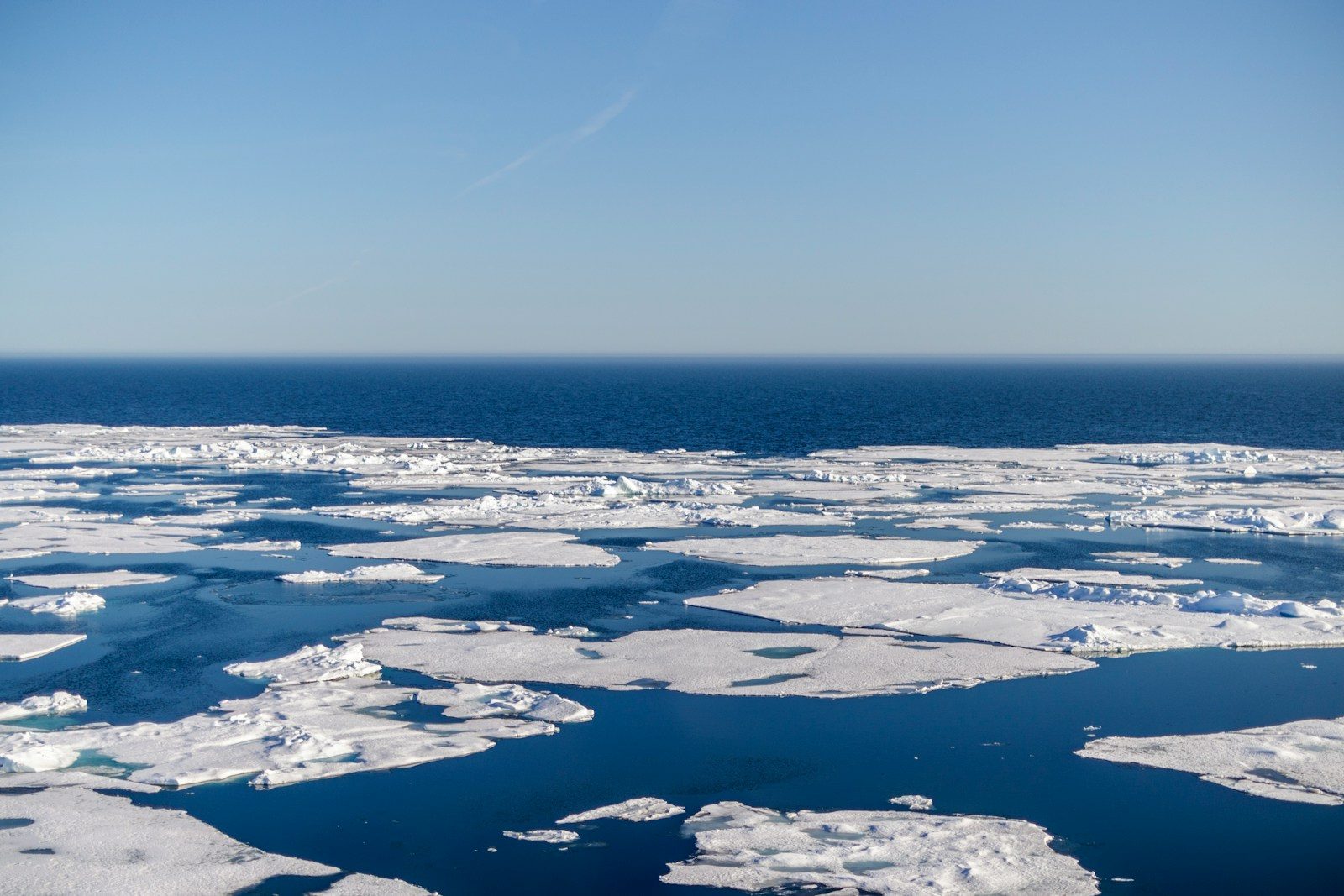
Most people assume that global warming simply means warmer weather everywhere on Earth. We expect rising temperatures to create mild winters across northern coastal regions.
But melting ice sheets could disrupt the giant ocean currents that regulate regional climates. A sudden influx of fresh water may alter weather patterns in unexpected ways.
Atlantic Ocean Current Flow Map
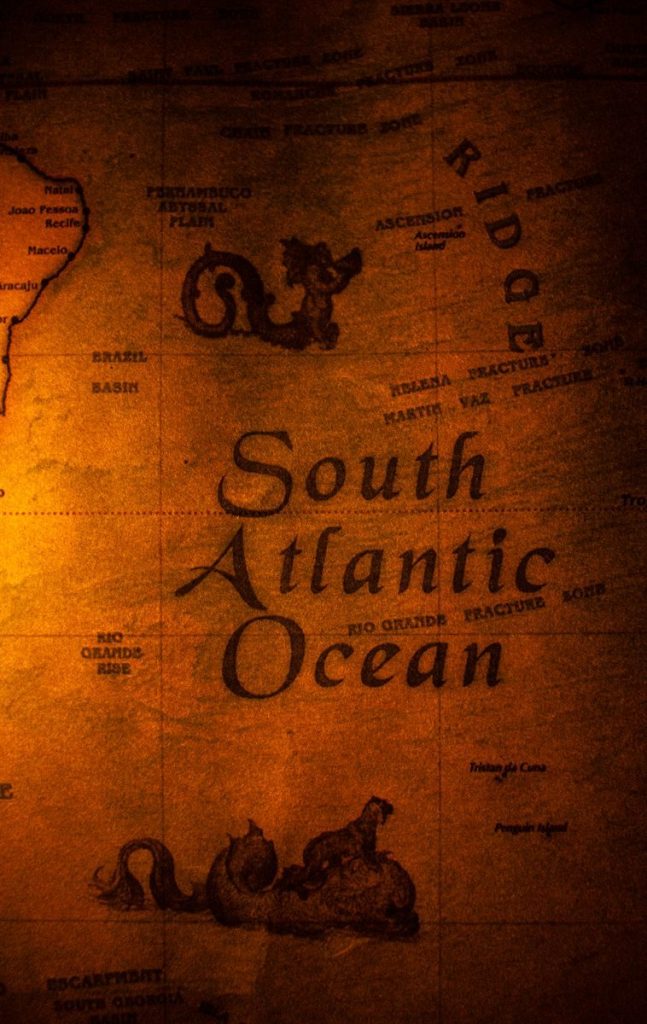
The Atlantic Meridional Overturning Circulation moves warm tropical water toward northern Europe. According to research from the Woods Hole Oceanographic Institution, this circulation keeps European winters relatively mild. Warmth moves North. Cold dense saltwater normally sinks near Greenland to drive the global conveyor belt. But melting glacial ice is altering water density.
Melting Greenland Glacier Freshwater

Melting glaciers pour huge volumes of low-density fresh water into the North Atlantic. According to oceanographic data from NOAA, fresh water prevents dense saltwater from sinking properly. Circulation slows down. Without sinking water, the deep current loses its primary driving force. And that slowdown creates serious climate consequences for surrounding continents.
Severe Winter Snowstorm In Europe

If the ocean circulation weakens significantly, northern European temperatures could drop sharply. According to climate modeling studies from Nature Communications, regional winter temperatures might fall several degrees. Winters could grow harsh. Weather patterns would shift dramatically across agricultural regions. But coastal regions on the opposite side of the ocean face a different risk.
Flooded Coastal City Sea Level

A slowdown in Atlantic currents causes water to back up along the North American coastline. According to scientists at the United States Geological Survey, sea levels could rise along eastern shores. Water pushes inland. Coastal cities face increased flooding risks during high tides and storms. Yet marine ecosystems are also feeling the impact of shifting waters.
Commercial Fishing Boat In North Atlantic

Ocean currents transport vital nutrients that support major fisheries across the North Atlantic. According to marine biology reports from the Scripps Institution of Oceanography, shifting currents disrupt fish migration routes. Marine life suffers. Commercial fisheries could see population declines in traditional fishing grounds. And atmospheric weather patterns are changing as well.
Drought Cracked Soil On Farm

Disrupting Atlantic heat transport changes monsoon seasons and rainfall distribution across tropical zones. According to studies from the European Geosciences Union, agricultural regions could face severe drought cycles. Rainfall becomes unpredictable. Global weather systems interact in complex ways across the globe. But scientists are actively monitoring these changes in real time.
Deep Ocean Buoy Satellite Sensor

Researchers use deep-sea buoys and satellite altimetry to track ocean circulation speeds continuously. According to oceanographers at NASA, modern sensor networks detect subtle salinity and temperature shifts. Data flows daily. These advanced tools help scientists refine predictive models for future climate trends. But questions remain about when critical tipping points might occur.
Coastal Sea Wall Storm Barrier

Understanding how ocean currents influence weather helps coastal communities plan for future environmental challenges. According to climate researchers, proactive infrastructure investments reduce potential storm damage along vulnerable coastlines. Knowledge builds resilience. Continued scientific study ensures humanity can adapt to changing planetary systems. This article is for informational purposes only.
Featured Image: Photo by Hector John Periquin on Unsplash
Leave a Reply