
About 74,000 years ago, the Toba supereruption in present-day Indonesia spread ash across vast areas and disturbed the climate. A famous hypothesis later argued that the disaster pushed Homo sapiens close to extinction. That dramatic account remains popular, but modern archaeology, genetics, lake records, and climate modeling do not support presenting a near-total human collapse as established fact.
Toba may have caused regional hardship and several years of cooling, drying, ozone loss, or ecological disruption. What scientists dispute is whether it reduced all humanity to a few thousand people. Evidence from Africa and India shows occupation continuing across the eruption, while genetic bottleneck estimates do not align neatly with its date. Global near-extinction remains unproven.
Mount Toba Caldera Crater Volcanic Ash
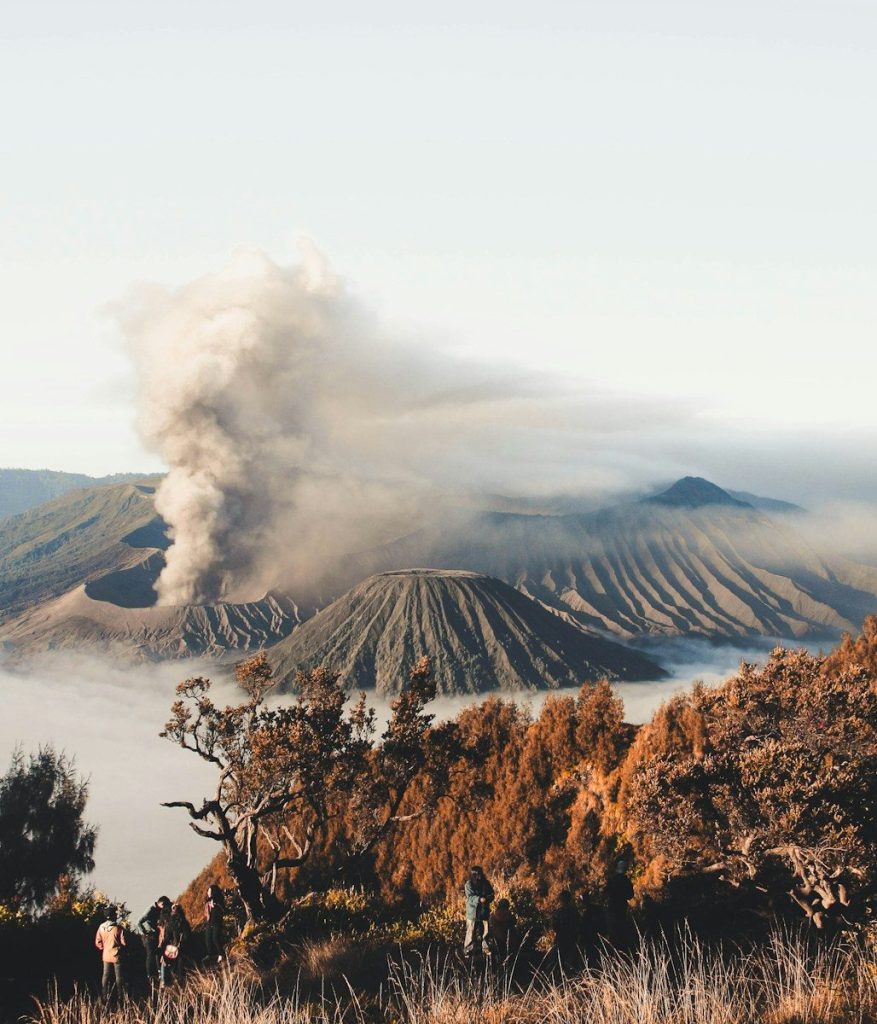
The Youngest Toba Tuff eruption occurred at the site of today’s Lake Toba on Sumatra around 74,000 years ago. It was one of the largest explosive eruptions of the Quaternary period, ejecting enormous volumes of material and distributing microscopic ash thousands of miles away. Sulfur-bearing gases could have formed reflective aerosols in the stratosphere, reducing sunlight and temperatures. Models differ on the strength and duration, but most modern simulations produce a shorter, less apocalyptic volcanic winter than early catastrophe scenarios assumed.
Human Population Bottleneck Genetic Chart

The near-extinction idea became influential after researchers linked low human genetic diversity to a population bottleneck between roughly 50,000 and 100,000 years ago. A 1998 hypothesis proposed that Toba’s volcanic winter reduced the effective breeding population to a few thousand and delayed recovery. “Effective population” is not the same as a head count; it estimates how many individuals contributed genes to later generations. Later genome studies produced different dates and explanations, weakening a simple one-eruption, one-bottleneck story.
DNA Sequence Mutation Rate Analysis

Genetic reconstructions depend on mutation rates, population structure, migration, and statistical assumptions. Some apparent bottlenecks can arise when a small group leaves a larger population, creating a founder effect without a worldwide crash. Modern analyses place major reductions at varying times, including periods before or after Toba, and distinguish African from non-African histories. The 2021 climate review noted that no broad range of genetic dates pinpoints a human bottleneck exactly to the eruption at 74,000 years ago.
Pinnacle Point Archaeological Cave Site
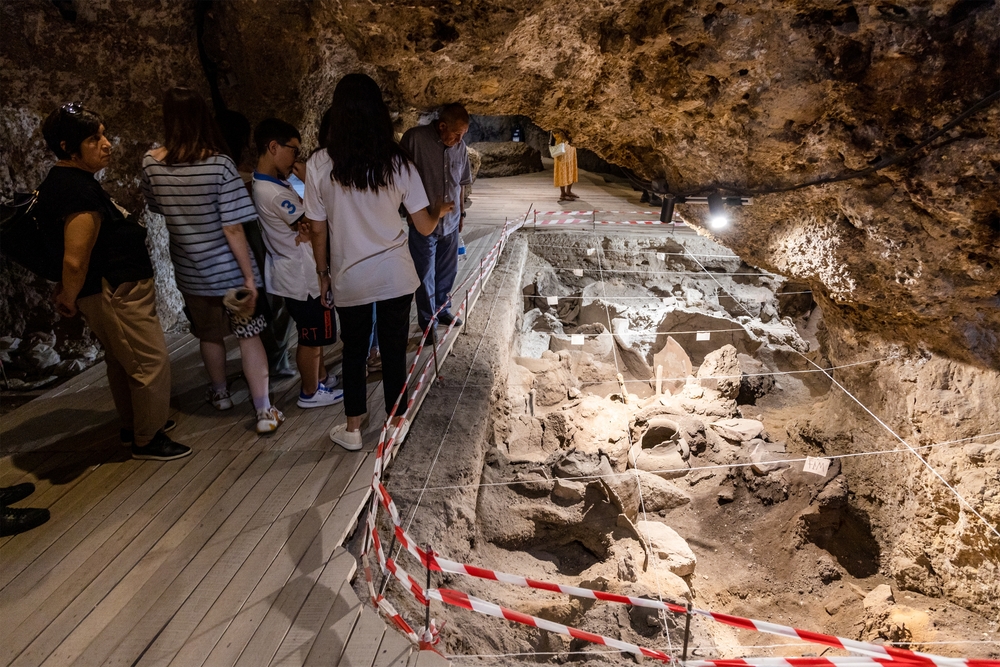
At Pinnacle Point and another site on South Africa’s southern coast, researchers identified microscopic Toba glass shards alongside a continuing record of human activity. Their 2018 Nature study concluded that people in the region persisted through the event and may even have intensified site use. Coastal foods, varied landscapes, and social networks could have provided resilience. These sites cannot represent every human population, but they directly contradict the idea that the eruption erased nearly all communities everywhere.
Prehistoric Stone Tools Middle Paleolithic

Evidence from Dhaba in northern India also spans the eruption. A 2020 Nature Communications study reported stone-tool traditions continuing across deposits dated before and after Toba, suggesting long-term occupation rather than complete abandonment. Researchers linked the technology to Middle Paleolithic traditions found across Africa, Arabia, and Australia, although the identity of the toolmakers remains debated. The Indian record shows that even regions much closer to the volcano could preserve human survival and cultural continuity there.
Lake Malawi Sediment Core Analysis
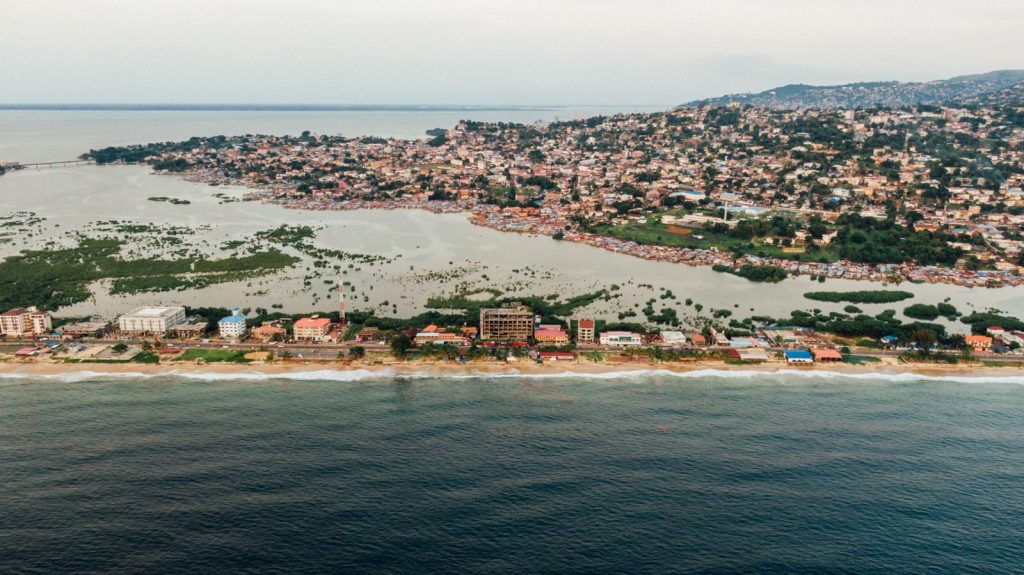
Lake Malawi sediments contain Toba ash about 7,300 kilometers from Sumatra, giving scientists a distant environmental record. Researchers found no evidence there for the extreme, prolonged East African volcanic winter predicted by the original catastrophe model. Other studies still find that Toba could have caused substantial short-term cooling, reduced rainfall, and harmful ultraviolet exposure after ozone loss. The emerging picture is uneven impact: serious environmental stress in some places, moderated effects in others, and survival shaped by local ecology.
Early Prehistoric Human Population Survival
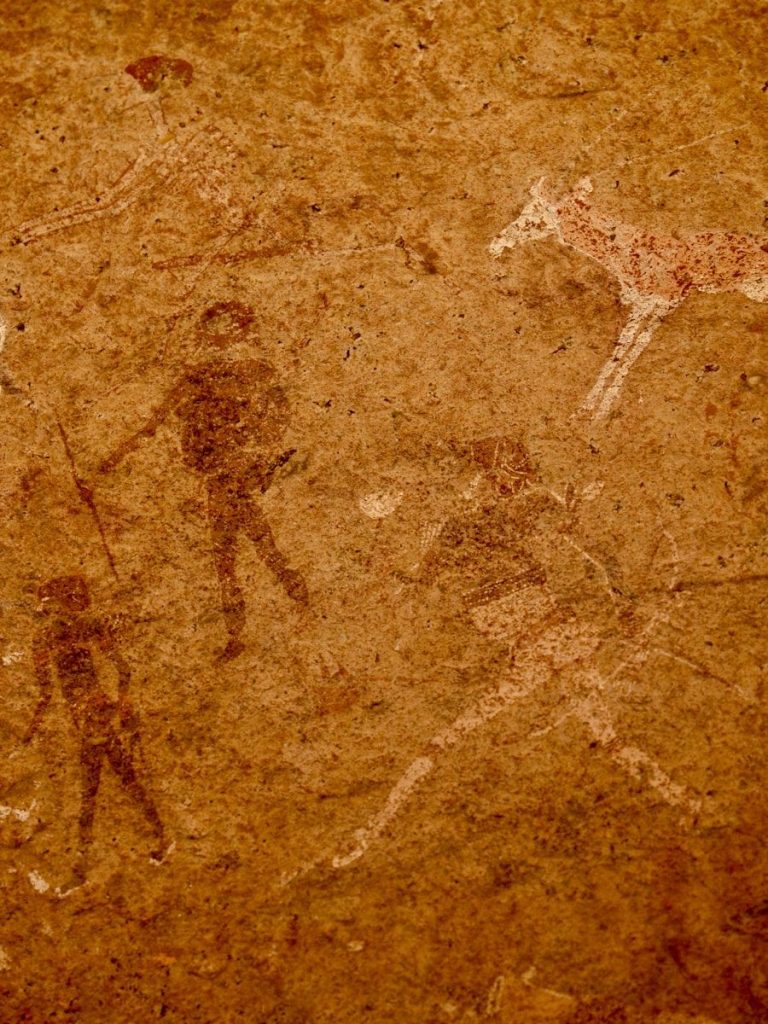
Humans may have passed through demographic bottlenecks during the Late Pleistocene, but current evidence does not prove that Toba nearly exterminated our species. The eruption remains a major natural disaster that tested small, scattered populations across several environments. Some groups may have declined or disappeared, while others endured. The scientifically accurate story is therefore about resilience under severe uncertainty, not a confirmed moment when only a few dozen or a few thousand people remained alive worldwide. This article is for informational purposes only.
featured Image: Photo by Stephane YAICH on Unsplash
Leave a Reply