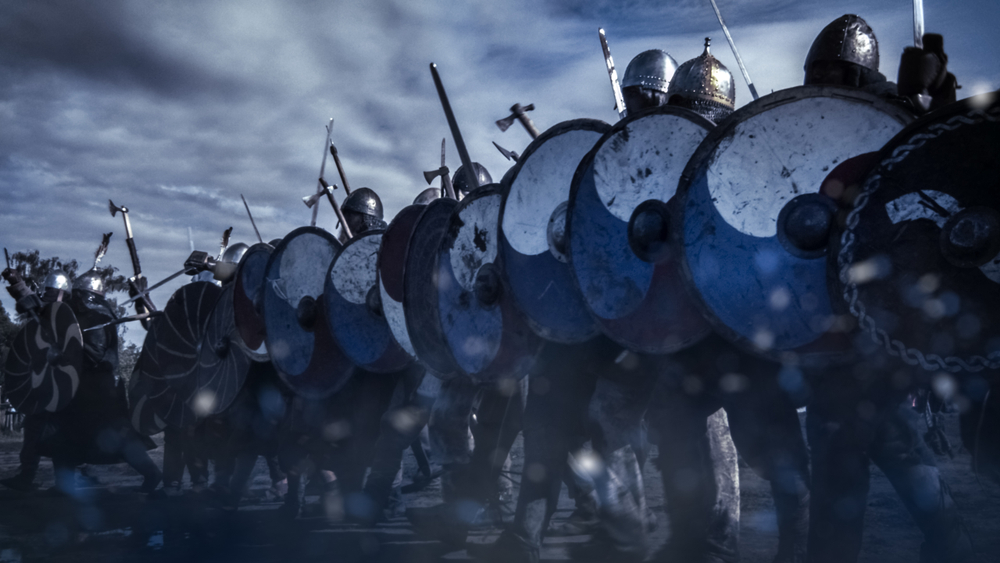
Ragnarök is the Norse myth of a final crisis in which social order collapses, the gods face their enemies, and the familiar world is destroyed by battle, fire, darkness, and flood. Yet the surviving medieval accounts do not end with permanent emptiness. Earth rises again, several gods return or survive, and two humans begin a renewed world.
The story is preserved mainly in the Poetic Edda and Snorri Sturluson’s Prose Edda, both written down in thirteenth-century Iceland from older poetic and oral traditions. Because Christian scribes recorded the surviving texts, scholars debate how much the ending reflects pre-Christian belief and how much later influence shaped it. The basic sequence, however, is clear.
Poetic Edda Ancient Norse Manuscript
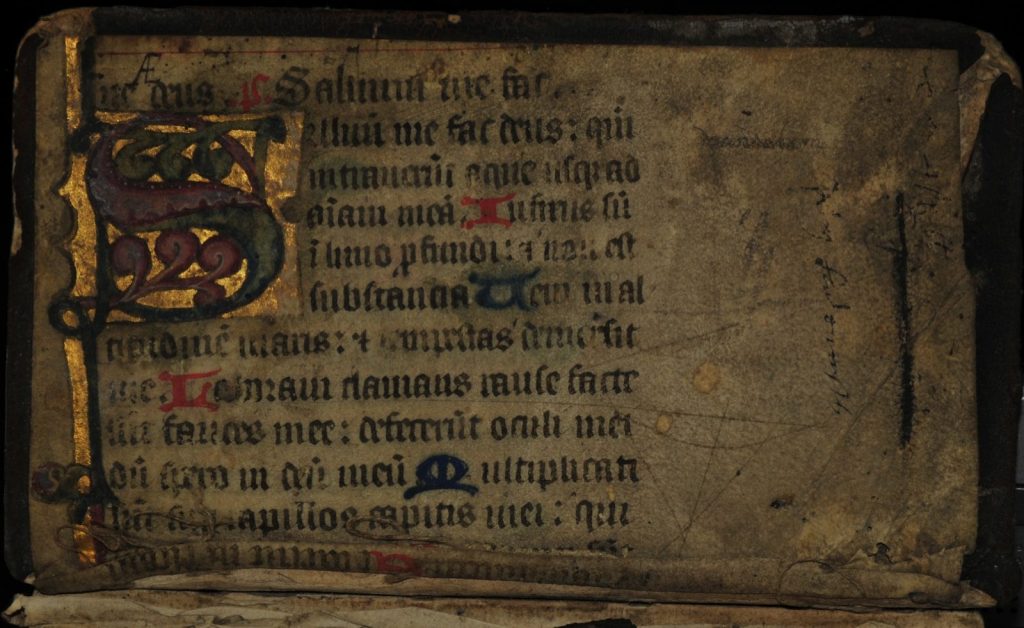
The central poetic source is Völuspá, a prophecy in which a seeress recounts creation, the gods’ history, Ragnarök, and the world’s return. Other Eddic poems add details, while Snorri organizes the fullest prose narrative in Gylfaginning. Images on monuments such as the Gosforth Cross and Scandinavian runestones may echo parts of the myth before the surviving manuscripts. Every written version comes through medieval Christian culture, so historians treat claims about a single original Viking account with caution.
Great Winter Fimbulwinter Snow Landscape
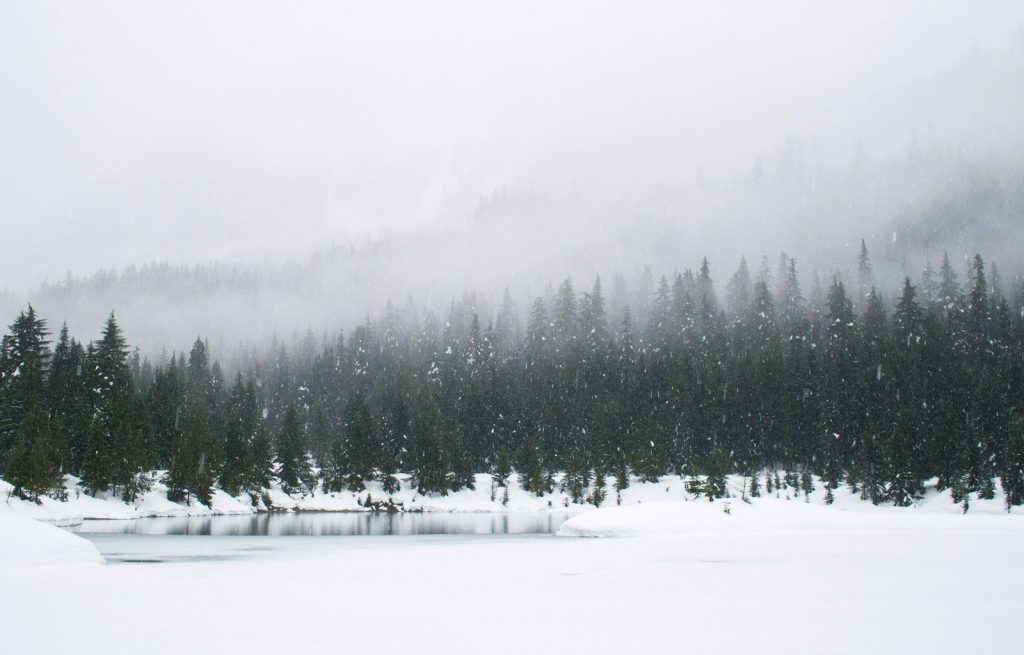
Ragnarök begins before the battlefield. Moral and family bonds break down, violence spreads, and Fimbulwinter brings three severe winters with no summers between them in Snorri’s account. The sun and moon are swallowed by pursuing wolves, earthquakes shake the worlds, and restraints fail. Fenrir breaks free, the Midgard Serpent rises from the sea, and Loki escapes his punishment. The cosmic disaster mirrors a social one: the ordered relationships holding gods, humans, and nature together collapse at once.
Norse Gods Ragnarok Battle Illustration

The enemies of the gods converge on the field called Vígríðr. Heimdall sounds the Gjallarhorn, awakening the gods and warning the worlds. Loki leads hostile forces, while the fire-being Surtr advances with a blazing sword. The ship Naglfar, described as made from the nails of the dead, carries part of the attacking host in Snorri’s version. Odin gathers the gods and the fallen warriors of Valhalla, but fate has already determined that courage will not prevent their deaths.
Odin Fighting Fenrir Wolf Norse Myth

The final combats pair major gods with the forces they have long feared. Fenrir swallows Odin, but Odin’s son Víðarr kills the wolf in revenge. Thor defeats Jörmungandr, then walks only nine steps before dying from the serpent’s poison. Freyr falls to Surtr, while Týr and the hound Garm kill each other. Heimdall and Loki also destroy one another. Ragnarök is not a triumphant victory for either side; it is the violent collapse of the existing cosmic order.
Burning World Cosmic Fire Surtr
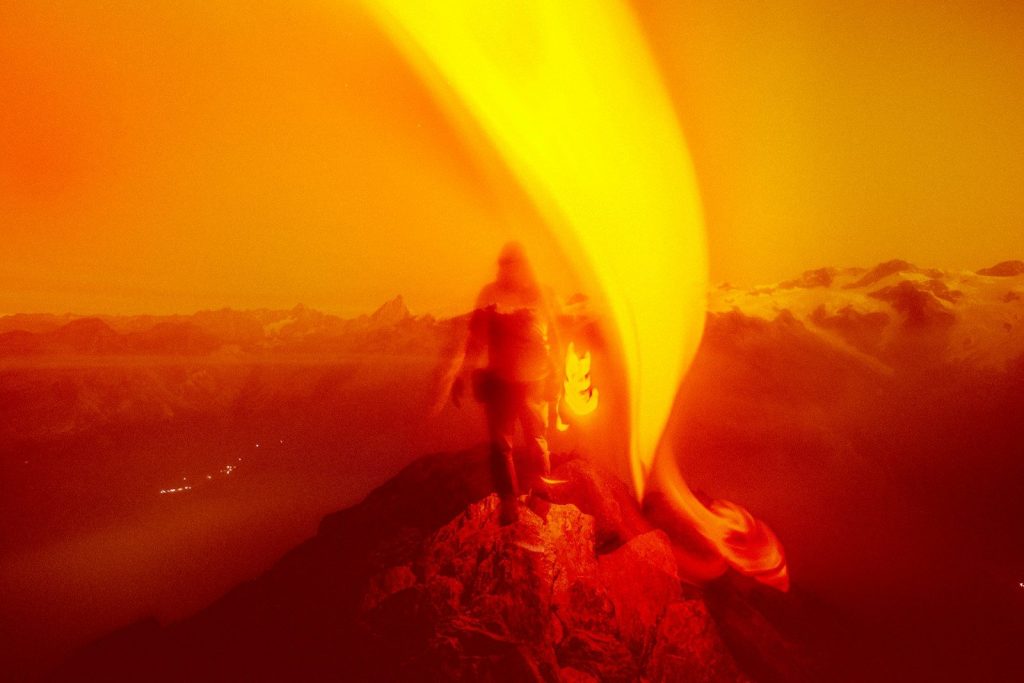
After the gods fall, Surtr casts fire across the world. The sun darkens, stars disappear, the earth shakes, and land sinks beneath the sea in Völuspá’s vision. These images combine familiar northern dangers—winter, ocean, fire, and unstable ground—on a cosmic scale. Some scholars have explored whether volcanic eruptions or the severe climate event beginning in 536 CE influenced later expressions of the myth. Such connections remain interpretations, not proven explanations for Ragnarök’s origin.
Green Earth Rebirth Nature Renewal
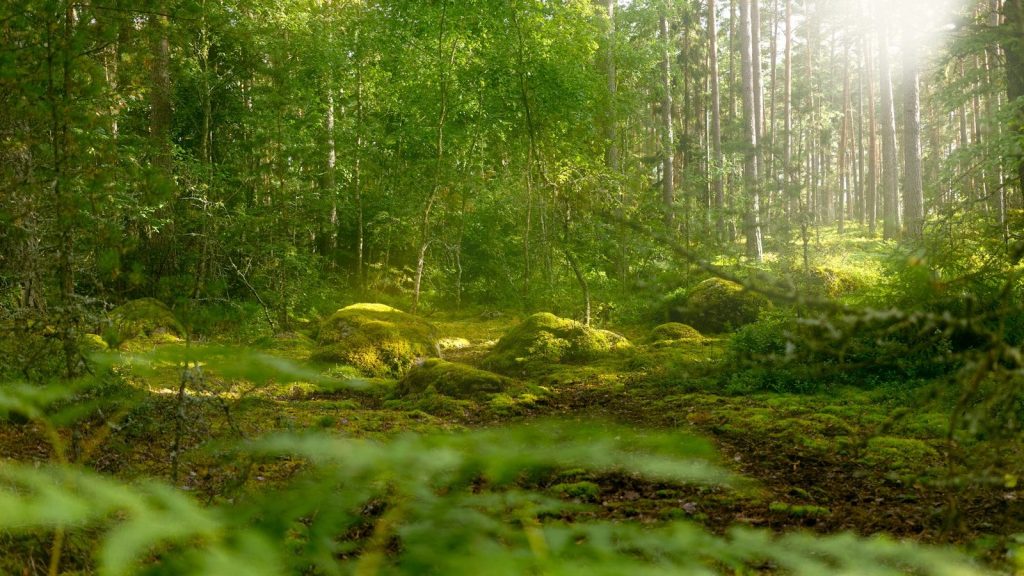
Destruction is followed by renewal in the surviving texts. The earth rises green from the sea, crops grow without being sown, and the surviving gods meet again. Baldr and Höðr return from the realm of the dead, while Víðarr, Váli, and Thor’s sons continue into the new age. Two humans, Líf and Lífþrasir, survive by sheltering and then repopulate the world. A daughter of the old sun takes her mother’s path across the sky afterward.
Viking Norse Sun Goddess Sky Illustration
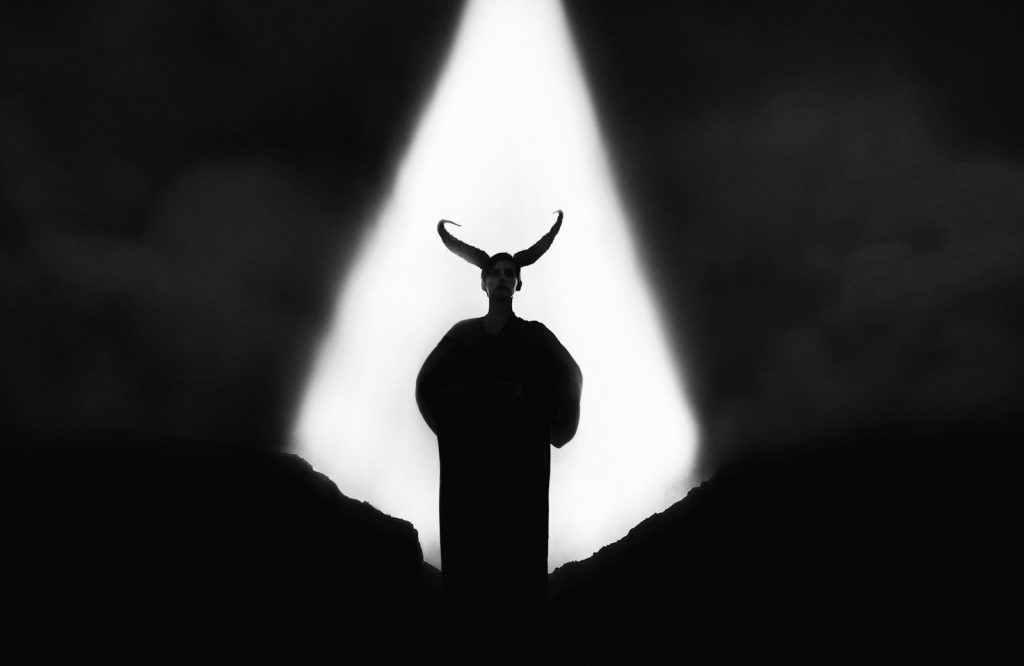
Ragnarök is therefore better understood as the end of one world rather than the end of existence. Its gods know their fates but still confront chaos, making courage meaningful even without guaranteed victory. The rebirth section introduces hope, memory, and continuity after catastrophe. Scholars cannot fully separate older Norse ideas from Christian-era recording, so the safest conclusion is that the preserved myth presents a cycle: order fails, the cosmos burns, and life begins again afterward. This article is for informational purposes only.
Featured Image: Shutterstock
Leave a Reply