
Many people believe that advanced artificial intelligence will soon match and surpass all forms of organic brainpower. We watch computers solve complex equations and assume biological minds operate in similar ways.
But neuroscientists have uncovered fundamental differences that separate animal intelligence from artificial neural networks. Living brains possess unique capabilities that silicon chips simply cannot replicate.
Human Brain Power Efficiency
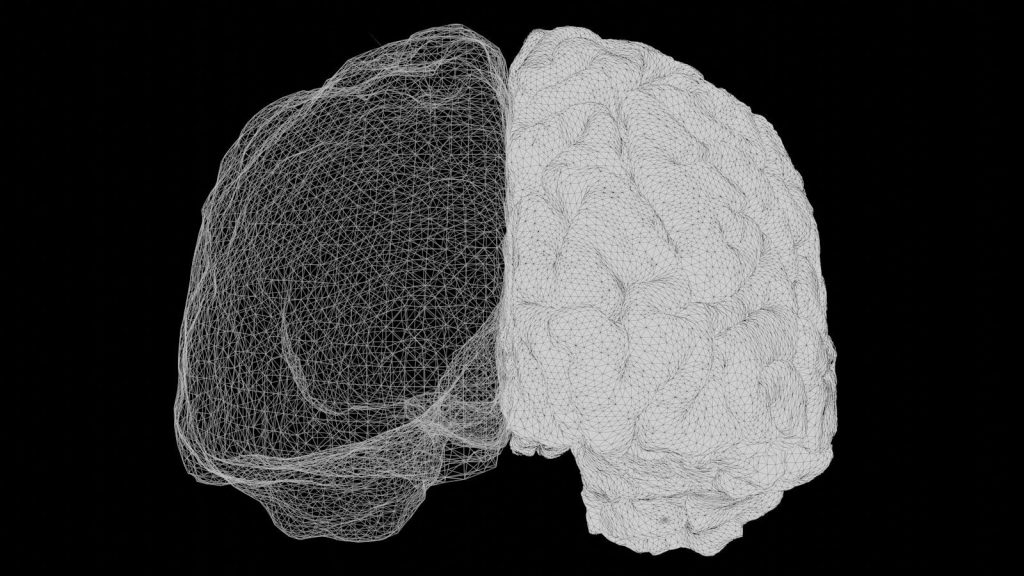
Human and animal brains perform millions of complex calculations using a fraction of the power needed by supercomputers. According to researchers at Johns Hopkins University, the human brain runs on roughly 20 watts of energy. Minds are efficient. Advanced computer clusters consume megawatts of electricity to process similar tasks. But energy efficiency is only the first major contrast.
Animal Physical World Interaction

Animals learn about the physical world by interacting directly with their environment through physical senses. According to cognitive studies from MIT, embodied cognition allows creatures to understand cause and effect naturally. Senses guide learning. A young animal feels gravity, texture, and distance in real time. Yet computer algorithms only analyze abstract data patterns.
Crow Solving Puzzle Tool

Biological brains adapt instantly when presented with unfamiliar situations or novel environments. According to evolutionary biologists at Harvard University, animals rely on instinct and mental flexibility to survive unexpected hazards. Nature demands adaptability. A crow can modify a tool to solve an entirely new puzzle within seconds. But artificial systems struggle when guidelines shift suddenly.
Child Learning Basic Rules

Living creatures do not require millions of training repetitions to grasp a basic concept. According to cognitive science reports from Cambridge University, a child or animal often learns a rule after a single experience. Learning happens fast. Machines require vast datasets to recognize basic visual patterns accurately. And that difference lies in biological neural architecture.
Animal Emotional Vocalization Signals

Vocalizations, fear, and social bonds directly influence how animals solve daily survival challenges. According to neurobiology research published in Nature, emotions provide vital context that guides rapid decision-making. Feelings shape thought. Instinct helps animals evaluate risks without running endless background calculations. But machine logic lacks biological feelings entirely.
Computer Microchip Data Processing
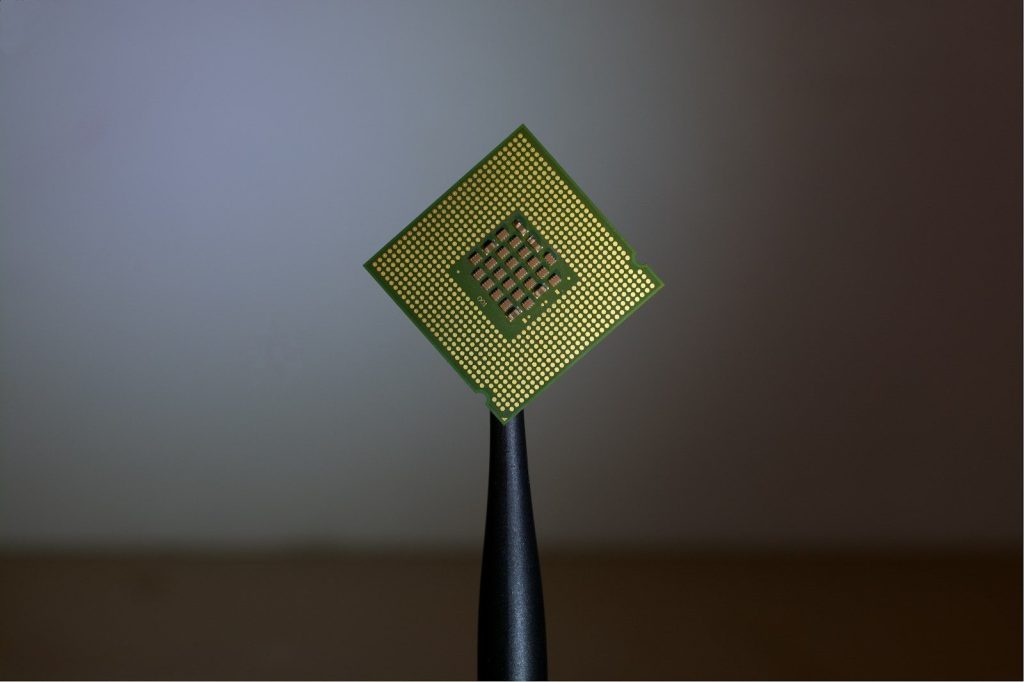
Computers predict outputs by calculating statistical probabilities based on historical data. According to computer science experts at Stanford University, biological minds understand why events happen through true causal reasoning. Context changes everything. Animals grasp physical laws like weight and momentum intuitively. Yet machines struggle with true conceptual understanding.
Neuromorphic Microchip Technology

Engineers are now designing neuromorphic chips that mimic physical brain structures to improve computing efficiency. According to robotics researchers, synthetic hardware still struggles to replicate biological synaptic plasticity. Hardware is changing. True biological intelligence remains unmatched in versatility and resilience. And scientists continue studying nature for new answers.
Biological Neural Network Architecture

Comparing biological minds to machines reveals the incredible elegance of natural evolutionary engineering. According to leading neuroscientists, millions of years of natural selection created an irreplaceable cognitive architecture. Life remains unique. Understanding these differences helps us appreciate the true wonder of animal cognition. This article is for informational purposes only.
Featured Image:Shutterstock
Leave a Reply