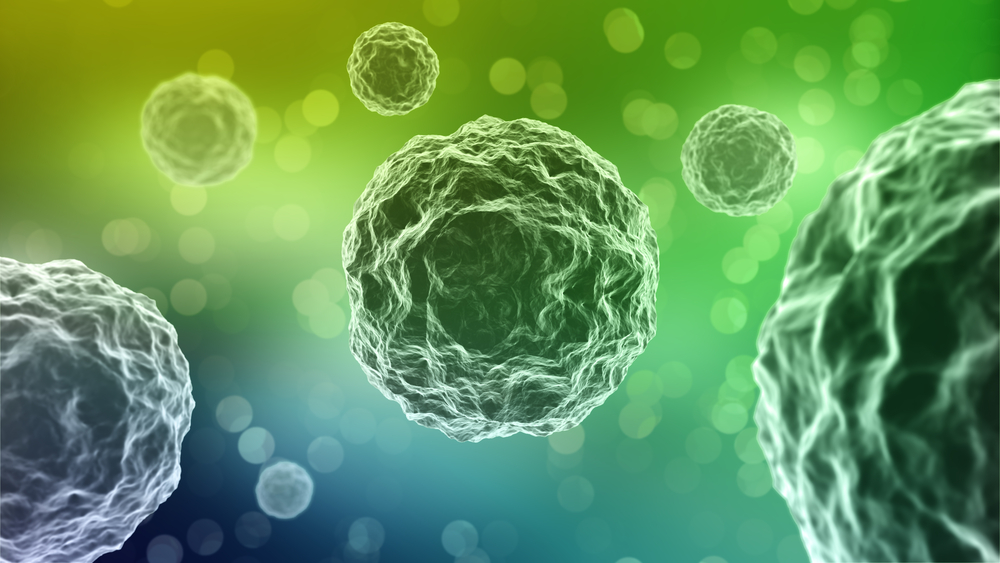
Most people believe that early biological life required billions of years to evolve on primitive Earth. We assume complex organic systems emerged extremely slowly in prehistoric oceans.
But genetic research reveals that every living organism shares a single common cellular ancestor. This original ancestor existed much earlier in Earth history than scientists previously believed.
DNA Links All Modern Life to the Common Ancestor LUCA
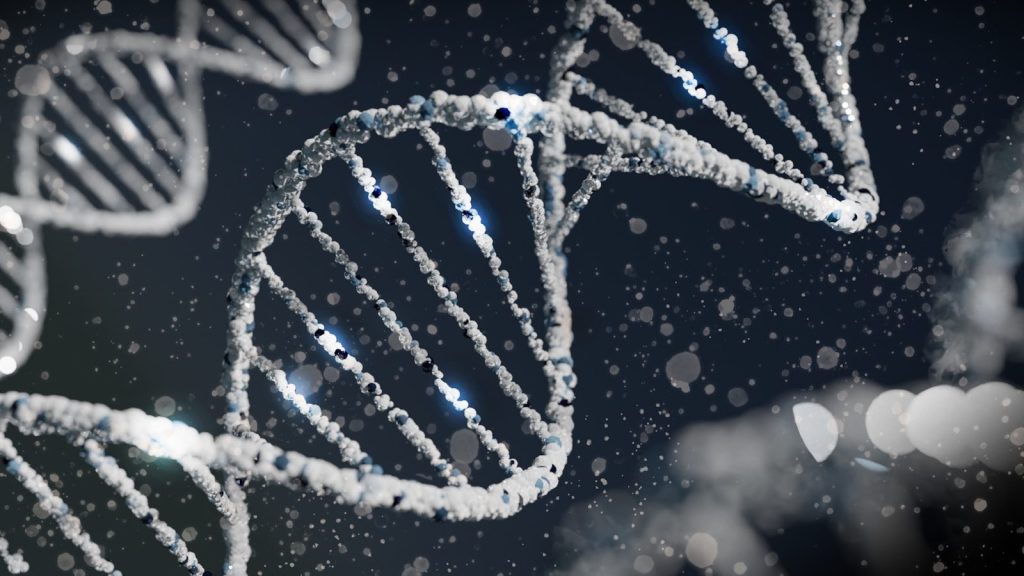
Biologists have long recognized that all living organisms share fundamental genetic building blocks like DNA, RNA, and ATP energy storage. Shared biology unites us. According to evolutionary studies from the University of Bristol, every bacterium, plant, animal, and human descends from one common single-celled ancestor known as LUCA. The biological link is undeniable. But calculating when this original ancestor lived required advanced genetic modeling.
Genetic Mutations Date LUCA to About 4.2 Billion Years Ago

Researchers calculate ancient evolutionary timelines by measuring the accumulation rate of genetic mutations across modern species over generations. DNA records history. According to research published in Nature Ecology and Evolution, scientists used molecular clock algorithms to determine that LUCA lived roughly four point two billion years ago. The date stunned geologists. Yet Earth itself formed only four and a half billion years ago.
LUCA Lived Soon After Earth Became Habitable

Discovering that LUCA existed just four hundred million years after Earth formed proves early biological life adapted remarkably fast. Early oceans were harsh. According to planetary habitability studies, primitive Earth was regularly bombarded by asteroids and intensely heated by volcanic activity. Conditions seemed hostile. But this ancient single-celled ancestor already possessed surprisingly complex cellular machinery.
Scientists Reconstruct LUCA’s Metabolism and Immune Defenses

By modeling genetic traits backward through thousands of modern species, researchers mapped out the internal biology of this original organism. Complex mechanisms existed early. According to genomic reconstruction models, LUCA possessed an active immune system and metabolic enzymes capable of harvesting energy from atmospheric gases. The organism was fully functional. Yet LUCA was not living entirely alone in its primordial environment.
LUCA Shared Hydrothermal Environments With Other Microbes

Chemical modeling indicates that this ancient organism lived alongside primitive microbes within hydrothermally active ocean vent systems. Deep-sea vents provided heat. According to oceanographic research teams, LUCA recycled metabolic waste products with neighboring single-celled organisms to form Earth’s earliest biological ecosystem. Interconnected life started early. But these findings also change how scientists search for extraterrestrial life.
LUCA’s Early Appearance Guides the Search for Alien Life
If biological life emerged so rapidly on primitive Earth, similar cellular organisms might easily form on ocean worlds across our solar system. Alien worlds might harbor life. According to astrobiology reports from NASA, finding complex cellular mechanisms so early in planetary history suggests habitability is common across the universe. Life is resilient. But understanding our ancient origin continues to inspire modern biology.
LUCA Reshapes the Timeline of Life on Earth
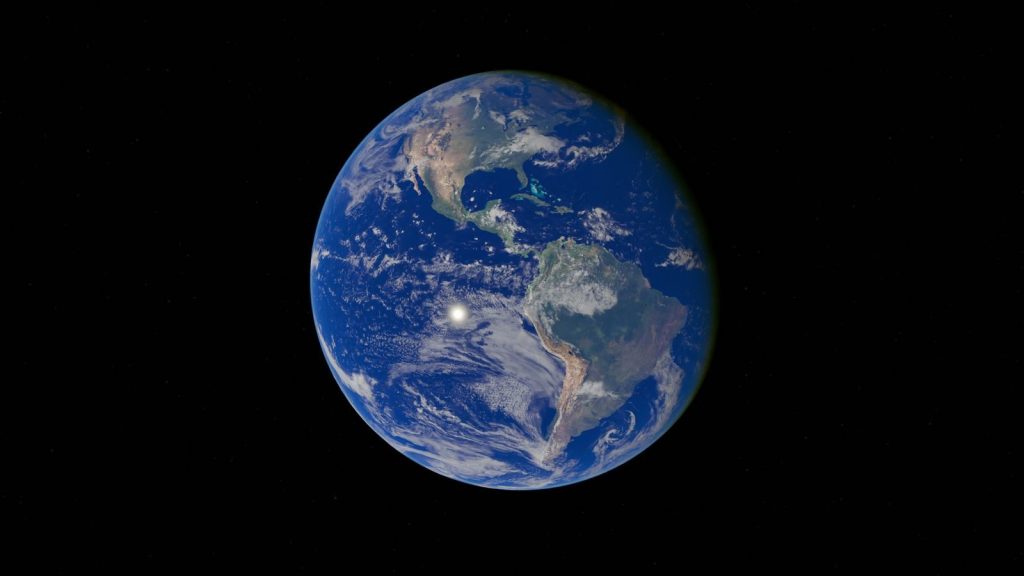
Tracing all living organisms back four point two billion years to a single capable ancestor reshapes our understanding of Earth’s biological history. It proves that living systems can establish complex ecosystems almost immediately after a planet becomes habitable. According to evolutionary biology research, every living creature today carries genetic evidence of this primordial lineage. This article is for informational purposes only.
Featured Image: Shutterstock
Leave a Reply