
Most commuters associate train travel with noisy steel wheels clacking against heavy iron rails at moderate speeds. Passengers expect delays caused by mechanical friction and track wear.
But advanced magnetic levitation technology lifts entire passenger trains completely off the ground during operation. Eliminating physical track friction allows bullet trains to break unbelievable speed records.
Magnetic Levitation Lifts Heavy Cars
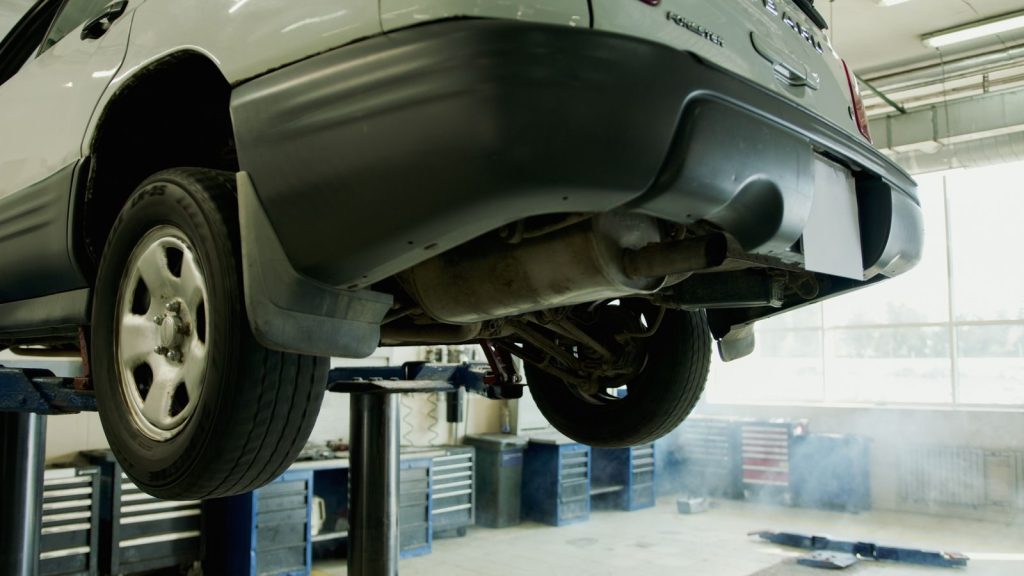
Powerful electromagnets built into train undercarriages create repulsive forces against specialized guide tracks. Vehicles float smoothly. According to engineering reports from Shanghai Maglev Railway, trains levitate nearly four inches above steel guideways while traveling over three hundred miles per hour. Floating eliminates mechanical friction entirely. Removing physical track contact solves a major engineering bottleneck.
Aerodynamic Nose Shapes Cut Wind
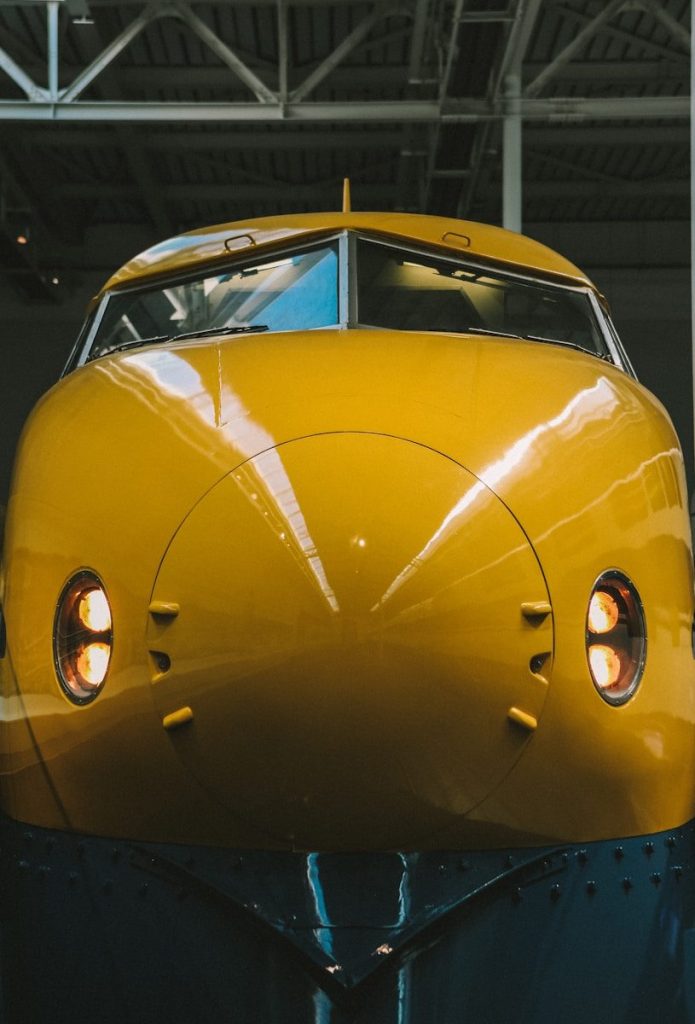
Engineers design long pointed train noses inspired by kingfisher bird beaks to slice through dense air pockets. Wind noise drops fast. According to aerodynamic testing at Japan Railway Research Institute, specialized nose cones prevent sonic booms when trains enter narrow mountain tunnels at top speeds. Air displacement remains a major drag factor. Managing wind drag requires custom propulsion systems.
Linear Motors Push Floating Trains
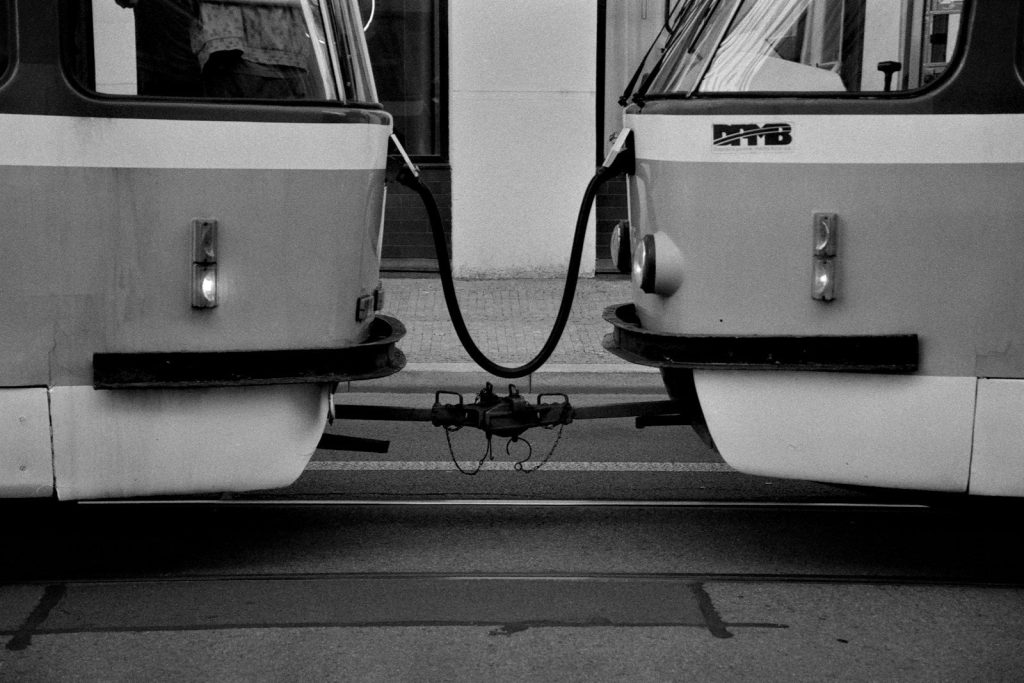
Electromagnetic coils embedded inside track walls push and pull vehicle magnets in rapid sequence. Motion accelerates fast. According to transportation reports from Central Japan Railway Company, maglev trains reached three hundred seventy-five miles per hour during experimental test runs. Linear motor propulsion eliminates internal engine gears completely. Yet high speeds demand advanced automated safety systems.
Computer Systems Control Every Braking
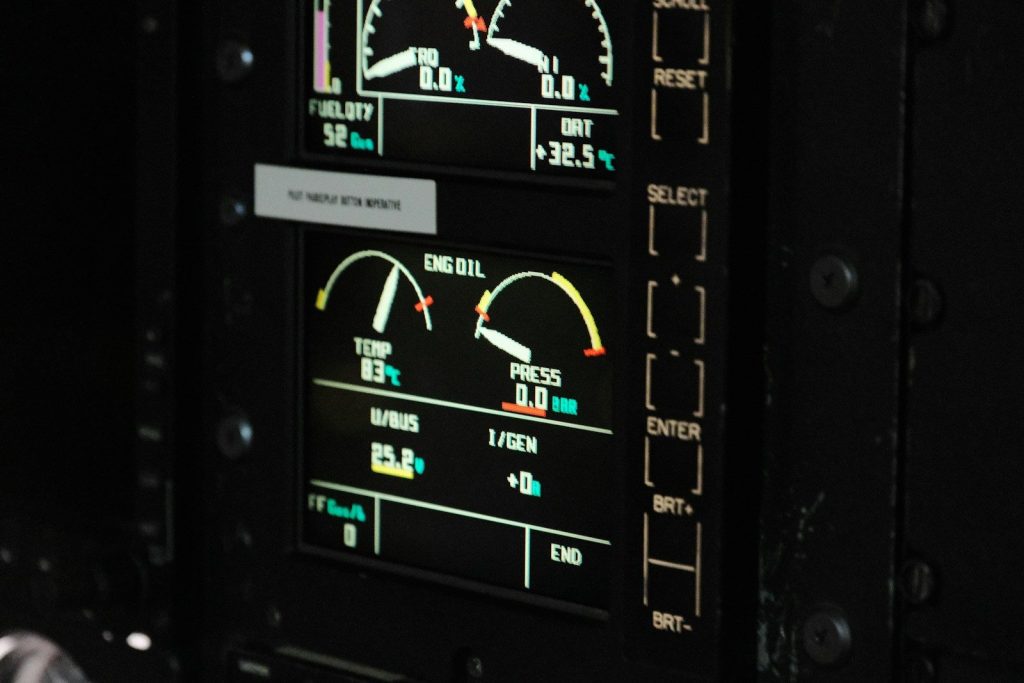
Human drivers cannot react fast enough to manage braking maneuvers at three hundred miles per hour. Computers make decisions. According to safety analysis from Siemens Transportation Systems, automated digital control networks calculate stopping distances constantly using real-time sensor feeds. Automatic safety features prevent collisions before human eyes notice hazards. Power outages require custom emergency brakes.
Backup Batteries Lower Landing Wheels
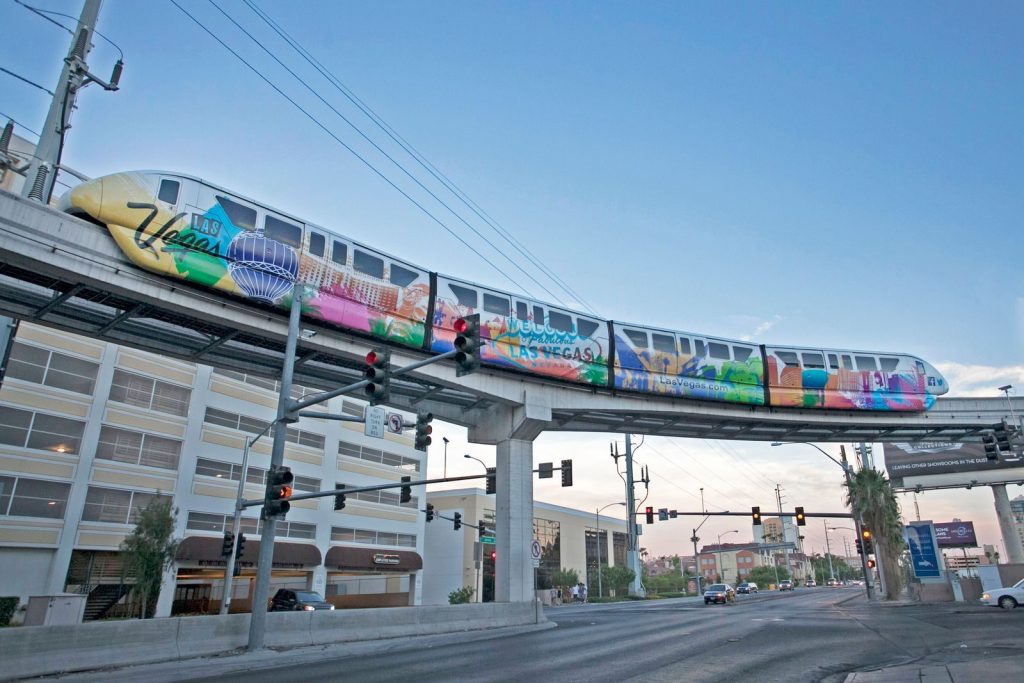
If main electrical grids fail unexpectedly during high-speed runs, onboard batteries supply emergency levitation power immediately. Mechanical wheels deploy. According to technical specifications from Railway Gazette International, retractable rubber wheels lower smoothly onto guideways if magnetic field strength drops. Emergency mechanical braking brings floating cars to a controlled stop. Building these tracks presents massive financial hurdles.
Precision Tracks Require Giant Investment
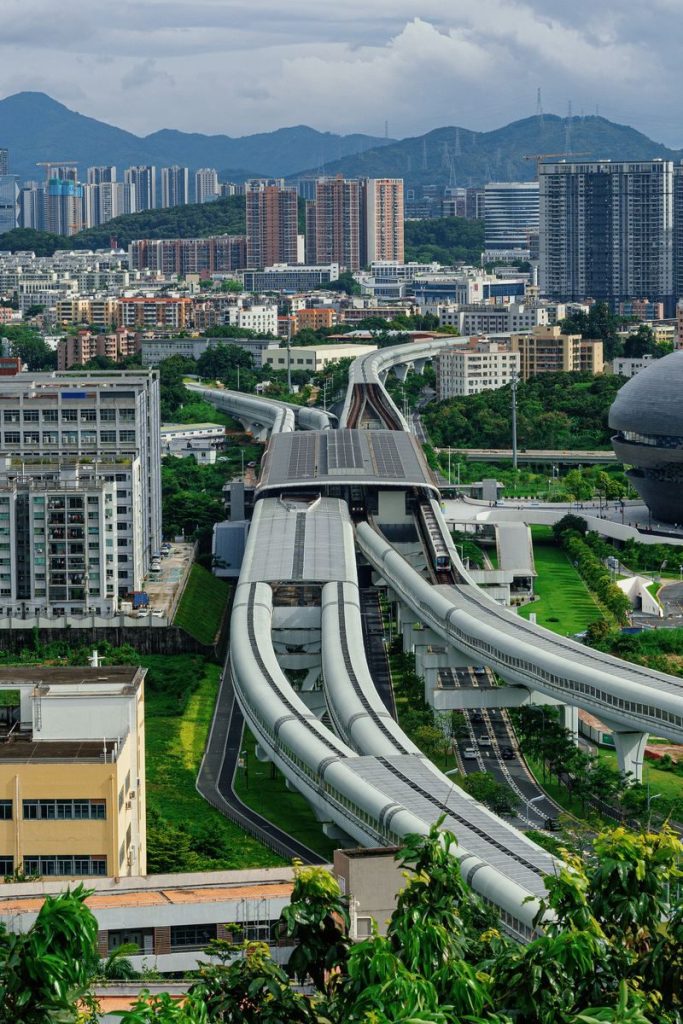
Constructing specialized magnetic guideways costs significantly more per mile than laying traditional steel rail lines. Capital costs run high. According to infrastructure studies at the World Bank, elevated concrete guideways require millimeter-level alignment precision across hundreds of miles. High construction costs limit commercial maglev adoption to busy metropolitan corridors. Next-generation vacuum tube trains could push speeds higher.
Pioneering The Future Of High Speed Transit
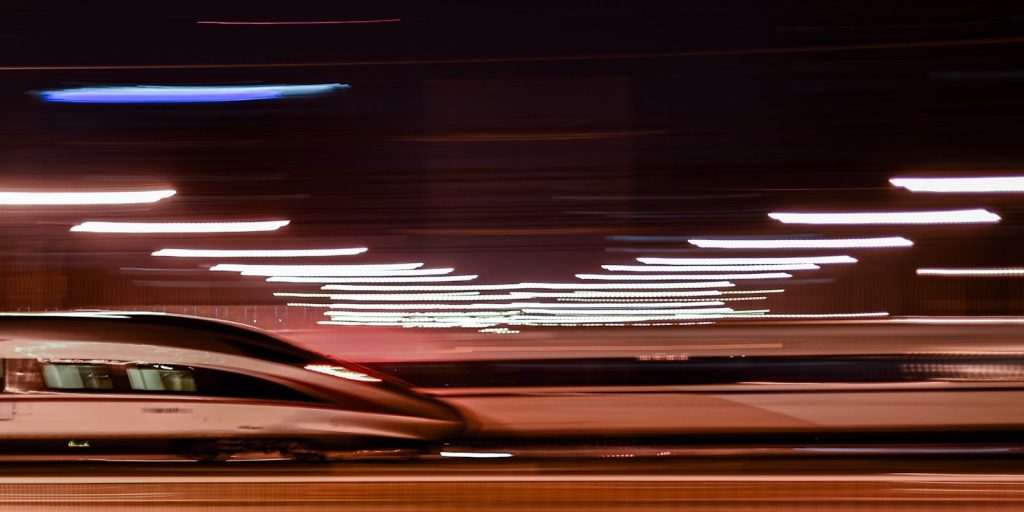
High-speed magnetic trains represent a major breakthrough in ground transportation engineering, offering clean and ultra-fast regional travel options. Floating above tracks allows transit systems to move thousands of daily commuters efficiently with minimal maintenance wear. According to international transportation experts, expanding maglev networks will continue reshaping how people travel between major cities. This article is for informational purposes only.
Featured Image: Photo by Mariya Muschard on Pexels
Leave a Reply