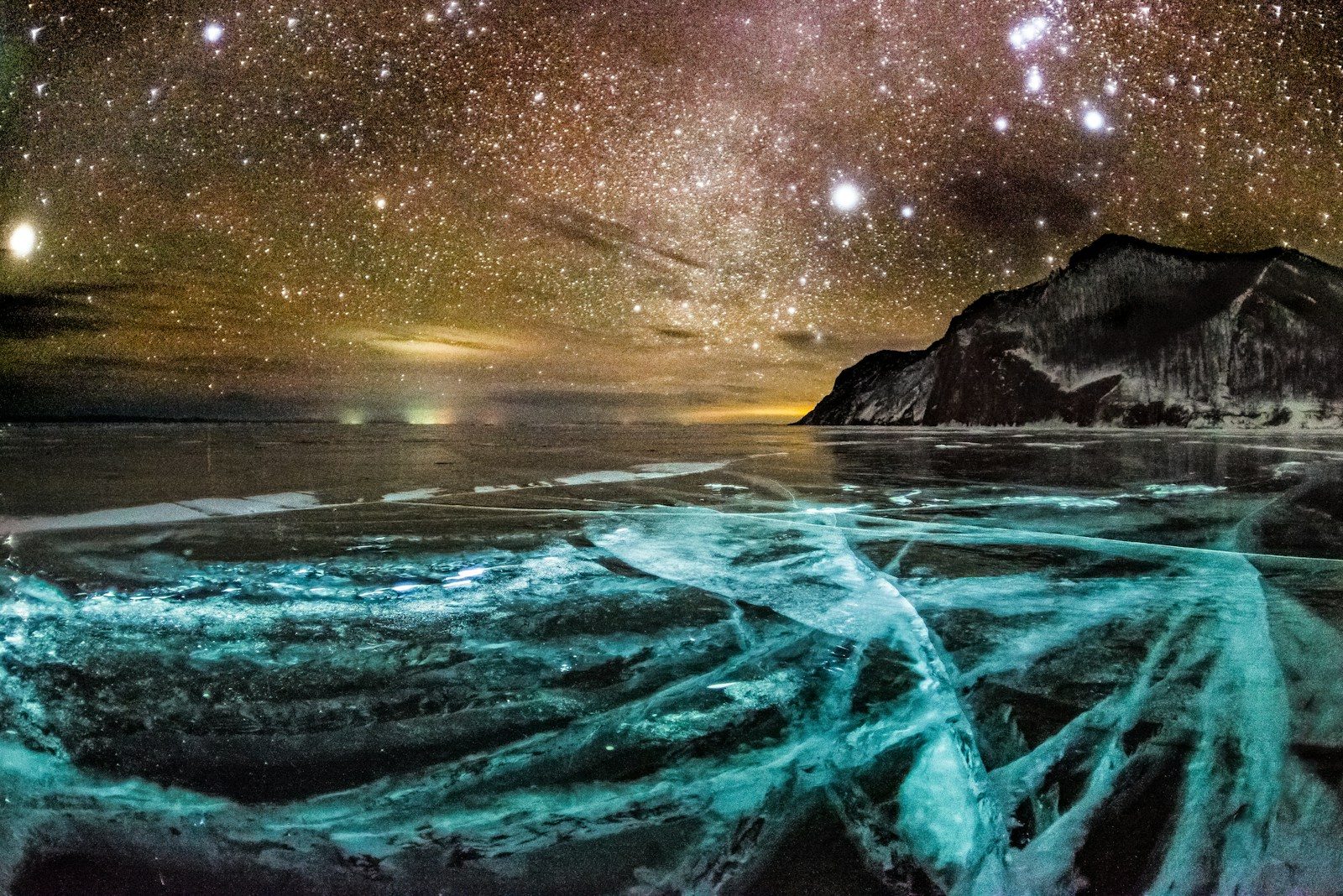
Most travelers assume freshwater lakes are temporary geographic features formed by melting ice sheets. We picture shallow bodies of water that fill and dry over brief geological eras.
But a massive Siberian rift valley holds an ancient lake that defies planetary norms. Deep underwater trenches reveal an ecosystem that has evolved in isolation for millions of years.
Continental Rift Splitting Earth
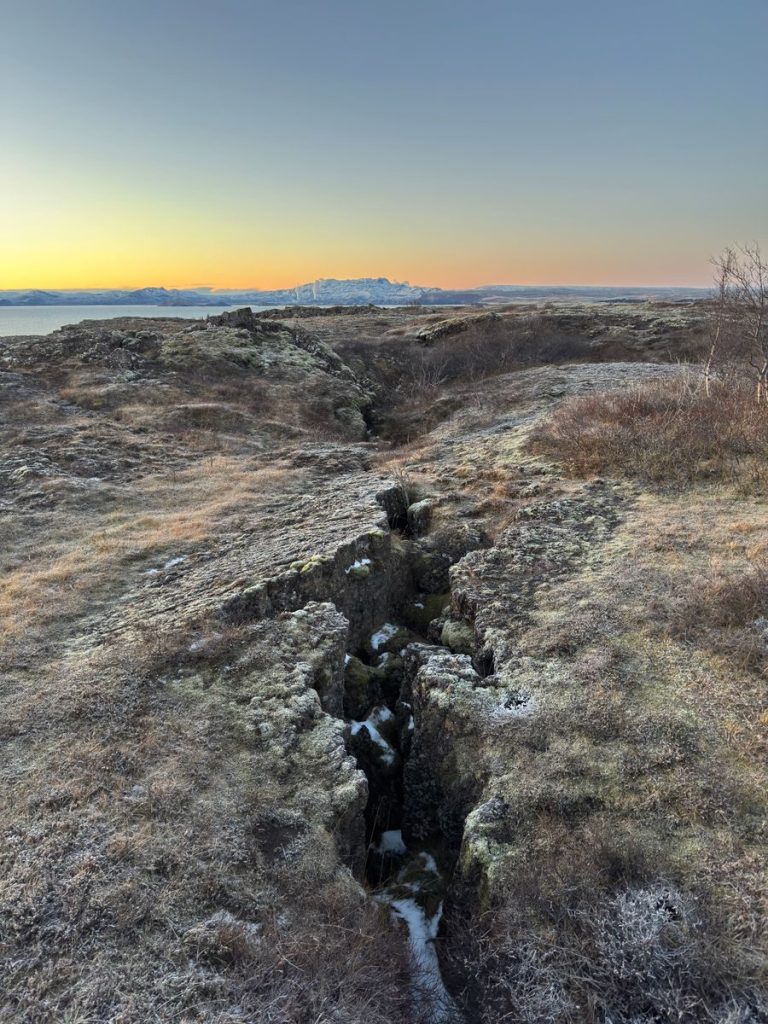
Deep beneath eastern Siberia, tectonic forces pull the Asian continent apart at steady speeds every year. Tectonic rift valleys open wider as crustal plates separate over geological eras. Earth is opening. According to geological surveys from the Russian Academy of Sciences, this active continental rift creates the deepest lake basin on Earth. But that massive rift valley holds another astounding physical record.
Vast Freshwater Volumes Stored
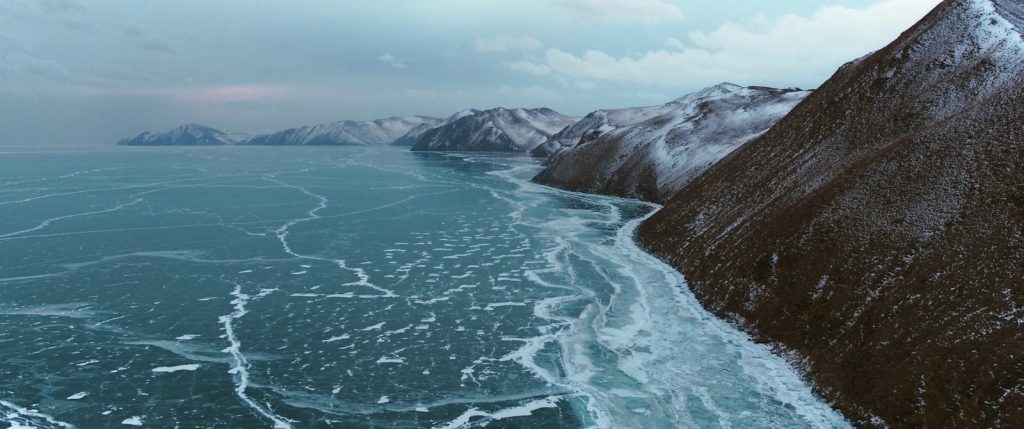
Immense depths reaching over five thousand feet allow Lake Baikal to hold twenty percent of Earth’s unfrozen surface freshwater. That single basin contains more fresh water than all North American Great Lakes combined. The volume is staggering. According to hydrological research from Limnological Institute scientists, river inflows take over three hundred years to replace water inside the basin. Yet deep water currents remain surprisingly oxygenated throughout.
Deep Water Currents Support Life
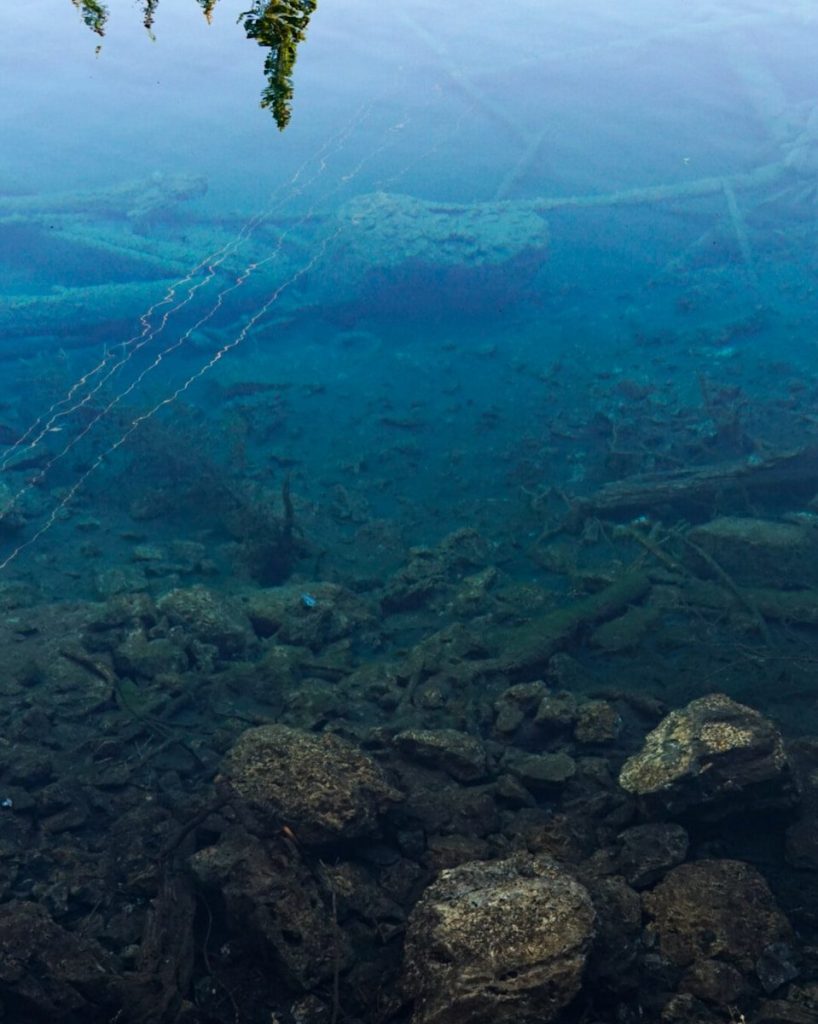
Thermal vents and deep water mixing carry fresh oxygen all the way down to the dark lake floor. Deep ocean basins usually lack oxygen at extreme depths. Water circulates freely. According to oceanographic research published in Nature, active convection currents allow unique deep-water organisms to thrive along the lake bottom. That constant oxygen supply supports thousands of rare species found nowhere else.
Freshwater Seals Evolve Isolation
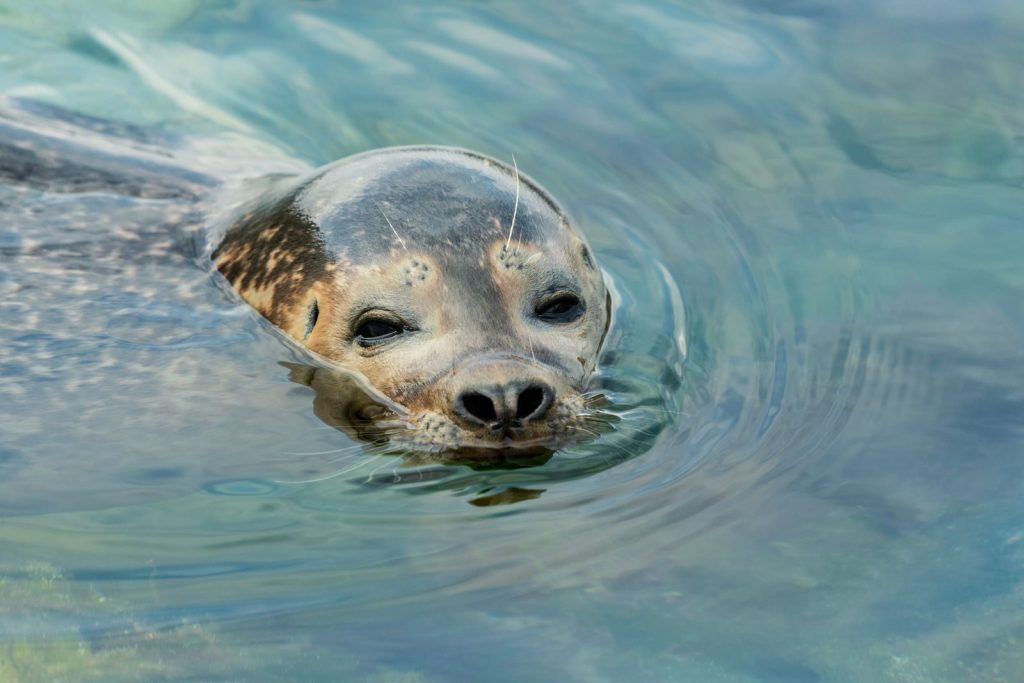
Nerpa seals represent the only exclusively freshwater seal species living on Earth today. Genetic studies show their ancestors traveled up Arctic river systems millions of years ago during ice ages. Adaptation was complete. According to evolutionary biology studies at Irkutsk State University, these unique seals developed larger eyes to hunt fish inside dark, deep waters. But strange organisms fill every level of the food chain.
Transparent Fish Form Biomass
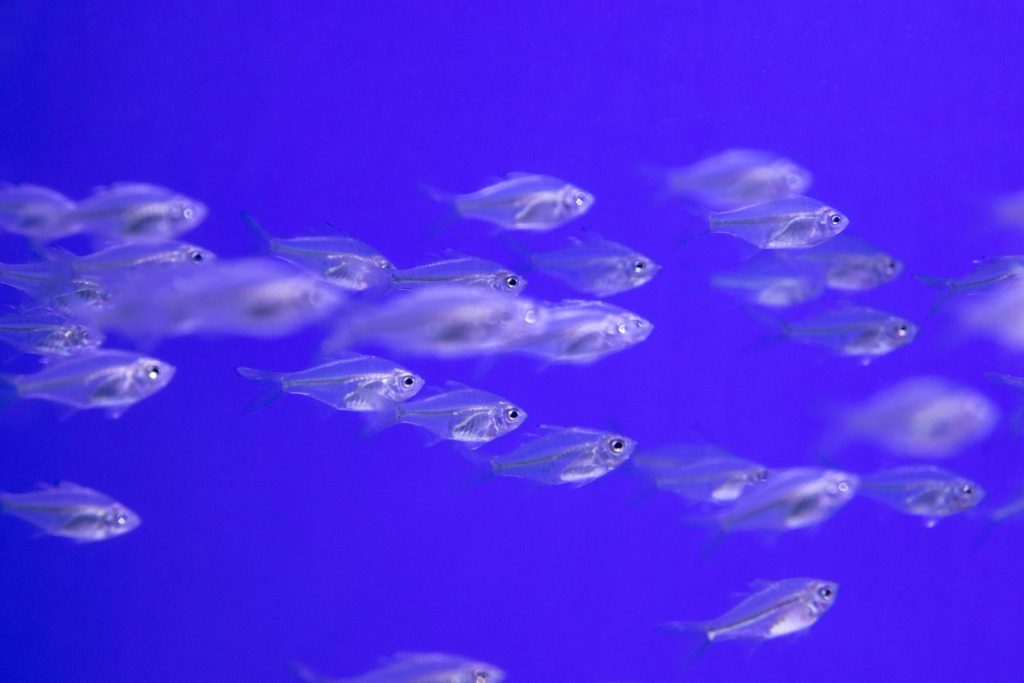
Clear scaleless golomyanka fish make up the majority of living animal mass inside the deep lake water column. Transparent bodies consist of thirty percent natural oils that survive intense deep-water pressure. Fish lack scales. According to marine biology research, these unusual fish give birth to live larvae rather than laying eggs. Yet winter weather transforms the surface into a completely different environment.
Methane Gas Forms Ice Circles
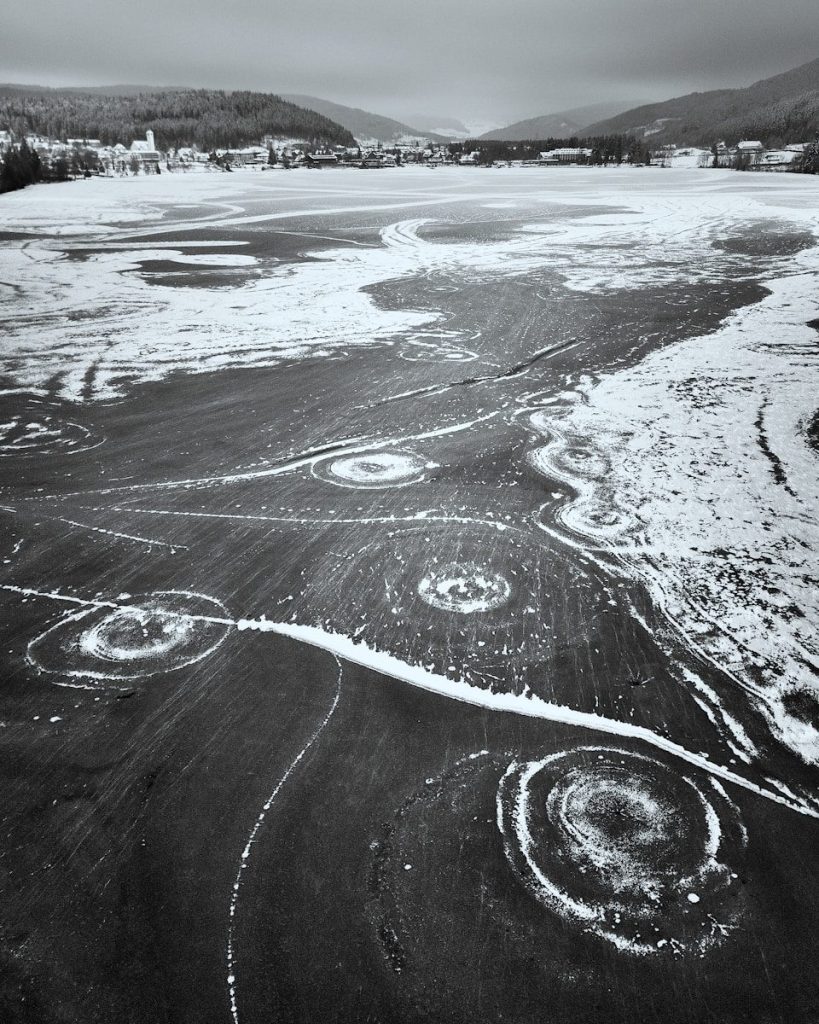
Winter cold freezes the lake surface into crystal clear ice sheets several feet thick. Satellite images reveal giant dark ice circles forming over deep water zones during late winter months. Gas rises continually. According to space agency research from NASA, rising methane gas bubbles warm surface ice to create these massive circular patterns. But studying these ancient sediments reveals Earth’s past climate.
Preserving An Ancient Wonder
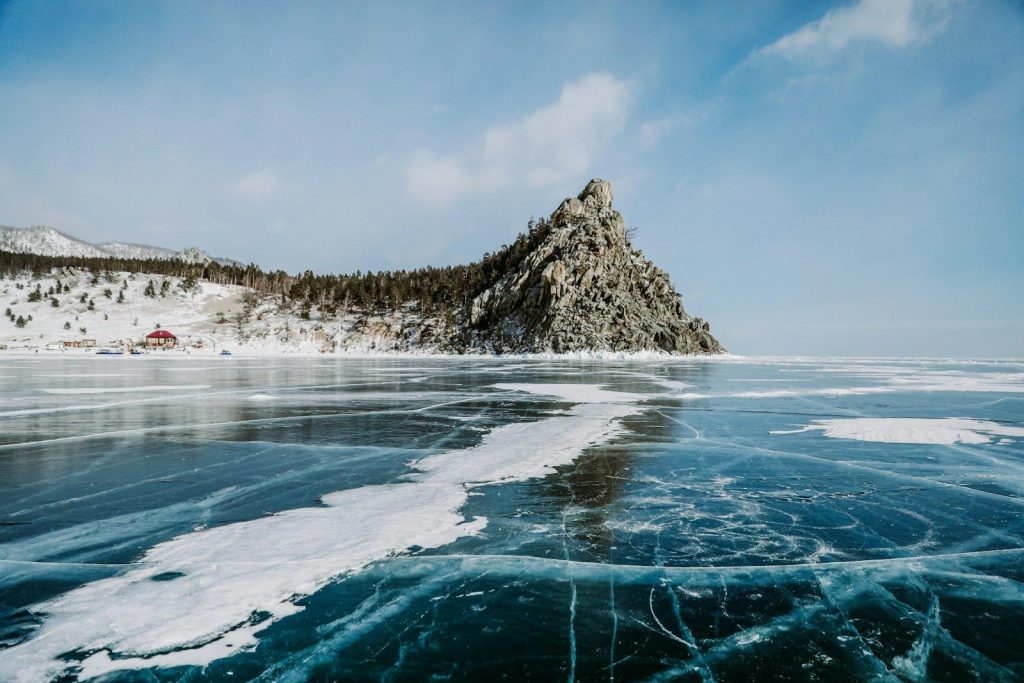
Analyzing ancient mud layers along the lake floor allows climate scientists to reconstruct millions of years of planetary climate shifts. Preserving this unique freshwater ecosystem guarantees that future generations can study its rare endemic species. Nature is resilient. According to environmental research teams, protecting Lake Baikal secures one of Earth’s greatest natural scientific treasures. This article is for informational purposes only.
Featured Image: Photo by Sergey Pesterev on Unsplash
Leave a Reply