
Human footprints preserved at White Sands National Park in New Mexico provide direct evidence that people crossed the region during the last Ice Age. Multiple dating studies place the track-bearing layers at more than 20,000 years old. The prints do not identify the individuals who made them, but they preserve brief moments when people walked across wet ground near an ancient lake.
The modern desert was once a wet landscape

The footprints formed near Lake Otero, a large Ice Age body of water that later disappeared. At the time, streams, wetlands and muddy floodplains surrounded the lake. People walking across the soft ground left impressions that were filled and buried by later sediment. Changing water levels and erosion eventually exposed some of these fragile track surfaces.
The first dates placed them between 21,000 and 23,000 years ago

A study announced in 2021 dated aquatic plant seeds found in sediment associated with the footprints. The results suggested that people were present between approximately 21,000 and 23,000 years ago, during the Last Glacial Maximum. This was several thousand years earlier than the timetable supported by many previously accepted North American archaeological sites.
Scientists questioned the original plant samples

The first dating method became controversial because aquatic plants can absorb old carbon dissolved in water. This “reservoir effect” can make samples appear older than they really are. Critics argued that the seeds might therefore provide inaccurate dates. Rather than treating the first result as final, researchers collected different materials and applied independent techniques to test whether the estimated age could be reproduced.
Pollen and quartz supported the early dates

A 2023 study dated conifer pollen taken from the same sedimentary layers. Because conifers obtain carbon from the atmosphere, their pollen avoids the reservoir problem associated with aquatic plants. Researchers also used optically stimulated luminescence to determine when buried quartz grains were last exposed to sunlight. Both methods supported an age of approximately 21,000 to 23,000 years.
A third investigation added more supporting evidence

Research published in 2025 dated organic matter from wetland mud and shallow lake sediments near the tracks. The results placed those materials between approximately 20,700 and 22,400 years old. Seeds, pollen and organic sediments analyzed in different laboratories now point toward a Last Glacial Maximum age, significantly strengthening the case that the footprints are genuinely ancient.
People shared the landscape with Ice Age animals
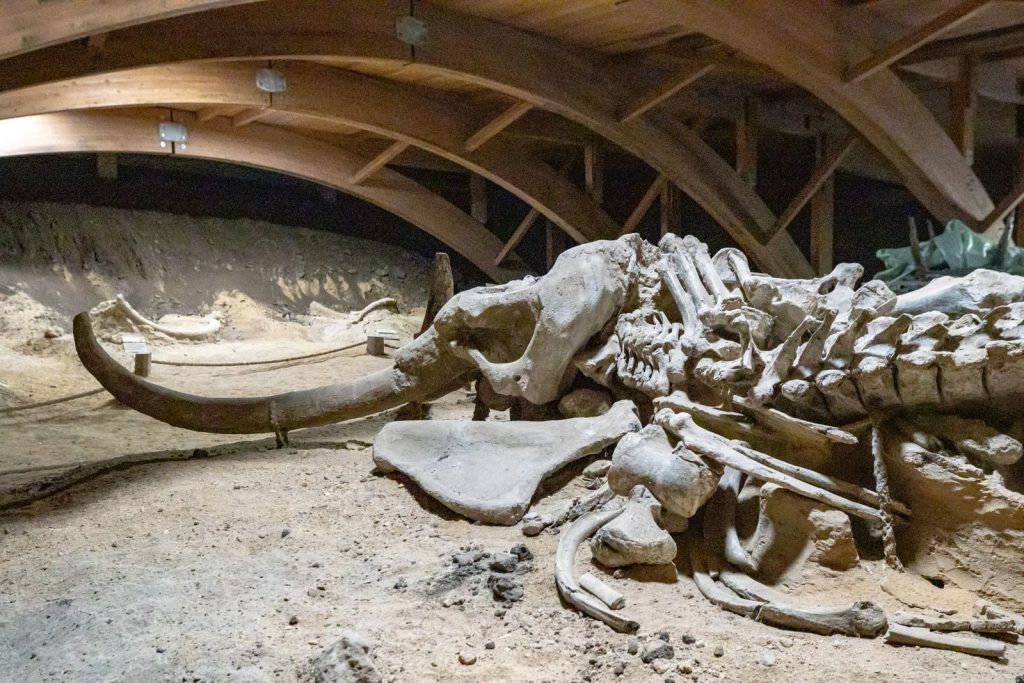
The White Sands region also preserves tracks belonging to mammoths, giant ground sloths, ancient camels and dire wolves. The combined record shows that humans and large Ice Age mammals occupied the same broader environment for a substantial period. However, the presence of tracks from different species does not always prove that the animals and people encountered one another at precisely the same moment.
The tracks do not reveal the entire migration story

White Sands is a trackway site rather than a known settlement. It shows people traveling across the landscape but does not reveal where they lived, where they came from or which migration route brought their ancestors into the Americas. Archaeologists still need camps, tools, remains and similarly dated sites to build a fuller explanation of these early populations.
Leave a Reply