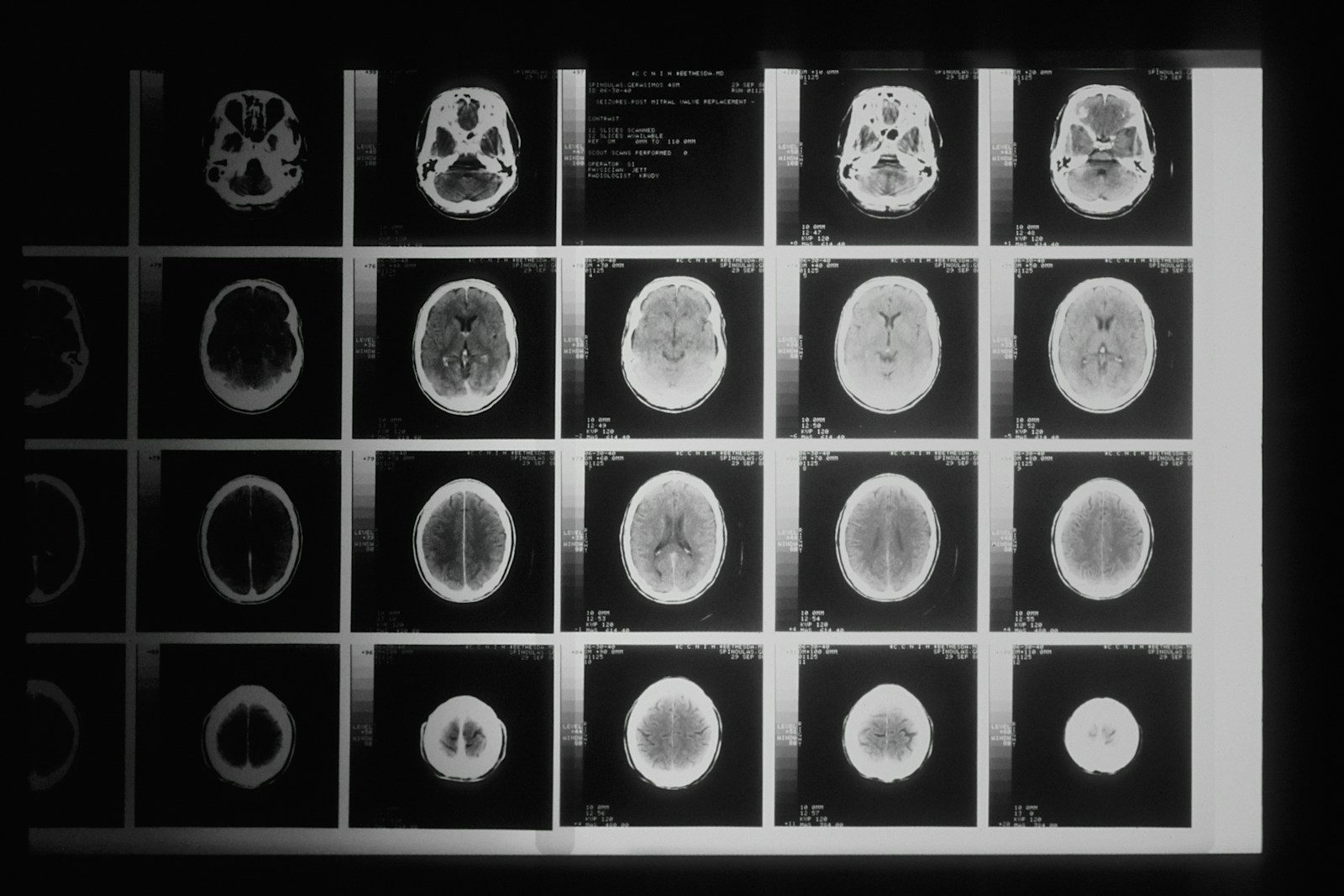
Researchers examined the crocodile using X-rays, computed tomography and three-dimensional imaging. These non-invasive methods allowed them to look beneath its wrappings without cutting, unwrapping or damaging the ancient specimen. The original headline therefore gives the wrong impression. The animal was digitally examined rather than physically opened during an autopsy.
The crocodile is between 2,000 and 3,000 years old
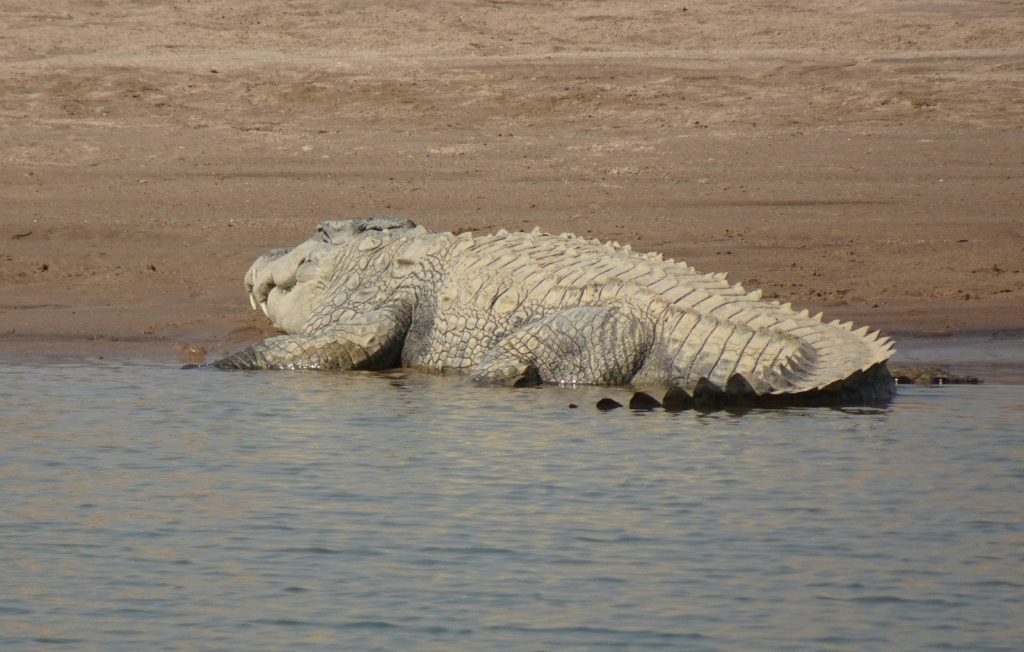
The mummified animal is approximately 2.2 meters long and is held by Birmingham Museum and Art Gallery under accession number 2005.335. Researchers estimate that it dates from between 2,000 and 3,000 years ago, when animal mummification was widely practiced in Egypt. Describing it as exactly 3,000 years old would be more precise than the available dating evidence allows.
A fish was still attached to a bronze hook

The scans revealed a largely intact fish inside the crocodile’s digestive system. A metal fishing hook was associated with the remains, suggesting that the crocodile swallowed bait shortly before it died. Researchers interpreted the hook as a likely clue to how the animal was captured, although imaging cannot reconstruct every moment of the event with complete certainty.
The fish had barely begun to digest

The fish’s skeleton remained substantially intact, indicating that stomach acids and grinding action had not yet broken it down. The crocodile also contained gastroliths, stones swallowed by living crocodiles to assist digestion and regulate buoyancy. The location of those stones suggested that the animal died before its digestive system had time to process the final meal.
The evidence suggests deliberate capture

The short interval between the fish being swallowed and the crocodile’s death led researchers to propose that it was caught in the wild using bait. It may then have been transported and prepared for mummification soon afterward. This remains an evidence-based interpretation rather than direct proof of the precise capture method or cause of death.
Crocodiles were connected with the god Sobek
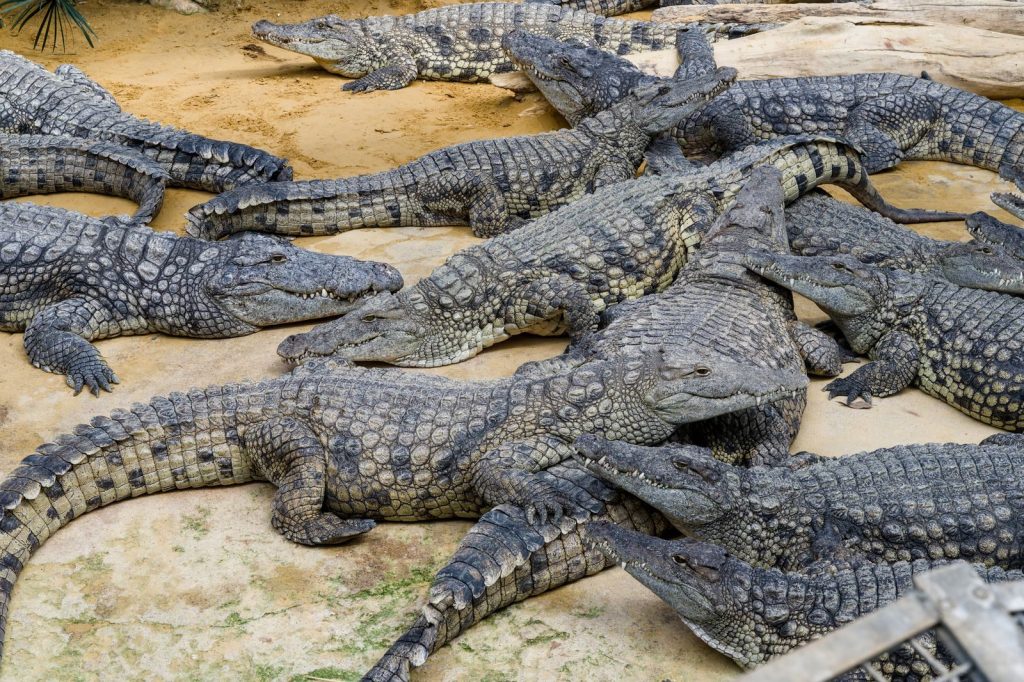
Ancient Egyptians associated crocodiles with Sobek, a deity linked with strength, fertility, water and protection. Crocodiles were bred, captured, preserved and presented as religious offerings in different periods and locations. Researchers believe this specimen was probably mummified as an offering, connecting the animal’s final meal with the rituals and industries surrounding Egyptian animal cults.
The hook was reconstructed without removing it

Specialists used the scan data to isolate the hook virtually and create a three-dimensional digital model. They first produced a plastic replica and then cast another version in bronze. The reconstructed hook allowed researchers and museum visitors to examine its form while the original remained safely inside the crocodile mummy.
Modern imaging preserved both the mummy and its story

Older investigations sometimes required researchers to unwrap or dissect mummified remains. Digital radiography now allows scientists to study bones, organs, food, amulets and manufacturing techniques while leaving fragile artifacts intact. In this case, the scans revealed details about the crocodile’s diet, capture and mummification, transforming a museum object into evidence about both animal biology and ancient Egyptian religious practice.
Featured Image: Photo by National Cancer Institute on Unsplash
Leave a Reply