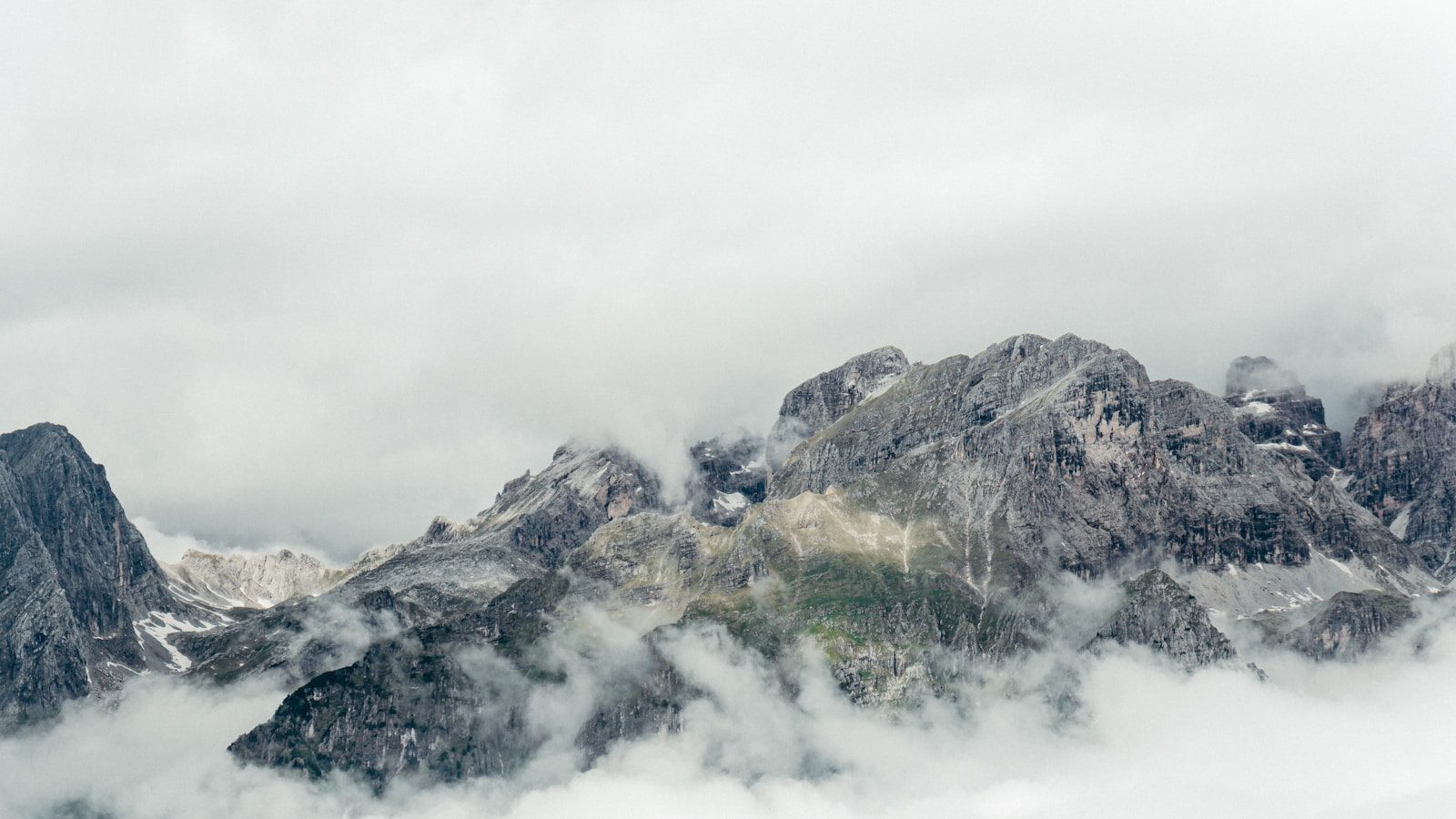
Most people assume modern technology allows human explorers to step onto every mountain peak and island. We picture satellite maps guiding travelers into every corner of the globe easily.
But extreme mountain peaks and dense jungle karsts remain completely unvisited by human boots today. Sacred laws and hazardous vertical terrain protect these untouched wilderness zones from human footprint expansion.
Gangkhar Puensum Remains Unclimbed
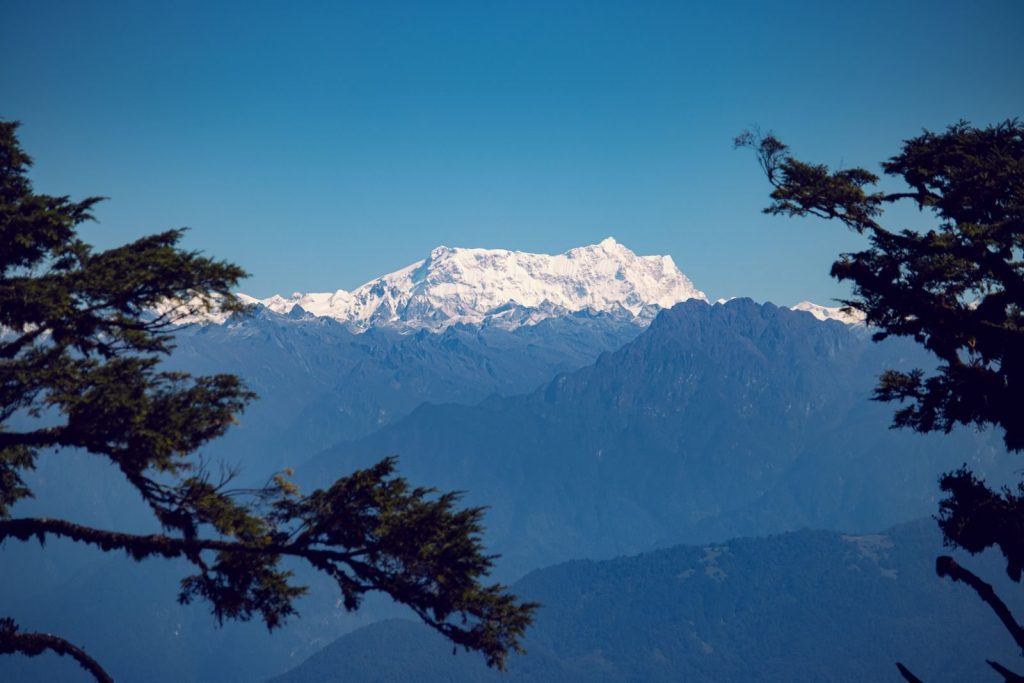
High in the Himalayan kingdom of Bhutan stands Gangkhar Puensum, the highest unclimbed mountain peak on Earth. Local spiritual beliefs treat high peaks as sacred homes of protective spirits. Summits remain protected. According to Bhutanese government legislation passed in 1994, mountaineering above six thousand meters is completely banned. That strict legal protection keeps the lofty peak entirely untouched by human climbers.
Tsingy De Bemaraha Vertical Needles
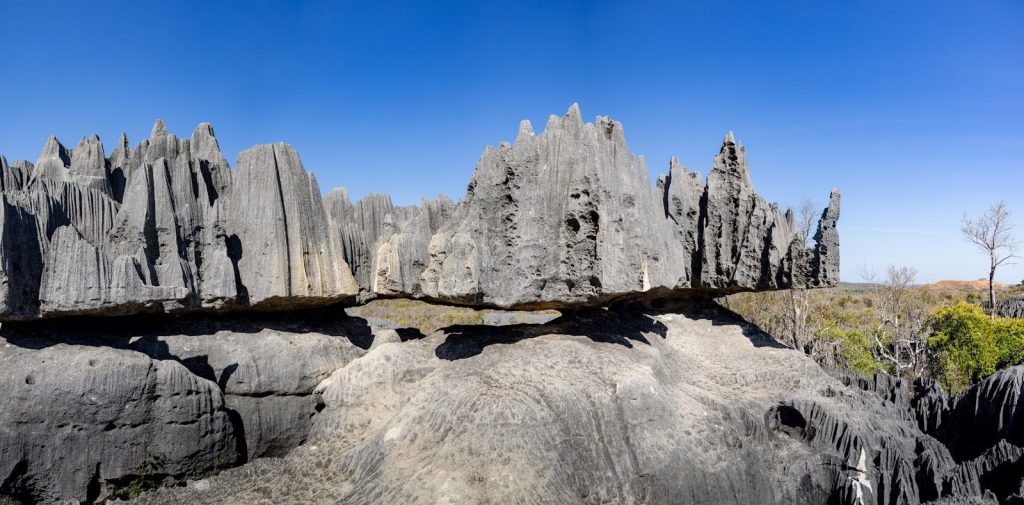
Razor-sharp limestone spires form impenetrable stone labyrinths across western Madagascar rainforests. Water erosion carved dense fields of vertical rock needles that block human travel across the region. The walls are razor sharp. According to UNESCO conservation reports, unique lemur species navigate these limestone canyons by leaping between sharp stone peaks. But another vertical stone formation hides equally isolated habitats.
Amazonian Tepuis Island Plateaus
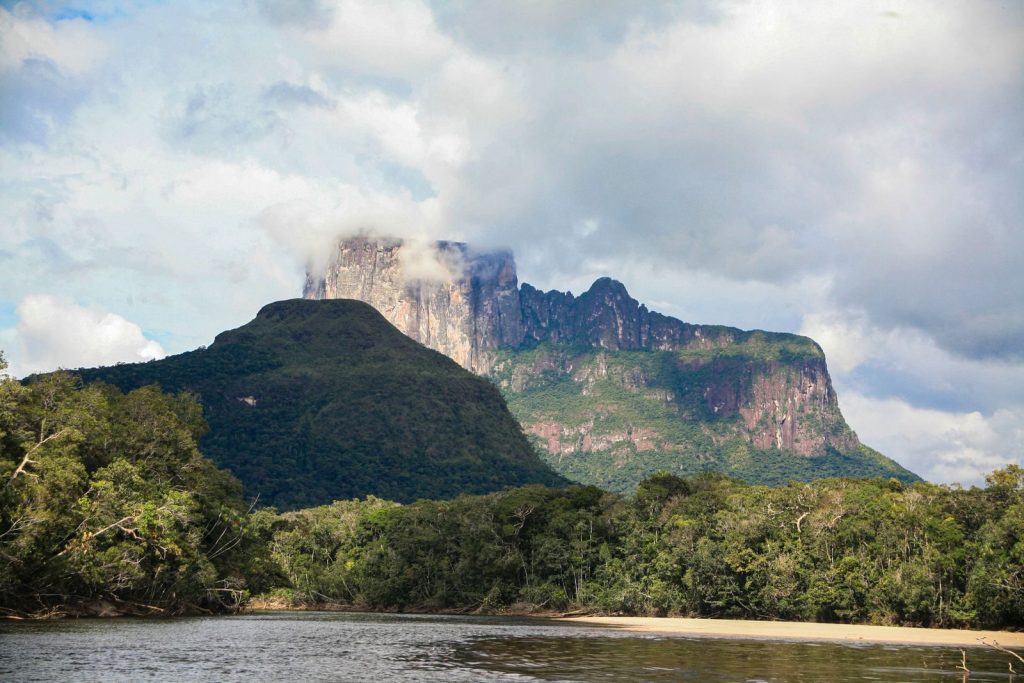
Towering tabletop mountains rise thousands of feet above Venezuelan rainforest canopies like isolated rock islands. Vertical cliffs prevent ground animals from climbing up to the flat summit ecosystems. Summit ecosystems evolve in isolation. According to botanical studies from the Venezuelan Institute for Scientific Research, nearly half of all plant species on tepui summits exist nowhere else on Earth. Yet ocean islands hide unvisited zones as well.
Star Mountain Jungle Karsts
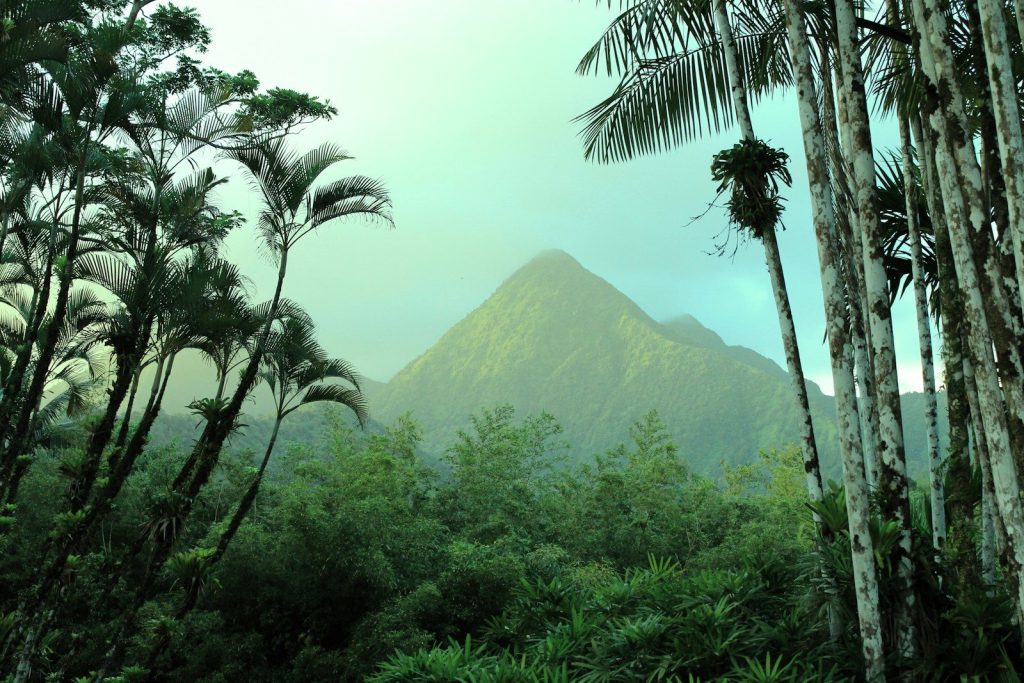
Papua New Guinea hides rugged limestone karst mountains covered in dense, unmapped cloud forest canopies. Torrential rains carve underground river networks and massive subterranean caves through soft limestone rock layers. The terrain is brutal. According to expedition journals from the Royal Geographical Society, dense jungle vegetation and vertical sinkholes make ground travel nearly impossible. But arctic environments guard similar unvisited islands.
Surtsey Island Emerges Oceanic
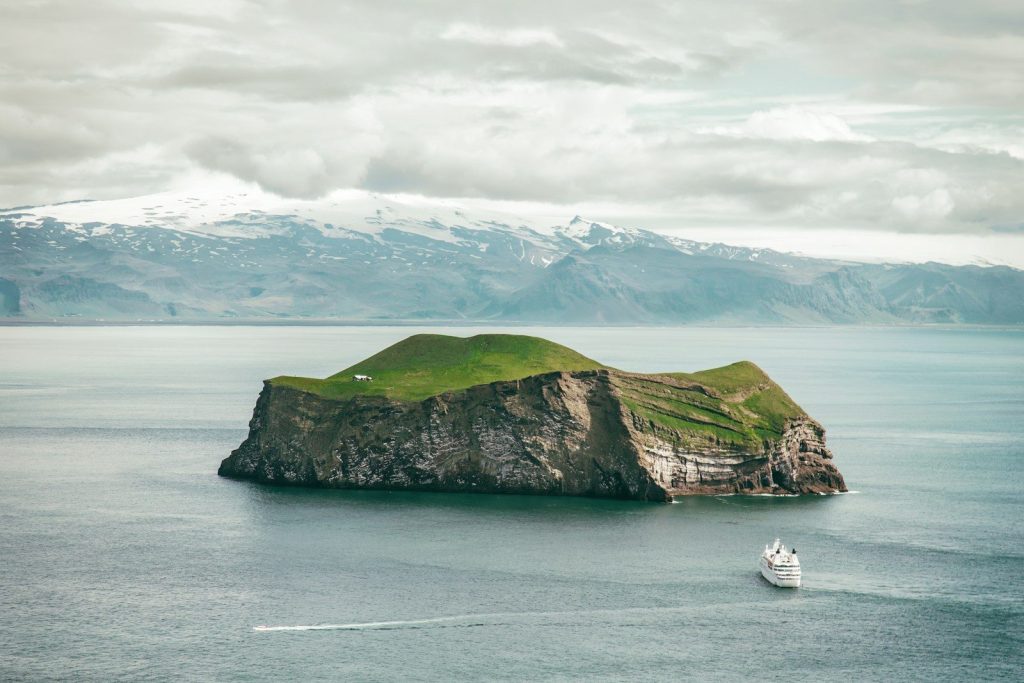
Volcanic eruptions off the southern coast of Iceland formed a brand new oceanic island during the 1960s. Scientists immediately restricted human visitors to allow natural plant and animal colonization without human interference. Life arrives naturally. According to Nordic research council reports, seeds arriving on sea currents developed tiny plant communities on bare lava rock. Yet ocean trenches harbor even larger unexplored zones.
Kamchatka Valley Hides Toxic Gases
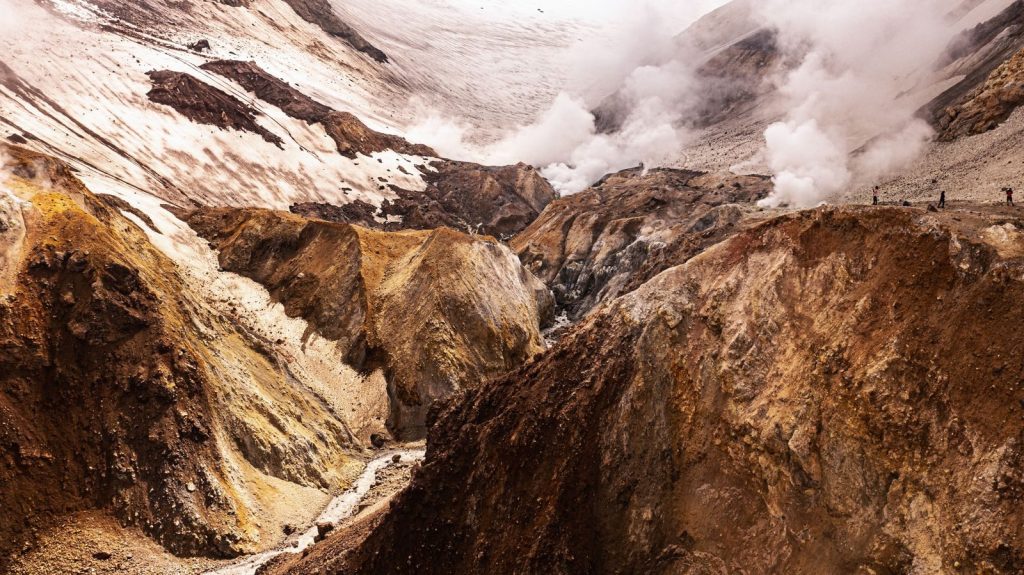
Volcanic vents inside remote Russian valleys release dangerous concentrations of hydrogen sulfide and carbon dioxide gases. Birds flying low over the volcanic valley floor drop dead instantly from toxic air layers. Air is deadly. According to geological surveys by the Russian Academy of Sciences, localized gas pockets prevent long-term human exploration along the valley floor. But subterranean realms remain even less explored.
Son Doong Cave Holds Forests
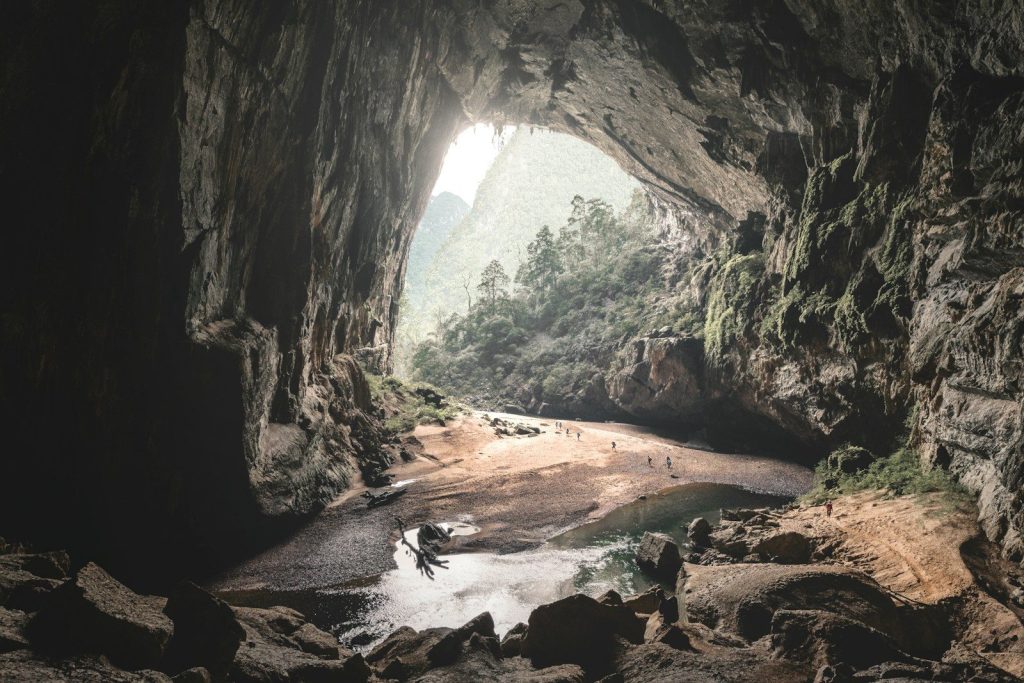
Massive underground caverns inside Vietnamese jungles hold isolated subterranean ecosystems complete with internal cloud systems. Collapsed ceiling sinkholes allow sunlight to stream deep underground, growing dense subterranean rainforests. Caverns are giant. According to British Cave Research Association surveys, entire city blocks could fit inside these massive limestone chambers. But leaving these wild zones undisturbed protects delicate natural systems.
Safeguarding Untouched Planetary Wilderness
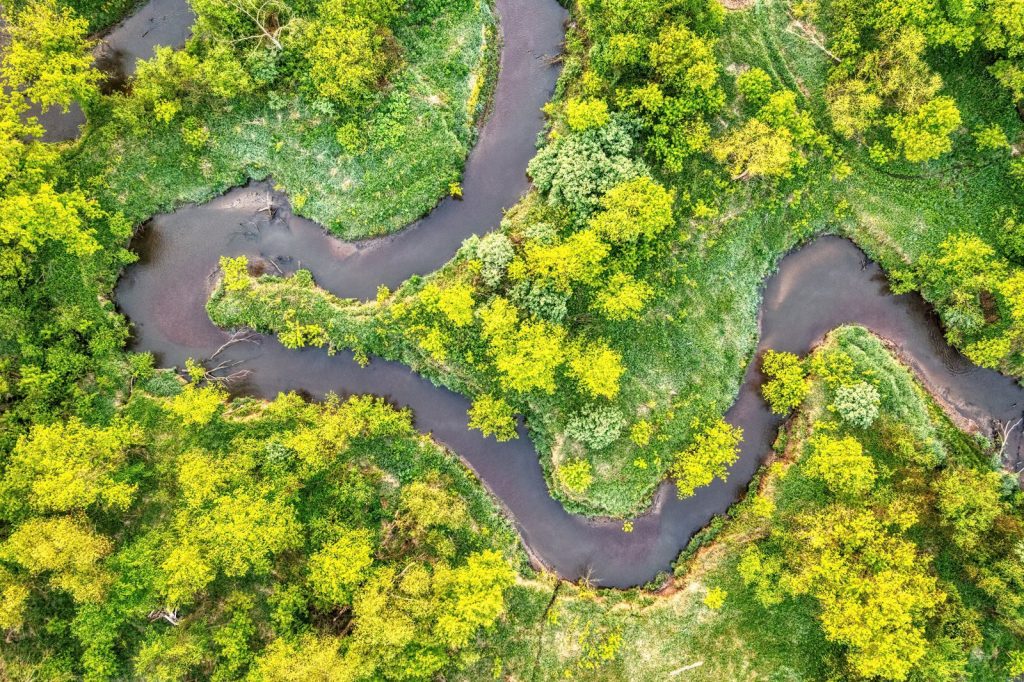
Protecting unvisited natural sanctuaries preserves fragile ecological evolutionary processes from human industrial disruption. Satellite technology allows researchers to monitor remote ecosystems without disturbing delicate animal habitats below. Remote zones remain vital. According to global conservation organizations, keeping certain regions unexplored guarantees our planet retains true wild spaces. This article is for informational purposes only.
Featured Image: Photo by Michał Bielejewski on Unsplash
Leave a Reply