We assume that the universe is teeming with advanced alien civilizations waiting to be discovered. We believe our telescopes will eventually capture a signal from a distant world.
But the absolute silence of the cosmos is forcing astronomers to consider a grim reality. Our search for cosmic neighbors might be heading toward a dark conclusion.
The Puzzle Of Empty Space
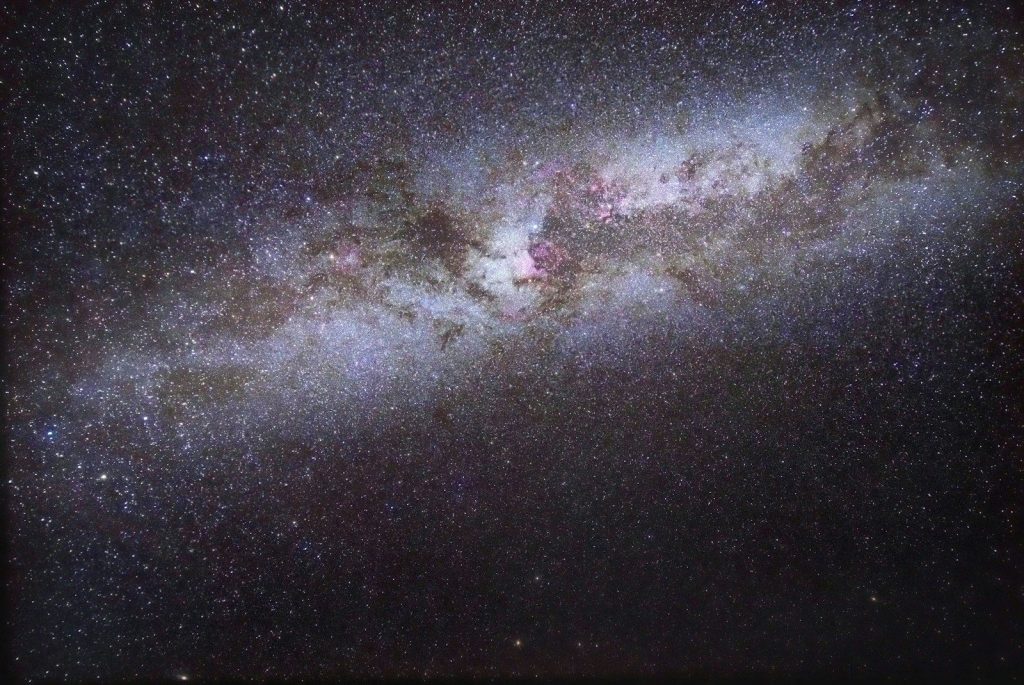
The galaxy contains billions of stars that are much older than our Sun. Many of these stellar systems should have developed advanced life long ago. According to calculations by physicist Enrico Fermi, intelligent species had more than enough time to map the entire Milky Way. Yet we see nothing. This bizarre contradiction suggests that something is actively stopping civilizations from growing. But one terrifying theory explains why stars remain dark.
The Lethal Cosmic Hurdles
Life must survive a series of massive developmental barriers to escape its home planet. These evolutionary obstacles are known as the Great Filter. According to papers in the Astrobiology Journal, most civilizations might destroy themselves before they develop interstellar communication. The odds are bad. This suggests that humanity might also be heading toward an inevitable planetary dead end. But another theory proposes that aliens are actively hiding.
The Danger Of Speaking Out
Broadcasting our location into deep space could be a fatal mistake for humanity. Advanced civilizations might choose total silence to avoid attracting predatory species. According to the Dark Forest hypothesis discussed by scientists, the cosmos could operate like a dense woods where survival requires staying hidden. We are screaming. Sending signals out might invite swift destruction from quiet hunters. But the true nature of life itself might be the problem.
The Brief Window Of Tech
Technological civilizations might only exist for a tiny fraction of cosmic time. Pollution, climate change, and artificial intelligence present constant existential threats. According to studies from the Future of Humanity Institute, advanced societies might naturally collapse within a few centuries of inventing radio tech. They burn out. This narrow window makes overlapping in time and space highly unlikely. But the physical vastness of space presents another barrier.
Lost In Infinite Distance

Radio signals fade into static as they travel across light years of empty space. Our early broadcasts have only reached a tiny bubble of nearby stars. According to reports from the SETI Institute, detecting these weakened signals requires incredibly massive receivers. The galaxy is huge. We might simply be too far away to ever hear the whispers of other worlds. But some researchers believe the search itself is outdated.
Looking For The Wrong Signals

Humanity continues to search for radio waves while aliens might use advanced technologies we cannot comprehend. They could communicate with lasers or quantum entanglement. According to electronic engineers at MIT, our primitive receivers are likely missing these sophisticated networks entirely. We are using tin cans. We must upgrade our scientific tools to join the cosmic conversation. But discovering the truth might bring a terrifying realization.
The Terrifying Solo Journey

If we are truly alone in the vastness of space, the responsibility is immense. It means humanity is the only spark of consciousness in a cold universe. According to essays by cosmologist Carl Sagan, our survival becomes the most important task in cosmic history. We cannot fail. This lonely reality shifts how we must view our global problems. Yet the search for answers in the dark continues.
A Rare Cosmic Spark

The cosmic silence reminds us how precious and fragile our planet really is. Whether we find neighbors or remain alone, protecting our home must be our ultimate goal. We must cherish this rare oasis of life. This article is for informational purposes only and does not constitute professional astrobiological or scientific advice.
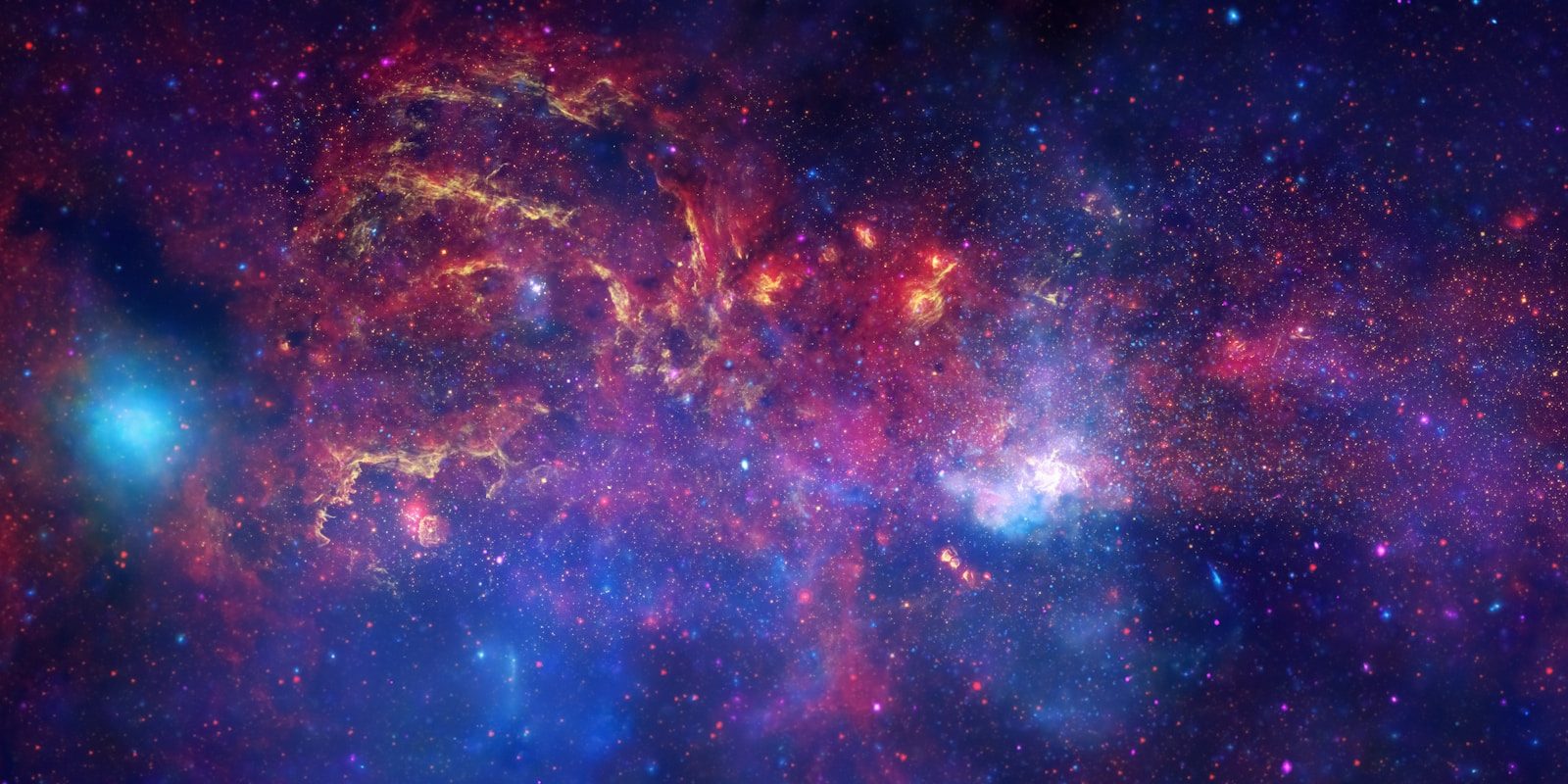
Featured Image: Photo by NASA Hubble Space Telescope on Unsplash
Leave a Reply