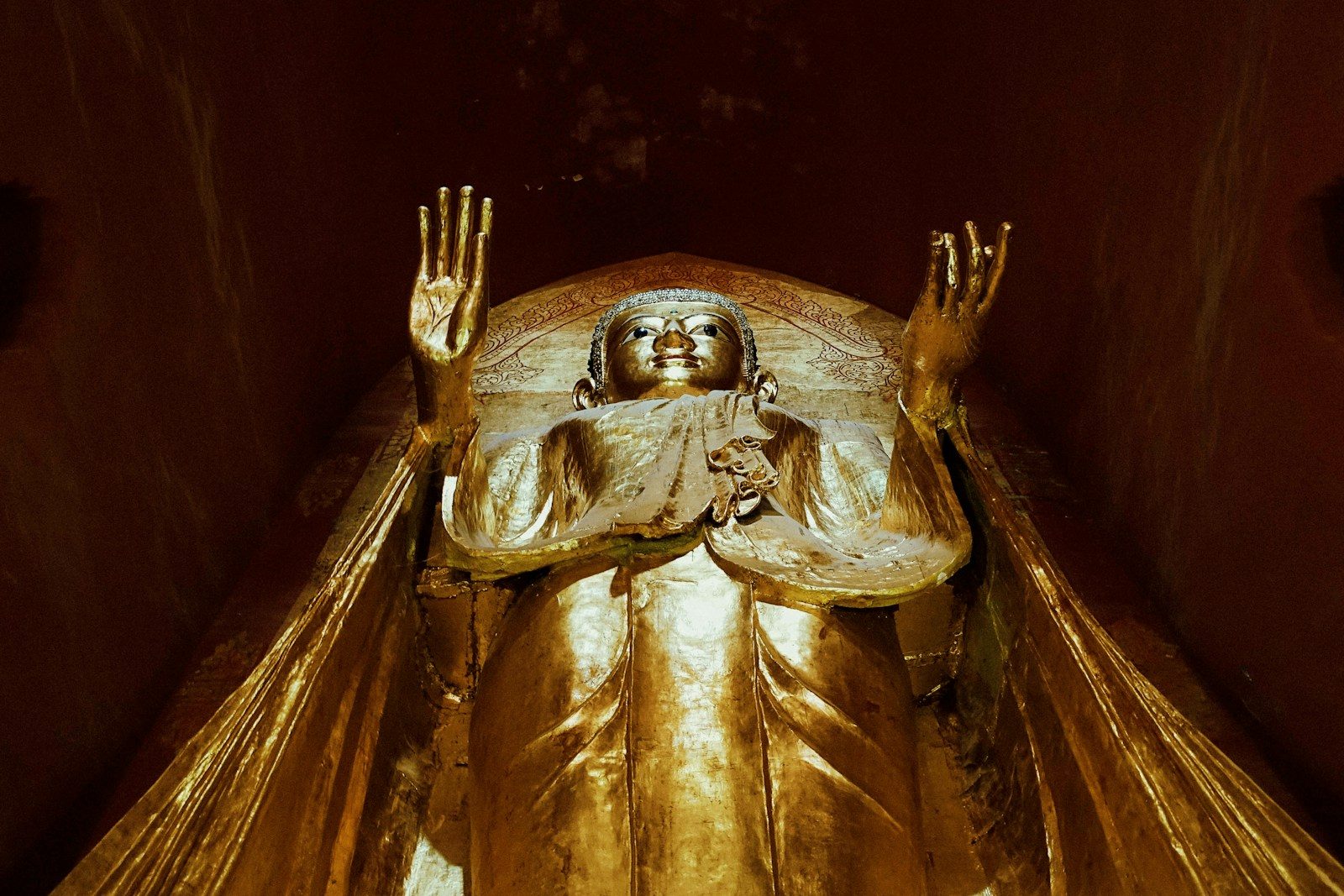
Most history buffs assume that ancient Egyptian mummification was done solely to preserve human flesh for the afterlife. We believe that wrapping bodies in linen was the final step of the burial ritual.
But a series of stunning archaeological discoveries has revealed a bizarre, glittering modification to the dead. Researchers are finding ancient remains equipped with physical tongues made of solid gold.
The Subterranean Discovery
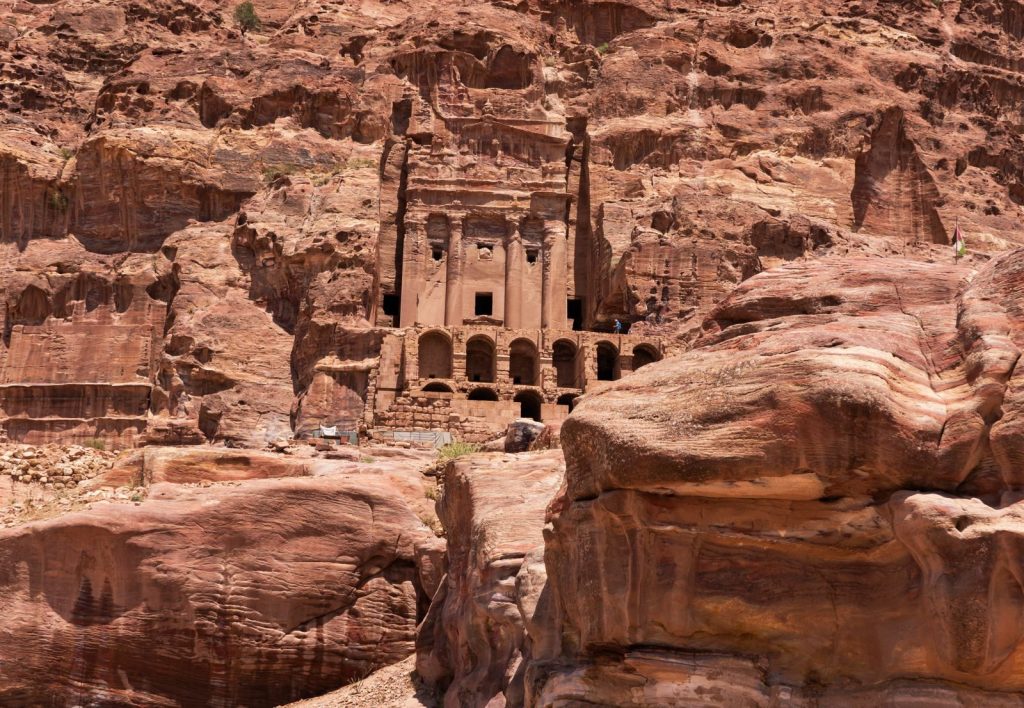
During a major desert excavation, researchers uncovered a sprawling ancient city that had been lost for thousands of years. Hidden inside the oldest temple ruins were several ornate stone tombs. They opened the lids. According to announcements from the Egyptian Ministry of Antiquities, archaeologists found several well-preserved mummies resting inside. But it was the contents of their mouths that left the team completely speechless.
A Foil of Pure Gold
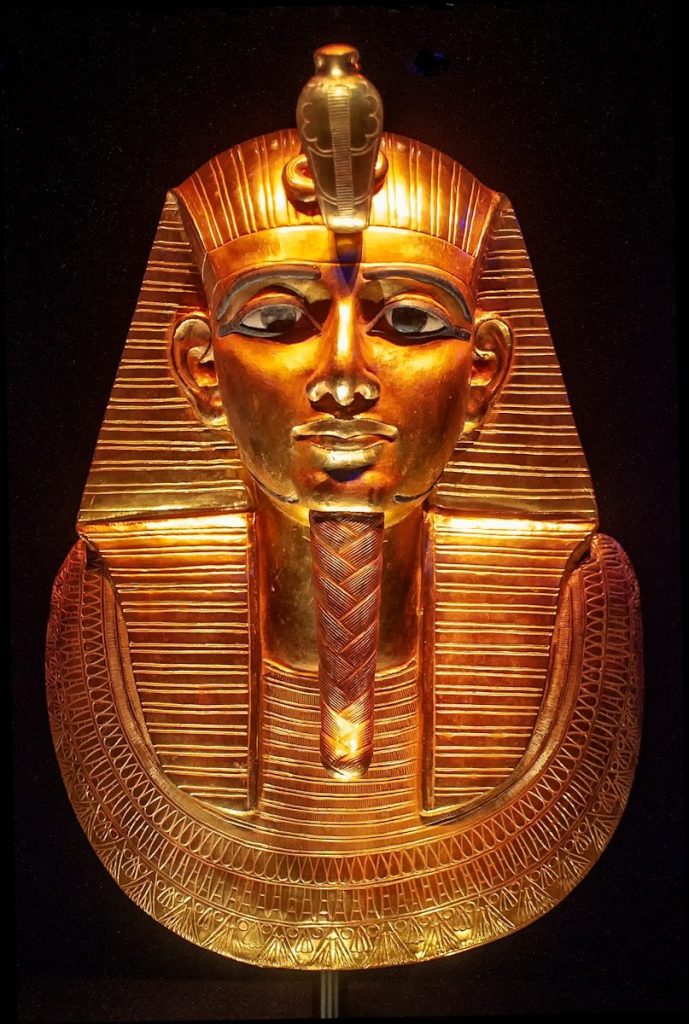
Instead of organic tissue, these ancient mummies possessed a thin foil tongue shaped like a leaf. The gold leaf was carefully placed over the jawbone during the embalming process. It was incredibly bright. According to historical researchers, the golden metal showed zero signs of decay despite spending thousands of years in the humid underground tombs. But this sparkling modification served a far deeper purpose than simple decoration.
Speaking with the Gods
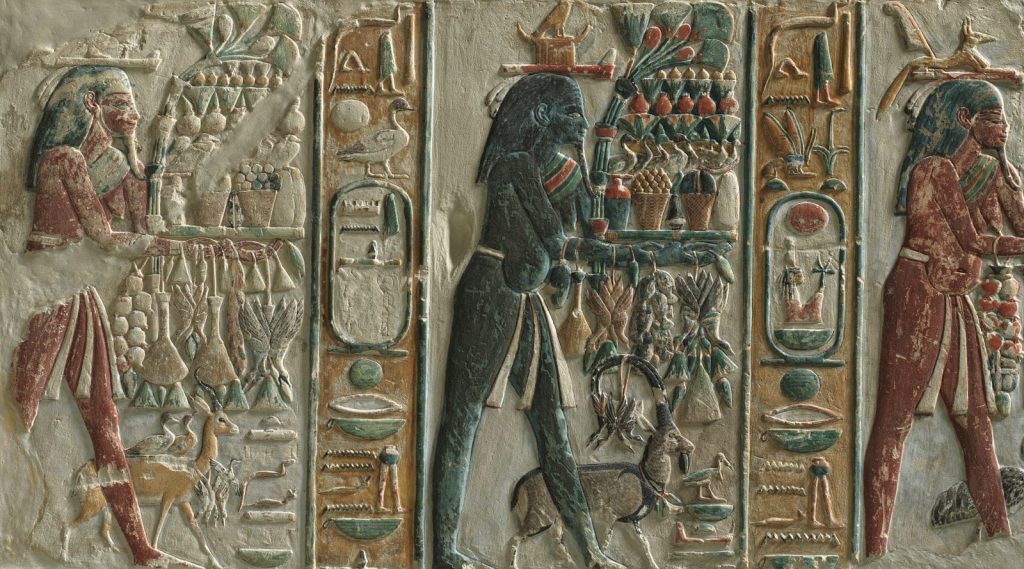
The golden tongue was meant to allow the deceased to speak with divine beings in the afterlife. In Egyptian mythology, the gods demanded absolute silence from mortal souls entering the underworld. The rules were strict. According to ancient religious texts, possessing a tongue made of pure gold allowed a soul to speak directly to Osiris without being punished. But securing this luxury required a massive financial sacrifice.
An Elite Burial Privilege
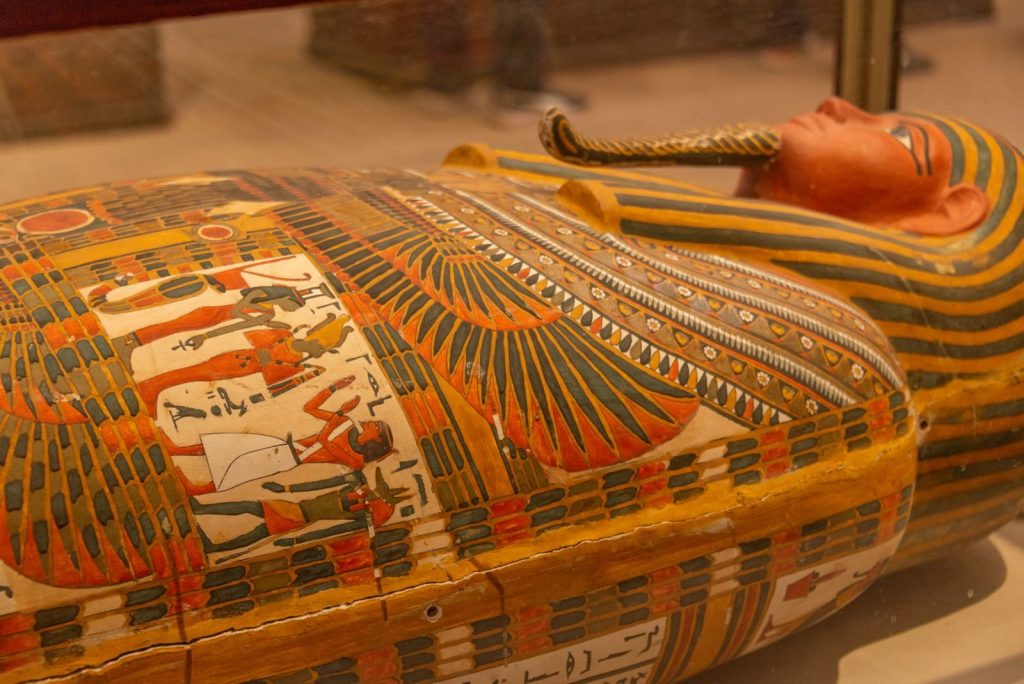
Only the wealthiest citizens of the ancient city could afford to have their bodies prepared with precious metal. The average working-class Egyptian received a much simpler burial in the dry desert sand. Wealth defined the afterlife. According to economic historians, the high cost of gold foil reserved these specialized mummification steps for royal families and high priests. But this glittering custom was not limited to a single era.
Spanning Across Multiple Eras

Archaeologists discovered that this golden tradition spanned both the Greek and Roman periods of Egypt. This shows that the belief in golden speech remained highly popular for centuries. The custom endured. According to historical excavators, the golden tongues were used across different dynasties despite dramatic changes in government and language. But this discovery also revealed the hidden layout of the lost city.
Mapping the Subterranean Ruins
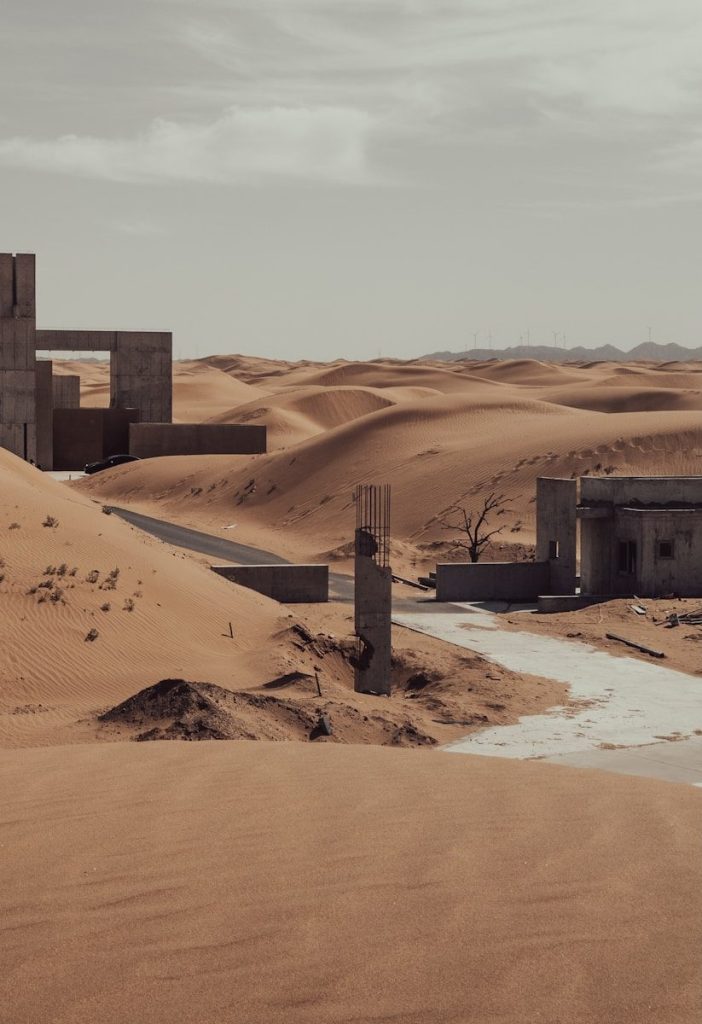
By tracing where these elite burials were located, scientists are slowly mapping the borders of the ancient metropolis. The tombs were placed along major trade routes running beneath the sand. Discovery followed discovery. According to geological survey teams, the city layout suggests a highly sophisticated urban planning system was used by these ancient builders. But digging deeper into the sand is uncovering even more unusual artifacts.
The Golden Amulet Mystery
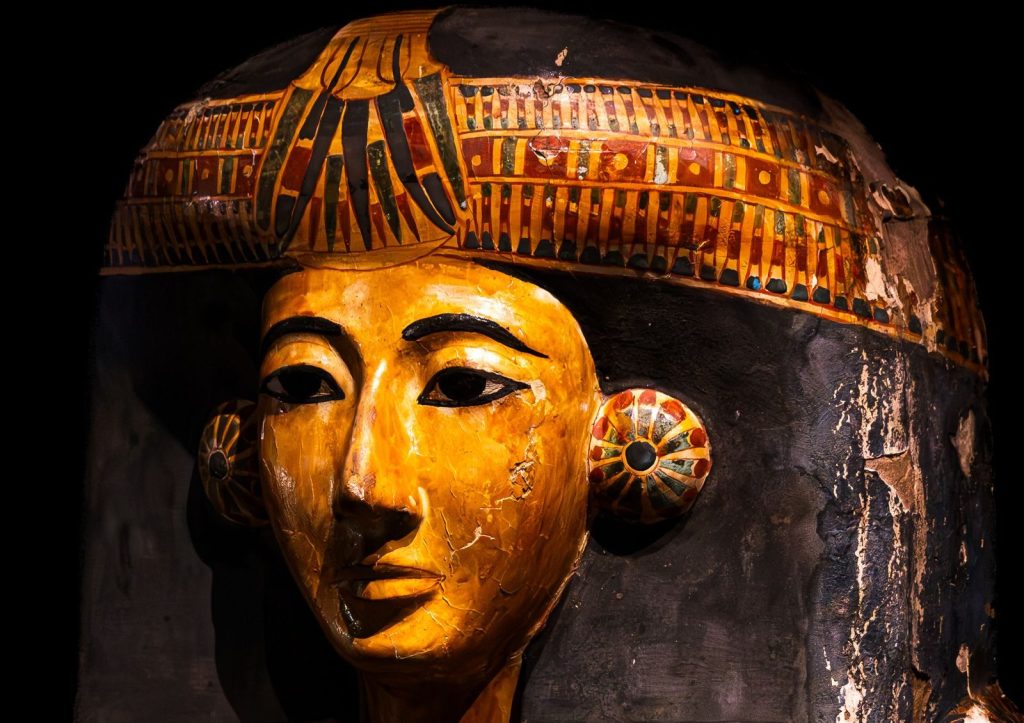
Alongside the metallic tongues, researchers found small golden eyes and nose pieces placed on the skeletons. These gold plates protected the senses of the deceased during their long journey to the afterlife. They were tiny shields. According to ancient art historians, these protective amulets were designed to ward off evil spirits in the darkness. But the complete scale of these tomb complexes is still being uncovered.
The Unending Ancient Quest

These golden discoveries show us how deeply our ancestors feared the silence of death. The search continues. According to global archaeological societies, the newly mapped desert ruins will likely reveal thousands of more tombs over the next decade. This ongoing exploration keeps the magic of our ancient past alive for future generations. This article is for informational purposes only.
Featured Image: Photo by Camille San Vicente on Unsplash
Leave a Reply