Most historians assume that ancient Egyptian builders relied on simple copper chisels and wooden mallets. We believe that basic manual labor alone created the massive structures along the Nile.
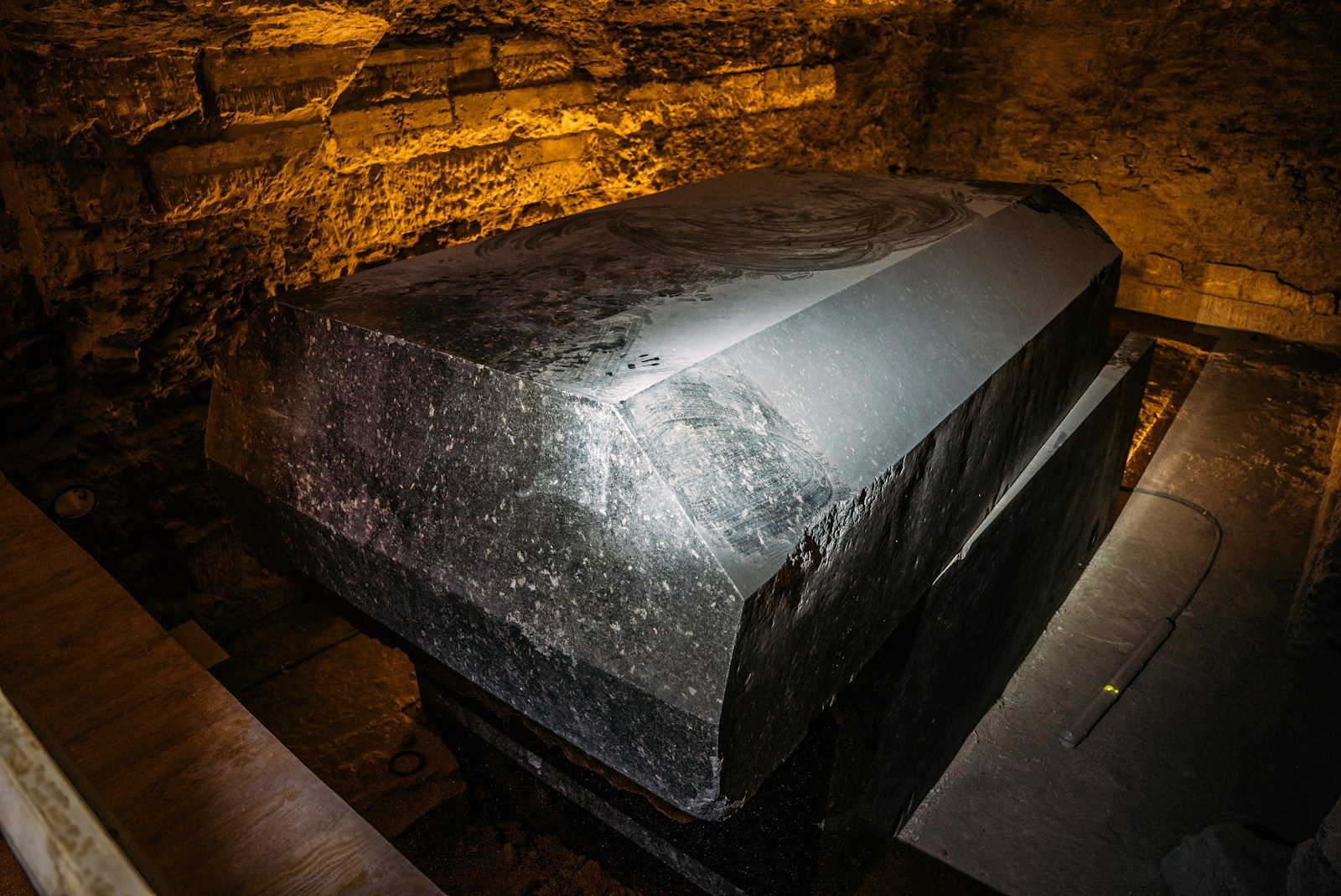
But several colossal stone boxes found buried deep underground tell a completely different story. Their flawless precision challenges everything we know about prehistoric technology.
The Subterranean Giants
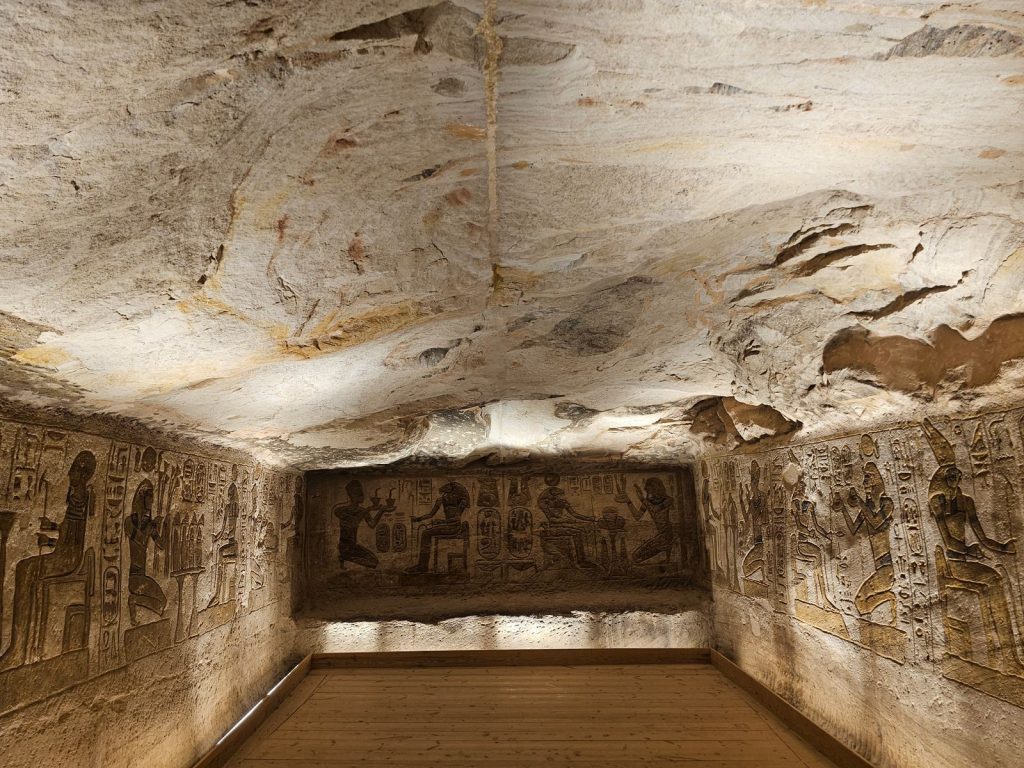
Deep beneath the desert sands lies a mysterious network of rock tunnels known as the Serapeum. Inside these chambers rest over twenty massive stone boxes made of solid granite. They are absolutely enormous. According to archaeological reports, each individual box weighs up to seventy tons and features a perfectly flat lid. But how builders moved them into these tight spaces remains a deep mystery.
Unbelievable Laser Flatness

When researchers measured the interior surfaces of the granite boxes, they made a shocking discovery. The inside corners are perfectly square with zero microscopic errors. The precision is unreal. According to measurements by geological engineers, the stone walls are flat to within a fraction of a human hair. But creating such flawless surfaces requires tools that ancient cultures supposedly did not possess.
The Hard Granite Problem
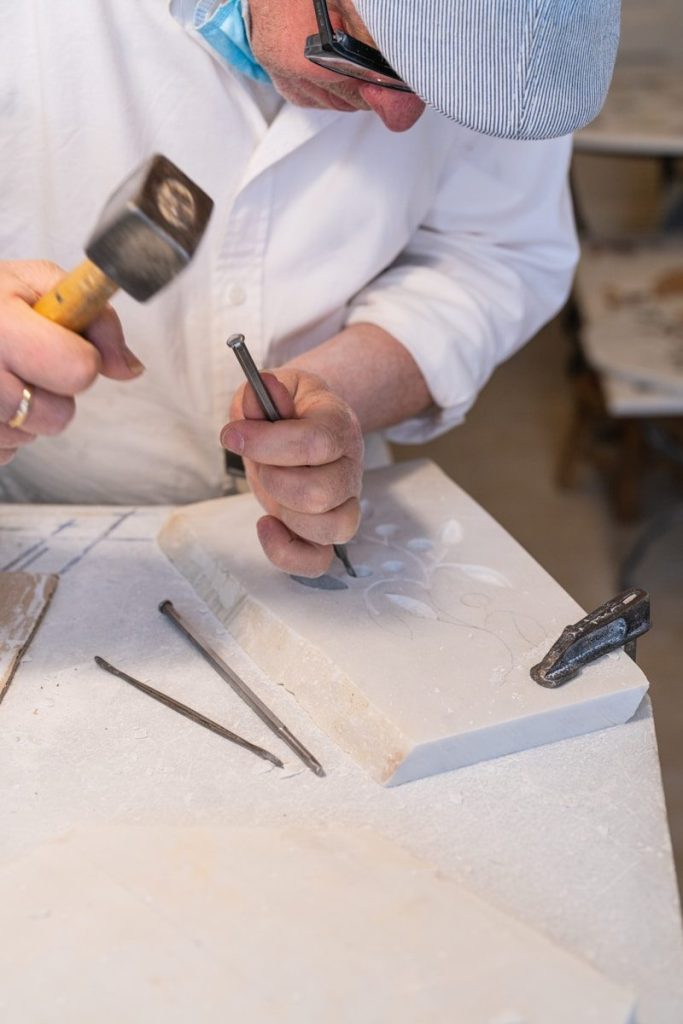
Granite is one of the hardest stones on Earth, containing high amounts of quartz crystal. Soft bronze or copper tools cannot carve it without breaking immediately. Copper was too soft. According to material science reports, only diamonds or modern steel saws can cut through granite with such straight lines. But archaeologists have found no trace of advanced cutting tools in the region.
A Forgotten Acoustic Tech
Some engineers believe the Egyptians used acoustic energy to vibrate copper saws, allowing them to slice through solid rock. Sound may have carved stone. According to experimental archaeology studies, tuning sound frequencies can significantly increase the cutting power of simple tools. But proving this theory requires finding the ancient acoustic generators that are lost to time.
The True Purpose Mystery
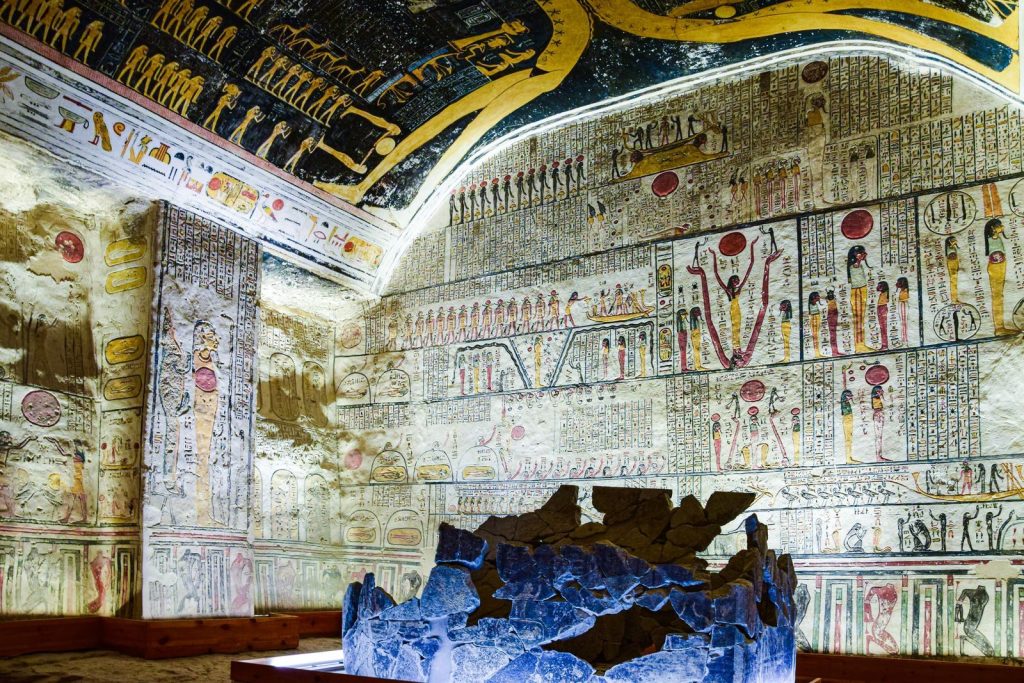
Early historians claimed these massive granite containers were built to bury sacred bulls. Yet when archaeologists opened the sealed boxes, they found them completely empty. No bones remained. According to records from early excavations, none of the chambers contained any organic residue or trace of biological burials. But the lack of remains has forced modern scientists to look for a different explanation.
Ancient Energy Reservoirs
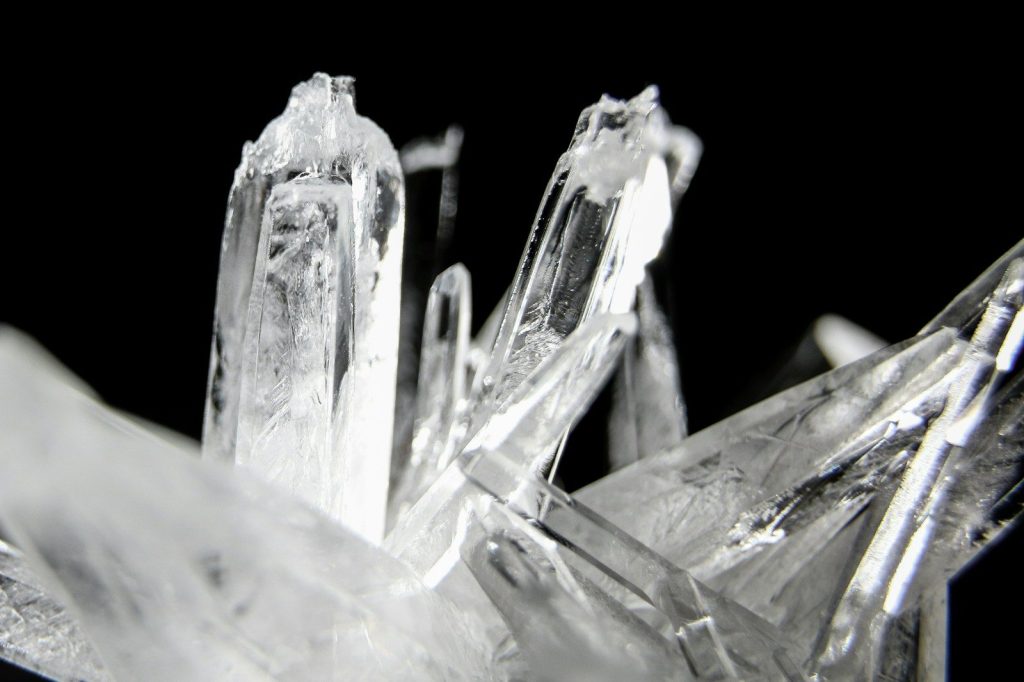
An alternative theory suggests the high quartz content in the granite served a functional purpose. Under high pressure, quartz crystals can generate small electrical currents. The rocks made power. According to electronic engineers, these large stone boxes might have acted as early batteries or energy conductors. But linking these monolithic structures to a working electrical network requires a massive leap in historical thinking.
The Lost Machine Theory
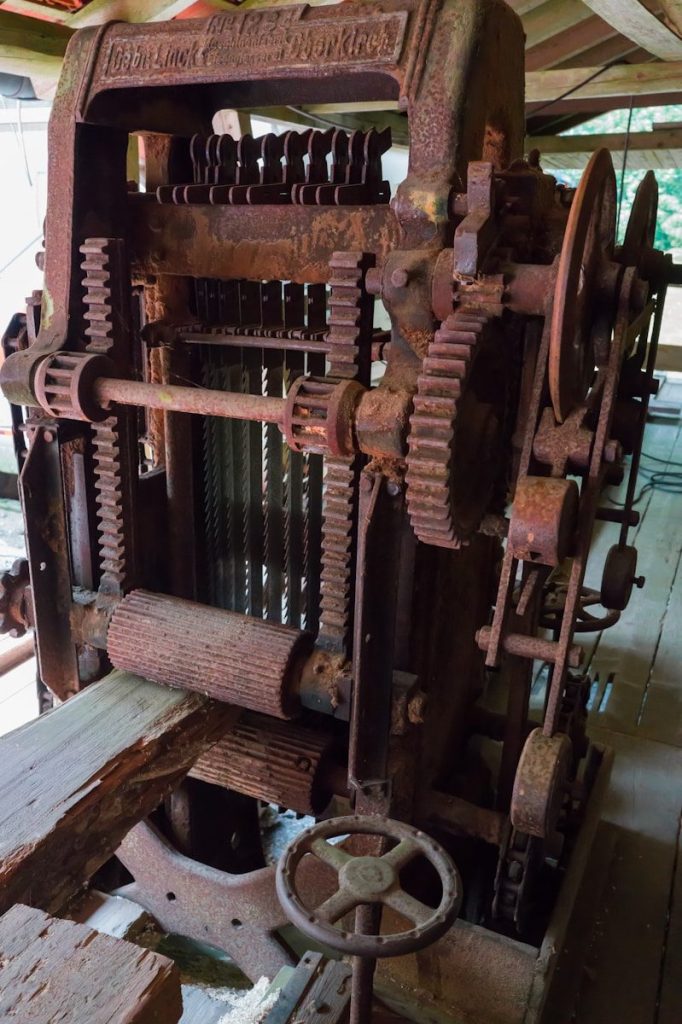
If the Egyptians used advanced machinery, the physical tools may have degraded over thousands of years. Wooden and iron gears would rot away in the damp desert air. The evidence vanished. According to historical preservation experts, organic materials rarely survive thousands of years without perfect mummification. But looking closely at the stone cuts themselves might finally reveal the mechanical secrets of the builders.
Rewriting Ancient Prehistory
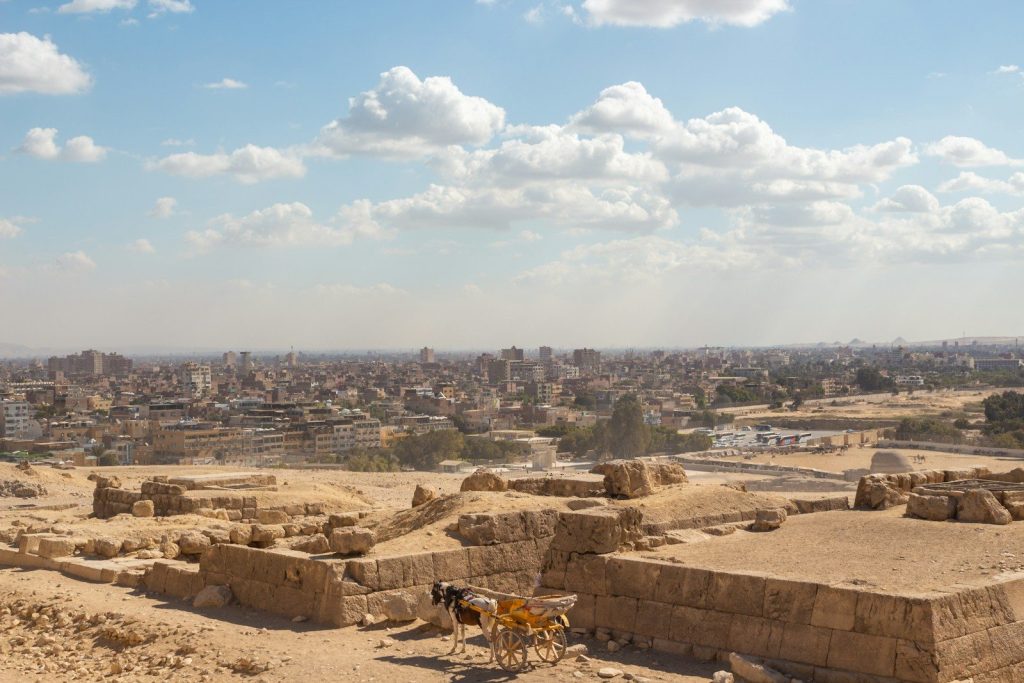
These precision blocks are forcing us to reconsider the technological limits of our ancestors. The past was complex. According to global historical research groups, the incredible design of the Serapeum boxes proves that early builders possessed knowledge we are only beginning to comprehend. This quiet shift in archaeological science will permanently change how we view human progress. This article is for informational purposes only.
Featured Image: Photo by Ruben Hanssen on Unsplash
Leave a Reply