
Most people assume that staying warm is a modern luxury. We believe that ancient humans simply suffered through brutal winter freezes.
But early engineers invented brilliant ways to harness thermal physics. Their early designs laid the foundation for the advanced tech we use today.
The Search For Radiant Warmth
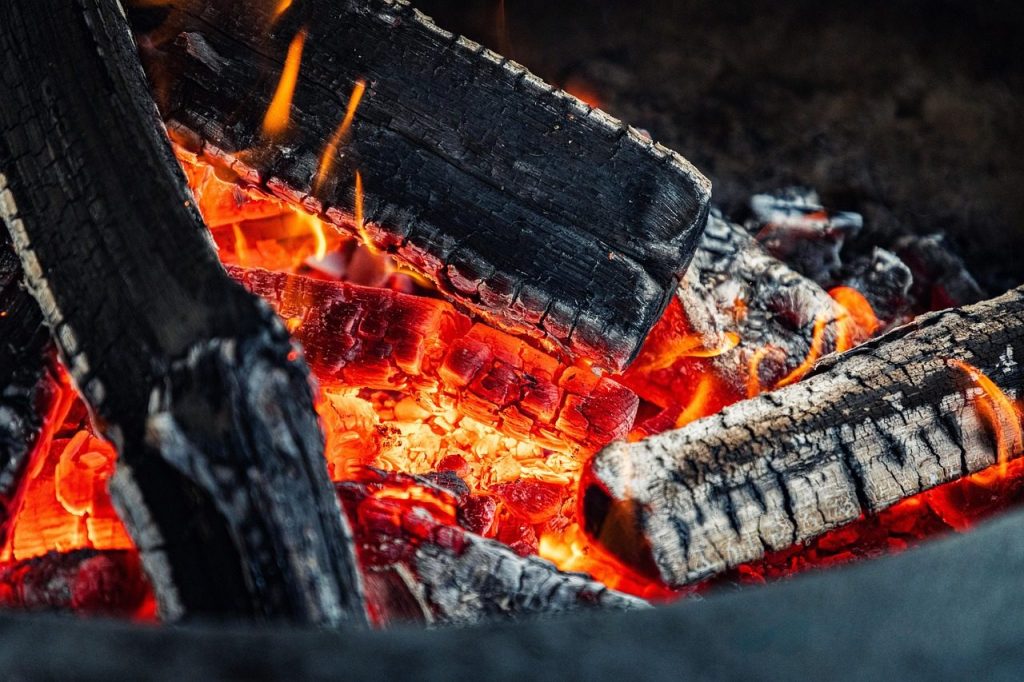
For thousands of years, humans relied on open wood fires to survive cold nights. This method was incredibly inefficient. According to archaeological studies from Oxford University, up to ninety percent of the thermal energy escaped directly through the ceiling. The air stayed cold. This challenge forced early builders to rethink how they trapped and directed heat. But their first breakthrough came from beneath the ground.
The Ancient Underground Solution

Roman engineers invented a system called the hypocaust to warm entire stone villas. They built furnaces beneath the floors and routed the hot air through hollow walls. The floors were warm. According to records from the Roman Society, this design was the first true central heating system. It allowed civilization to thrive in freezing northern climates. But the fall of the empire nearly erased this technology.
Harnessing The Power Of Steam
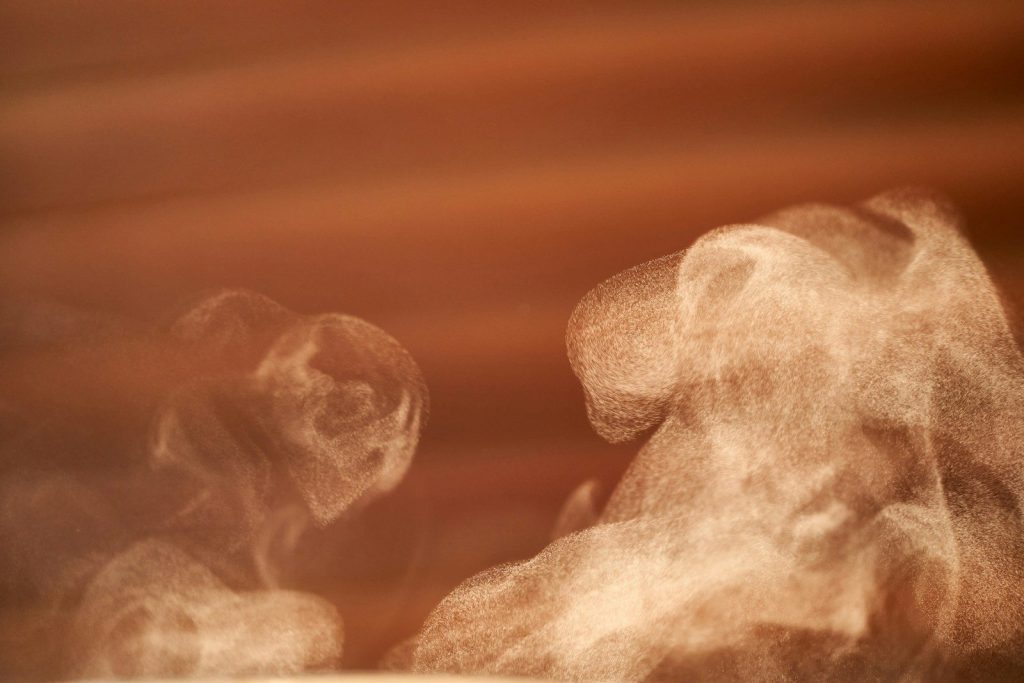
Centuries later, the Industrial Revolution forced inventors to find ways to heat massive factories. They turned to pressurized steam. According to logs from the Science Museum, early engineers built iron pipes that carried boiling vapor throughout large buildings. It was incredibly loud. This steam technology eventually evolved into the cast iron radiators that still warm older cities today. But managing high pressure steam was dangerous.
The Electric Heating Era

The discovery of electricity changed the heating game entirely. Inventors realized they could generate intense heat by running electrical currents through high-resistance wires. This was a miracle. According to reports from the Smithsonian Institution, the invention of nichrome alloy allowed for small, safe heating elements. This metal did not melt under extreme heat. But converting electricity to heat required a new level of efficiency.
The Rise Of Ceramics
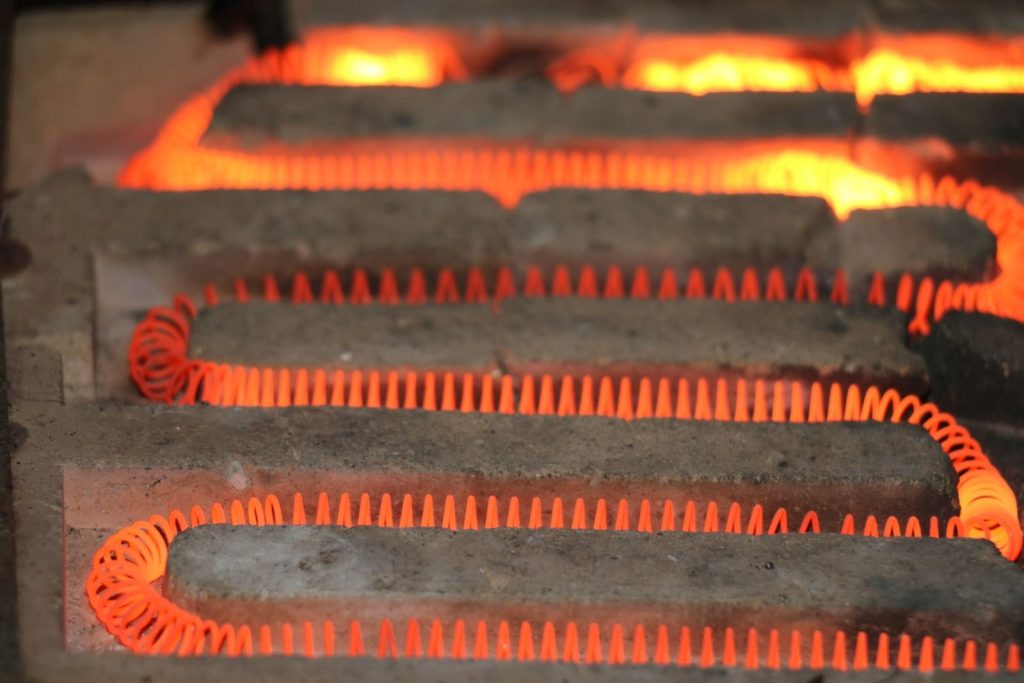
Modern portable heaters use advanced ceramic plates to distribute thermal energy rapidly. These plates absorb intense heat and release it into the room via aluminum fins. They are highly efficient. According to reports from Underwriters Laboratories, ceramic elements stay cooler to the touch while warming spaces incredibly fast. This design reduced home fire risks dramatically. But another type of heating worked in a completely different way.
The Radiant Light Magic

Instead of warming the air, radiant heaters emit electromagnetic waves that directly heat objects and people. This process mimics the warmth of the sun. It is completely silent. According to physics reports from the Institute of Physics, this method is perfect for drafty spaces because the wind cannot blow the heat away. It delivers instant comfort. But choosing between these two systems requires understanding a fundamental rule of thermodynamics.
The Future of Thermal Tech

Understanding the physics of heat helps us design more efficient homes. Modern technology continues to find clever ways to keep us safe from the elements. We must keep innovating. This article is for informational purposes only.
Leave a Reply