
Most people assume that light is rare in the natural world. We believe that glowing organisms are just a bizarre ocean anomaly.
But thousands of marine species use chemical reactions to light up the dark ocean. Their land-based relatives lost this incredible power long ago.
A Neon Marine Metropolis
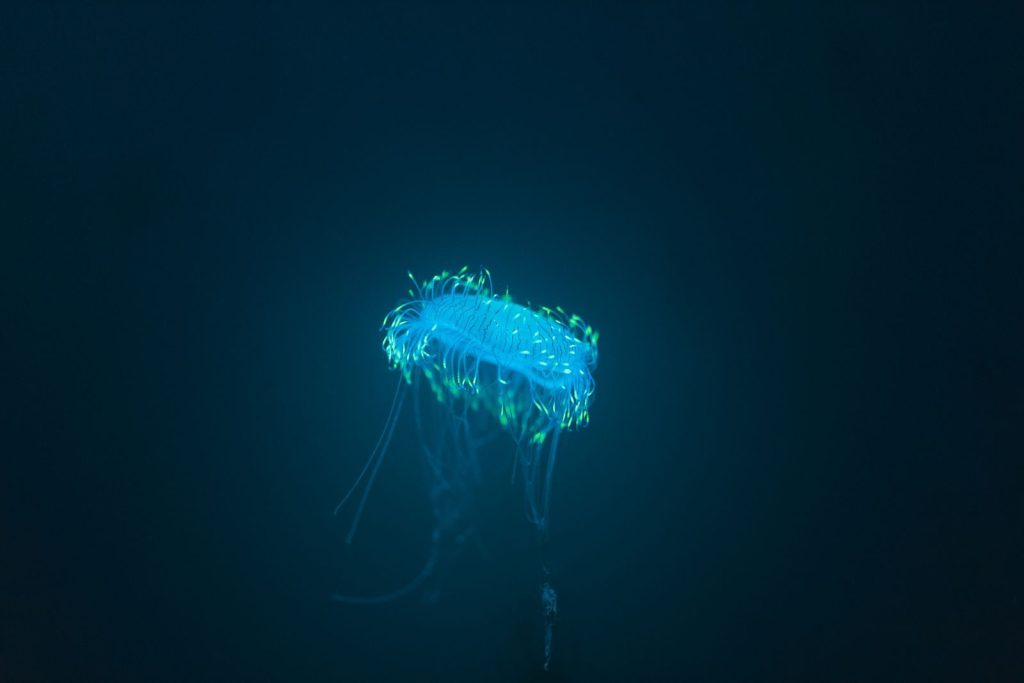
Descending into the deep ocean reveals a world illuminated by brilliant blues and greens. Nearly eighty percent of deep-sea animals produce their own light. They are beautiful. According to marine biology surveys from the Monterey Bay Aquarium, bioluminescence is the primary form of communication in the dark abyss. It is used to find mates and confuse predators. But this glowing empire stops abruptly at the shoreline.
The Empty Forest Nights

On land, the night is mostly dark except for a few fireflies and glowing fungi. The contrast is staggering. According to research from Yale University, only a tiny fraction of land species can produce chemical light. This massive evolutionary gap has puzzled biologists for centuries. They wondered why land animals abandoned such a useful survival tool. But the answer lies in the physics of light itself.
The Power Of Blue Light
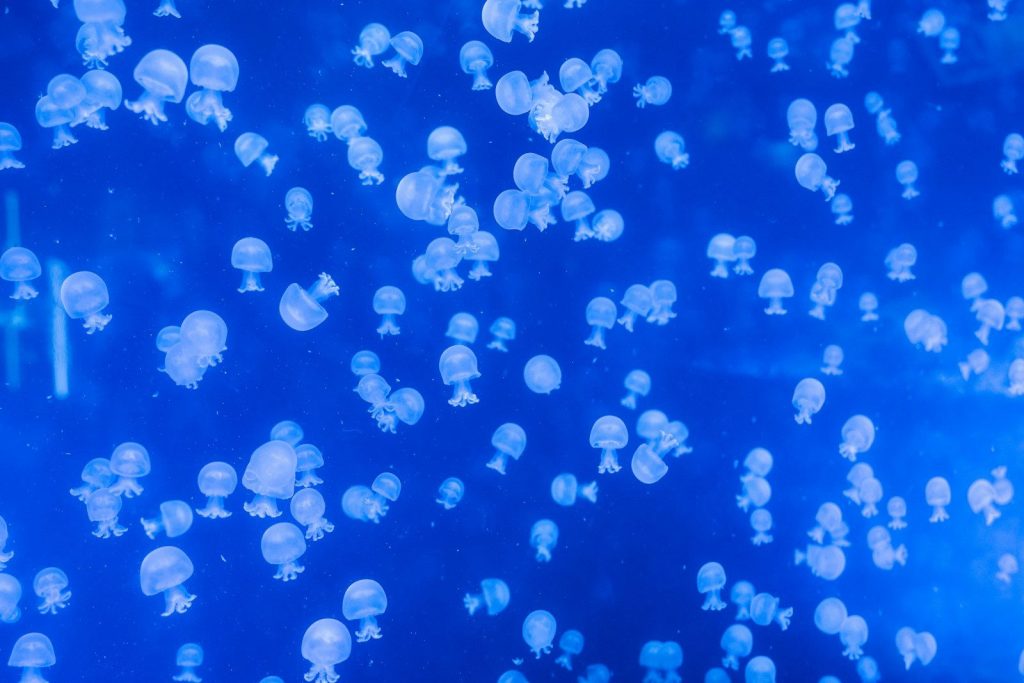
In the ocean, blue light travels further than any other color because of the way water scatters wavelengths. Marine eyes evolved to detect this specific glow. The match is perfect. According to optical studies from the Scripps Institution, blue bioluminescence can be seen from hundreds of feet away in clear water. This makes it an ideal signal. But air behaves in a completely different way than water.
Our Dusty Atmospheric Obstacles

Our atmosphere is filled with dust, leaves, and rolling terrain that easily blocks light waves. Signals cannot travel far. According to research from Harvard University, land creatures developed better ways to communicate, like sound and scent. These methods bypass physical obstacles easily. This made chemical lighting less necessary for survival on the forest floor. But another factor was the intense cost of glowing.
The Price Of Creation

Producing light requires a highly complex chemical reaction that consumes valuable cellular energy. This process is expensive. According to studies from the National Academy of Sciences, animals must use precious oxygen and specialized enzymes to trigger the glow. In the food-scarce deep sea, this energy expenditure is worth the risk. On land, the high cost of this reaction rarely outweighs the benefits. But a visual defense strategy changed everything.
The Art Of Hiding
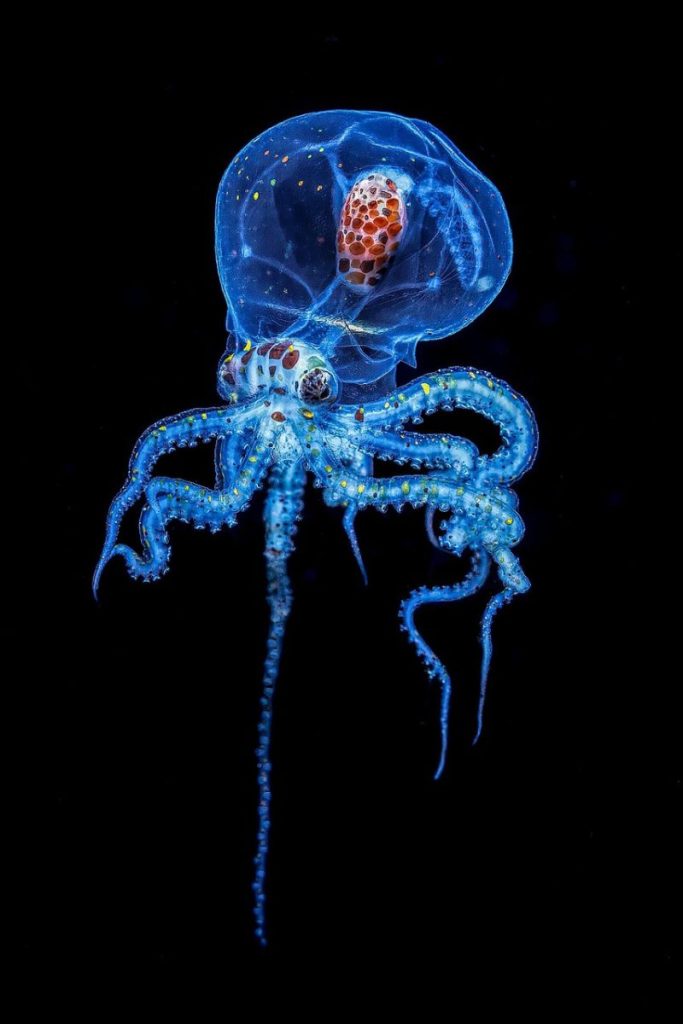
In the open ocean, there are no trees or rocks to hide behind. Creatures must use light to camouflage themselves by blending with the faint sunlight above. This is called counterillumination. According to evolutionary logs from the Ocean Census, this trick is useless on land, where shadows and foliage provide plenty of hiding spots. Land animals simply do not need to glow to disappear. But some land species kept the light.
The Survivors Of Light
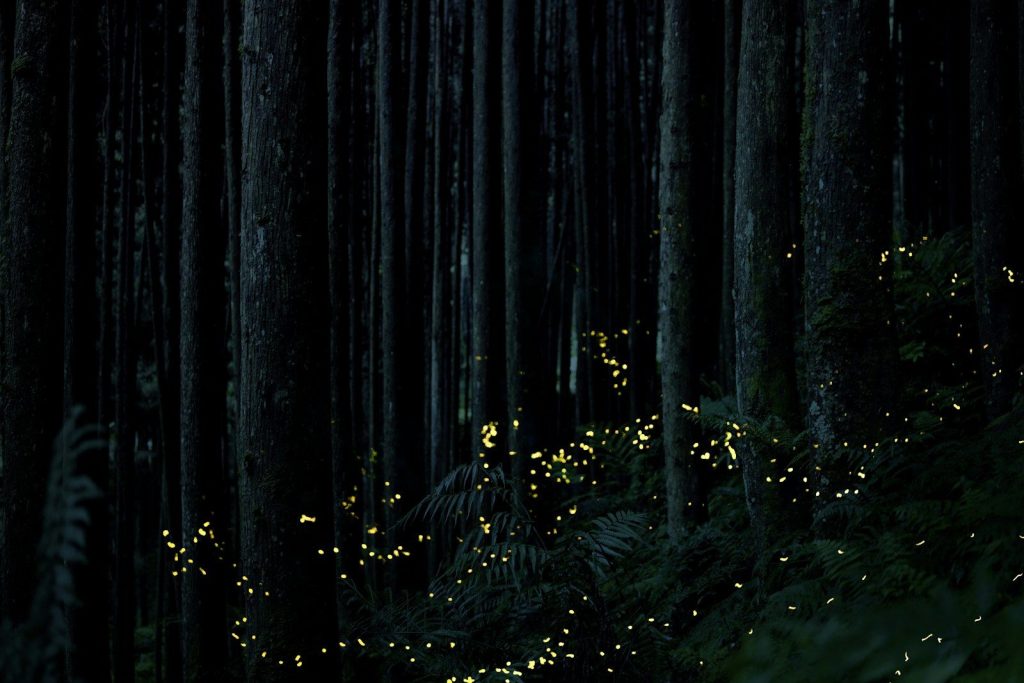
The few land creatures that still glow use their light for very specific tasks. Fireflies blink to find mates in the dense summer grass. Their timing is perfect. According to reports from the Royal Entomological Society, these bugs evolved chemical defenses that protect them from predators while they advertise their presence. This unique adaptation allowed them to keep their ancient glowing power. But their survival is facing a modern threat.
Protecting The Natural Glow
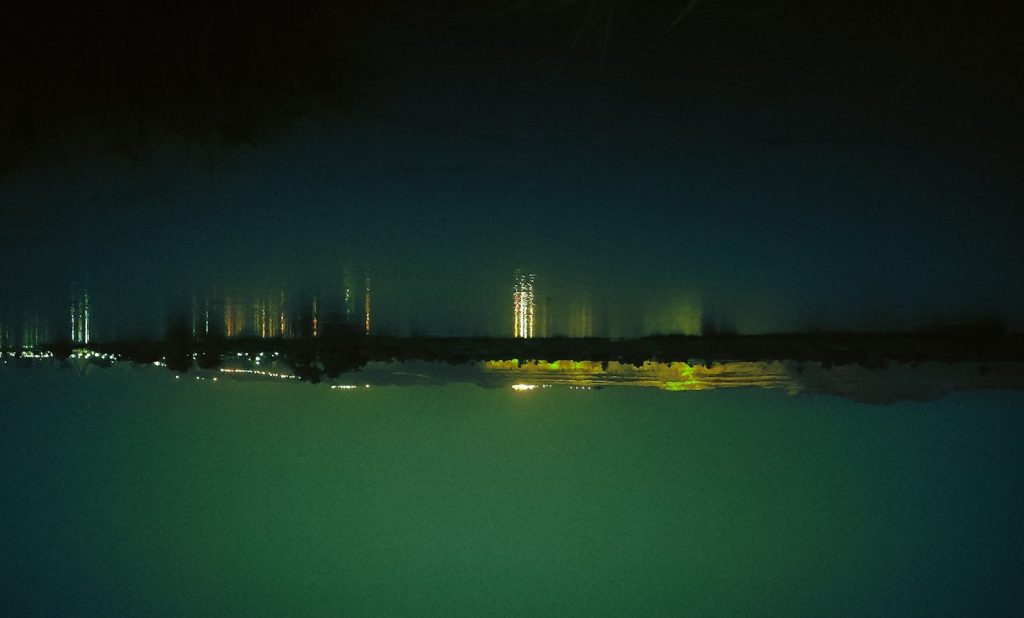
Artificial lights from expanding cities are slowly drowning out these beautiful natural displays. We must protect their habitats. Understanding these chemical wonders helps us appreciate the delicate balance of life on Earth. This article is for informational purposes only.
Featured Image: Photo by Elisha Terada on Unsplash
Leave a Reply