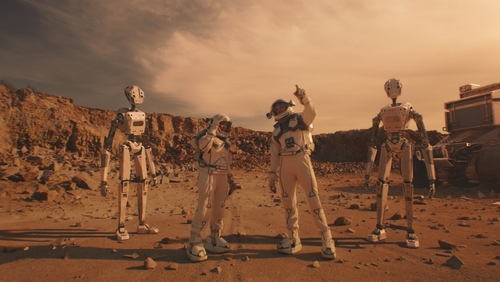
Most people imagine that courageous astronauts will build the very first homes on Mars. We picture human crews laying bricks and setting up life support systems.
But the first builders on the red planet will not be human at all. A fleet of autonomous robots is already being prepared to build our space colonies.
The Cruel Martian Desert
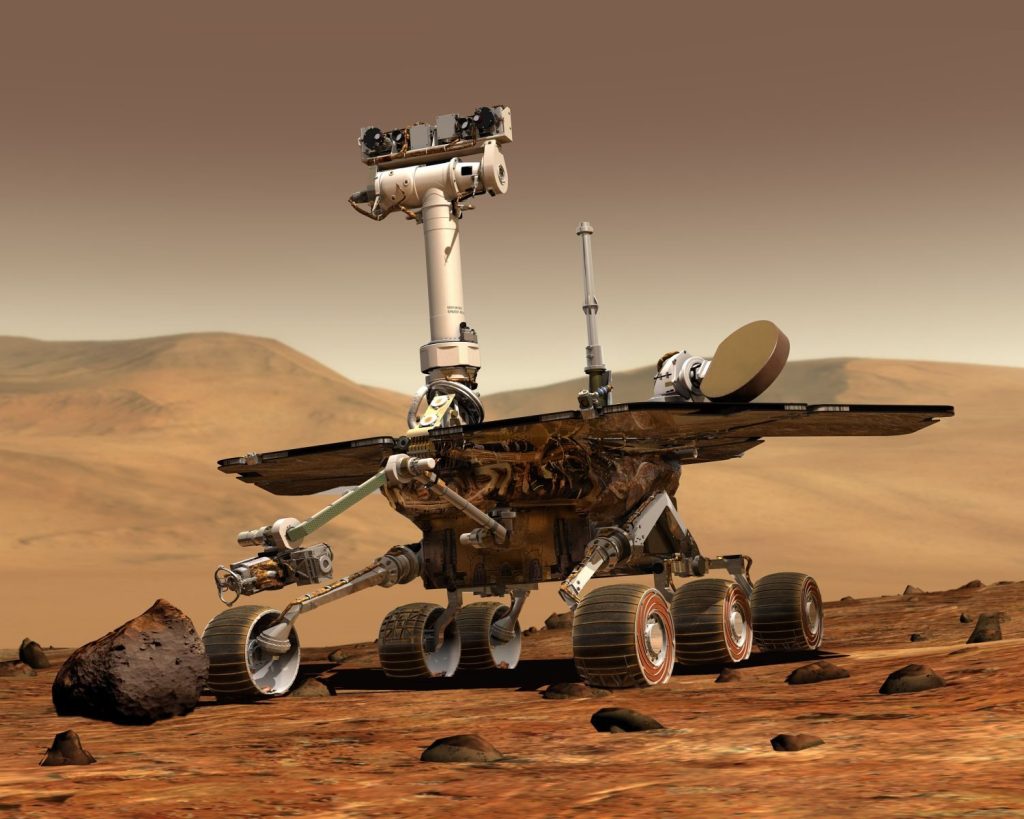
Mars is an incredibly hostile world with freezing temperatures and a toxic, thin atmosphere. Sending humans to construct bases under these extreme conditions is far too dangerous and slow. According to mission planners at SpaceX, we must send robotic scout forces ahead of any human crews. They will go first. These mechanical workers can operate non-stop without needing food, water, or oxygen.
Meet The Humanoid Builders
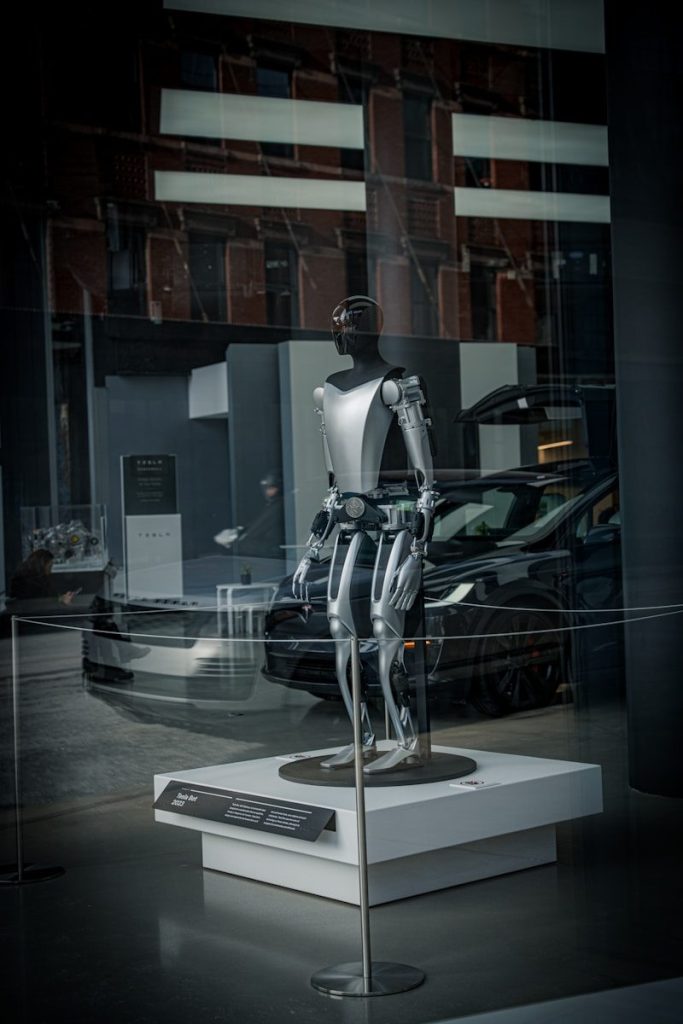
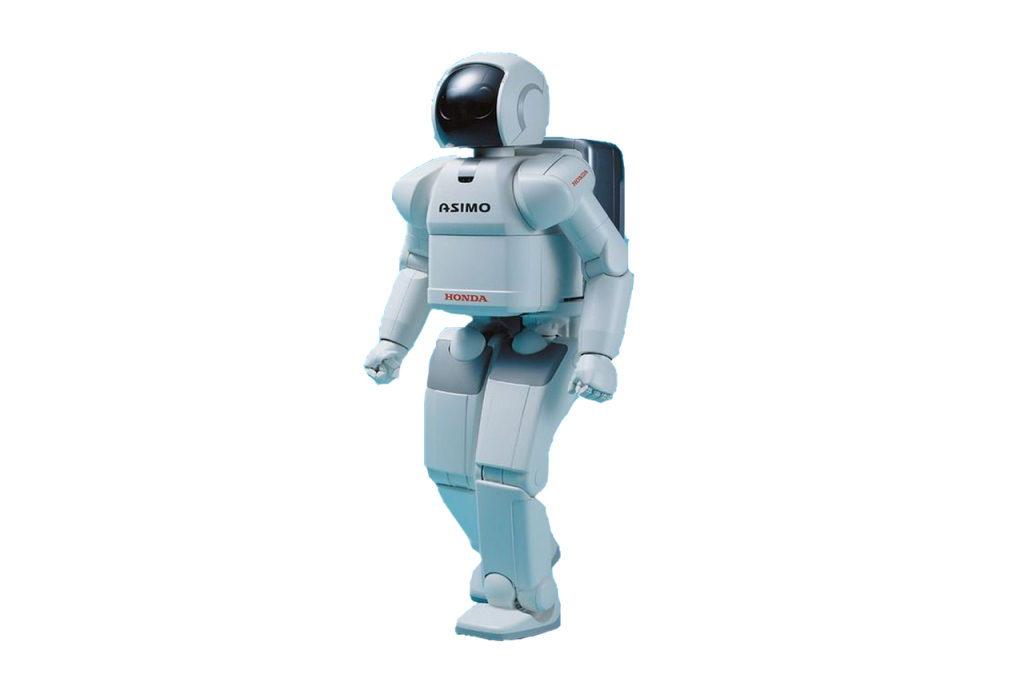
Modern engineers are developing advanced humanoid robots that can use the same tools as human workers. These machines can climb rough hills and handle delicate construction tasks with incredible ease. According to robotics designers, legs are far more versatile than wheels on the rocky Martian surface. They are highly agile. This versatility makes them perfect for preparing landing pads before humans arrive.
True Autonomy In Space
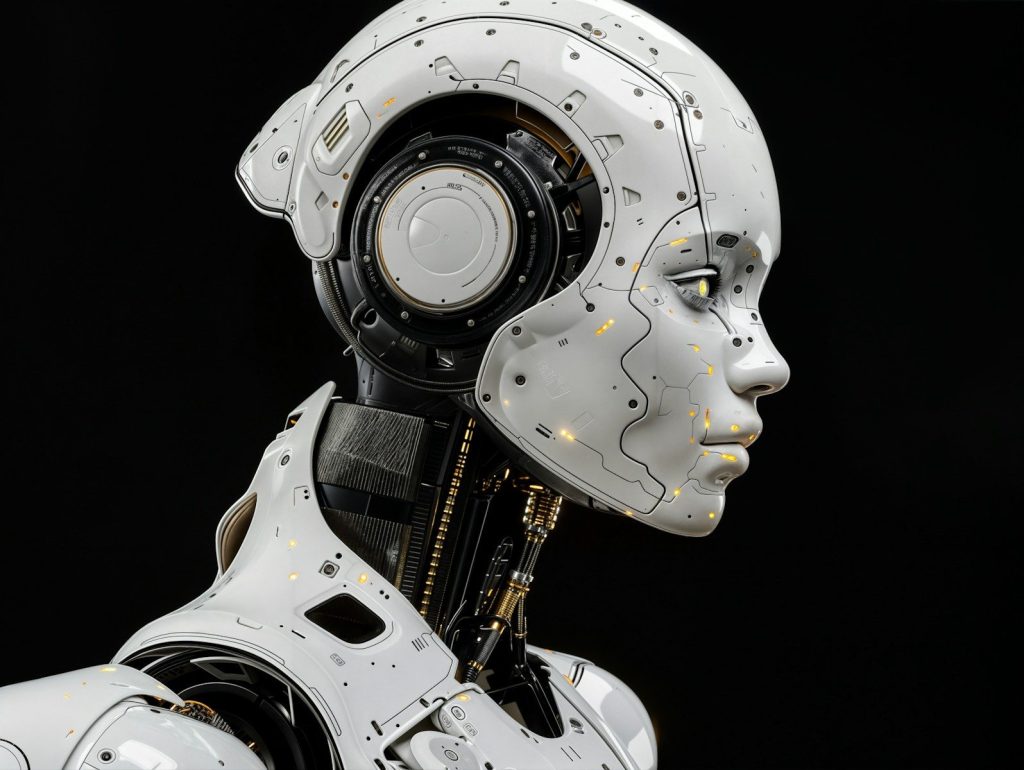
Controlling robots on Mars in real time from Earth is completely impossible due to massive communication delays. Signals can take up to twenty minutes to travel across the cold void of space. According to computer science researchers, these space machines must rely on advanced artificial intelligence to make decisions. They must think alone. This self-contained brain allows them to solve unexpected construction problems instantly.
Gathering Essential Survival Resources
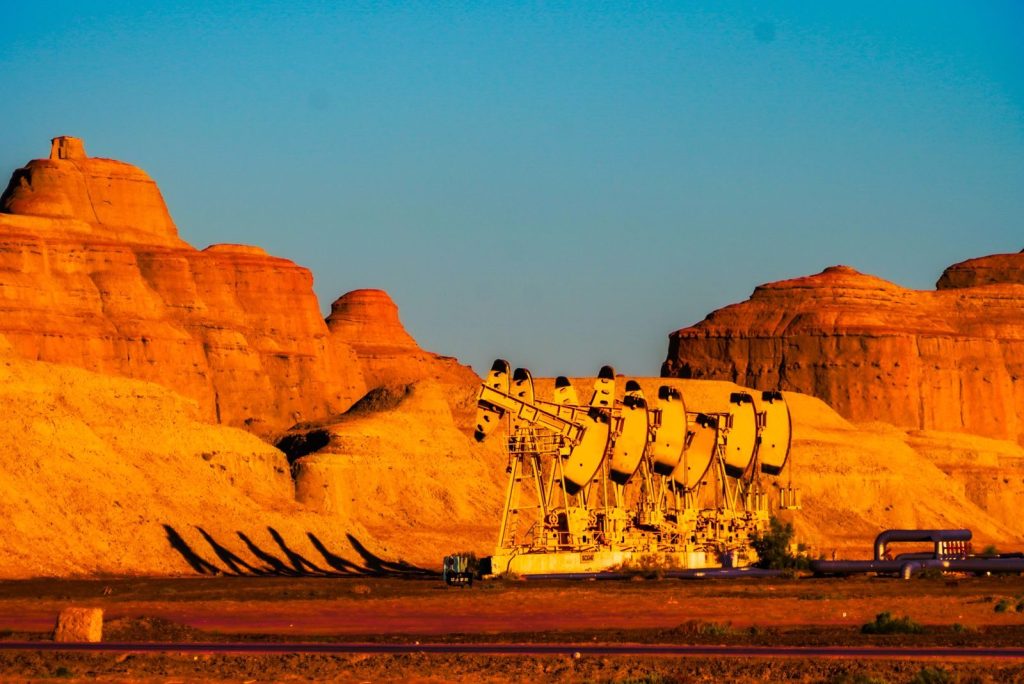
Before any human astronaut steps foot on the red planet, essential survival supplies must be ready. Robots will spend years extracting water from frozen soil and generating breathable oxygen from the air. According to planetary geologists, automated processors can quietly run for thousands of hours to build up life-saving stockpiles. This is crucial. But these machines must also survive violent global dust storms.
Building Under Severe Radiation
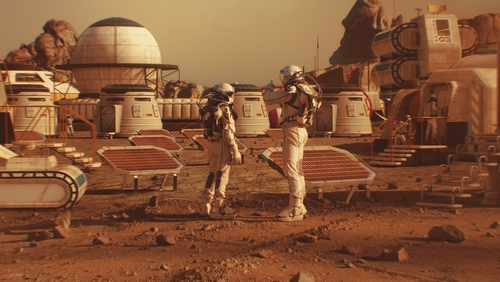
Without a thick magnetic field, the surface of Mars is constantly blasted by deadly space radiation. Human workers would quickly fall ill while constructing shelters on the exposed surface. According to radiation experts, robots can work indefinitely under these extreme rays without any physical degradation. They are completely immune. This shielding ability makes them the ideal candidates to build thick protective domes.
The Path For Humanity
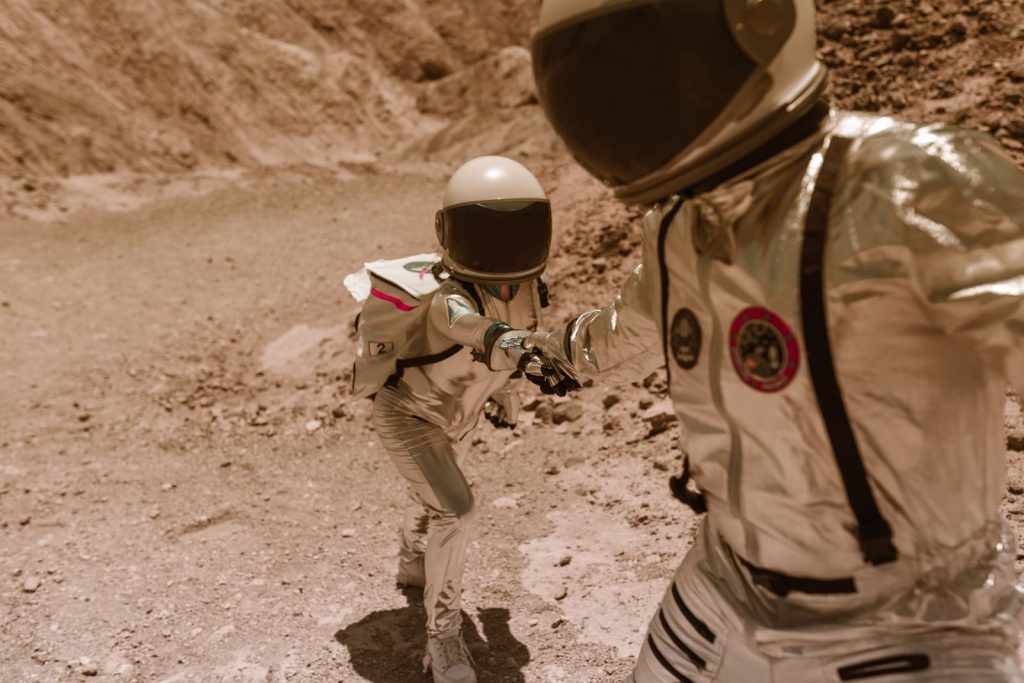
Once the robotic fleet completes the initial bases, the planet will finally be ready for human arrivals. The first astronauts will step into pre-built, fully pressurized habitats with running life support networks. According to aerospace visionaries, this automated approach will significantly reduce the risk of early space exploration missions. We are getting closer. This paradigm shift will permanently accelerate our expansion into deep space.
A New Robotic Frontier
The conquest of the red planet will be a collaborative triumph of human ingenuity and machine labor. Our robotic companions will pave the way for a multi-planetary future that once seemed completely impossible. According to robotics research institutes, the future of space exploration belongs to autonomous systems. This article is for informational purposes only.
Featured Image: Shutterstock
Leave a Reply