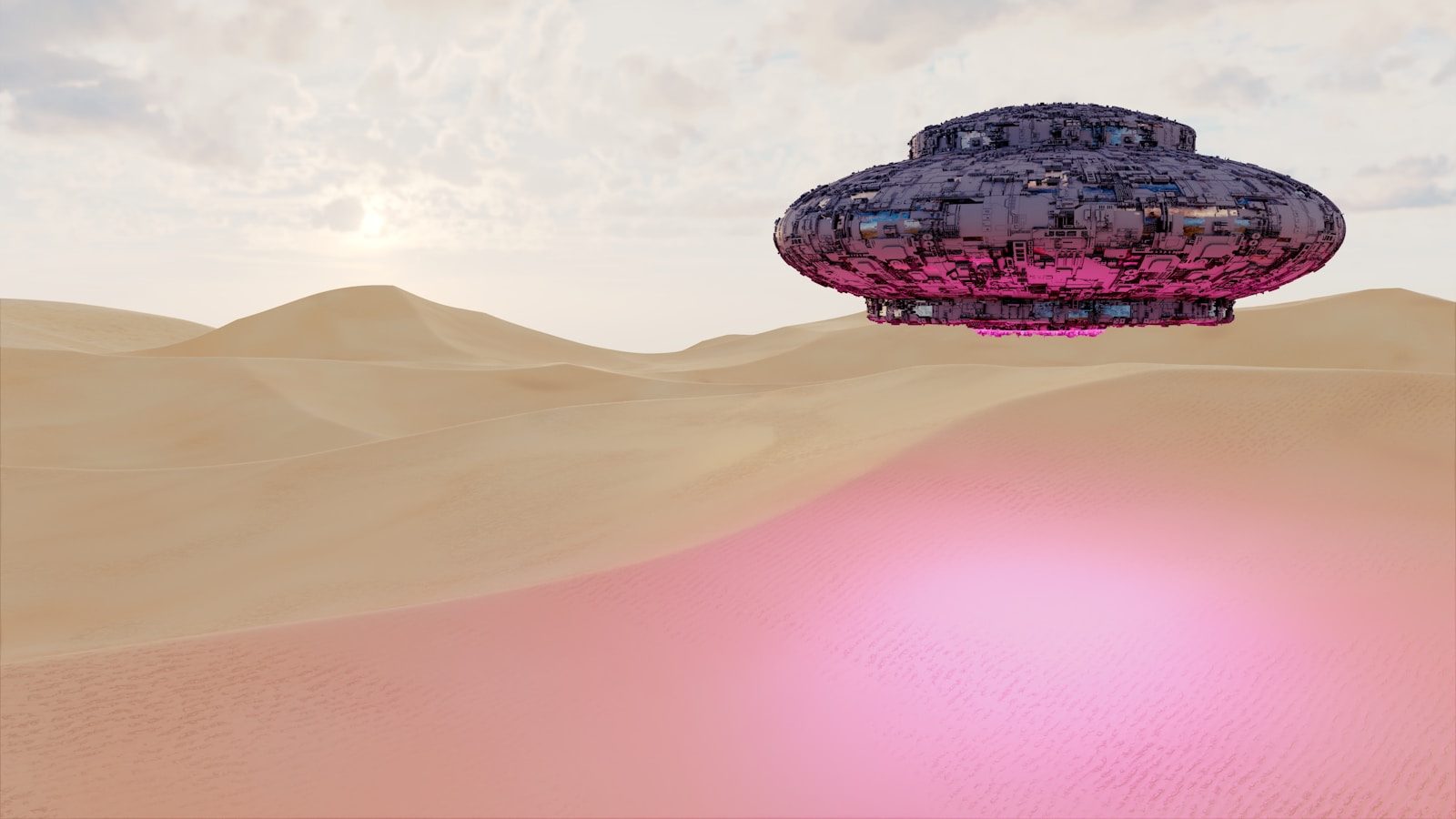
In June 1947, pilot Kenneth Arnold reported nine fast-moving objects near Mount Rainier, helping popularise the term “flying saucer.” In July 1952, radar operators and pilots reported unusual returns and lights around Washington, D.C., leading the Air Force to scramble interceptors. Temperature inversions were proposed as a partial explanation, but controversy surrounding the incidents helped intensify Project Blue Book’s work.
Levelland and Socorro
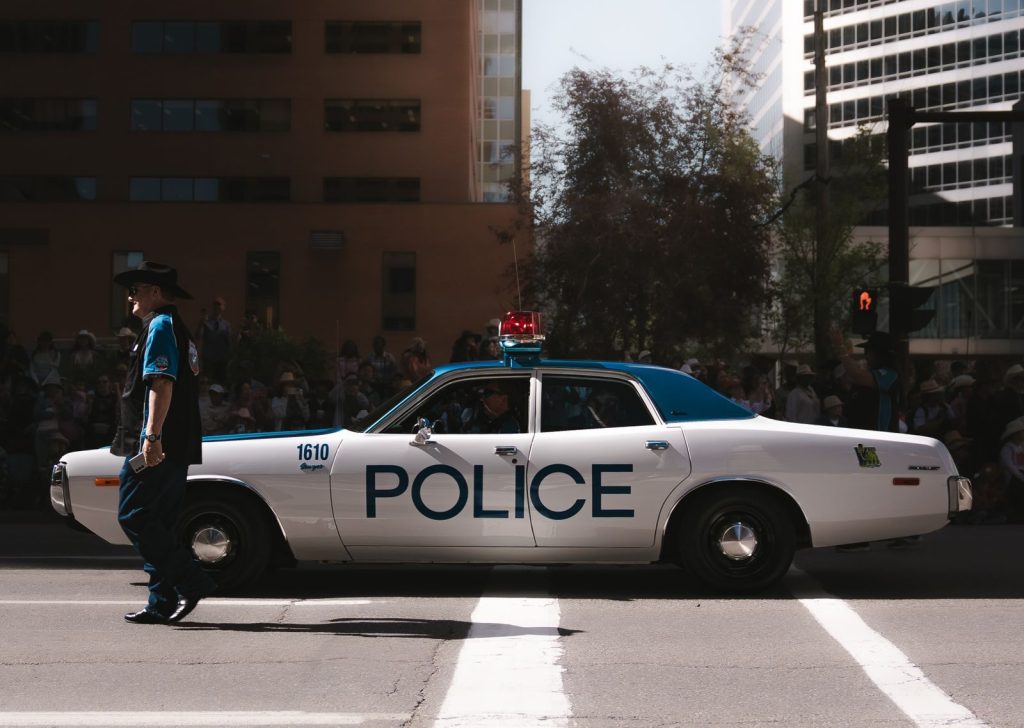
In 1957, motorists around Levelland, Texas, reported bright objects and temporary vehicle problems. The Air Force favored explanations involving electrical storms, although witnesses disputed that conclusion. In 1964, New Mexico police officer Lonnie Zamora reported seeing an oval object near Socorro and marks on the ground. Project Blue Book ultimately classified the Socorro case as unidentified.
Westall and Shag Harbour
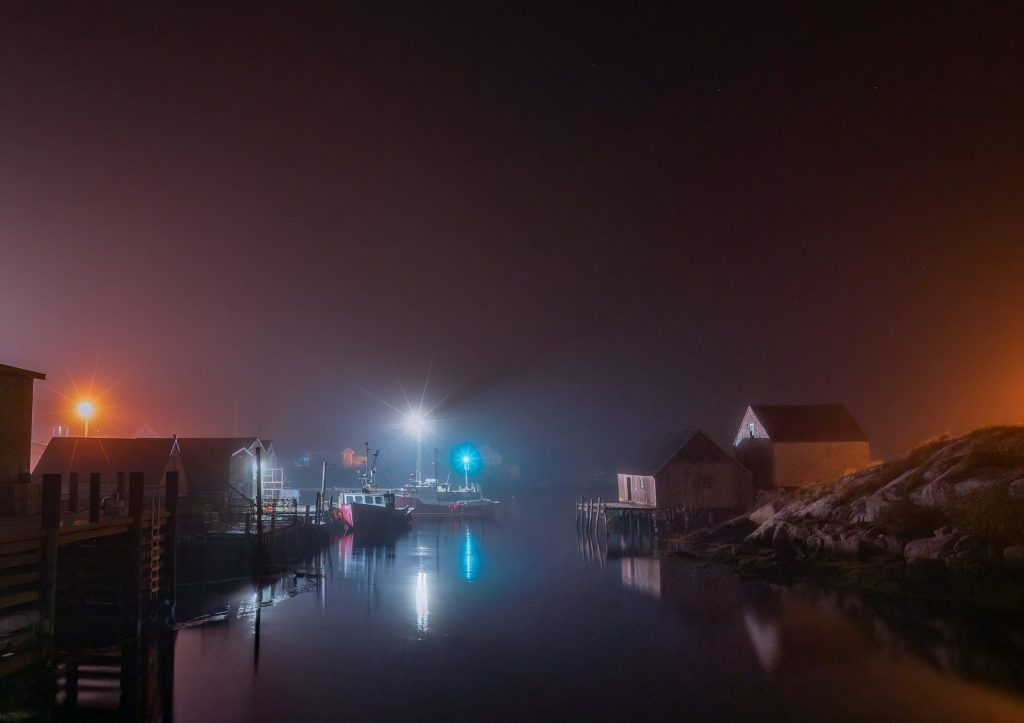
In April 1966, students and teachers at Westall High School in Melbourne reported a disc-like object moving over the area, but no surviving evidence proves what it was. In October 1967, witnesses at Shag Harbor, Nova Scotia, reported a row of lights descending toward the water. Canadian government archives preserve records of the incident, which remains an important part of the country’s UAP history.
Tehran and the Kaikōura Lights
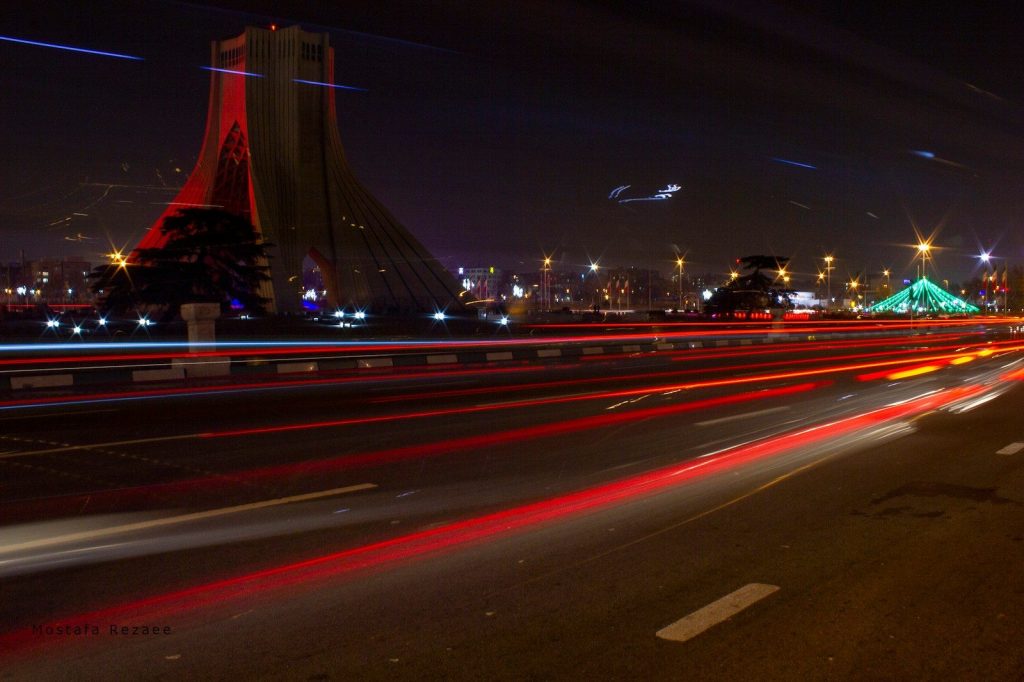
In 1976, Iranian military pilots were sent toward an unidentified light over Tehran. A U.S. intelligence report recorded pilot claims of instrument problems during the encounter, but did not establish an extraterrestrial cause. In 1978, lights near Kaikōura, New Zealand, were observed by aircrews, detected on radar and filmed by a television crew. Declassified records show officials considered several explanations without reaching universal agreement.
Rendlesham and Japan Airlines Flight 1628
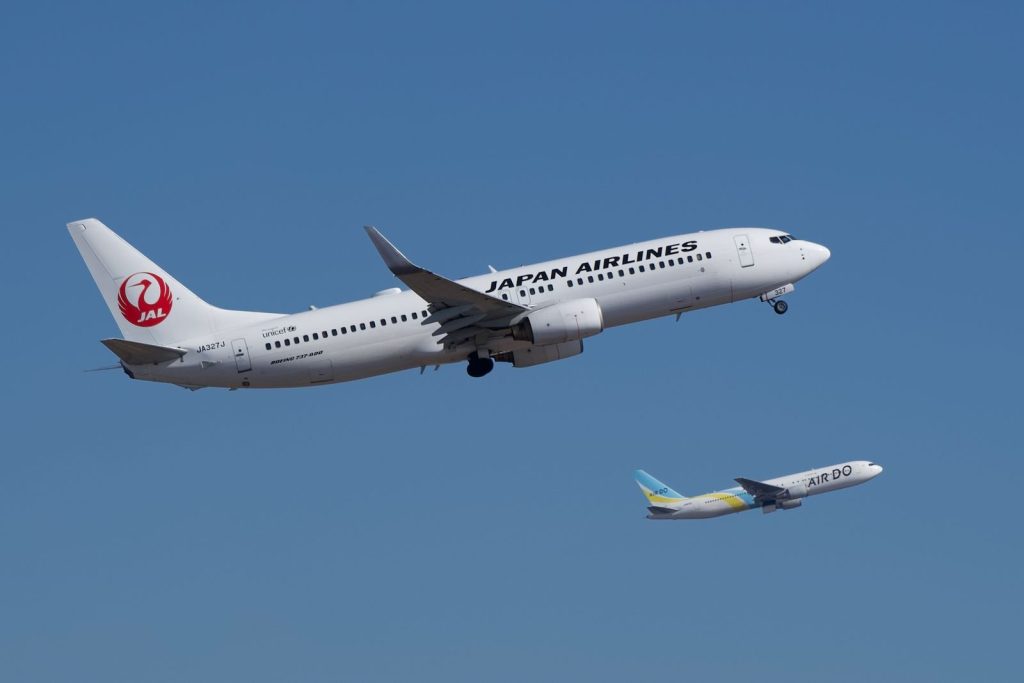
U.S. Air Force personnel reported unusual lights near RAF Woodbridge in England in December 1980. Britain’s Ministry of Defense found no radar confirmation and concluded that the event posed no defense threat. In 1986, the crew of Japan Airlines Flight 1628 reported unfamiliar lights over Alaska. The FAA’s records of that encounter are now preserved by the U.S. National Archives.
The Belgian Wave and the Phoenix Lights
During 1989 and 1990, Belgian police officers and residents reported large triangular lights, prompting F-16 interceptions. Radar contacts were recorded, but no definitive object was identified. In Arizona in 1997, witnesses reported a broad formation of lights, followed later by another display. The later lights were widely attributed to military flares, while accounts of the earlier formation remain disputed.
The Nimitz Encounter and O’Hare Airport
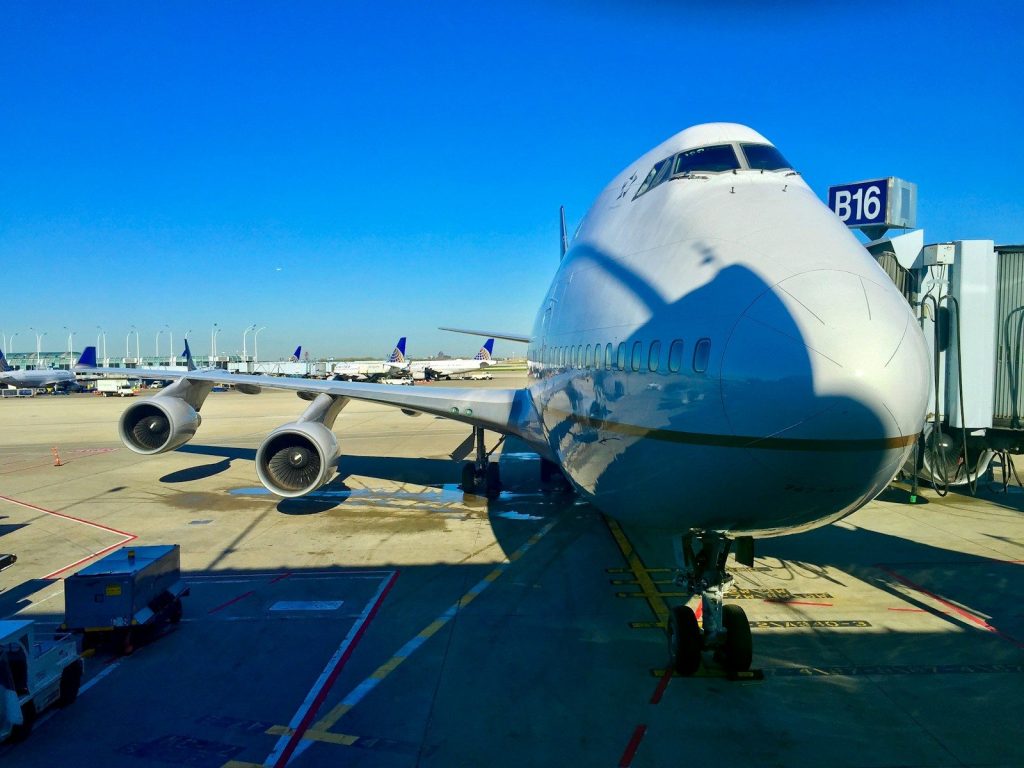
In November 2004, U.S. Navy aviators encountered an object later associated with the “FLIR1” or “Tic Tac” video near the USS Nimitz. The Pentagon confirmed that the recording was genuine Navy footage, not that it showed alien technology. In 2006, United Airlines employees at Chicago O’Hare reported a dark object above a terminal. The FAA suggested a weather phenomenon and did not identify an aviation hazard.
The 2015 Gimbal Encounter
The “Gimbal” footage was recorded by a Navy aircraft in January 2015 and later officially released alongside the “GoFast” video. It shows an infrared target that appeared unusual to the observing crew. Pentagon confirmation established the video’s military origin, but not the object’s nature, speed or distance. Sensor effects, viewing geometry and missing data make dramatic conclusions difficult to verify.
The Most Important Evidence Is Often Missing
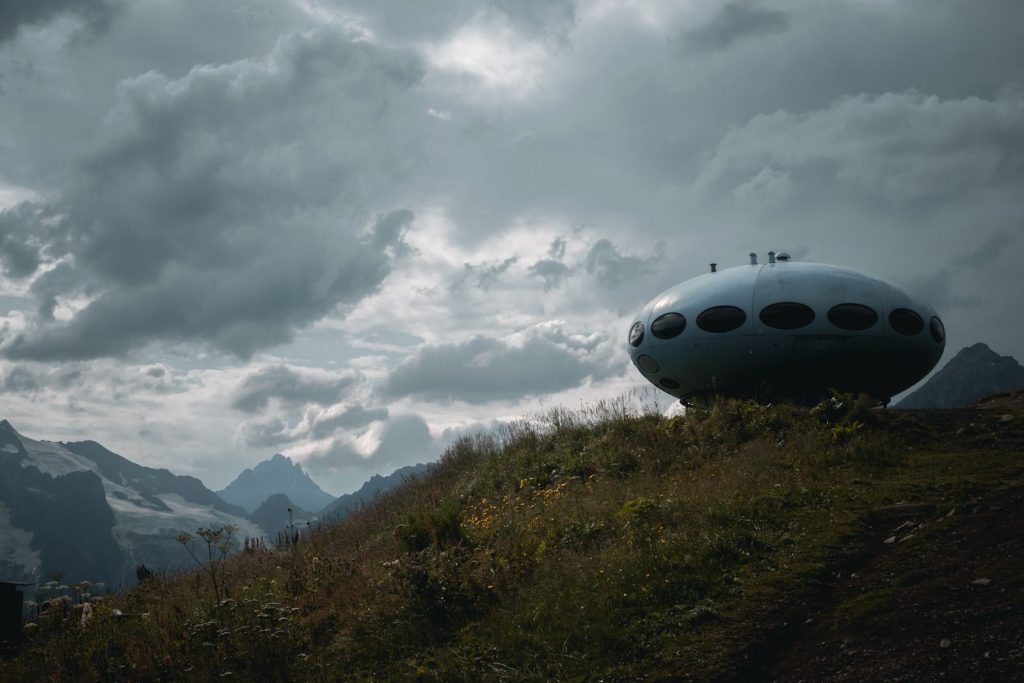
These cases deserve historical attention because witnesses reported something they could not identify. Yet eyewitness memory, radar artifacts, atmospheric effects and incomplete sensor data can all create uncertainty. An unresolved file is not proof of extraterrestrial visitation. It means investigators did not receive enough reliable information to make a defensible identification.
Featured Image: Photo by Nigel Hoare on Unsplash
Leave a Reply