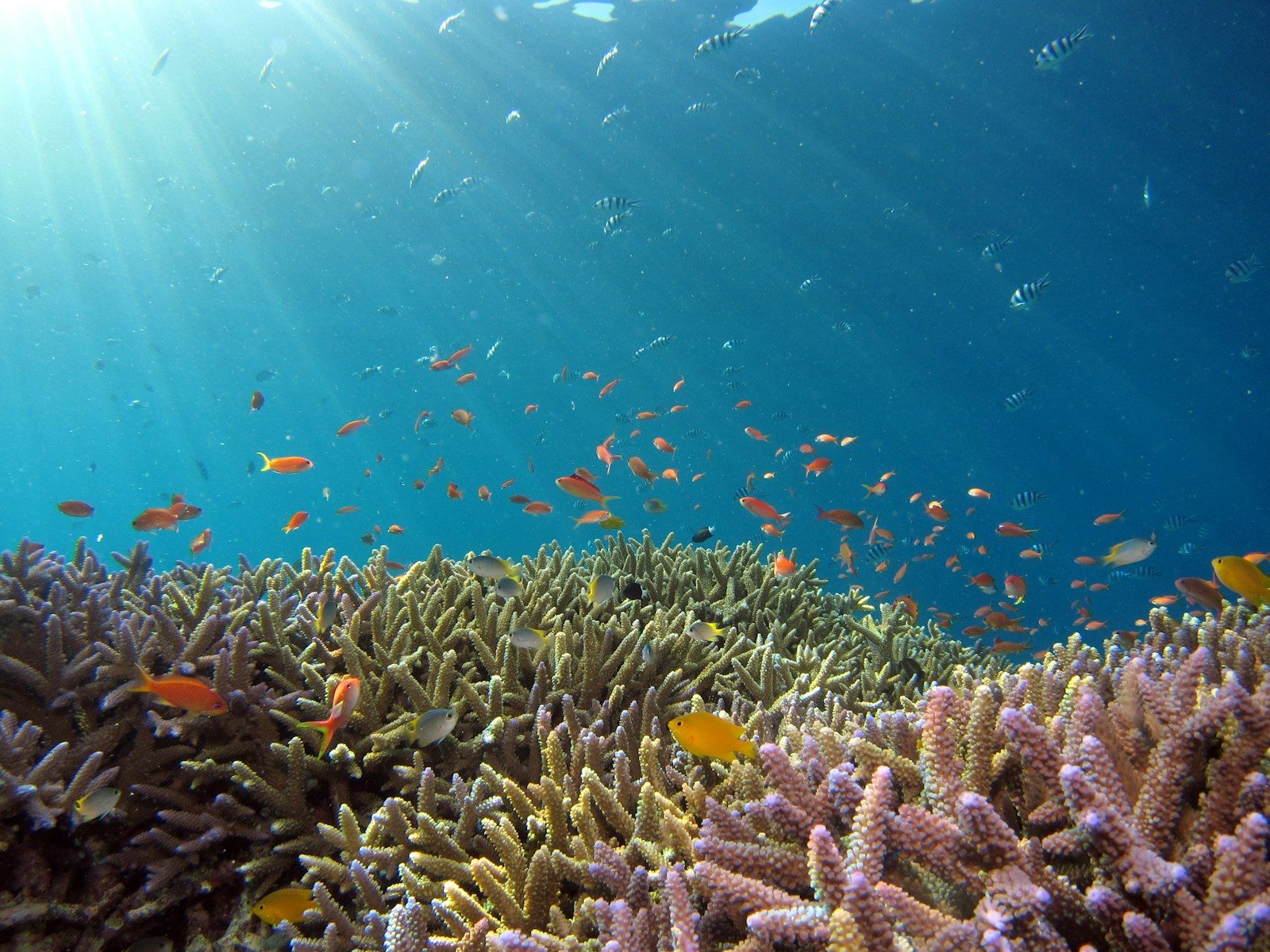
Far below the waves, the deep Pacific holds mountains, vents, plains, and strange living communities that scientists are still trying to understand.
Even after NOAA mapped more than 597,000 square kilometers and recorded over 347,000 organisms, fewer than 20% of visible deep-sea species could be identified. That makes this hidden world feel less like a place we know—and more like one we have only just started to meet.
A world below the waves
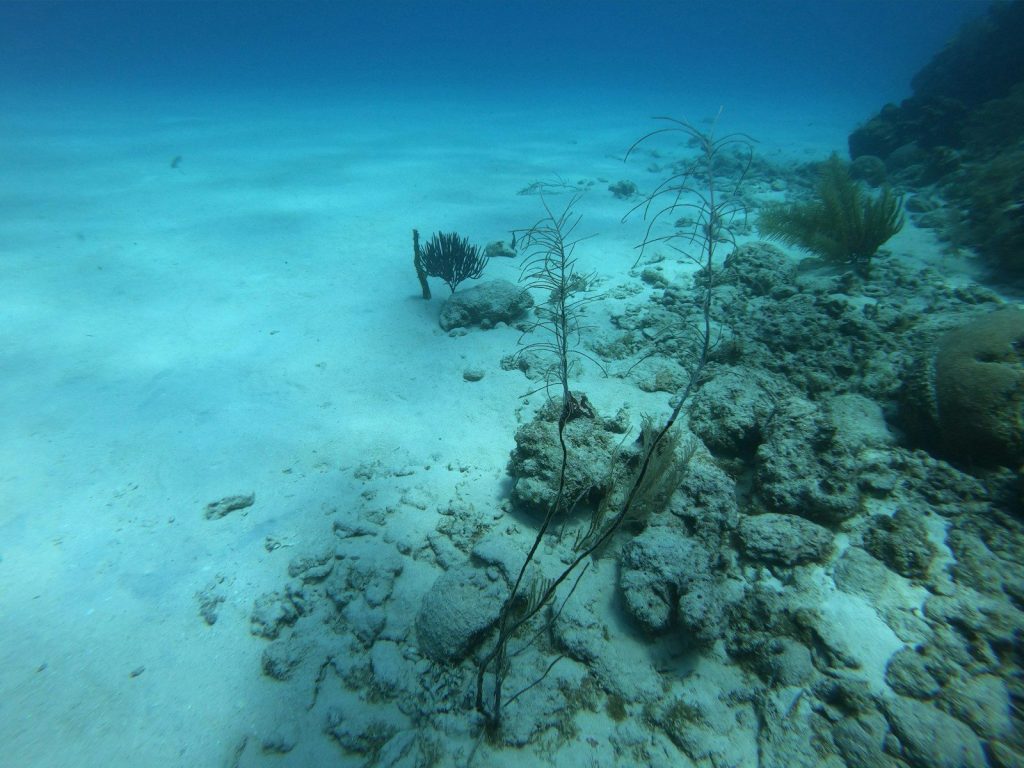
The deep Pacific is not just dark water and empty space. It is a huge hidden landscape filled with mountains, plains, vents, trenches, and living communities most people will never see.
That is what makes it so fascinating. Even after decades of ocean science, much of this world is still poorly mapped, rarely visited, and only partly understood. Some discoveries show how much remains unknown.
The Pacific is enormous
The Pacific Ocean covers about 161.76 million square kilometers, making it the largest ocean on Earth. Its deep seafloor includes abyssal plains, seamounts, ridges, trenches, and other features spread across a massive area.
That size creates a real challenge. Scientists cannot simply “look” at the whole bottom. They need ships, sonar, underwater robots, cameras, and long missions just to study small pieces of it.
NOAA took a closer look
NOAA’s CAPSTONE campaign was a major effort to explore the deep Pacific from 2015 to 2017. During that work, researchers mapped 597,230 square kilometers of seafloor and studied hundreds of underwater features.
That sounds huge, and it was. But compared with the size of the Pacific, it was still only a small window into a much larger world.
Robots made the trip
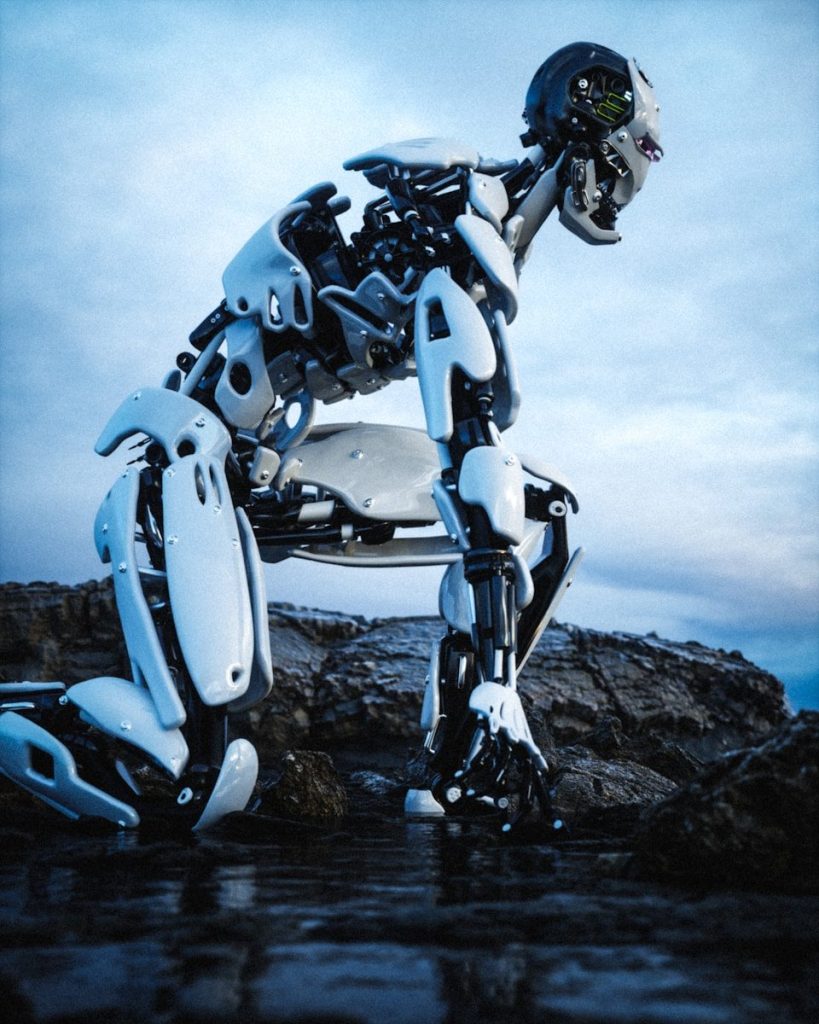
Scientists used remotely operated vehicles, also called ROVs, to reach places people cannot easily visit. These machines carried cameras, lights, sensors, and tools for carefully collecting samples from the seafloor.
Across the campaign, NOAA completed 187 ROV dives and recorded about 891.5 hours of deep-sea imaging time. Those dives helped researchers watch animals in their natural homes instead of guessing from samples alone.
Most species stayed unnamed
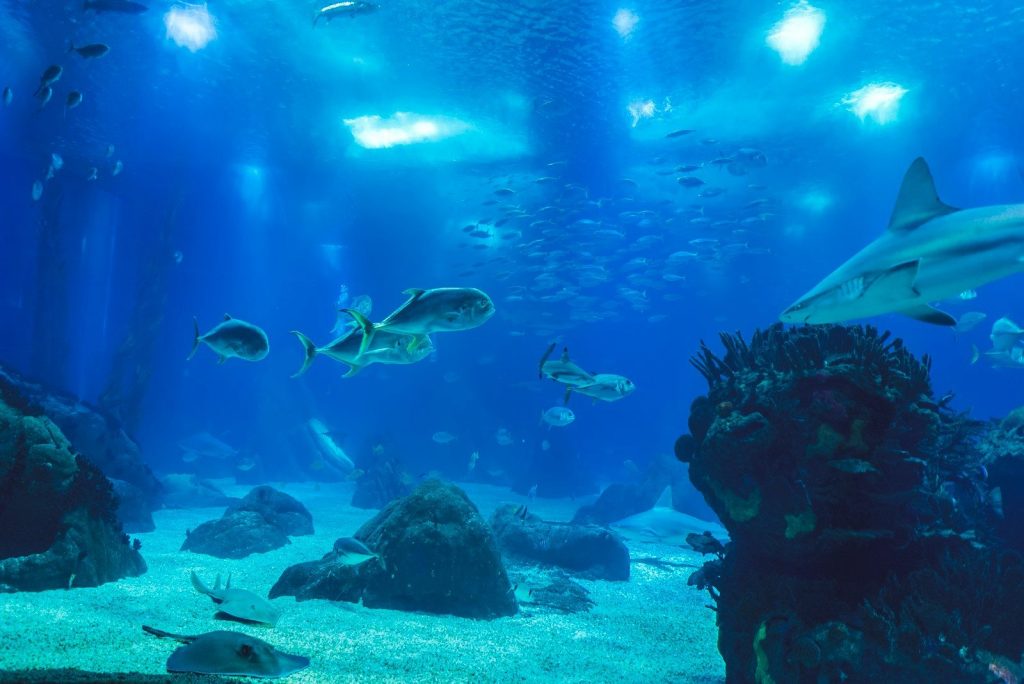
One of the biggest surprises was how hard it was to identify deep-sea life. NOAA’s work documented more than 347,000 individual organisms, yet fewer than 20% of visible deep-sea species could be identified to species level.
That does not mean the rest were all new species. Some needed closer study, better images, or lab work. Still, it shows how young deep-ocean science really is.
Seamounts are busy places
Seamounts are underwater mountains, and they can act like gathering points for deep-sea life. CAPSTONE mapped 323 seamounts, giving scientists a better look at how these features shape ocean habitats.
Currents can move around seamounts in special ways. That may help bring food to corals, sponges, sea stars, and other animals living far below the surface.
Three groups stood out
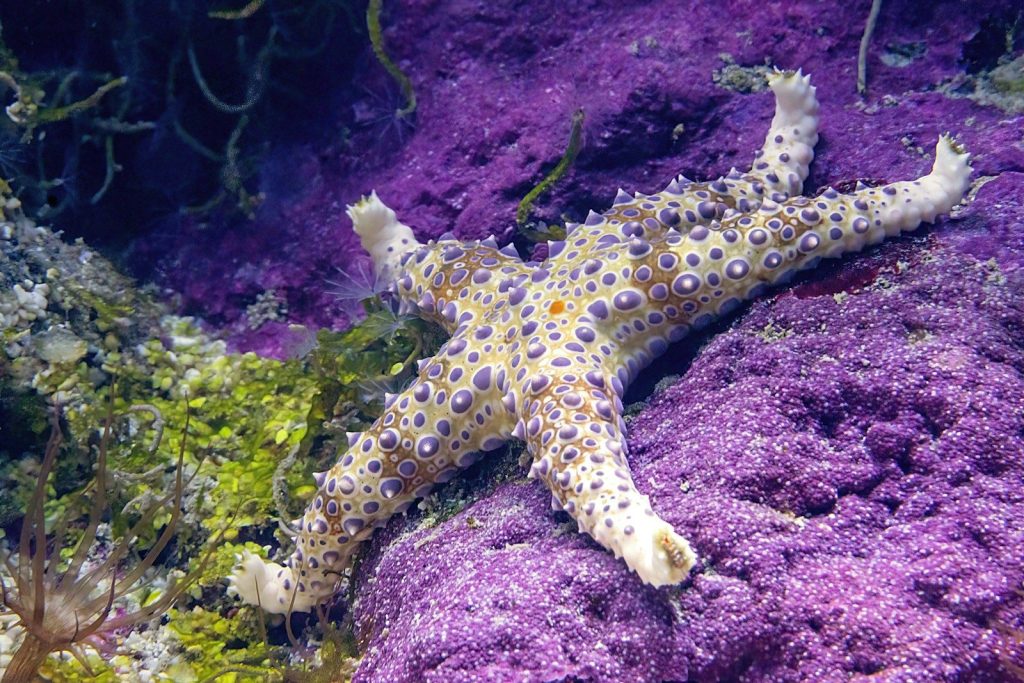
The most common and diverse groups seen in the research included cnidarians, sponges, and echinoderms. That means animals such as deep-sea corals, sponges, sea stars, sea cucumbers, and their relatives.
These animals may look still or simple, but they help build living neighborhoods. Some create places where other deep-sea creatures can feed, hide, rest, or attach.
Depth changes everything
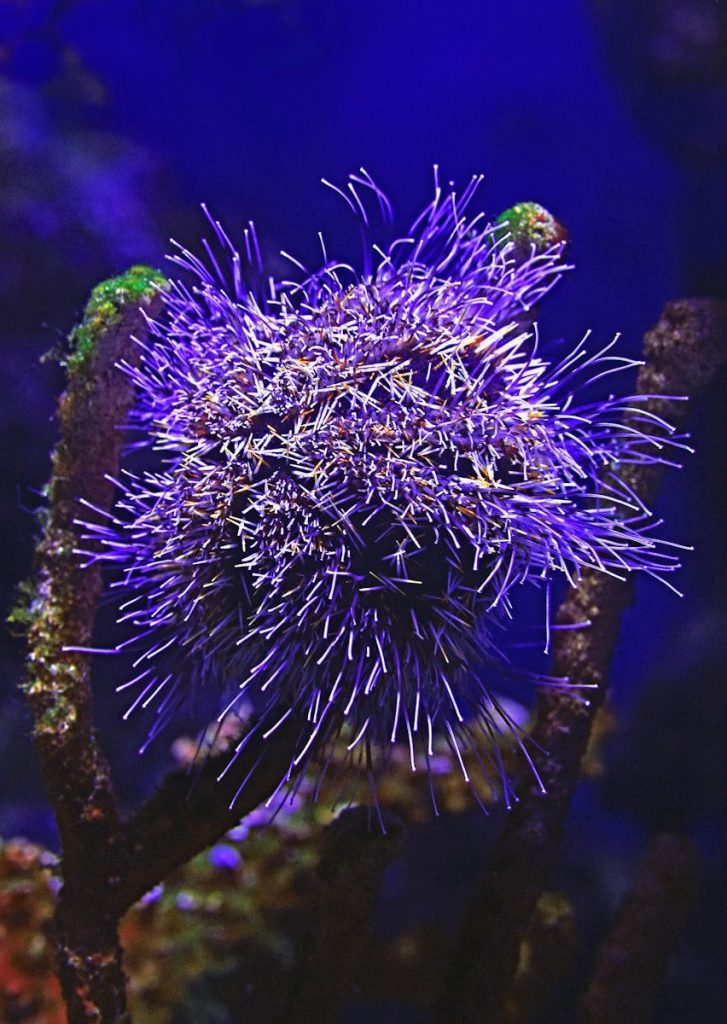
Life in the deep Pacific does not look the same everywhere. The study found differences in biodiversity by depth, region, and seafloor feature, meaning each place can have its own mix of species.
A coral community on a seamount may be very different from life near a vent or on a flat abyssal plain. That is why one dive cannot explain the whole ocean.
New clues keep appearing
CAPSTONE also recorded unusual animals, possible new species, new location records, and rare behaviors. Some samples collected during the campaign may help scientists describe species that were not fully known before.
These moments matter because deep-sea life is hard to observe. Every clear video, sample, and map can add a missing piece to the puzzle of how this hidden world works.
Exploration is just starting
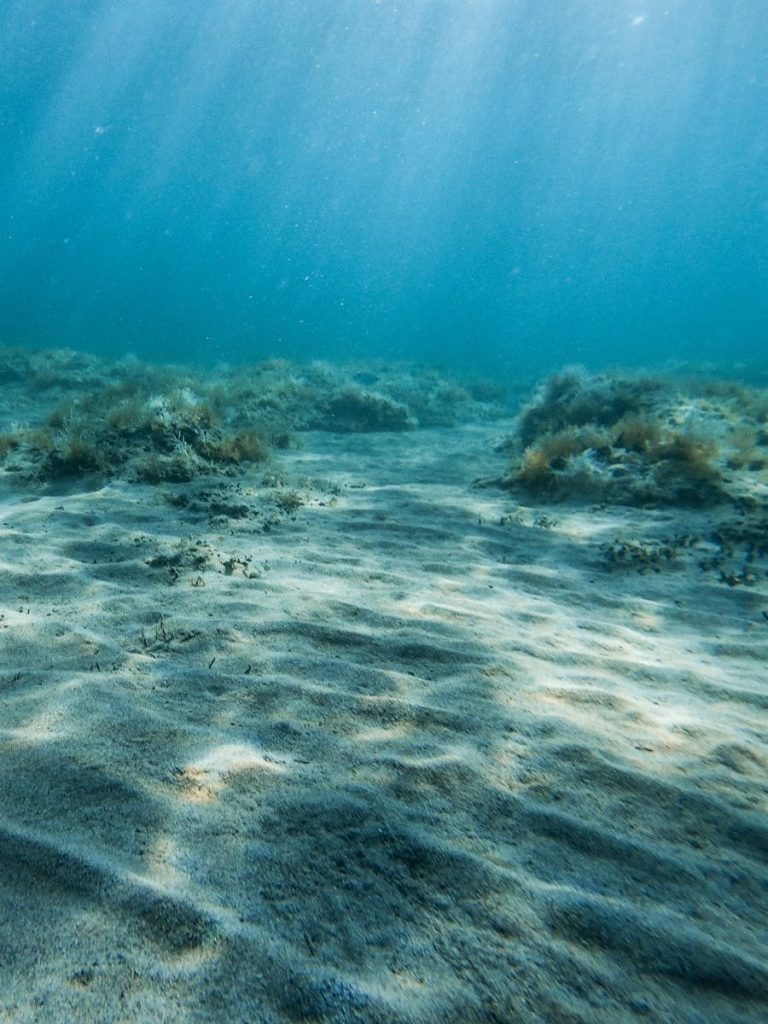
By the study’s estimate, only about 13.8% of the Pacific had been mapped using modern methods at the time of publication. That leaves a huge amount of seafloor still waiting for better maps and closer study.
The deep Pacific is not empty. It is one of Earth’s least-known living worlds, and each mission shows that the next surprise may be waiting just beyond the lights.
Leave a Reply